
Is Land Rover About to Team Up With Jeep? Here's What's Really Going On…
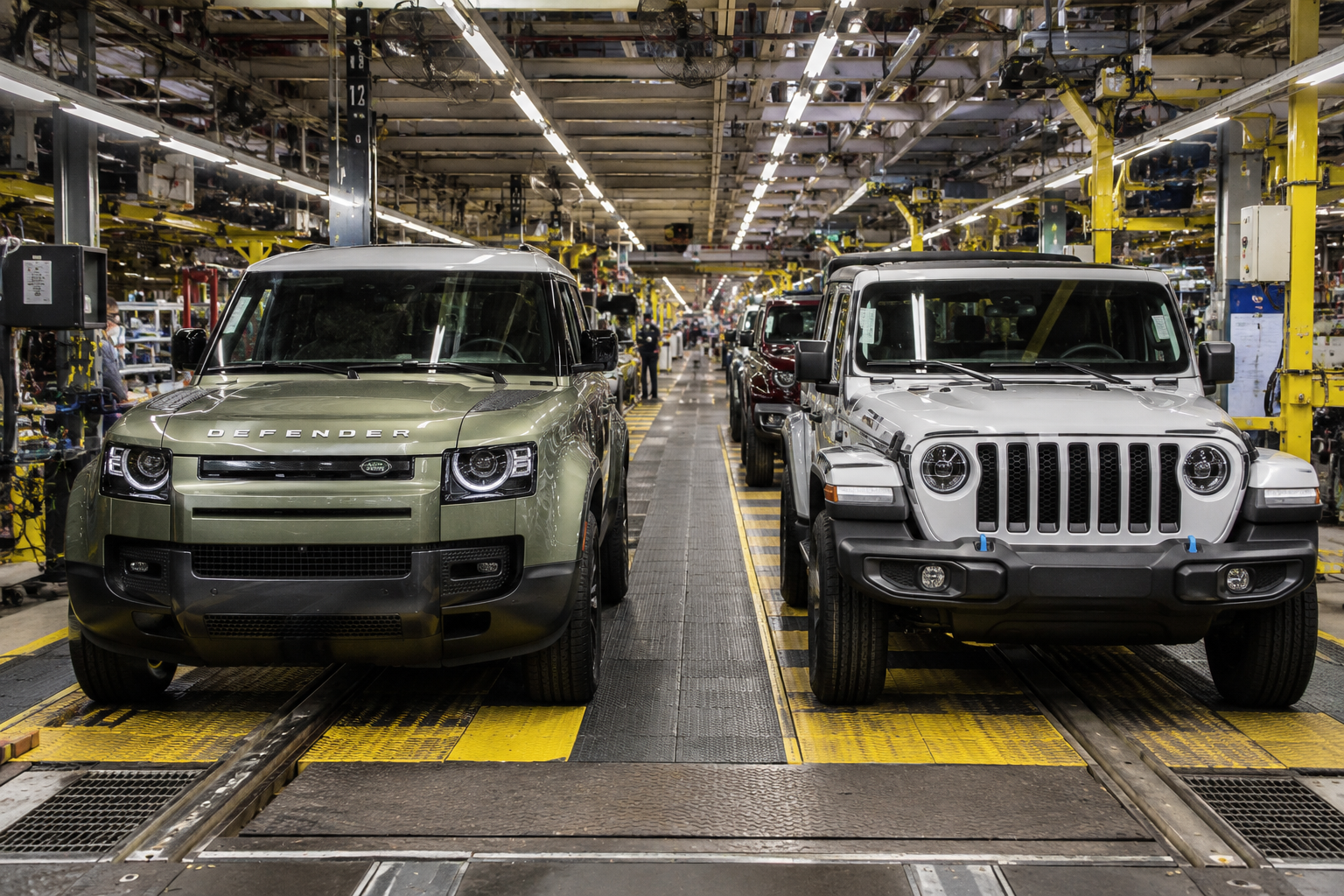
If you've spent more than five minutes scrolling through American motoring websites recently, you'd be forgiven for thinking Jaguar Land Rover has secretly wheeled a Defender into a Jeep factory under the cover of darkness while nobody was looking.
Headlines have been flying around claiming Land Rover and Stellantis are about to become best mates, that Defenders are heading to America, and that Jeep and Land Rover engineers are already sharing tea bags and torque wrenches.
As is often the case with these things, the truth is a little less dramatic... but still rather interesting.
So, what's actually happened?
The only thing officially announced so far is that Jaguar Land Rover and Stellantis have signed a non-binding Memorandum of Understanding (MoU) to explore working together on product and technology development in North America.
That's it.
No production deal.
No new Defender.
No Jeep Wrangler with a green oval badge glued to the grille.
No Range Rover powered by a HEMI V8 making eagle noises every time you press the starter button.
An MoU is essentially corporate speak for, "Let's have a chat and see if this could work."
It's the automotive equivalent of agreeing to go for a pint before deciding whether you'd actually like to spend the weekend together.
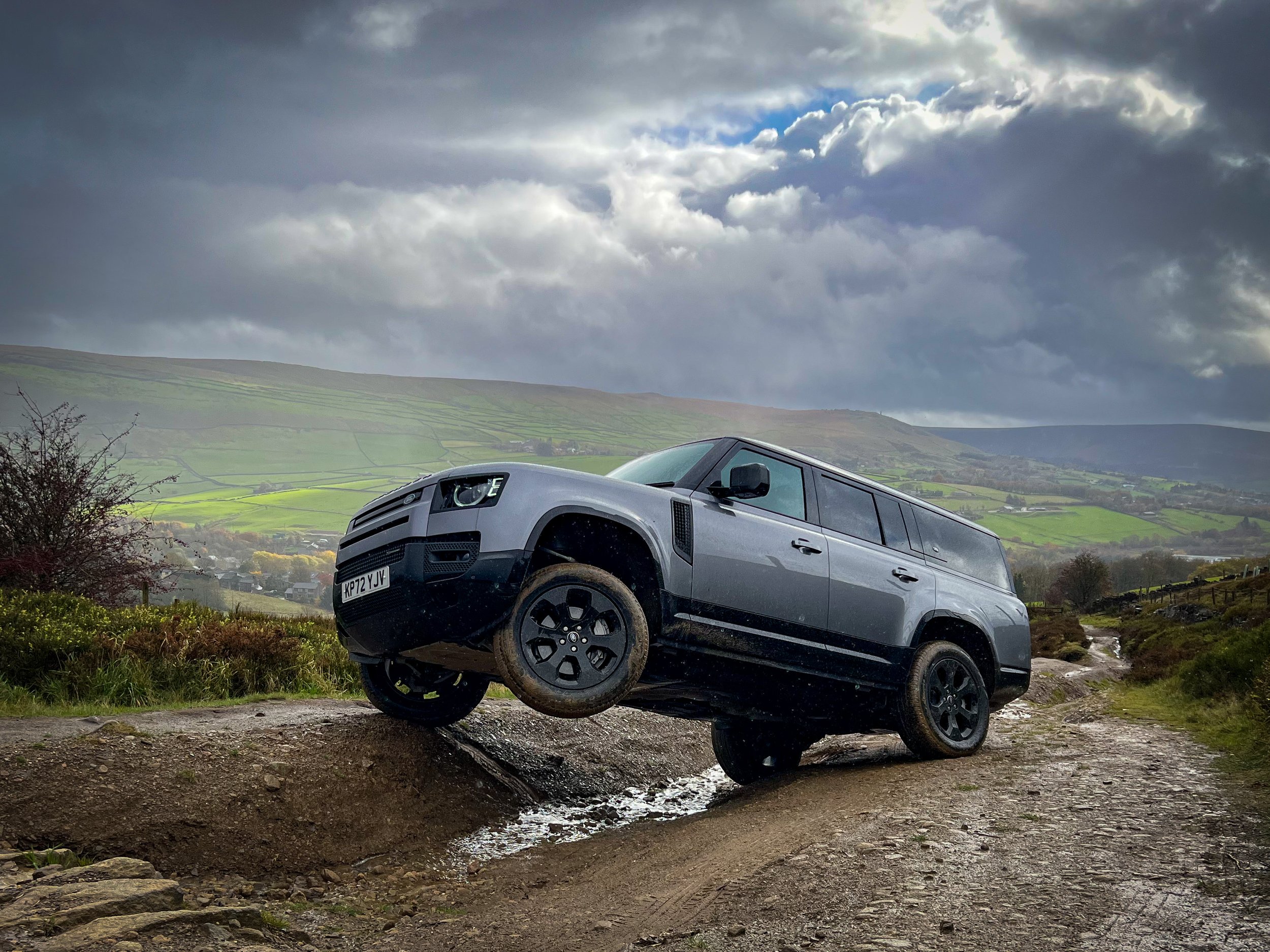
So why is everyone getting excited?
The rumours really gathered pace after JLR's chief executive, PB Balaji, laid out some ambitious plans for the company's futur, and America is now firmly at the top of JLR's shopping list.
The company wants the North American market to become dramatically bigger than it is today and, eventually, to rival the size of JLR's current global business.
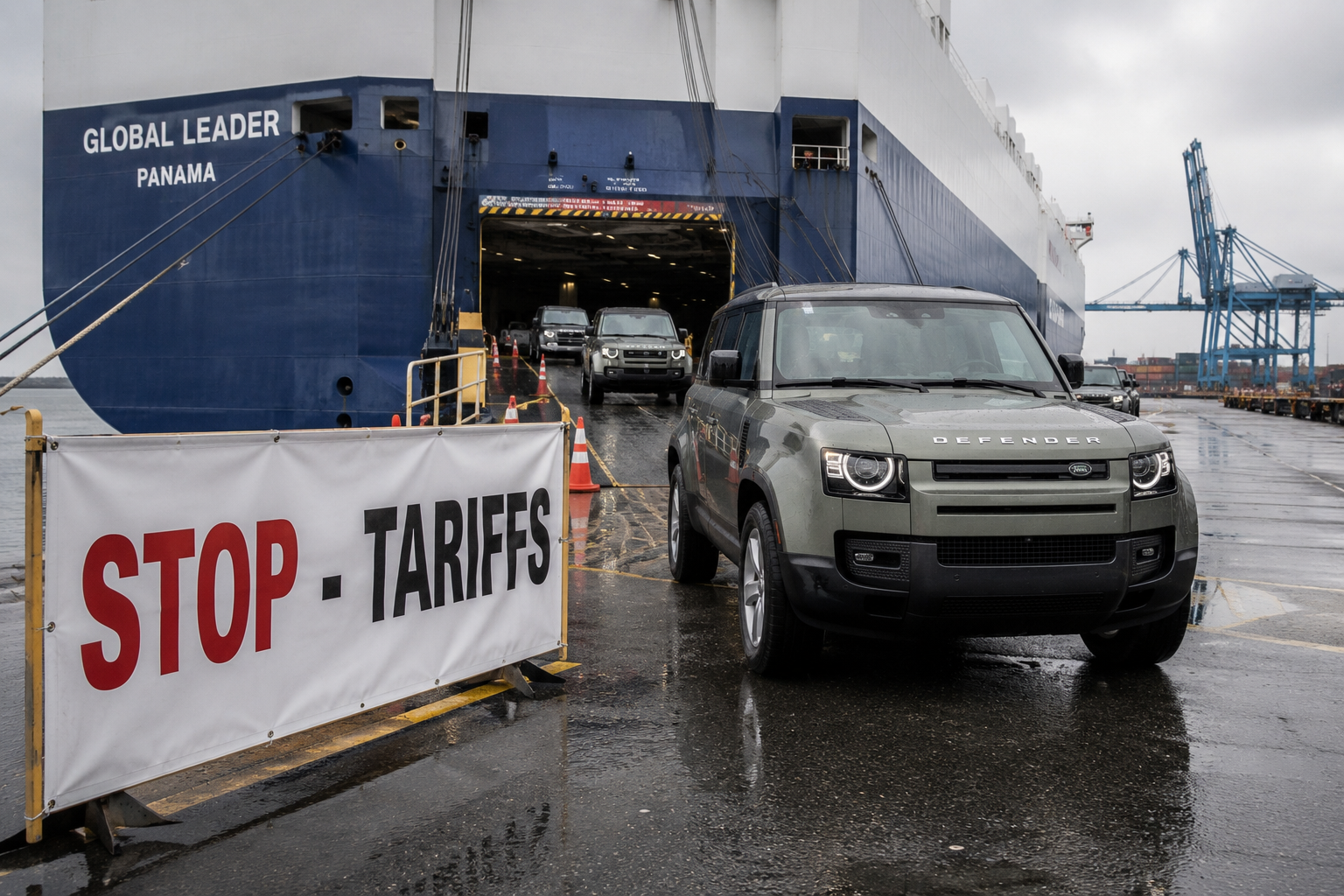
That's a bold target, and the problem is tariffs.
Building Defenders in Slovakia and shipping them across the Atlantic suddenly isn't as financially attractive as it once was, which naturally raises one rather obvious question...
If you want to sell lots of Land Rovers in America, why not build some of them there?
Enter Stellantis
Whether you love them or loathe them, Stellantis already has exactly what JLR currently doesn't.
Factories.
Supply chains.
Thousands of skilled workers.
An established manufacturing network across North America.
Rather than spending billions building a shiny new Land Rover factory from scratch, partnering with someone who already owns several makes a lot of business sense. And for Stellantis, it's not a bad deal either.
Several of its factories have spare capacity, so filling production lines with premium vehicles could help keep those plants busier. It's one of those rare occasions where everyone might actually win.
Is the Defender heading to America?
This is where the speculation really begins.
A number of American publications are convinced the Defender is the obvious candidate, and, to be fair, they're probably right. The Defender has become one of JLR's biggest success stories, particularly in North America - it prints money.
Well... as much as any modern vehicle can after accountants have finished sharpening their pencils.
Building the Defender closer to its biggest customers would reduce shipping costs, avoid tariffs and make commercial sense.
Notice, however, the repeated use of words like “would". Nothing has actually been confirmed.
What about the Jeep factory?
This is one rumour refuses to go away. Several reports suggest production could end up at Stellantis' famous Toledo plant in Ohio, where the Jeep Wrangler and Gladiator are built. On paper, it sounds plausible.
The factory already builds rugged off-roaders. its workforce knows this type of vehicle inside out, and let's be honest… a Defender rolling down the same production lines as a Wrangler would make for some fascinating conversations in the staff canteen.
But right now it's still speculation. No factory has been officially named. Does this mean Land Rover and Jeep are becoming the same thing?
Absolutely not.
Some headlines have made it sound as though the two brands are about to merge into some sort of off-road supergroup. They're not.
Even if production eventually moves to a Stellantis factory, Land Rover would still design its own vehicles, engineer them to its own standards and sell them through its own dealer network.
Could they share technology?
This is actually the part we find most interesting. The official announcement talks repeatedly about product development and technology. That could mean shared electrical systems.
Shared software.
Driver assistance technology.
Purchasing components together.
Hybrid or electric powertrain development.
None of that makes for particularly exciting headlines, but it often saves manufacturers billions behind the scenes. And in today's automotive world, sharing expensive technology has become almost unavoidable.
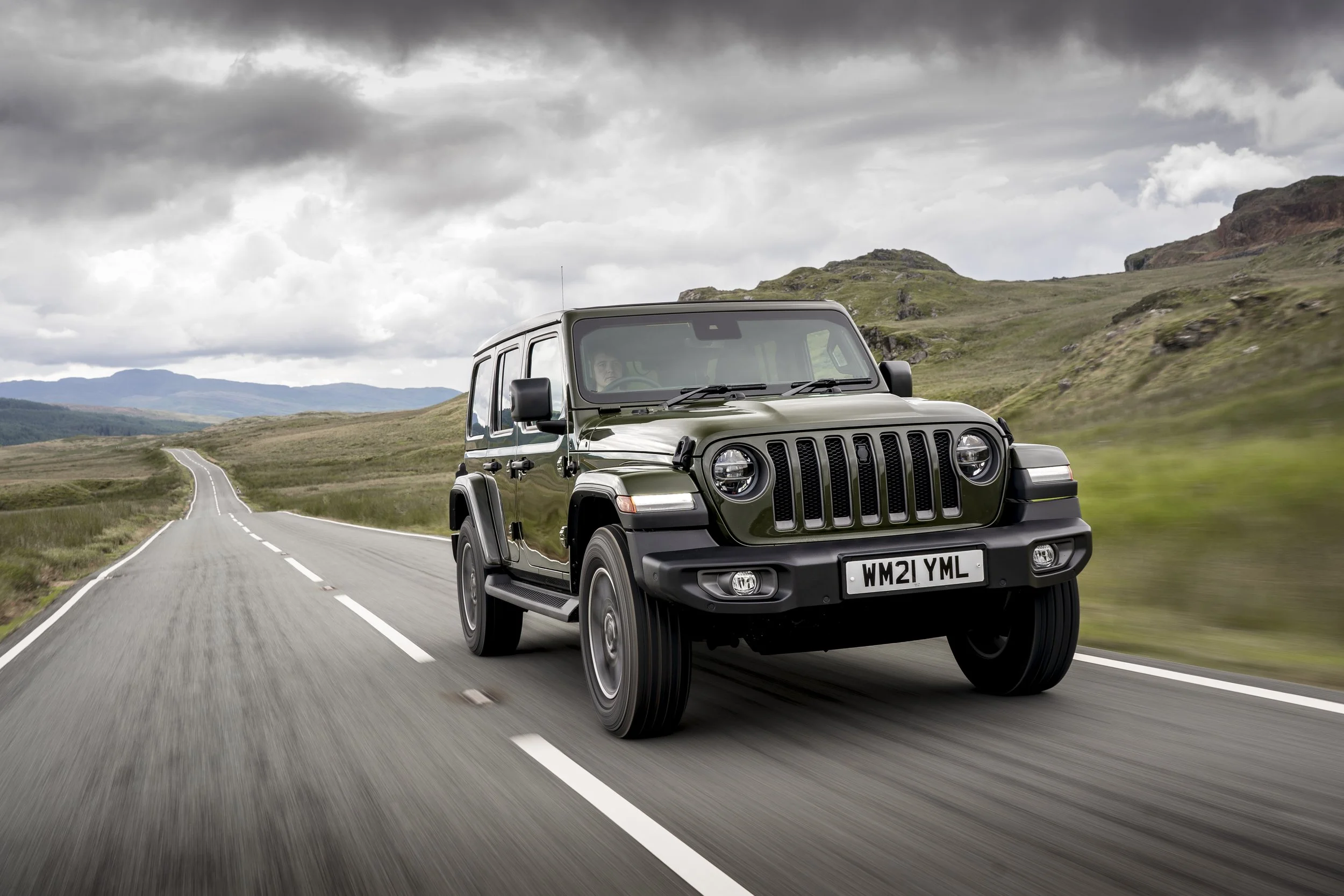
Should Land Rover fans be worried?
Not really. The Defender already contains components sourced from suppliers all over the world. Modern cars are global products, and where they're assembled is only part of the story. If anything, building vehicles closer to the people buying them could strengthen the brand's position in North America.
As long as they don't replace the legendary Terrain Response dial with a touchscreen menu buried behind seventeen sub-menus, we'll try not to panic.
Our take
At The Mud Life, we think there's probably a genuine story here, but not quite the one some headlines would have you believe.
A North American-built Defender feels entirely plausible, as using an existing Stellantis factory rather than building an all-new plant makes commercial sense.
Engineering collaboration is almost inevitable in today's industry, but what we don't believe is that there's some secret Land Rover-Jeep mash-up waiting to be unveiled next week.
The companies have agreed to explore opportunities - that's all.
Could today's conversations eventually lead to American-built Defenders rolling out of a Stellantis factory? Absolutely.
Will they?
We'll have to wait and see.
Until someone from JLR wheels a camouflaged Defender out of a factory in Ohio and says, "Surprise!", we'd suggest treating the more dramatic headlines with a healthy dose of mud-splattered scepticism.
After all, the internet has never been known for getting carried away...