
Review: 2026 Mitsubishi L200
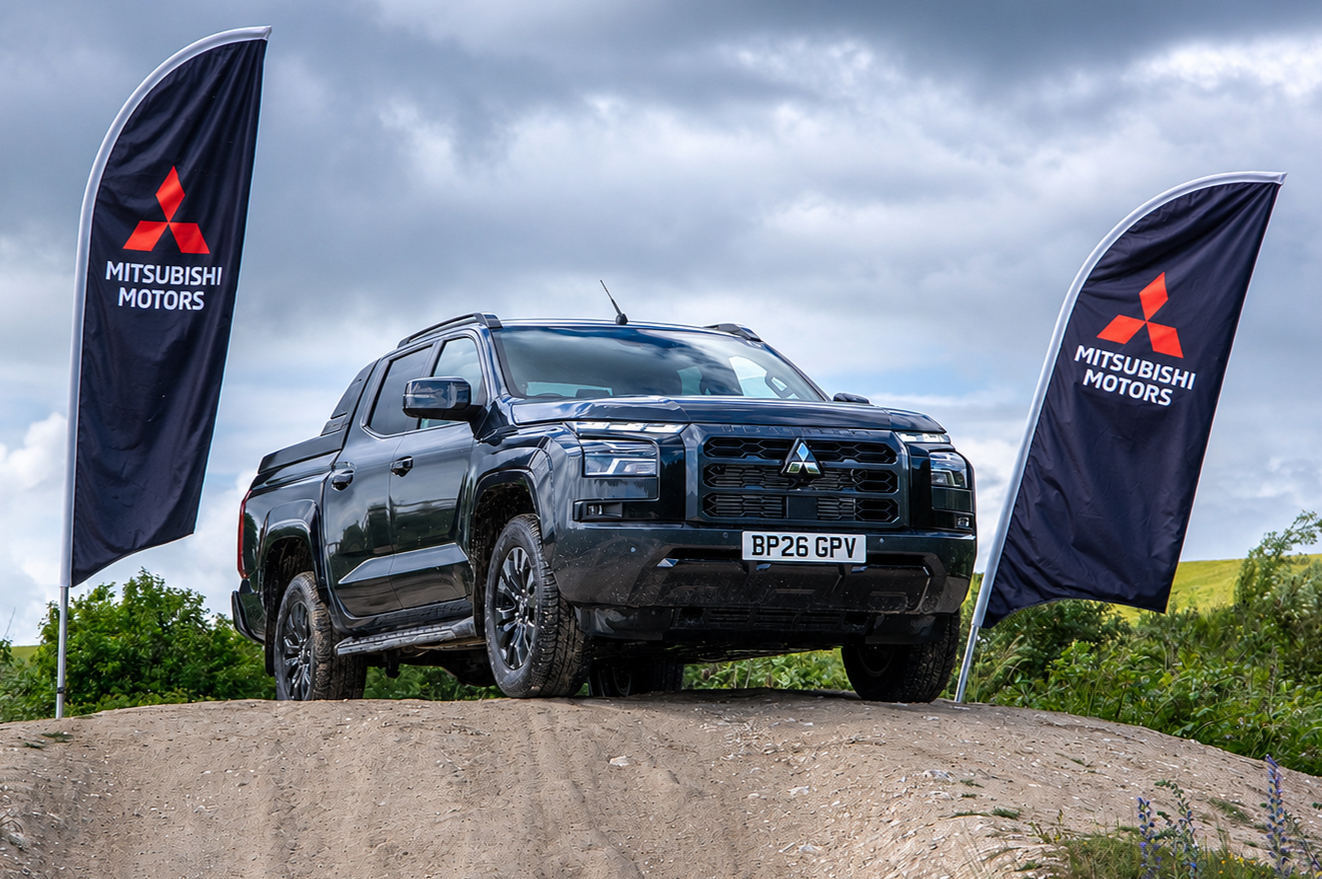
Mitsubishi is Back… and It’s Brought the L200 to Reclaim the Mud
There’s something mildly satisfying about a brand doing a dramatic exit, only to return a few years later like nothing ever happened—slightly older, slightly wiser, and still wearing its wellies. Mitsubishi’s return to the UK market in 2026 falls very much into that category. After bowing out in 2021, the Japanese marque is back on British shores with a familiar face leading the charge: the L200 pickup.
And let’s be honest, if you were going to pick one vehicle to announce your comeback with, the L200 is a solid shout. It’s not flashy, it’s not trying to be a lifestyle SUV in disguise, and it doesn’t need to pretend it’s something it’s not. It’s a working pickup with a reputation built on mud, gravel, farm tracks and the sort of abuse most crossovers would file a complaint about.
The Return of Mitsubishi UK
Mitsubishi’s withdrawal from the UK in 2021 was never really about lack of interest from drivers - it was more a case of global restructuring and shifting priorities. In fact, it could be argued that with its parts supply and service centres, it never really left. Fast forward to 2026 and the brand is re-entering the market in a much leaner, more focused way. There are 106 service centres, and 50 new sales centres are already set up.
The relaunch strategy is refreshingly simple: fewer models, clearer identity, and a focus on the two things Mitsubishi historically did best in Britain - practical SUVs and proper 4x4 pickups.
We’ll talk about the latest Outlander PHEV another time, but what about the Series 7 L200?
Well…
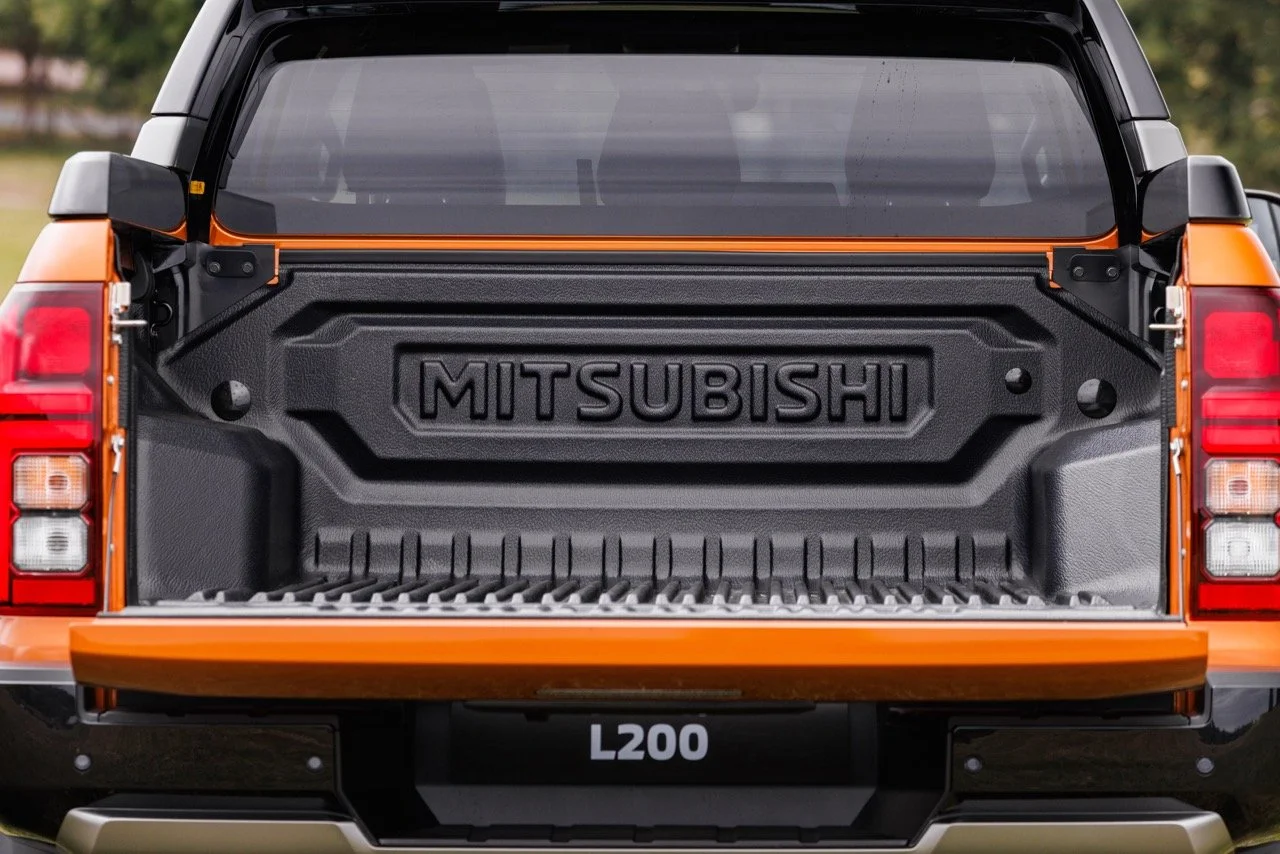
The new L200 (known in some markets as the Triton) is effectively a reset button for one of the UK’s most recognisable pickups.
Under the bonnet sits a revised 2.4-litre bi-turbo diesel engine, paired with a six-speed automatic and Mitsubishi’s Super Select 4WD system. On paper, that might sound like evolution rather than revolution, but it’s the right kind of evolution. More torque, better refinement, and a drivetrain designed to switch from motorway to muddy ruts without drama.
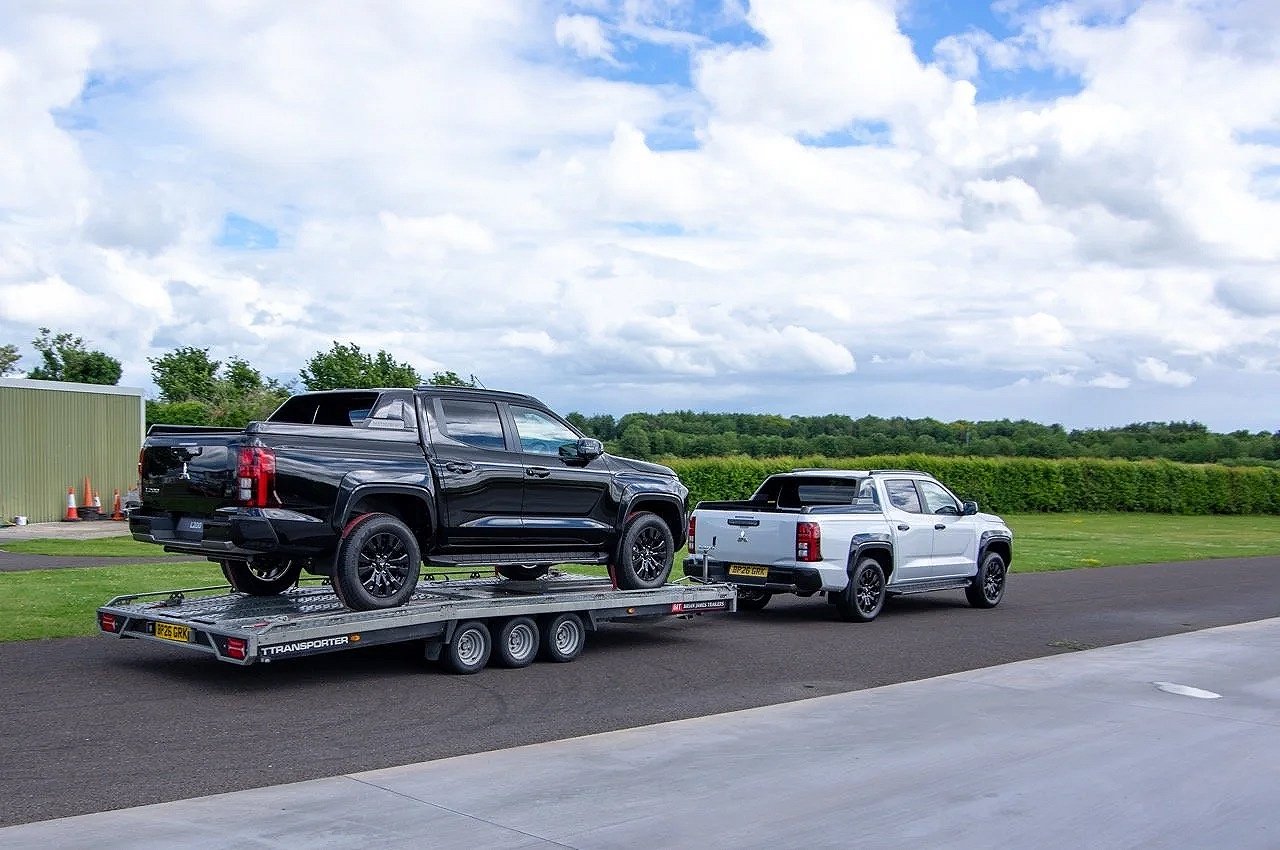
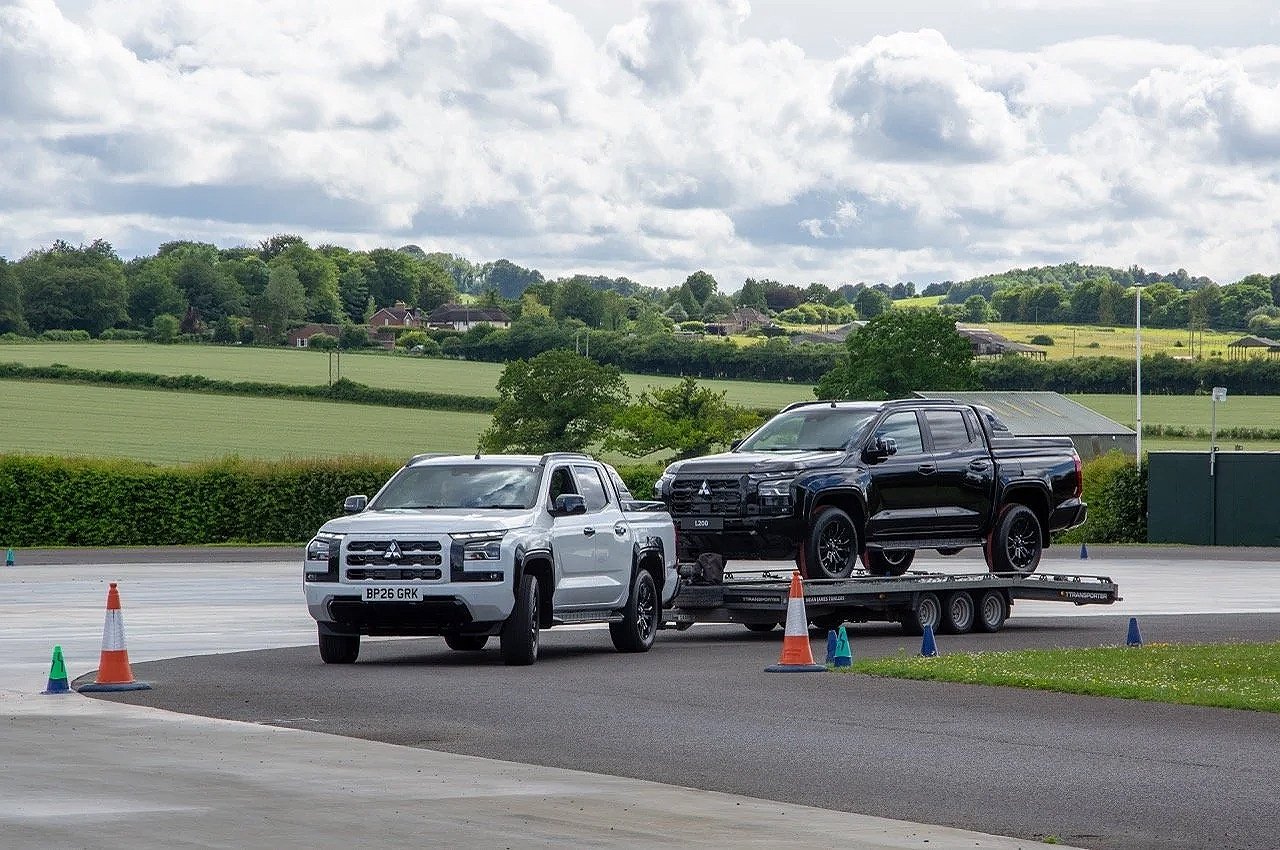
Towing remains up to 3.5 tonnes, payload nudges past the 1,000kg mark, and importantly, it still behaves like a tool rather than a toy.
That last point matters more than Mitsubishi probably gets credit for. Because while the pickup market has become increasingly glossy - leather-lined, touchscreen-heavy, and occasionally confused about whether it’s meant for horseboxes or hairdressers, the L200 still feels rooted in the “get it done” philosophy.
Off-Road Credibility: Still the L200’s Party Trick
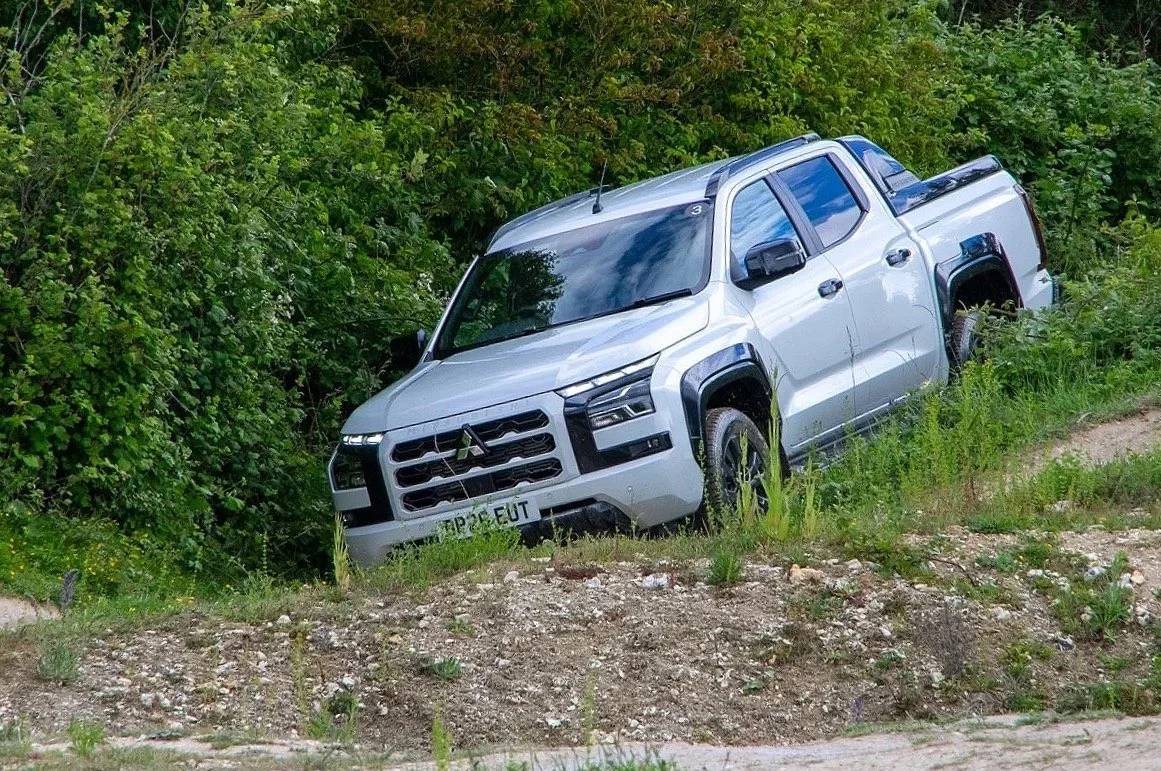
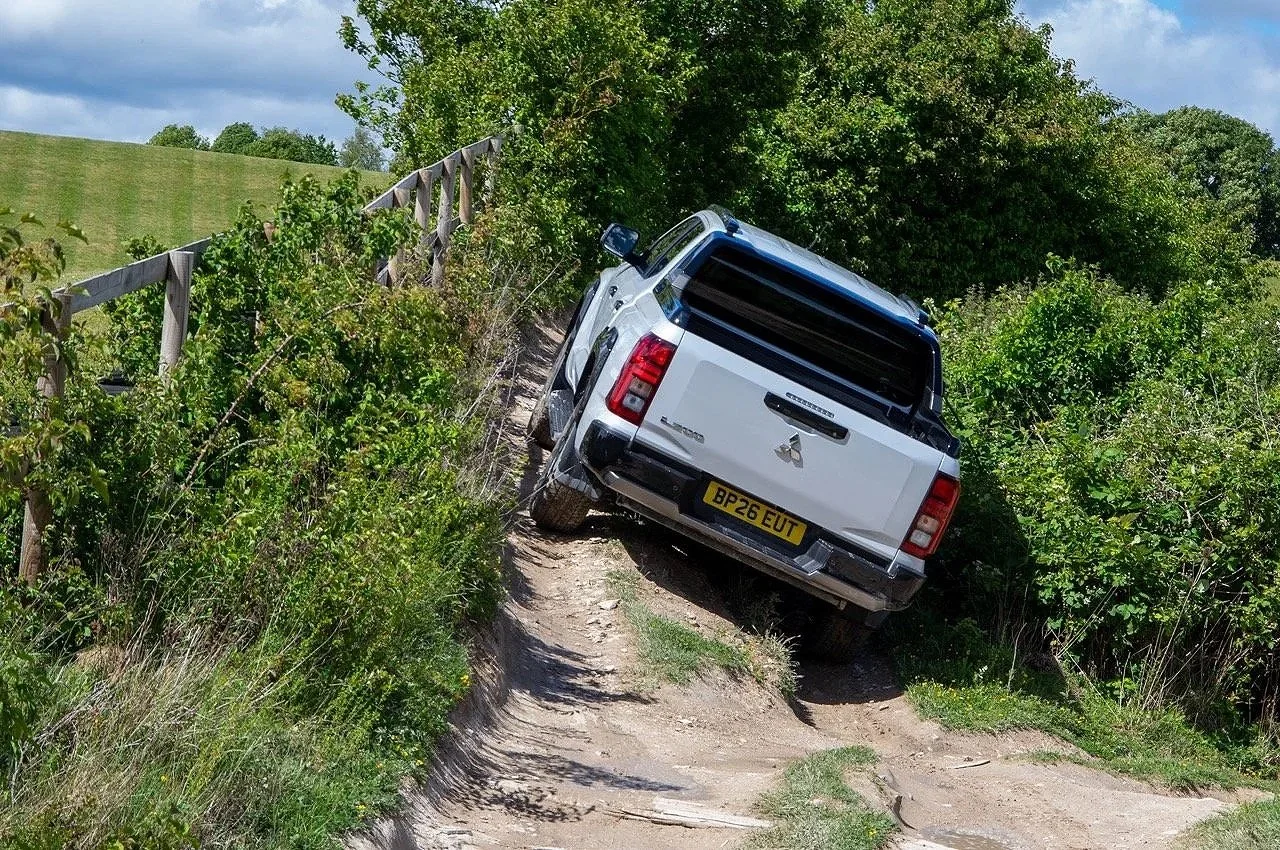
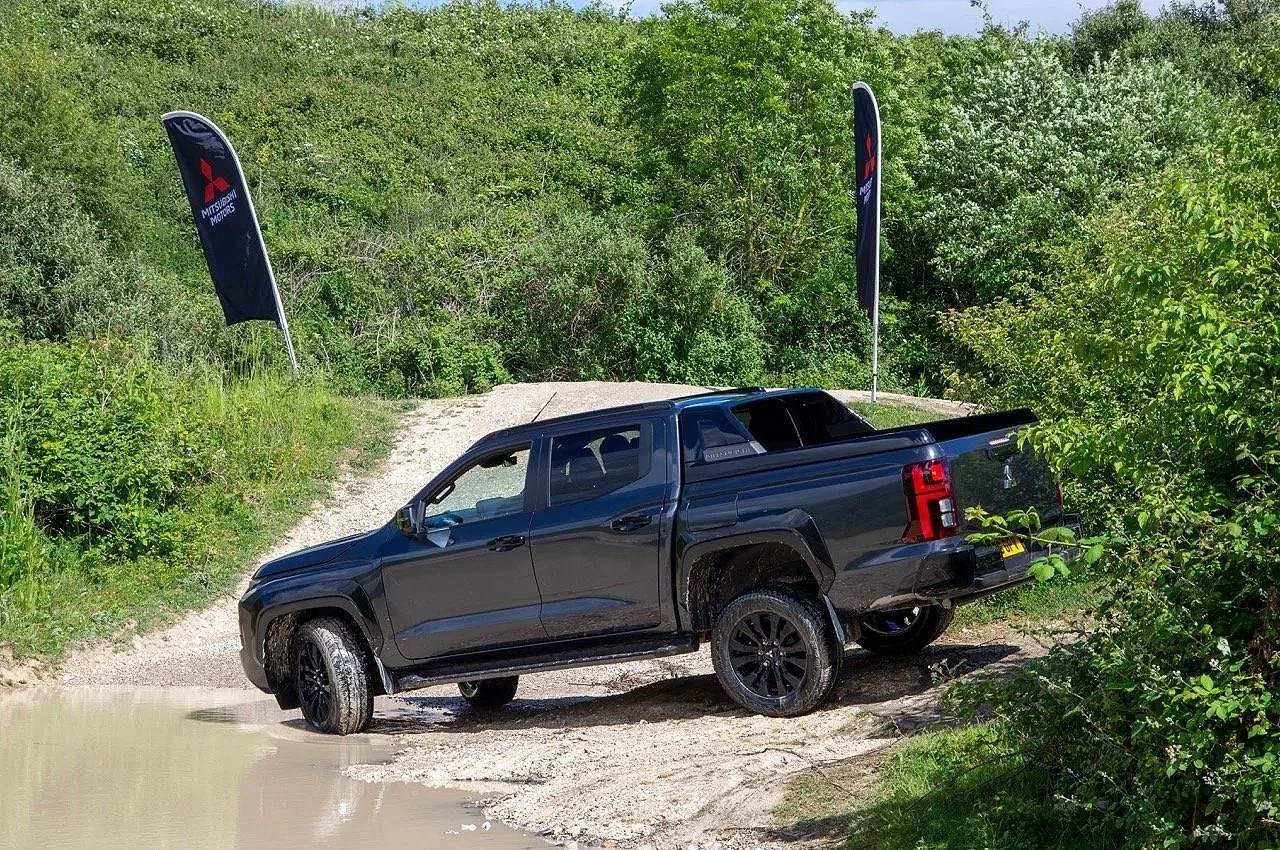
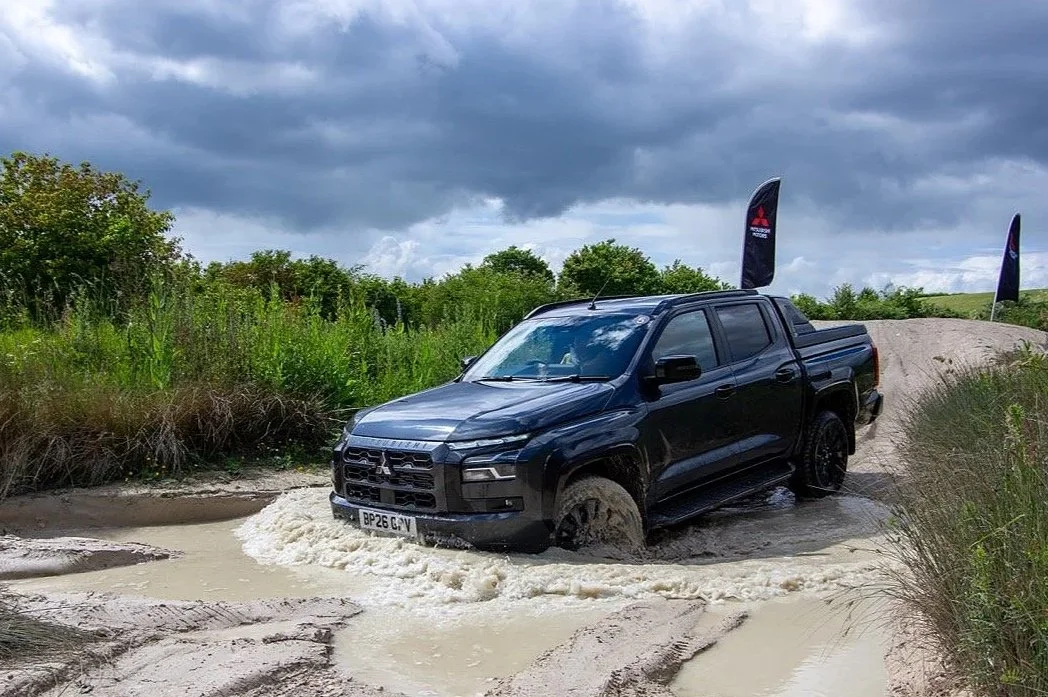
The new L200 keeps things refreshingly old-school where it matters, but with enough modern cleverness to keep it relevant. On the entry-level Titan, you get Mitsubishi’s Easy Select 4WD system, which is your classic part-time setup: 2H for rear-wheel drive on the road, then a shift into 4H or 4L when the weather or terrain turns properly British. It’s simple, robust, and exactly the sort of system you want in a work truck that spends its life bouncing between tarmac and farm tracks.
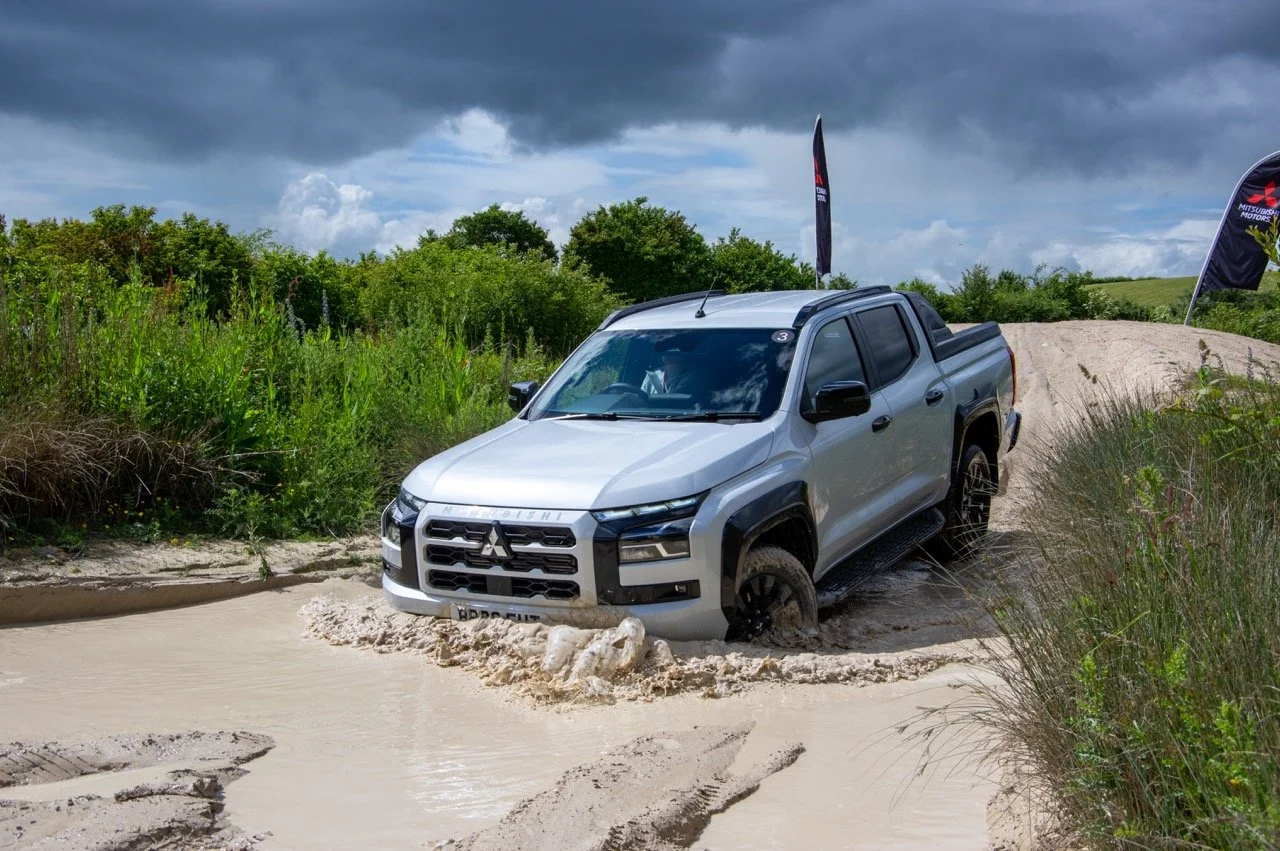
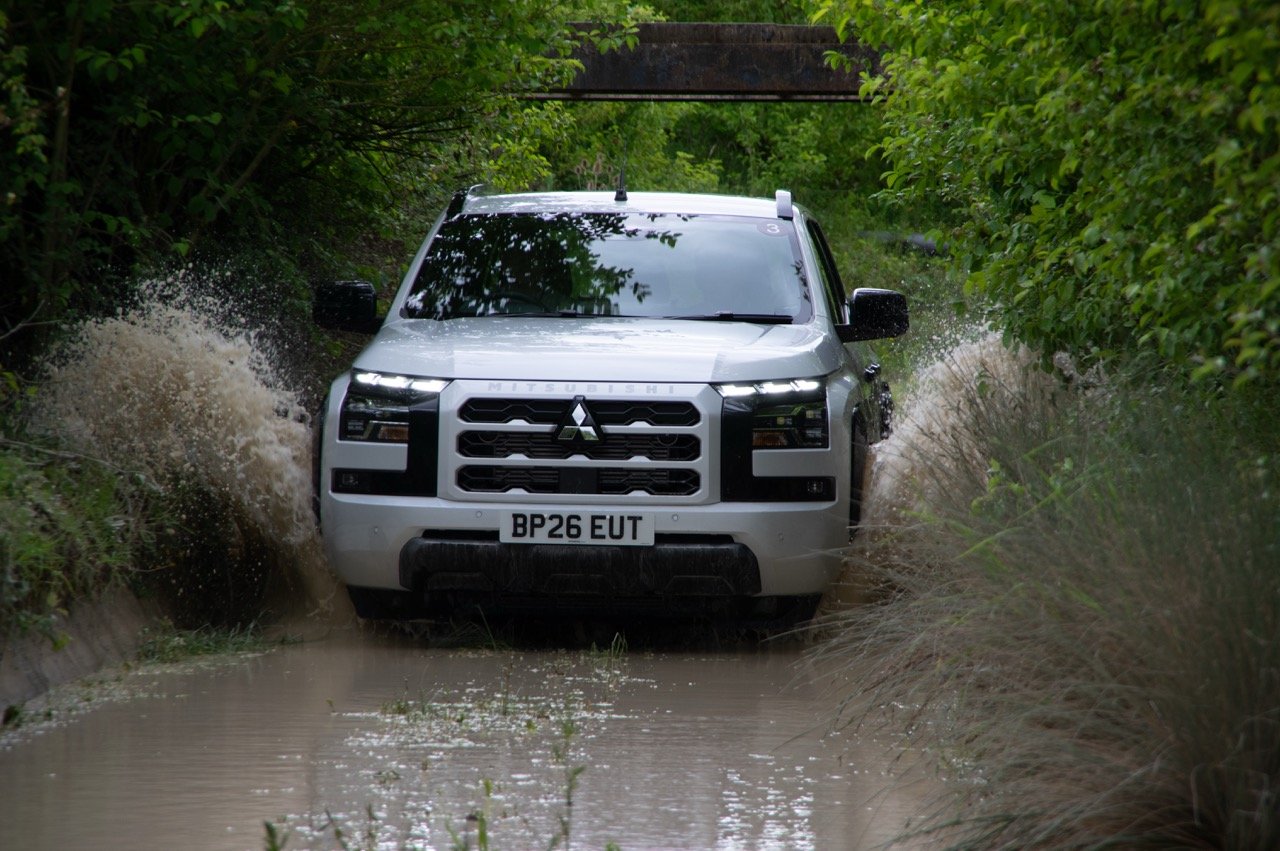
Step up to the Barbarian and you get the more sophisticated Super Select-II 4WD system, which is the clever one - allowing full-time 4WD on dry roads as well as the usual locked 4H and low-range modes, giving it far more flexibility and stability in mixed conditions.
Both systems are backed up by a locking rear differential, so when traction really disappears, both rear wheels can be forced to pull their weight rather than just spinning uselessly into the mud.
Add in seven selectable terrain drive modes, including settings for Mud, Sand, Gravel and Snow, and the L200 starts to feel properly equipped for whatever the UK can throw at it, from icy lanes to rutted green lanes that look more crater than road.
Inside: Workhorse First, Lifestyle Second
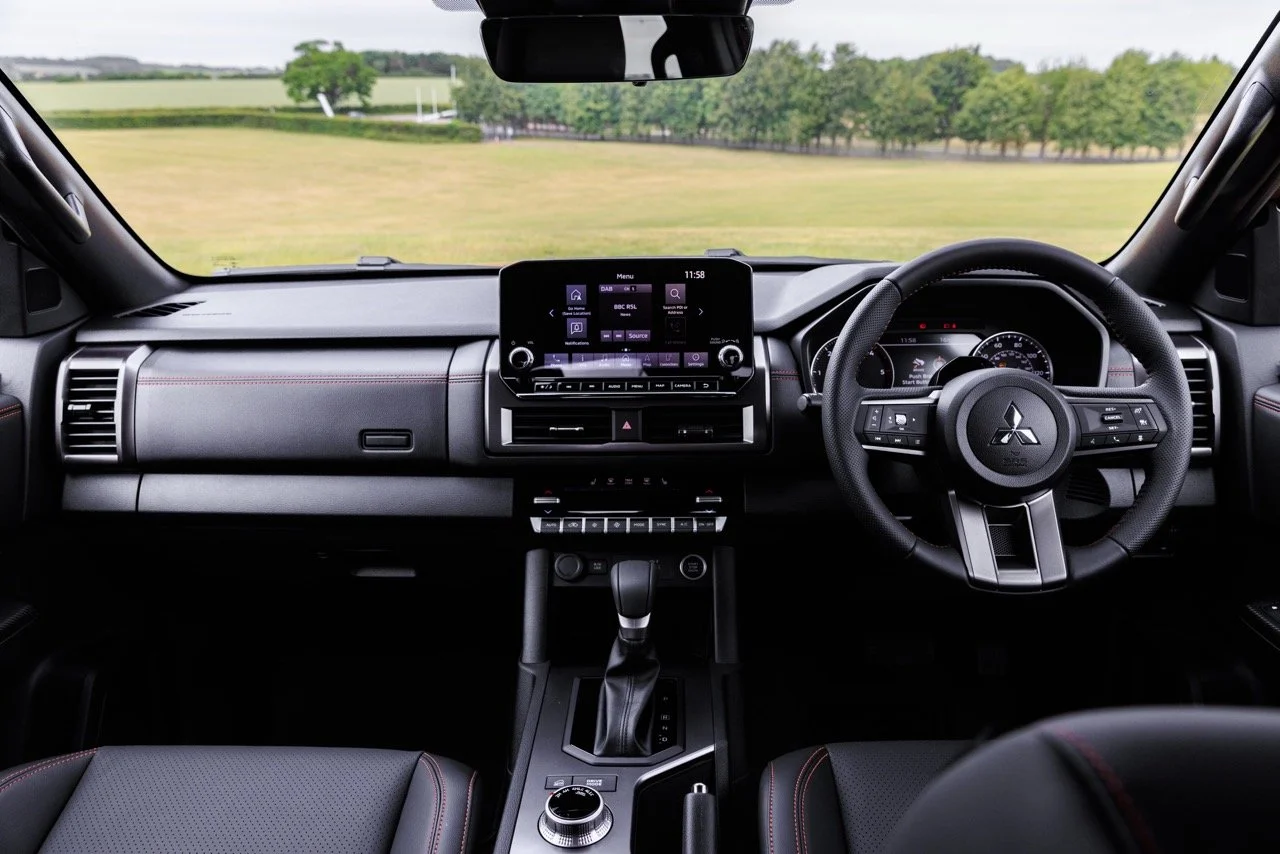
The cabin is where you see Mitsubishi’s balancing act. There’s more tech, a more modern layout, and improved materials, but it hasn’t gone full “executive SUV pretending to be a pickup”.
The Barbarian trim (because of course it’s called Barbarian) adds leather, bigger screens, better trim and all the usual comfort upgrades, while the entry Titan keeps things more functional and fleet-friendly.
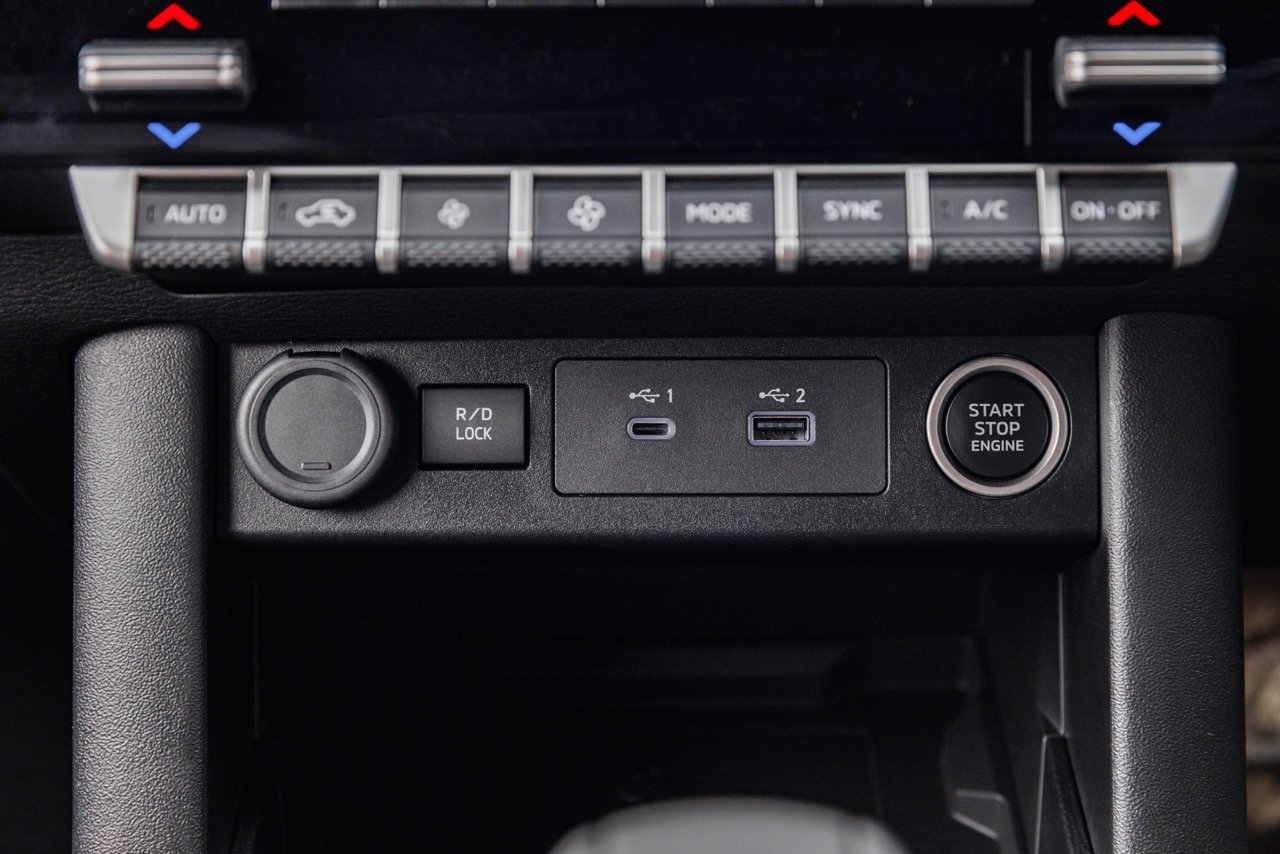
You still get the essentials: 360-degree cameras, smartphone integration, decent seating position, and a layout that prioritises visibility and durability over theatre.
It feels like Mitsubishi has resisted the temptation to over-style it. Which, in this segment, is quietly refreshing.
And - wait for it, Mitsubishi have listened - there’s buttons and dials for all the things you demand buttons and dials for. 10/10.
On the Road: Better Manners, Same Attitude
Pickups have improved massively over the last decade, and the L200 is no exception. Expect more refinement than older generations, better road stability, and less of that traditional “empty skip on springs” behaviour.
That said, driving around the roads of Winchester, there was an element of pitching, and it did feel bit twitchy at times, but let’s not pretend it’s trying to be a crossover. It still rides like a body-on-frame truck, still feels happiest with a bit of load in the back, and still reminds you what you’re driving if you hit a mid-corner bump too enthusiastically.
That’s not a criticism - it’s honesty.
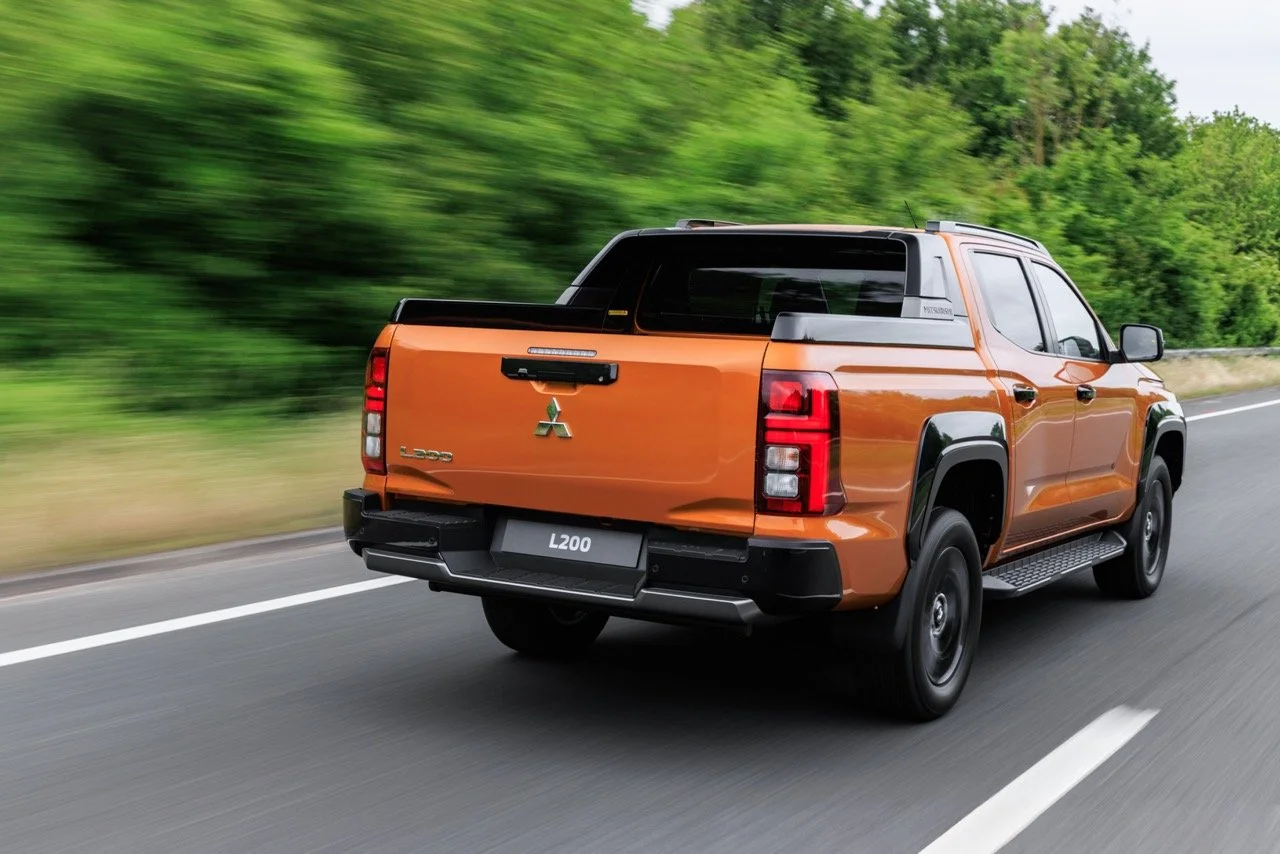
Don’t forget that the L200 is classed as goods vehicle, and therefore limited to 50mph on a single carriageway, and 60mph on a dual carriageway - that catches a lot of folk out, especially with new and clever speed cameras.
The Bigger Picture: Why This Return Actually Matters
The UK pickup market is in an odd place right now. Some models have disappeared, others have gone upmarket, and a few have drifted away from their original purpose entirely.
Into that gap walks Mitsubishi with a name that still carries weight. The L200 isn’t trying to reinvent the segment; it’s trying to re-anchor it.
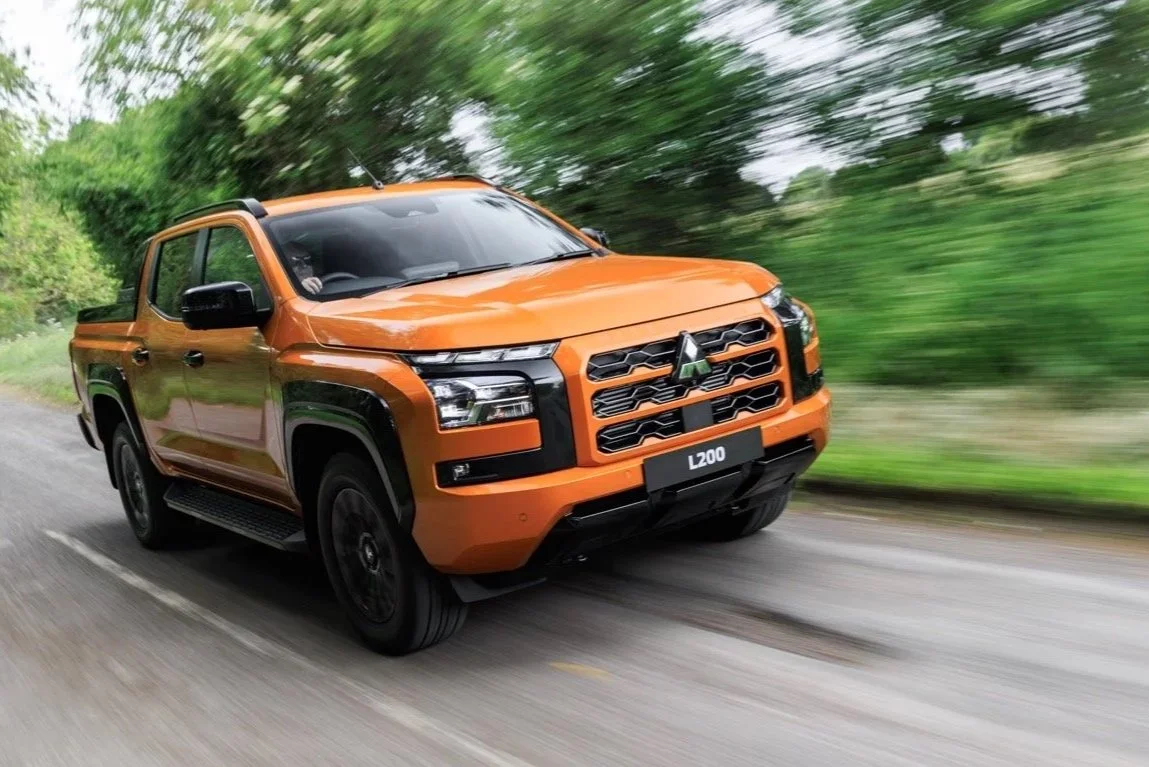
And there’s a quiet confidence in that approach. No gimmicks. No reinvention theatre. Just a familiar badge doing what it always did best - albeit with a face that perhaps only a mother could love!
The Tax Man and Mitsubishi's Solution
Historically, double-cab pickups with a payload over 1,000kg were treated as commercial vehicles by HMRC. However, from April 2025, HMRC began treating most double-cab pickups as cars for Benefit-in-Kind and capital allowance purposes, regardless of payload.
The new L200 Series 7 has a payload of more than 1,000kg, but its standard double-cab versions are generally treated as cars for BIK and capital allowance calculations.
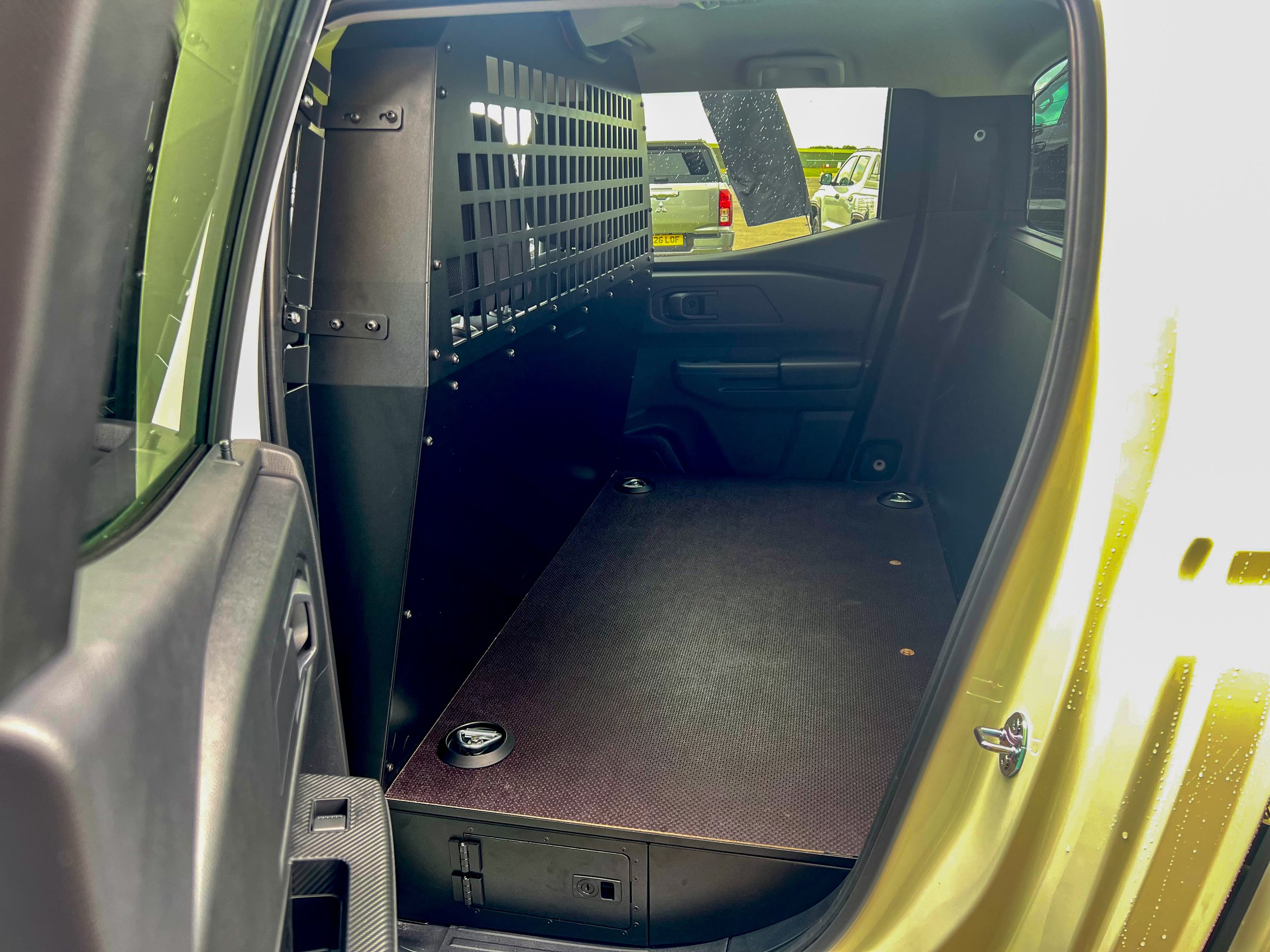
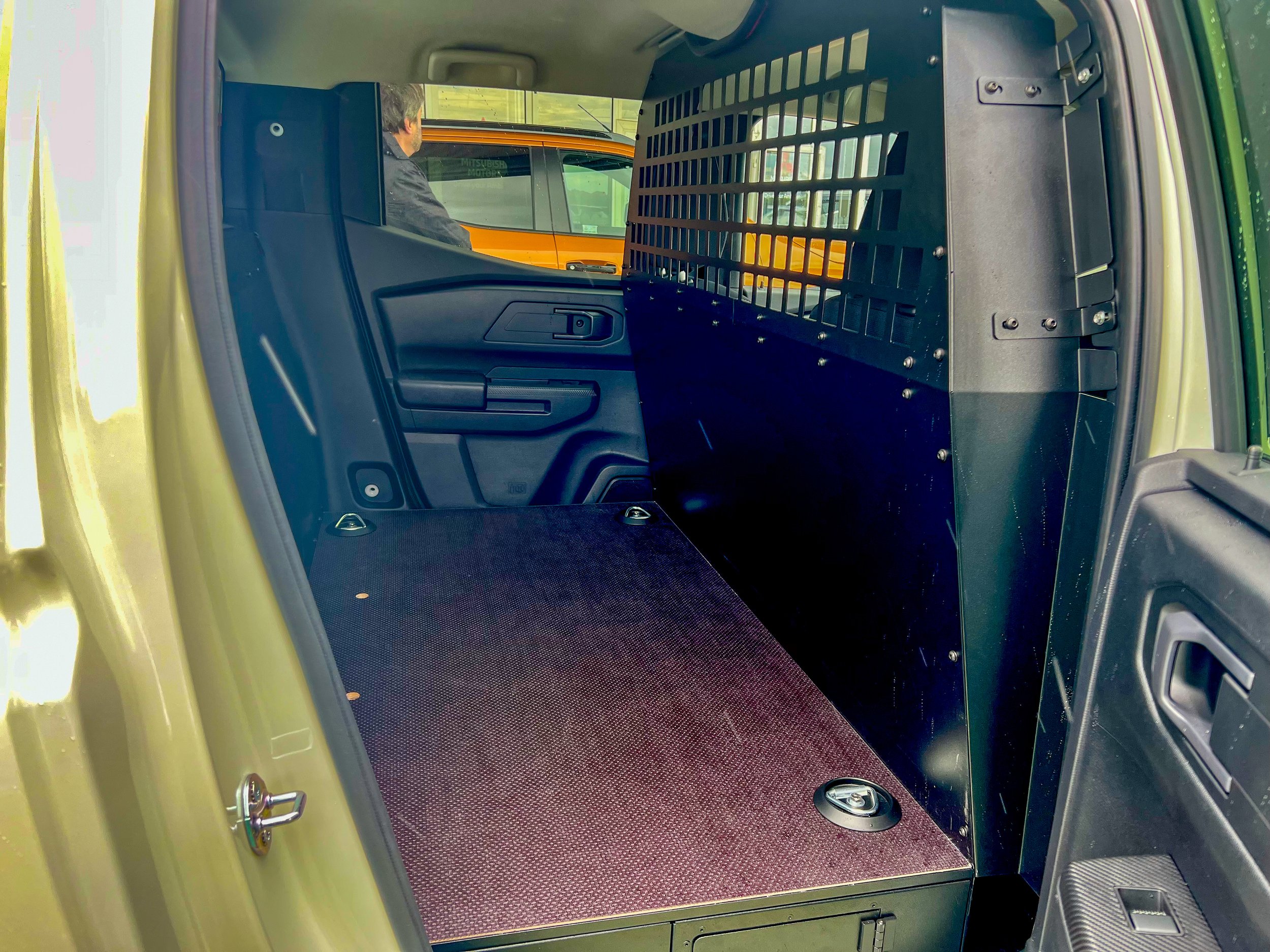
However, Mitsubishi has introduced a dedicated L200 Commercial version. This isn't simply a double-cab pickup with a load bed; it has a permanent two-seat conversion and hidden load area behind the front seats. Mitsubishi specifically states it was developed to comply with UK commercial vehicle legislation and retain commercial vehicle tax treatment.
Final Thoughts
Mitsubishi’s UK comeback won’t be judged on press releases or nostalgia. It’ll be judged on muddy farm tracks, building sites, forestry runs, and the daily grind that pickups actually exist for.
And the L200 feels like a sensible place to start. Not perfect, not revolutionary, but properly focused in a segment that’s been drifting towards lifestyle gloss for years.
If Mitsubishi plays this right, the L200 won’t just be a comeback story, it’ll be a reminder that not every vehicle needs to apologise for being a tool. And frankly, in a world of soft-roaders and badge-led crossovers, that’s quite a welcome return.