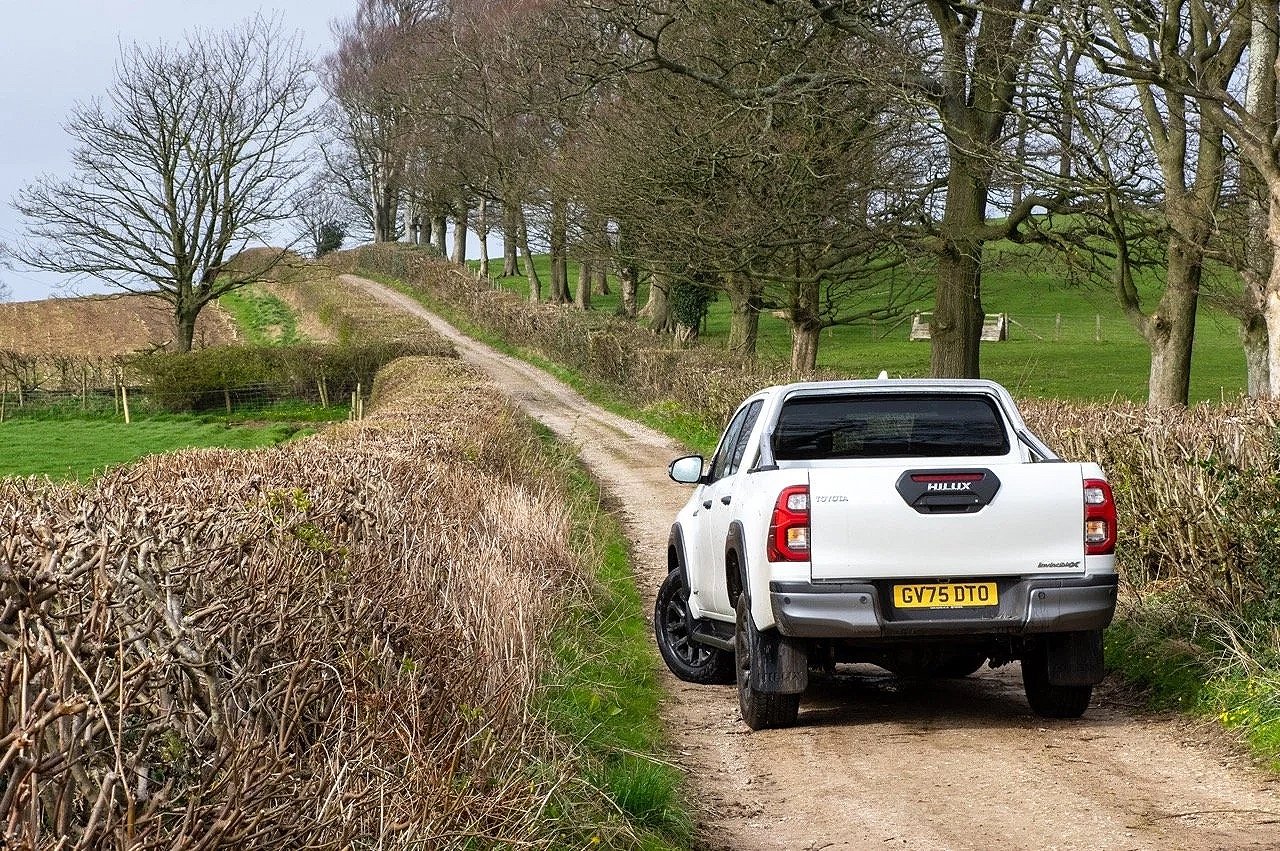
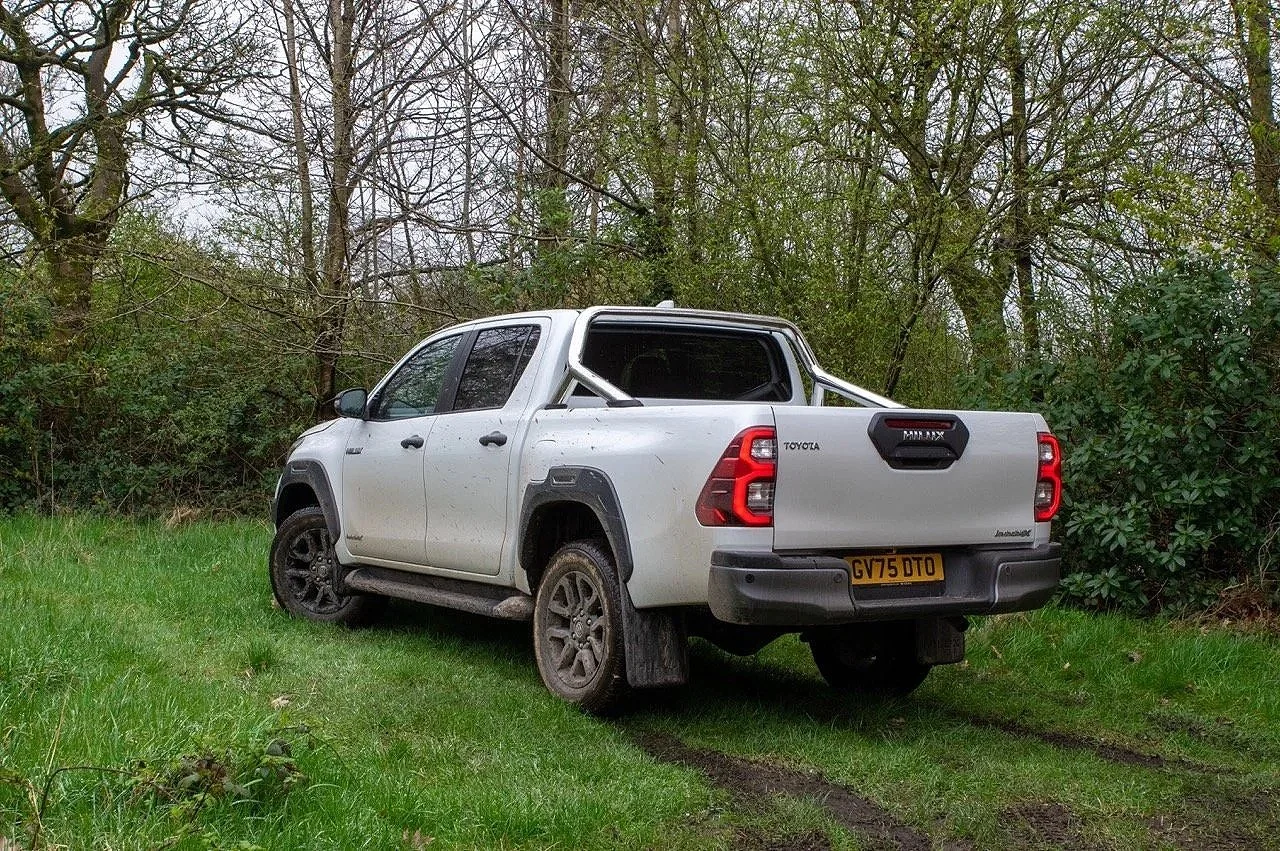
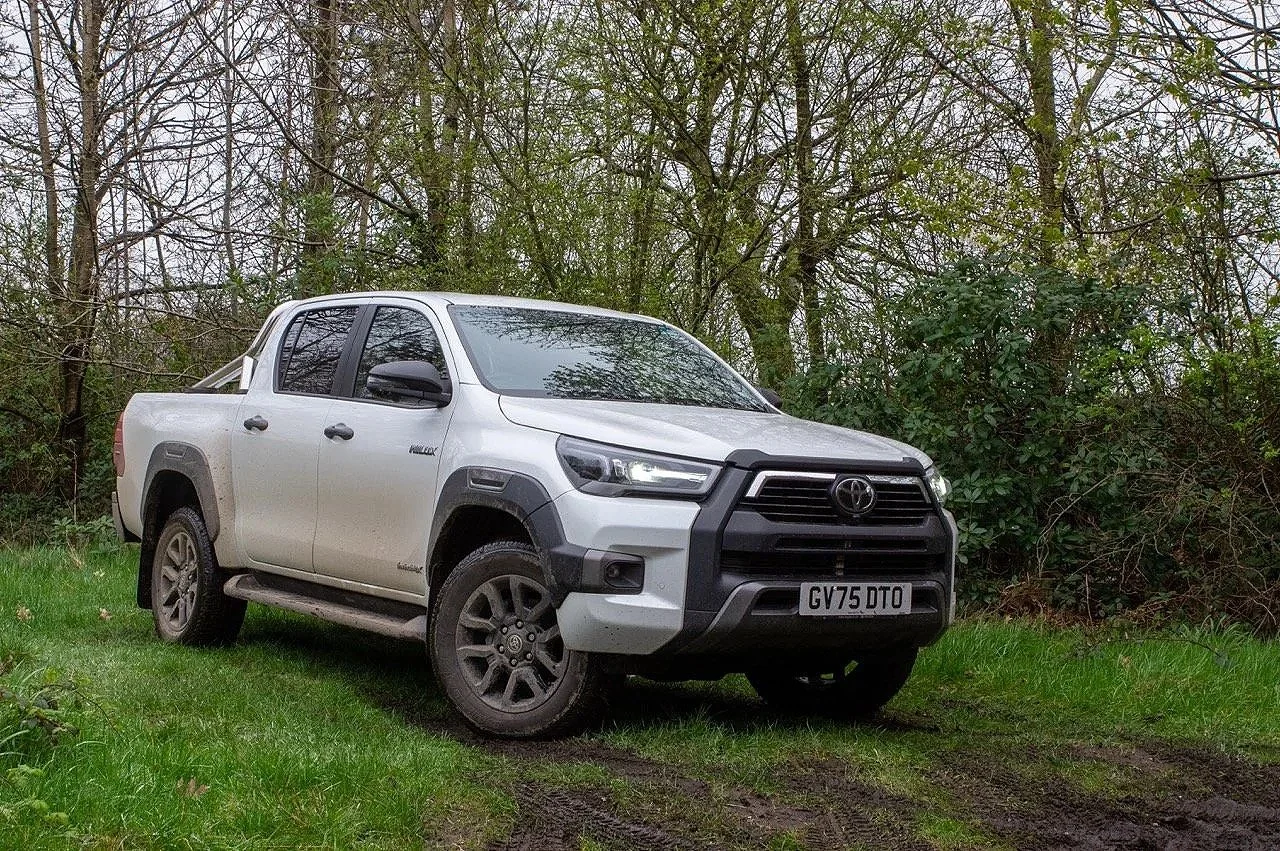
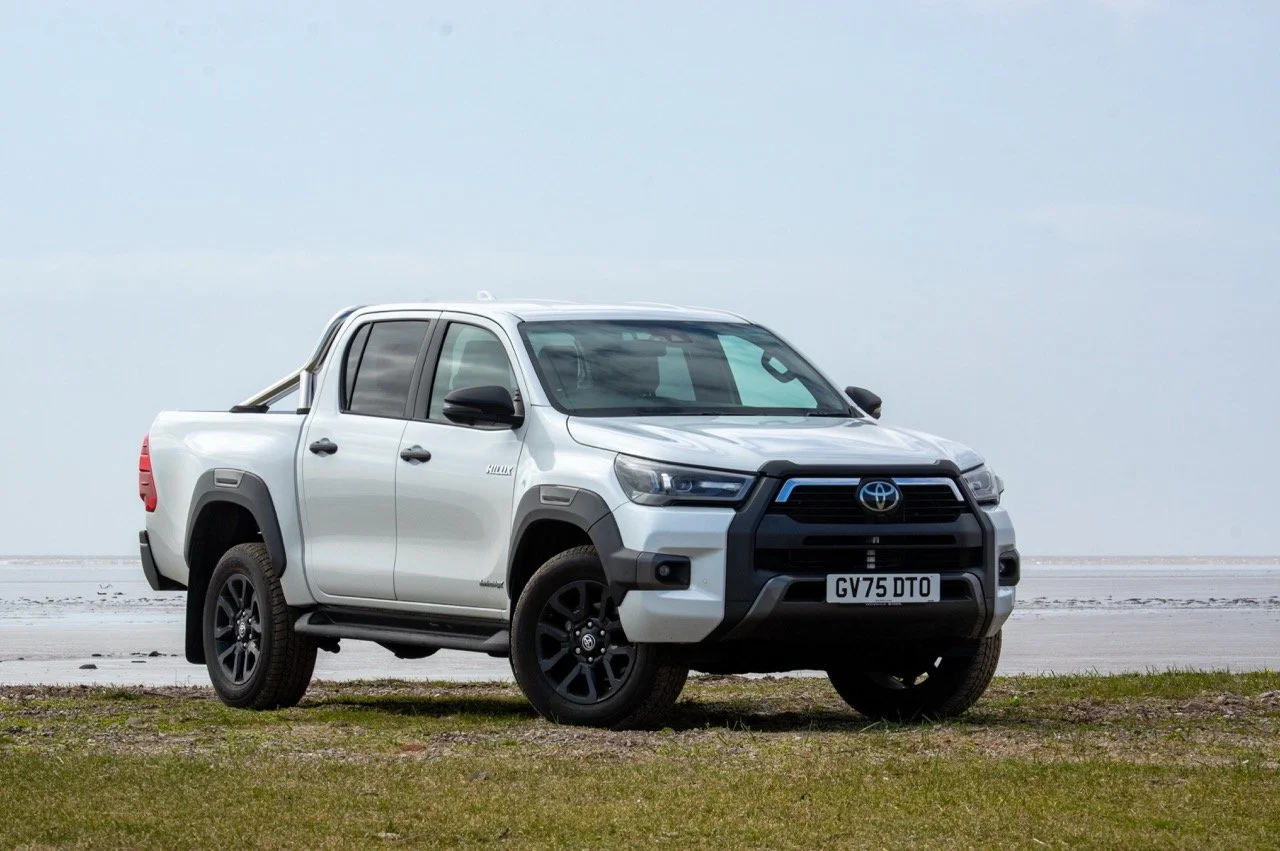
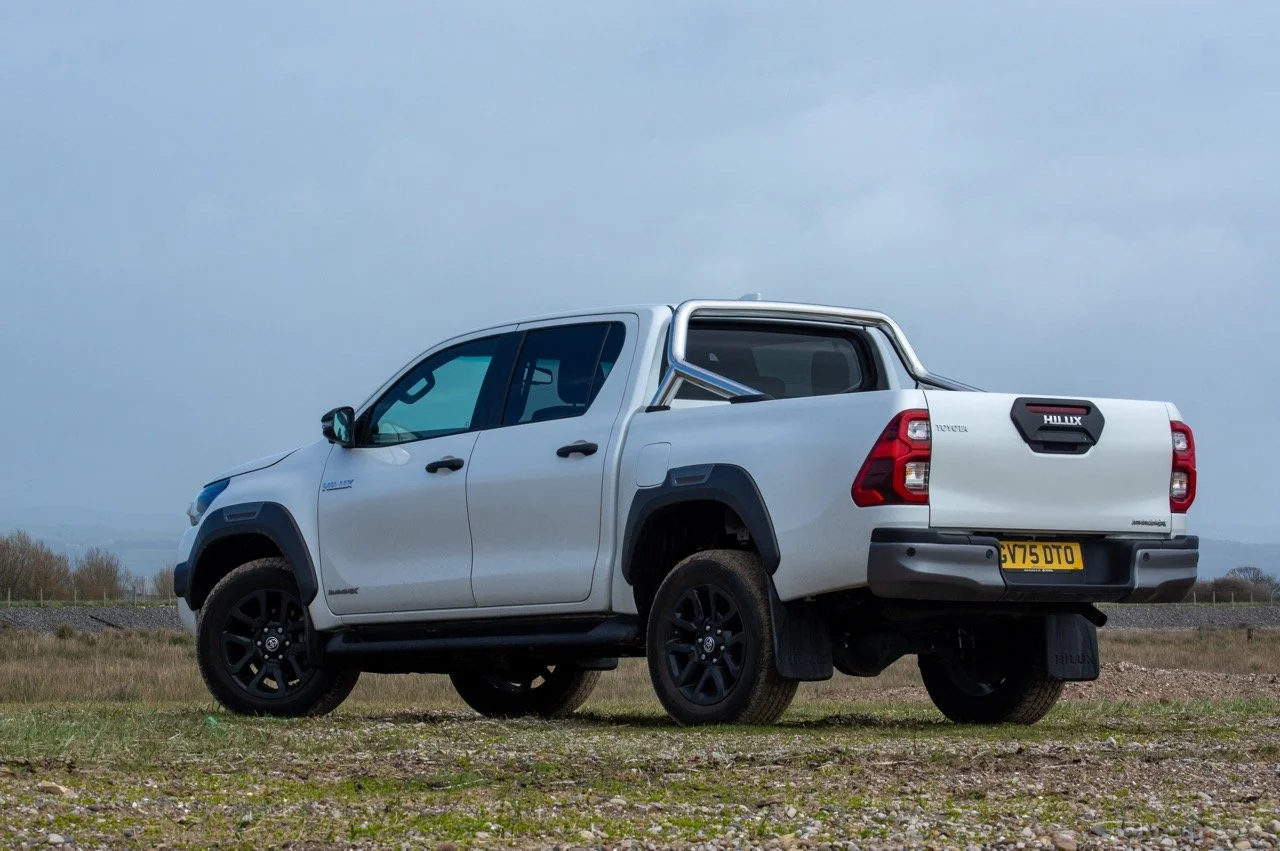
Review: 2026 Toyota Hilux Invincible 48V
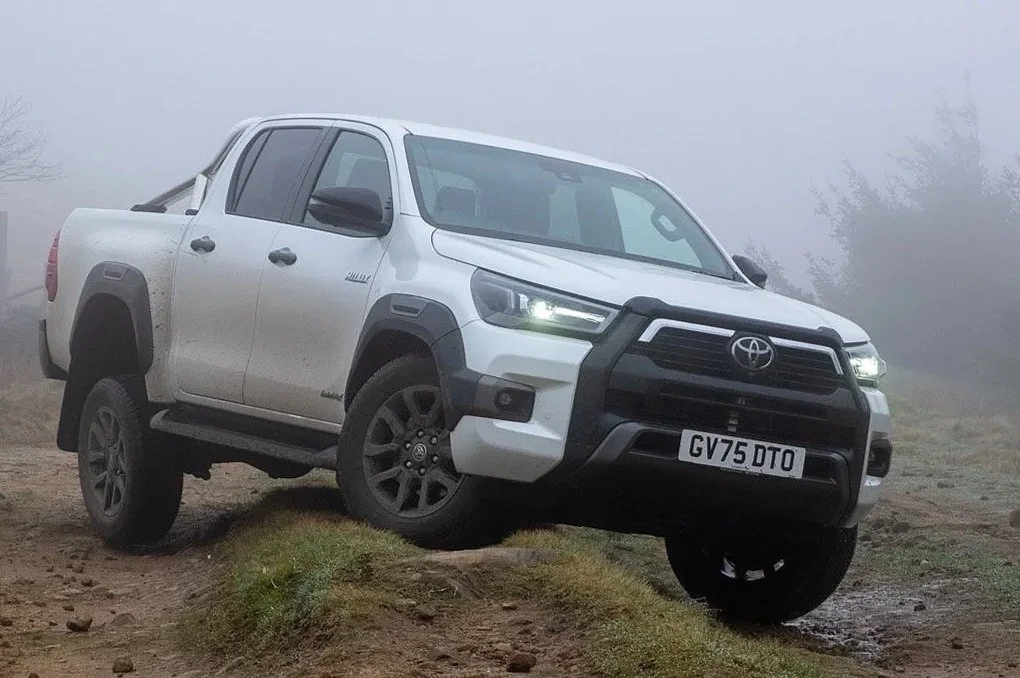
Right then, round two with the Hilux – but this time it’s had a mild flirtation with electrification. Not a full-blown, plug-it-in-and-feel-smug hybrid, mind. No, this is Toyota dipping a cautious toe into the future with a 48-volt mild-hybrid system bolted onto its trusty 2.8-litre diesel.
If the manual Invincible X I drove last year (read about it here), was the dependable old farm dog, this 48V version is the same dog, but wearing a slightly posher collar. Still loyal, still tough, just… marginally more refined.
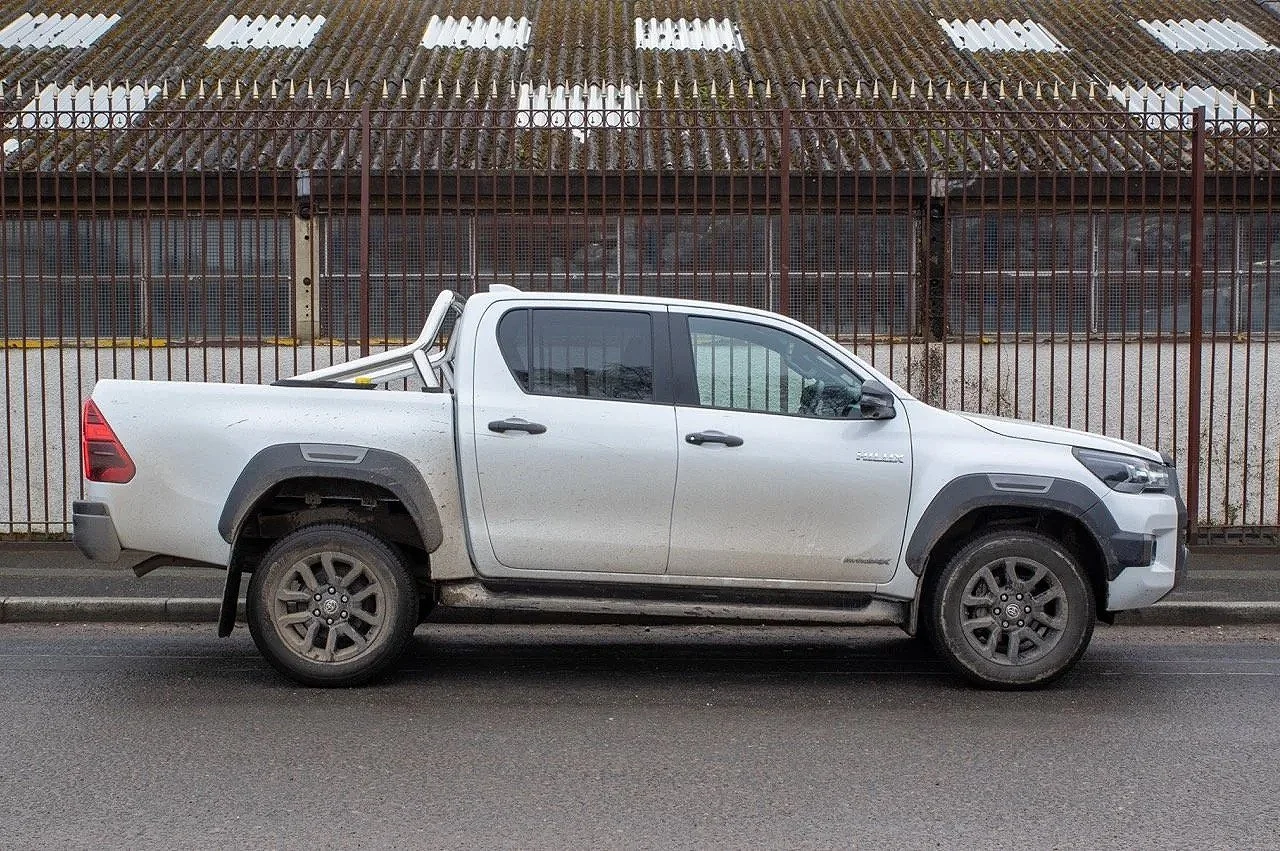
So, what’s the point of it?
Short answer: emissions, efficiency, and keeping up appearances.
Longer answer: tightening emissions regulations mean even workhorse pickups like the Hilux need to clean up their act a bit. Toyota isn’t about to mess with the Hilux recipe too much – that would be like putting oat milk in a builder’s tea, so instead, they’ve added a mild-hybrid system to smooth things out rather than reinvent them. That’s my opinion at least.
The setup consists of a belt-driven motor generator, a small lithium-ion battery, and some clever control software. It can’t drive the wheels on electric power alone, and I won’t be silently gliding through Bolton like a Prius driver avoiding eye contact. What it does do is assist the engine at low speeds, improve stop-start operation, and take a bit of strain off the diesel when it’s working hardest.
In essence, it’s there to make the Hilux feel a bit more modern without upsetting the people who buy Hiluxes.
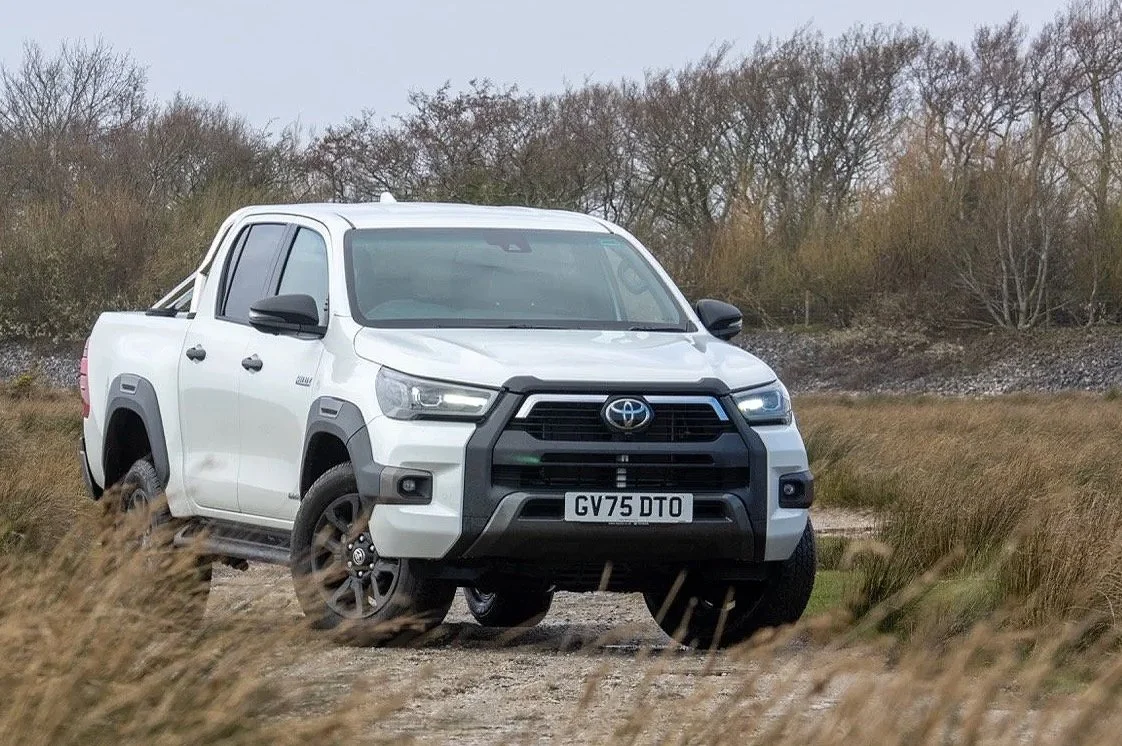
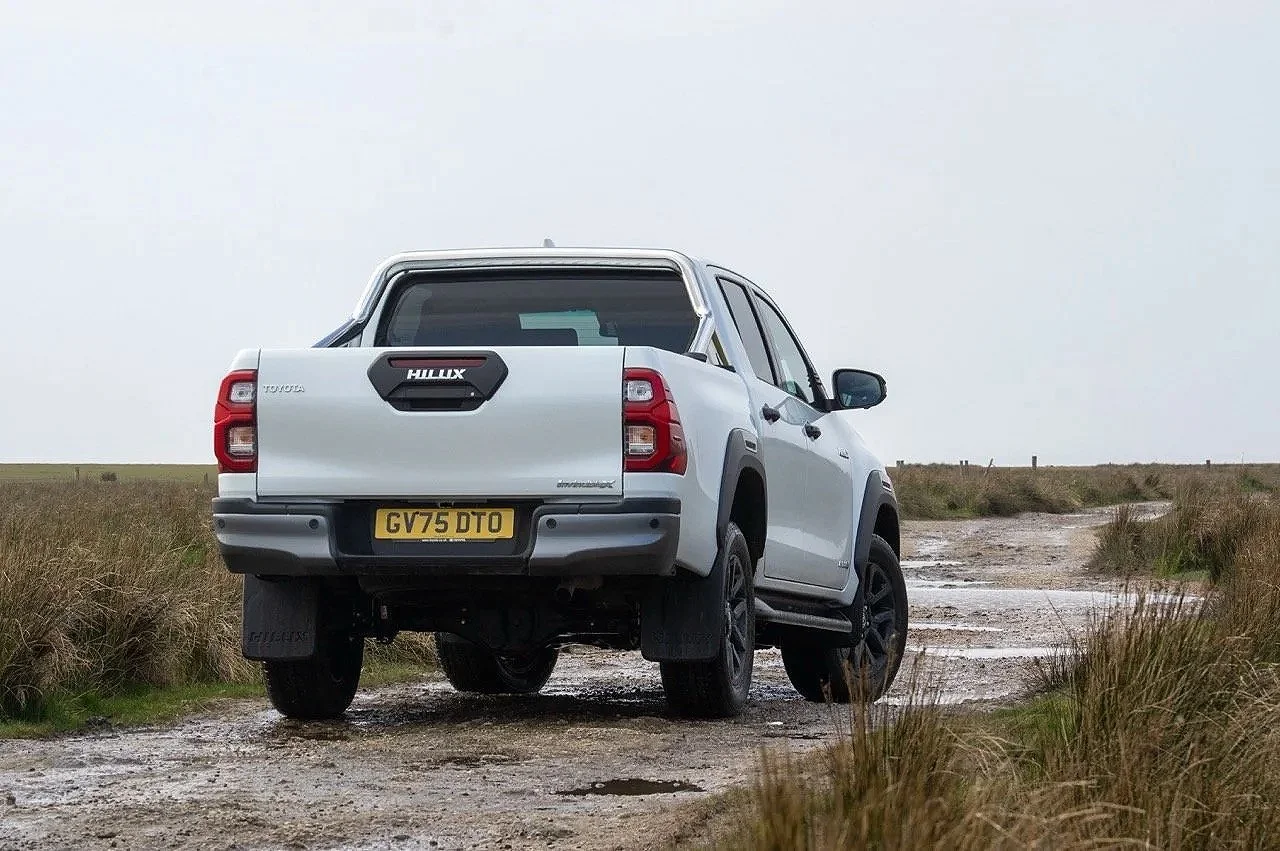
On the road – familiar, but slightly less agricultural
If you’ve driven the standard Hilux, you’ll feel instantly at home here. The fundamentals haven’t changed: ladder frame, leaf springs, live rear axle, and all the charm (and compromises) that come with that.
Unladen, it’s still a bit… lively. That slightly pitchy, bobbing motion over uneven roads is very much present, particularly around town. There are more comfortable pickups out there now, the latest crop from Ford and Great Wall have moved the game on in terms of ride quality, and the Hilux does feel its age here.
But the 48V system does take the edge off things in subtle ways. Pulling away from a standstill feels smoother, with a little electrical assistance filling in the gaps before the turbo gets going. It’s not night-and-day, but it’s noticeable if you’re paying attention. The stop-start system is also less jarring, instead of the engine coughing back into life like it’s just been woken from a deep nap, it restarts with a bit more grace.
Around town and in traffic, that actually makes a difference. It feels less clunky, less old-school diesel, and a bit more, dare I say it… civilised.
Out on the open road, it’s business as usual. The 2.8-litre engine still delivers its chunky torque in that familiar, low-down surge. It’s not fast, it’s not particularly quiet, but it is effective. Once you’re up to speed, the Hilux settles into a steady cruise, and the mild-hybrid system largely fades into the background.
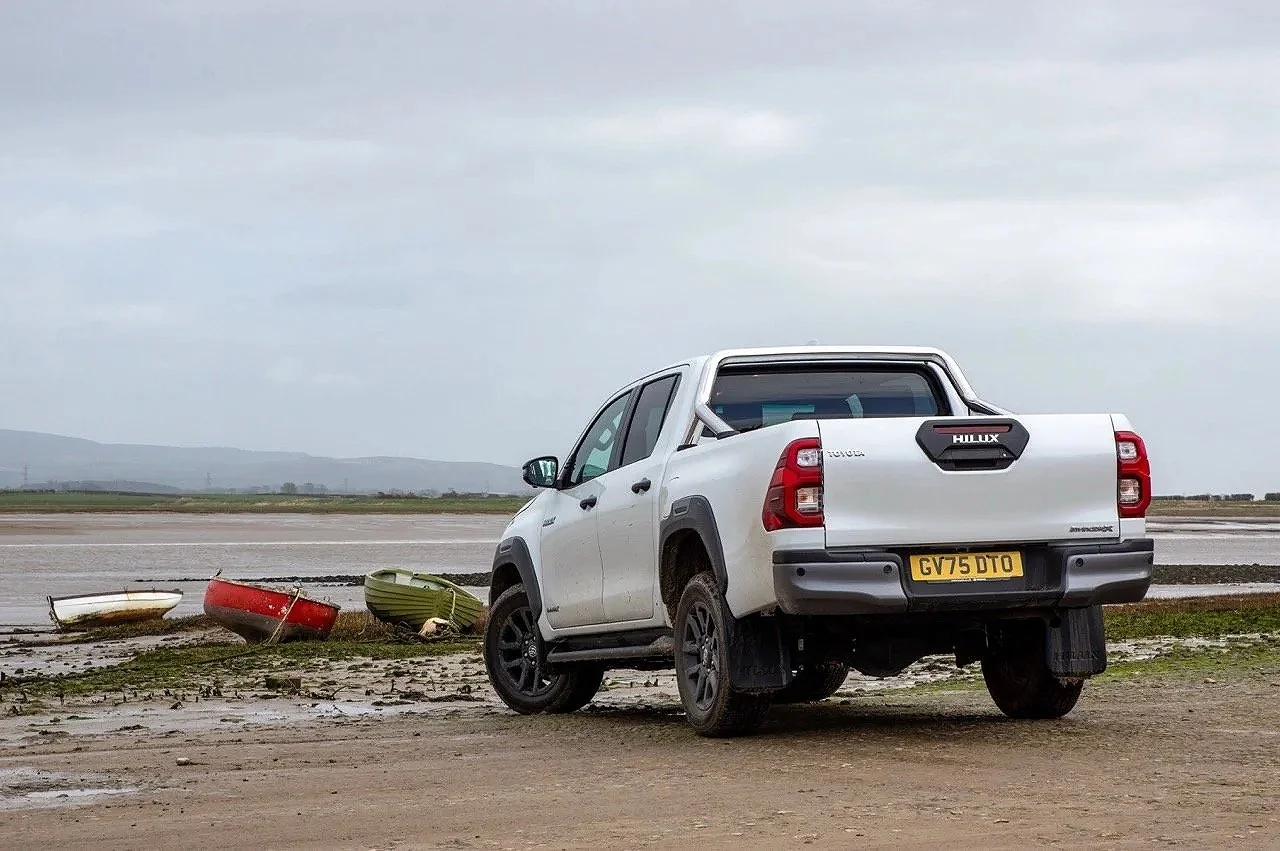
Fuel economy – small gains, not miracles
If you’re hoping the “hybrid” badge means dramatically better fuel economy, it’s time for a reality check.
This is still a big, heavy, bluff-fronted pickup with the aerodynamics of a garden shed. The 48V system helps, but only around the edges.
In real-world driving, you might see a slight improvement over the standard diesel, particularly in stop-start conditions where the system can actually do something useful. Think a couple of mpg here and there, not a transformation.
Where it arguably matters more is emissions. The official figures are a bit lower, which helps Toyota keep the Hilux compliant and competitive in a market that’s increasingly being squeezed by regulations.
So yes, there are benefits, just don’t expect to halve your fuel bill.
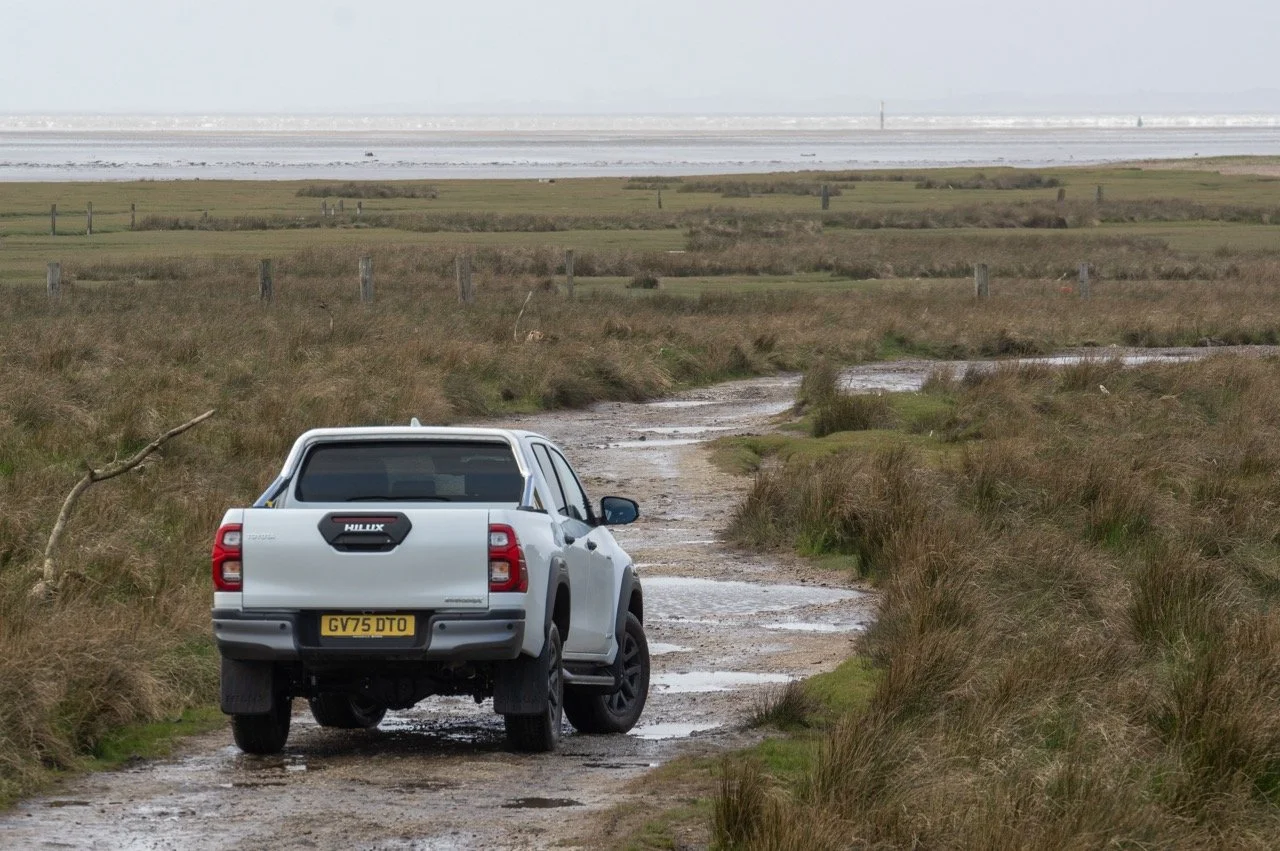
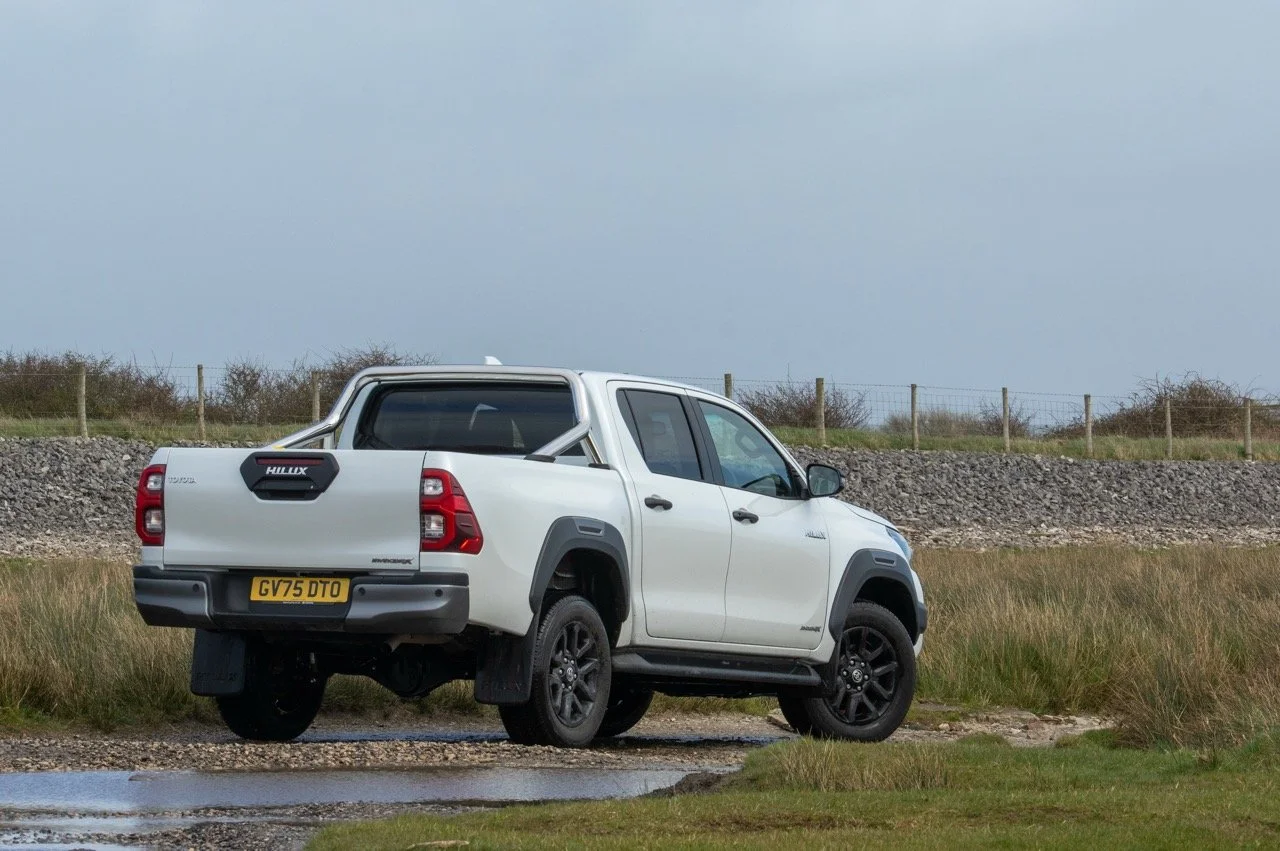
Off-road – unchanged, and that’s a good thing
Here’s the reassuring bit: all the electrification gubbins hasn’t dulled the Hilux’s core talent.
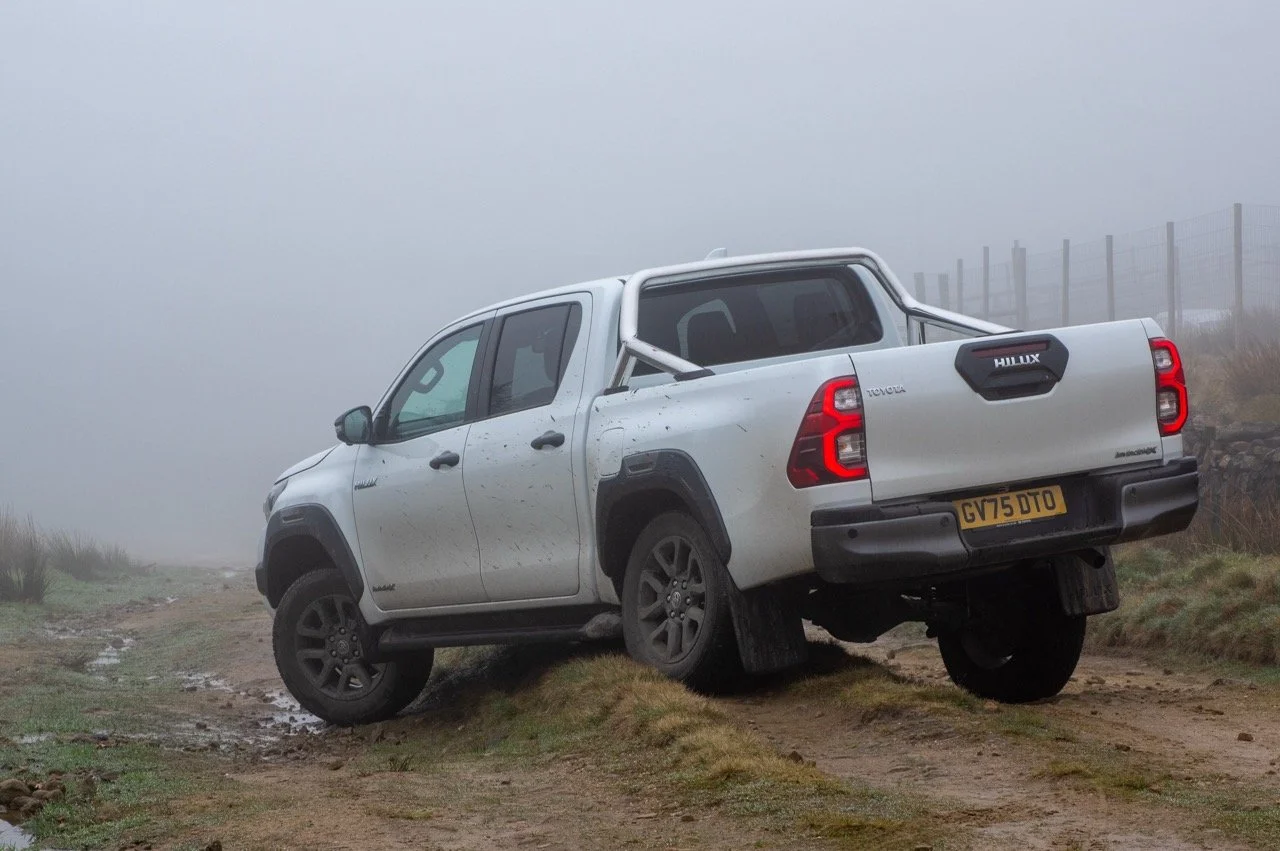
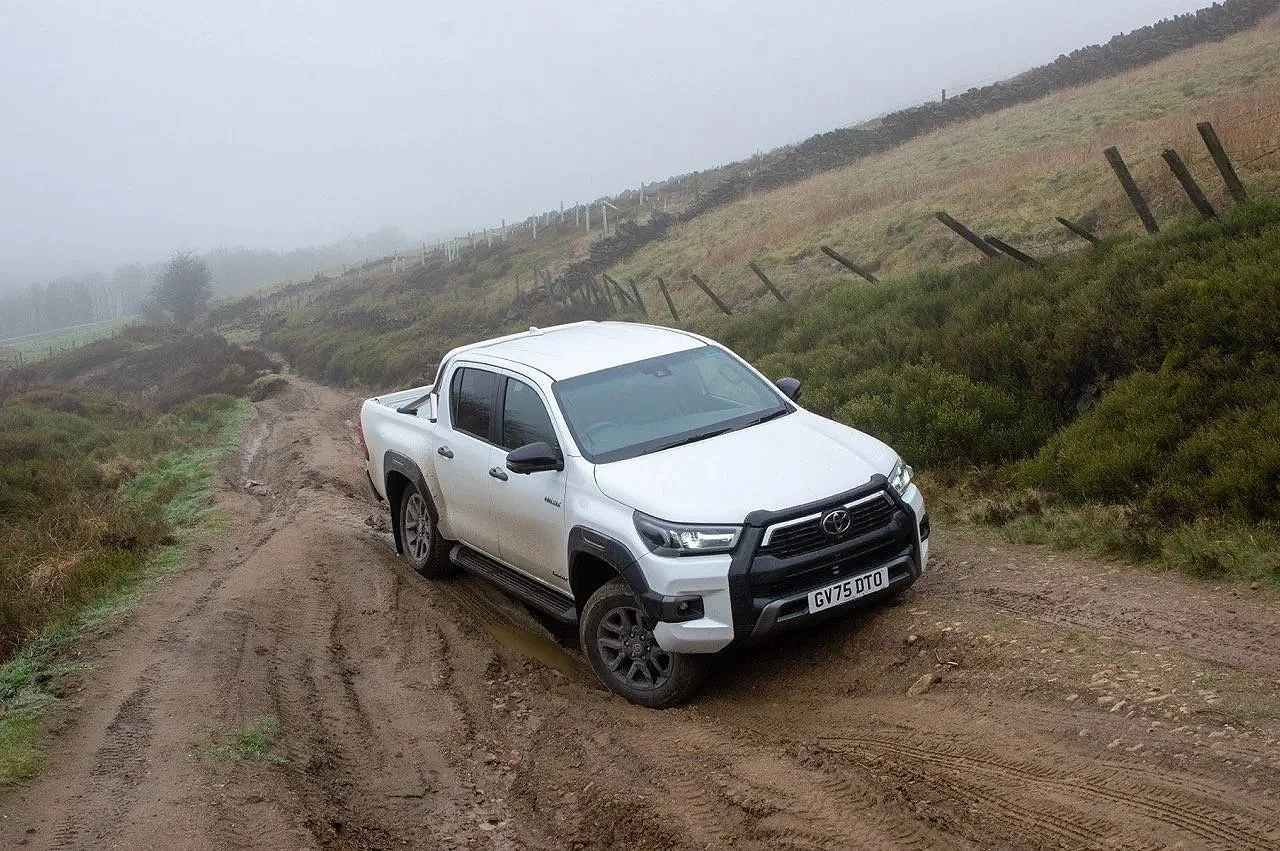
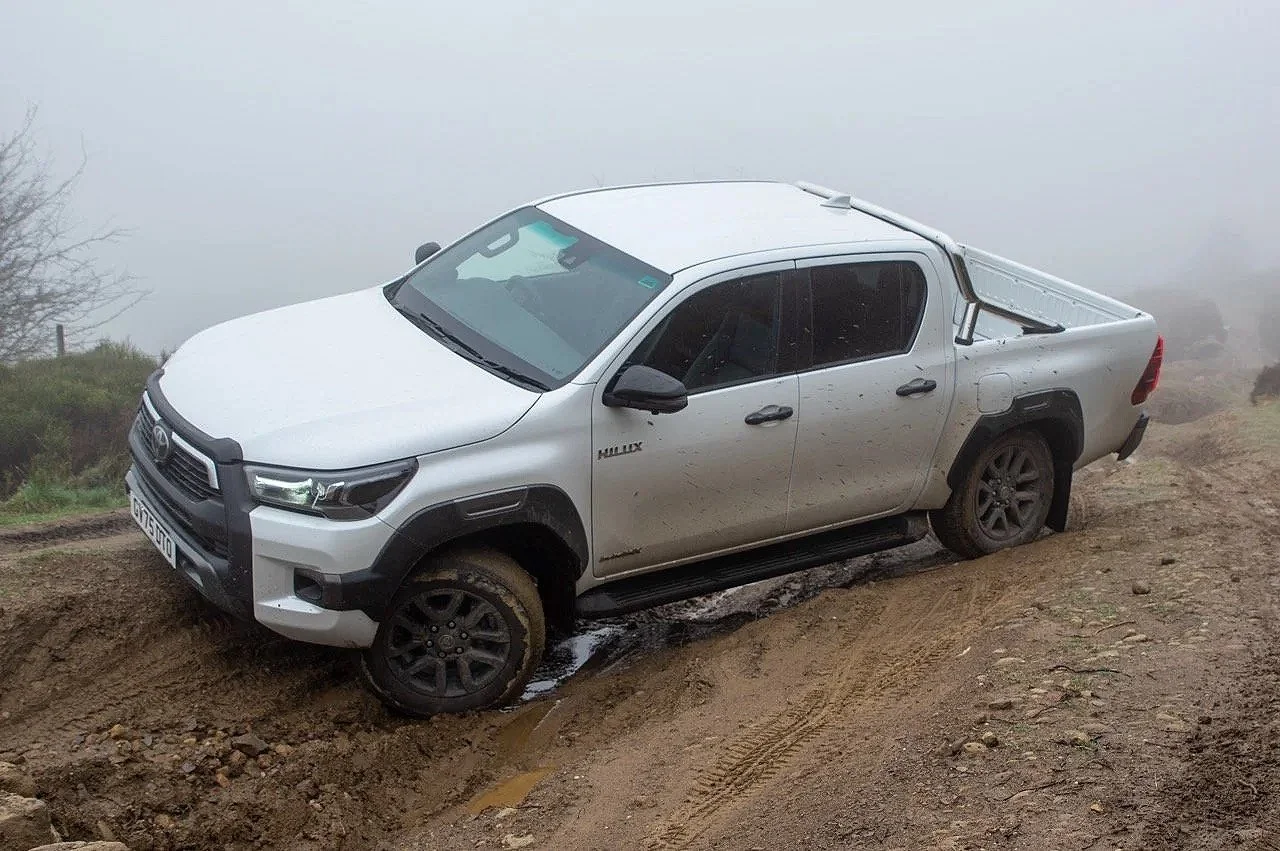
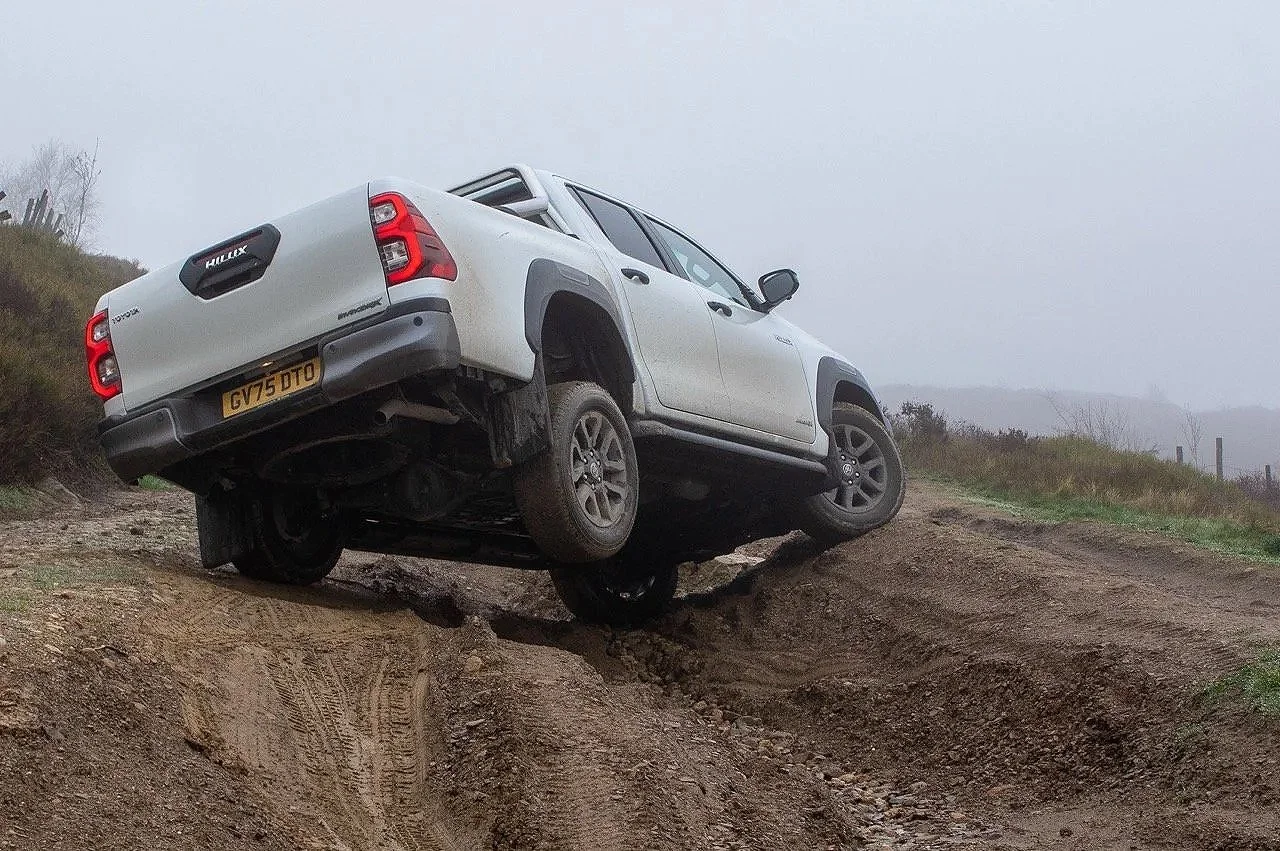
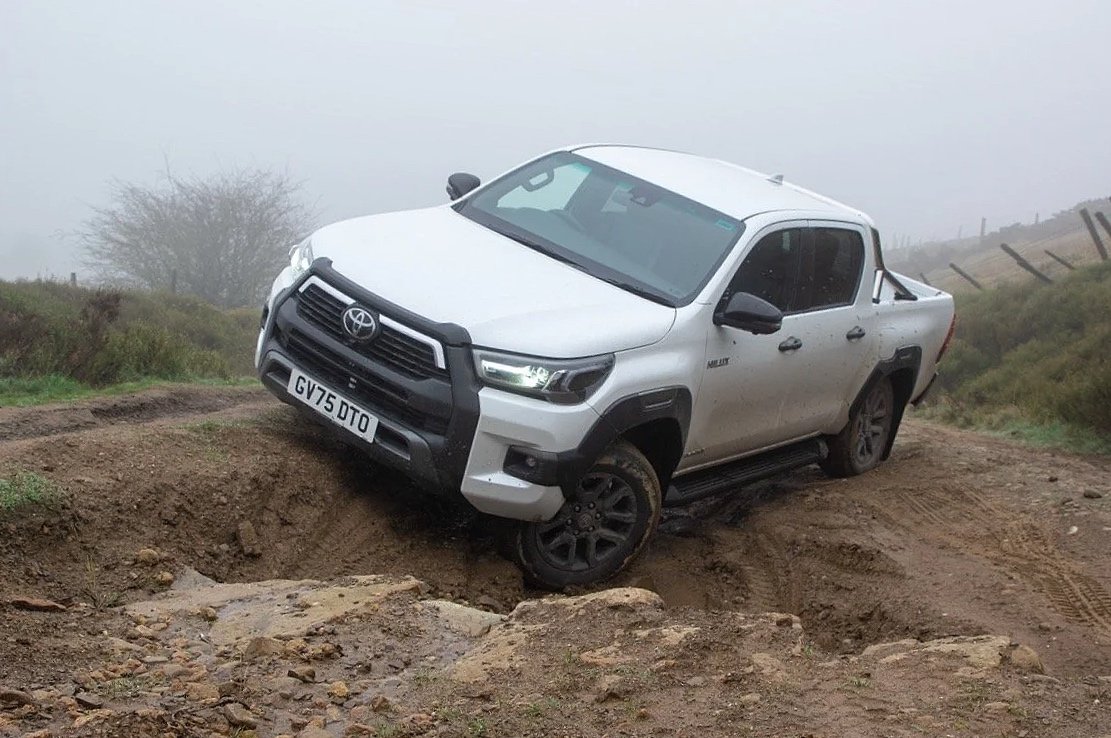
Off-road, it’s as capable as it’s ever been. Low range, rear diff lock, plenty of ground clearance, and a sprinkling electrical witchcraft it’ll still trundle through mud, climb over ruts on three, or two wheels, and generally make you look more competent than you actually are.
The 48V system can actually help slightly here too, in a very low-key way. The added torque assistance at low speeds can make crawling feel a bit smoother and more controlled, particularly when you’re feathering the throttle over tricky terrain.
It’s not transformative, but it’s another example of the system quietly improving things without shouting about it.
Crucially, it still feels tough. You don’t get the sense that adding electrics has made it fragile or overly complicated. It’s still a Hilux – it still feels like it could survive a minor apocalypse.
Towing and load carrying – no drama
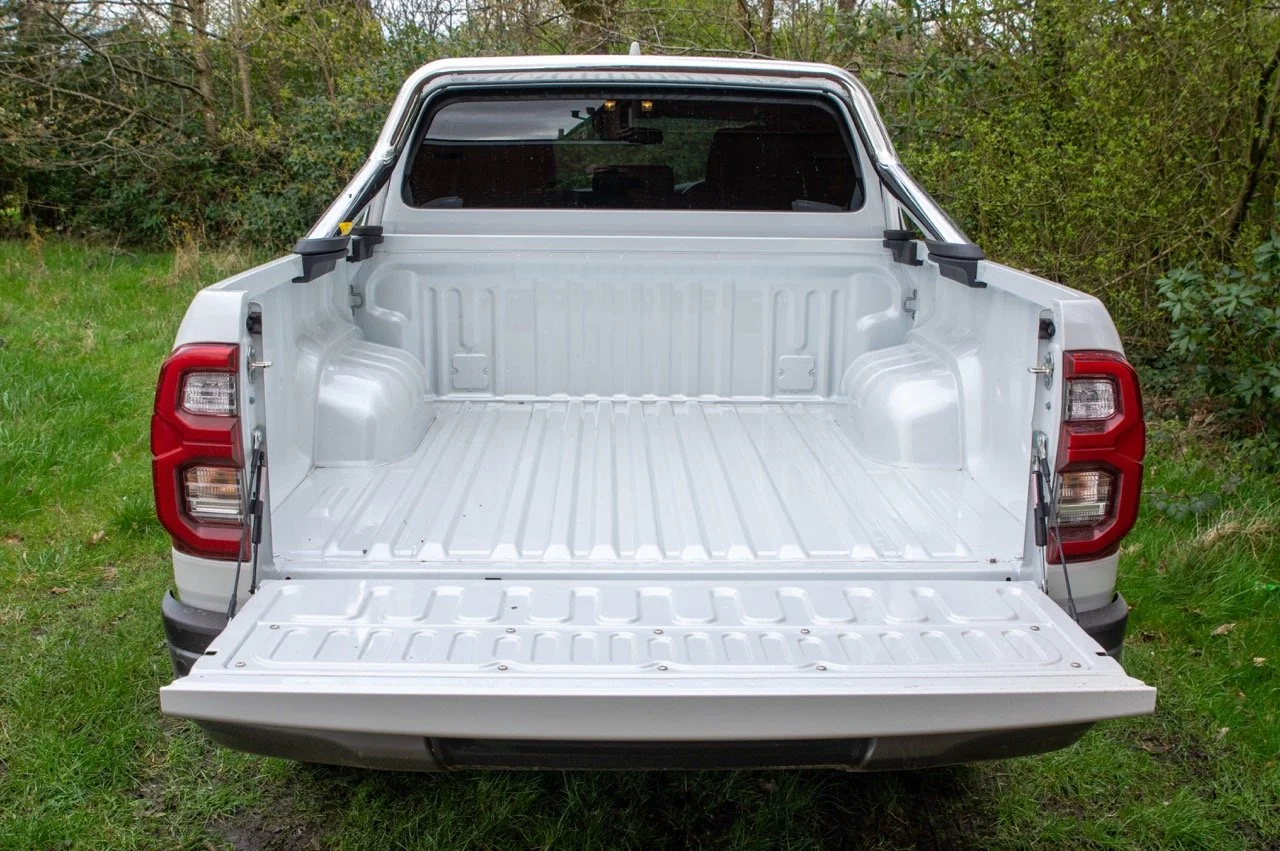
The Hilux’s working credentials remain intact. It’ll still tow up to 3.5 tonnes, still carry a hefty payload, and still shrug off a load of muddy gear in the back.
The mild-hybrid system can actually be a small bonus when towing, helping smooth out initial pull-away and reducing that moment of strain when you first get things moving. Again, subtle, but useful.
Unladen ride is still its weakest point, though. Stick some weight in the back and, as ever, it settles down nicely. It’s almost as if it prefers having a job to do.
Interior and tech – same story, thankfully
Inside, nothing dramatic has changed, which is no bad thing.
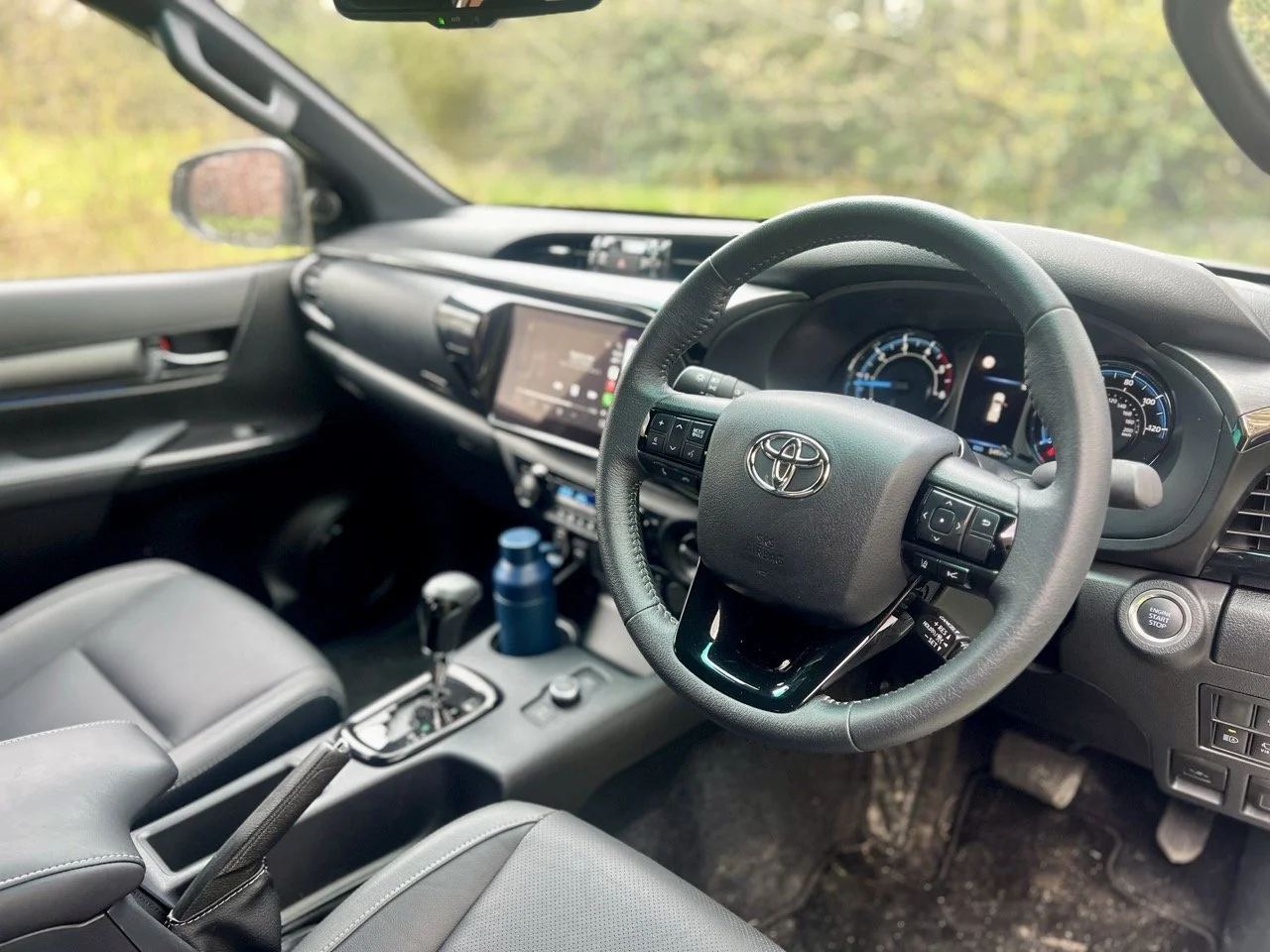
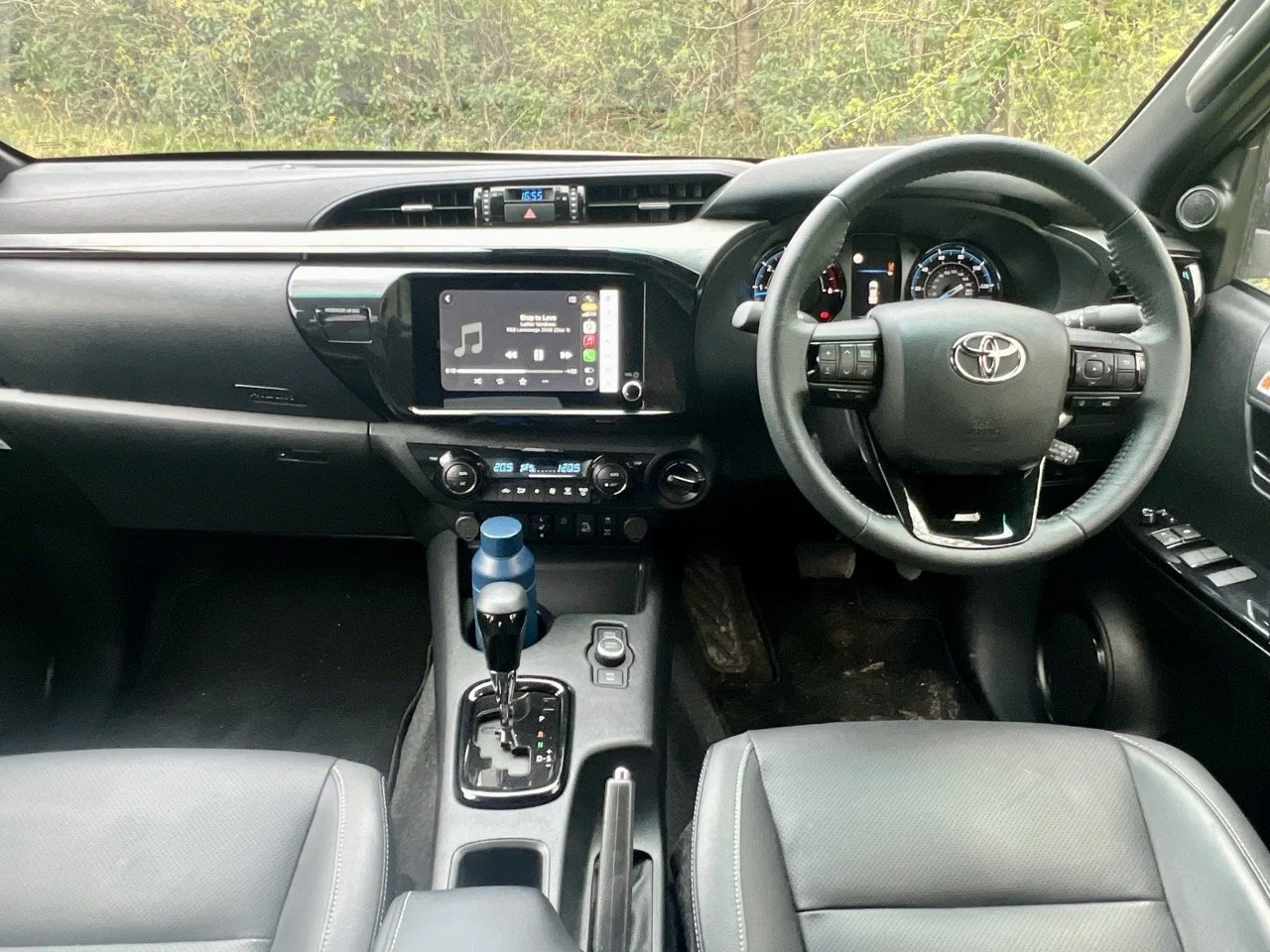
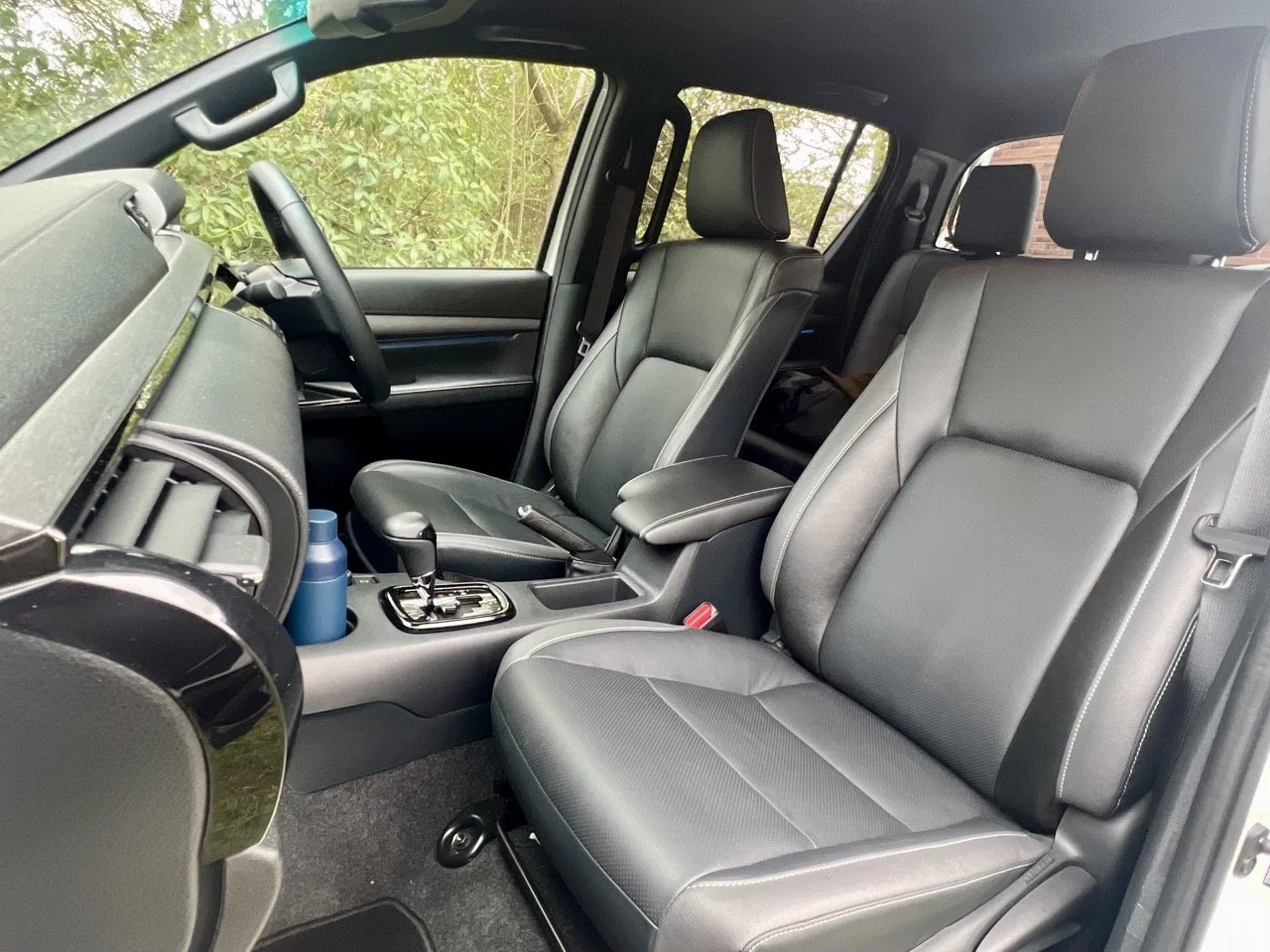
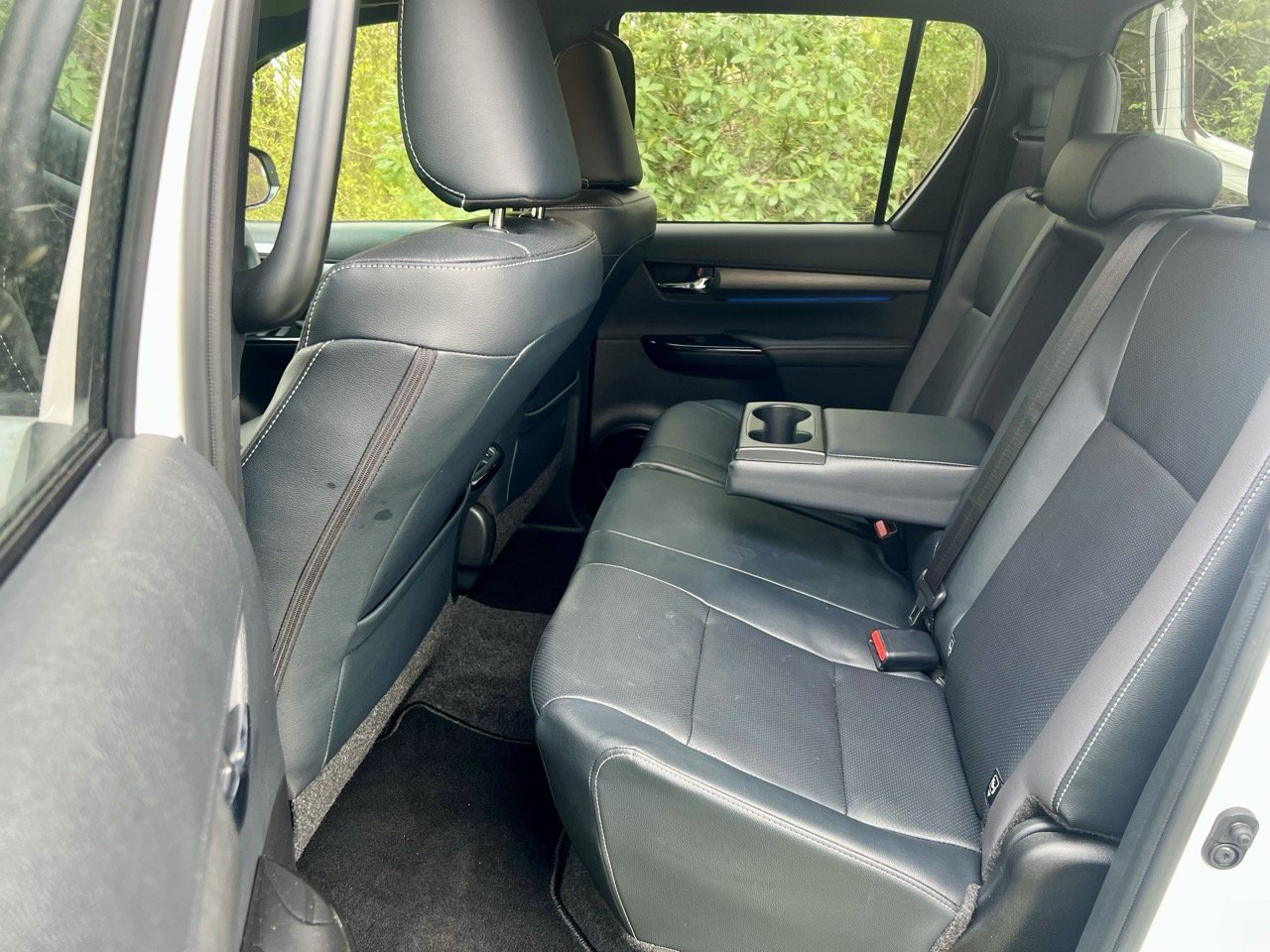
It’s still tough, functional, and a bit more upmarket than Hiluxes of old. The Invincible trim gives you enough kit to feel like you’re not slumming it, but it doesn’t go overboard with gimmicks.
And yes, the heater controls are still proper physical dials. Toyota, we thank you.
Infotainment is fine, not flashy. Most people will just plug their phone in and crack on. Driver assistance systems are present and occasionally annoying. At least Lane Assist is on the steering wheel, but you have to go ferreting if you want to switch other annoying bings and bongs off.
So… should you actually care about the 48V bit?
This is the key question.
If you’re expecting a revolution, you’ll be disappointed. The 48V Hilux is not a game-changer. It doesn’t suddenly make the Hilux class-leading for comfort, nor does it turn it into an eco warrior.
What it does do is gently improve the edges:
Smoother stop-start
Slightly nicer low-speed response
Marginally better efficiency
A touch more refinement in daily driving
It’s the sort of upgrade you appreciate over time rather than immediately noticing.
If you’re coming from an older Hilux, it’ll feel like a step forward. If you’ve just jumped out of the manual version, you’ll recognise it instantly, just with a bit less gruffness in traffic.
Verdict – evolution, not revolution
The 2025 Toyota Hilux Invincible 48V exists because it has to. Regulations demand it, the market expects it, and Toyota isn’t in the habit of being left behind. But crucially, it hasn’t lost what makes a Hilux a Hilux.
It’s still tough, still dependable, still brilliantly capable off-road, and still perfectly suited to a life of muddy boots, dogs, tools and general abuse. The 48V system just makes it a bit easier to live with day-to-day.
Is it the most comfortable pickup? No. Is it the most advanced? Also no. But is it one of the most trustworthy, proven, and quietly competent? Absolutely.
In short, it’s the same old Hilux – just with a bit of modern polish.
And honestly, that’s probably exactly what its buyers want.