Review: 2026 Jeep Compass EV & Hybrid
There was a time when buying a Jeep meant you were at least thinking about mud. Maybe not tackling the Rubicon Trail on a Sunday afternoon, but certainly the odd green lane, a soggy campsite, or a farm track that would have a soft-roader quietly questioning its life choices.
The new 2026 Jeep Compass suggests that time isn’t entirely gone, but it has definitely been… modernised.
This is not just an update of the outgoing model. It’s a complete rethink. Built on Stellantis’ new STLA Medium platform and offered with both hybrid and fully electric powertrains, the latest Compass is Jeep’s attempt to stay relevant in a UK market that is rapidly swapping diesel torque for battery range and charging speeds.
And, perhaps more importantly, it’s Jeep trying to prove it can go electric without completely losing its muddy identity.
Two Compass Models, Two Very Different Characters
At launch, UK buyers will be offered a choice between a mild hybrid and a fully electric Compass. On paper, they sit under the same badge, on the road they feel like two quite different approaches to modern motoring.
The hybrid, badged e-Hybrid, is the entry point, and will probably the better seller. It pairs a small 1.2ltr turbocharged petrol engine with a 21kw electric motor, producing around 145hp /107kw. Power is sent to the front wheels through an automatic gearbox, and while there is some limited electric-only capability at low speeds, it’s not a car you’ll be plugging in overnight.
Instead, it’s designed to make everyday driving smoother and more efficient. Stop-start traffic is less jerky, town driving is quieter than you might expect, and fuel economy gets a modest boost. In many ways, it’s exactly what you’d expect from a modern mild hybrid SUV.
The electric Compass, however, is where things get properly interesting. This is Jeep stepping fully into the EV world, with a 74kWh battery and a single front-mounted motor producing just over 213hp / 157kw. Claimed range sits somewhere around the 300-mile mark, depending on spec and driving style, and fast charging at up to 160kW means it’s at least competitive with the growing list of electric family SUVs.
Later versions are expected to bring more power, more range, and crucially, a proper all-wheel-drive setup that looks the part. That’s the one that will likely get traditional Jeep fans paying closer attention. But for now, both versions arrive in the UK as front-wheel-drive machines.
Yes, a front-wheel-drive Jeep. Times have changed.
How It Handles UK Roads
The UK is not a forgiving place to test a car’s suspension. Between potholes, patchwork tarmac, speed bumps, and the kind of B-roads that look smooth until they very much aren’t, a car quickly reveals whether it’s been properly sorted, or simply signed off on a sunny European test route.
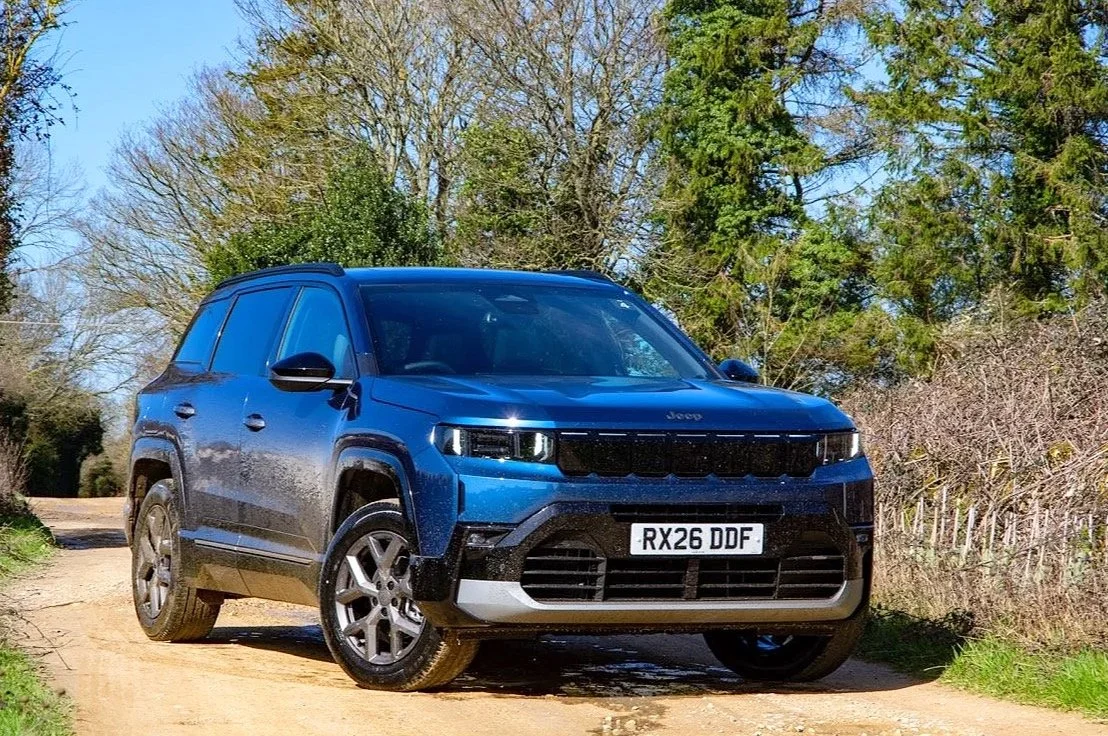
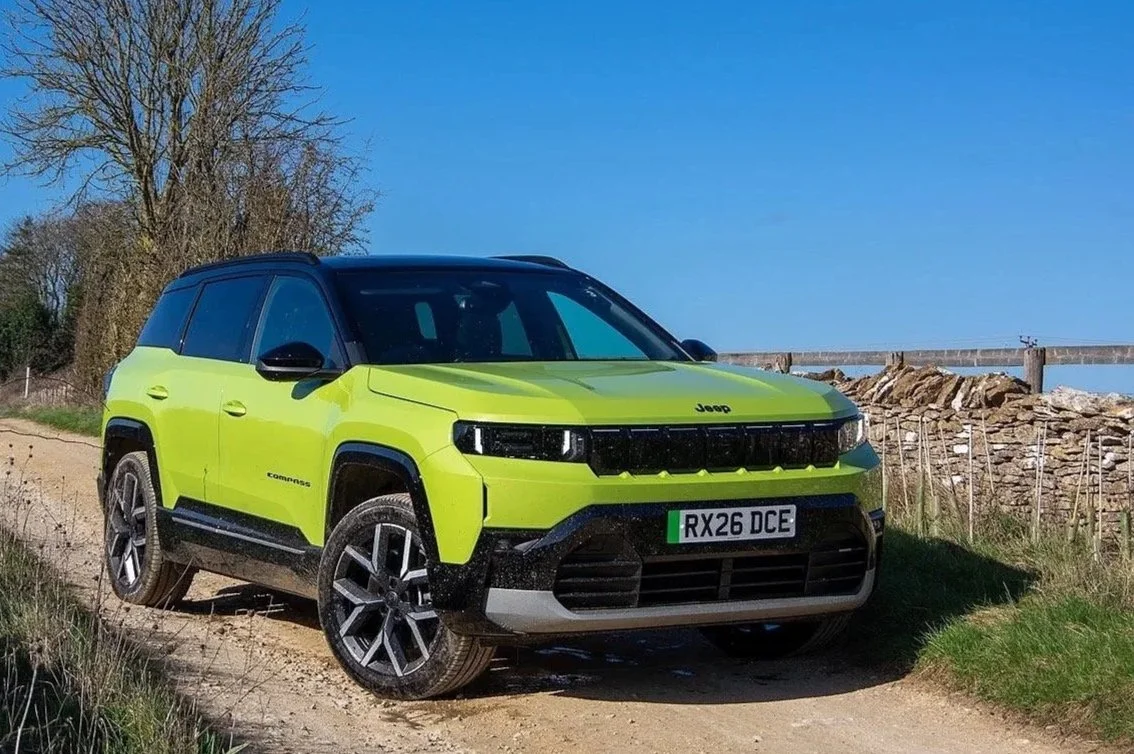
After a good 3-hour drive around the Cotswolds, the hybrid Compass delivers a driving experience that I found actually quite decent. Around town, it’s easy to place, with light steering and good visibility. It feels like a car designed for the school run, the supermarket car park, and the daily commute, and in that role, it does its job without fuss.
Once you venture onto rougher roads, the ride can felt slightly unsettled over broken surfaces, with the suspension occasionally thumping over sharper bumps, but then so did the Peugeot 5008 I had on test that week. It’s not uncomfortable, but it lacks the sort of composure you’ll find in some of its other rivals, like a Subaru for example. On faster A-roads and motorways, it settles down nicely.
The electric Compass, on the other hand, feels immediately more suited to UK conditions. The additional weight of the battery helps give it a more planted feel, and the electric drivetrain delivers its power smoothly and quietly. In town, it’s particularly well suited, gliding along with minimal noise and making stop-start traffic far less of a chore.
Out on the open road, it’s more refined than the hybrid, though not perfect. There’s still a slightly firm edge to the ride over poor surfaces, and road noise can creep in at motorway speeds. But overall, it feels like the more complete package for British driving, particularly if most of your mileage is urban or motorway-based.
Neither version is especially engaging to drive in the traditional sense. This isn’t a car you take out for the sheer joy of a twisting road. But that’s not really the brief here. The Compass is about ease, comfort, and everyday usability—and in that context, the electric version in particular makes a strong case for itself.
Still a Jeep, Just About
The obvious question is whether this new Compass still deserves the Jeep badge.
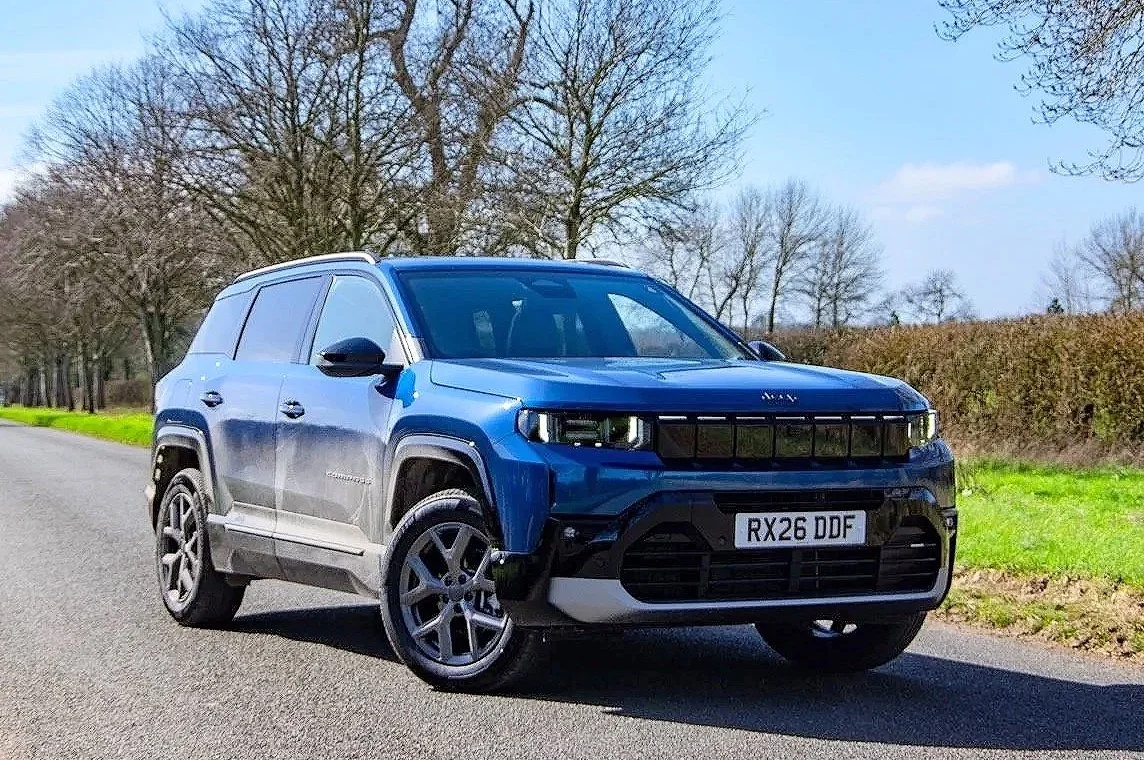
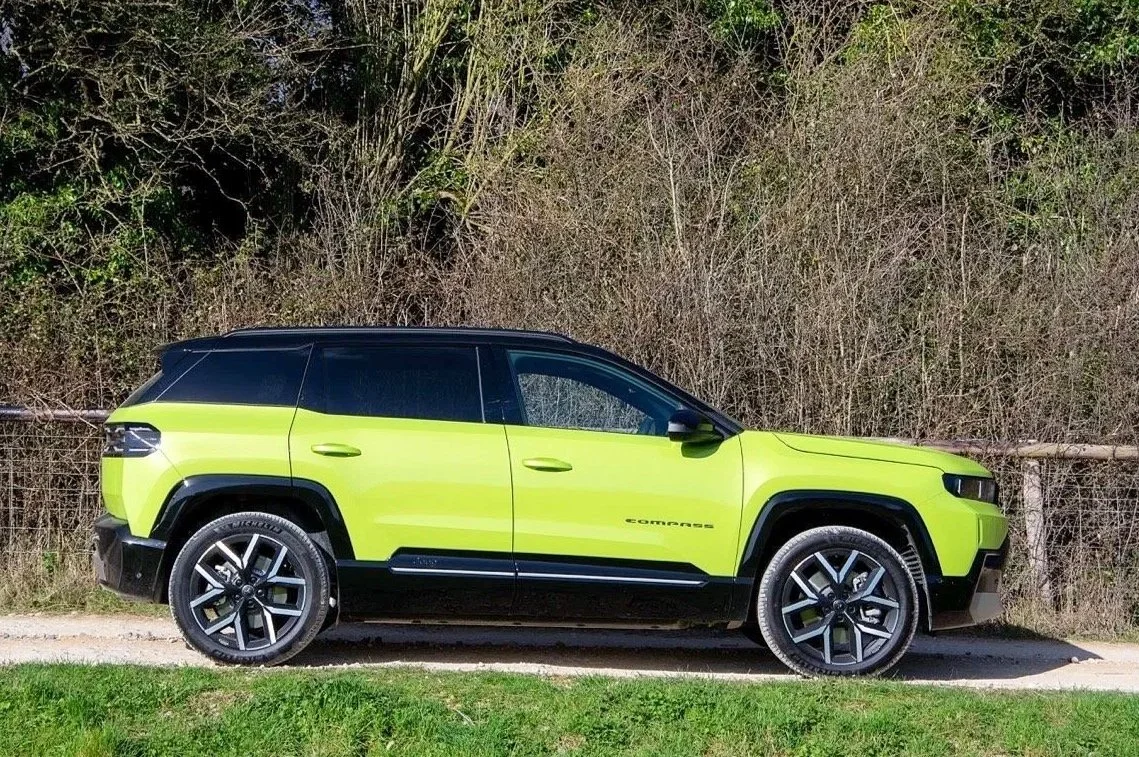
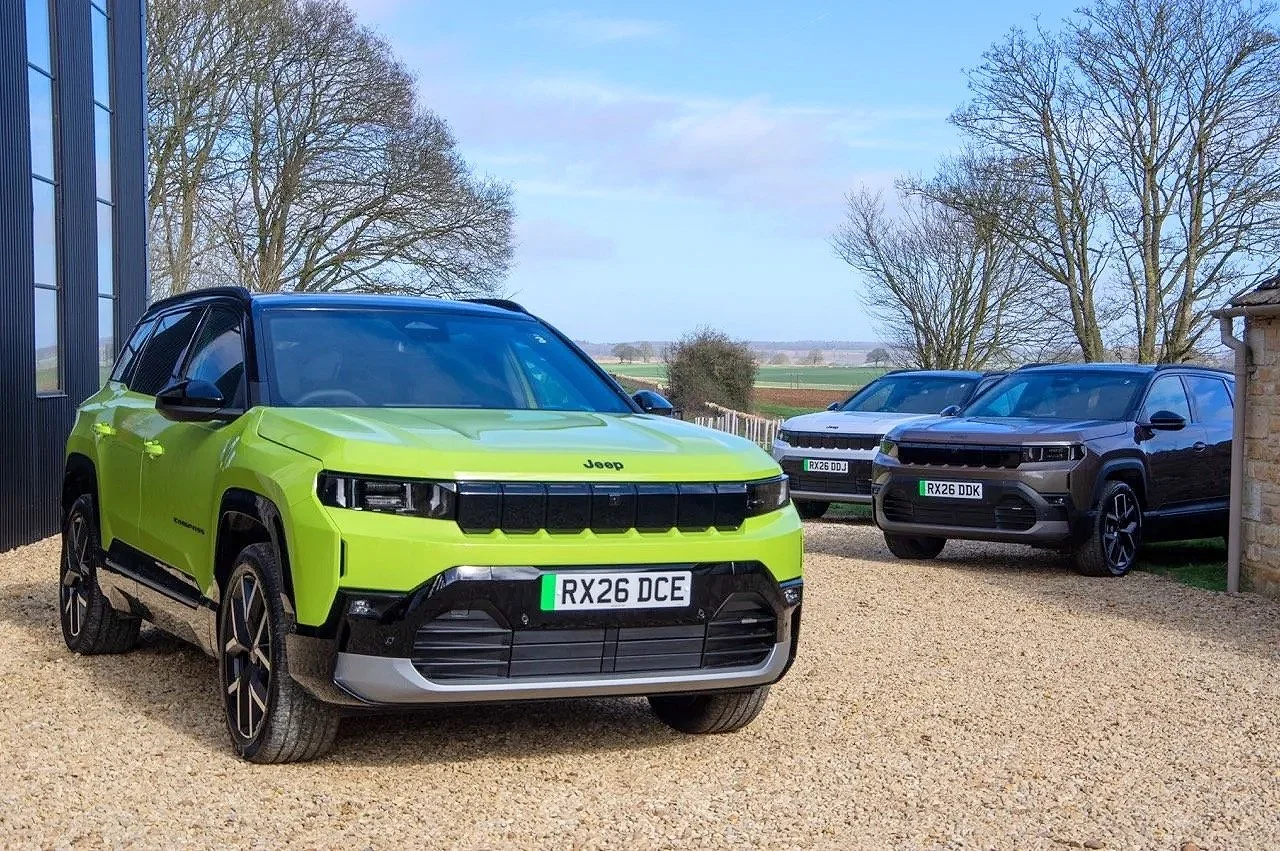
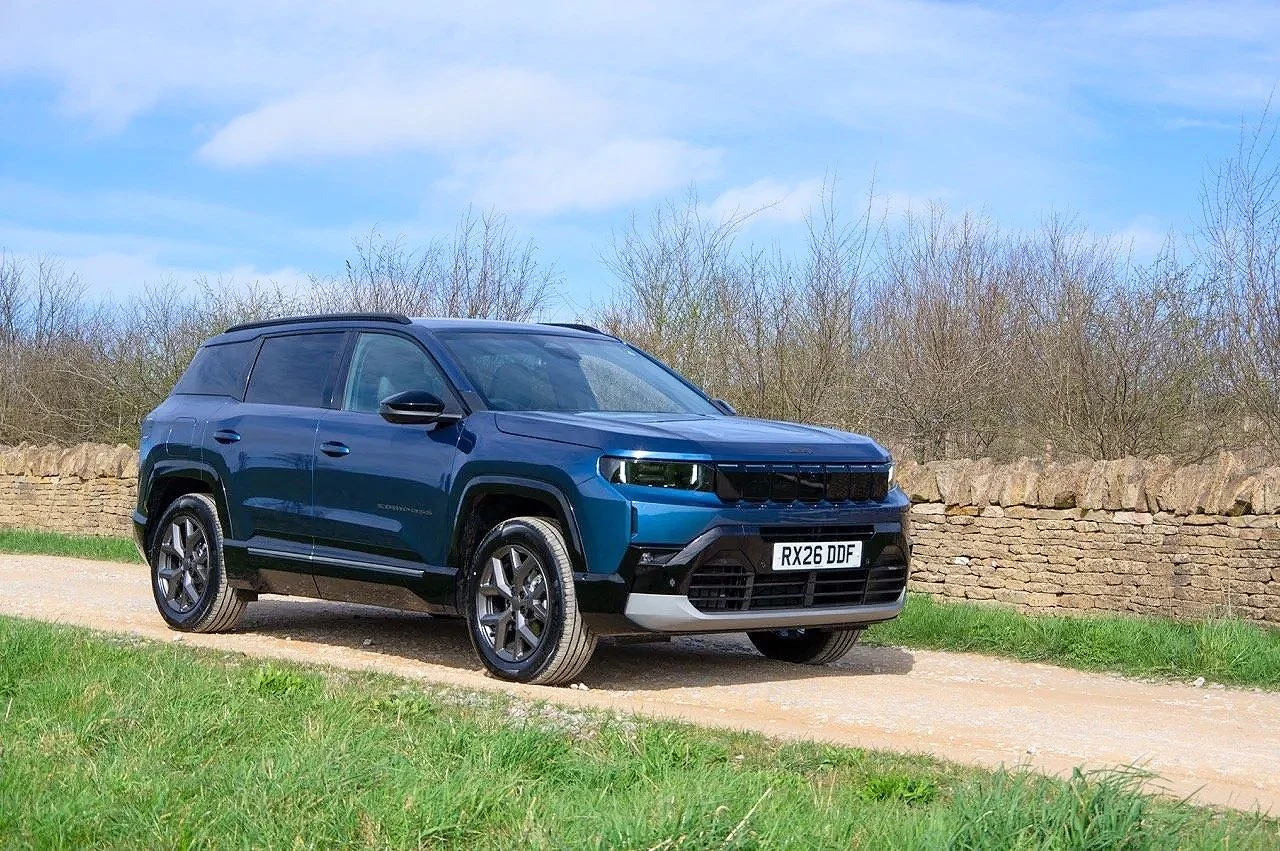
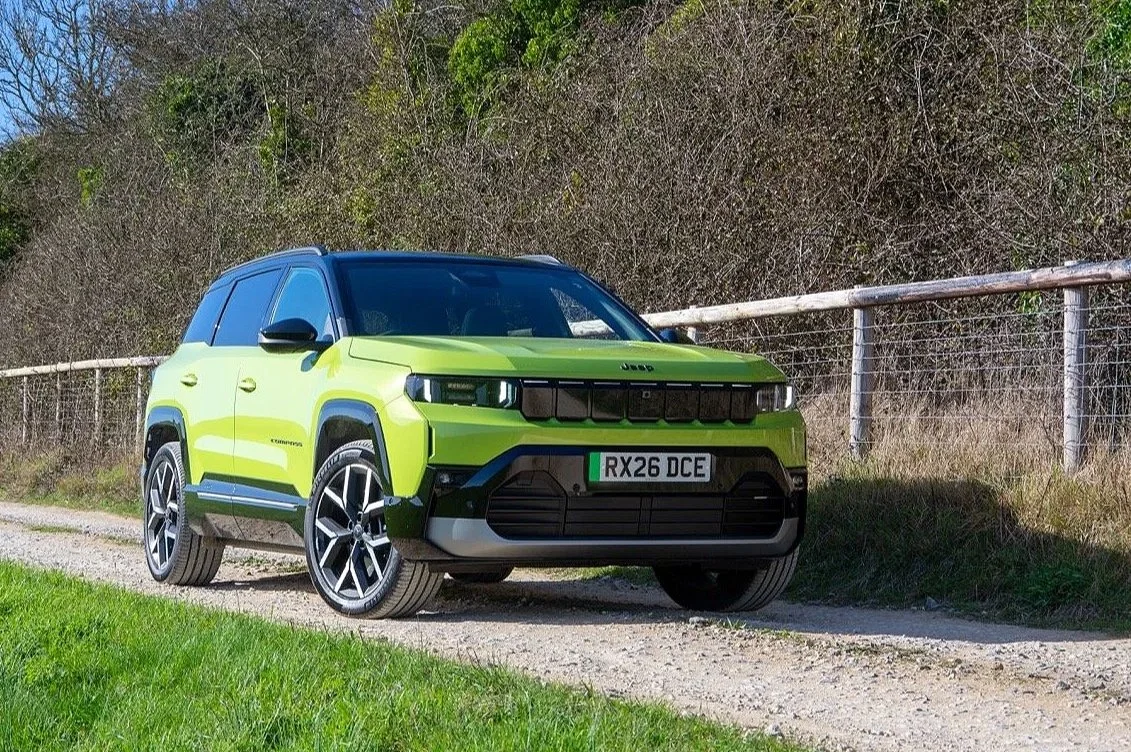
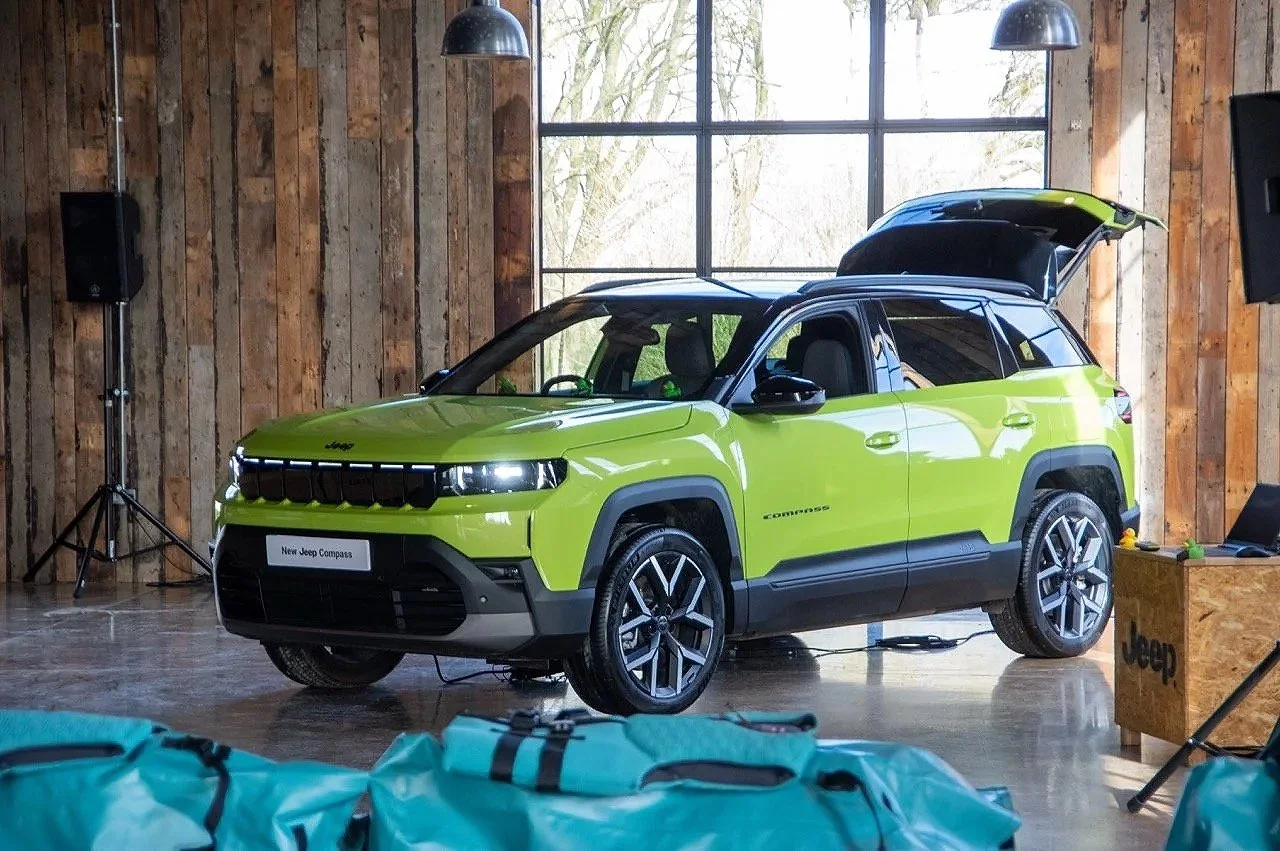
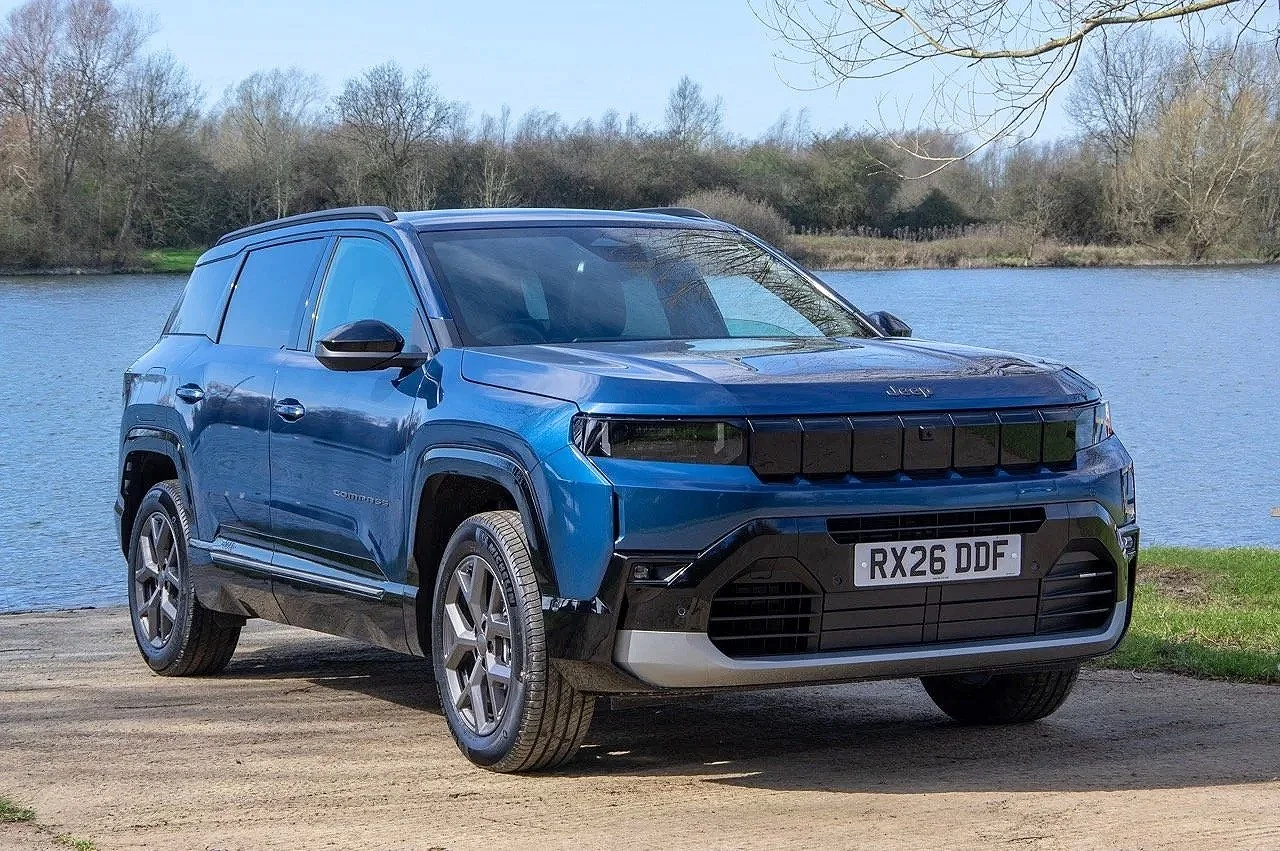
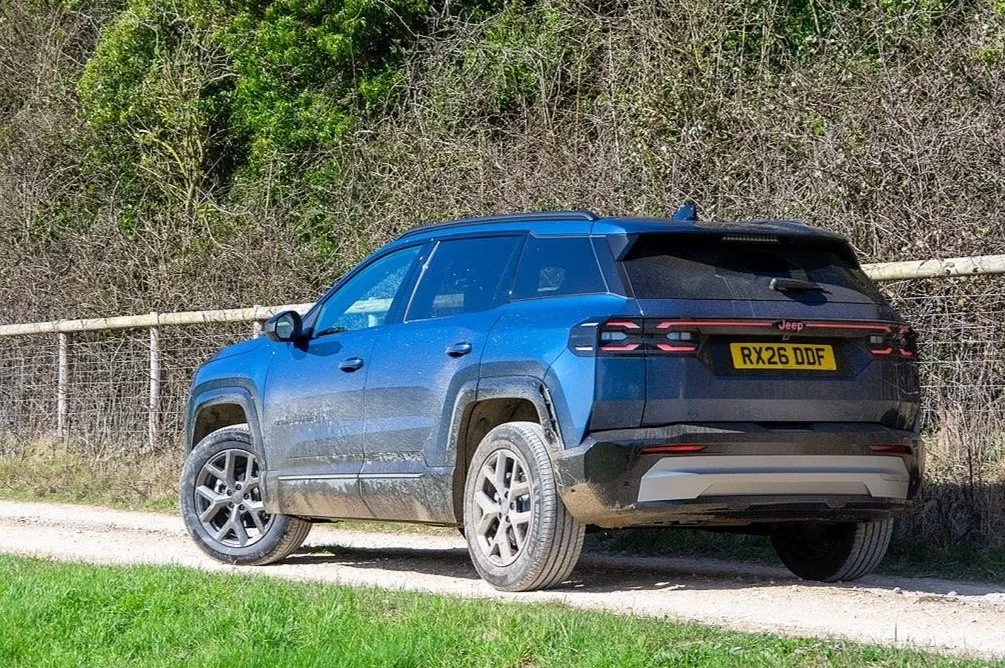
Visually, the answer is yes. It retains the brand’s familiar design cues: the upright stance, the squared-off wheel arches, and the signature seven-slot grille. It looks tougher than most of its rivals, even if it now shares its underpinnings with more mainstream European models.
As I mentioned earlier, at launch, both the hybrid and electric versions are front-wheel drive, which does take the edge off the Compass’s off-road credentials. That said, Jeep hasn’t completely abandoned its roots.
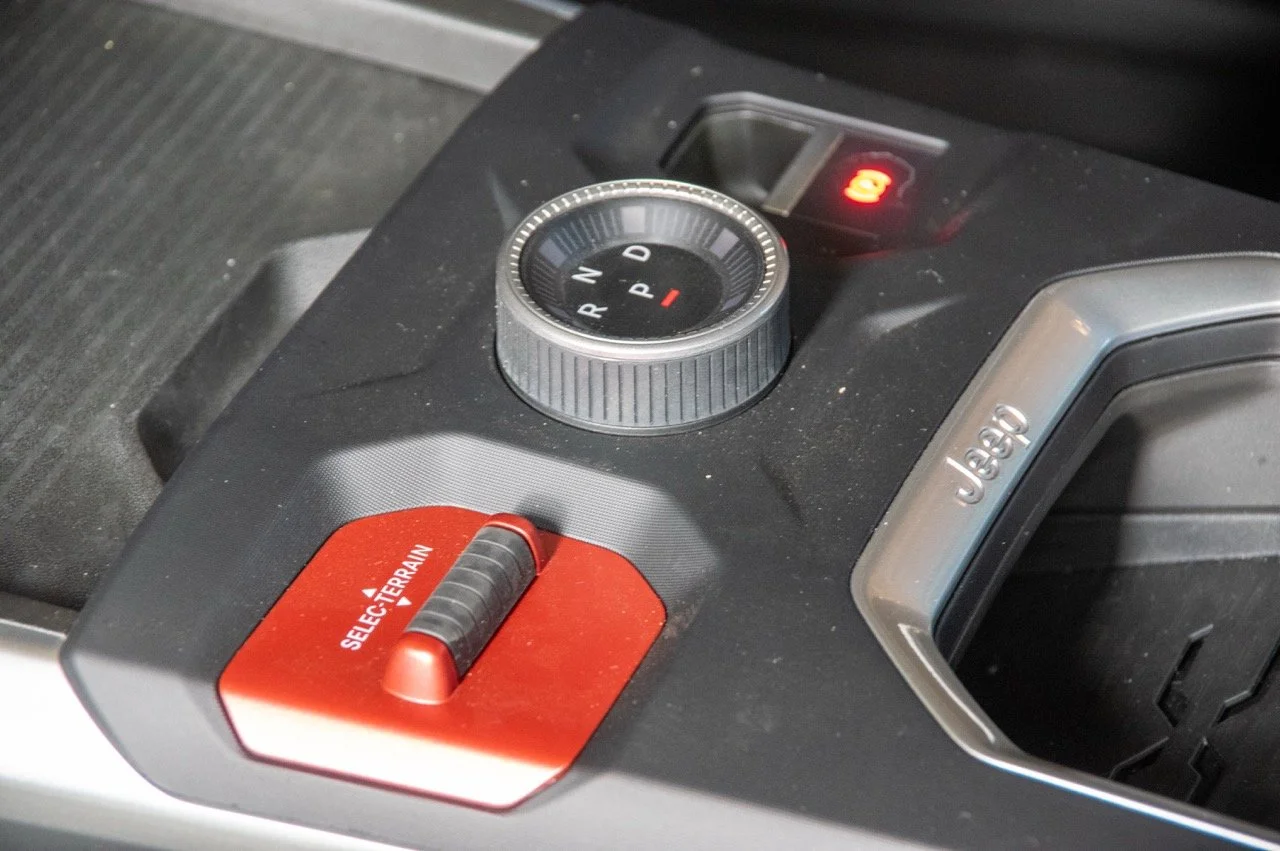
There are still selectable terrain modes, reasonable ground clearance, and the kind of geometry that suggests it could handle more than just a muddy car park. It’s not a hardcore off-roader, but it should cope with campsites, tracks, and the occasional green lane without too much drama.
The real test will come when the all-wheel-drive electric version arrives. That’s the model that has the potential to combine modern electric performance with genuine off-road ability. Until then, the Compass sits somewhere in the middle, more capable than most SUVs in its class, but not quite the rugged machine some might expect.
Interior and Everyday Practicality
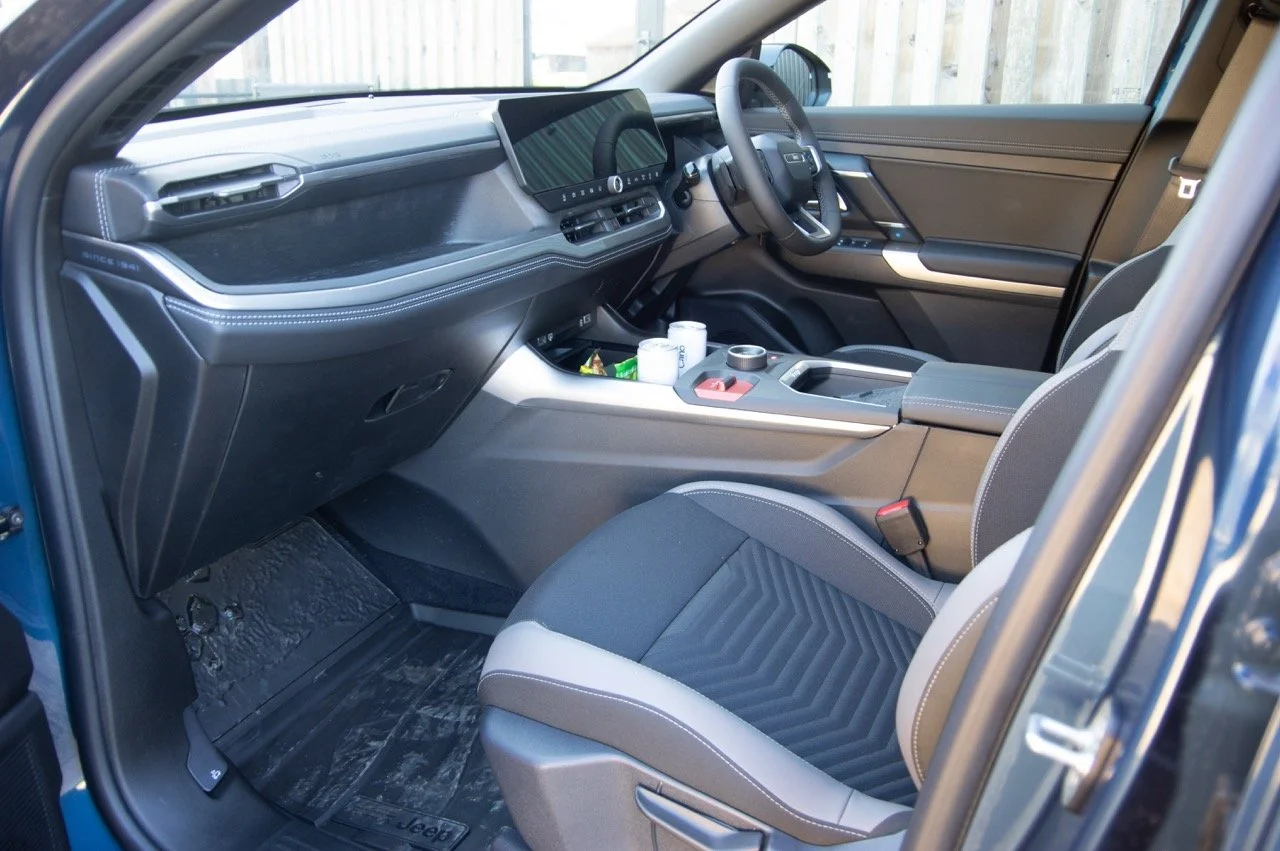
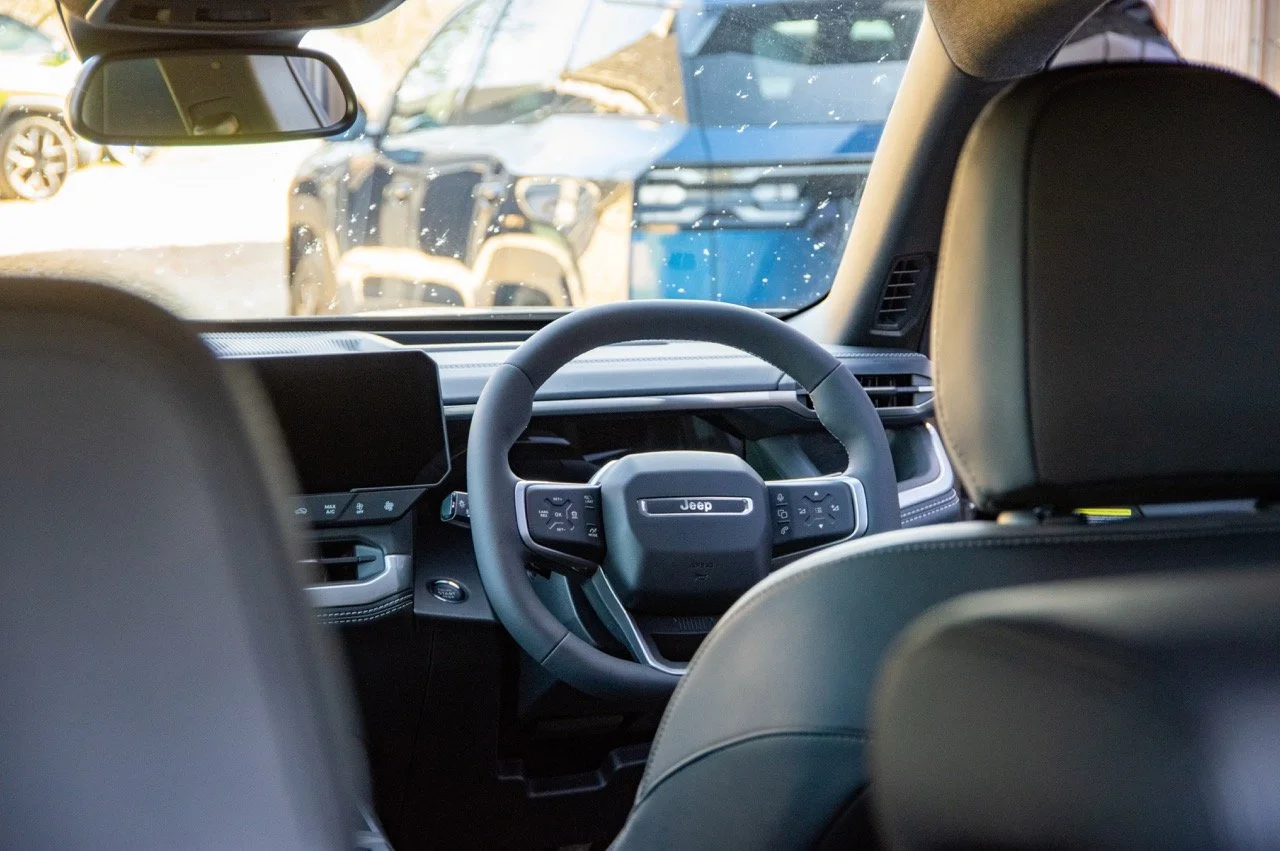
The new Jeep Compass is available in two trim levels – Altitude and First Edition. Both variants are offered with a choice of e-Hybrid or fully electric powertrains. Inside, the transformation is far more straightforward, and entirely positive. The old Compass felt dated. This one doesn’t.
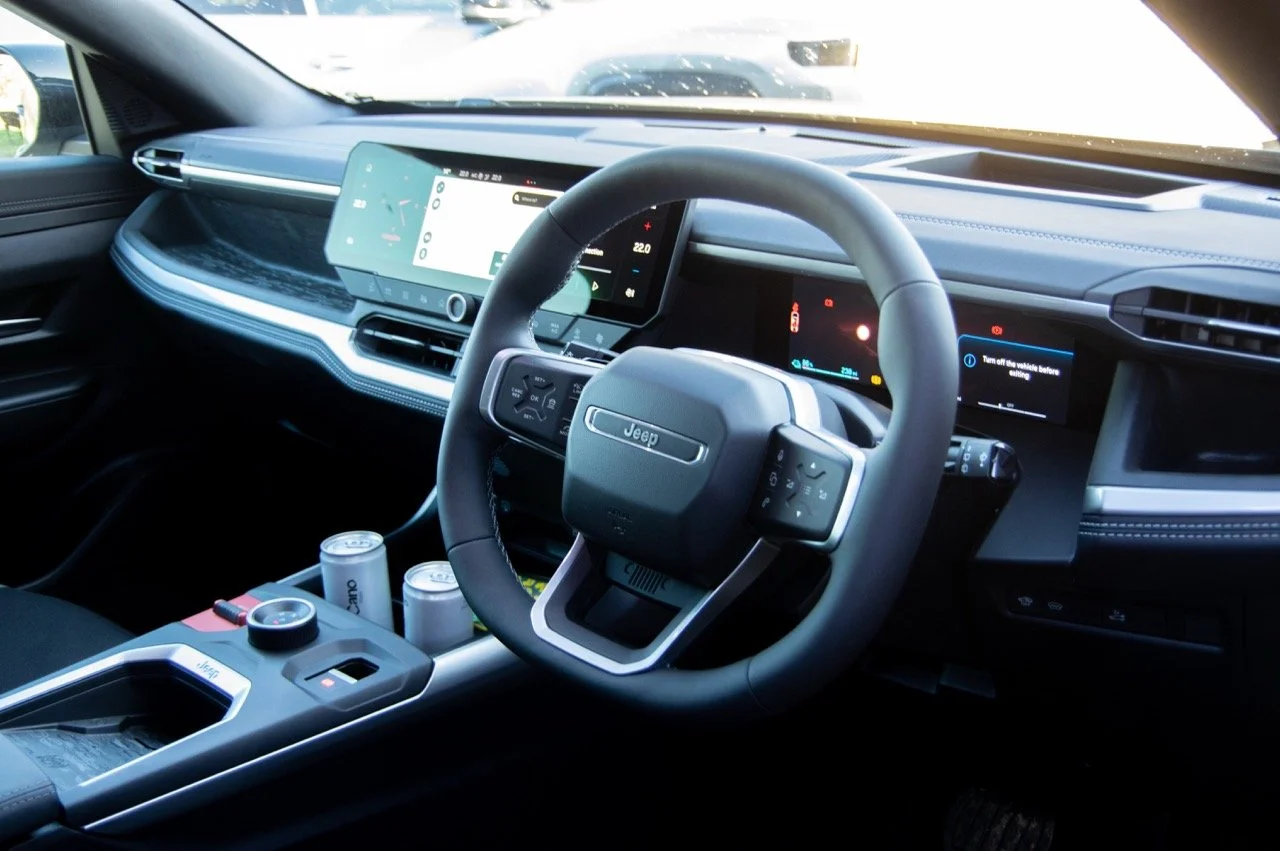
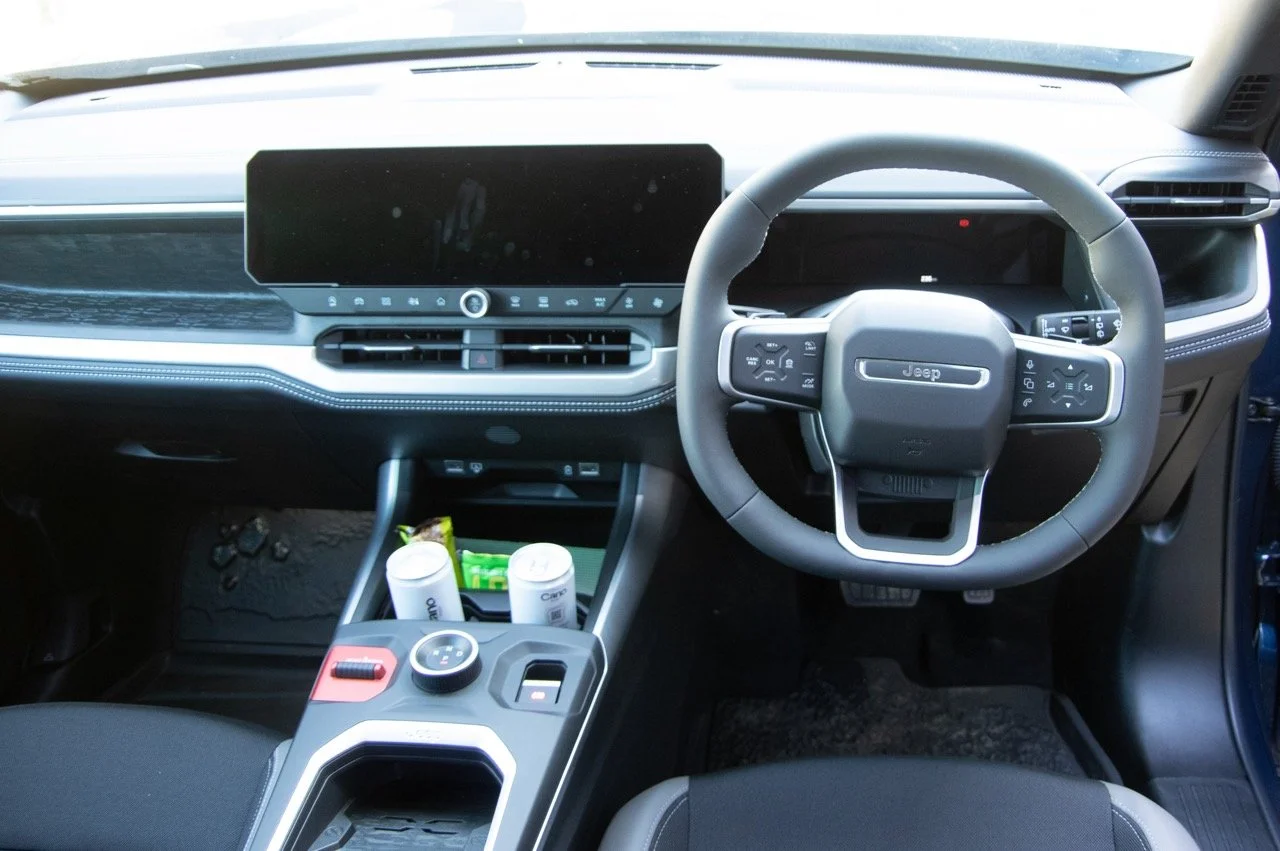
There’s a large central touchscreen, a fully digital driver display, and a layout that feels clean, modern, and far more intuitive than before. Material quality has improved, and while it may not trouble the premium end of the market, it’s perfectly competitive for this segment.
Space has also improved. There’s more room in the back, a more usable boot, and enough practicality to cope with family life, muddy dogs, and all the assorted gear that tends to accumulate when weekends involve the outdoors.
It’s not revolutionary, but it is a clear step forward, and, crucially, it feels like a car designed for how people actually use their vehicles in the UK.
Where It Fits in the UK Market
The Compass enters one of the most competitive segments in the UK. Family SUVs are everywhere, and buyers have no shortage of choice.
What Jeep is offering here is something slightly different. It’s not trying to be the most refined, the most efficient, or the most luxurious option. Instead, it leans on its brand identity, offering a bit more character, a bit more visual toughness, and just enough off-road credibility to stand out.
The hybrid version will appeal to those not quite ready to go fully electric, while the EV is clearly aimed at buyers making that transition.
Pricing is competitive, and the broad spread of powertrains gives Jeep a fighting chance. But it will need to convince buyers that this Compass offers something more than just a different badge.
The Mud Life Verdict
The 2026 Jeep Compass is a sign of the times.
It’s a Jeep that has been designed first and foremost for everyday life in places like the UK, rather than for conquering deserts or climbing mountains. And while that might disappoint some purists, it also makes it far more relevant to the majority of buyers.
The hybrid is competent, practical, and easy to live with, even if it lacks a bit of polish on rough roads. The electric version, meanwhile, feels like the more convincing option, smoother, quieter, and better suited to modern driving conditions.
At launch, the lack of all-wheel drive feels like a missed opportunity. But as a package, the new Compass is a significant improvement over what came before. It may not be the most rugged Jeep ever built. But it might just be one of the most usable. And for many UK buyers, that will matter far more than how it performs halfway up a mountain.
Jeep Compass e-Hybrid: £35,720 (starting OTR)
Jeep Compass EV: £39,200 (starting OTR)