
OM System OM-5 Mark II: Two Months On – Final Thoughts
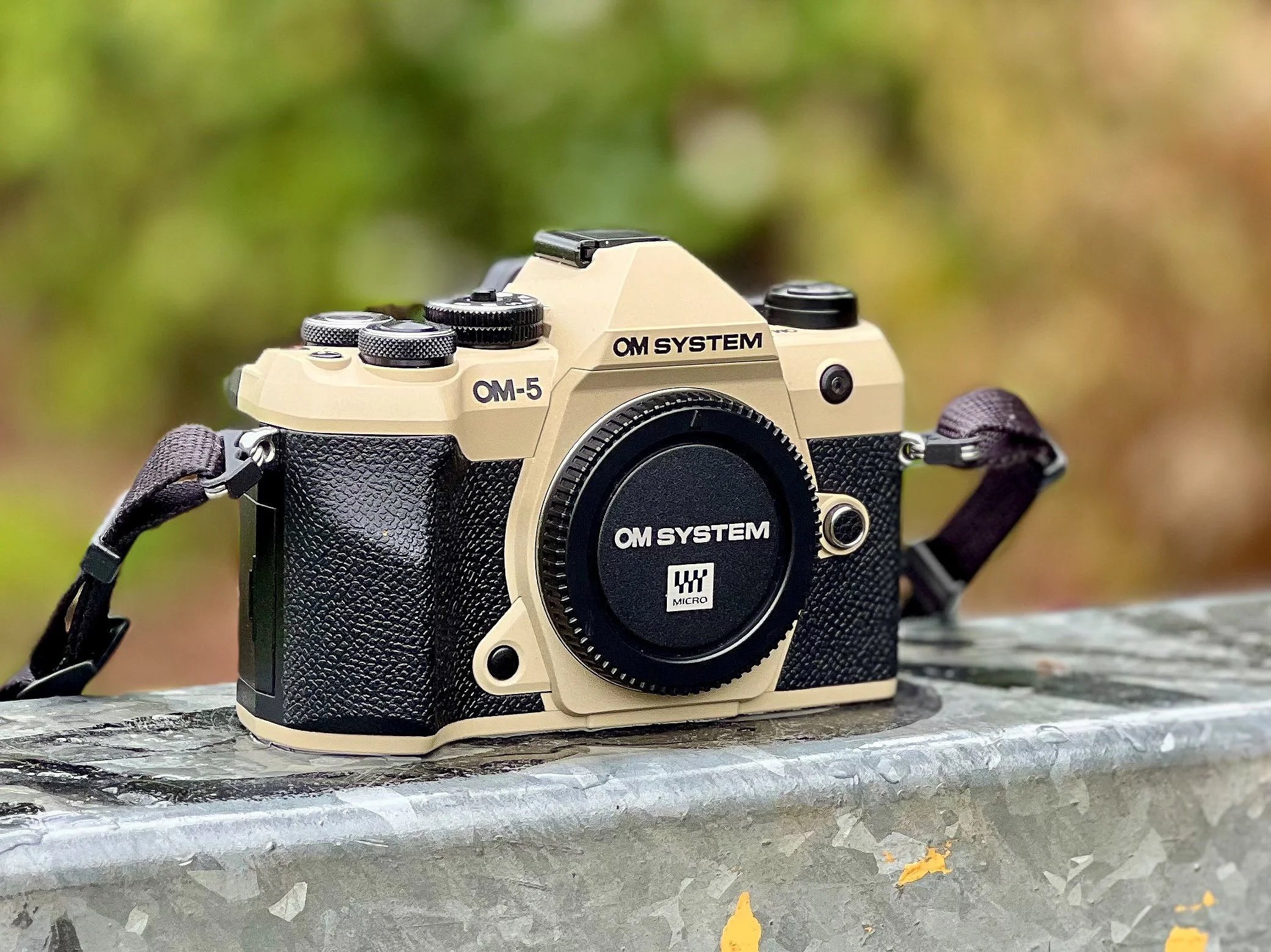
So, after almost three months with the OM System OM-5 Mark II, where have we ended up? More importantly, has it managed to prise me away from 45 years of shooting Pentax? Well, yes, actually. And that’s probably the biggest surprise of the lot.
As I explained in Parts One and Two, this all started because I was fed up lugging my Pentax K-3 II and its lenses around. I still wanted a proper camera rather than relying entirely on my iPhone 13 Pro. Don’t get me wrong, my iPhone is a cracking bit of kit for everyday snaps, but I missed actually taking photographs, rather than simply pointing a phone at something and hoping for the best.
And that’s where the OM-5 Mark II has won me over. It hasn't just replaced a bigger camera; it's changed how often I take one with me.
My Pentax was the camera I took when I knew I was going somewhere to take photographs. The OM-5 Mark II is the camera I take just in case I find something worth photographing. There's a world of difference.
Small camera, big difference
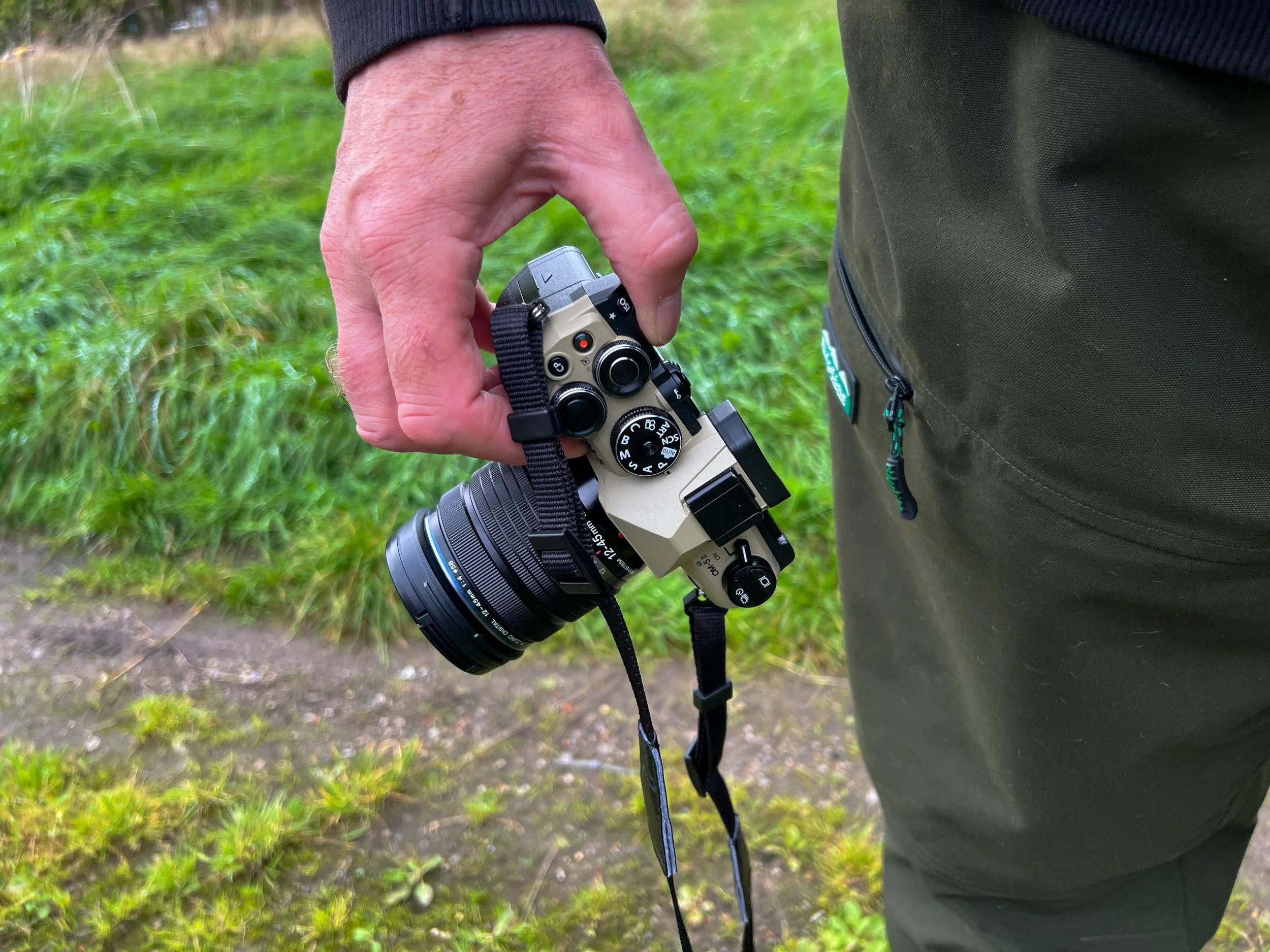
Along with the OM-5 Mark II, OM System’s PR team were kind enough to loan me both their M.Zuiko 12-45mm F4 PRO lens and 40-150mm F4 PRO lens - a combination that makes an awful lot of sense. The lenses offer a useful 24-90mm and 80-300mm equivalent focal range without turning the whole thing into something requiring its own postcode, like using my f2.8 70-200mm Pentax lens.
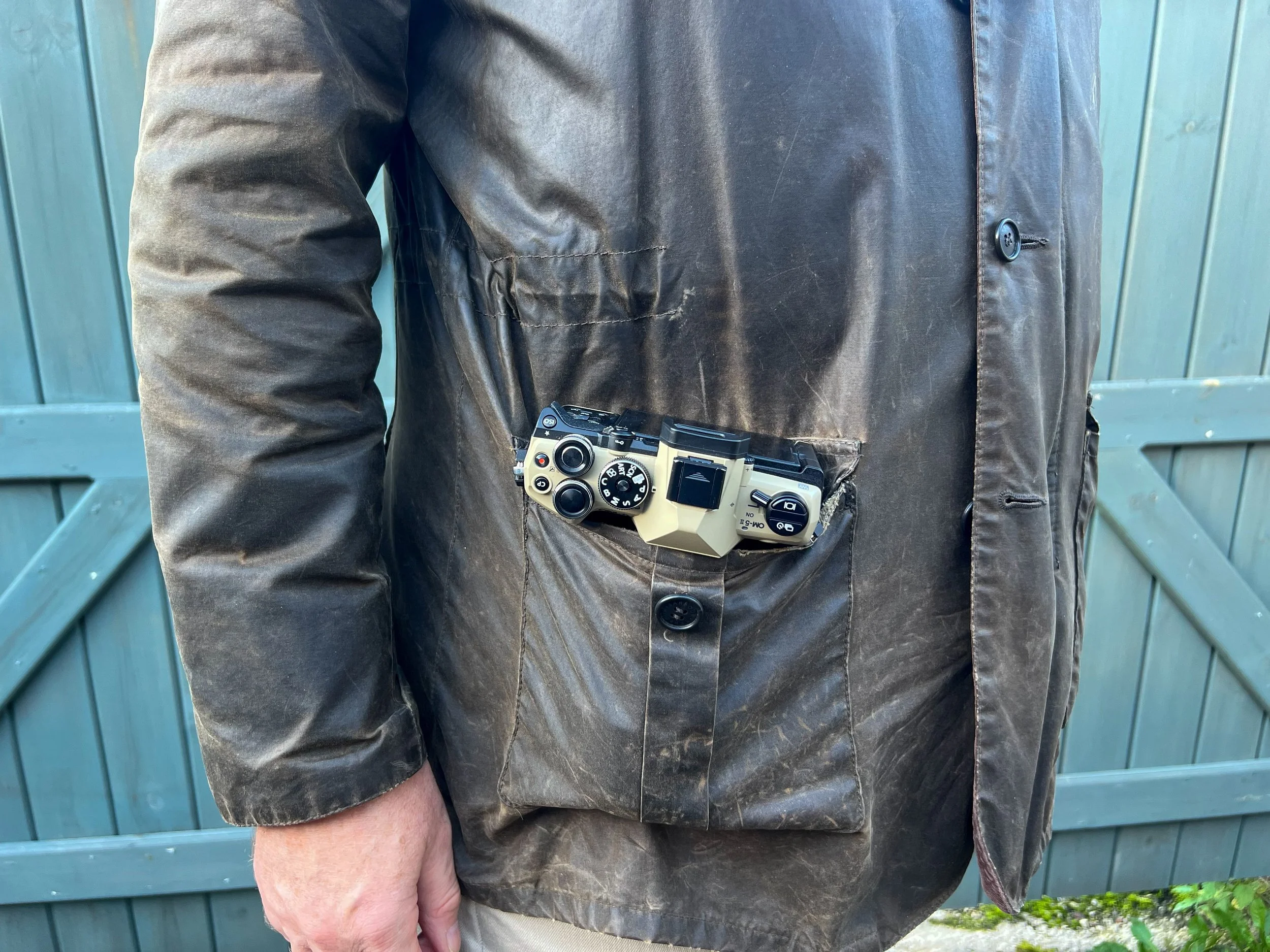
Better still, even with the 40-150mm attached, it fits comfortably in my jacket pocket.
I've taken it walking the dog, wandering around Preston and going out when I hadn't specifically planned to take photographs. Places where the Pentax would have stayed at home because I couldn't be bothered carrying it.
And that's probably the most important thing I've learned. Size changes behaviour. A camera sitting at home doesn't take photographs. One sitting in your jacket pocket does.
For walking, travelling, exploring green lanes or mooching around a campsite, it's a cracking little companion. You have a proper interchangeable-lens camera without feeling as though you're lugging camera equipment around.
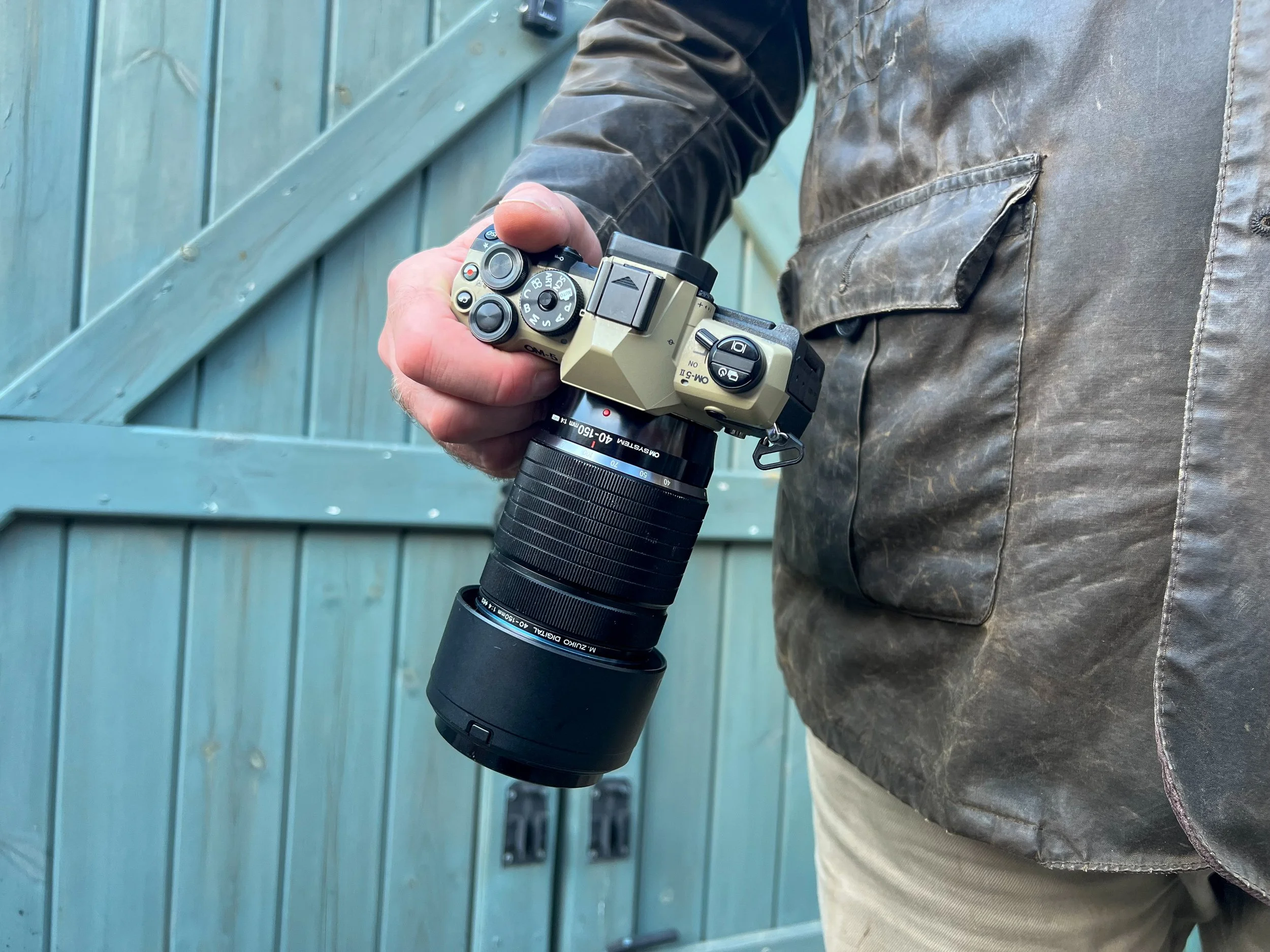
Then there's the weather protection. With IP53-rated weather sealing and operation down to -10°C, it's designed for the sort of conditions I tend to find myself in. Wet woods, muddy boots, miserable February weather and dogs that seem to specialise in finding the deepest puddle available.
I'm not suggesting you throw it in a pond, obviously, but it's reassuring not to be constantly worrying about a downpour.
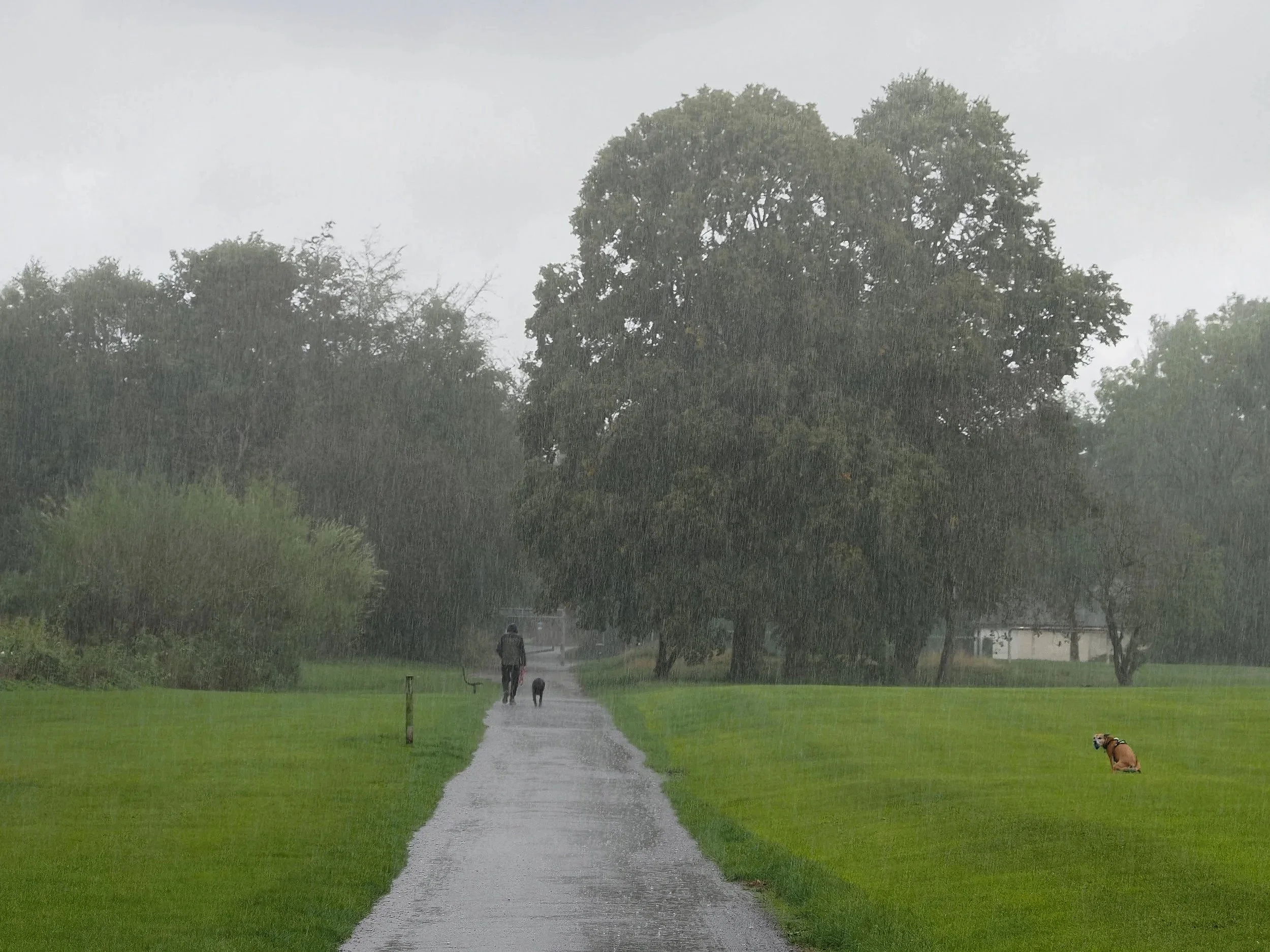
On one occasion I’d left the house wearing a t.shirt, shorts and flip-flops, then ten minutes from home the heavens opened. Even Lilly the Mud Life dog, bottom right, wasn’t happy!
A camera that makes you curious again
Part One was about finding something smaller that didn't involve giving up photography. Part Two was about discovering what happened when I started using it. And something unexpected happened: I started experimenting again.
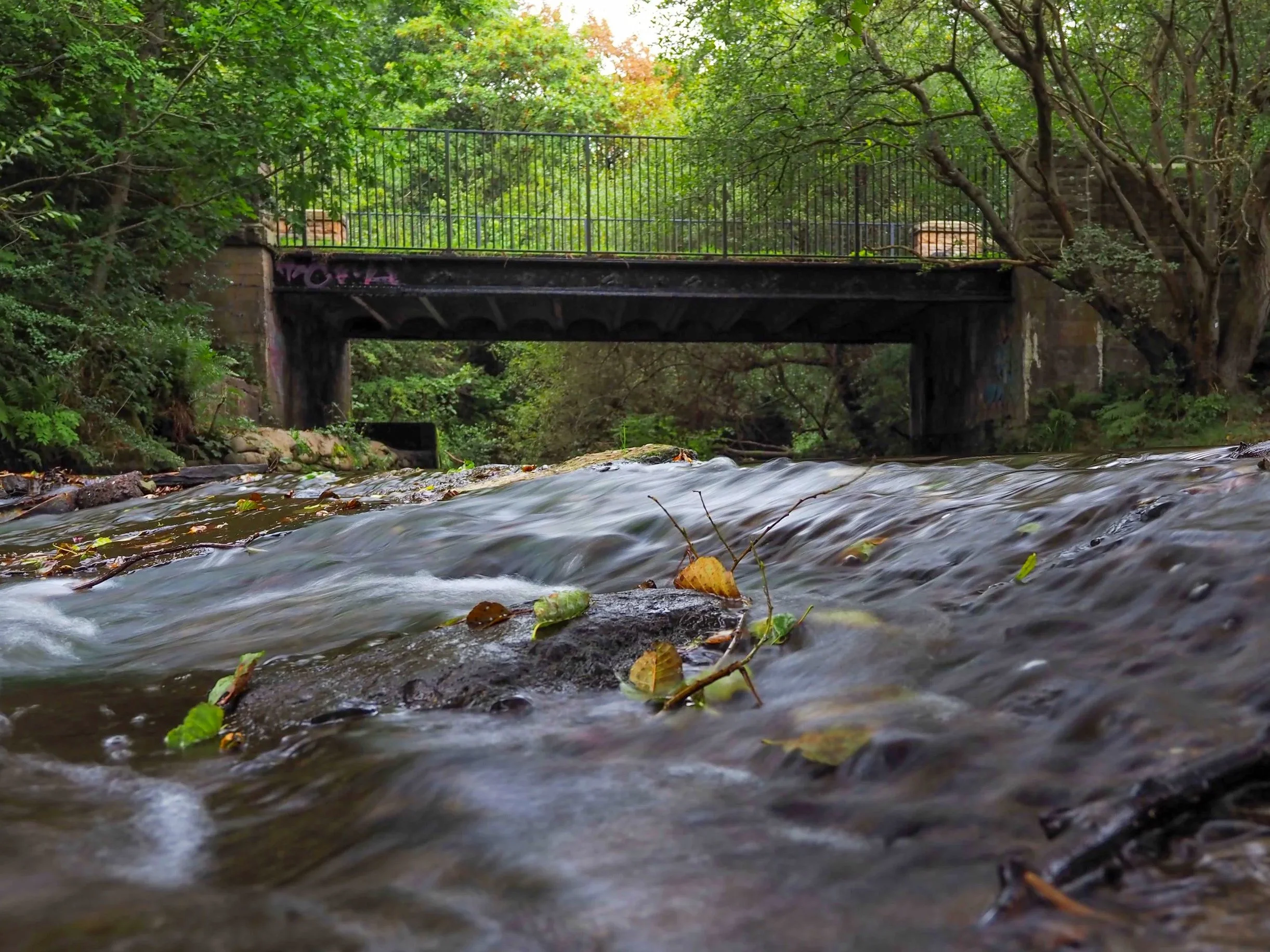
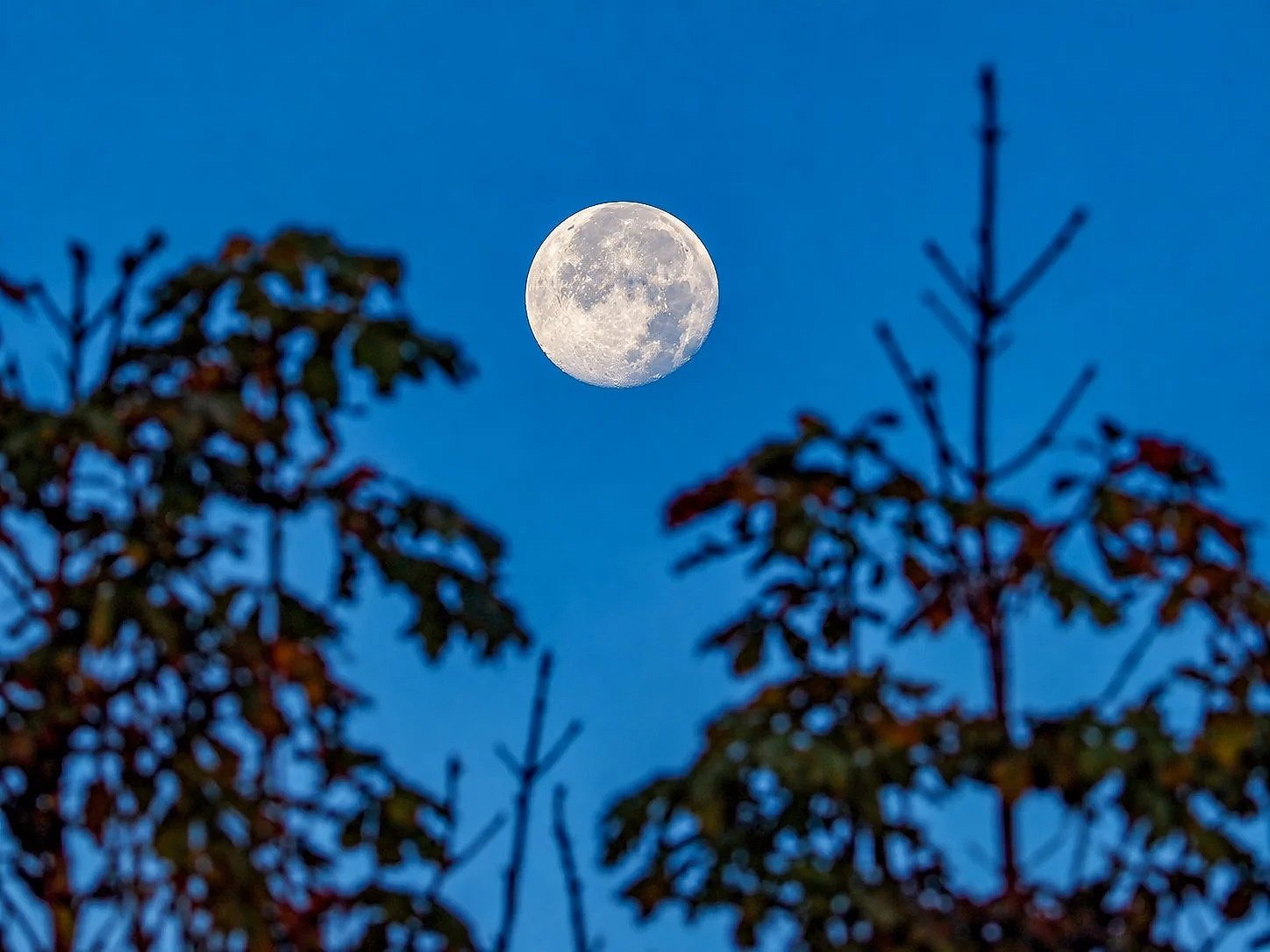
Features such as Live ND encouraged me to look at ordinary things differently. A stream became an opportunity to try a long exposure; a landscape became an excuse to experiment with shutter speeds and different angles. Photography started becoming part of the adventure again, rather than simply a means of recording it.
The dedicated CP button is particularly useful. Standing for Computational Photography, it provides quick access to clever features such as Live ND, Handheld High Res and Focus Stacking without disappearing into menus until you've forgotten what you were trying to photograph in the first place.
A couple of months is hardly enough to master everything this camera can do.
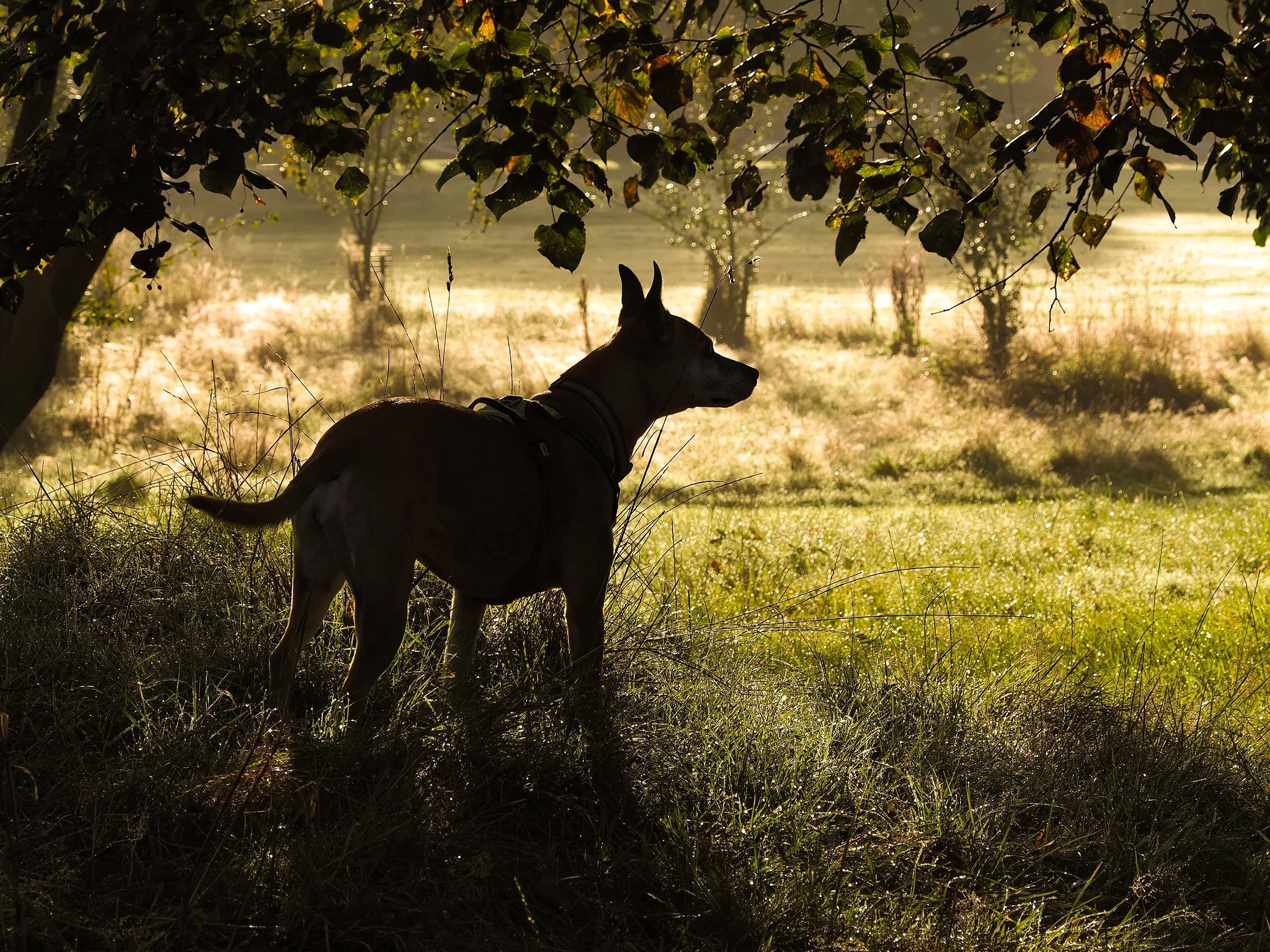
There's SCN, or Scene mode, for those occasions when you simply want to get on with taking pictures. Landscapes, sunsets, portraits, macro and various other presets allow the camera to adjust settings to suit the subject.
Some experienced photographers might recoil at the thought of letting the camera do the thinking. Fair enough. But if you've just stumbled across a cracking sunset, do you really want to spend five minutes fiddling with settings while the light disappears?
Sometimes you just want to take the photograph.
Then there's ART mode, with its various filters, including Vintage, Grainy Film, Dramatic Tone and Watercolour. Will everybody like them? Probably not. Will I have a play? Absolutely. Photography doesn't always have to involve producing the technically perfect image. Sometimes it's nice to mess about and see what happens.
It's the photographs that count
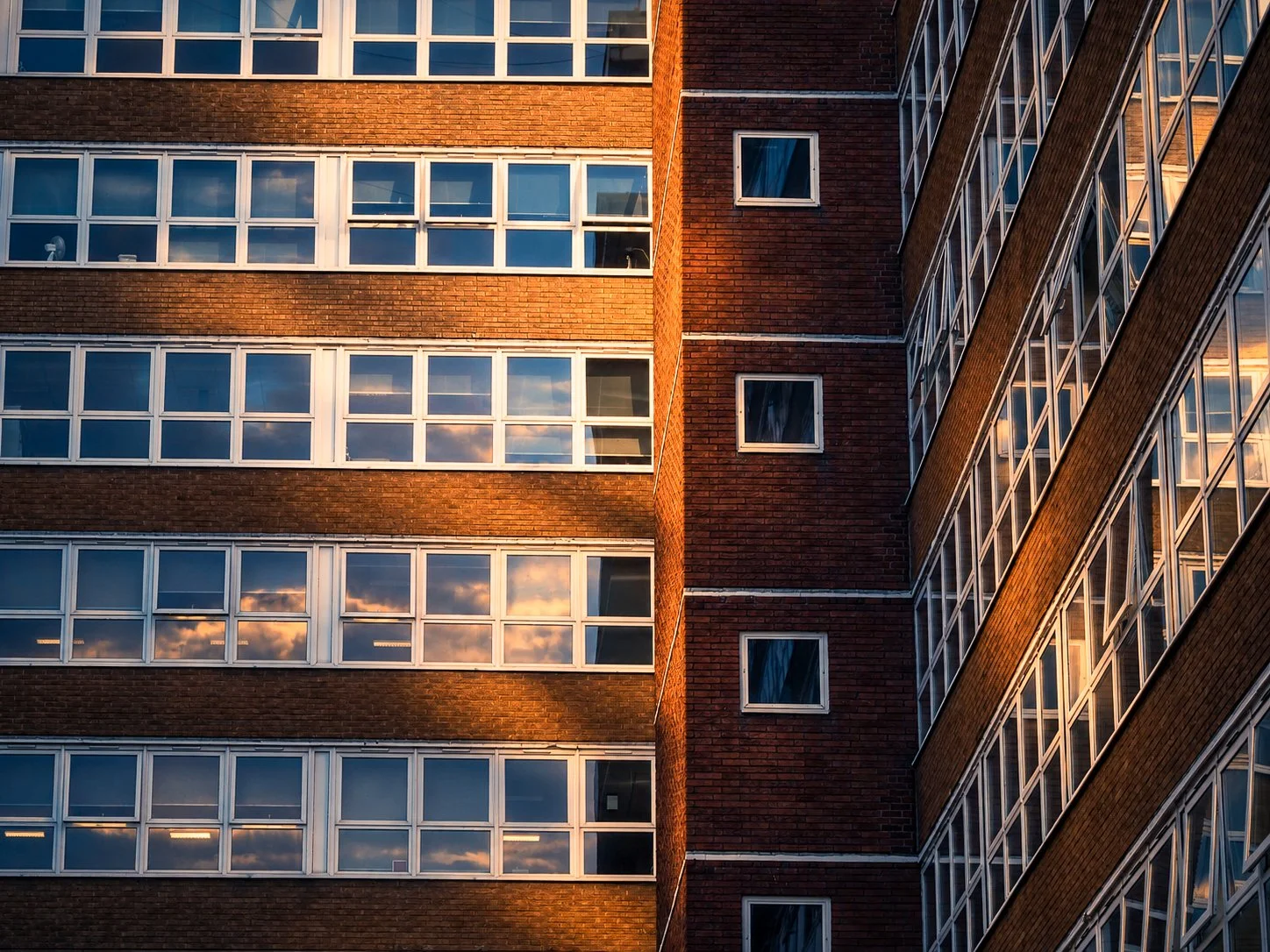
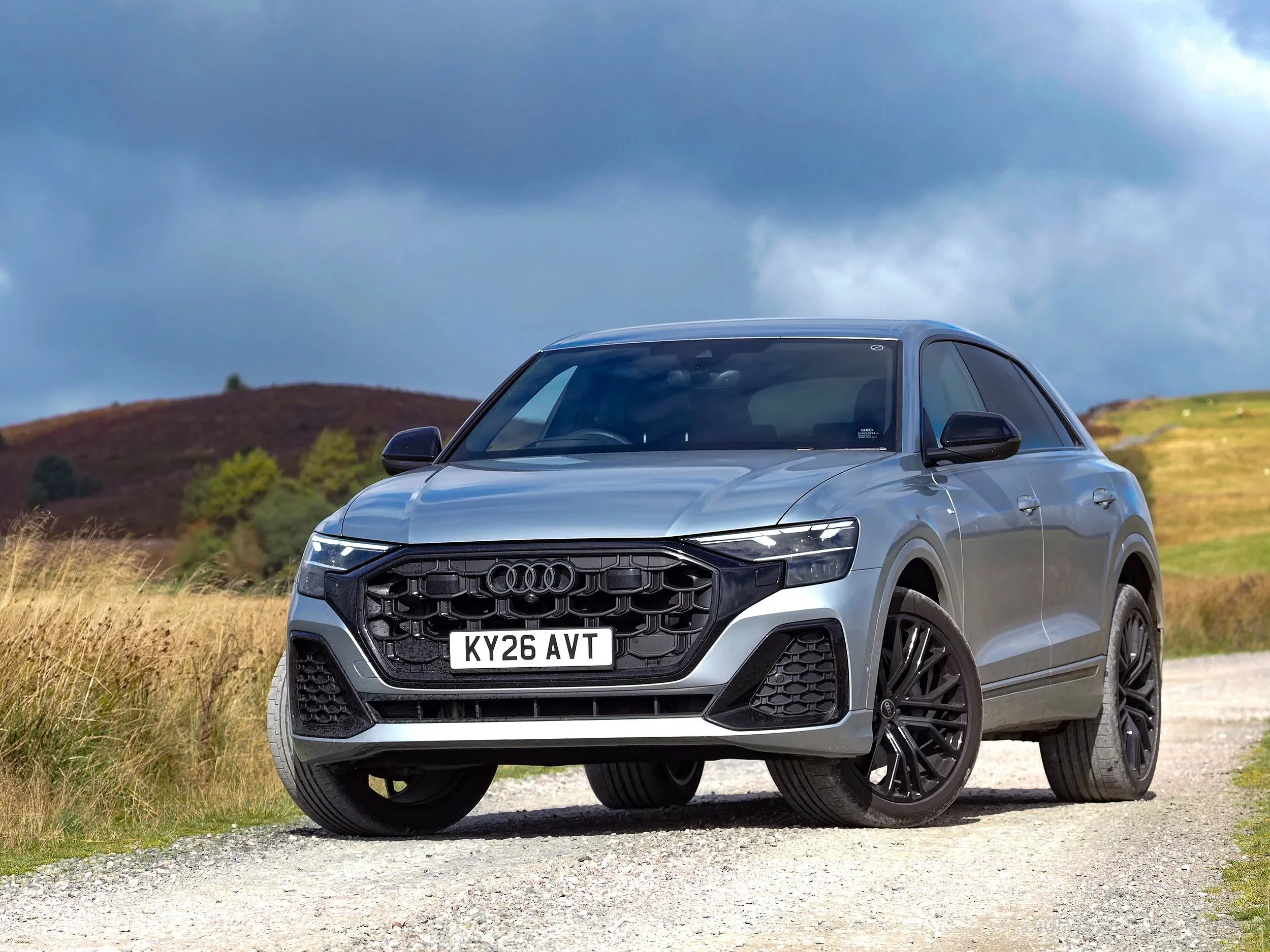
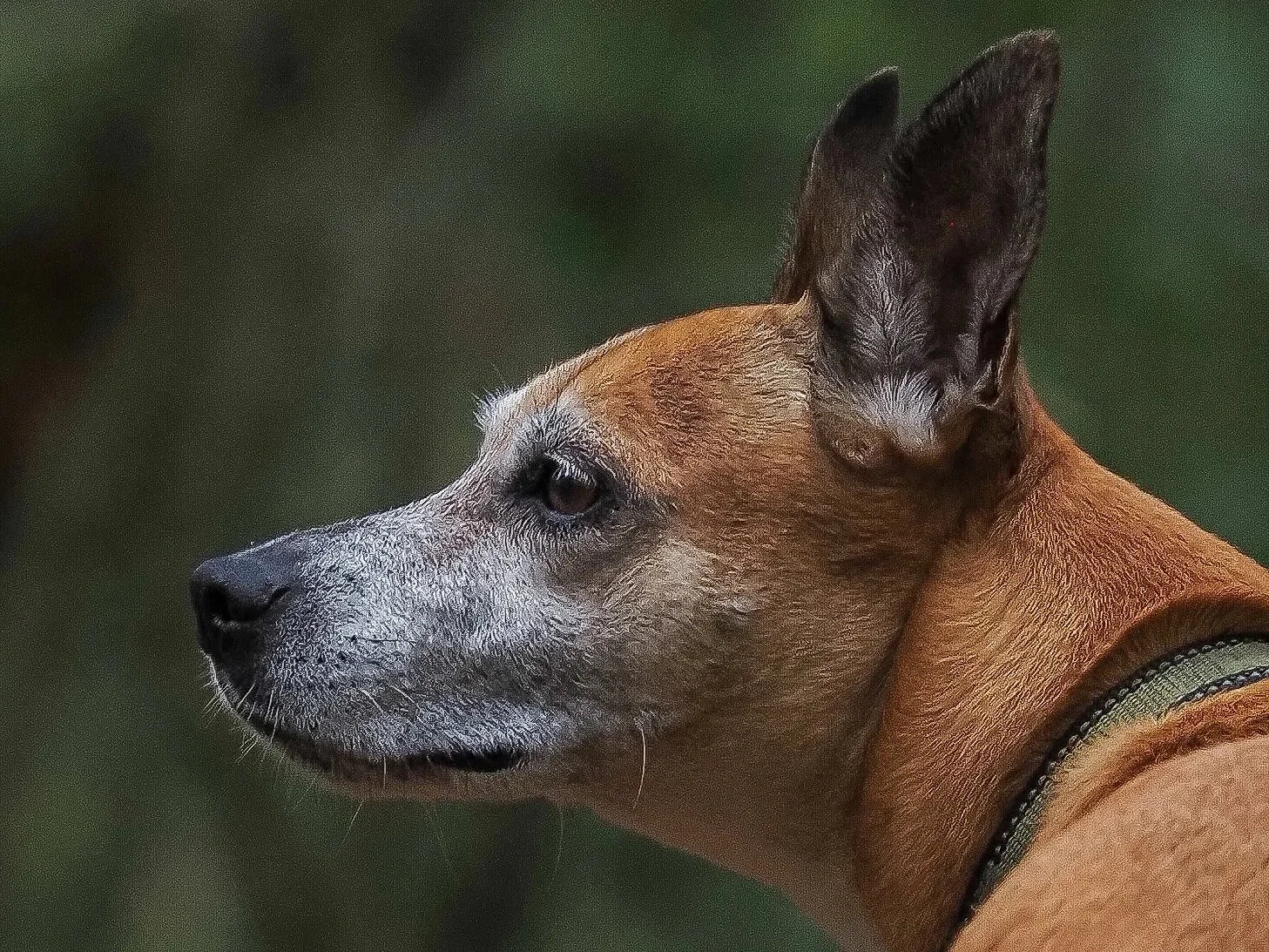
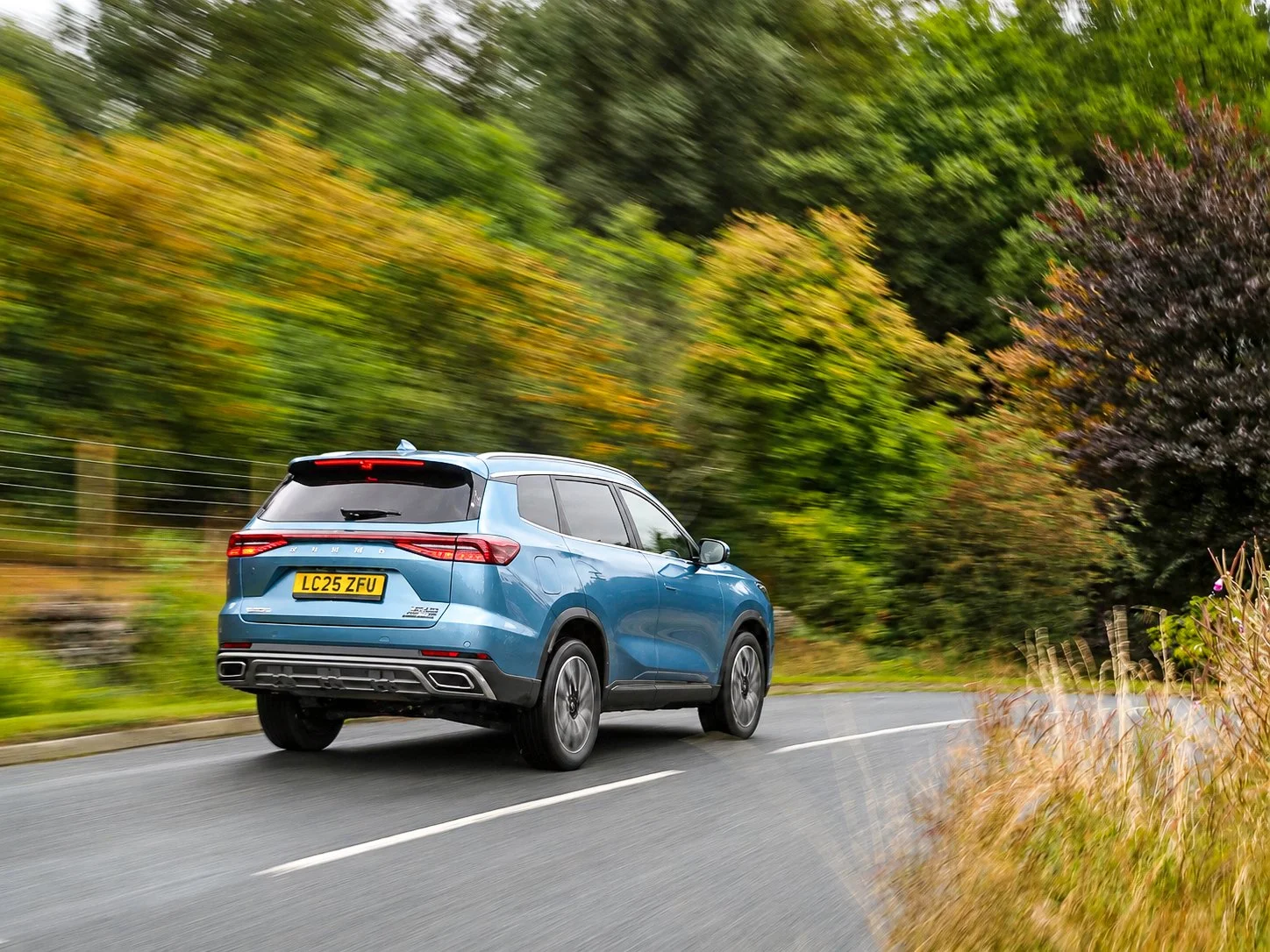
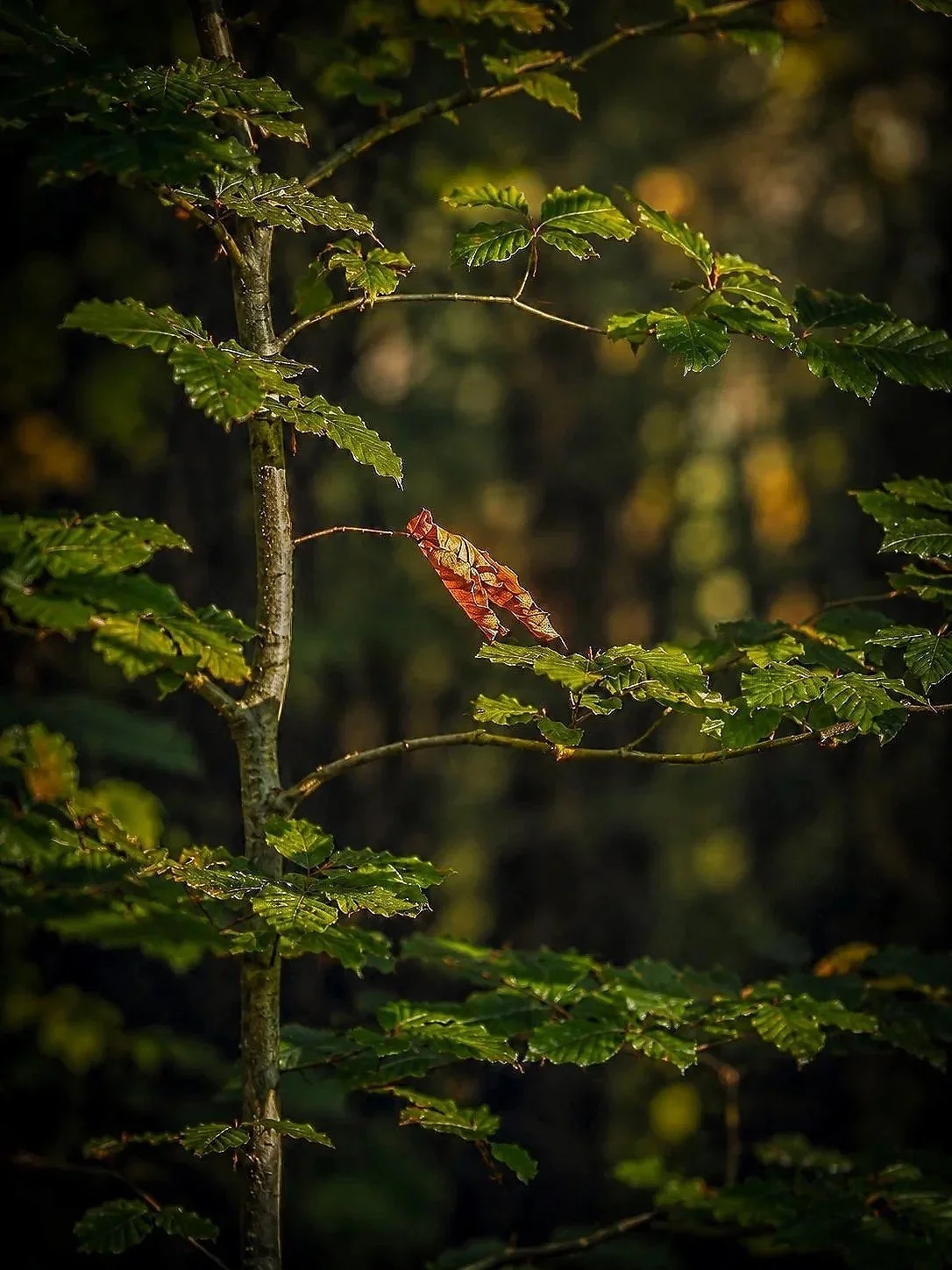
Ultimately, though, it's the pictures that matter, and I really like the way this camera renders colour. There's enough punch to make images stand out without looking as though somebody's gone berserk with the saturation slider.
Vehicles look good. Landscapes look good. Random stuff subjects look good. And occasionally, looking at the back of the camera, you think, "That's a belter."

Is it perfect? No. Autofocus tracking isn't necessarily as tenacious as other brands, particularly with fast-moving subjects. Smaller sensors also have their limitations at higher ISO settings, and some computational features take time to process.
Those are fair criticisms, but context matters.
I'm not photographing Formula One from the pit wall every weekend. I'm photographing 4x4s, landscapes, dogs, campsites, buildings, people and the occasional bit of wildlife. For that sort of photography, the OM-5 Mark II has proved more than capable, and for those slightly out of focus photos, Lightroom and other software helps.
And, if I'm being honest, I'm probably still the weakest link in the system!
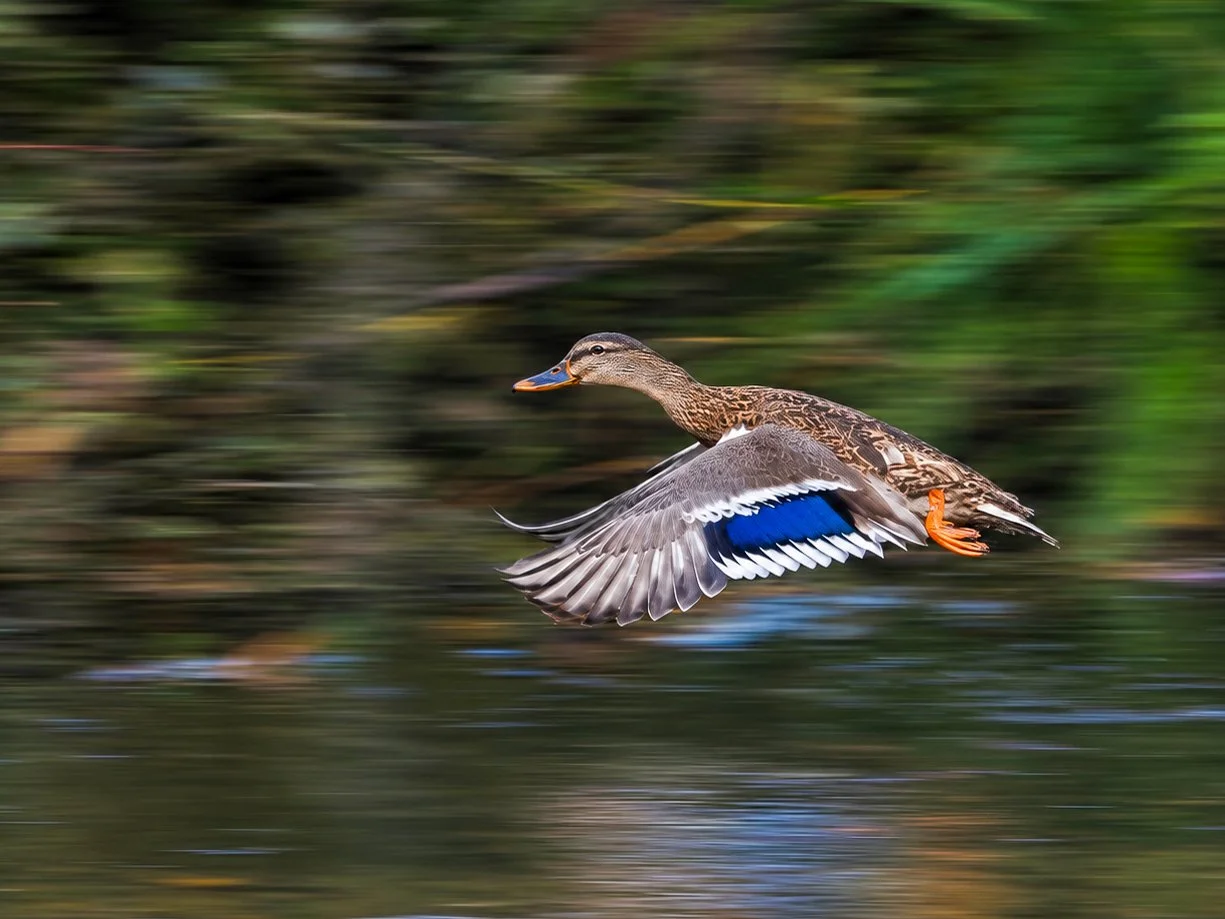
Two lenses that complement each other
The 12-45mm F4 PRO has been my everyday favourite, but pairing it with 40-150mm F4 PRO lens gives the system considerably more flexibility. Together, they offer a practical combination for everything from general travel and street photography to getting closer to the details that catch your eye.
That's the appeal of this smaller system. You can choose the lens for the job without needing to haul around the sort of kit that makes you wonder whether you've packed for a photographic expedition or a fortnight in the Lake District.
The camera and lenses complement each other rather than fighting for space in your bag - or in this case, your coat pocket. They're compact enough for everyday adventures, yet capable enough to encourage you to try something different.
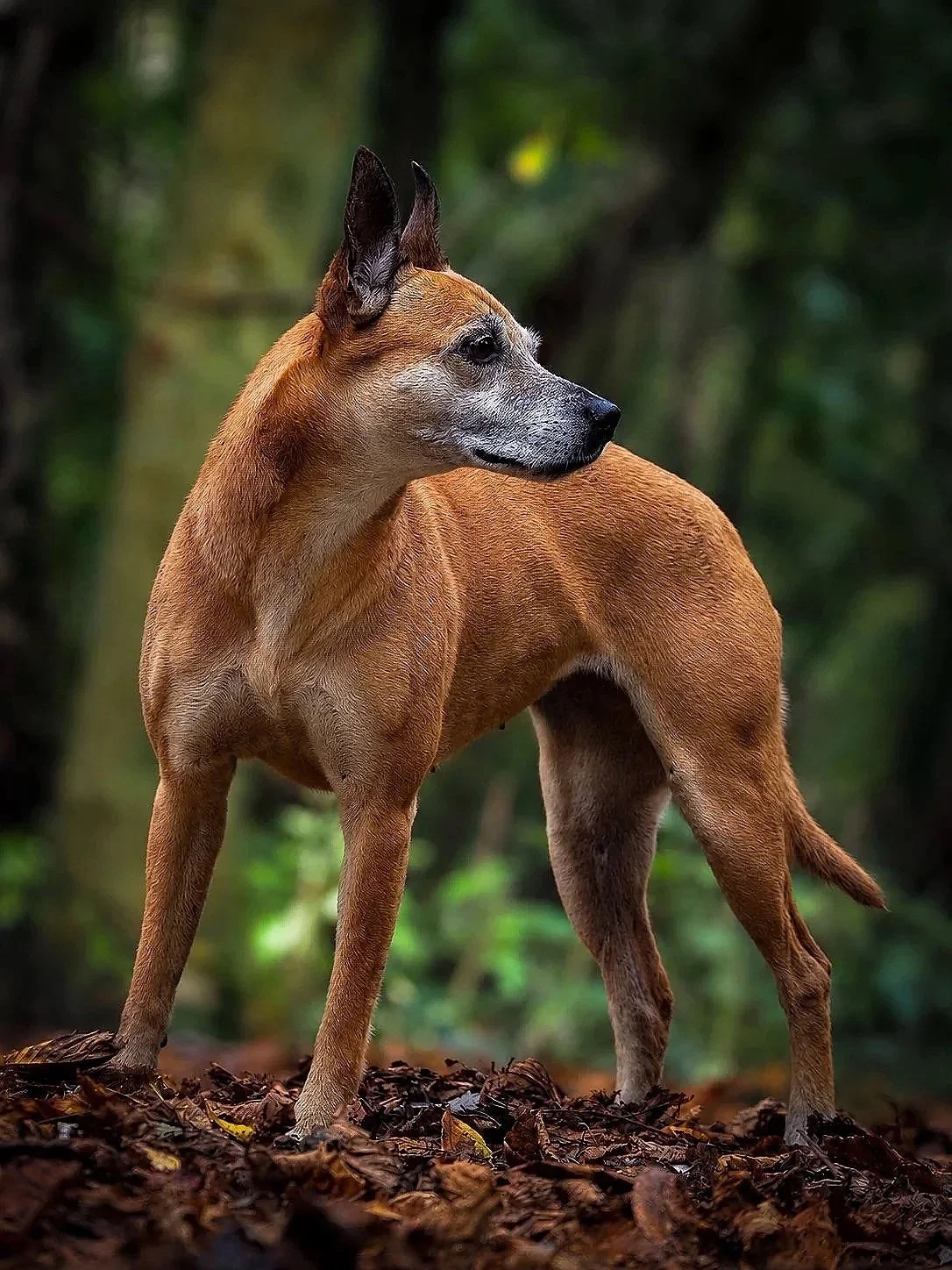
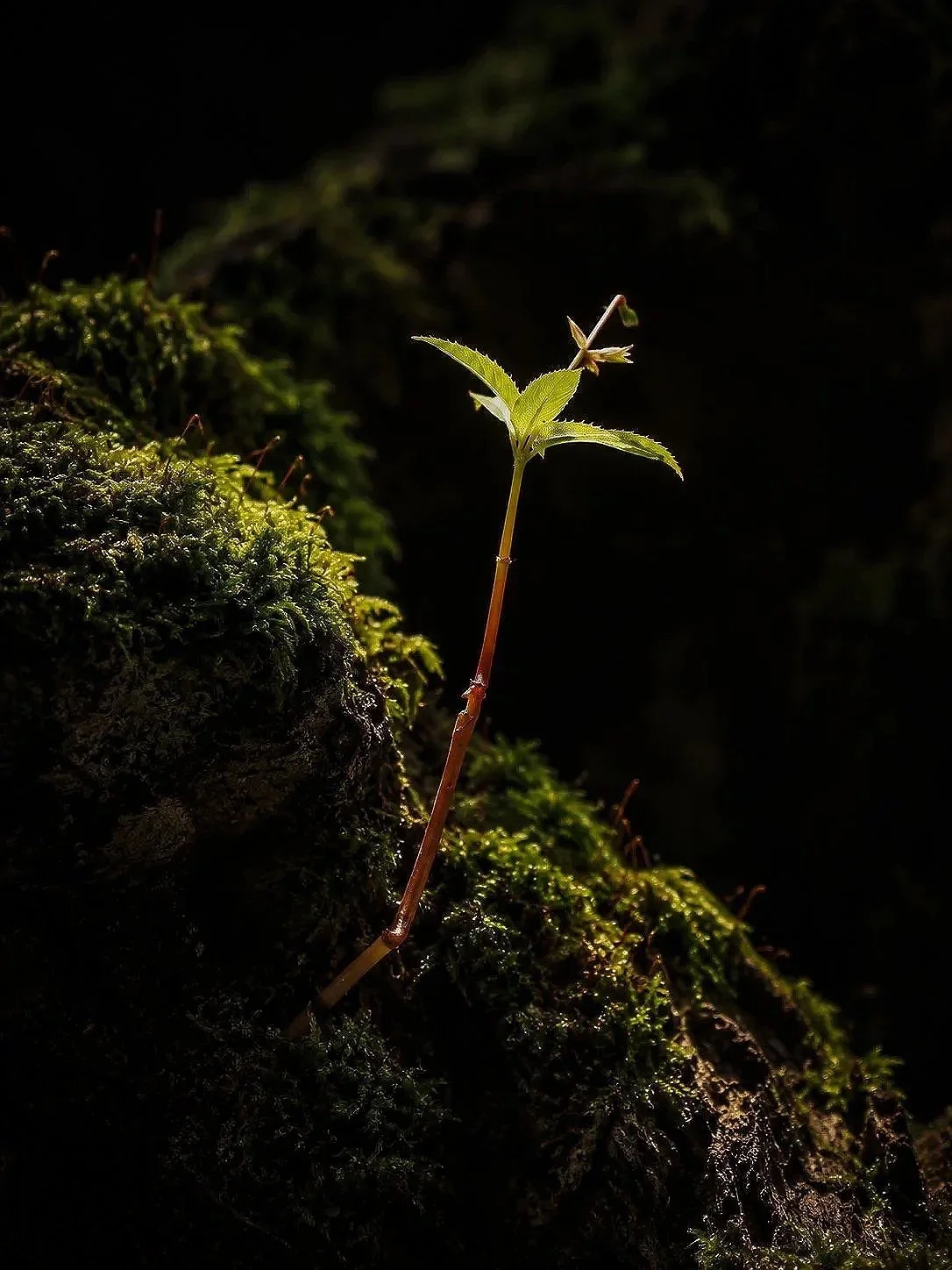
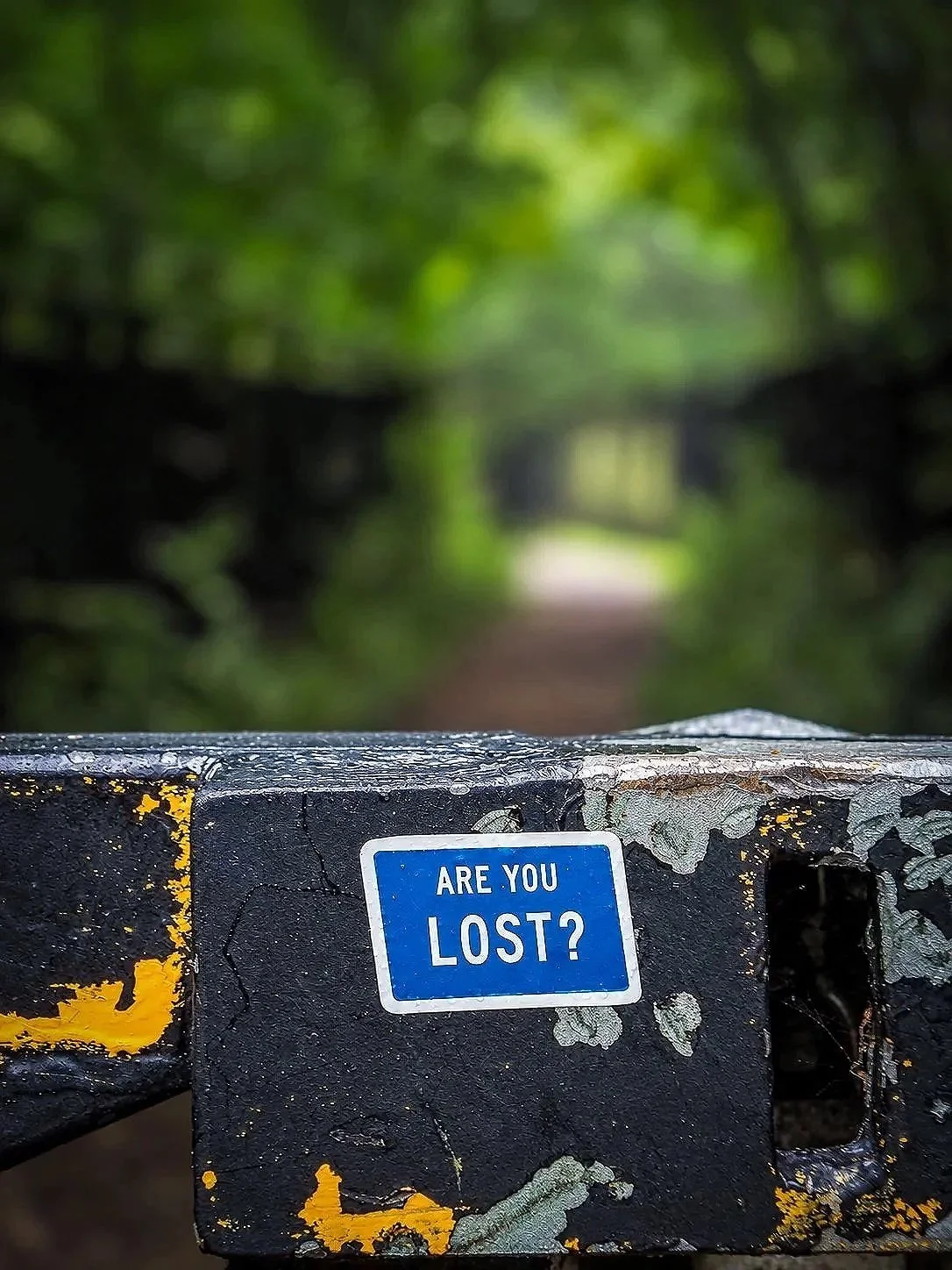
Will it replace my Pentax?
Within the first week I’d already decided to put my Pentax gear up for sale. But would I buy the OM-5 Mark II?
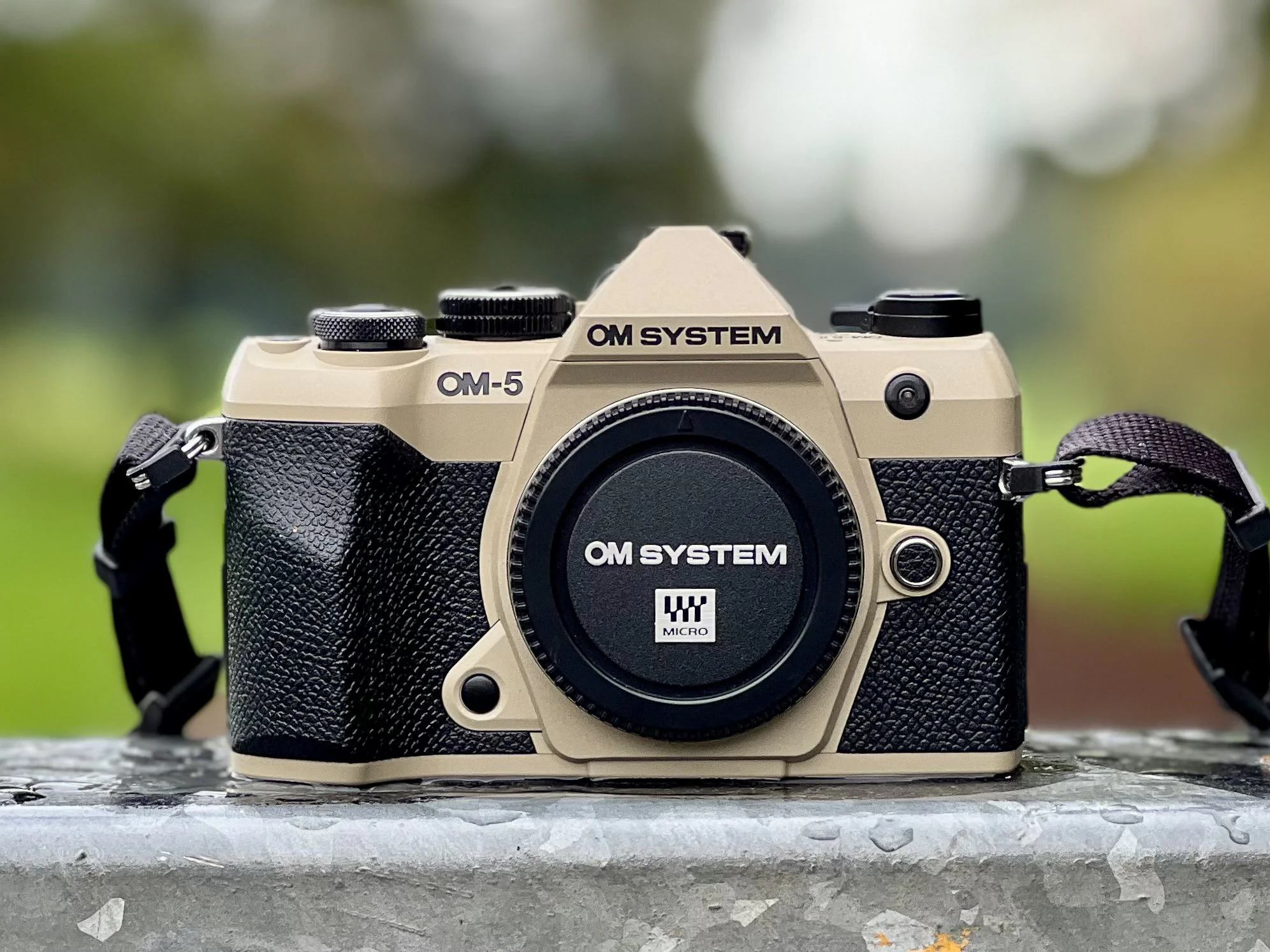
Probably, but its slightly bigger sibling, the OM-3 has also been tempting me with its additional controls and features. Which is typical, really. I started looking for a smaller camera because I was fed up carrying a big one, and now I'm wondering whether I should buy a slightly more capable model instead. You couldn't make it up.
In terms of size, the OM-3 is slightly bigger than the OM-5 Mark II, measuring 139.3mm wide compared with 125.3mm, and weighing 496g against 418g with battery and memory card. That might not sound like a massive difference, but it's an extra 78g and 14mm in width before you've even attached a lens.
Overall the OM-5 Mark II remains the more compact and lighter option, so, if I’m looking for something that slips into a jacket pocket, it still has the edge. The OM-3 might offer more of what I want photographically, but it also takes me a little further away from the original reason for changing systems.
Decisions, decisions
Fortunately, I haven't currently got the spare funds to buy either camera, never mind the lenses - let’s not even get into those, so I've got plenty of time to decide. Whether that's a blessing or a curse remains to be seen!
One thing, though, is pretty much inevitable: my move to the Micro Four Thirds system.
After 45 years with Pentax, that's quite a statement. But the OM-5 Mark II has reminded me why I wanted a camera in the first place. Photography has always been part of the adventure, not just a way of recording it. And that's something I don't intend to change.
All photos have been edited in Lightroom or other bits of software, and are not straight from the camera.
Website: OM System OM-5 Mark II