
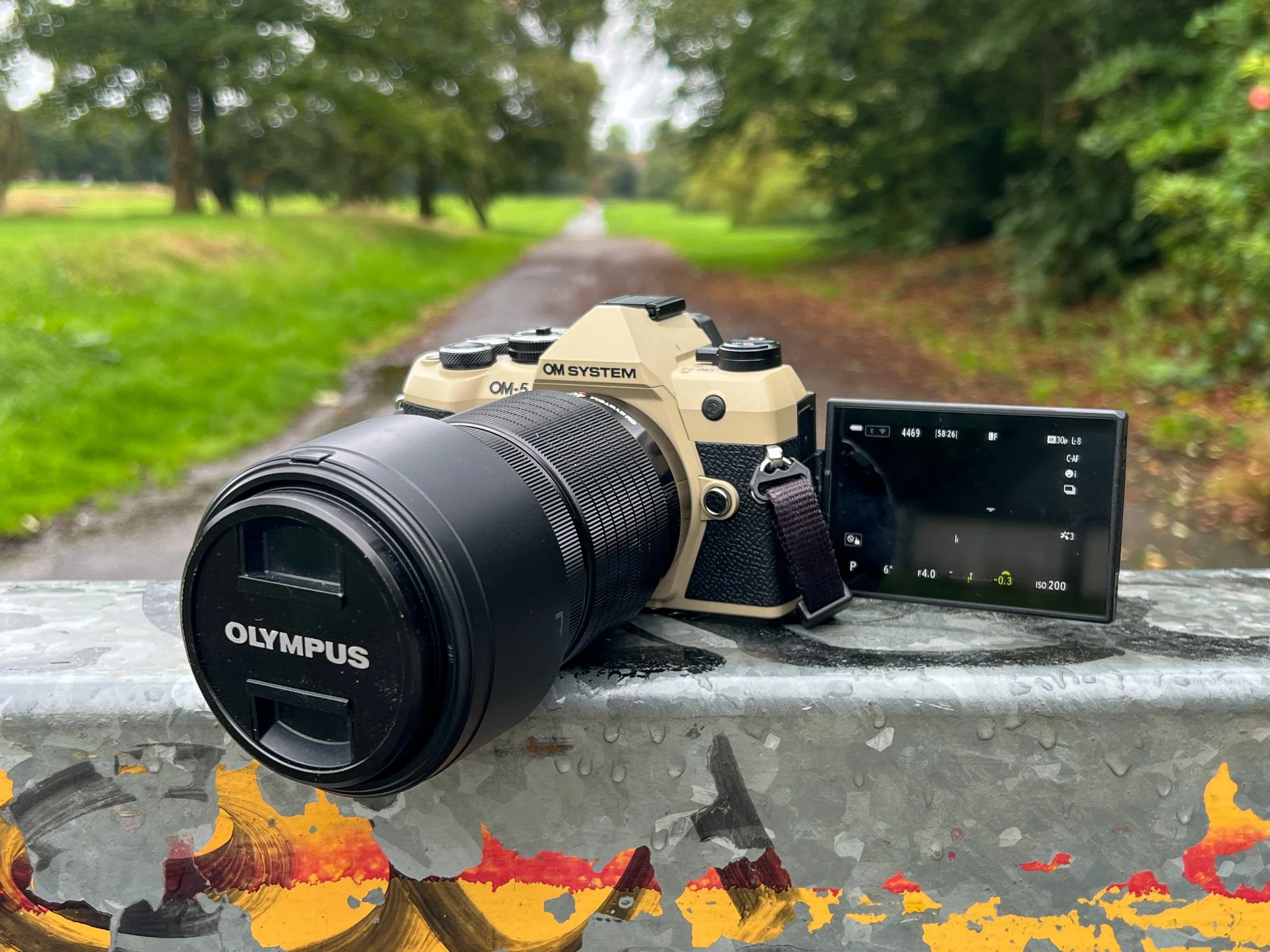
Does a New Camera Make You a Better Photographer?
It's one of those questions that crops up every time a new model lands on the market, usually followed by someone proclaiming, "It's the photographer, not the camera."
Well... yes. But also, not entirely.
Buying an expensive guitar won't turn you into Eric Clapton, and putting on a pair of hiking boots doesn't mean you'll suddenly conquer Snowdon. Like the camera, they’re all tools.
The person behind it still has to spot the scene, understand the light and press the shutter at the right moment.
But here's the bit I don't think gets talked about enough.
A new camera can make you want to become a better photographer.
After 45 years shooting Pentax, I'd become comfortable. Dangerously comfortable.
My Pentax K-3 II is still a superb camera. It's tough, reliable and has produced thousands of photographs for The Mud Life and other magazines and social media channels. But if I'm honest, I'd slipped into autopilot. Camera on. Aperture Priority. Quick snap. Job done.
There wasn't much left to discover. And as I mentioned in part 1, with a selection of lenses, it’s bloomin’ heavy and cumbersome.
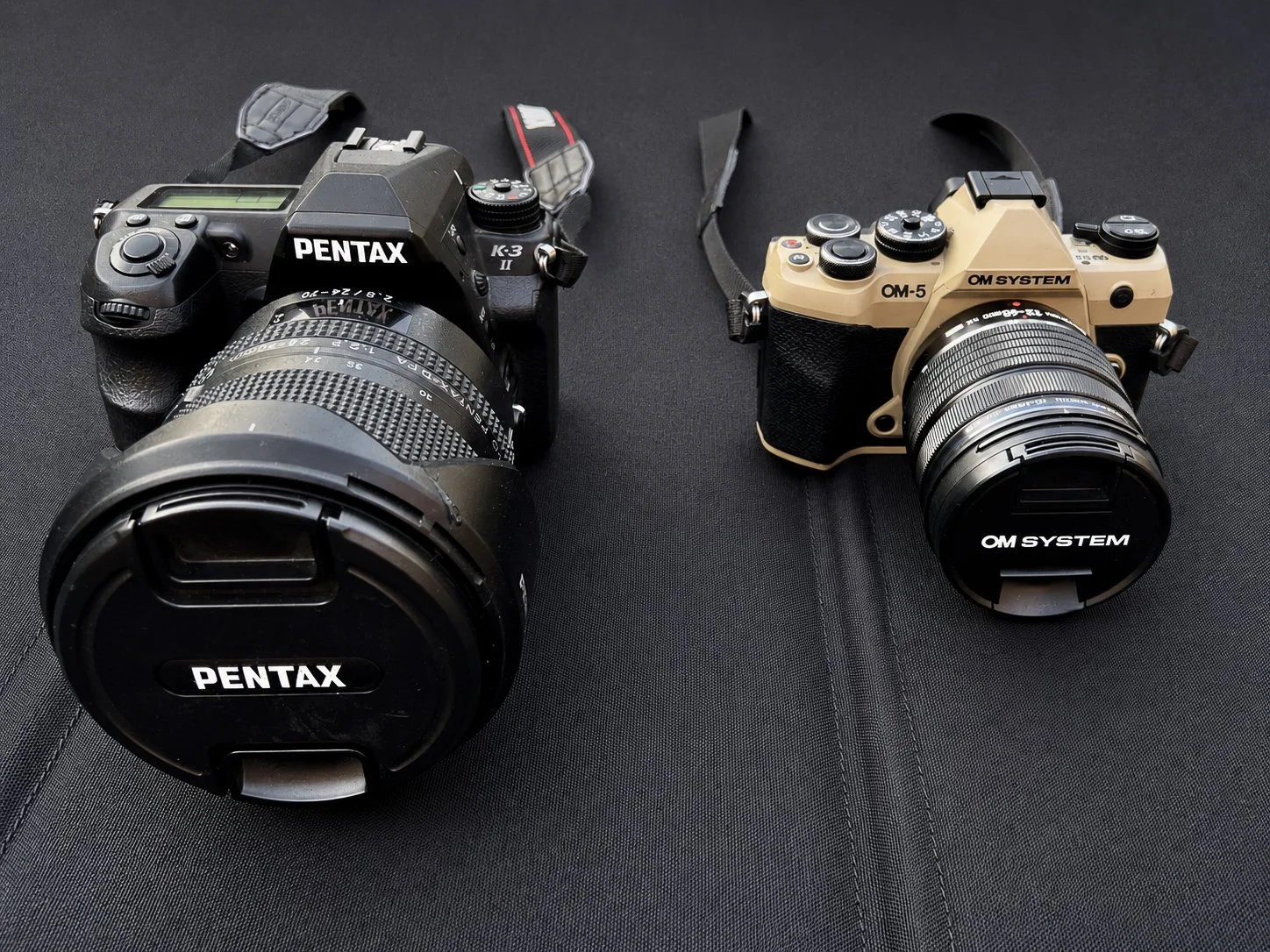
Then along came the OM System OM-5 Mark II.
Now, before anyone starts sharpening their keyboards, I'm not suggesting the OM-5 Mark II has somehow magically producing award-winning photographs. It's not. I'm still making all the same mistakes I've always made. The difference is that it's making me stop and think.
Instead of simply recording what I'm looking at, I'm asking myself, "What can I do differently here?” That's a surprisingly powerful shift in mindset. Photography has become enjoyable again, and because it’s small and lightweight, it’s generally always with me for those moments you wish you’d captured.
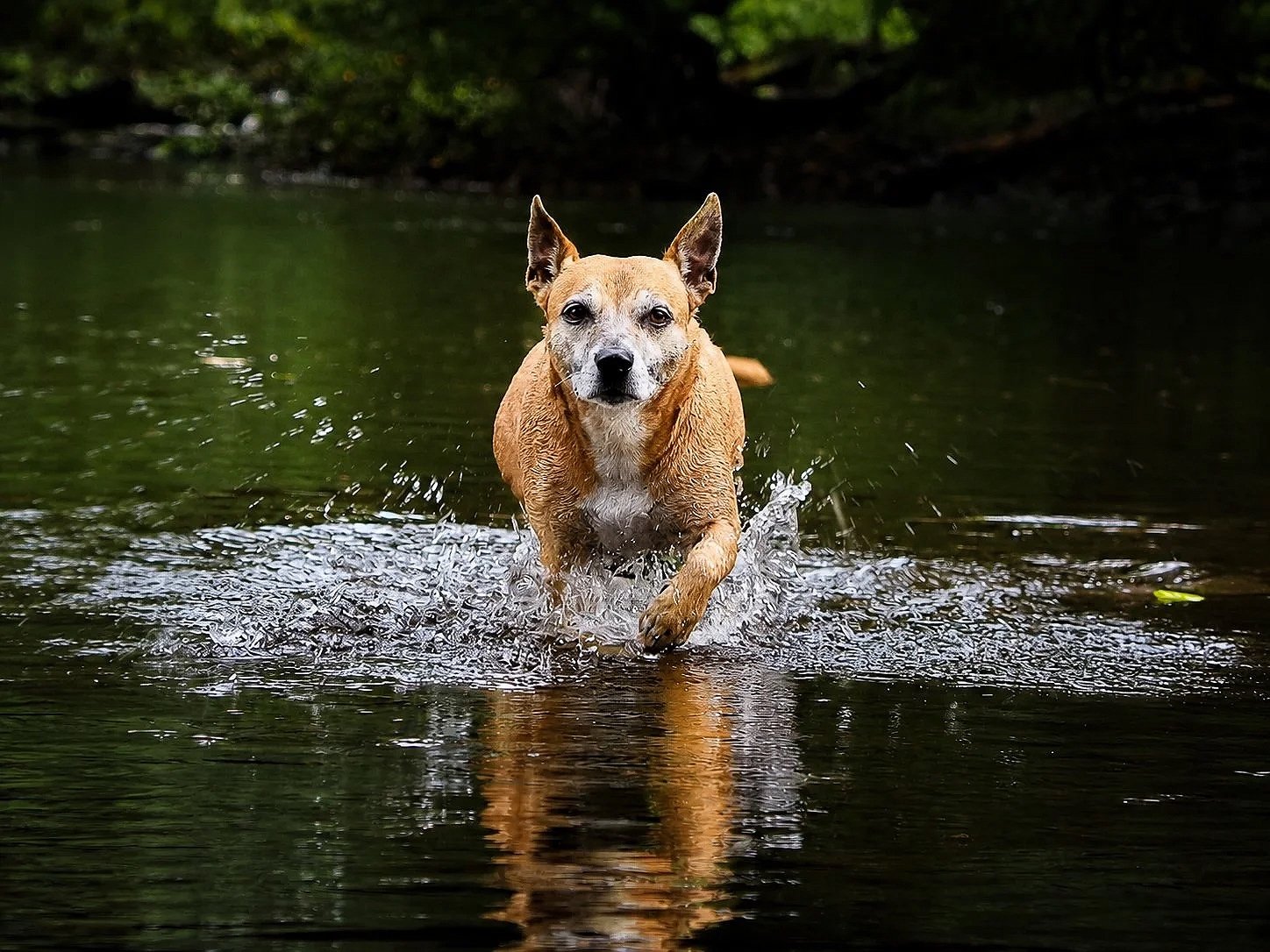
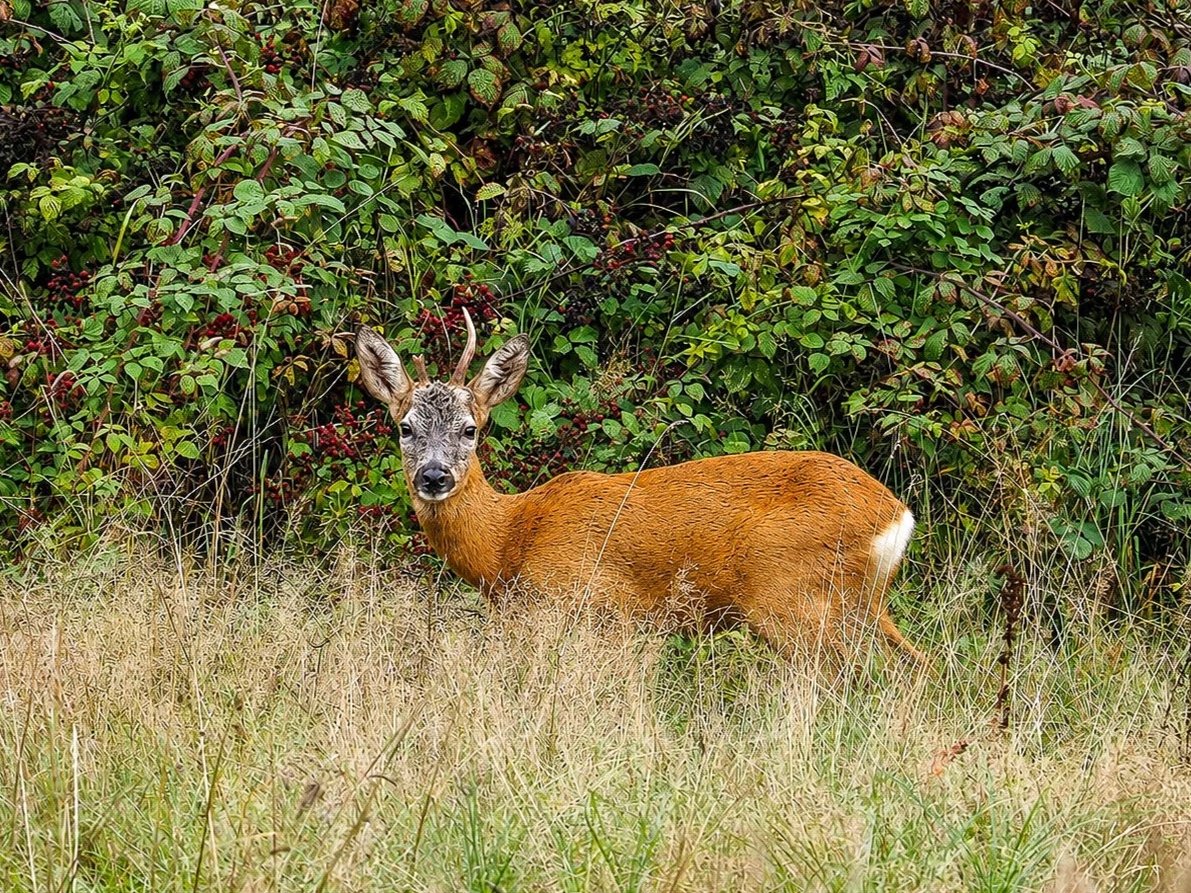
The OM-5 has quietly reignited that curiosity.
Take Live ND, for example. If you've only ever used a smartphone, or perhaps an older DSLR like me, the idea sounds slightly bonkers. Neutral Density filters reduce the amount of light entering the camera, allowing you to use slower shutter speeds in bright daylight. Traditionally you'd screw a dark piece of glass onto the front of your lens.
The OM-5 lets you do much of that internally.
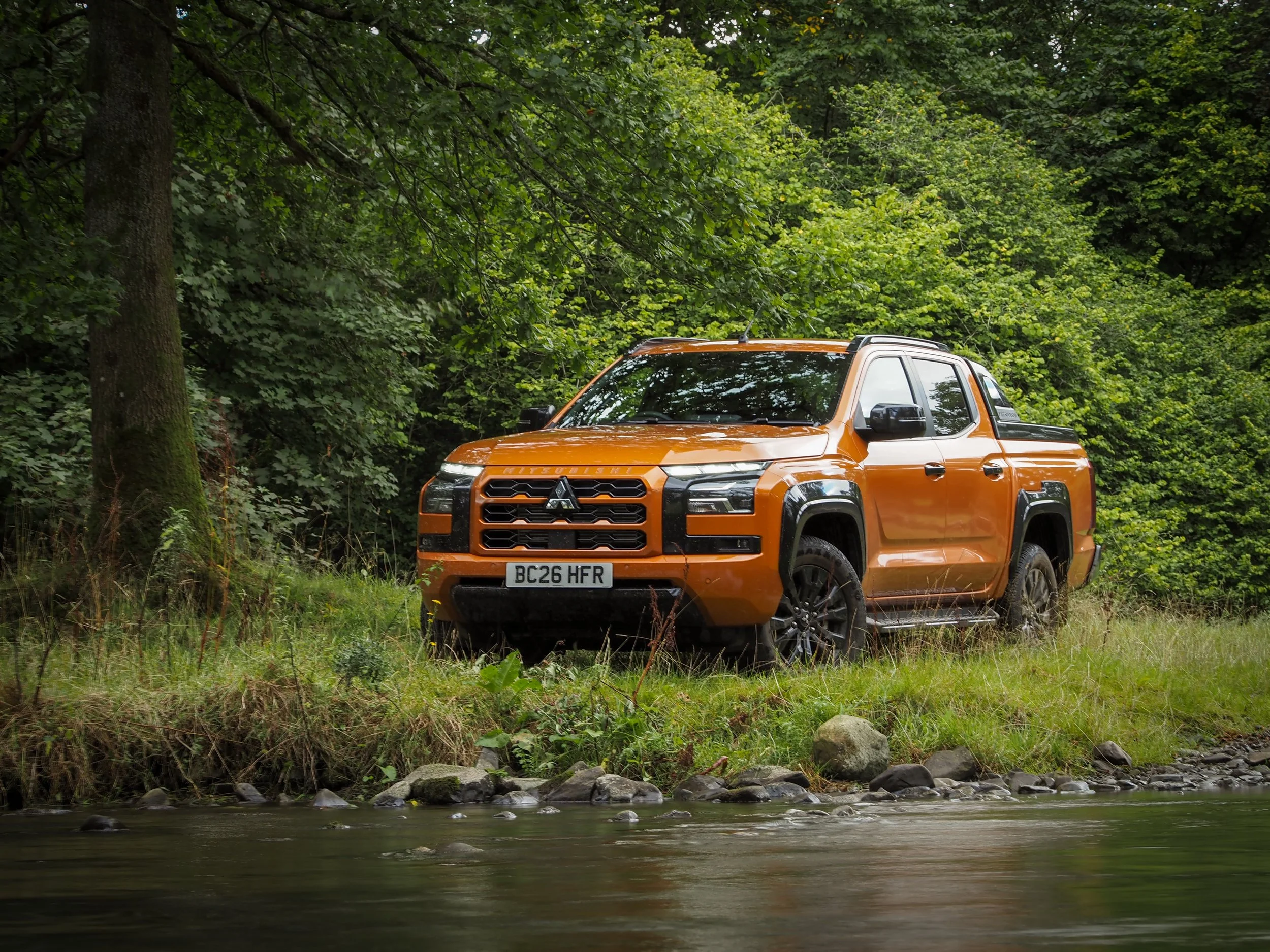
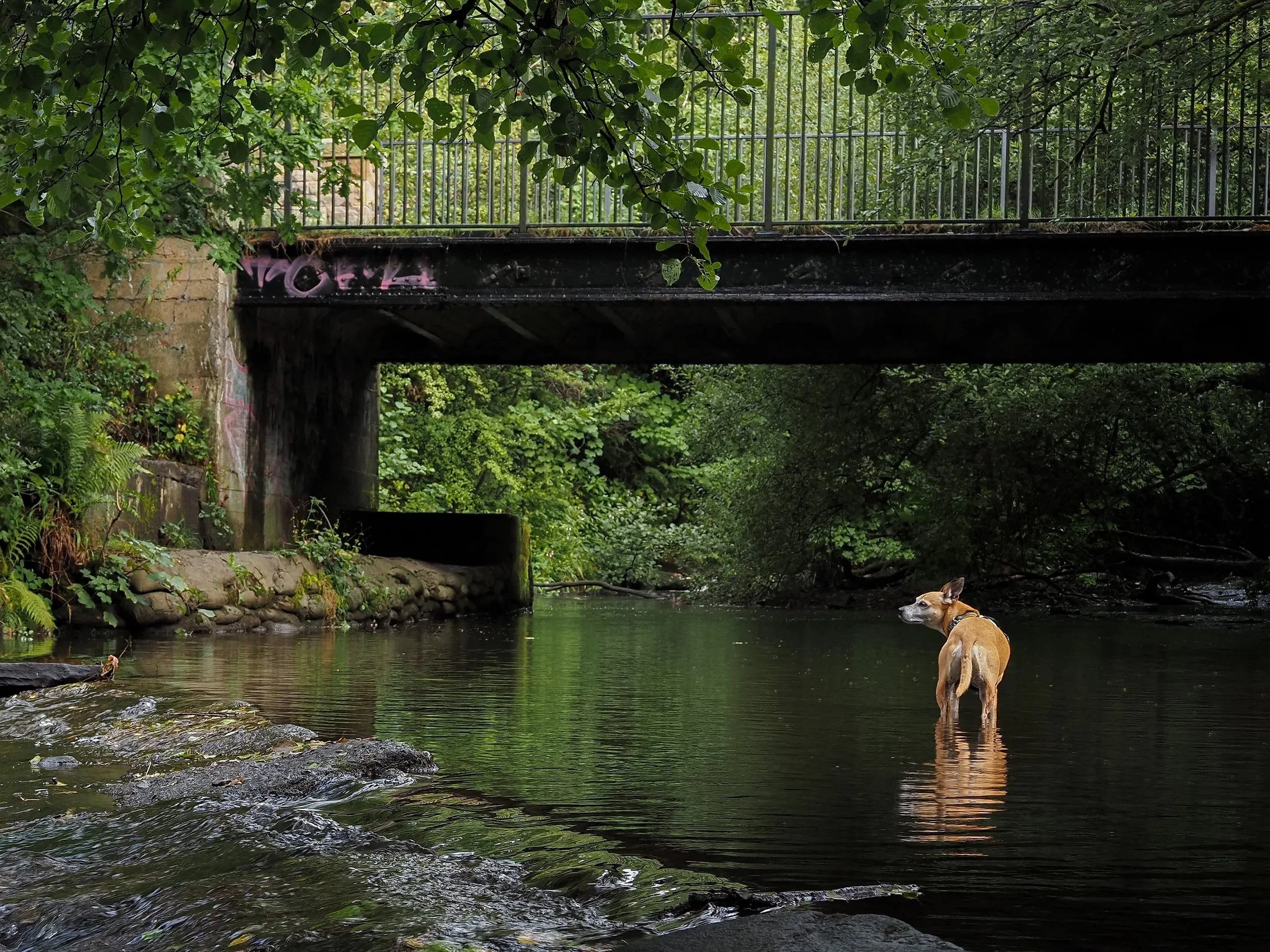
Suddenly waterfalls become silky ribbons instead of frozen splashes. Rivers smooth into glass. Clouds begin to streak gently across the sky. Busy tourist spots can even appear less crowded if people keep moving through the frame.
More importantly, it makes me look for scenes where I can use it.
Driving past a stream is no longer just driving past a stream. It's an excuse to pull over. To climb down a muddy bank.
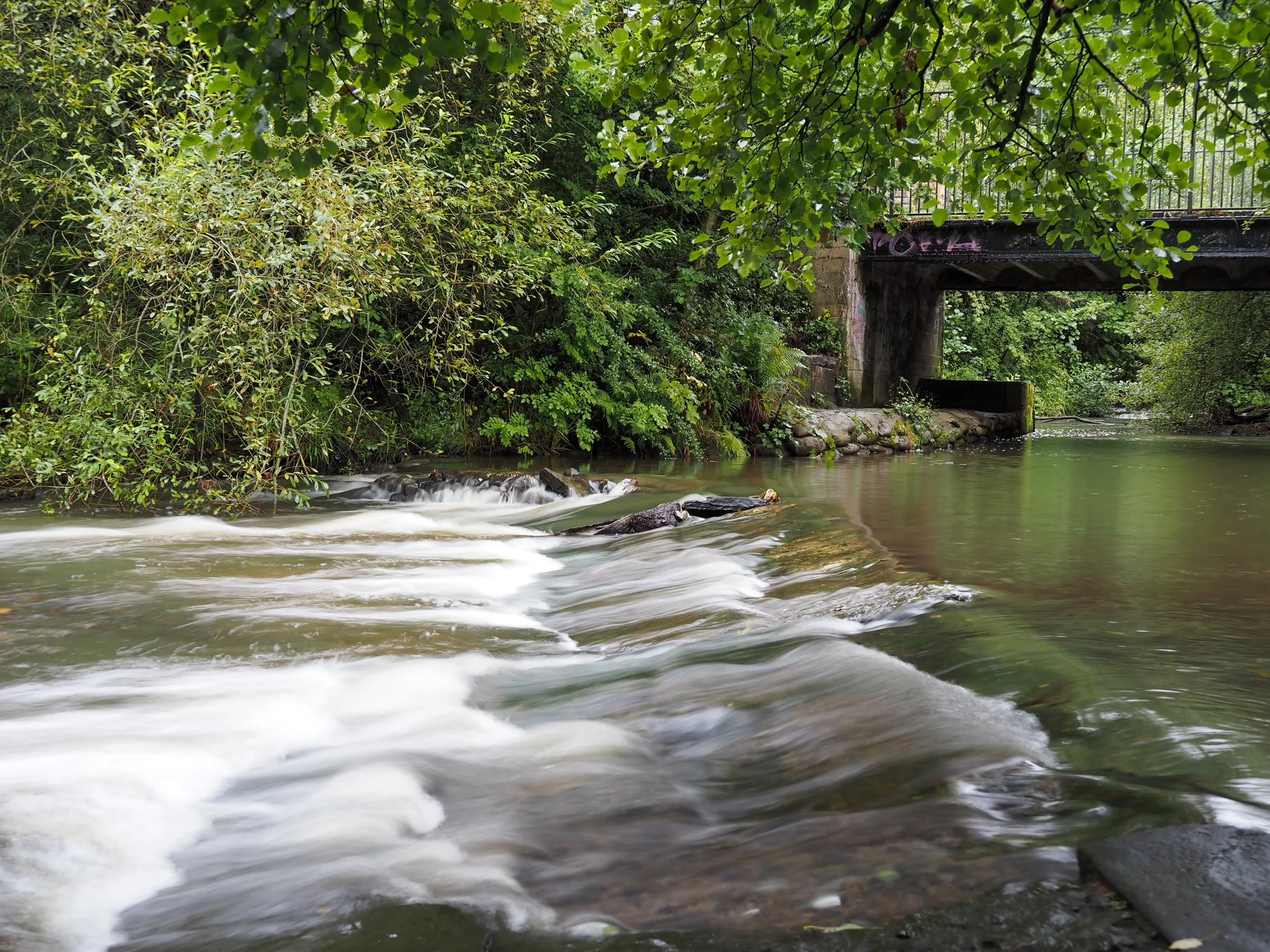
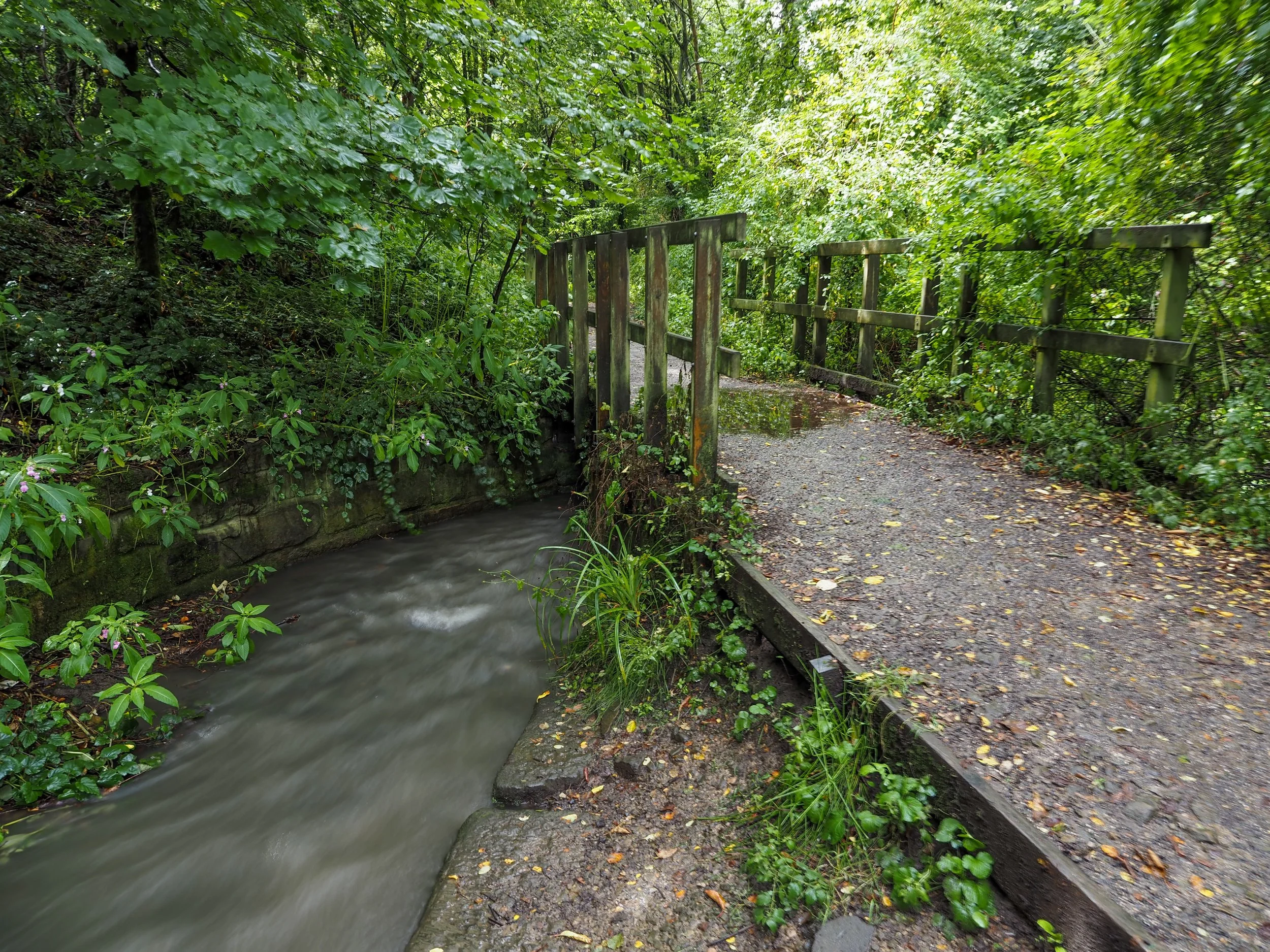
To spend fifteen minutes seeing what happens if I change the exposure from one second to four. That's photography becoming part of the adventure, rather than simply recording it afterwards.
The same applies to the compact Micro Four Thirds system itself.
Coming from a DSLR, I hadn't appreciated just how much size influences creativity. The OM-5 with the superb 12-45mm f/4 PRO lens weighs little more than some DSLR bodies on their own. Add the equally compact 40-150mm lens into the bag and you've got coverage from wide landscapes through to wildlife without feeling like you're hauling bricks across the countryside. Both lenses fit easily into a jacket.
That matters.
When a camera is small enough to come with you, it stands a much greater chance of actually being used. And that’s what’s happened with me, as the old saying goes: the more you do something, the better you become.
We've all left larger cameras and lenses at home because we "probably won't need it.” You rarely regret carrying a lightweight camera. You often regret leaving one behind.
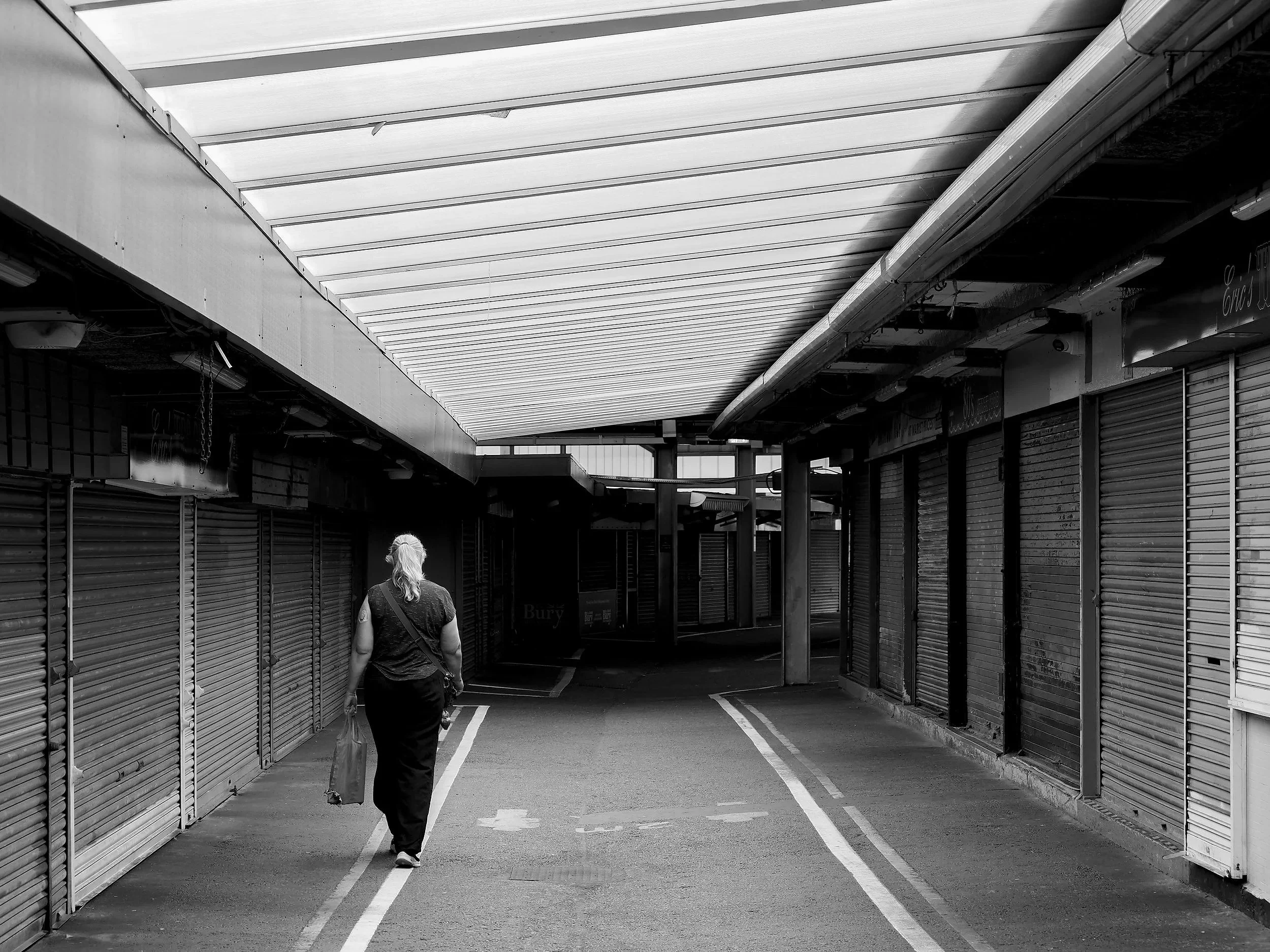
Now, I know what some readers will be thinking.
"My phone fits in my pocket."
Absolutely.
Modern smartphones are astonishing. They produce images that would have seemed impossible a decade ago. Computational photography works wonders, especially for holidays, family photos and social media.
But phones are increasingly making decisions for you. The OM-5 invites you to make those decisions yourself. How much movement do you want in that waterfall? Should you compress that mountain scene with the 40-150mm?
Would this work better from knee height using the incredibly useful fully articulating screen?
Can I use Live ND here?
What happens if I deliberately underexpose this moody woodland?
Photography becomes less about pointing a device at something and more about solving a creative puzzle.
And that's addictive.
Perhaps that's the biggest compliment I can pay the OM-5 Mark II.
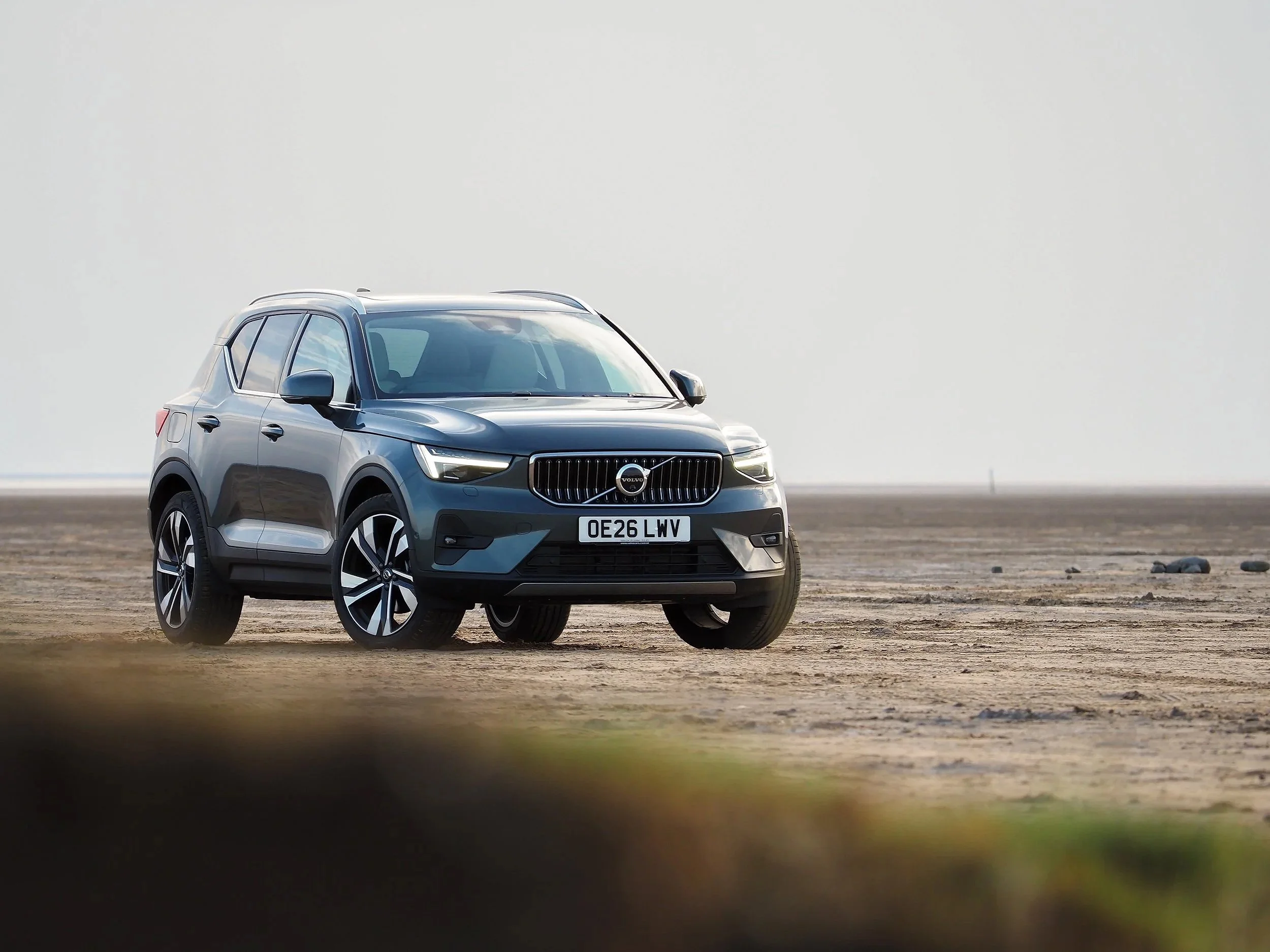
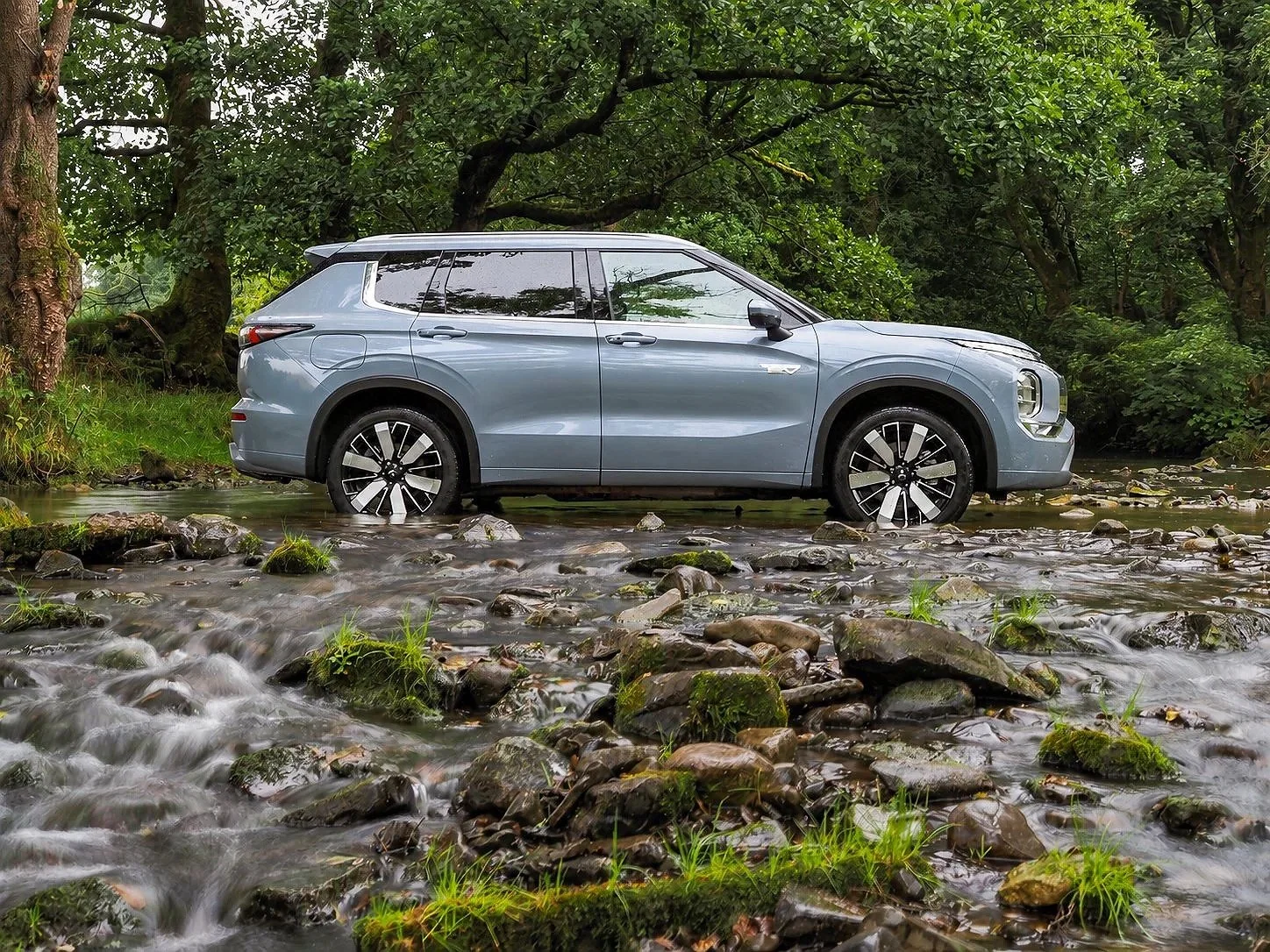
It hasn't made me a better photographer overnight. What it has done is remind me why I fell in love with photography in the first place. It's encouraged me to slow down. To experiment. To fail occasionally. To come home with plenty of images that don't quite work—but also a few that simply wouldn't have existed had I reached for my phone or stayed with old habits.
That's not because the camera is doing the creative thinking. It's because the camera is encouraging me to do it. And after spending years in photographic autopilot, that's probably the biggest upgrade of all.
All photos have been edited in Lightroom and are not straight from the camera.
Website: OM System OM-5 Mark II