
OM System OM-5 Mark II Review
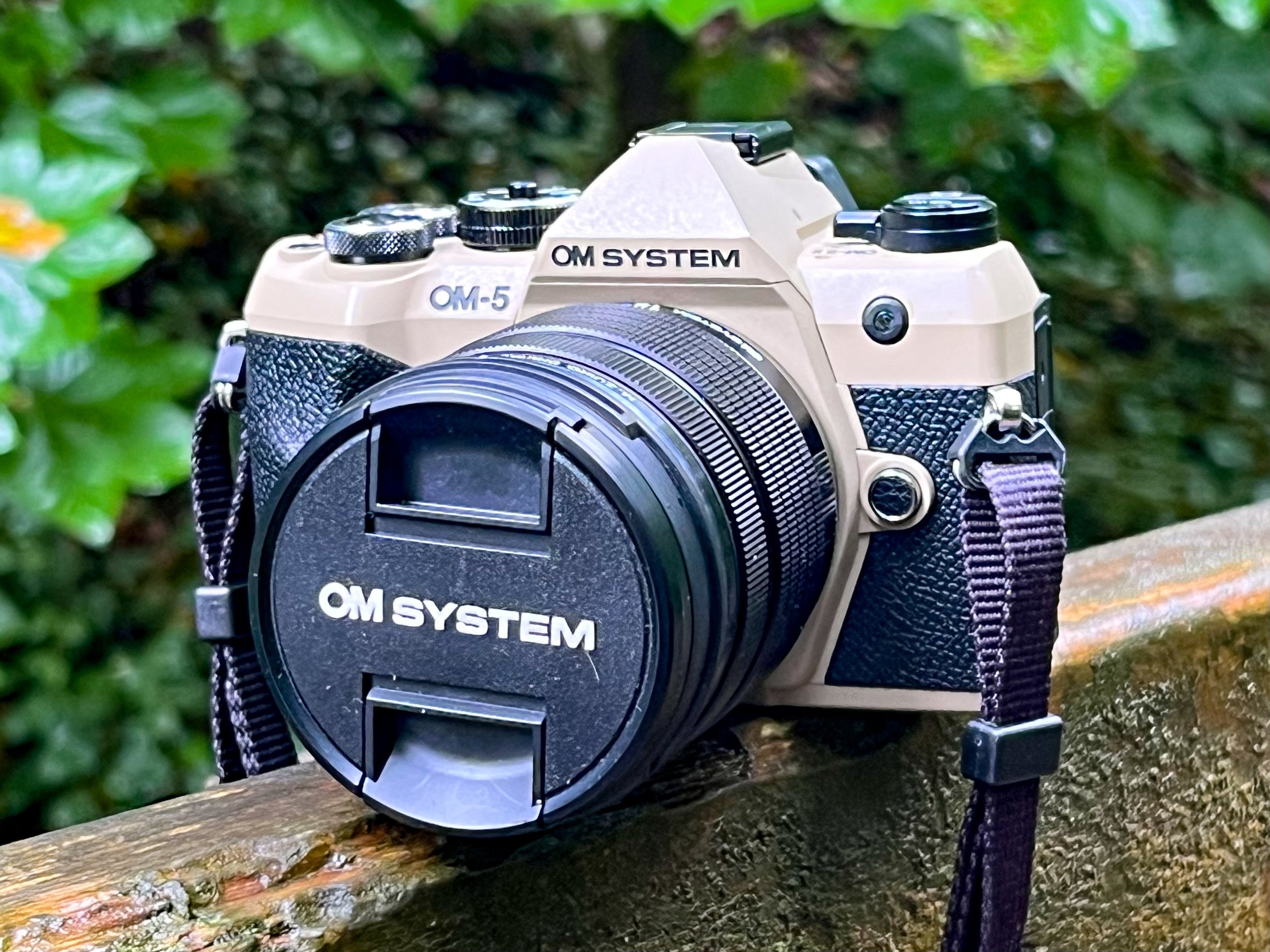
The Weight of Loyalty
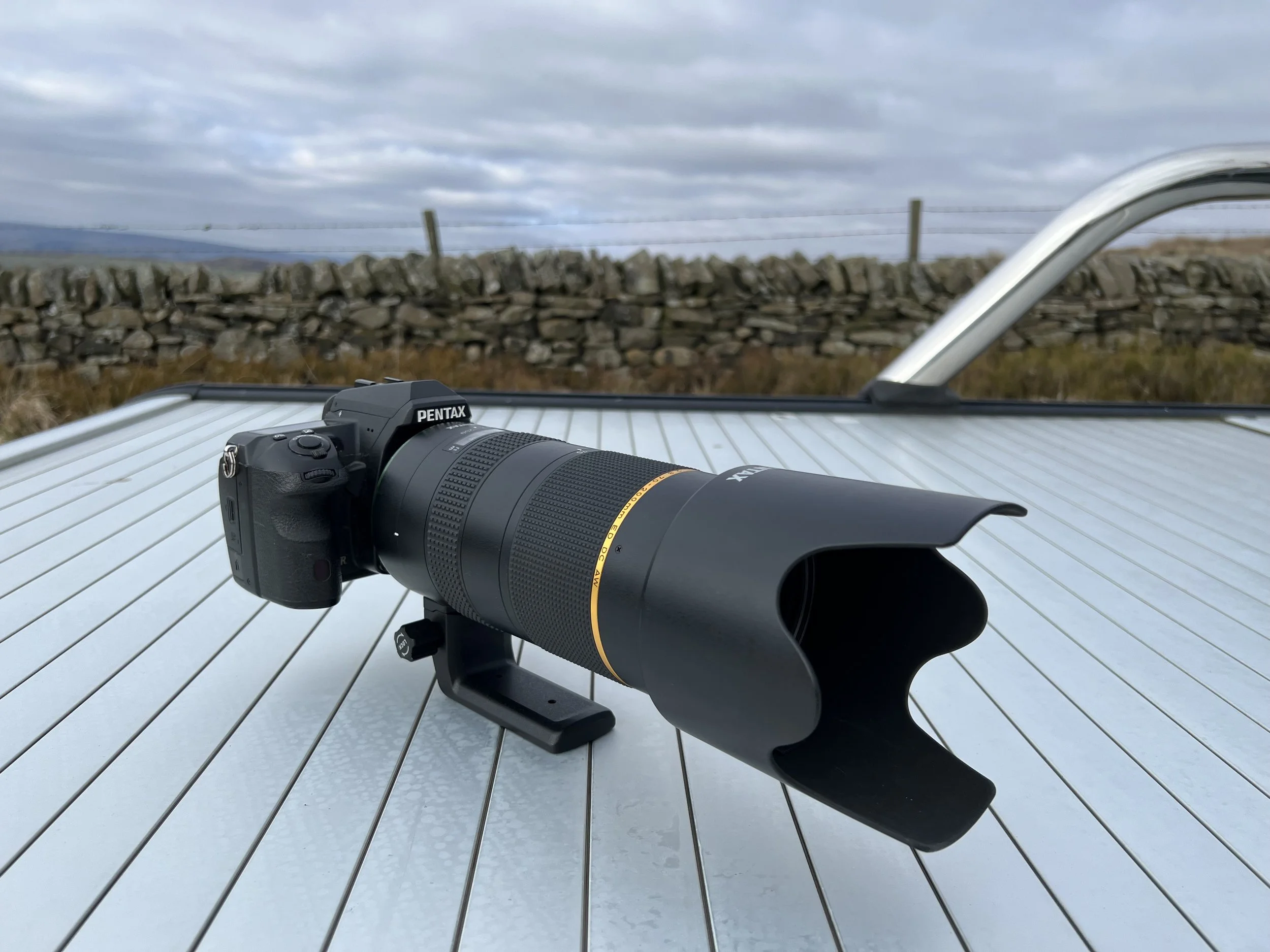
Back in the early 1980s I bought my first camera, a Pentax ME Super, and I've been a bit of a Pentax fanboy ever since. About ten years ago I bought my Pentax K3-II, along with a couple of rather expensive lenses, and it has been my trusted photographic companion ever since.
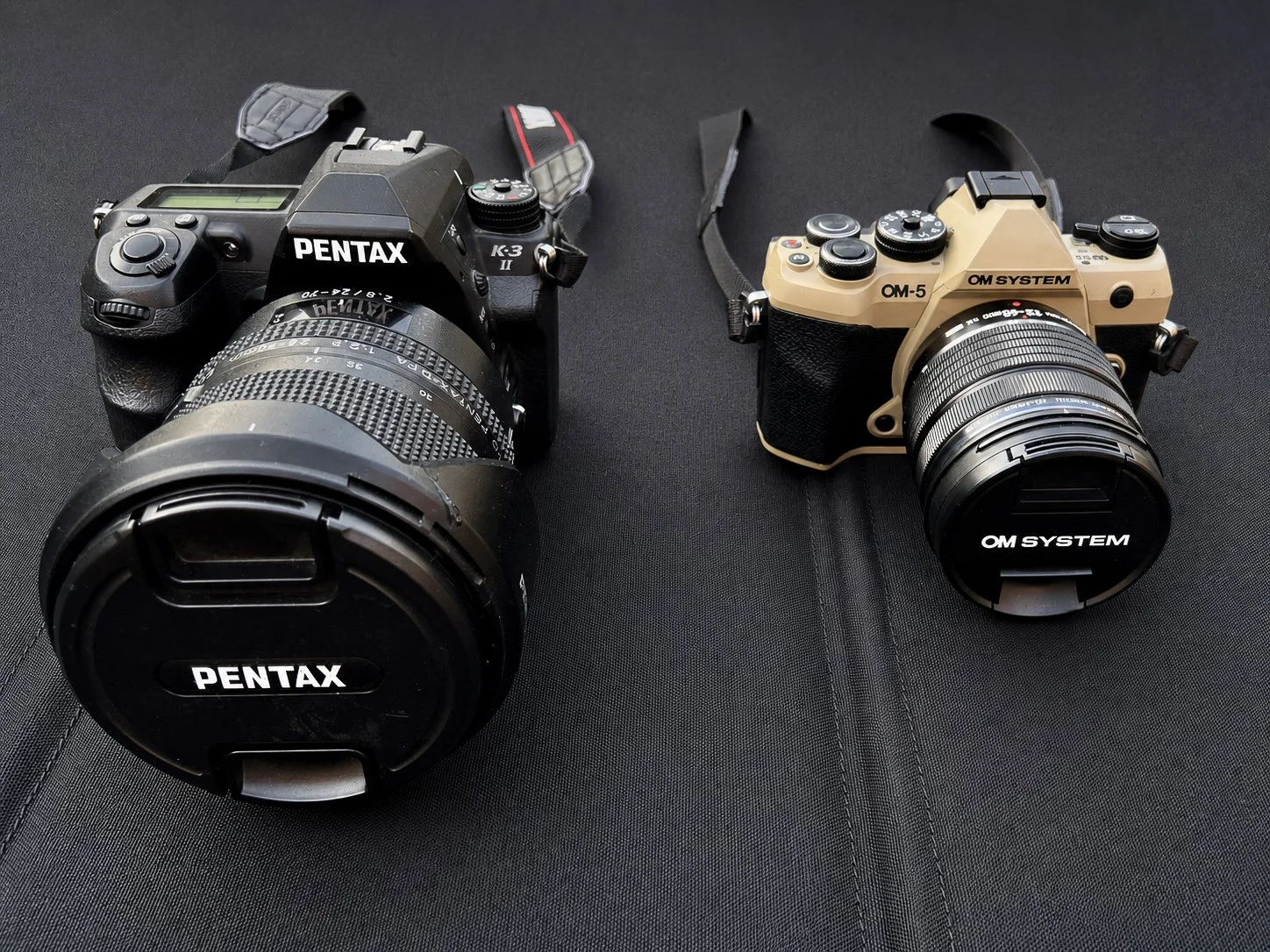
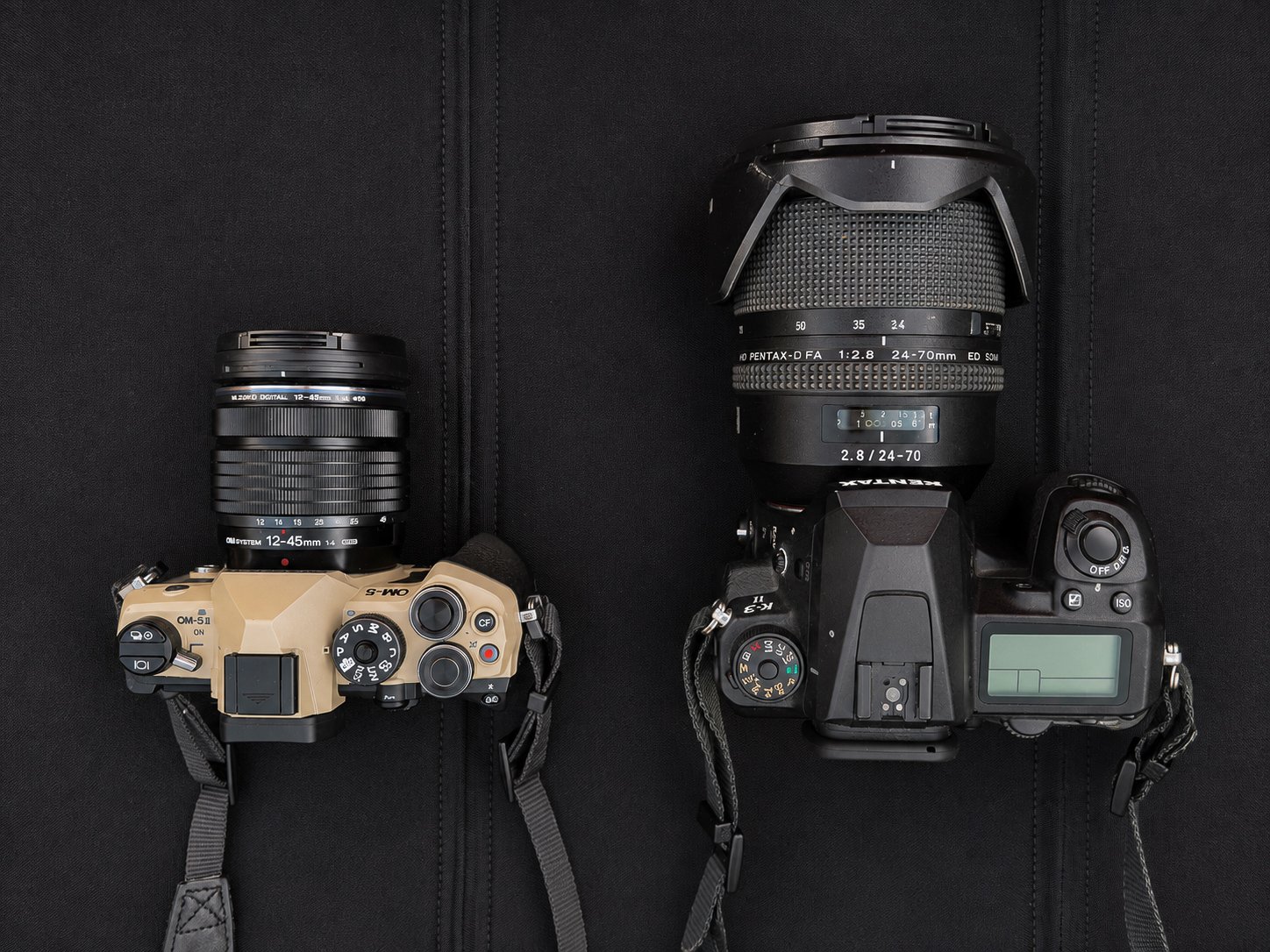
The trouble is, it's a lot of camera to carry around. For years I've taken it everywhere – car launches, shows, holidays, green lanes and outdoor adventures – but eventually the weight and bulk started to become a problem. The camera itself isn't ridiculously heavy; it's the body, lenses, batteries and bag that gradually turn a day out into an upper-body workout.
So, like many people, I reached for the phone instead. My iPhone 13 Pro became my everyday camera and, to be fair, it was remarkably good. It's small, always in my pocket and produces some pretty decent images, but it never quite replaced a proper camera.
There's something about looking through a viewfinder, composing a shot and waiting for the right moment that a smartphone can't quite replicate.
For me, photography becomes part of the adventure, rather than simply a way of recording it.
Eventually I found myself reaching for the old Pentax again – and enjoying the photography, but not necessarily enjoying carrying the bloody thing.
That left me looking for something rather specific: a proper camera system that was small and light enough to take everywhere, but tough and weather-sealed enough to be treated as working equipment rather than something precious.
That's important for the sort of photography I do. Cameras come with me into the rain, get thrown into the back of 4x4s, spend time around mud, dust and water, and occasionally get carried through places where a camera bag is more of a hindrance than a help.
I didn't want a smaller camera that needed protecting from the outdoors, I wanted a smaller camera that was built for it.
And that's what eventually led me to the OM System OM-5 Mark II.
So, What's All the Fuss About?
When I started looking for a replacement for my ageing DSLR, I wasn't chasing the latest gadget or trying to impress anyone with a bigger specification sheet. I simply wanted a camera that would encourage me to take it everywhere. One that was light enough to sling over my shoulder without thinking, but tough enough that I wouldn't be forever worrying about rain, mud or the occasional knock in the back of a 4x4.
That's where the OM System OM-5 Mark II kept appearing on my radar. It seemed to tick all the boxes that mattered to me: compact, weather sealed, ruggedly built and packed with clever features that promised to make photography easier, rather than more complicated. Whether I was hiking in the hills, wild camping, standing knee-deep in a river trying to photograph a 4×4 in front of a waterfall, or simply wandering around a vehicle launch all day, it feels like a camera that's designed to be used outdoors.

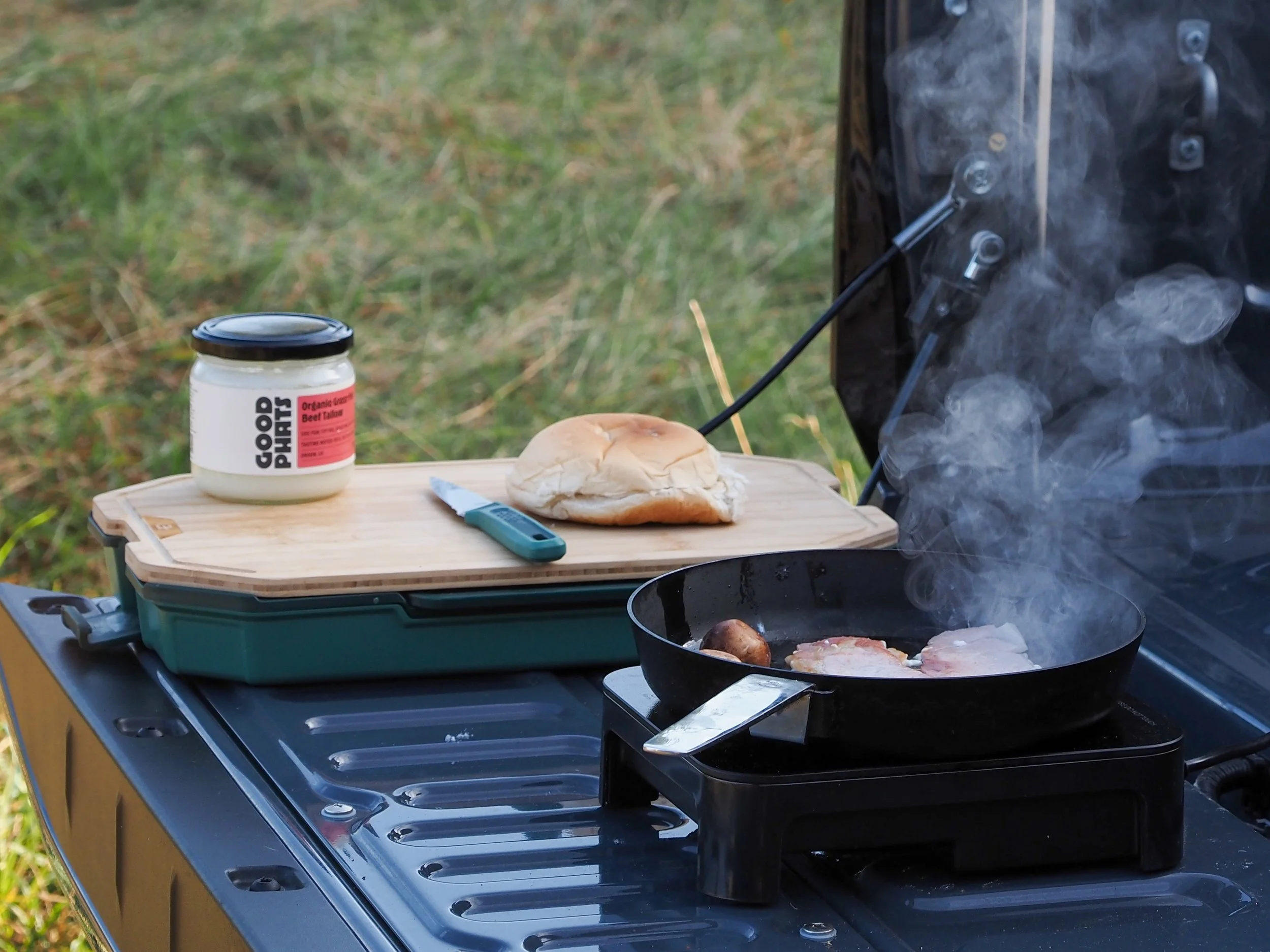
More importantly, it made me want to pick up a proper camera again. Not because of the technology, but because it removes many of the excuses for leaving it behind. If the best camera is the one you have with you, then a small, lightweight, weatherproof camera that's ready for whatever the British weather throws at it starts to make a lot of sense.
And so, after a few emails to their media team, I ended up with one on loan, along with two lenses: a 12-45mm F4 PRO and 40-150mm F4 PRO. Being the boss here helps!
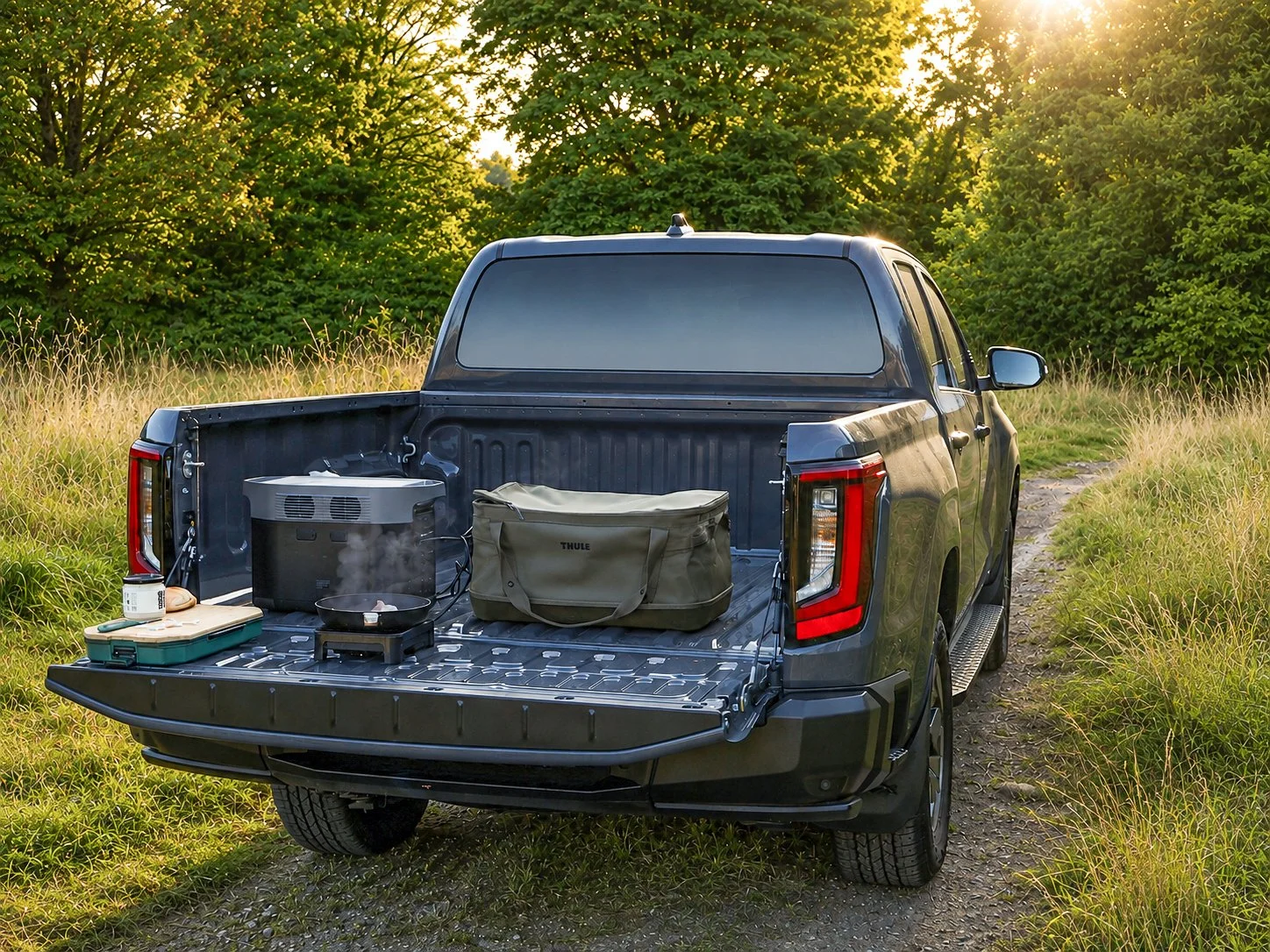
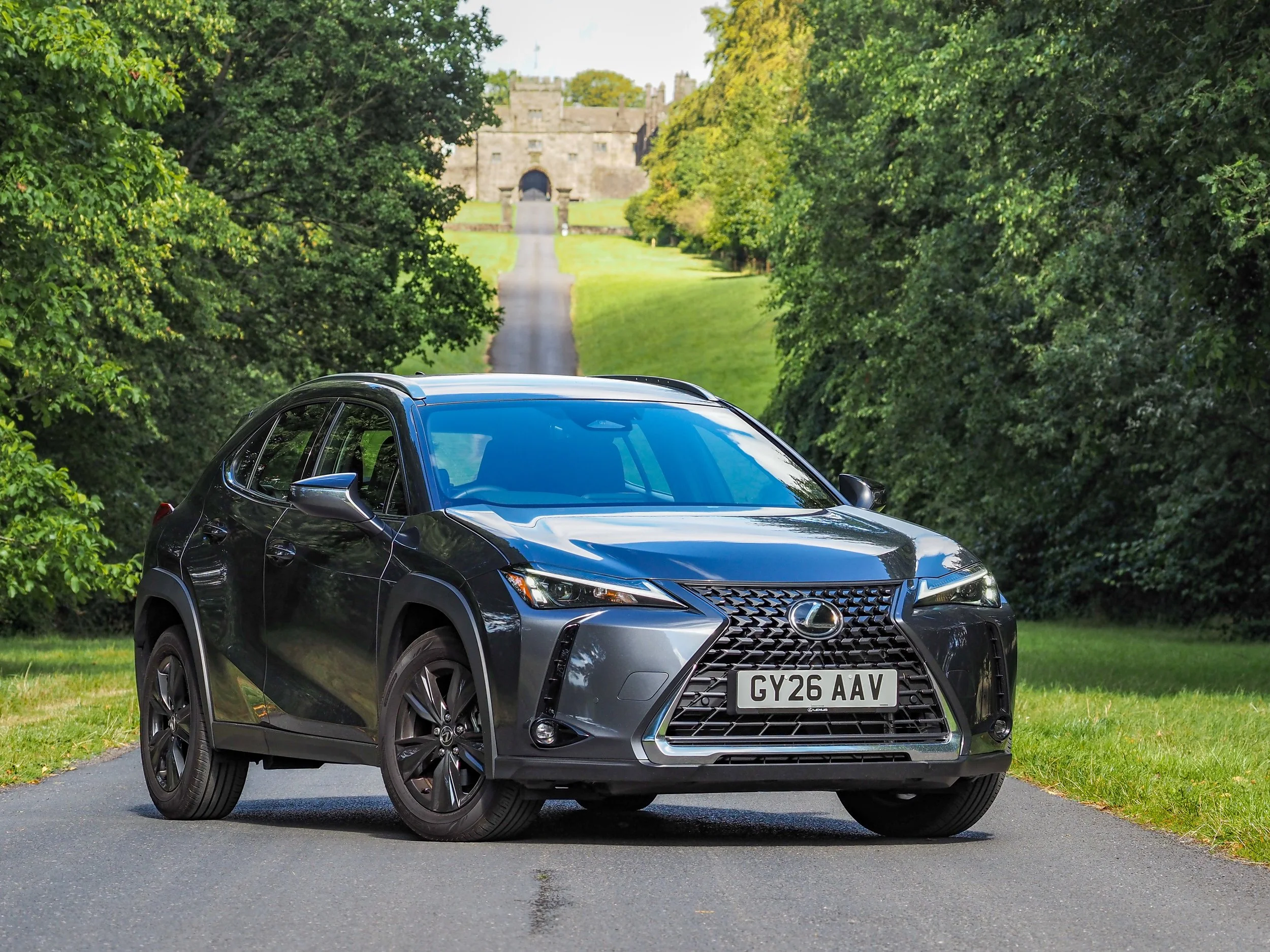
Now, before some of you start, I appreciate that many of my images here aren’t contenders for any photography awards, they’re not meant to, they’re photos I’ve taken when something has caught my eye.
So, before we disappear down the rabbit hole of camera jargon, let's translate some of those features into plain English.
The Mud Life Translation Guide
Micro Four Thirds Sensor
What OM System says:
A 20.4-megapixel Micro Four Thirds Live MOS sensor.
The Mud Life Translation:
"Ignore the internet arguments. It means the camera and lenses are much smaller and lighter than a traditional DSLR, but still produce cracking photographs. I'd rather carry this up a mountain than leave a full-frame camera in the car because it weighs as much as a spare wheel."
IP53 Weather Sealing
What OM System says:
Dustproof, splashproof and freezeproof construction.
The Mud Life Translation:
"It means I don't have to panic every time Britain remembers it's Britain. Rain? Fine. Mud? Fine. Cold? Fine. If your idea of photography involves sitting in a warm café, you'll never appreciate this. If you're photographing muddy 4x4s in February, you'll wonder how you ever managed without it."
5-Axis Image Stabilisation
What OM System says:
Up to 7.5 stops of stabilisation.
The Mud Life Translation:
"Basically, it forgives your shaky hands. Mine aren't getting steadier as the birthdays pile up, so anything that helps me avoid blurry photos is welcome. It's like having someone gently holding the camera still while you press the shutter."
Live ND
What OM System says:
Built-in Neutral Density filter simulation.
The Mud Life Translation:
"Landscape photographers normally carry expensive bits of dark glass to slow the shutter down. OM System thought, 'Why don't we just build that into the camera instead?' Less kit. Less faffing. Less chance of dropping an expensive filter into a stream."
High Resolution Shot
What OM System says:
Handheld 50MP or tripod-mounted 80MP images.
The Mud Life Translation:
"Think of it as the camera taking several photographs and cleverly stitching them together into one huge, incredibly detailed image. Perfect if you've just photographed your pride and joy and want a print big enough to cover the garage wall."
Focus Stacking
What OM System says:
Combines multiple focus points into one image.
The Mud Life Translation:
"Ever photographed a flower and found the petals are sharp but the middle looks fuzzy? This fixes that automatically. It sounds complicated. It isn't. The camera does the clever bit while you take the credit."
Computational Photography
What OM System says:
Advanced computational imaging modes.
The Mud Life Translation:
"Your smartphone has been quietly cheating for years. This does the same sort of clever trickery, except you stay in control instead of letting the phone decide what your photograph should look like."
Electronic Viewfinder
What OM System says:
2.36-million-dot OLED electronic viewfinder.
The Mud Life Translation:
"Instead of peering through mirrors like old DSLRs, you're looking at a tiny screen that shows exactly what the finished photo will look like before you've even pressed the shutter. Think of it as a 'what you see is what you get' viewfinder."
Pro Capture
What OM System says:
Records frames before the shutter is fully pressed.
The Mud Life Translation:
"Ever tried photographing a bird taking off, only to capture... absolutely nothing? This is the camera's version of a time machine. It starts saving photos before you've actually taken the picture. It's almost unfair."
AI Subject Detection
What OM System says:
Advanced autofocus subject recognition.
The Mud Life Translation:
"Remember spending ages trying to persuade the autofocus to look at the thing you wanted? The camera's now much cleverer than either of us. It spots the subject and hangs onto it remarkably well, leaving you to concentrate on not falling in the mud."
What is the OM-5 Mark II, really?
What OM System says:
A compact, weather-sealed mirrorless camera featuring advanced computational photography.
The Mud Life Translation:
"It's the first camera in years that's made me want to leave my phone in my pocket again."


So Far, So Good...
So, after a couple of weeks with the OM-5 Mark II, I have to say I'm rather smitten. It’s already done something I wasn't entirely expecting: it's made me want to take photographs again. Not just point a camera at something because I need a picture for a review, but actually stop, look at what's in front of me and think about the shot.
And that's perhaps the biggest compliment I can give it.
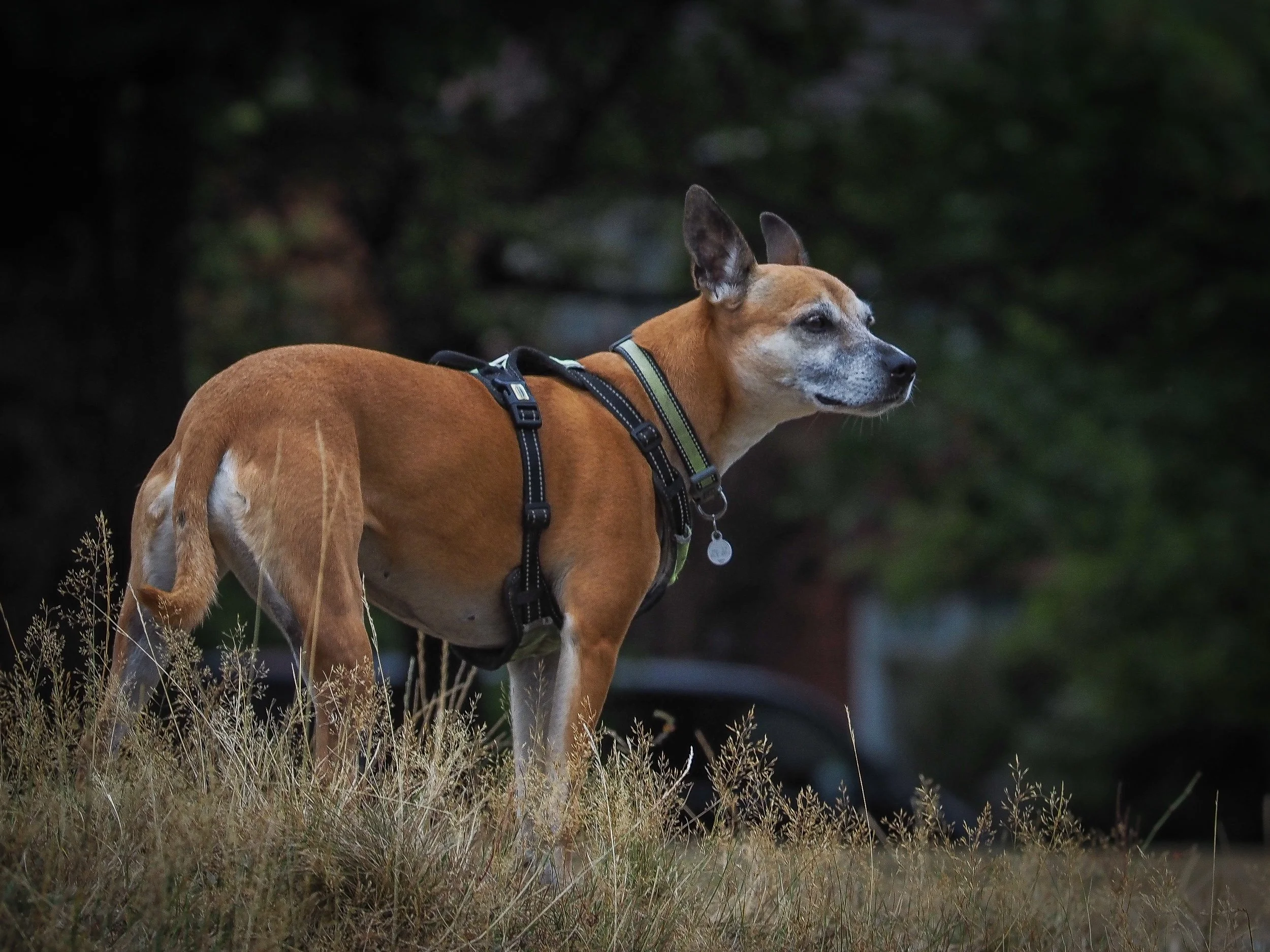
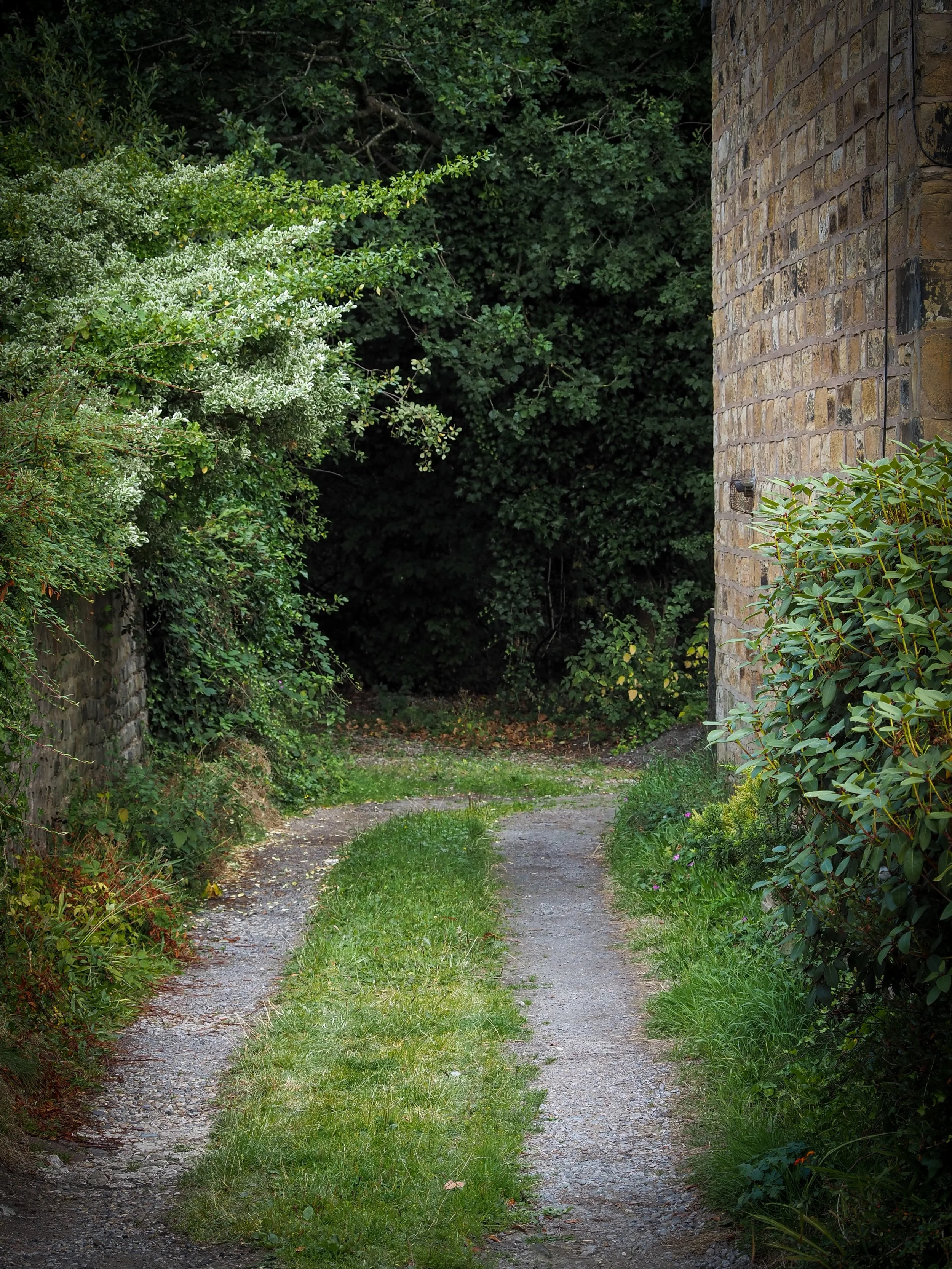
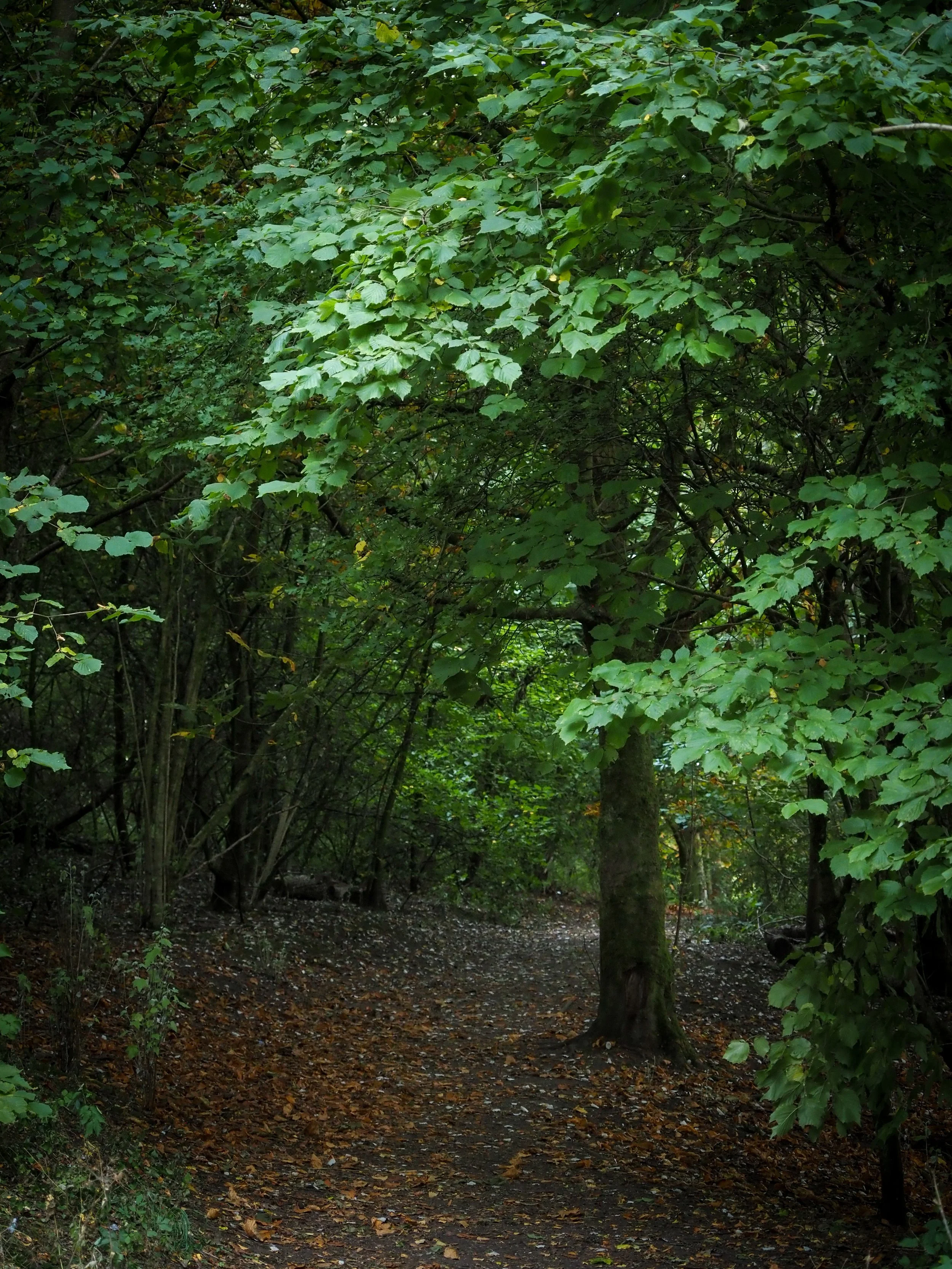
The photographs I've included here are deliberately a mixture of Mud Life stuff and everyday subjects. From photographing a new product in the sort of light that makes you look considerably better at photography than you really are, to finding an old, battered window that somehow catches your eye, the OM-5 Mark II has so far proved itself to be an extremely capable little camera.
And yes, Lightroom has been used for the final edit.


More importantly, I've barely scratched the surface of what it can do.
I've still got questions. How will the battery cope with a full day's shooting? How good is the autofocus when something is moving quickly? How much difference do those clever computational features make in the real world? And, perhaps most importantly for me, will the weather sealing and compact construction stand up to a few months of being dragged around in the sort of places where cameras tend to get abused rather than pampered?

Those are questions I'm going to answer over the coming months.
For now, though, my ageing Pentax has been getting a little more time on the shelf than it used to, and I haven’t taken a single shot with my iPhone. That's quite a turnaround.
So this isn't the final verdict. Think of it as the beginning of the relationship. I'll keep using the OM-5 Mark II through the coming months – in the rain, on the road, around 4x4s, out walking and wherever else I can find an excuse to take it. I'll be finding out whether all those clever features are genuinely useful or merely impressive on a specification sheet, and whether a camera this small really can replace the bigger system I've relied on for so long.
Part Two will be the proper test: after another month of living with it, will I still be reaching for the OM-5 Mark II – or will the old Pentax and iPhone get their revenge?
Watch this space.
Website: OM System UK - OM-5 Mark II