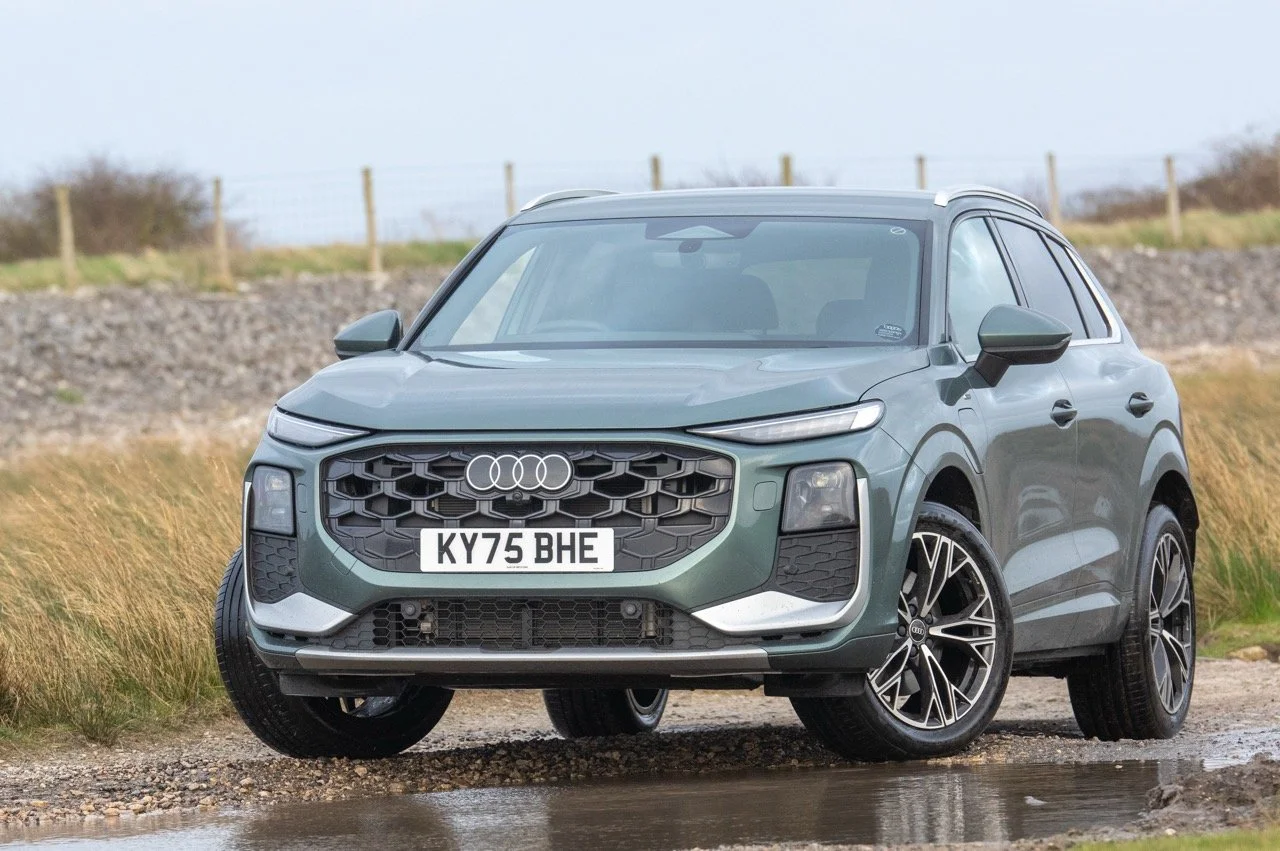
Review: 2026 Audi Q3 S line e-hybrid
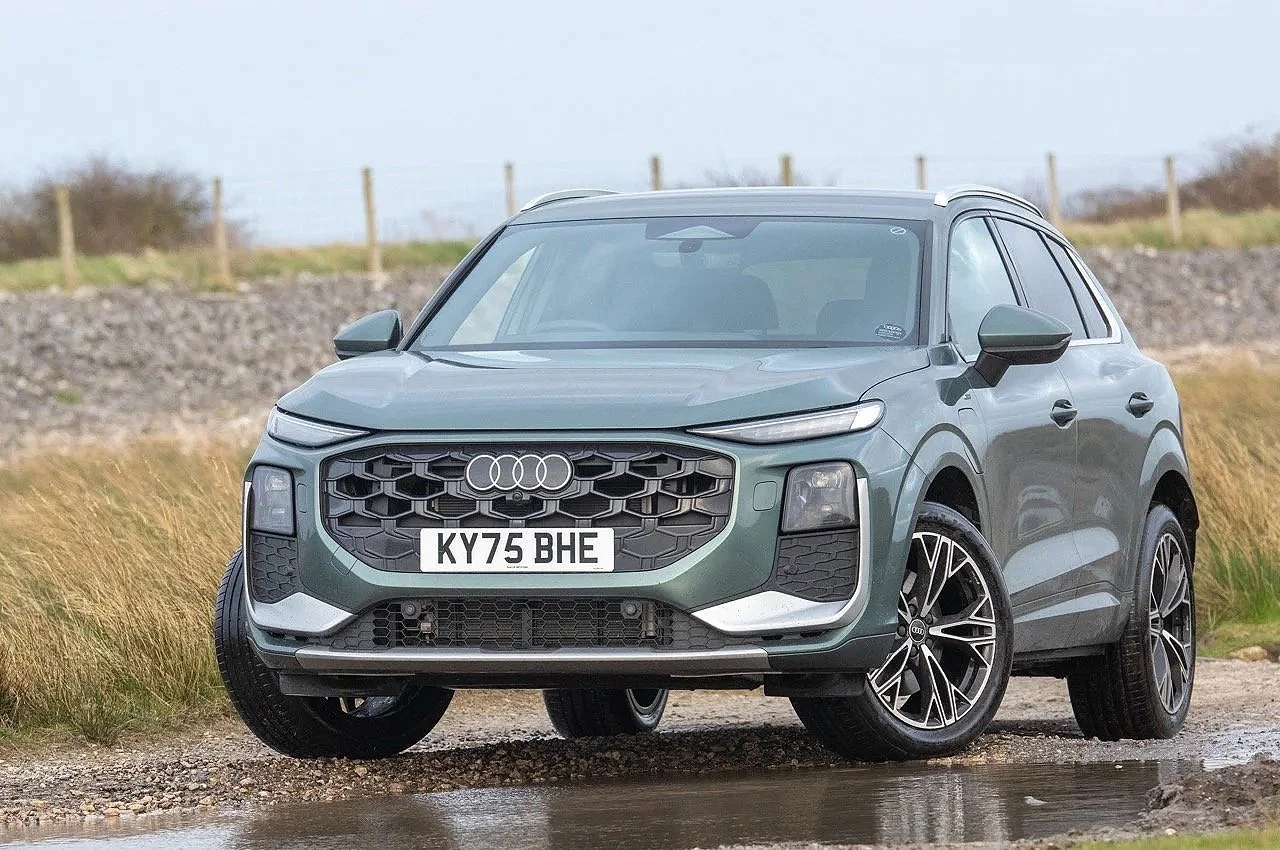
There was a time when Audi’s Q3 felt like the baby of the family — the slightly overlooked younger sibling parked somewhere between the stylish Q2 and the far posher Q5. But things move quickly in the SUV world, and the all-new 2026 Audi Q3 arrives with a bit more swagger, a bigger digital brain, and, in this case, a plug-in hybrid drivetrain that suggests it’s trying to be both sensible and sporty at the same time.
The Q3 e-hybrid sits near the top of the Q3 range in terms of performance and tech. It combines a 1.5-litre turbo petrol engine with an electric motor and a sizeable battery to deliver a combined 272PS and 400Nm of torque, fed through a six-speed S tronic dual-clutch gearbox driving the front wheels. On paper that’s good enough for 0-62mph in around 6.8 seconds, which means it’s hardly slow for a sensible family crossover.
More importantly, it promises the sort of efficiency that makes company car tax accountants smile politely while quietly rubbing their hands together. Audi claims electric-only driving of roughly 70 miles, thanks to a battery of around 25-26kWh, which is pretty impressive for something that still looks like a normal SUV rather than a futuristic science experiment. Charging from a home wallbox takes roughly three hours, so topping up overnight is perfectly doable.
But statistics are easy. What really matters is what it’s like to live with — especially if you’re the sort of person who spends weekends stuffing camping gear, muddy dogs and questionable outdoor equipment into the back.
So let’s find out.
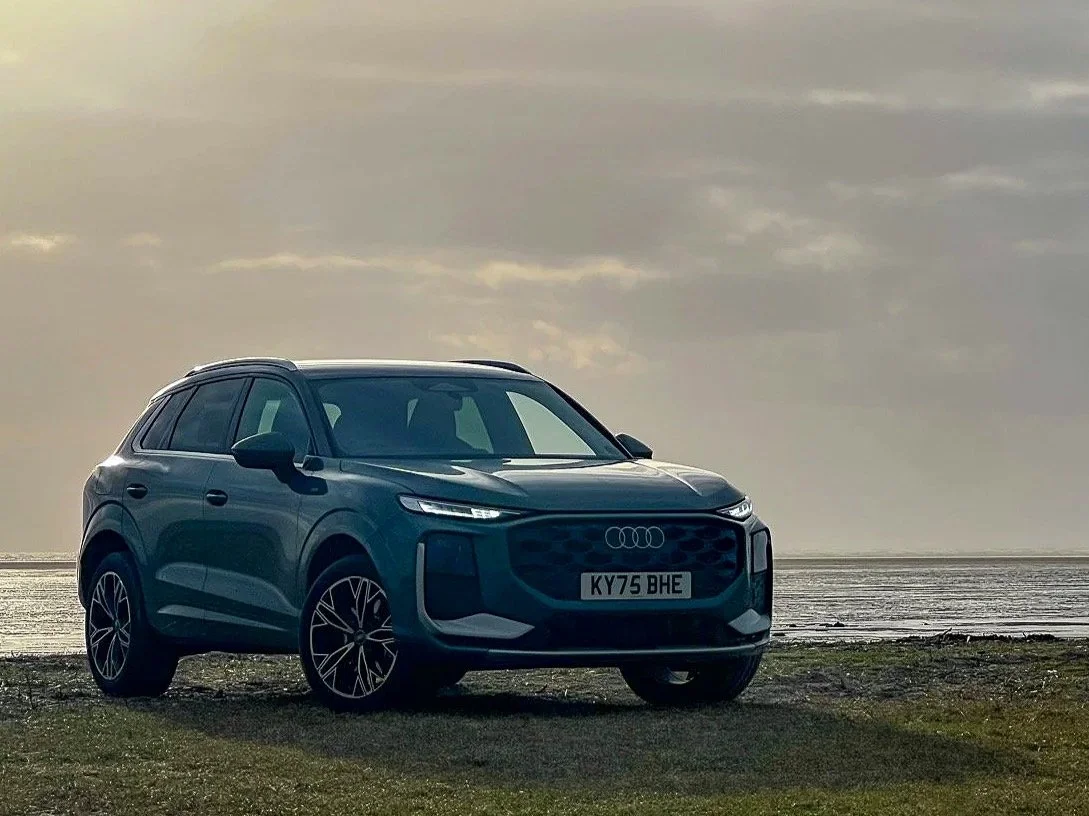
On the Road – Quiet When You Want, Quick When You Need
First impressions behind the wheel are reassuringly Audi.
The driving position is spot on, low enough to feel car-like rather than perched like a bus driver, and the view out is excellent. The Q3 has grown slightly compared with its predecessor, now stretching to around 4.53 metres long, but it still feels compact enough for British lanes and supermarket car parks.
Start it up and, if there’s charge in the battery, it glides away in near silence. Around town the electric motor does most of the work, which makes the Q3 feel smoother and calmer than many petrol SUVs. In fact, in slow urban traffic it’s almost eerily quiet, you half expect pedestrians to step into the road because they can’t hear you coming.
Once the petrol engine wakes up, the transition is generally smooth. The little 1.5-litre engine isn’t exactly a powerhouse on its own, but combined with the electric motor it delivers plenty of shove when needed.
Put your foot down and the Q3 surges forward with a respectable urgency. It’s not an outright performance machine, this isn’t an SQ3, but it’s still brisk enough to feel lively when overtaking tractors, caravans or the occasional overly confident delivery van.
The S tronic gearbox is typically Audi: slick, quick and mostly unobtrusive. Occasionally it hesitates when you suddenly ask for full power, but that’s fairly typical of plug-in hybrids juggling electric and petrol power.
Where the Q3 really shines is on typical British A-roads. The steering is nicely weighted and precise without feeling nervous, and the chassis strikes a good balance between comfort and control.
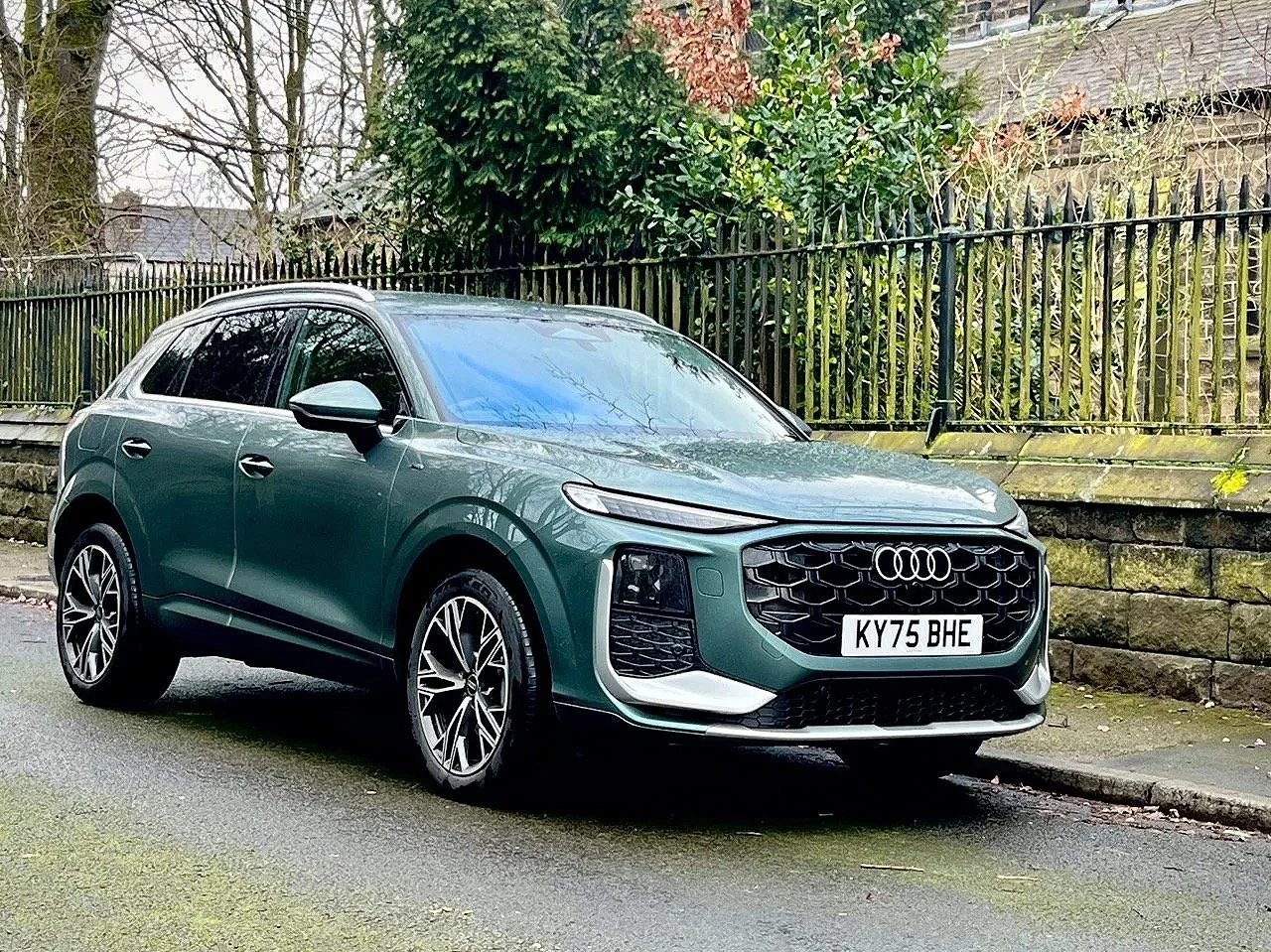
Even on 19” S line wheels, the ride quality is surprisingly good. It smooths out rough tarmac without floating about like a boat. Potholes still make themselves known, this is a sporty Audi, after all, but the suspension deals with bumps with a reassuring thump rather than a crash.
On motorways the Q3 settles into an easy cruise. Wind and road noise are well suppressed, and the plug-in hybrid system means it can occasionally coast silently on electric power when the conditions allow.
If you drive it gently and keep the battery topped up, the official 140+ mpg figure is technically possible, though as always with plug-in hybrids, your real-world results depend heavily on how often you charge. Ignore the plug and drive it like a normal petrol car, and you’ll see much more modest numbers. With mixed driving, over the week it averaged 48.7mpg.
But used properly, short electric commutes, petrol for longer journeys, it makes a lot of sense.
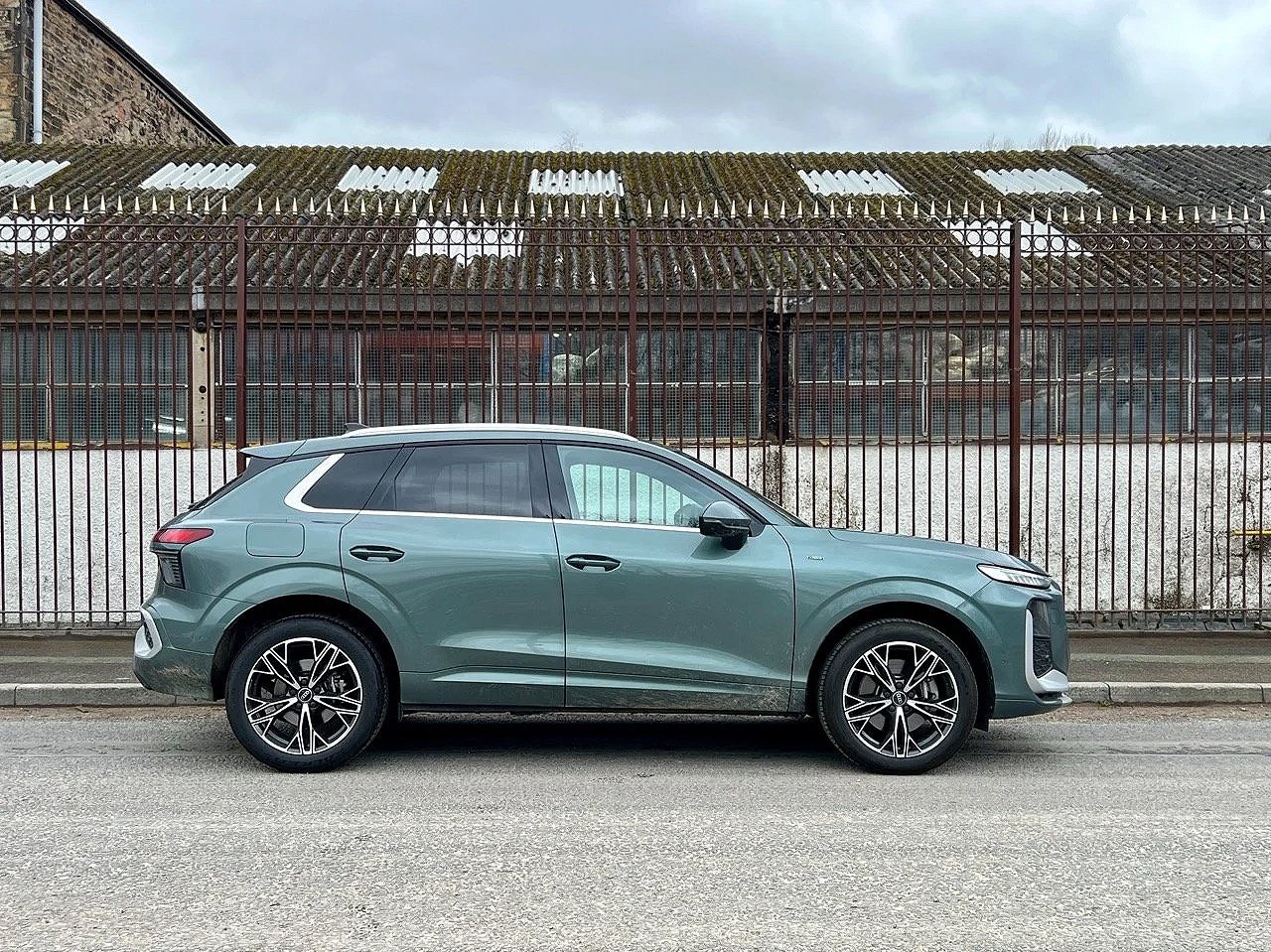
All Roads and Surfaces – More Road Bias Than Mud Bias
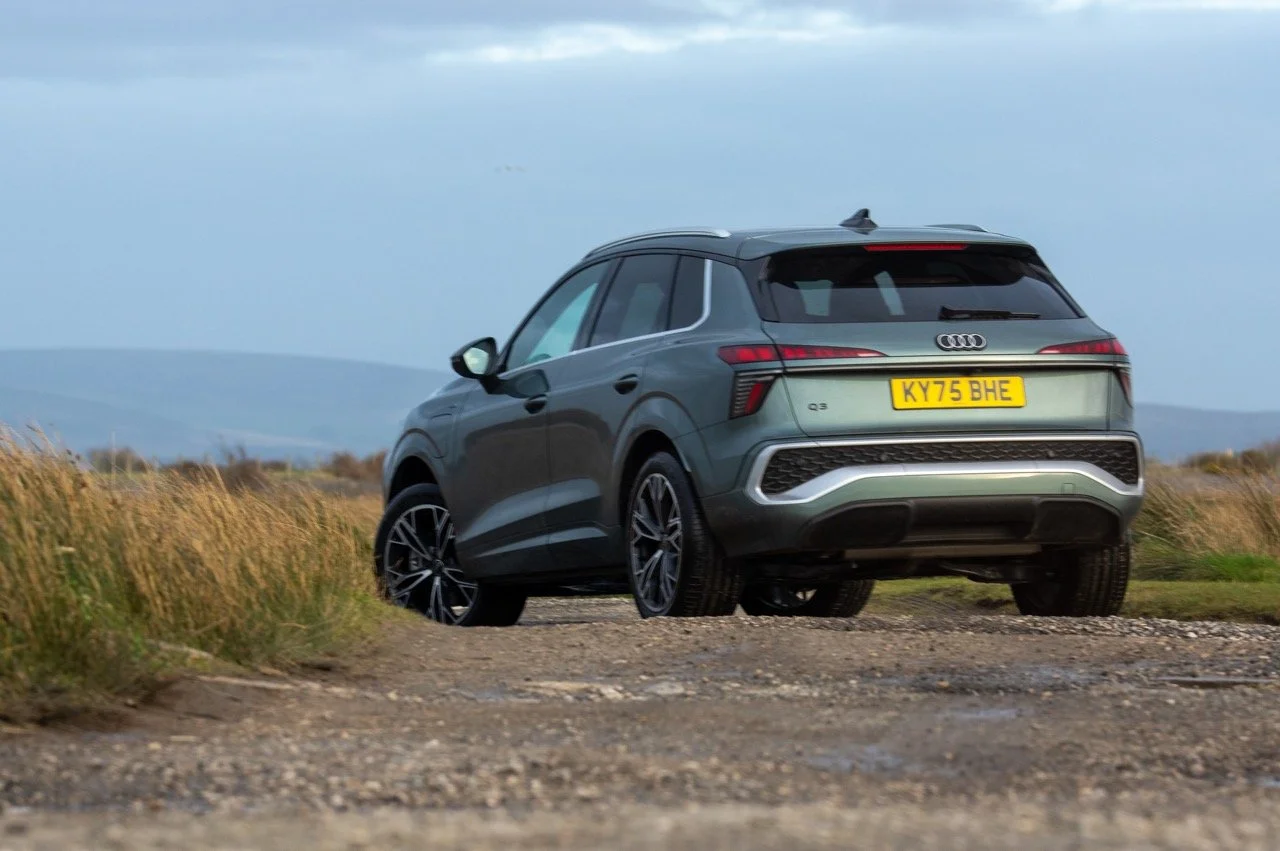
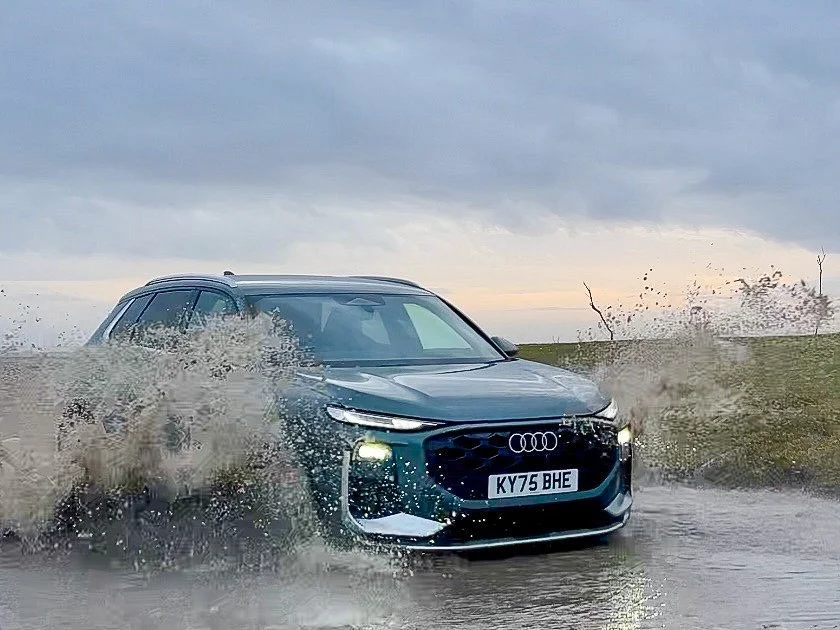
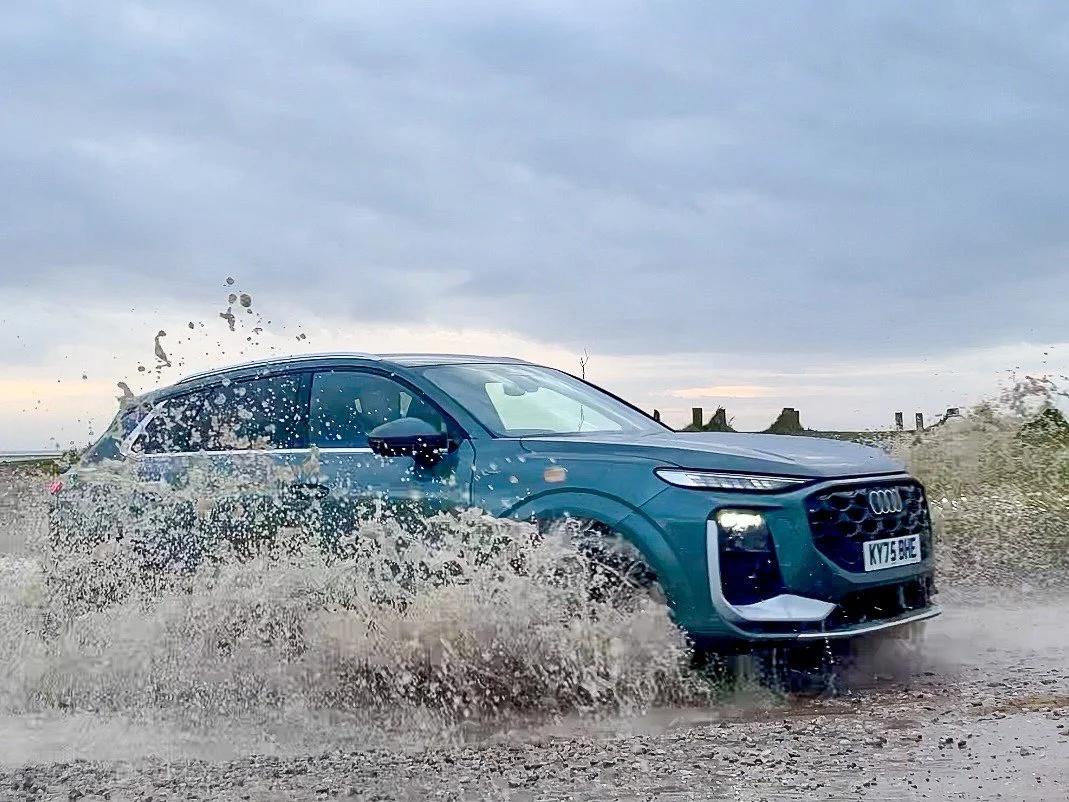
Now let’s be honest, nobody buys a Q3 expecting it to tackle their local green-lanes, and besides, unlike some of its stablemates, the e-hybrid version is front-wheel drive only, so this isn’t a hardcore off-roader. That said, it’s still an SUV with decent ground clearance and modern traction systems.
On gravel tracks, muddy campsite entrances or farm lanes it performs absolutely fine. The electric motor actually helps here, delivering smooth, immediate torque that makes low-speed manoeuvres easy. Traction control keeps things tidy, and the car rarely feels flustered unless things get properly slippery.
But if you start looking for deep ruts, steep climbs or axle-twisting terrain, you’ll quickly discover the limits of its road-focused design. This is a very soft-roader, not a rock crawler.
In other words, it’ll happily reach a campsite, rural cottage or your favourite dogging - I mean dog-walking spot, but if you’re planning a green-laning adventure, you’ll want something with a proper 4x4 system.
Interior – Audi’s Usual Quality With a Digital Twist
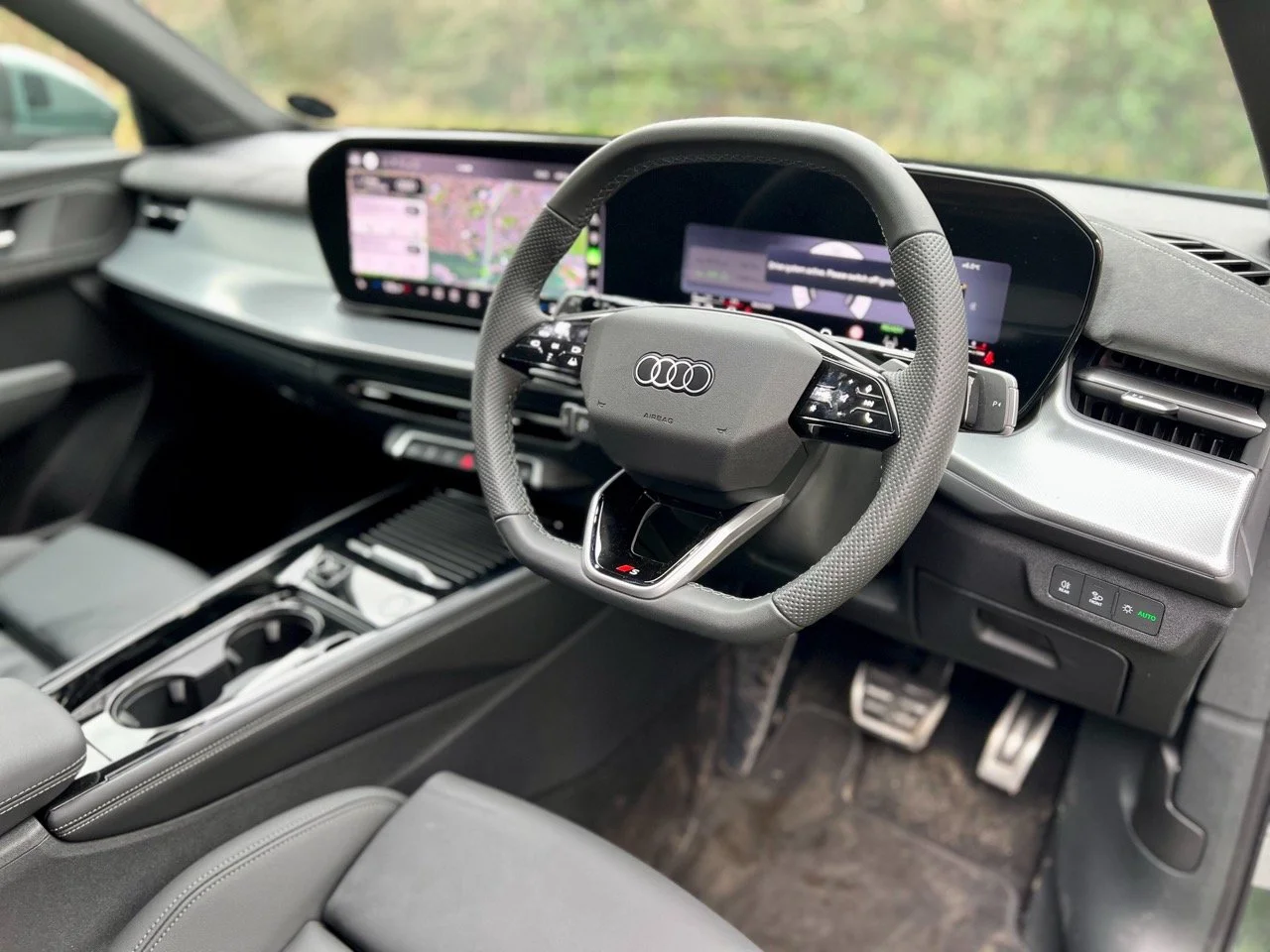
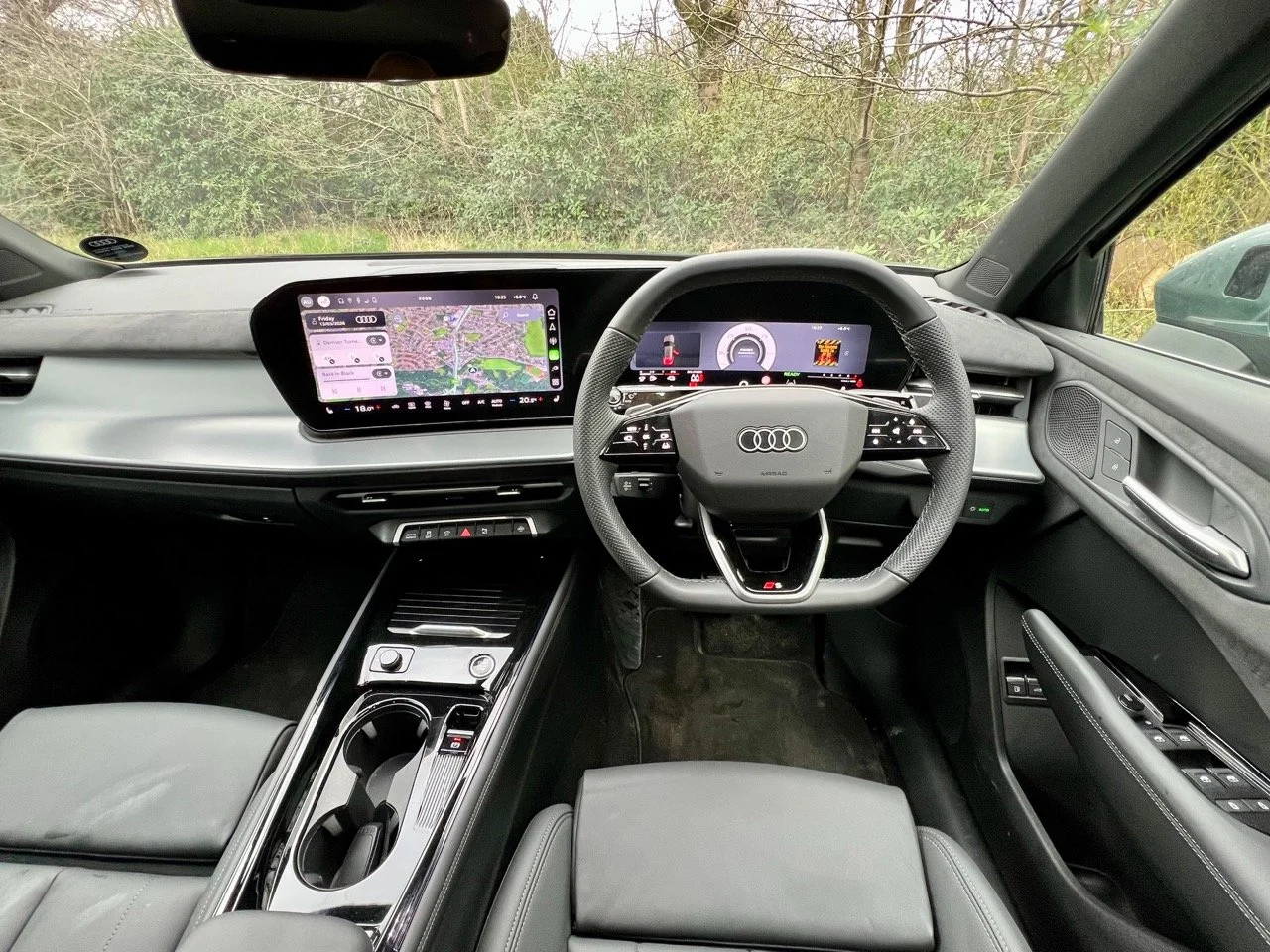
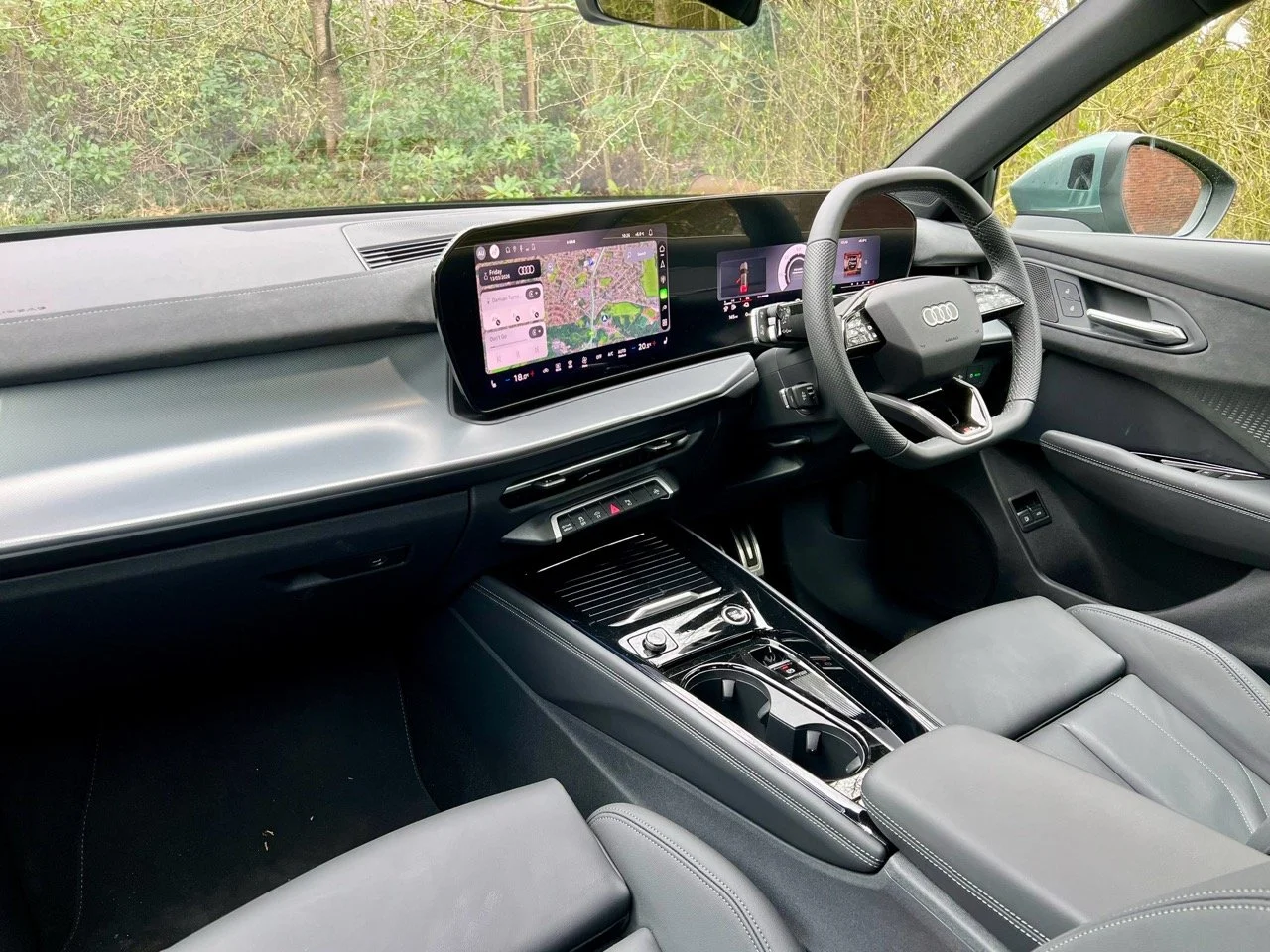
Step inside and the Q3 immediately reminds you why Audi has such a strong reputation for interiors. Everything feels solid and well put together. The materials are excellent for this class, with soft surfaces, tasteful trim and a generally premium feel throughout.
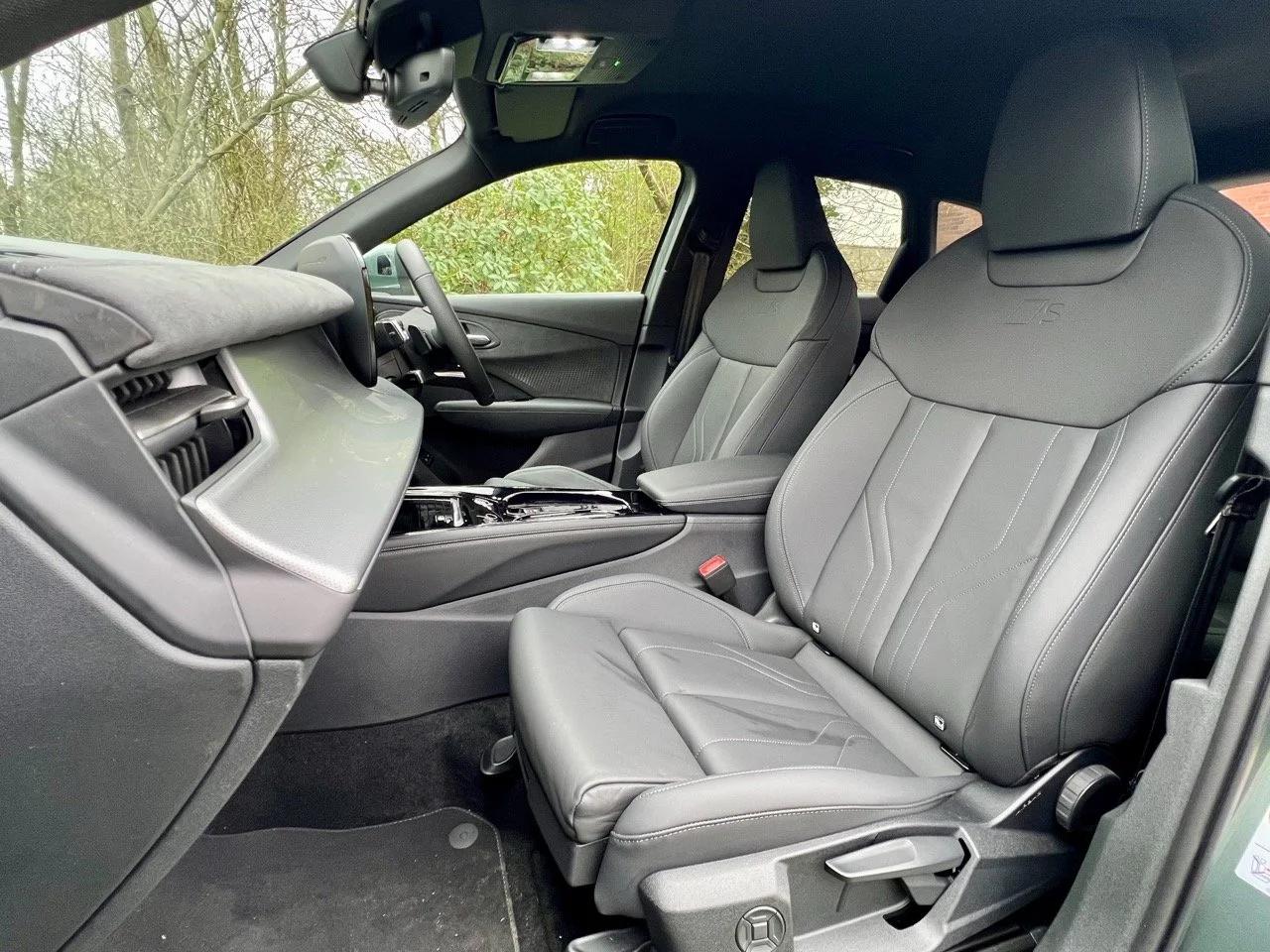
The S line trim adds sportier touches — Alcantara-leather upholstery, supportive seats, and subtle styling upgrades that make the cabin feel a bit more special.
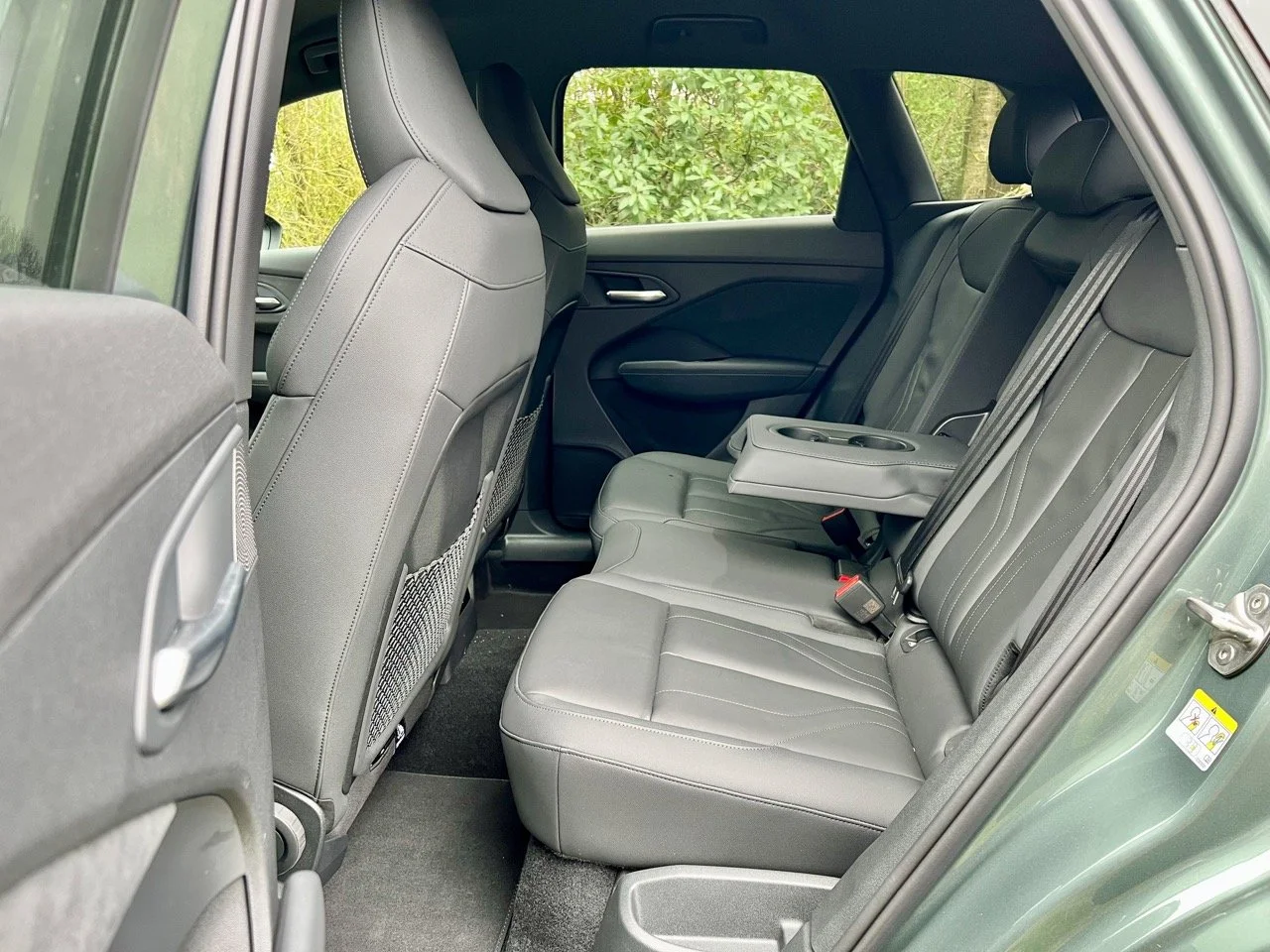
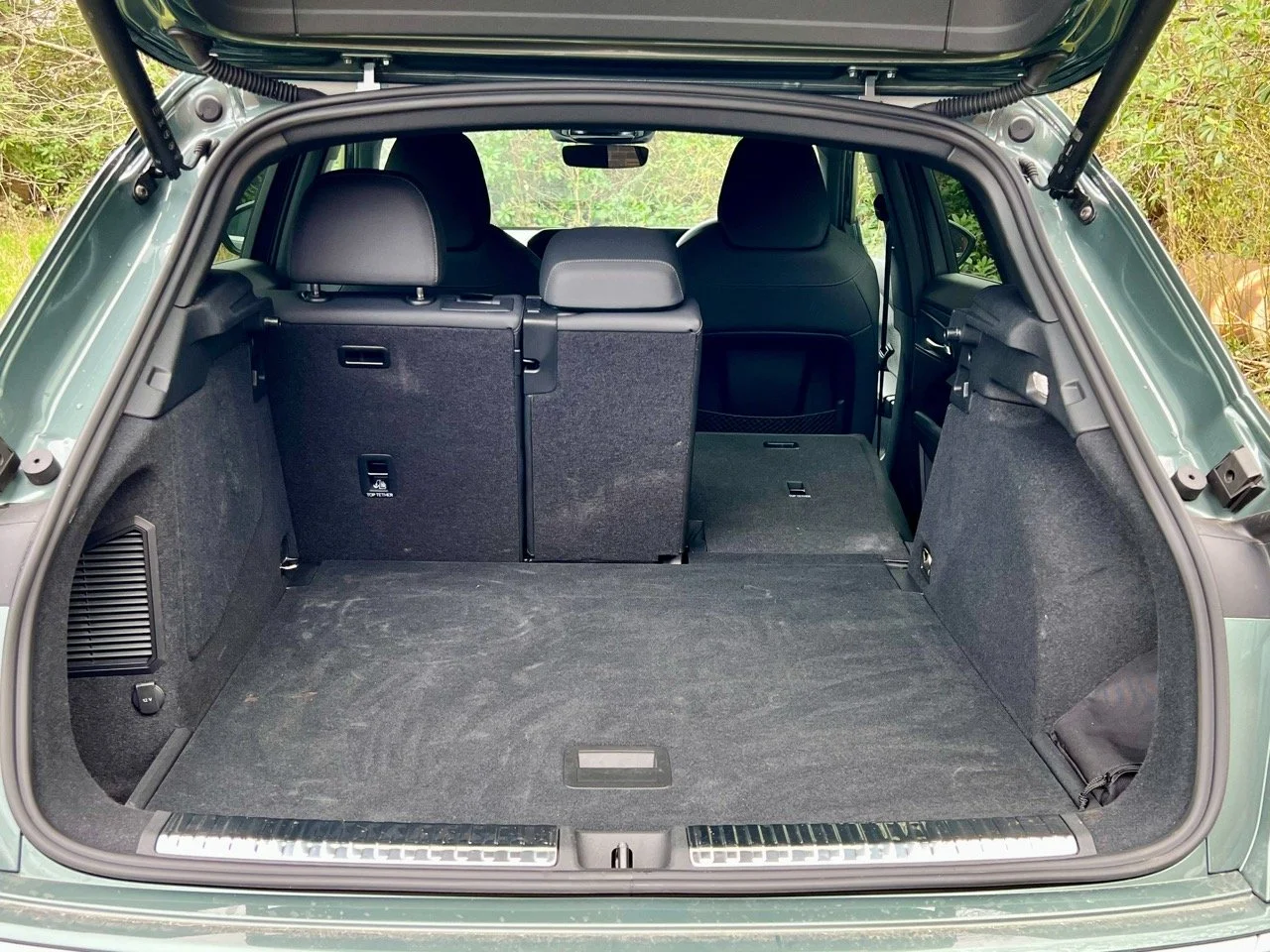
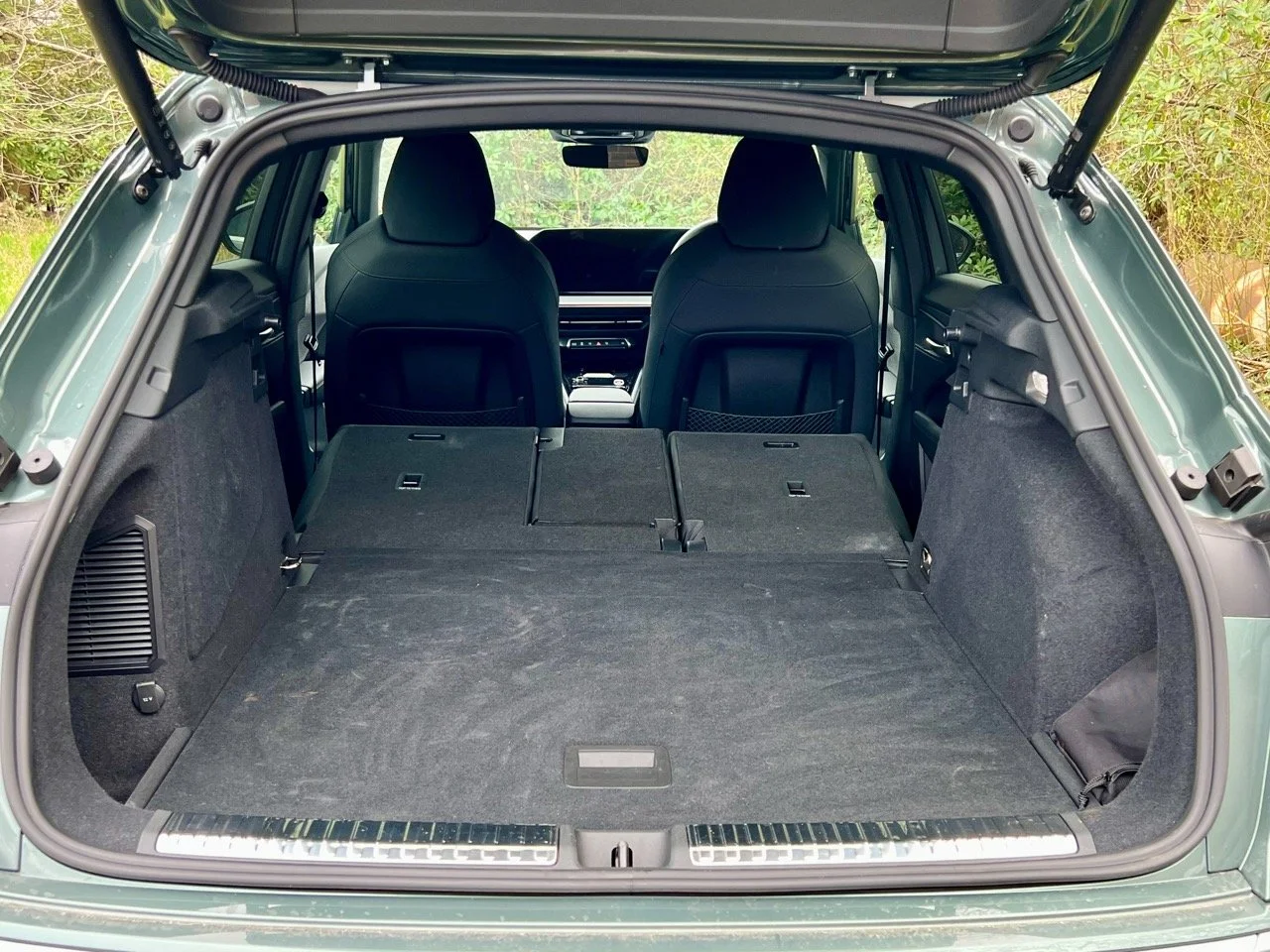
Space is good too. Front passengers have loads of room, while the rear legroom can be cramped, headroom, for adults, is decent. The rear seat splits 40:20:40, which is brilliant for awkward loads like skis, fishing rods or that mysterious camping chair you swear you’ll use someday.
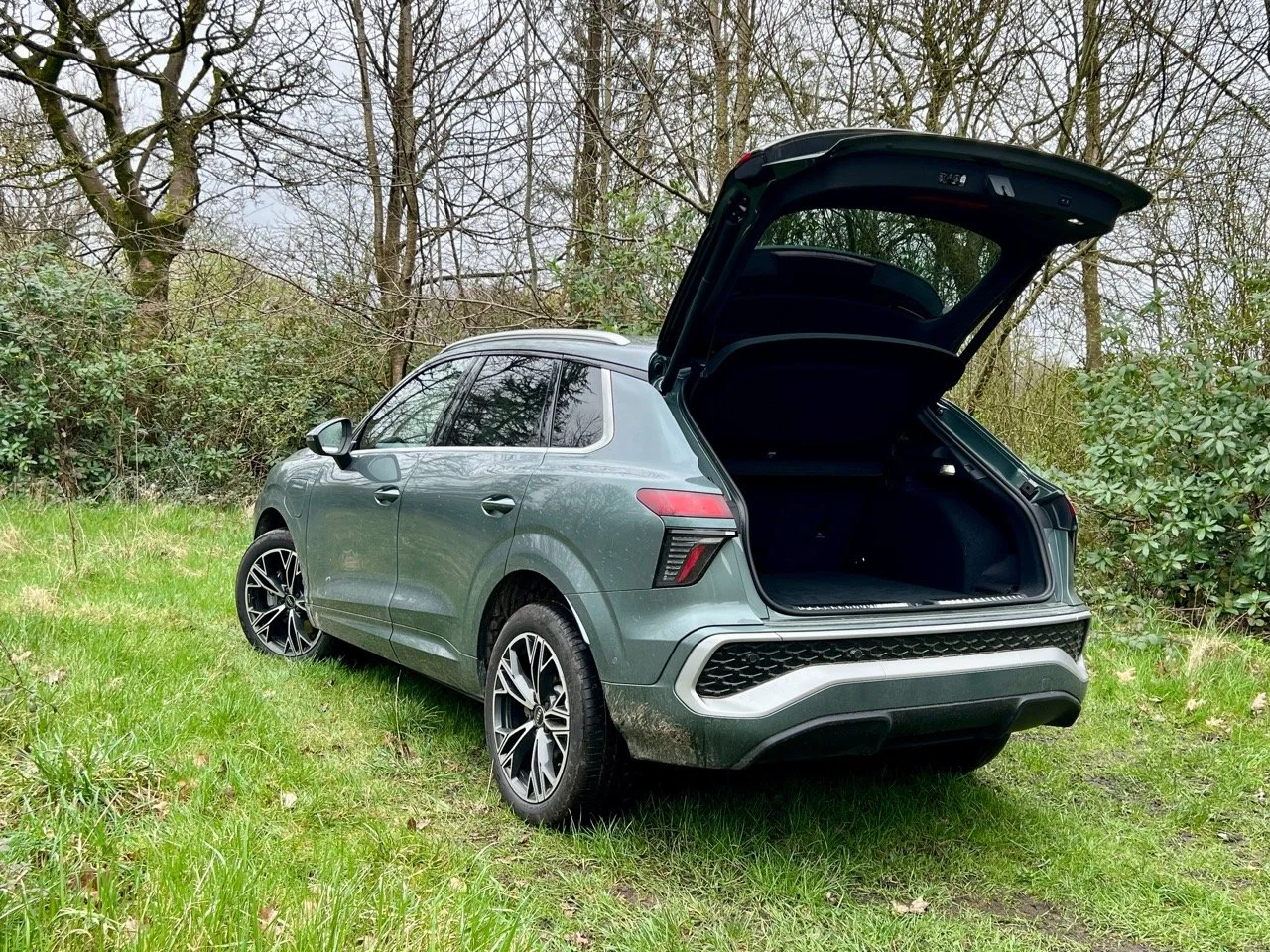
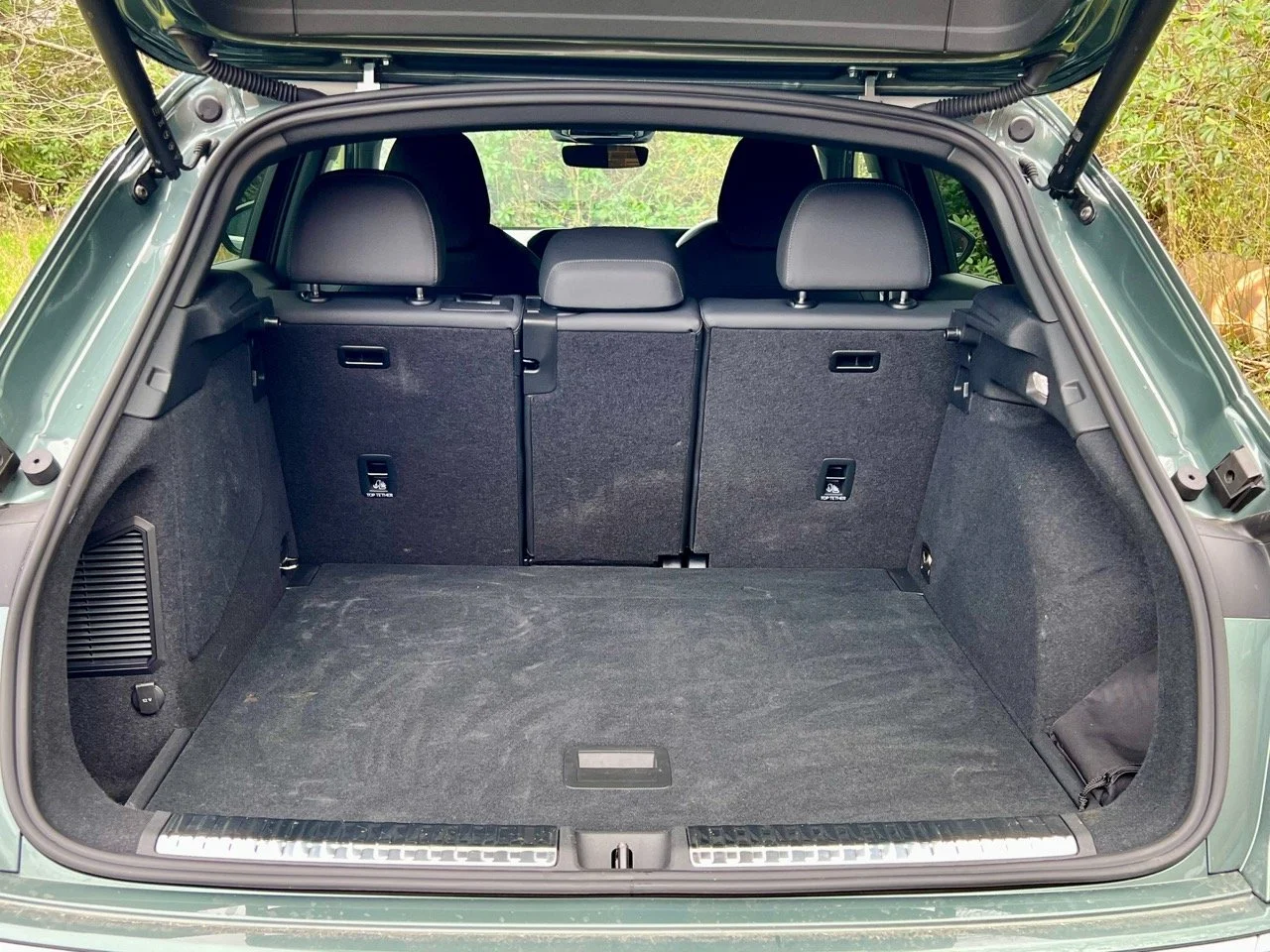
The boot is where things get interesting because of the hybrid battery, capacity sits at around 375 litres with the seats up, expanding to roughly 1,200+ litres with them folded., that’s slightly less than a pure petrol Q3, but still plenty usable.
More importantly for our kind of lifestyle, the boot opening is wide and fairly low, making it easy to load up bulky gear. A muddy dog can jump in without needing a forklift, and there’s enough room for camping kit, walking boots, and the inevitable collection of “useful bits” that accumulate on outdoor trips.
Living with the Q3 e-hybrid reveals a lot to like. The electric range is genuinely useful, meaning many daily journeys can be completed without using a drop of petrol. For commuting, school runs or popping to the shops, it behaves almost like a small EV.
Performance is strong for a family SUV, and the overall driving experience is refined and comfortable. Build quality is excellent, and it still feels properly premium despite being Audi’s smallest SUV, but there are a few compromises.
The boot is slightly smaller than the non-hybrid version, which might matter if you’re regularly hauling loads of gear. Front-wheel drive also limits its appeal if you’re expecting genuine off-road capability.
And then there’s the technology.
Tech and Pet Peeves
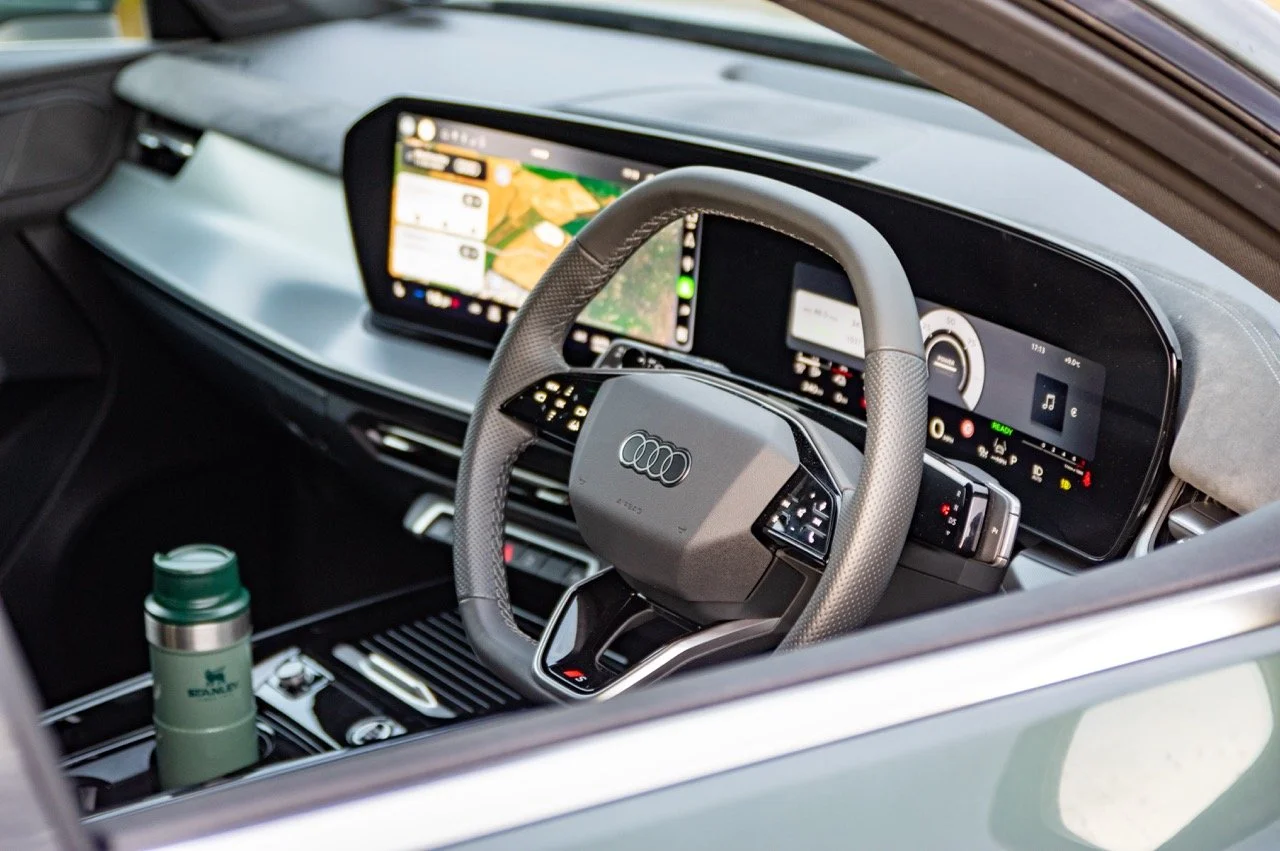
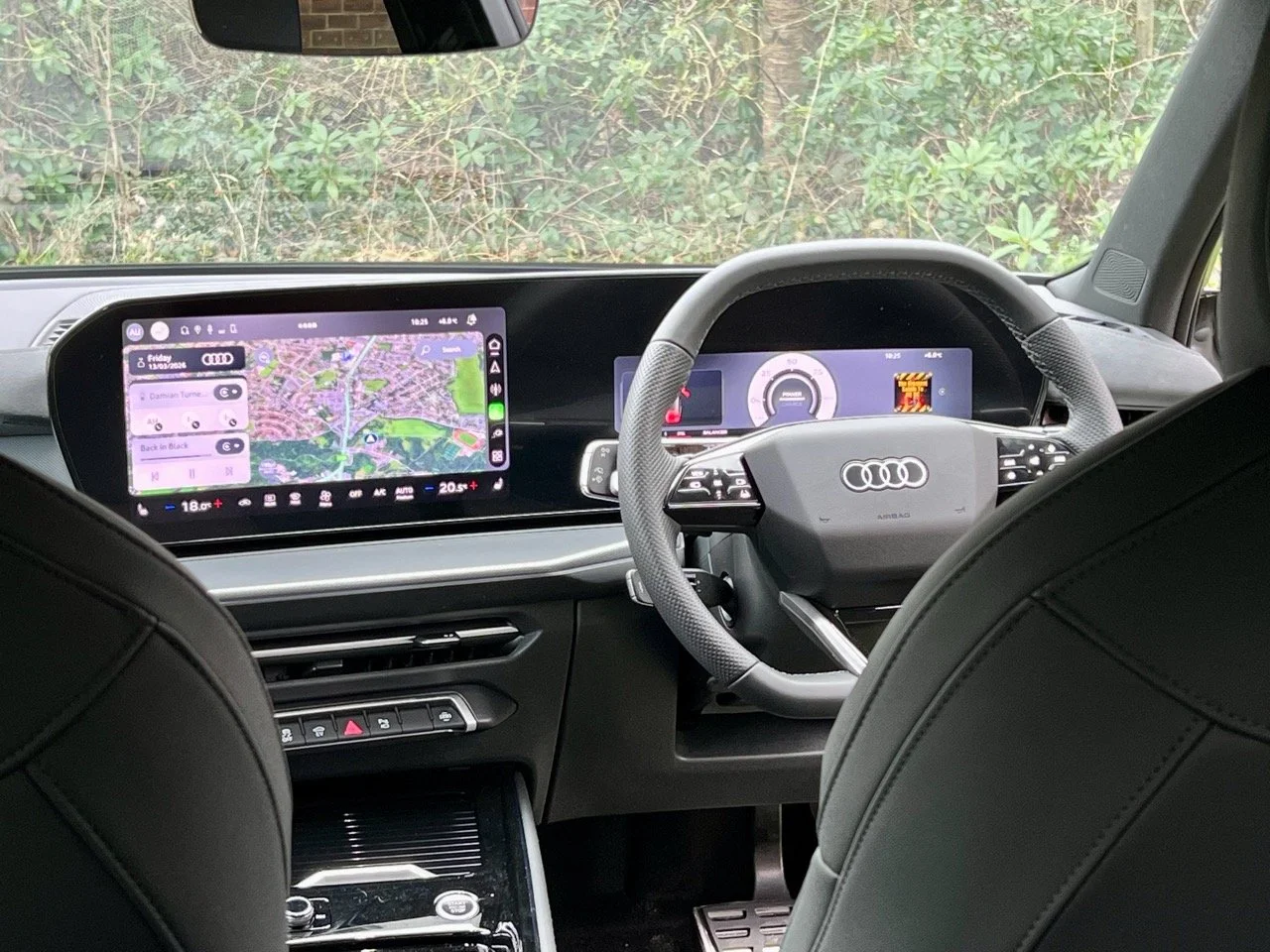
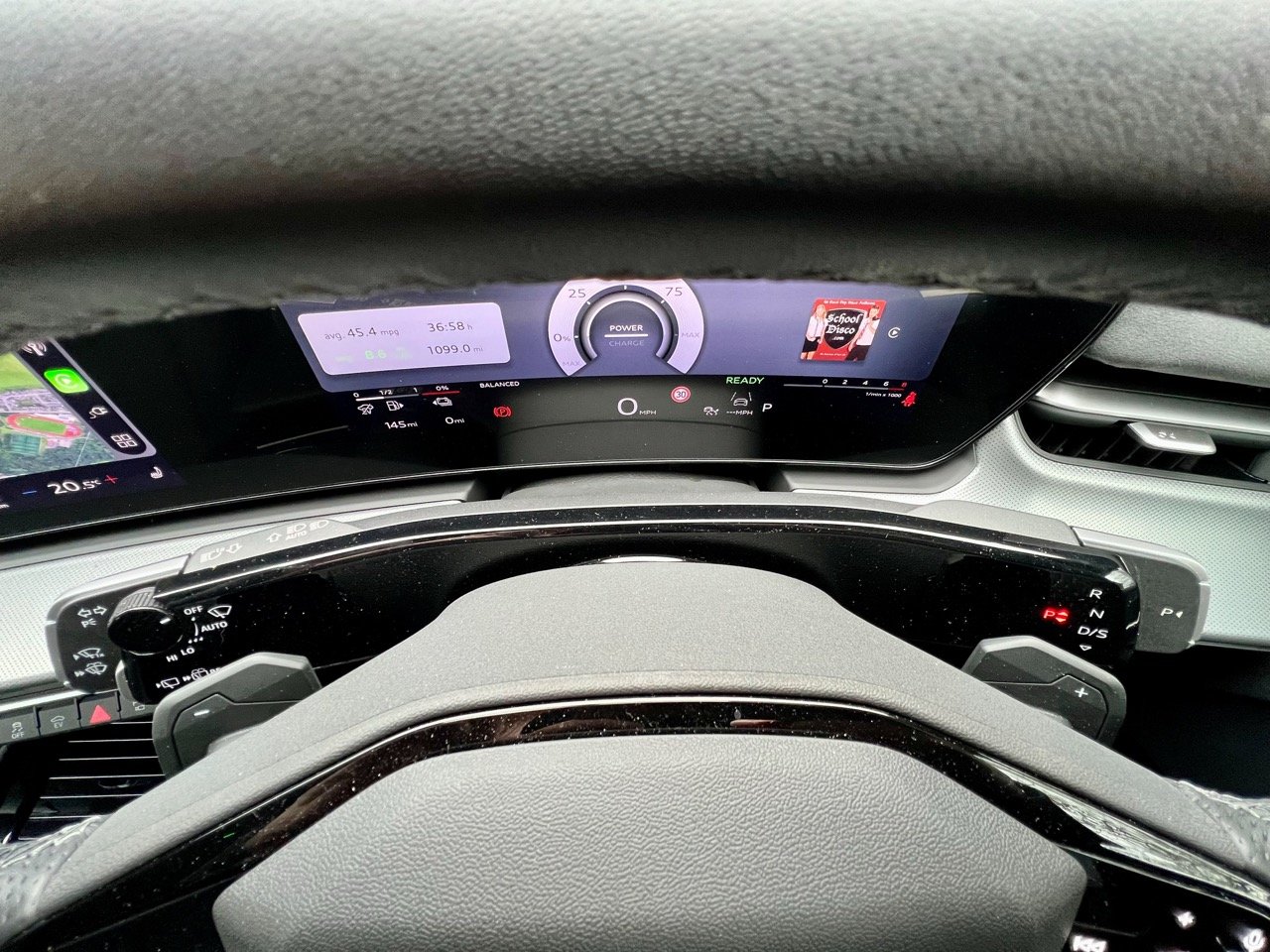
Manufacturers seem convinced that the more screens they add, the happier we’ll all be., and the Q3 follows that trend with a large central touchscreen (around 13”) and a fully digital driver display.
The system itself is slick and quick to respond, and wireless phone connectivity works well. However, and this is where my grumbling begins, too many basic functions live inside the screen.
Climate controls are partly touchscreen-based, which means adjusting the temperature often requires a quick glance away from the road. It’s not disastrous, but proper physical dials would still be far easier to use while driving.
Audi used to be brilliant at ergonomics. Now it sometimes feels like designers are trying to impress tech journalists rather than people wearing gloves in winter.
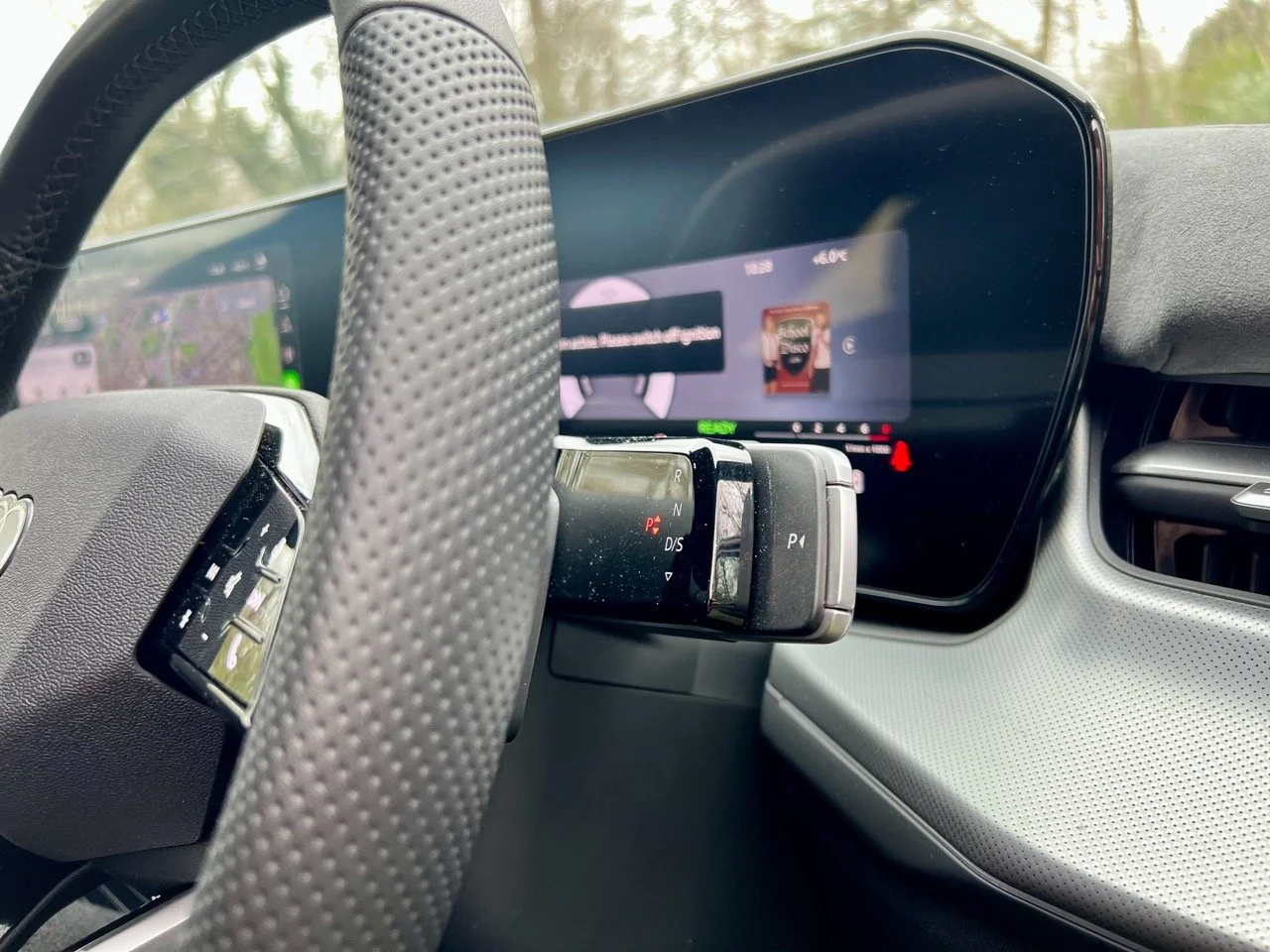
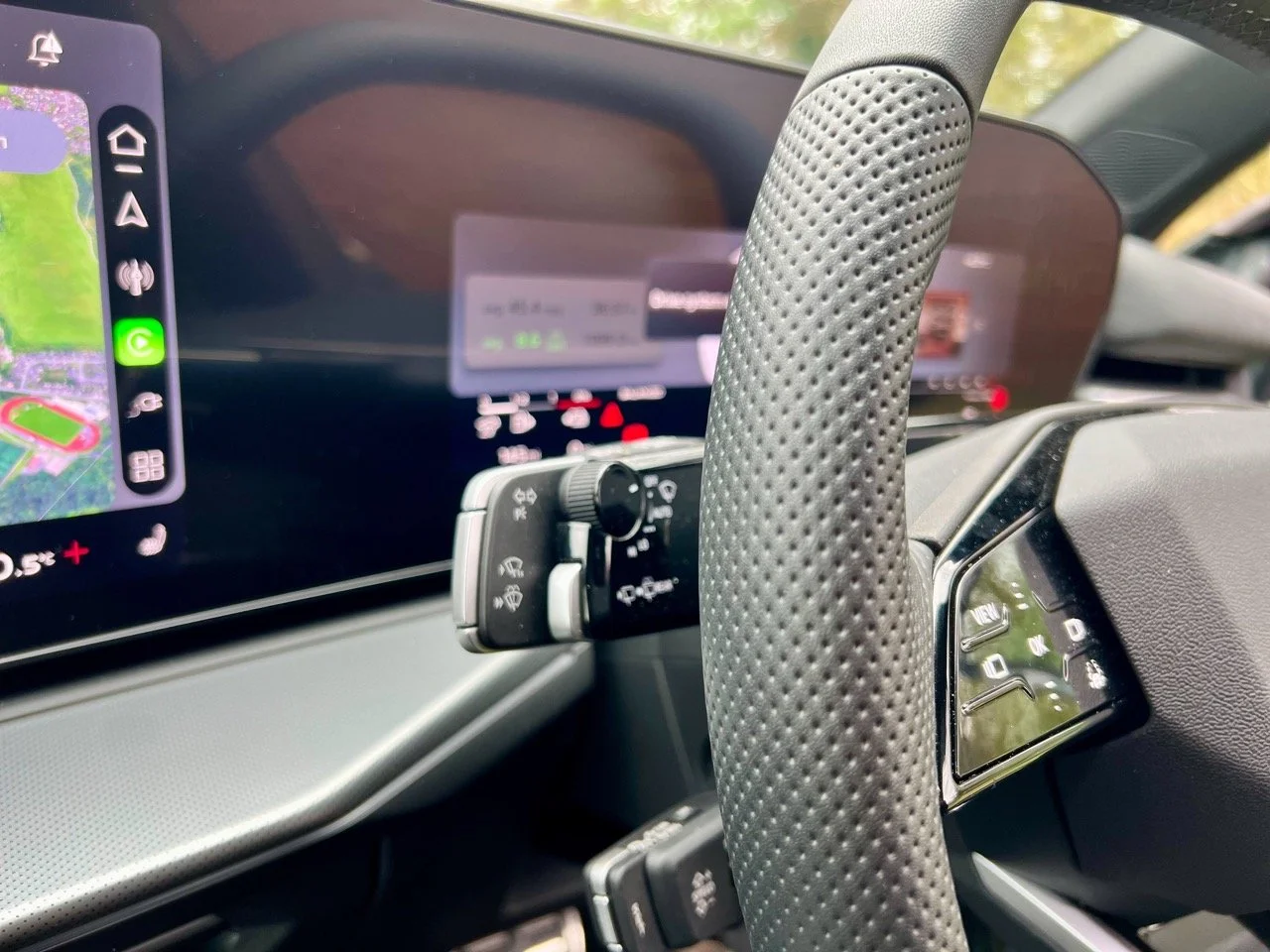
Then there’s what Audi officially calls the “steering wheel control unit”. It’s essentially a new combined switch module mounted behind the steering wheel that integrates: indicators, wipers, lights/high beam, gear selection and parking brake, all instead of using separate traditional stalks. Personally I’m not keen and I feel they’re reinventing a thing nobody asked to reinvent. That said, it’s not the end of the world, but it’s exactly the sort of unnecessary faff that drivers notice.
Verdict – A Clever, Comfortable Everyday SUV
The 2026 Audi Q3 S line e-hybrid is a clever bit of kit.
It blends the refinement and quality Audi buyers expect with the efficiency of a modern plug-in hybrid. For anyone with a short daily commute and access to home charging, it makes a lot of sense.
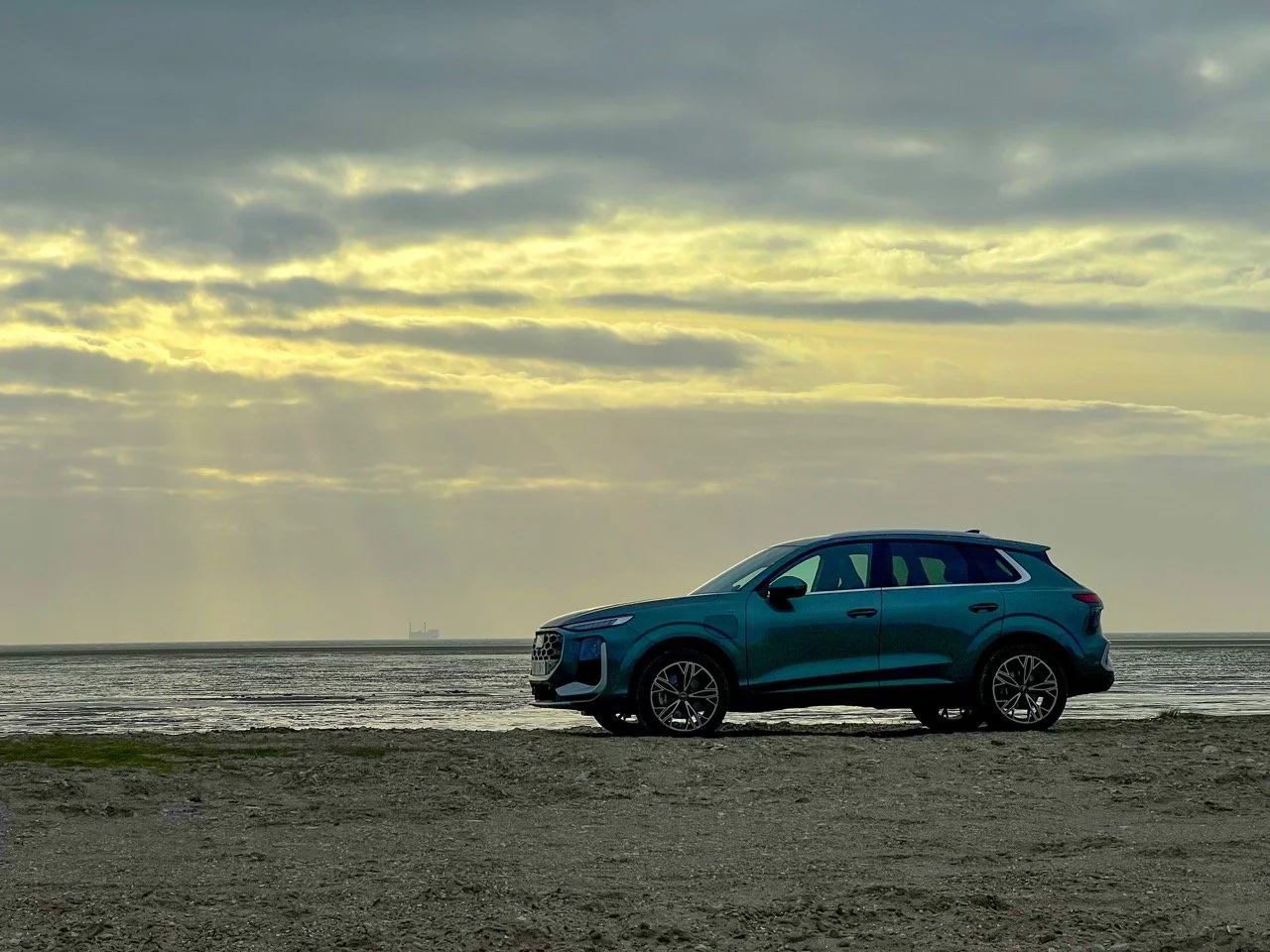
It’s comfortable, quick enough, practical and easy to live with. It’ll happily carry family, dogs and camping gear while still looking smart enough for the office car park or a day at the beach.
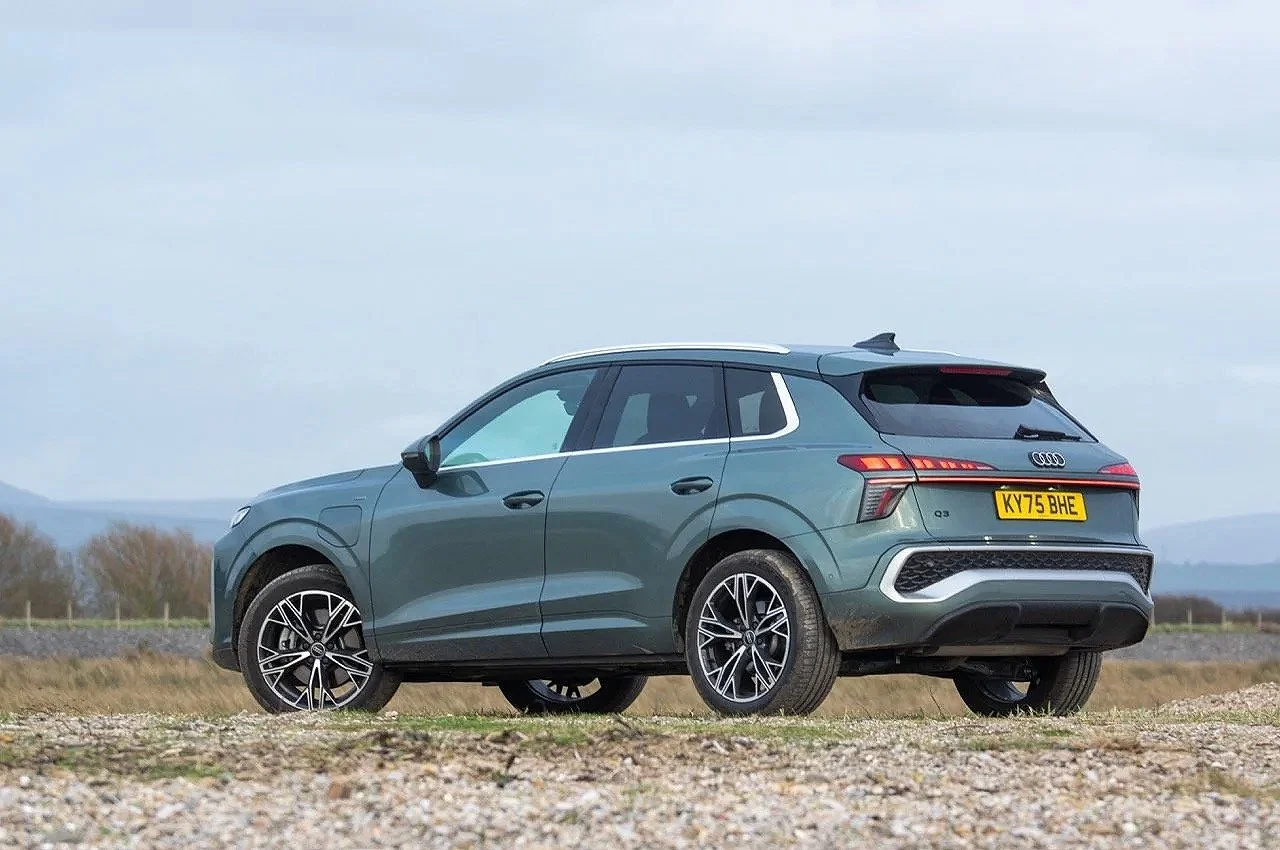
Think of it as a posh everyday SUV with a green conscience, capable of silent electric commuting during the week and relaxed motorway cruising at the weekend.
Sure, we’d prefer proper heater knobs instead of touchscreen menus, and the lane assist could do with calming down a bit. But those are minor irritations in what is otherwise a polished and thoroughly likeable package.
In short, the new Q3 e-hybrid is proof that sensible doesn’t have to be boring. And if it can carry a muddy dog, a pile of camping gear, and still sneak quietly past the neighbours on electric power early on a Sunday morning, well, that’s probably a win.
Now if only Audi would give us our heater dials back.
Website: Audi UK
Price: £55,000 (as tested)