
Review: 2026 Lexus LBX
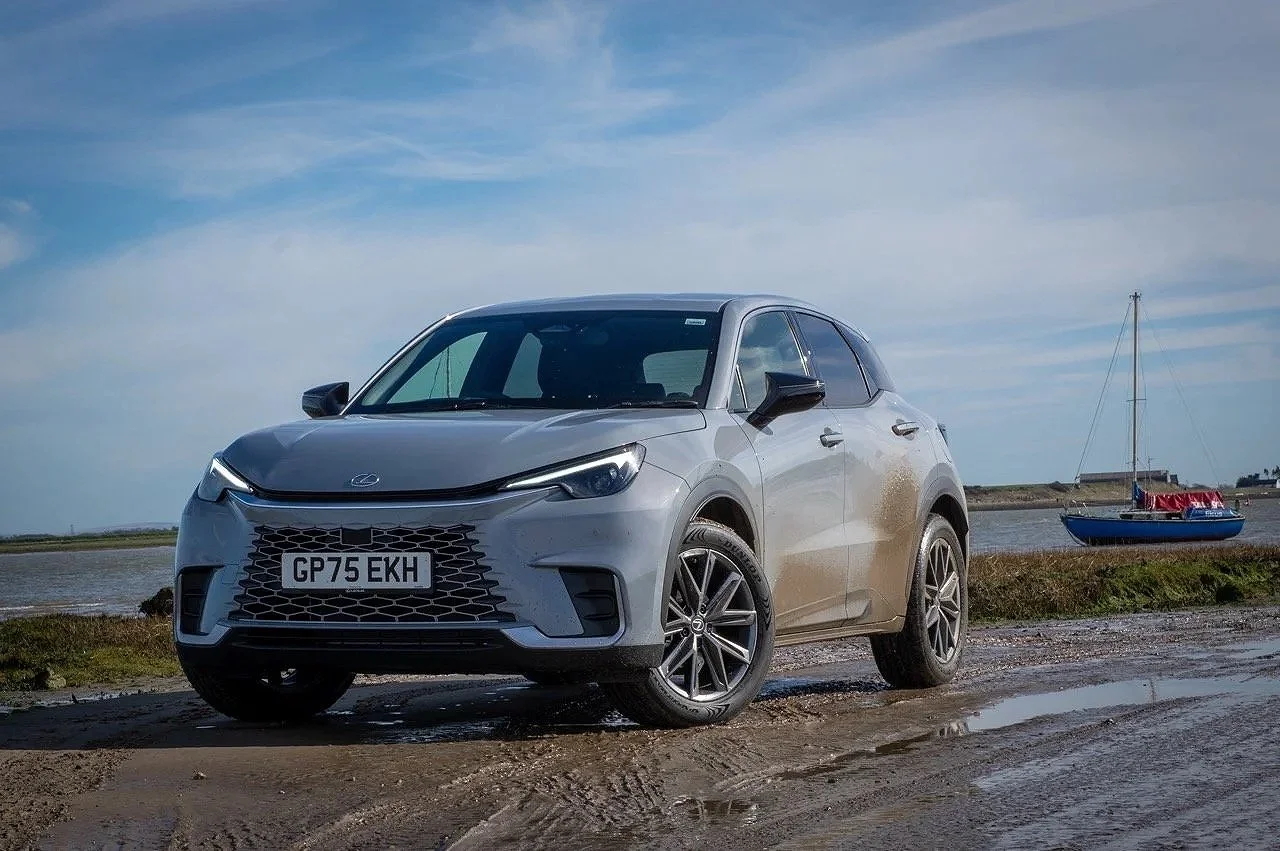
Well, hasn’t this baby Lexus got some serious attitude!?
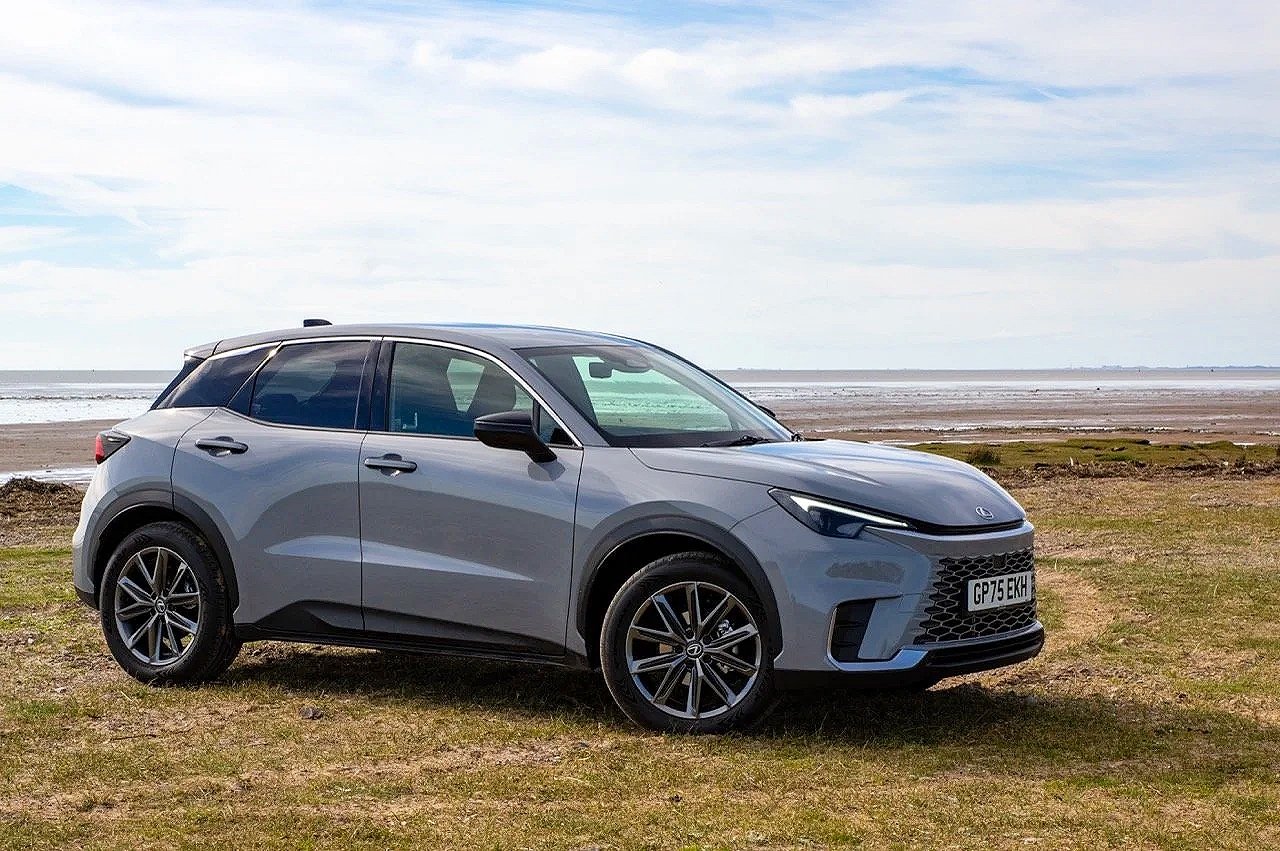
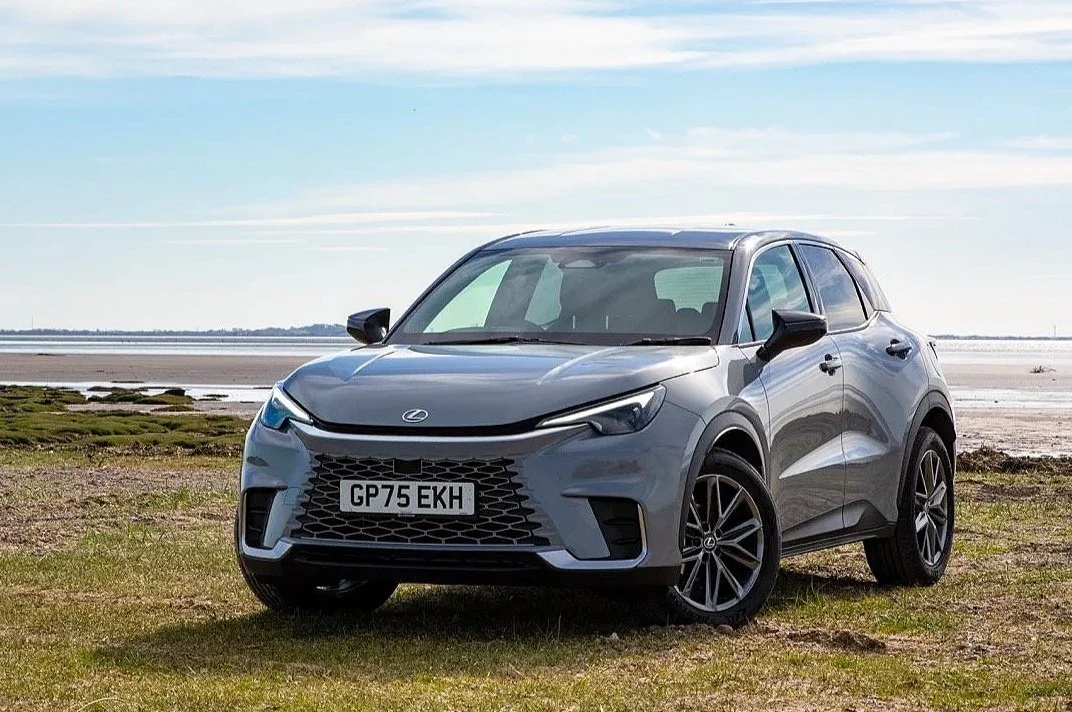
The first thing to say about the all-new Lexus LBX is that it feels like Lexus has finally looked at the UK market, looked at the size of our car parks, and thought: “Right, let’s stop making everything the size of a small bungalow.”
Because the LBX is small. Properly small by modern standards. But – and this is the key bit – it’s not trying to feel like a small Lexus. It’s trying to feel like a proper Lexus that’s just had a shrink ray incident on the way to the showroom.
Sitting beneath the UX in the brand’s SUV line-up, the LBX is effectively Lexus’ entry point into luxury ownership. Think of it as the gateway drug to the world of spindle grilles, hybrid smoothness and suspiciously calming interiors. Under the skin it shares its foundations with Toyota’s Yaris Cross, but Lexus has done what Lexus does best: taken something sensible and sprinkled enough refinement over it to make it feel like it’s wearing a tailored suit rather than a high-street tracksuit.
It’s aimed at people who want premium badge appeal without needing a three-point turn to get into Tesco’s multi-storey. On paper, it’s a small hybrid crossover. In reality, Lexus is pitching it as something far more grown-up than its footprint suggests.
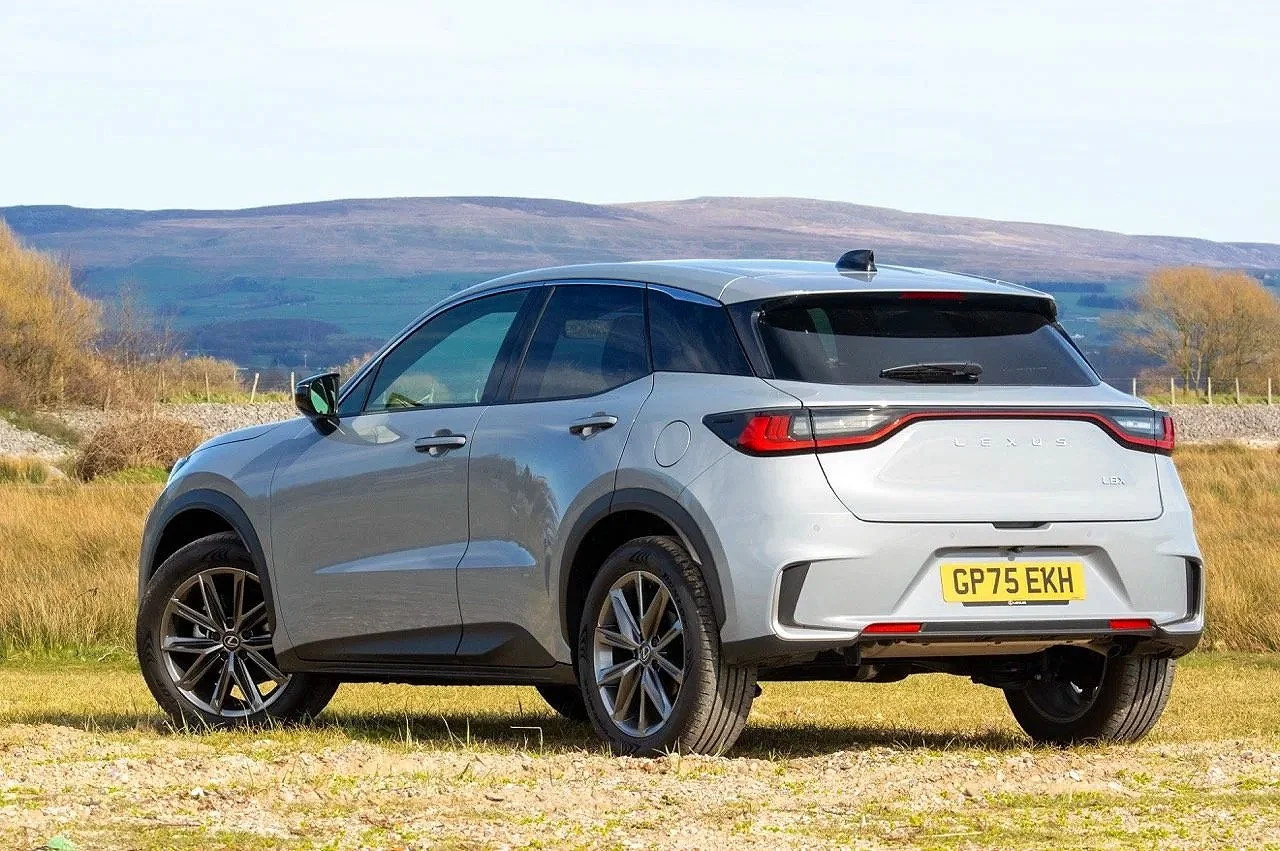
On the road: small SUV, big calm energy
Driving the LBX on UK roads is a bit like discovering your favourite armchair has wheels. It’s not fast in any meaningful sense that would get you excited at a set of traffic lights, but that’s not really its job. This is a self-charging hybrid system built around a 1.5-litre three-cylinder petrol engine working in harmony with electric assistance, and the emphasis here is firmly on smoothness rather than drama.
Pull away and it defaults to electric assistance where possible, slipping through town traffic with a kind of hush that feels slightly at odds with how modest the engine sounds on paper. Around town, it’s exactly where the LBX feels most at home. Light steering, compact dimensions and excellent visibility make it an easy companion for tight streets, awkward parking bays and the general chaos of British urban driving.
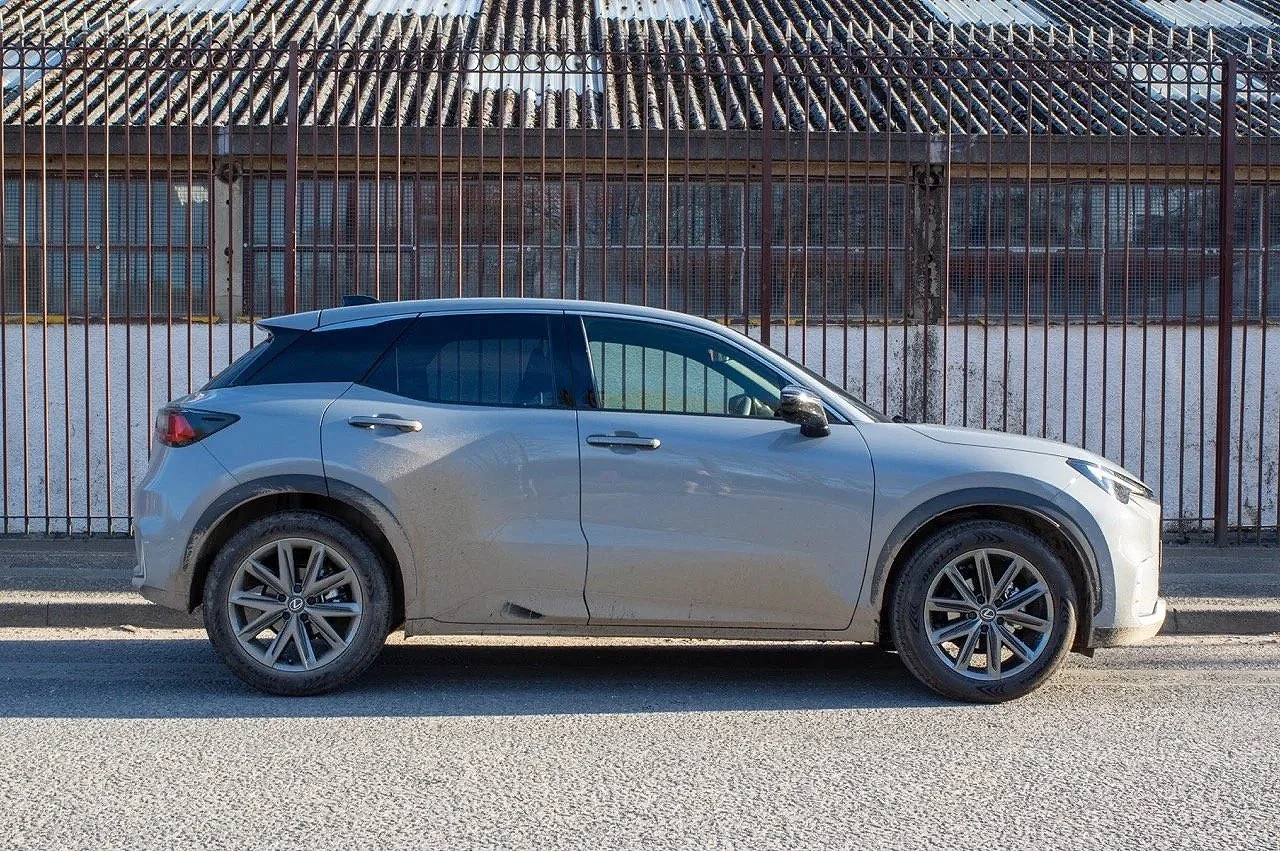
Ride quality is where Lexus has clearly spent its time. For a small SUV on relatively modest underpinnings, it deals with broken tarmac and pothole-riddled roads surprisingly well. It’s not magic carpet smooth – this isn’t a £90k LS saloon – but there’s a maturity to the way it takes a knock that makes you relax rather than wince.
At higher speeds on motorways, it settles into a composed cruise. There’s some wind noise around the mirrors if you’re being picky, and the engine will occasionally remind you it’s only a three-cylinder when you ask for a bit of acceleration. But overall refinement is strong. It feels more premium than its size or engine would suggest, which is very much the Lexus way of doing things.
Handling-wise, it’s tidy rather than playful. There’s enough grip and body control to deal with a quick roundabout without feeling like you’re about to spill your tea, but nobody is going to confuse this with anything remotely sporty. That said, it can, and did, put a smile on my face when I pushed it.
Fuel economy is another strong point. In real-world mixed driving, the hybrid system does a good job of keeping fuel use sensible, especially in stop-start traffic where it leans heavily on electric assistance. It’s the kind of car that quietly makes you spend less time at petrol stations without turning driving into an exercise in hypermiling misery.
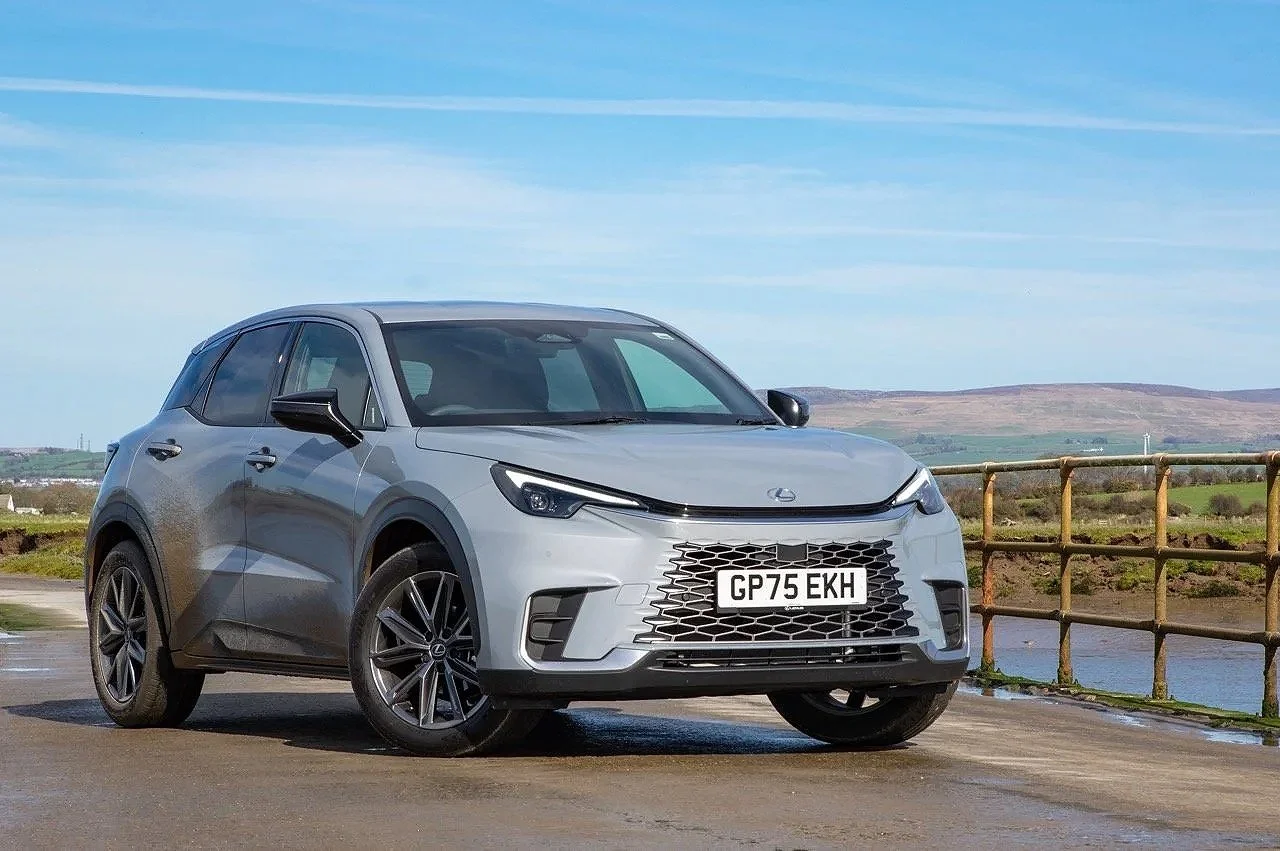
Off-road ability: don’t get carried away
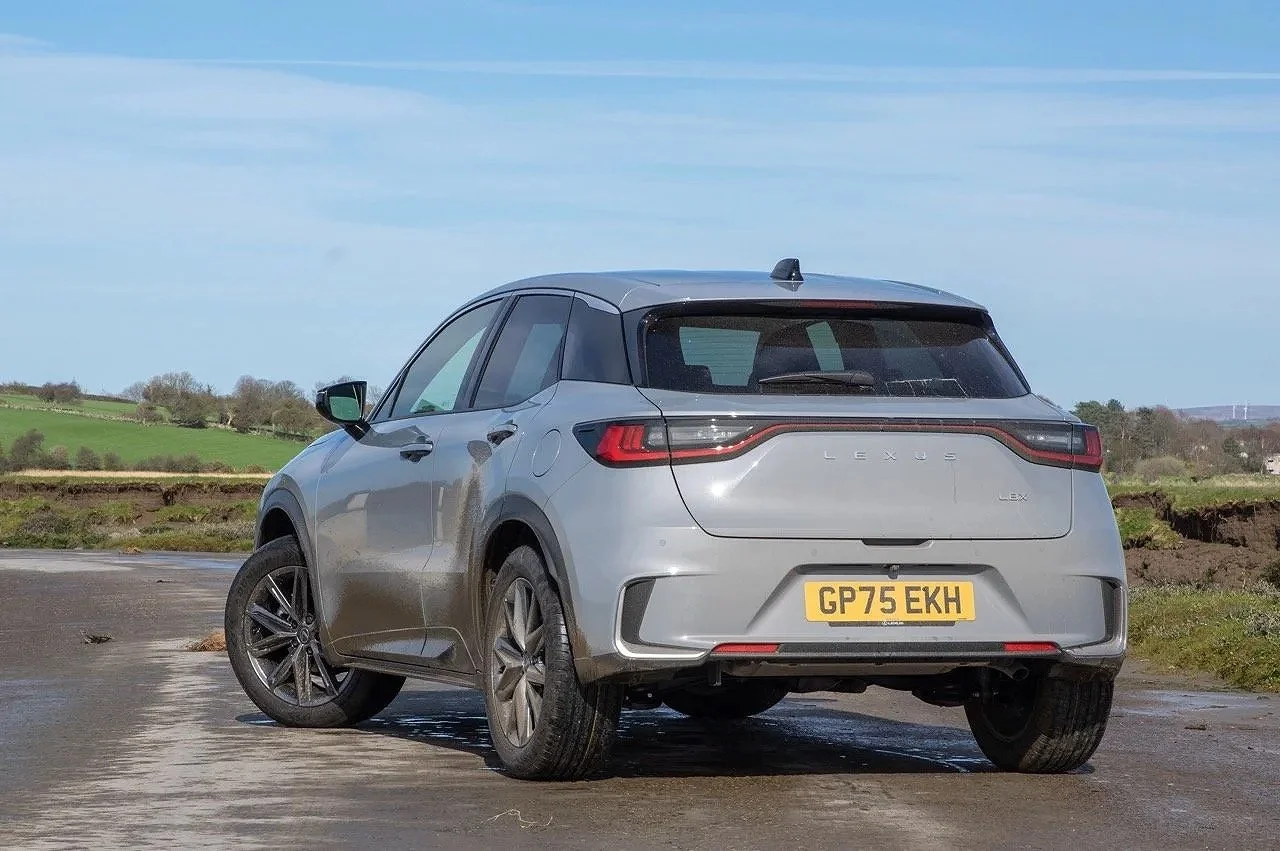
Let’s be blunt here. If your idea of off-roading involves anything more serious than a slightly muddy field at a country pub, the LBX is probably not your starting point.
It can be specified with all-wheel drive (via Lexus’ E-Four system), which adds an electric motor to the rear axle to assist with traction when needed. That helps in slippery conditions – wet grass, snowy roads, the usual British surprise weather – but it’s still very much an on-road focused setup.
Ground clearance is modest, and there’s no pretending this is designed for anything resembling proper trails. It’ll cope with gravel driveways, farm tracks and soggy festival car parks, but you wouldn’t be taking it green-laning unless you enjoy expensive lessons in underbody repair.
Think of it less as a 4x4 and more as a very competent “bad weather reassurance package”.
Interior: small footprint, big effort
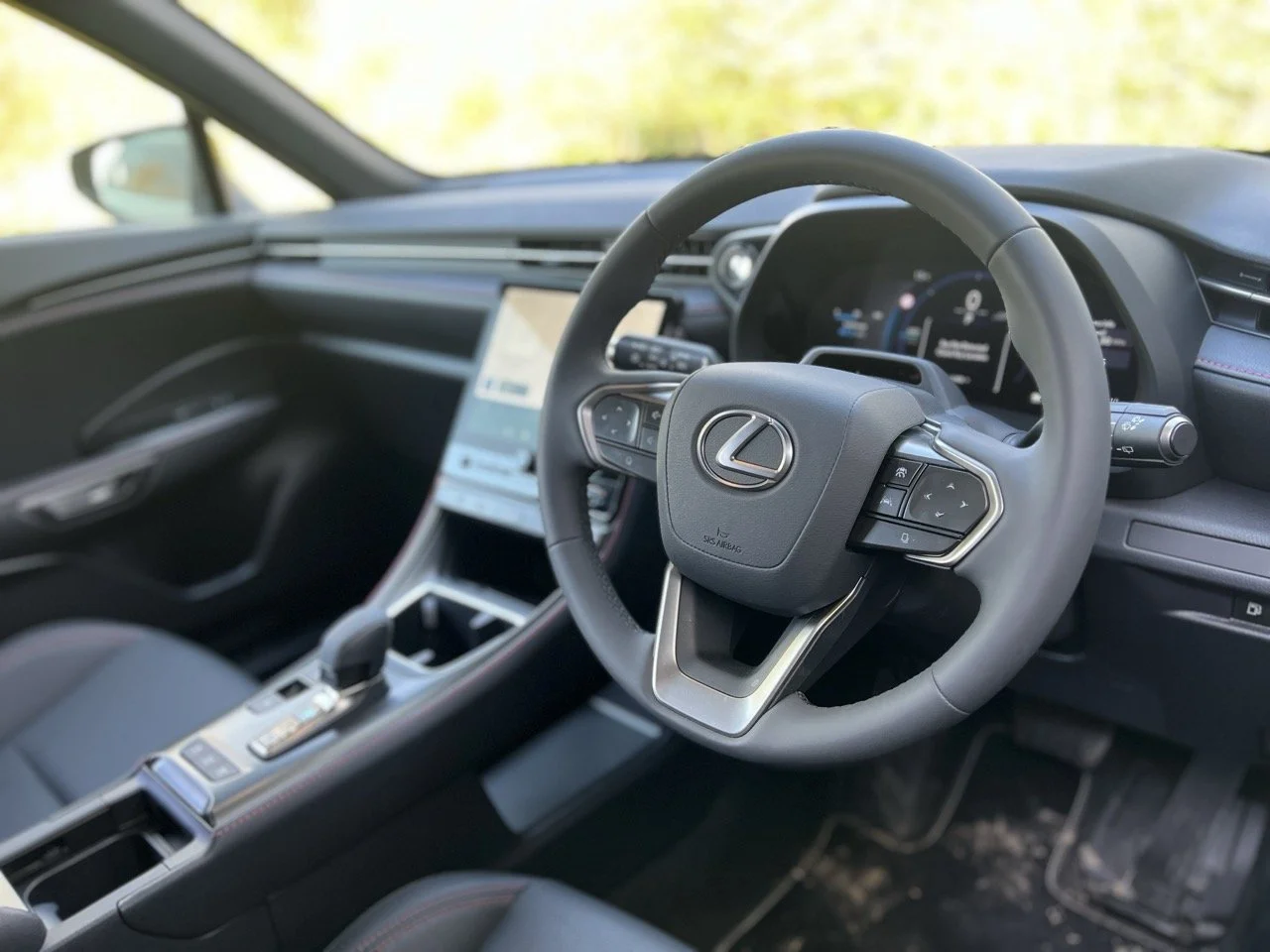
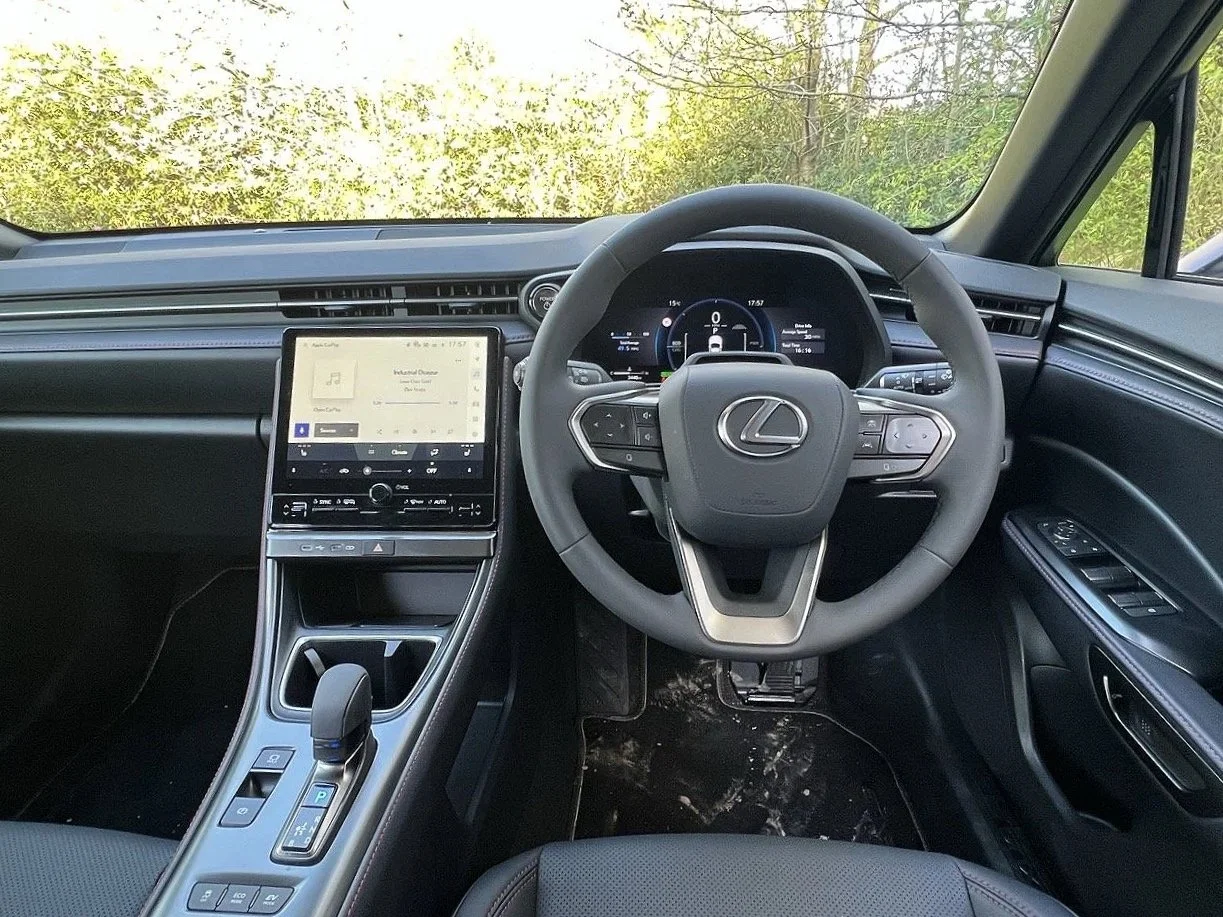
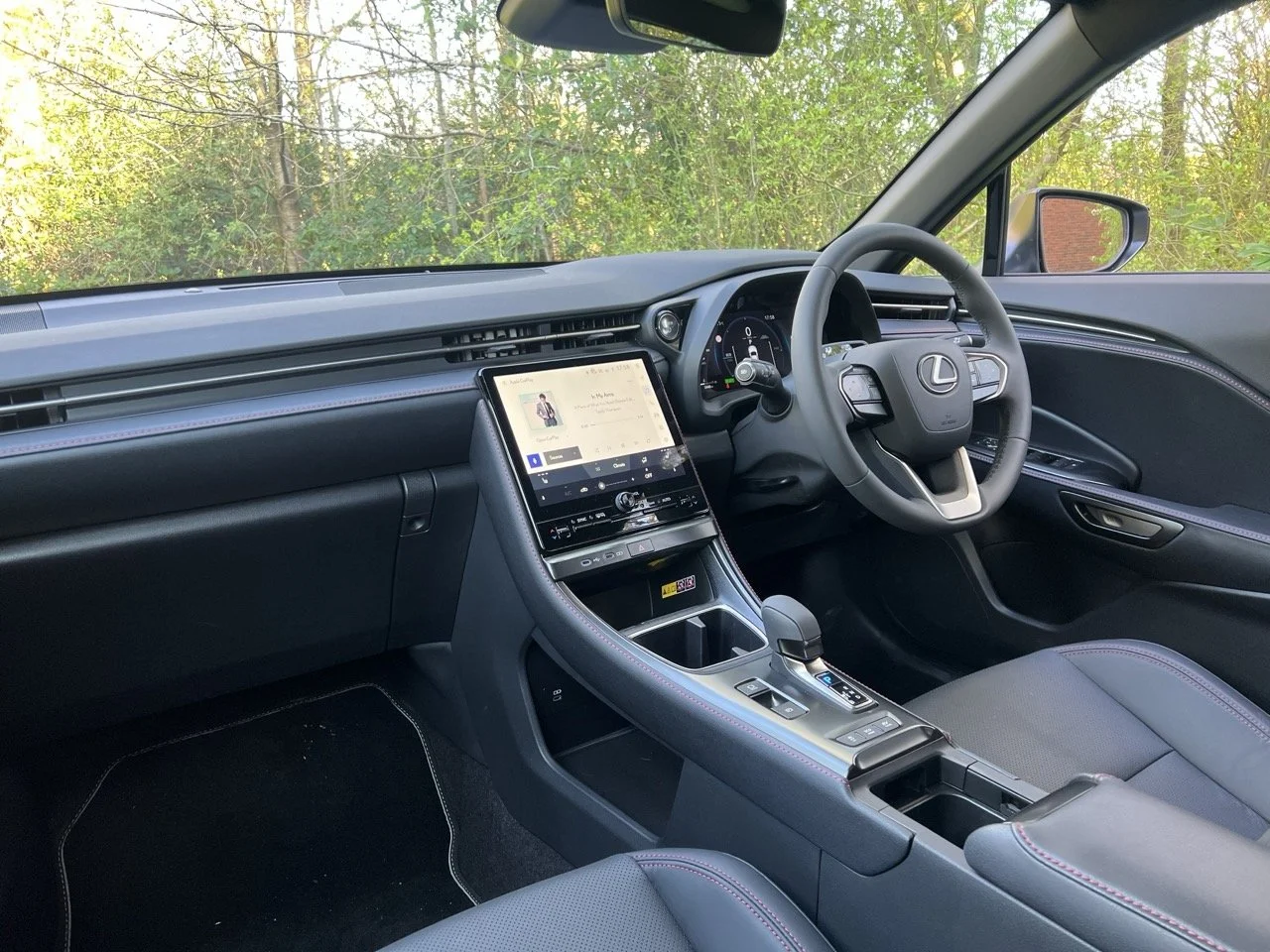
Inside, the LBX is where Lexus has made its biggest push to justify the badge. Step inside and it immediately feels more premium than most rivals in this class. The materials are generally excellent, with soft-touch surfaces where it matters and a sense that someone has actually considered what your elbows and knees are doing.
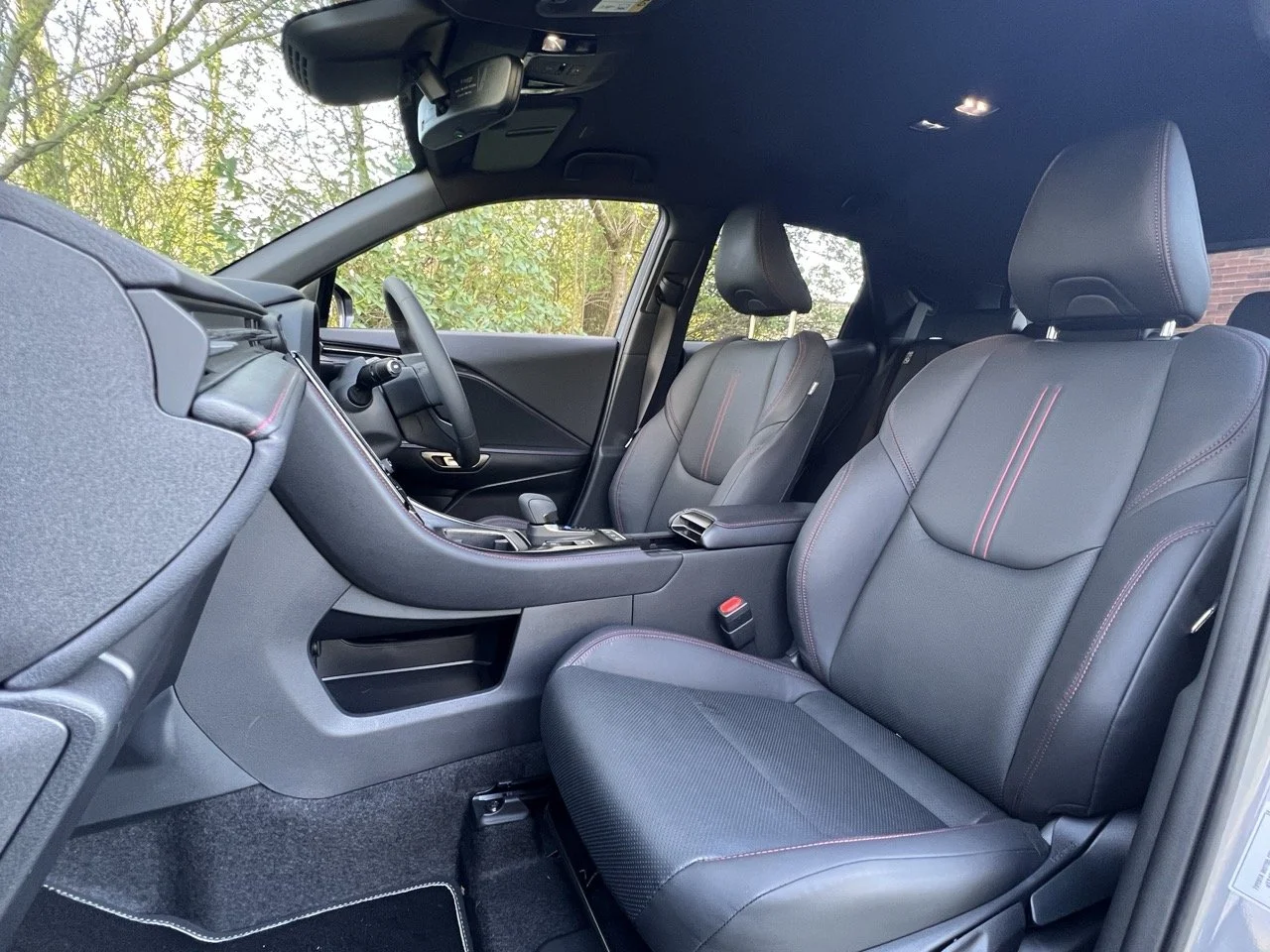
The driving position is good, with a slightly elevated SUV stance but not so high that you feel like you’re piloting a forklift. Seats are supportive for longer journeys, and there’s a sense of calm simplicity to the layout that works in its favour.
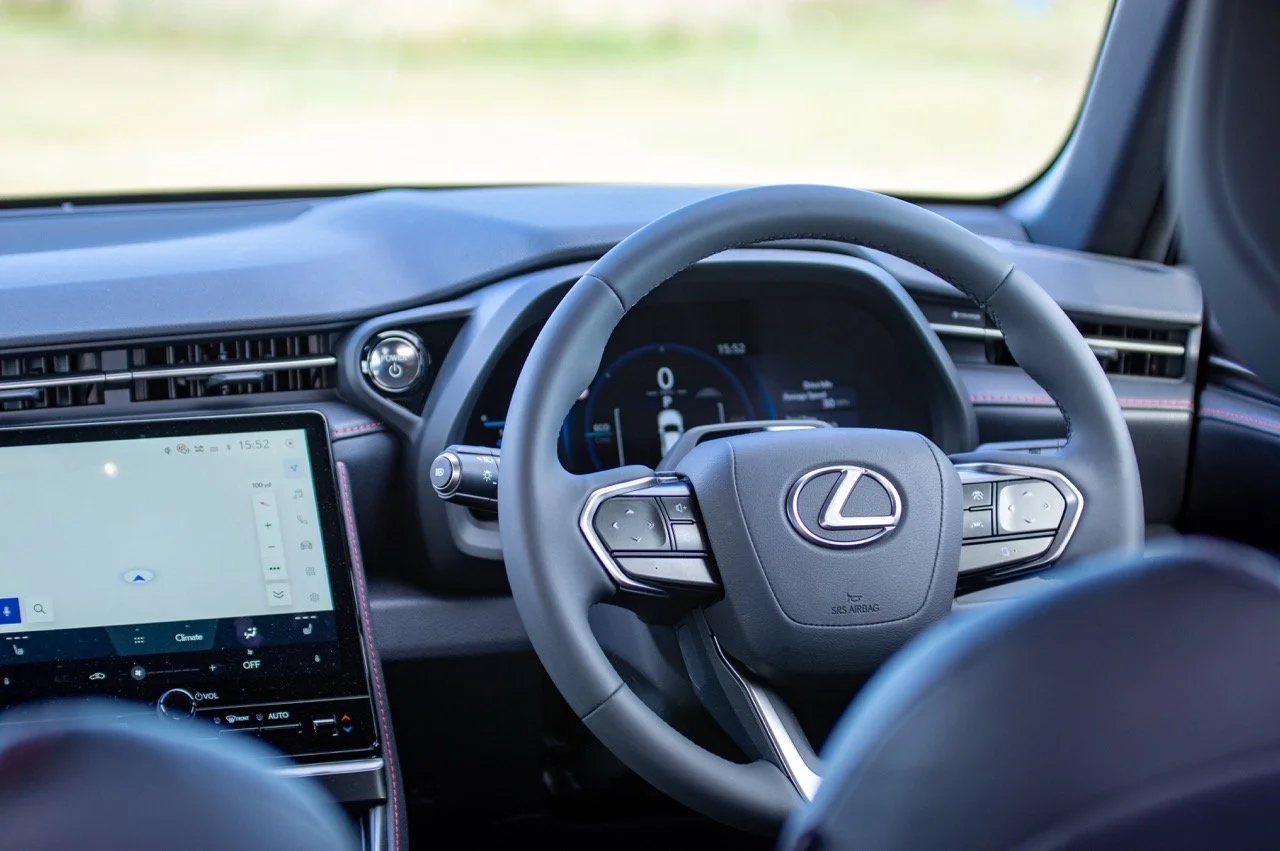
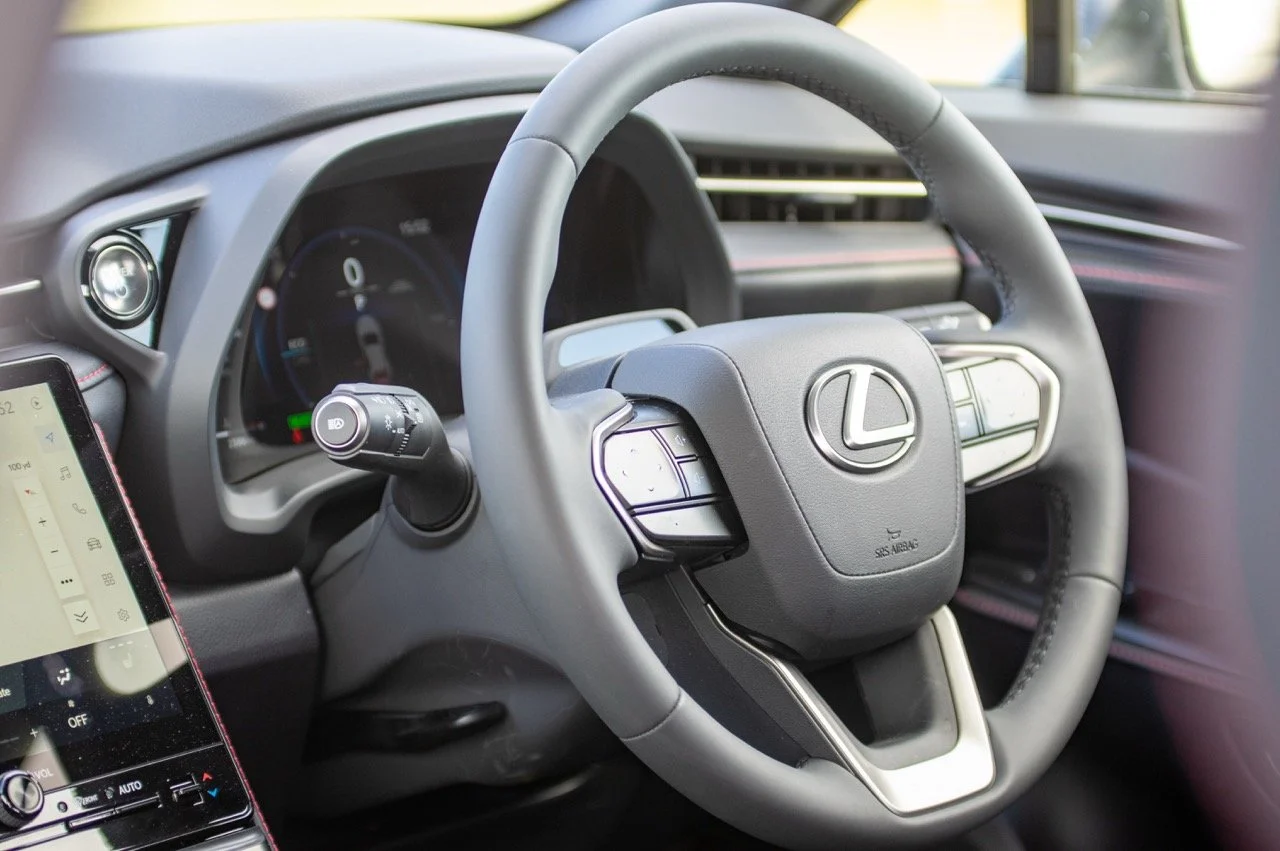
Infotainment is handled via a central touchscreen system that, while not class-leading in flair, is logical enough to use without needing a manual the size of a motorway atlas. Apple CarPlay and Android Auto are present and accounted for, and once connected, most people will probably stay in those systems anyway.
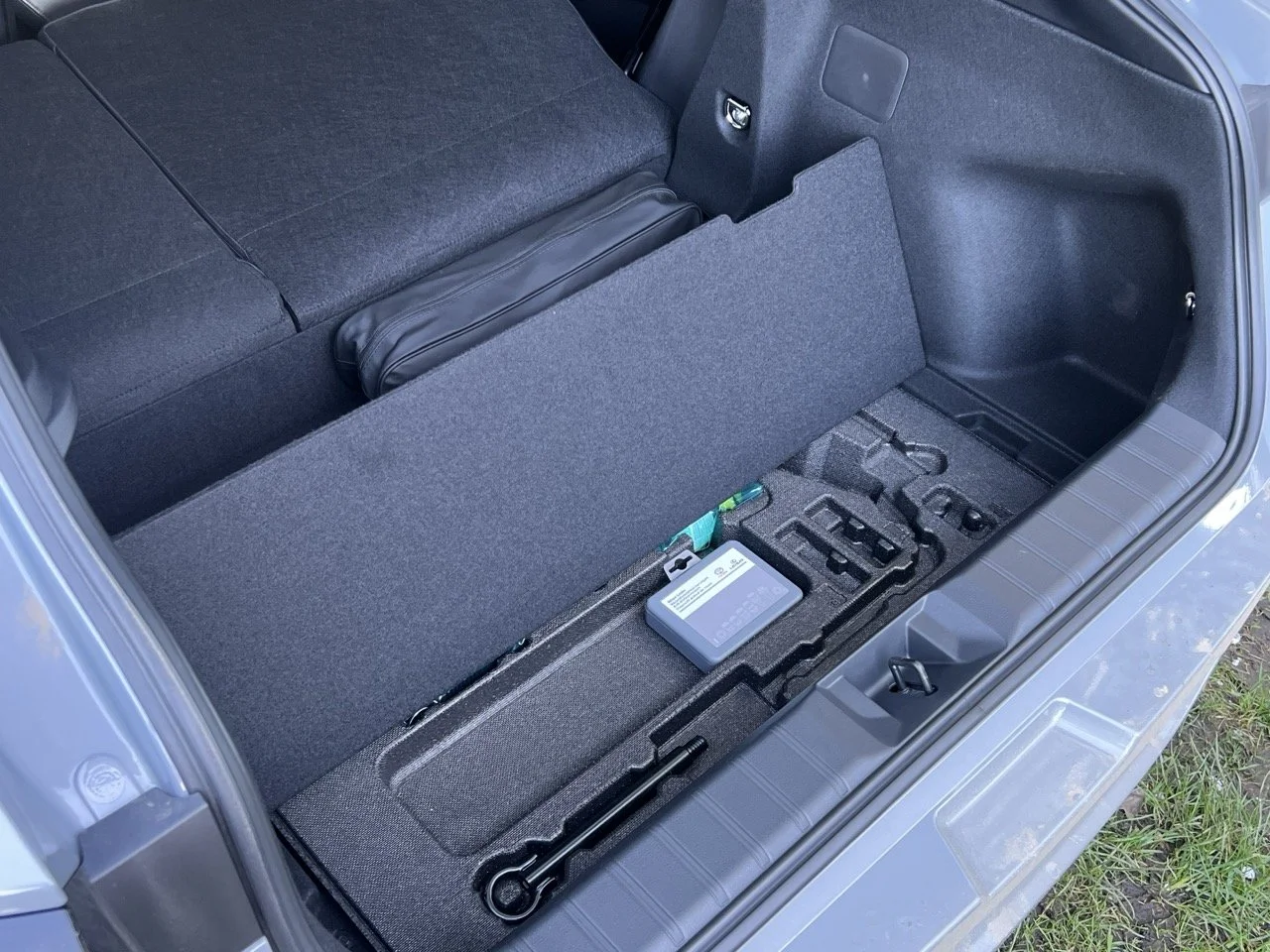
Storage is decent rather than generous. You get the usual cupholders, door bins and a central cubby, but this is still a compact SUV, so don’t expect cavernous family-hauler levels of space.
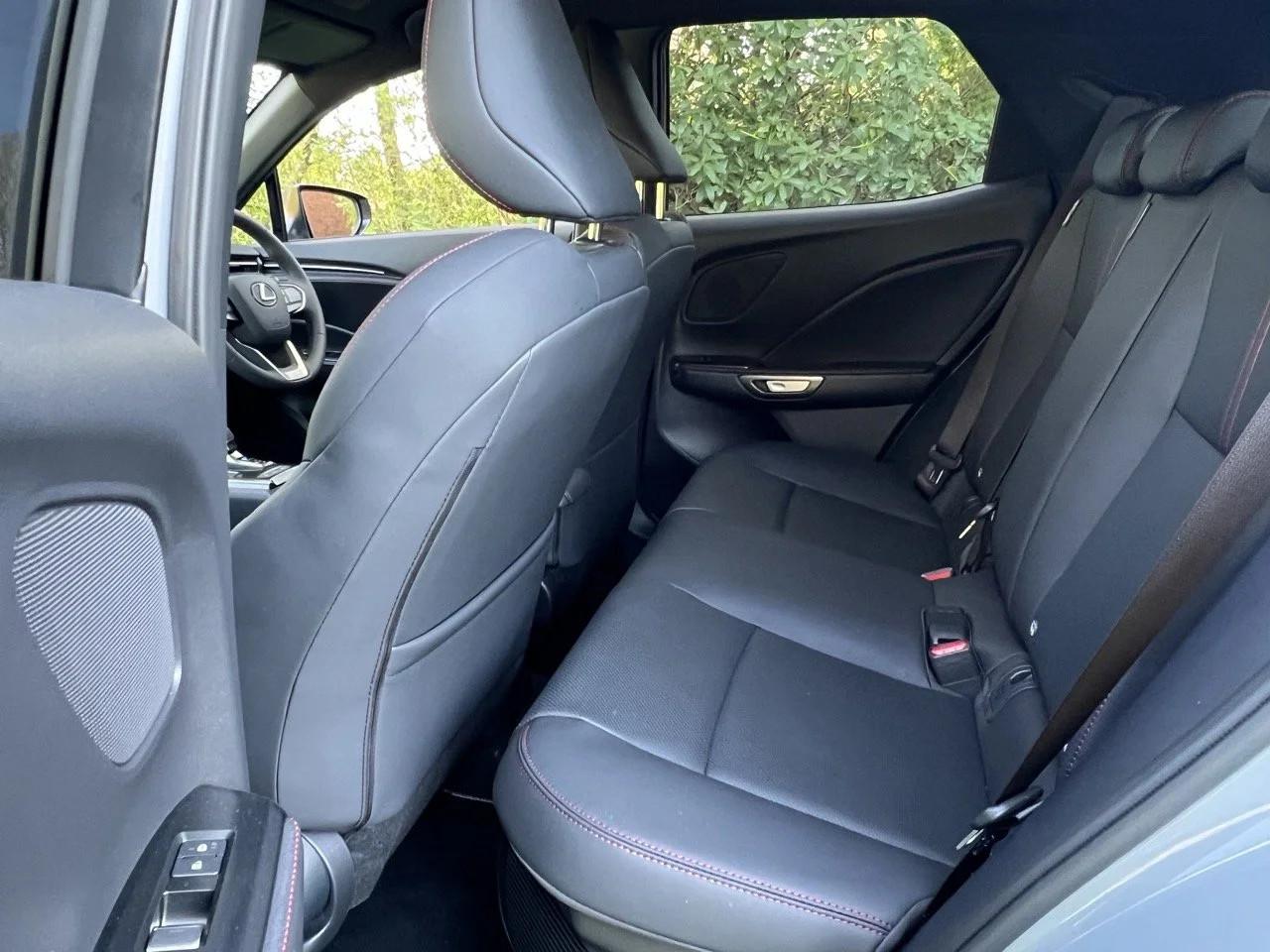
Rear passenger room is adequate for adults on shorter journeys, but taller passengers will find knee room and headroom a bit on the tight side. This is very much a “two adults and occasional back-seat passengers” kind of car rather than a full-time family bus
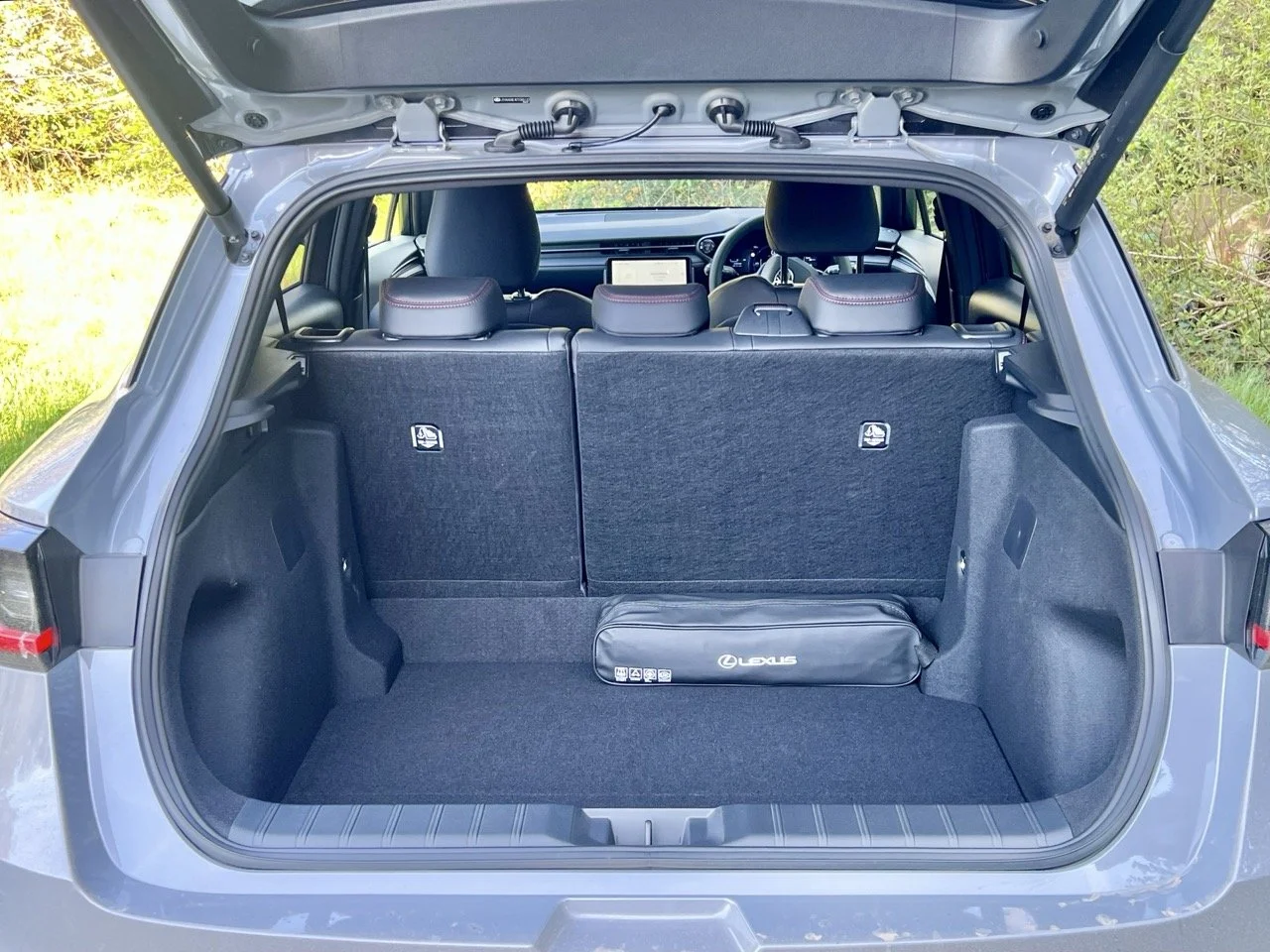
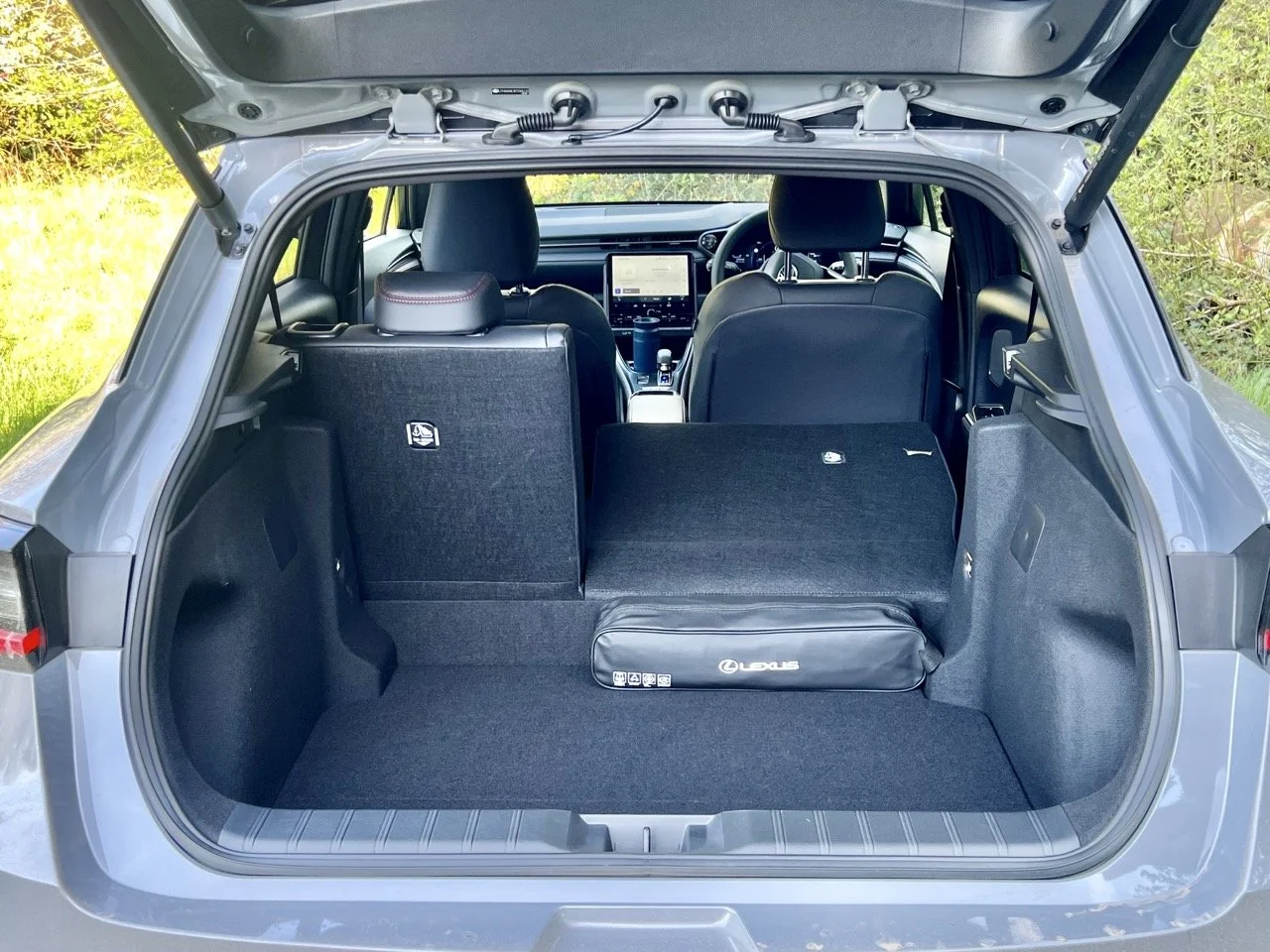
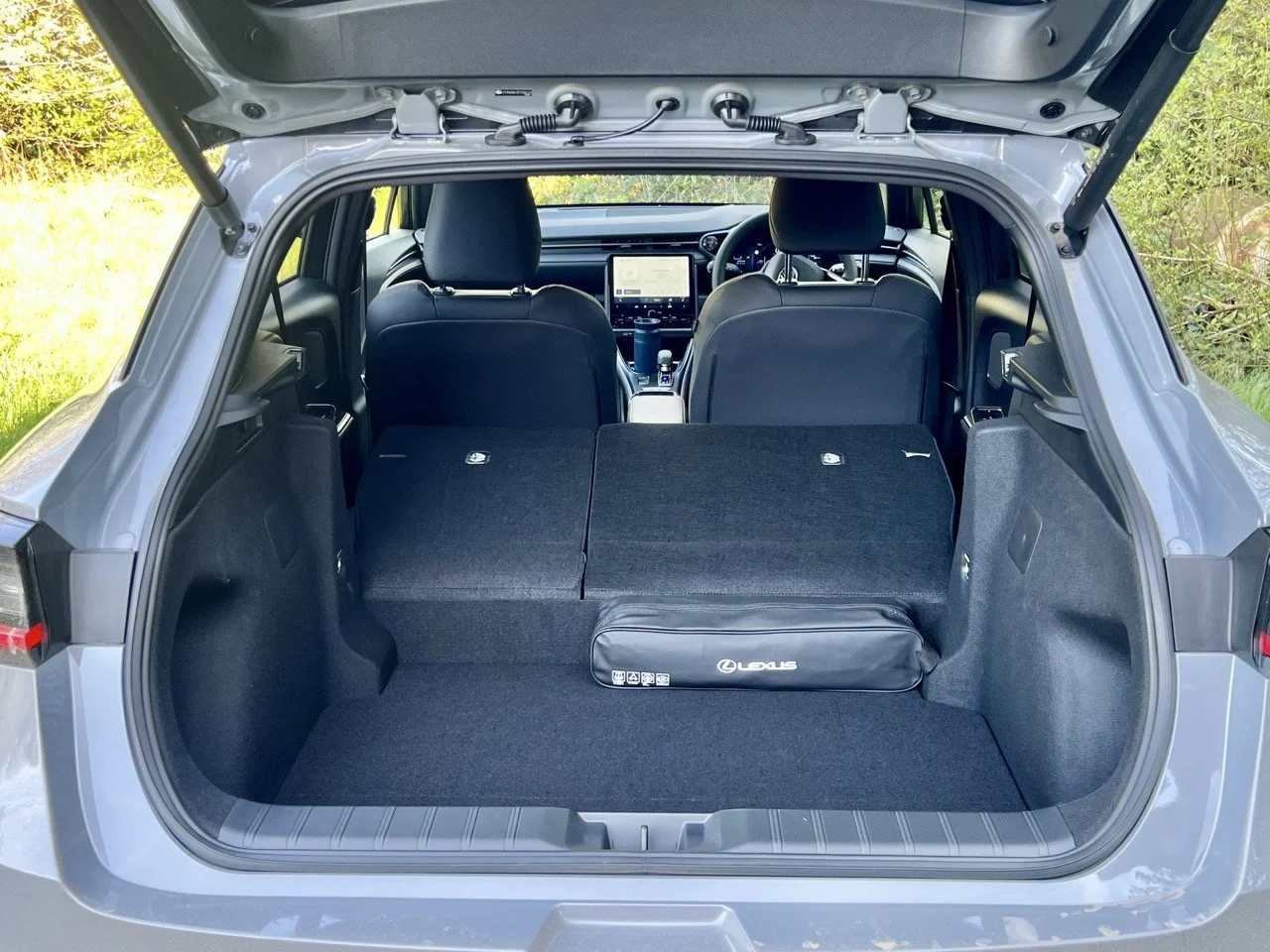
Boot space is one of the more noticeable compromises. It’s usable for weekly shopping, a couple of small suitcases or a modest camping load, but it’s not what you’d call expansive. If you’re used to stuffing a Labrador, a tent, two camping chairs and half of Decathlon into the back of your car, you’ll be doing a bit of Tetris.
Muddy dogs, camping gear and general chaos
This is where reality needs to be applied gently.
The LBX will cope with a muddy dog, but it won’t thank you for it. The boot lip is relatively high, and while the opening is wide enough, the overall space isn’t deep enough for larger breeds to sprawl out comfortably. A boot liner would be less of an accessory and more of a survival requirement.
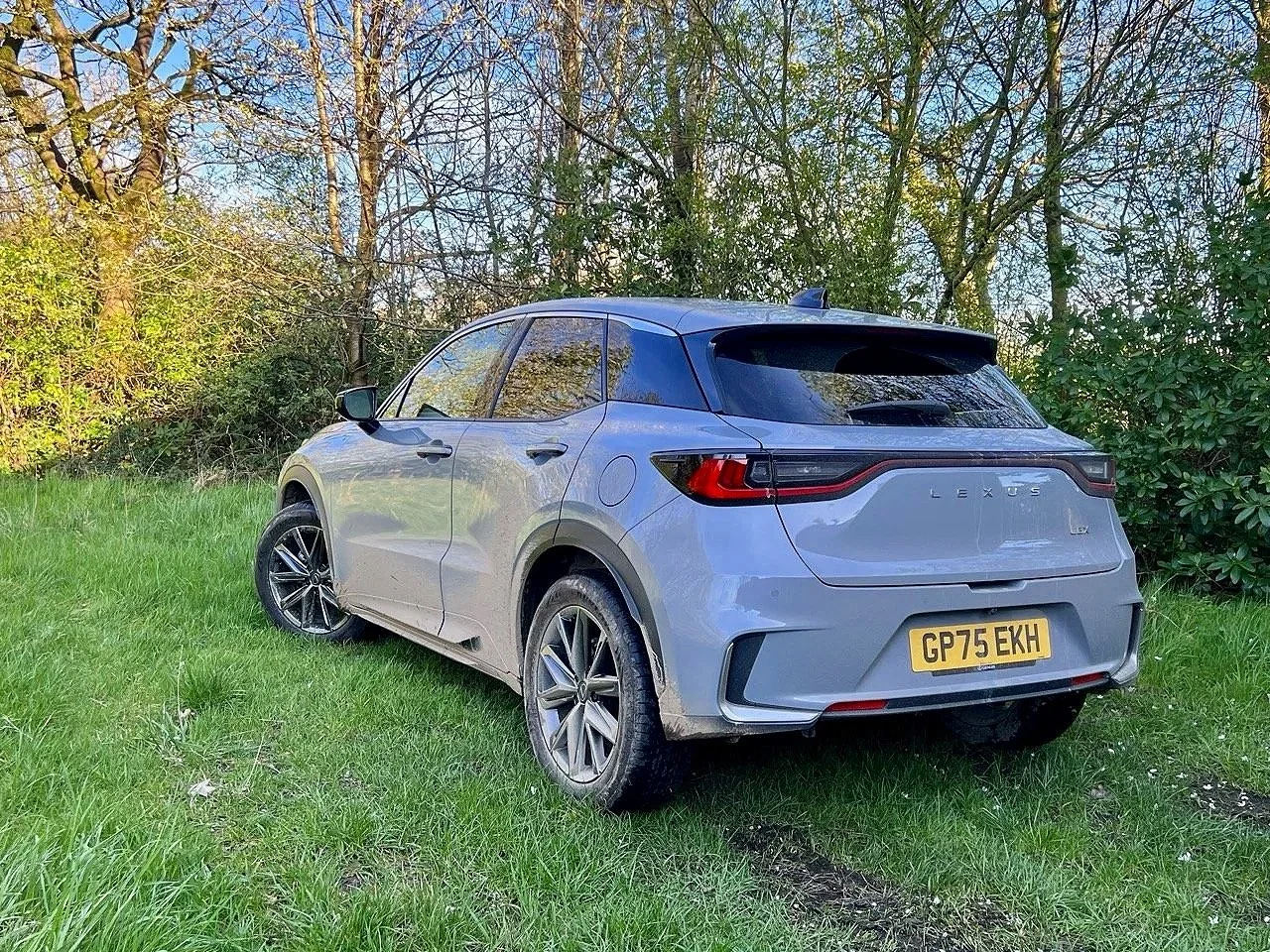
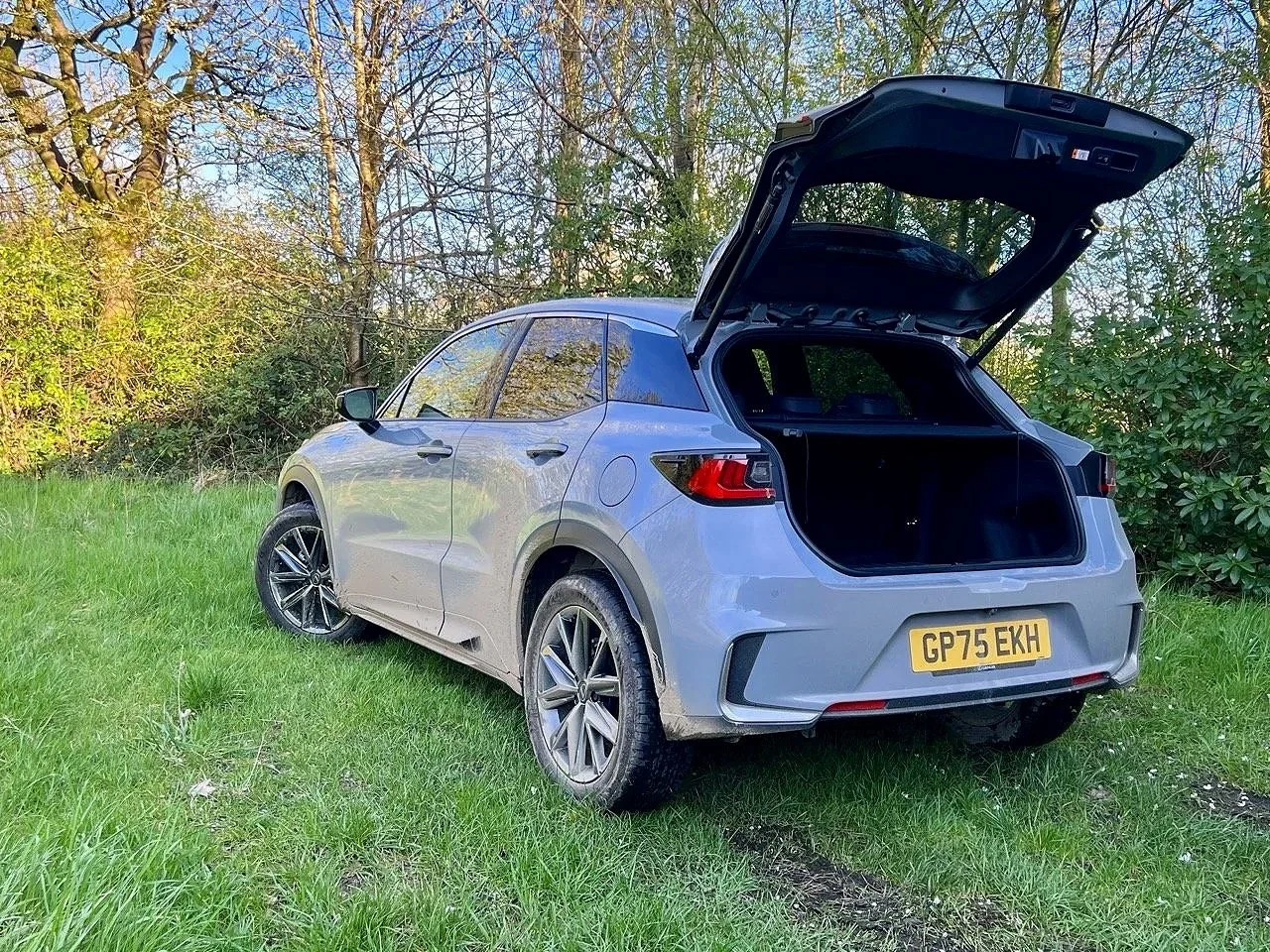
Camping gear is similar. Soft bags, small tents and lightweight kit will fit fine, but bulkier items will require folding seats and some patience. It’s more “weekend escape for two” than “fully loaded overlanding rig”.
In fairness, Lexus isn’t pretending otherwise. This is a lifestyle crossover for people who like the idea of adventure more than the logistics of it.
Tech, driver aids and the eternal lane-keeping battle
Modern Lexus models are generally well equipped with safety systems, and the LBX is no exception. You get the full suite of driver assistance tech, including lane departure warning, adaptive cruise control and the usual array of electronic supervision designed to make sure you are, in fact, still paying attention.
Now, here’s the bit that matters for real-world driving: switching some of it off.
The lane-keeping assistance, in particular, is one of those systems that sounds great in theory and occasionally behaves like it’s trying to steer you back to Tokyo rather than keep you centred in a British B-road. Thankfully, Lexus does allow you to adjust or disable elements of it, but like most modern cars, it’s buried a couple of menu layers deep rather than being a simple “off” button.
It’s not the worst offender in the class, but it still falls into that familiar category of “why can’t I just turn this off without negotiating with a touchscreen menu while parked?”
On the plus side, Lexus still retains some physical controls for key functions, which earns it points in a world where climate control is increasingly being absorbed into glass panels and hope. Heating and ventilation are largely accessible without diving into the screen too often, which is exactly how it should be. Cars are not tablets. Nobody has ever said “I really wish my demister was hidden in a submenu.”
Positives and negatives
On the plus side, the LBX delivers exactly what Lexus buyers expect: refinement, comfort, strong build quality and excellent hybrid efficiency. It feels premium in a segment where many rivals still feel like they’re trying to convince you they are.
It’s easy to drive, easy to park, and generally easy to live with in the kind of day-to-day UK driving most of us actually do.
On the downside, space is the obvious limitation. Rear seats and boot capacity will be a deal-breaker for some, especially if you’re used to larger SUVs or regularly haul gear, pets and half your house around.
The infotainment system is competent but not particularly exciting, and while the tech is comprehensive, some of it still suffers from the modern curse of being slightly too fiddly to switch off or adjust quickly.
It’s also not cheap for its size, which is the Lexus way – you’re paying for refinement and badge appeal rather than outright practicality per pound.
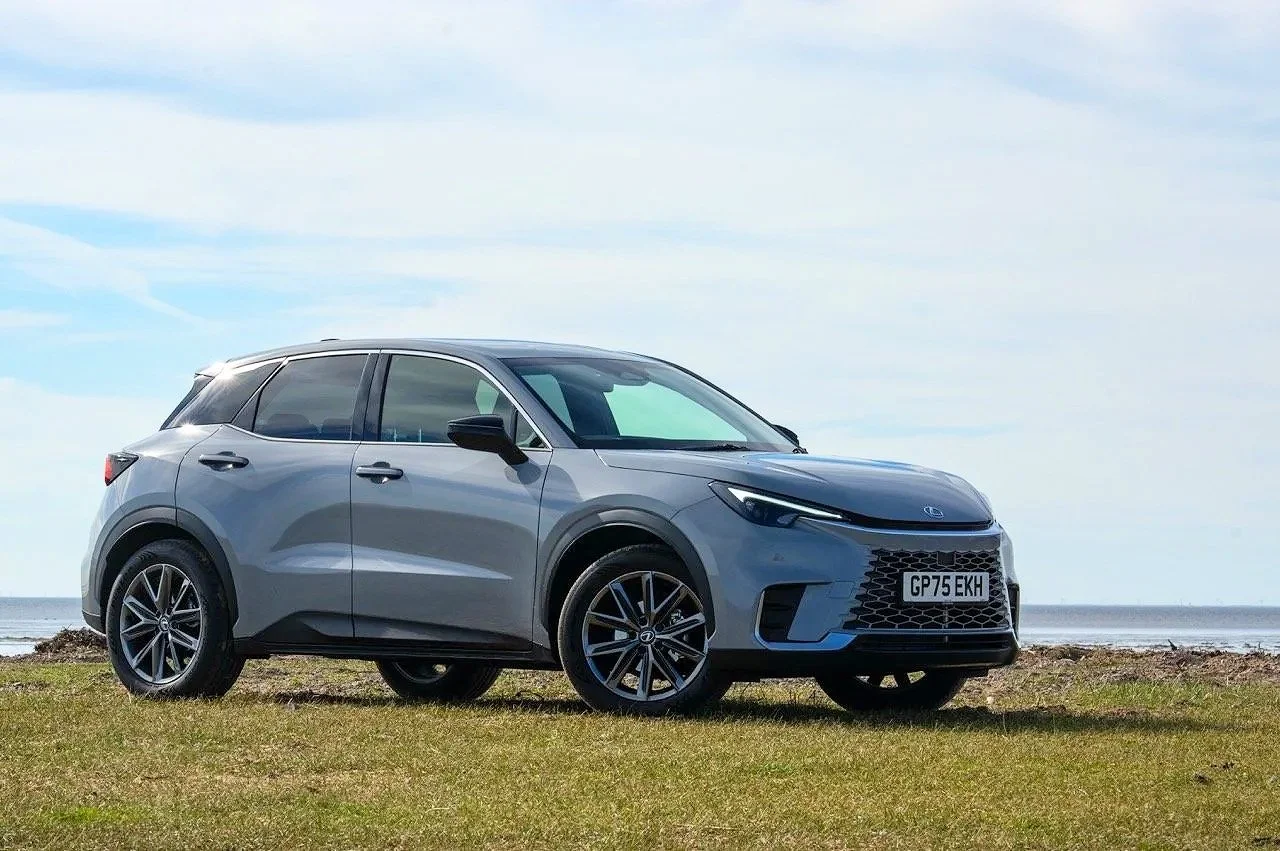
Verdict: small SUV, serious polish
The 2026 Lexus LBX is best understood not as a downsized SUV, but as a condensed luxury experience. It takes the idea of premium motoring and shrinks it down into something that fits comfortably into everyday life, especially urban and suburban driving.
It won’t win any awards for space, nor will it tempt anyone out of a full-size family SUV if practicality is the priority. But that’s not the point. The LBX exists for drivers who want comfort, quality and calmness without the bulk, and in that role it succeeds with quiet confidence.
It’s a car that makes sense more than it makes statements. And in a world full of over-styled, over-complicated crossovers shouting for attention, there’s something quite refreshing about that. It’s a little slice of Lexus calm in a very uncalm world, and I really quite enjoyed it.