
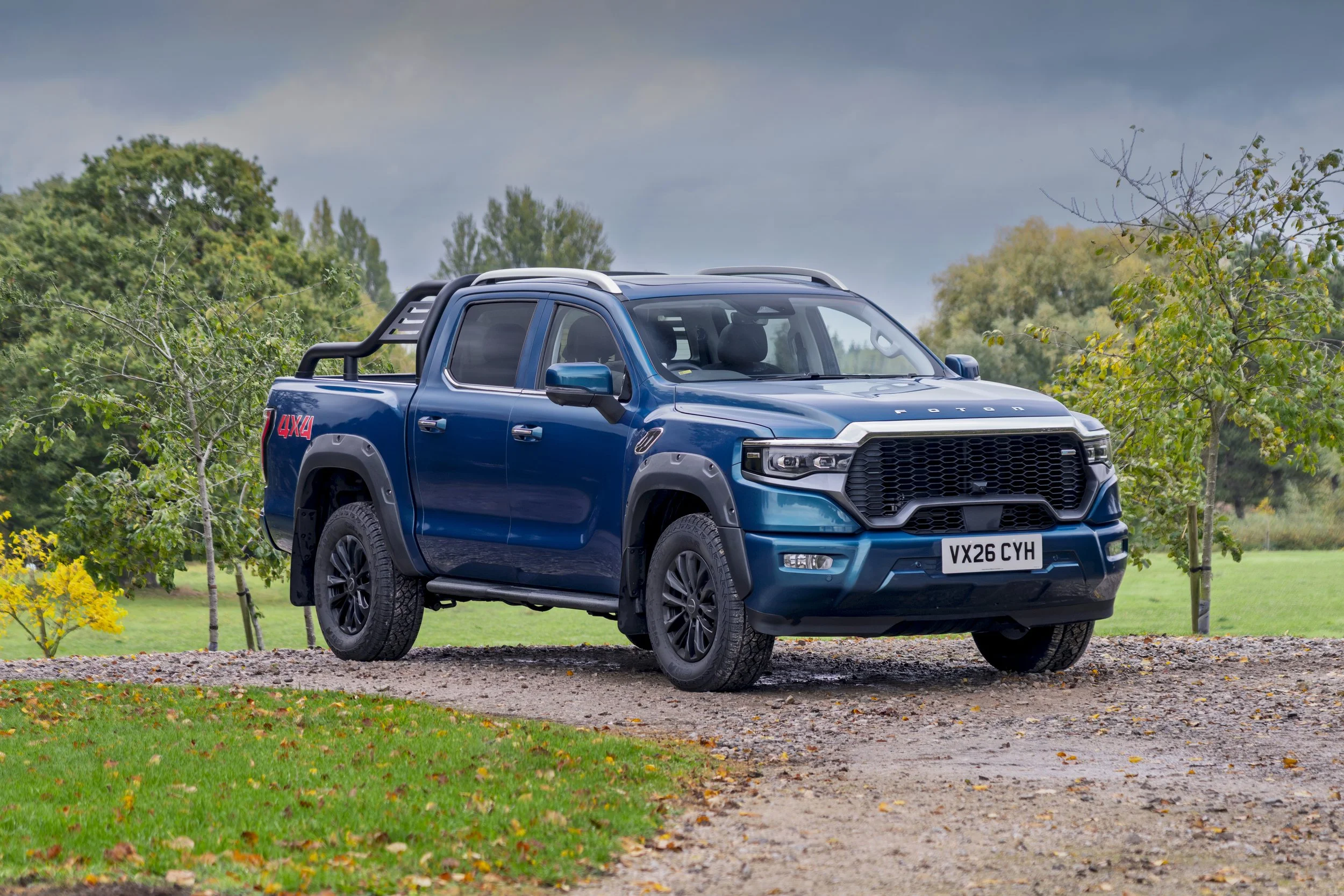
The UK pick-up market is about to welcome another contender, with Chinese manufacturer Foton preparing to launch its Tunland double-cab in early 2027.
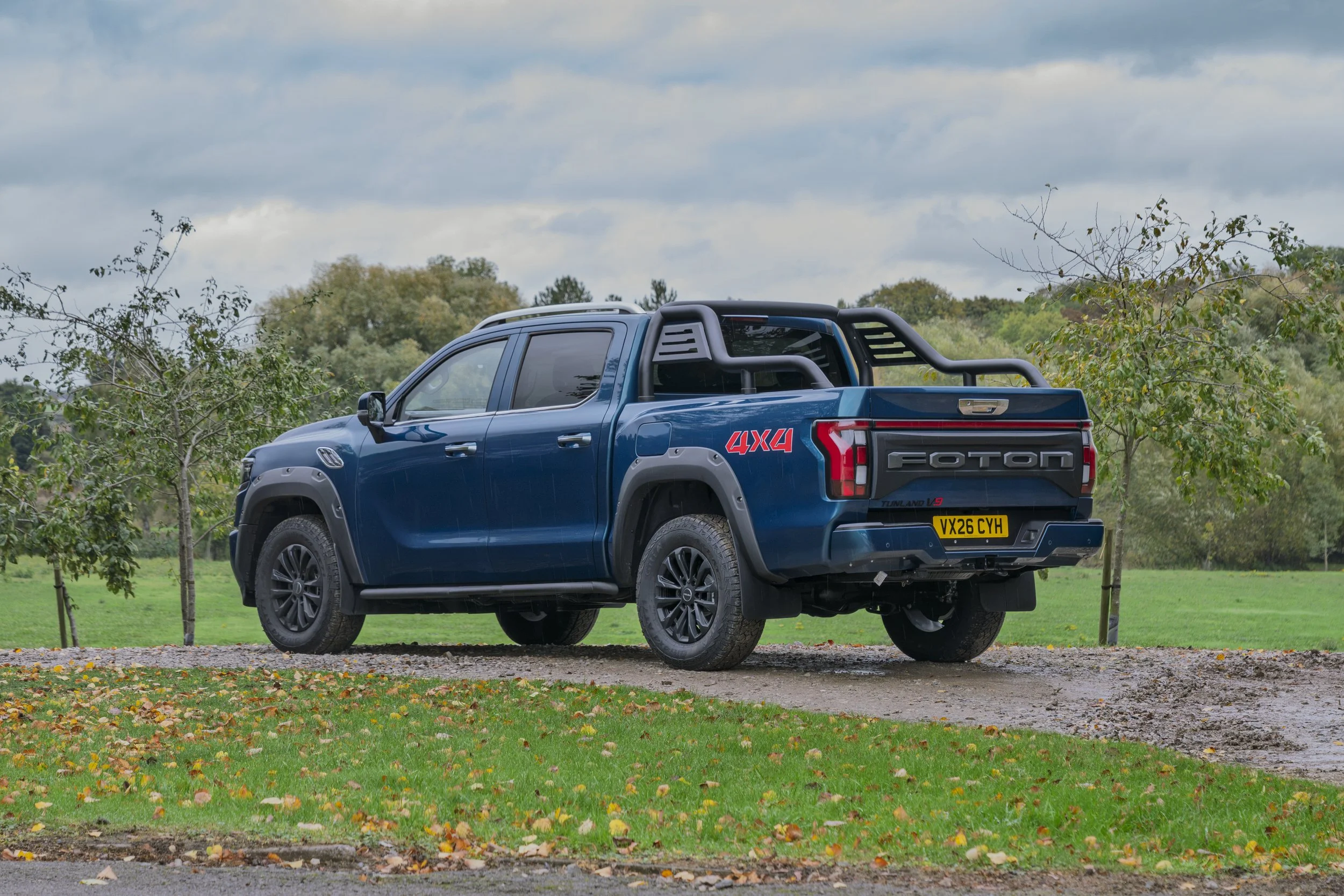
Promising chunky styling, a mild-hybrid diesel engine and a more car-like interior, the Tunland is looking to appeal to buyers who need a practical working vehicle but don't necessarily want to spend every journey feeling as though they're behind the wheel of a commercial vehicle.
Whether that's towing equipment, carrying tools, heading off camping or simply getting through the working week before disappearing into the countryside at the weekend, there's clearly a market for a pick-up that can turn its hand to a bit of everything.
However, with UK pricing, final specifications and model availability still to be announced, there's plenty we don't know just yet.
Big, bold and built for everyday life
First impressions suggest Foton hasn't gone down the subtle route with the Tunland.
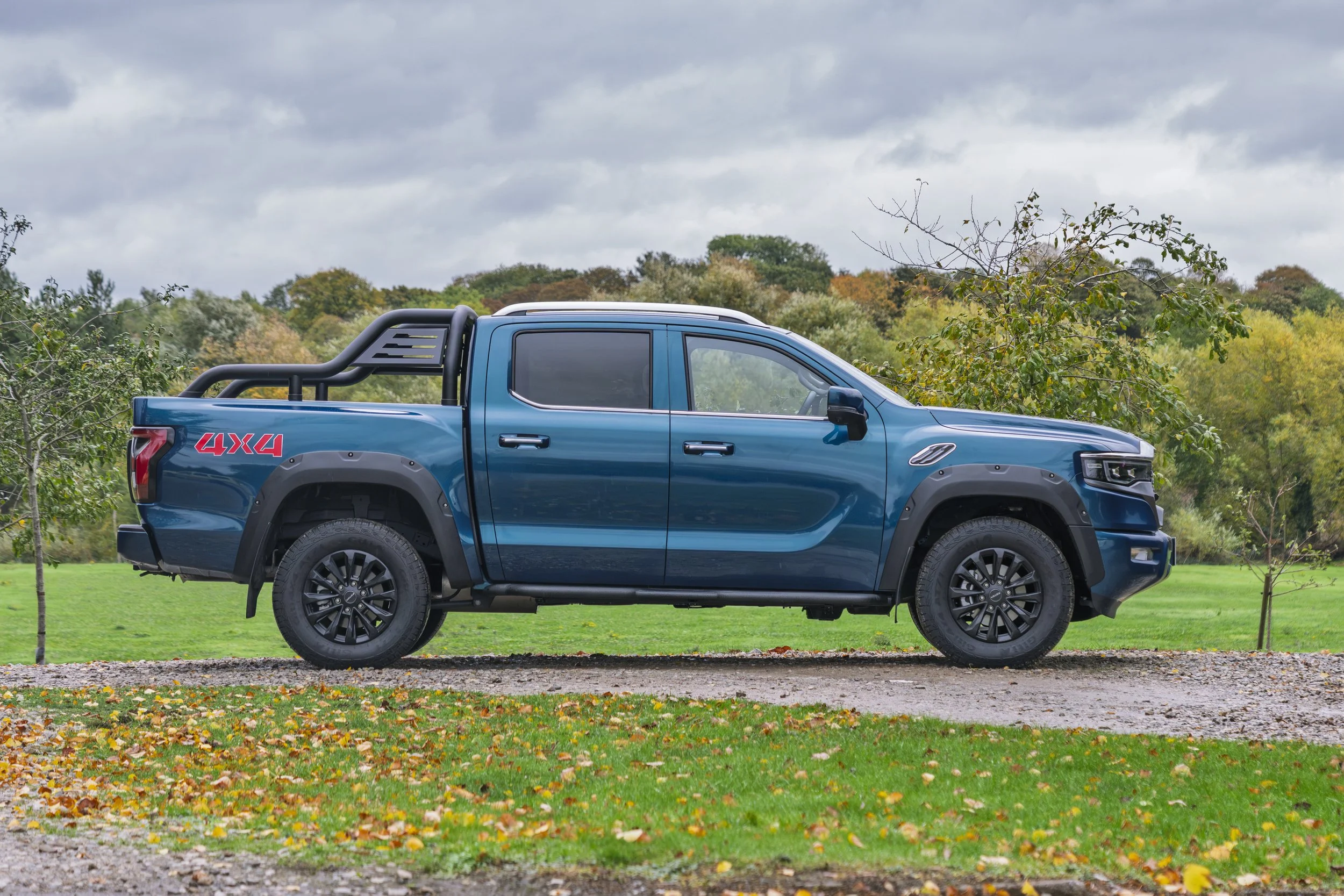
The double-cab features a prominent front grille, distinctive lighting and muscular proportions, giving it the sort of substantial road presence that pick-up buyers tend to appreciate. Its five-seat cabin is paired with a practical load bed, providing space for passengers alongside the usual work and leisure essentials.
For owners who use their vehicles for more than one purpose, that combination could be appealing. A pick-up needs to carry the muddy boots, camping gear and tools, but it also needs to cope with the school run, supermarket car park and longer journeys without becoming a chore.
Foton is pitching the Tunland at both professional and private buyers, with comfort and everyday usability featuring heavily in its plans for the UK market.
Of course, imposing looks and a generous cabin only tell part of the story. We'll need to see the UK model in the metal before making any judgements about its practicality, build quality and how it compares with established rivals.
Diesel power with a little electrical assistance
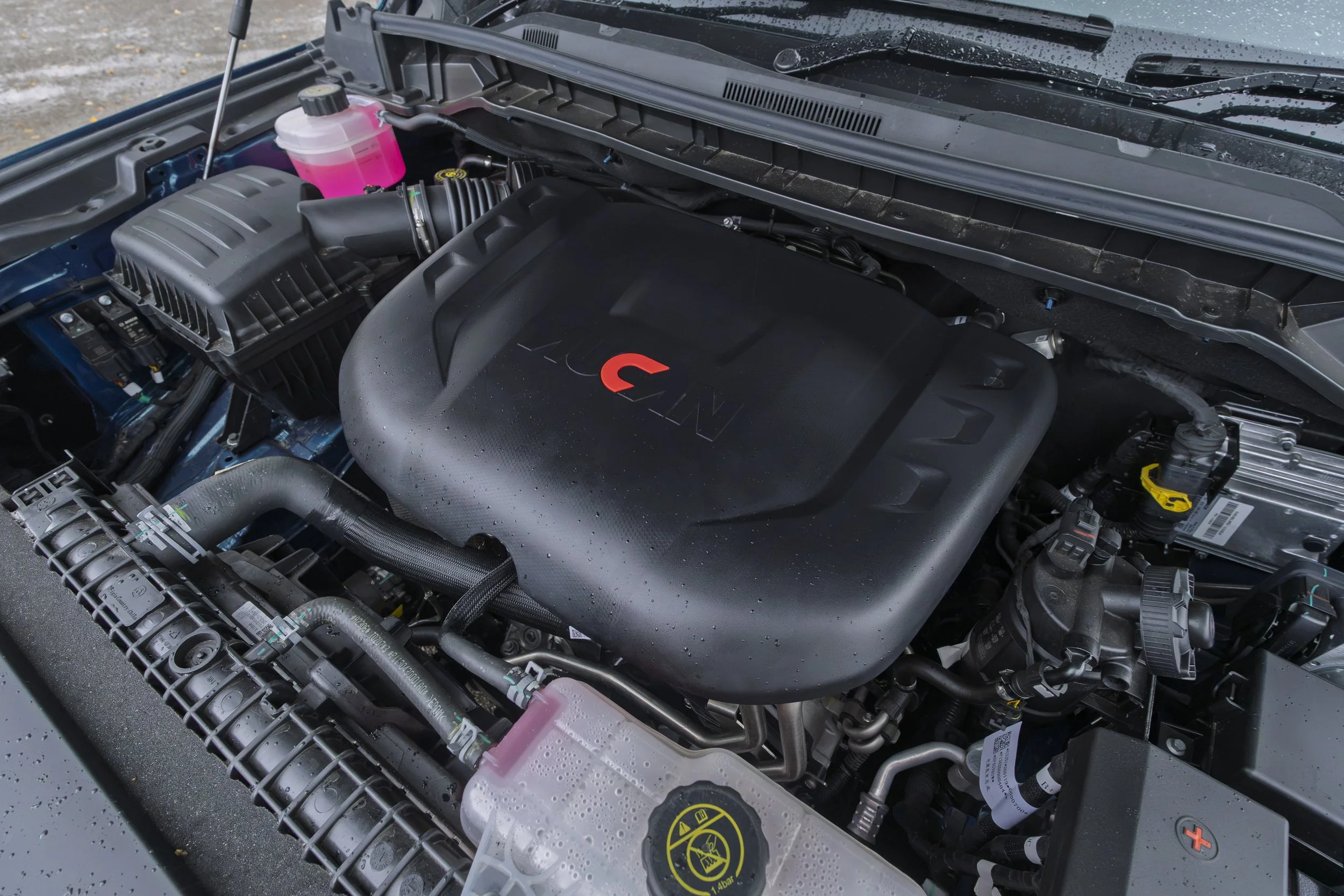
Under the bonnet sits a 2.0-litre turbocharged diesel engine, paired with a 48V mild-hybrid system and an eight-speed automatic gearbox.
The mild-hybrid arrangement uses electrical assistance to complement the diesel engine, rather than providing the ability to drive on electric power alone. It's a familiar approach in modern vehicles, intended to improve the powertrain's efficiency and responsiveness.
For pick-up buyers, the important questions will be how the engine performs when carrying a load, how the automatic gearbox behaves on the road and whether the mild-hybrid system makes a worthwhile difference to everyday running costs.
Unfortunately, Foton hasn't yet released the UK power output, torque figures or official fuel consumption figures, so we'll have to wait a little longer before making any meaningful comparisons.
Neither do we know towing capacity, payload and off-road specifications.
A different approach to rear suspension
One interesting feature is the Tunland's multi-link rear suspension, which Foton says has been designed to improve ride quality and stability, particularly when the vehicle is running unladen.
That's worth noting because pick-ups have traditionally had to strike a compromise between carrying heavy loads and providing a comfortable ride when they're empty.
A suspension setup that helps keep the vehicle composed during everyday driving could make the Tunland more appealing to private buyers, especially those who spend more time travelling between jobs, towing or exploring the countryside than carrying a full load in the back.
However, suspension design alone doesn't tell us how well a vehicle rides. Road testing will reveal far more about its behaviour over broken tarmac, uneven tracks and the sort of surfaces that are part and parcel of life in the British countryside.
A cabin with more creature comforts
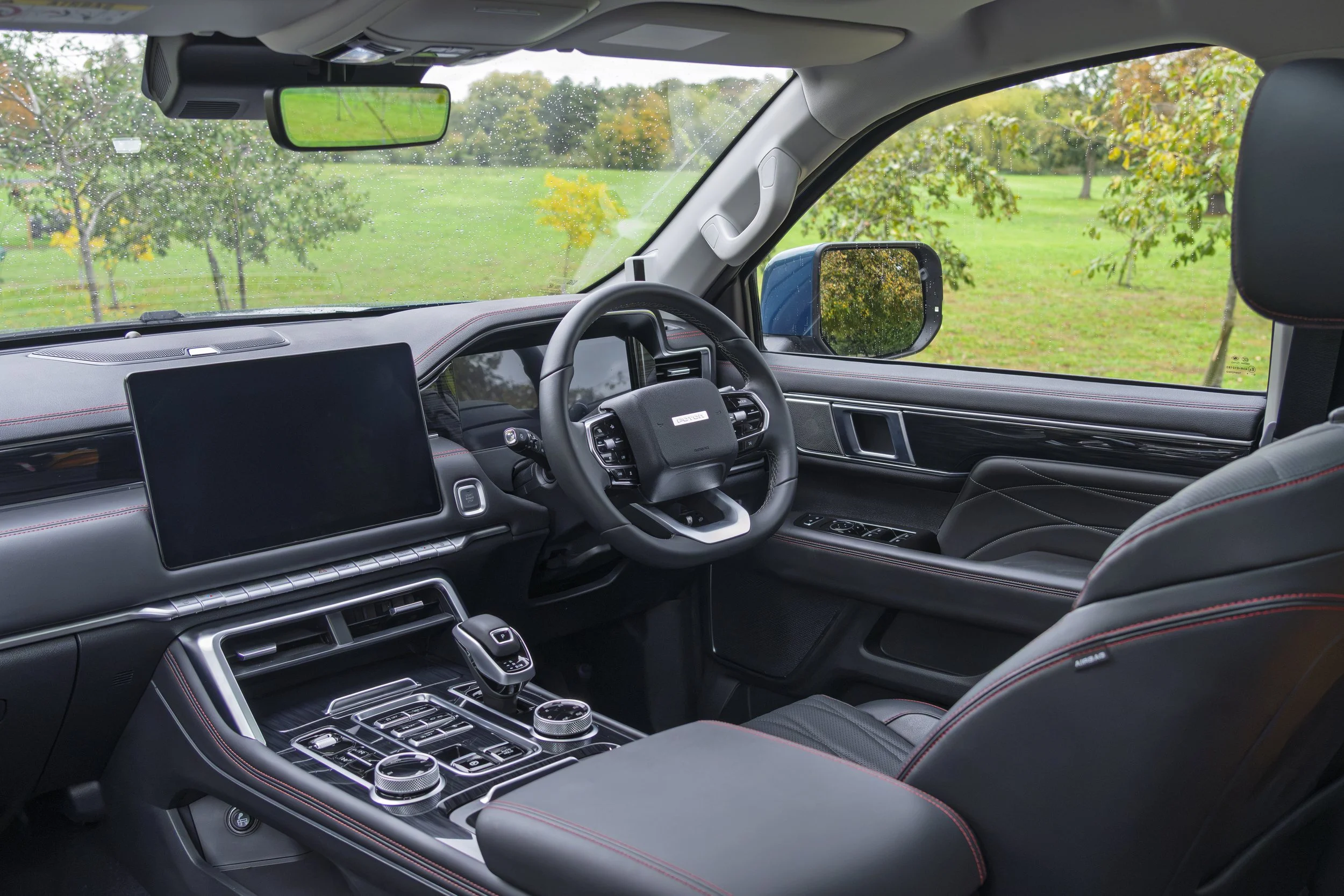
Inside, Foton appears keen to move beyond the traditional workhorse approach.
The Tunland features digital instruments, a central touchscreen, automatic climate control and wireless smartphone charging. There's also a panoramic roof, alongside what Foton describes as soft-touch, stitched interior materials.
Physical buttons are included alongside the digital controls, which should be welcome news for drivers who would rather operate frequently used functions without having to negotiate several touchscreen menus.
Advanced driver-assistance systems are also part of the package, although the exact equipment and functionality available on UK models remain unconfirmed. We can only hope that the ability to switch them off is as easy as a press of a button on the steering wheel.
Taken together, the cabin sounds more like something you'd expect from a modern SUV than a basic commercial vehicle. Whether the materials stand up to muddy clothing, working boots and the general abuse that a working pick-up can experience is something we'll be keen to discover.
After all, a vehicle can look impressive in a showroom, but it's how it copes with everyday use that really matters.
A new name, but an established manufacturer
Although Foton will be a new name to many UK buyers, the company isn't new to commercial vehicles.
Founded in Beijing 30 years ago, the manufacturer produces a broad range of vehicles, including trucks, vans, buses and pick-ups. It reports global sales of more than 13 million vehicles since its establishment.
The company's UK arrival is being supported by International Motors Ltd, which has the likes of Isuzu, Subaru, GWM, and Mitsubishi under their belt.
For Foton, the challenge will be turning its international experience into a successful UK operation, with the right dealer network, parts availability, aftersales support and competitive pricing.
When can we expect to see it?
Foton expects the Tunland to arrive in the UK in early 2027.
Pricing, final UK specifications, model availability and details of the sales and aftersales network are due to be announced ahead of the launch.
Until then, it's difficult to say exactly where the Tunland will sit against its established competitors or whether it will offer the sort of value that could persuade buyers to consider a new name.
What we do know is that it will enter a market where buyers increasingly expect their pick-ups to do more than carry a load. Comfort, technology and everyday usability are becoming important parts of the package, alongside the traditional requirements of capability and practicality.
The Tunland certainly appears to have the right ingredients on paper. The next step is to find out how they come together on British roads.
We'll be keeping an eye on developments, particularly when Foton announces UK prices and specifications. Those details, along with towing capacity, payload, four-wheel-drive availability and real-world performance, will tell us far more about whether the Tunland deserves a place on the shortlist.
For now, it's one to watch