
Review: 2026 Jeep Compass EV First Edition
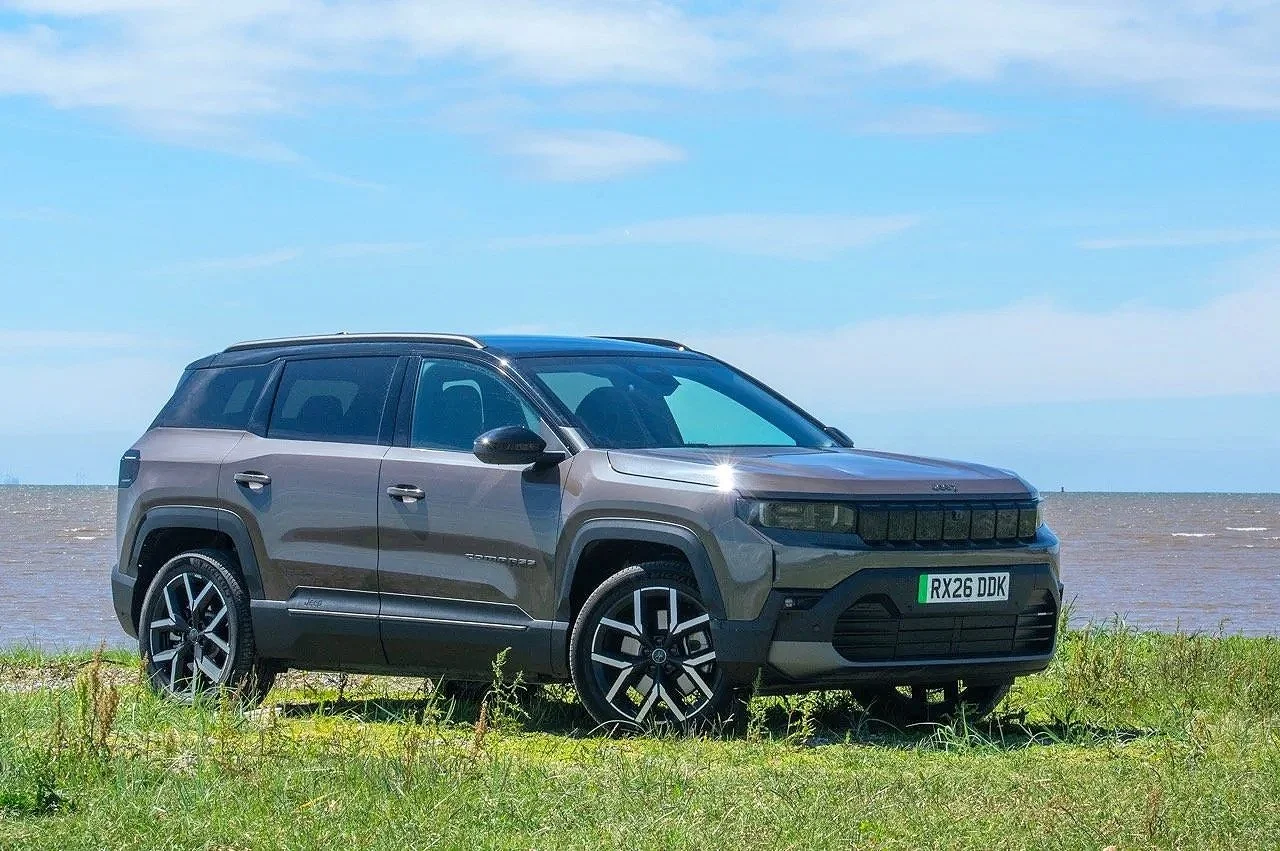
There was a time when buying a Jeep meant you probably intended to drive somewhere the AA wouldn't particularly want to visit. Muddy tracks, rocky lanes and the occasional questionable ford were all part of the appeal. Now, however, even Jeep is embracing the electric revolution, and its latest Compass promises family-friendly motoring with a hint of outdoor adventure.
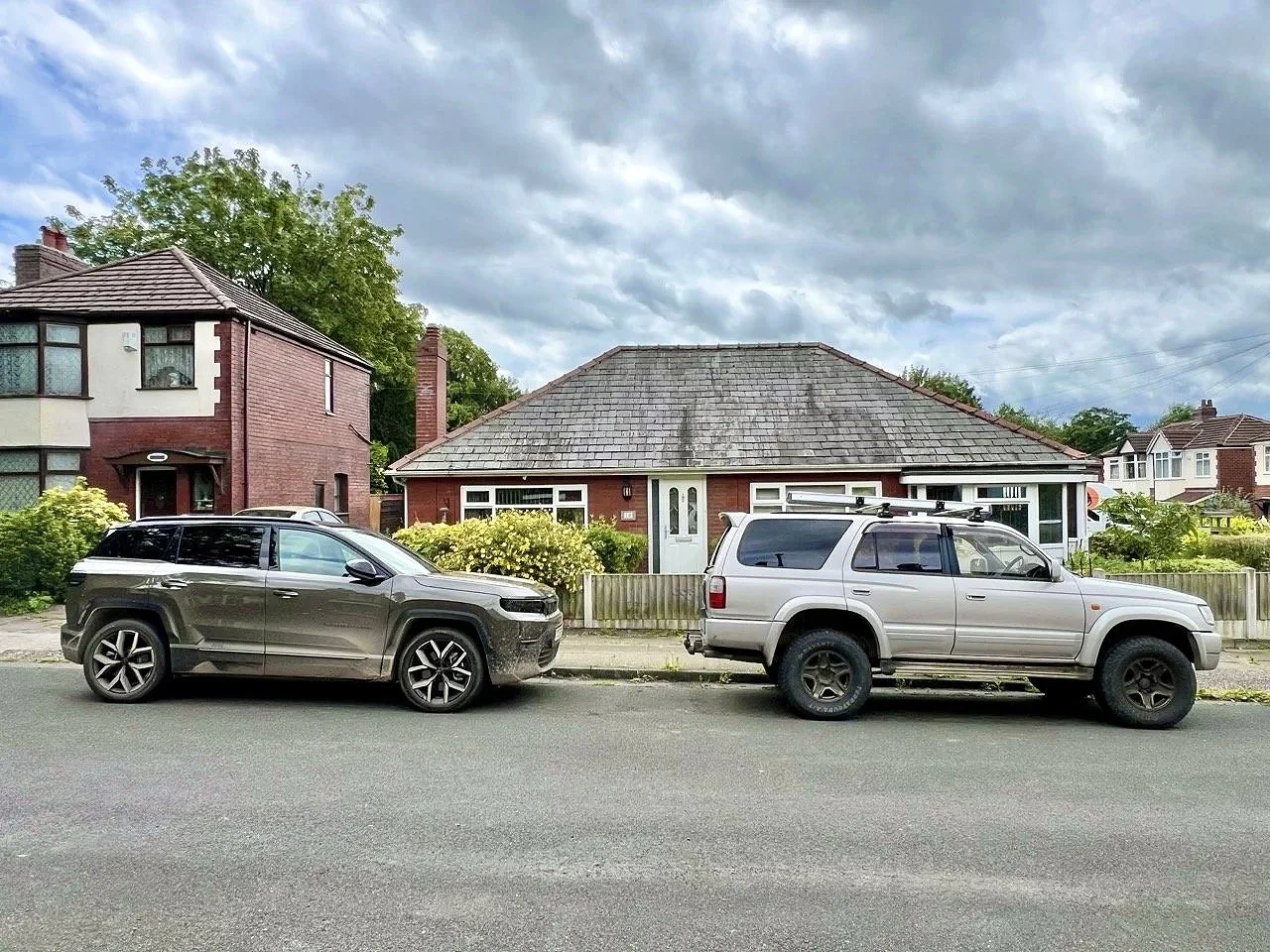
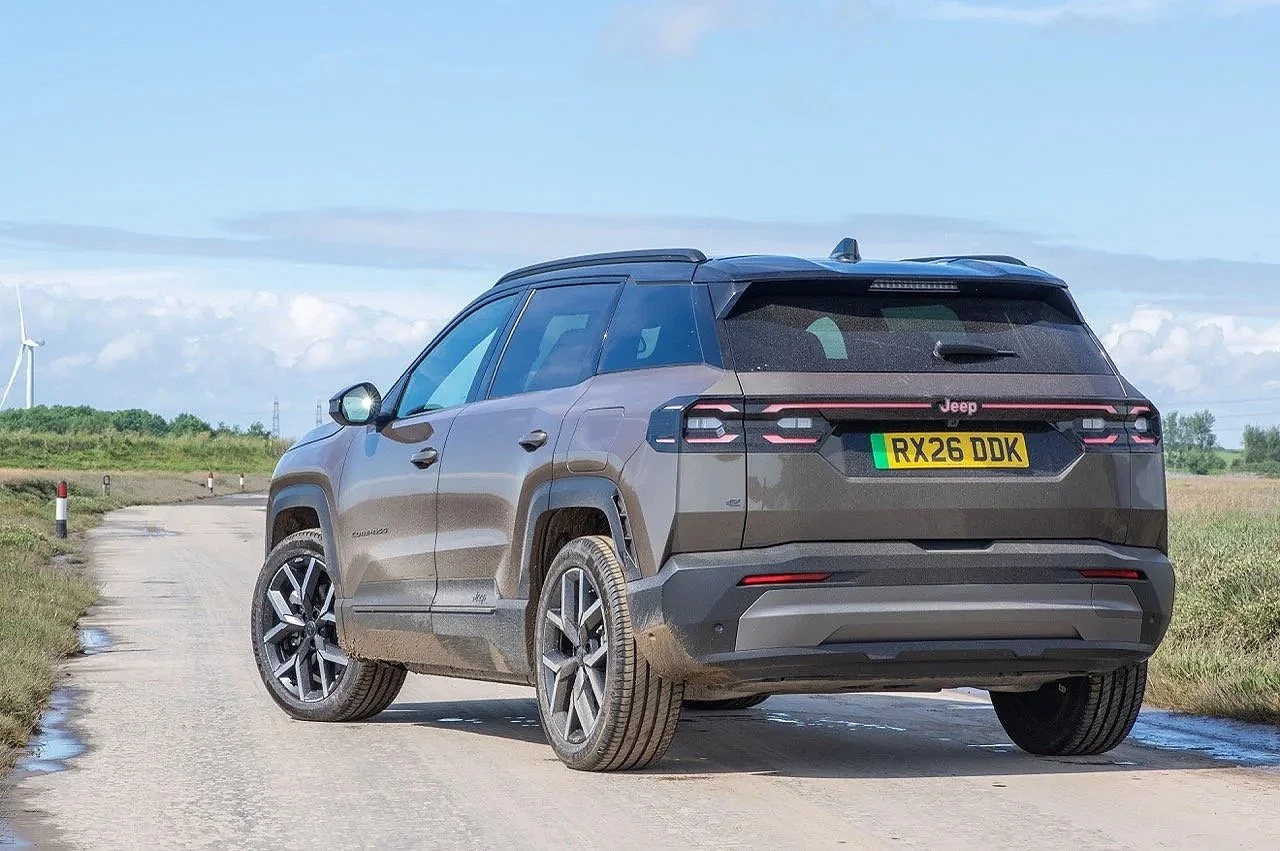
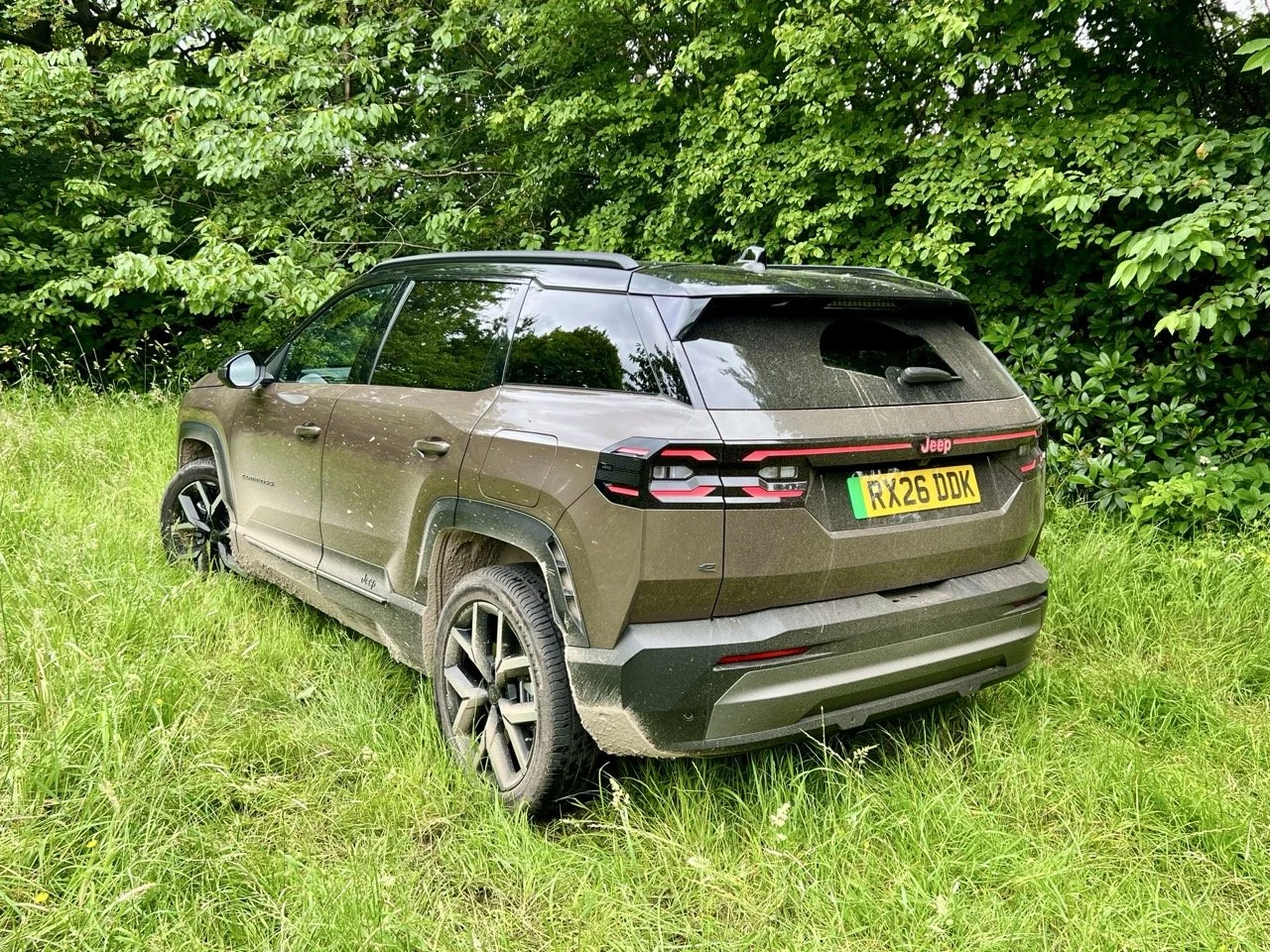
The all-new 2026 Jeep Compass Full-Electric First Edition certainly looks the part. Chunky wheel arches, protective bodywork and that familiar seven-slot grille give it a suitably rugged appearance. It's also a decent size, sitting between the smaller Avenger and Jeep's larger offerings, making it a rival to the likes of the Volkswagen ID.4, Skoda Enyaq and Kia EV5.
Underneath the rugged exterior, though, things are rather less muddy. This version has a 213hp electric motor driving the front wheels, a 74kWh battery and a claimed range of up to 285 miles. It's quiet, reasonably brisk and well equipped, with plenty of space for family duties and weekend camping trips.
But there's an elephant in the room. Or, more accurately, a front-wheel-drive SUV wearing hiking boots.
Can the electric Compass live up to its badge, or is it more suited to the supermarket car park than a slippery green lane? Let's have a look.
On the road: quietly getting on with it
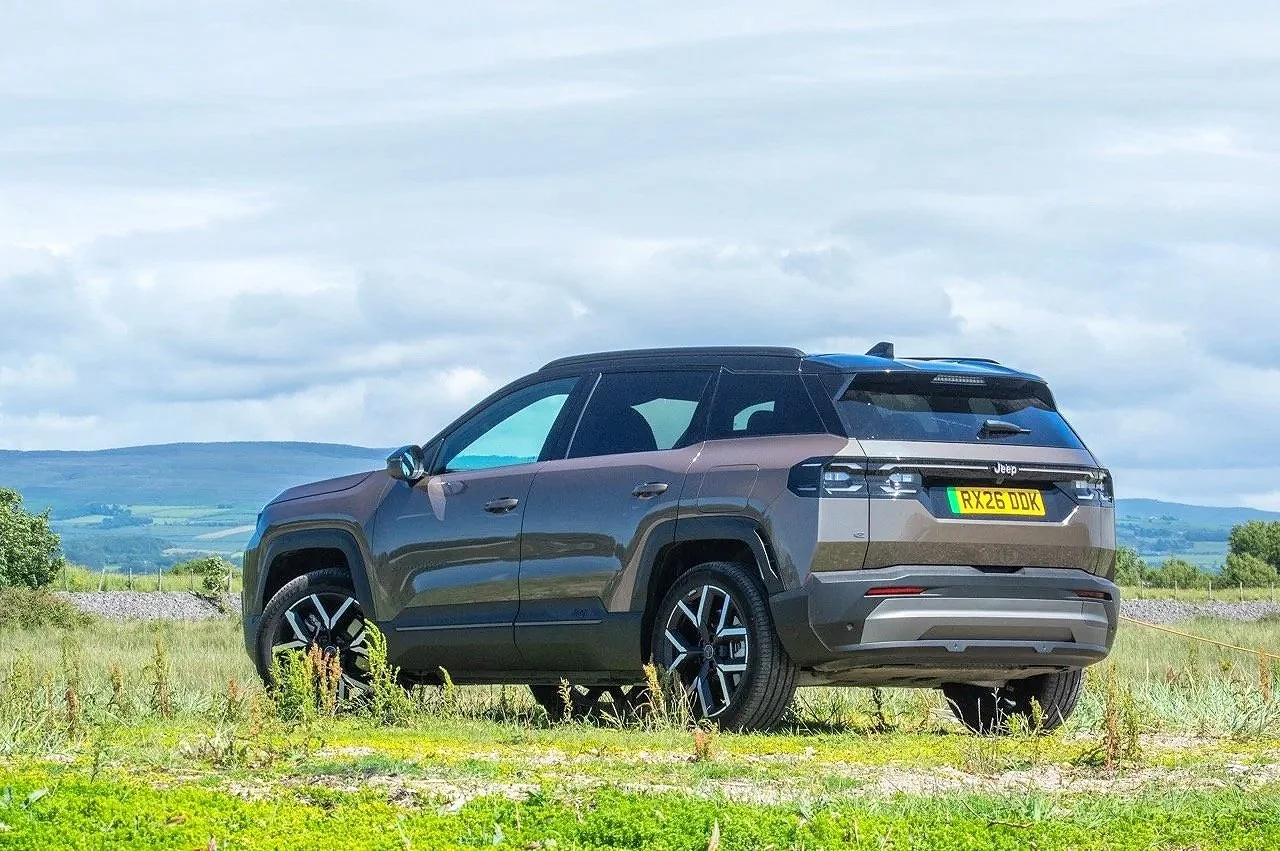
With 213hp and 345Nm of torque, the Compass isn't short of grunt. It'll reach 62mph in a claimed 8.3 seconds, which is more than enough for everyday driving. Electric motors deliver their power smoothly, so pulling away from junctions or joining a busy A-road is a straightforward affair.
There's no gearbox to fuss over, no diesel clatter and no engine sitting there sounding as though it's swallowed a handful of spanners. Just press the accelerator and off you go.
Around town, the light steering and raised driving position make the Compass easy to live with. Visibility is generally good, and the car feels manageable despite its fairly substantial dimensions. Parking sensors and a reversing camera help when squeezing into spaces that appear to have been designed for a shopping trolley rather than a family SUV.
Get onto the motorway and it settles into a relaxed cruise. There's the usual electric-car quietness at lower speeds, although wind and road noise become more noticeable as the pace increases. It's not a luxury limousine, but nor should it leave you arriving at your destination feeling as though you've spent three hours inside a washing machine.
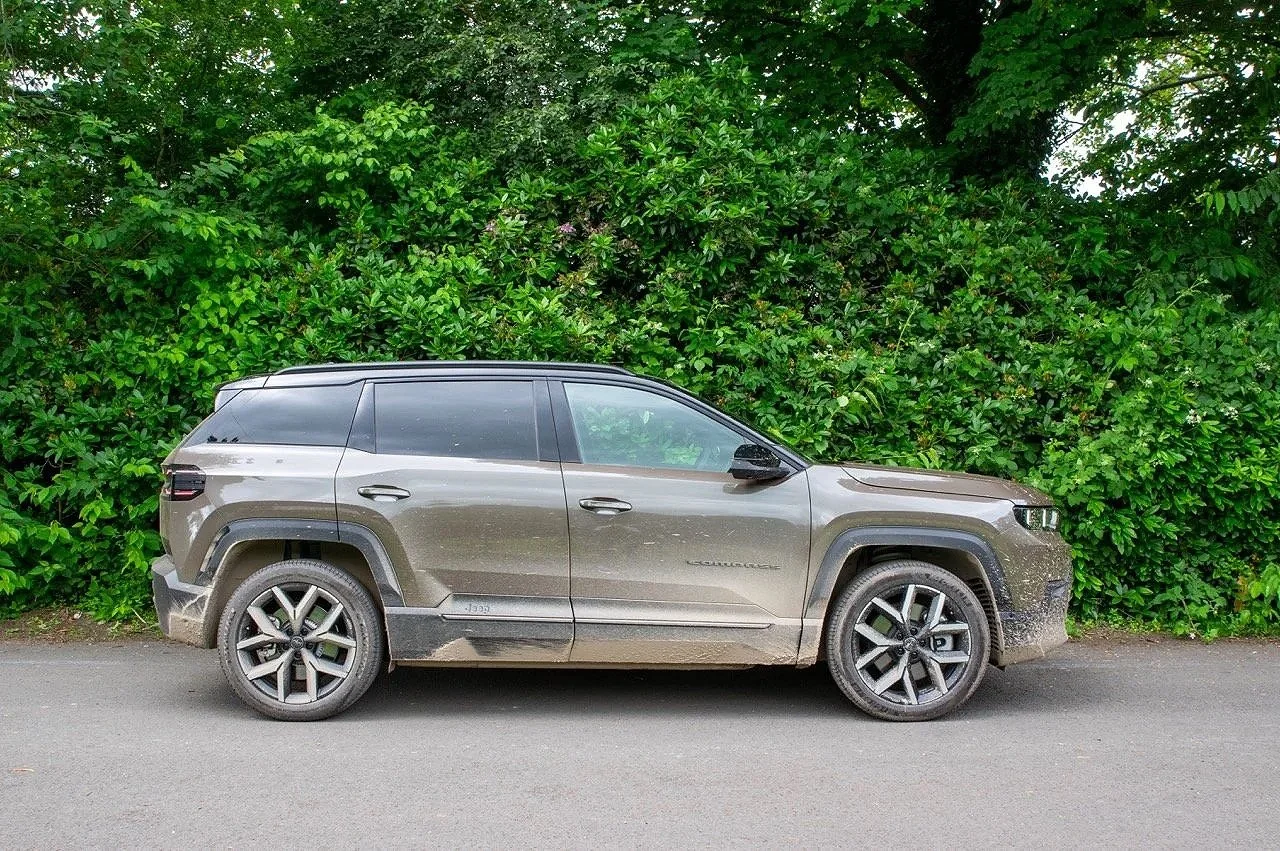
The suspension copes reasonably well with everyday roads, but broken tarmac and successive bumps can unsettle it a bit. Those 20” alloys fitted to the First Edition look smart, but they aren't exactly doing the suspension any favours when the road resembles a patchwork quilt.
And let's face it, UK roads have more holes than a colander. Or is that just Bolton?
The Compass is also a hefty old thing, tipping the scales at over two tonnes. It doesn't feel particularly quick or agile when you start pushing on, and the steering offers little reason to seek out a twisty road just for the fun of it. This is family transport, not a hot hatch pretending to be an SUV, so it can be forgiven.
Regenerative braking helps recover energy when slowing down, with steering-wheel paddles allowing you to adjust the level of resistance. There's also a one-pedal driving function, which is particularly useful in traffic once you've got the hang of it.
Overall, the Compass is a perfectly sensible everyday companion. It's smooth, easy to drive and comfortable enough for most journeys, although those big wheels and slightly unsettled ride might become irritating if your local roads are particularly dreadful.
Range and charging: will it make it home?
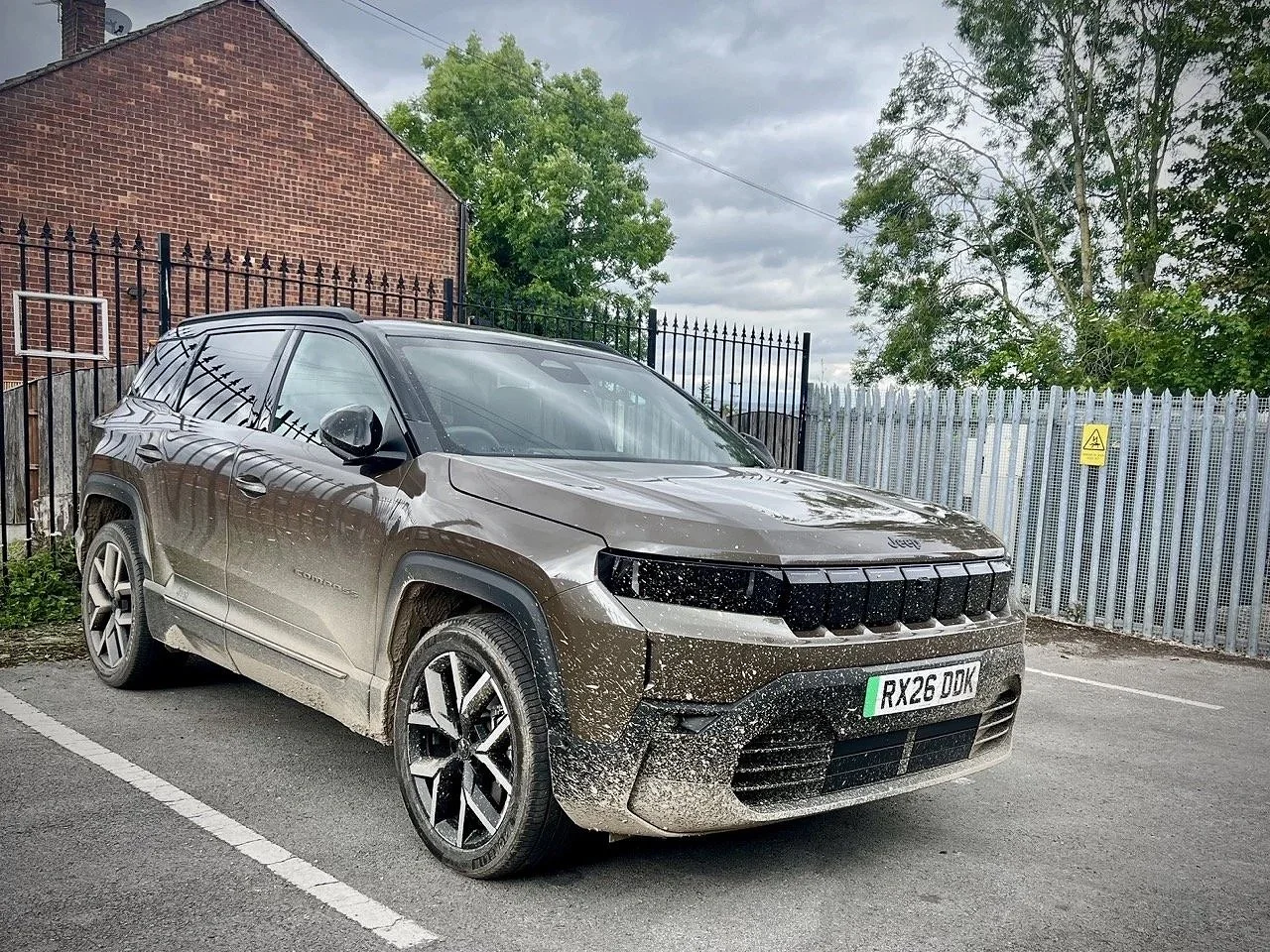
Jeep quotes a maximum WLTP range of around 285 miles. That's respectable, although it doesn't mean you'll achieve that figure every time you venture out.
Motorway speeds, cold weather, hills, heating and a boot full of camping equipment all have an effect. In other words, the conditions most likely to occur on a British camping trip aren't necessarily the ones that deliver the best electric range.
The 74kWh battery supports DC rapid charging at up to 160kW. Under favourable conditions, a 20 to 80% charge can take less than 35 minutes. That's enough time for a brew and a butty, assuming you can find one that doesn't cost more than the electricity you're putting into the car. I still personally prefer the good old 3-minute splash and dash.
Home charging is likely to be the easiest option for most owners. The onboard AC charger supports up to 11kW, although a typical domestic wallbox will generally deliver 7kW. Plug it in overnight and you'll start the morning with a full battery, without having to queue behind somebody who's bought every sausage roll in the shop.
Unless you’re like me who has to park on the street, then you’re forced to pay ridiculous amounts at public chargers, along with downloading multiple phone apps.
A heat pump is fitted to the First Edition, helping improve heating efficiency in colder weather. That's welcome news for anyone who remembers that winter in Britain lasts roughly until the middle of June. That said, this year we were in the middle of a heatwave, so the air conditioning was far more important.
For commuting, shopping and weekend adventures, the range should be perfectly workable. Longer trips will need a little planning, particularly if you're heading somewhere remote where charging points are about as common as dry socks after a wet weekend.
Off-road: here's the muddy bit
Now, this is where things get interesting.
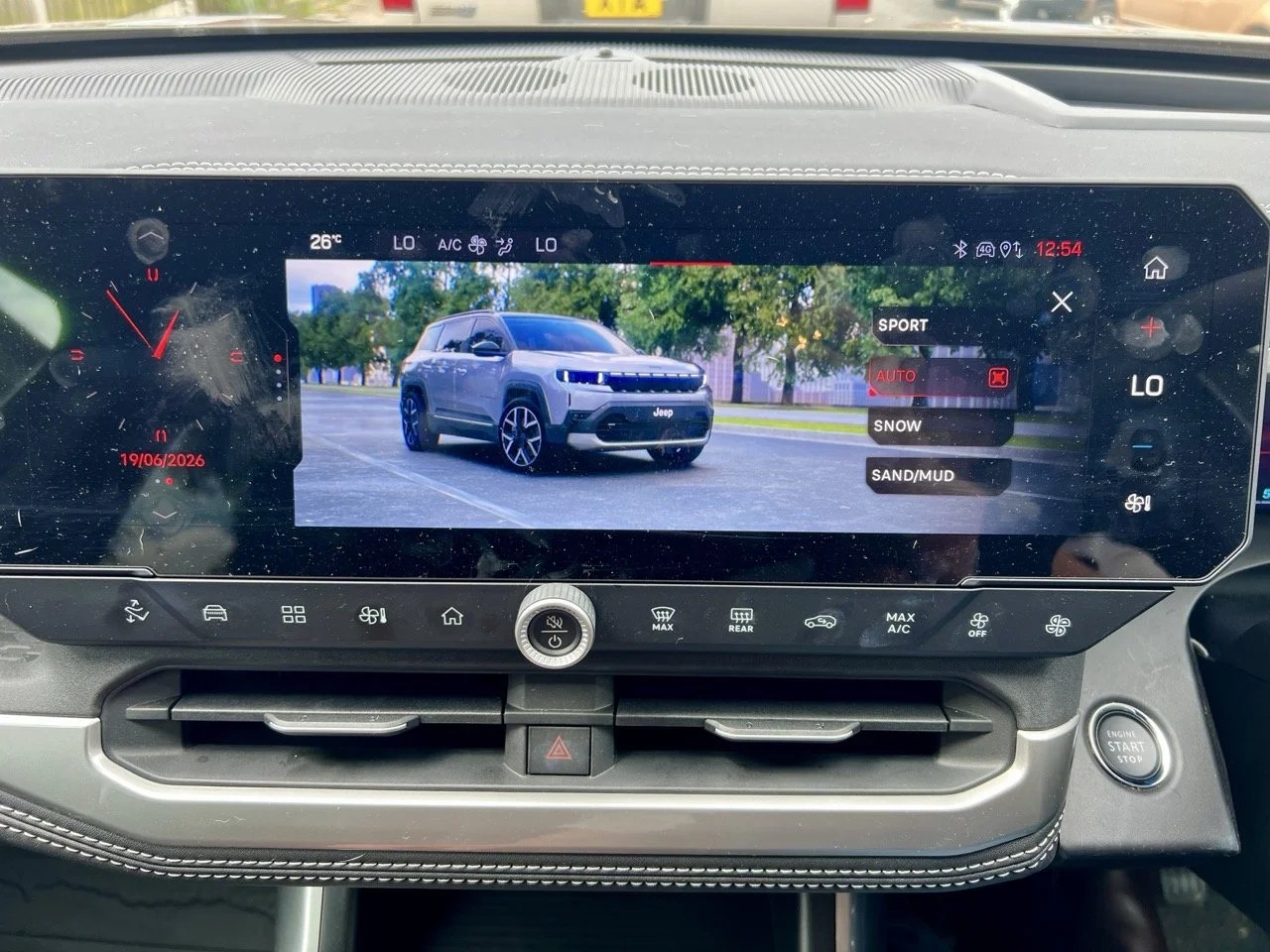
The Compass has around 200mm of ground clearance, protective bodywork and Jeep's Selec-Terrain system, which adjusts vehicle responses for different surfaces. Jeep also quotes a water-fording capability of up to 470mm, alongside approach and departure angles that suggest it should cope with the odd rough track.
On paper, that's promising. Gravel roads, uneven campsite entrances and grassy fields shouldn't present too many problems in sensible conditions.
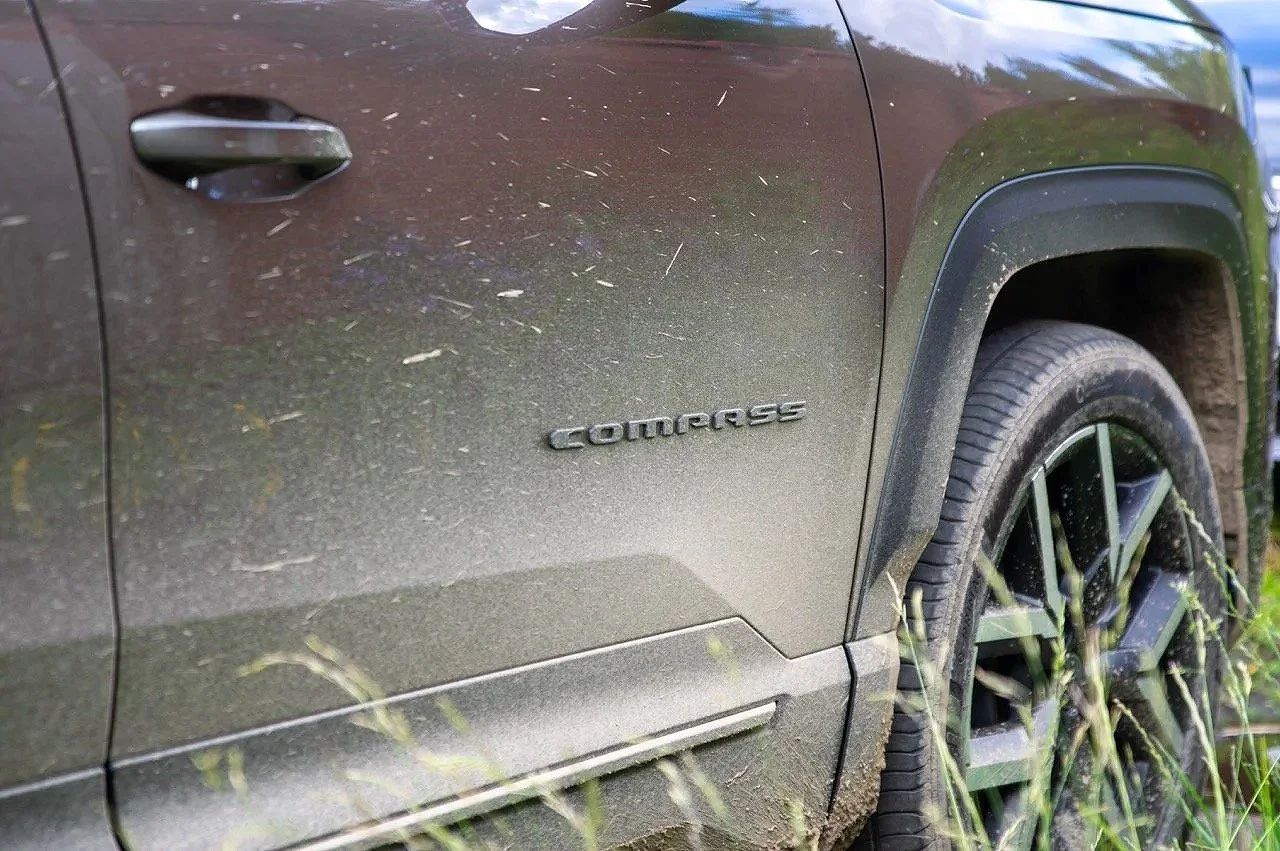
But there's a rather important detail: this electric First Edition is front-wheel drive. Have I mentioned that already?
That means both the power and the responsibility for finding traction sit at the front. On a firm track, that's absolutely fine. On slippery grass or a muddy incline, things become rather less straightforward.
Once those front tyres start spinning, there's no rear motor waiting to help out. Selec-Terrain can adjust how the car behaves, but it can't perform mechanical miracles. No amount of electronic cleverness will turn a two-wheel-drive SUV into a Wrangler.
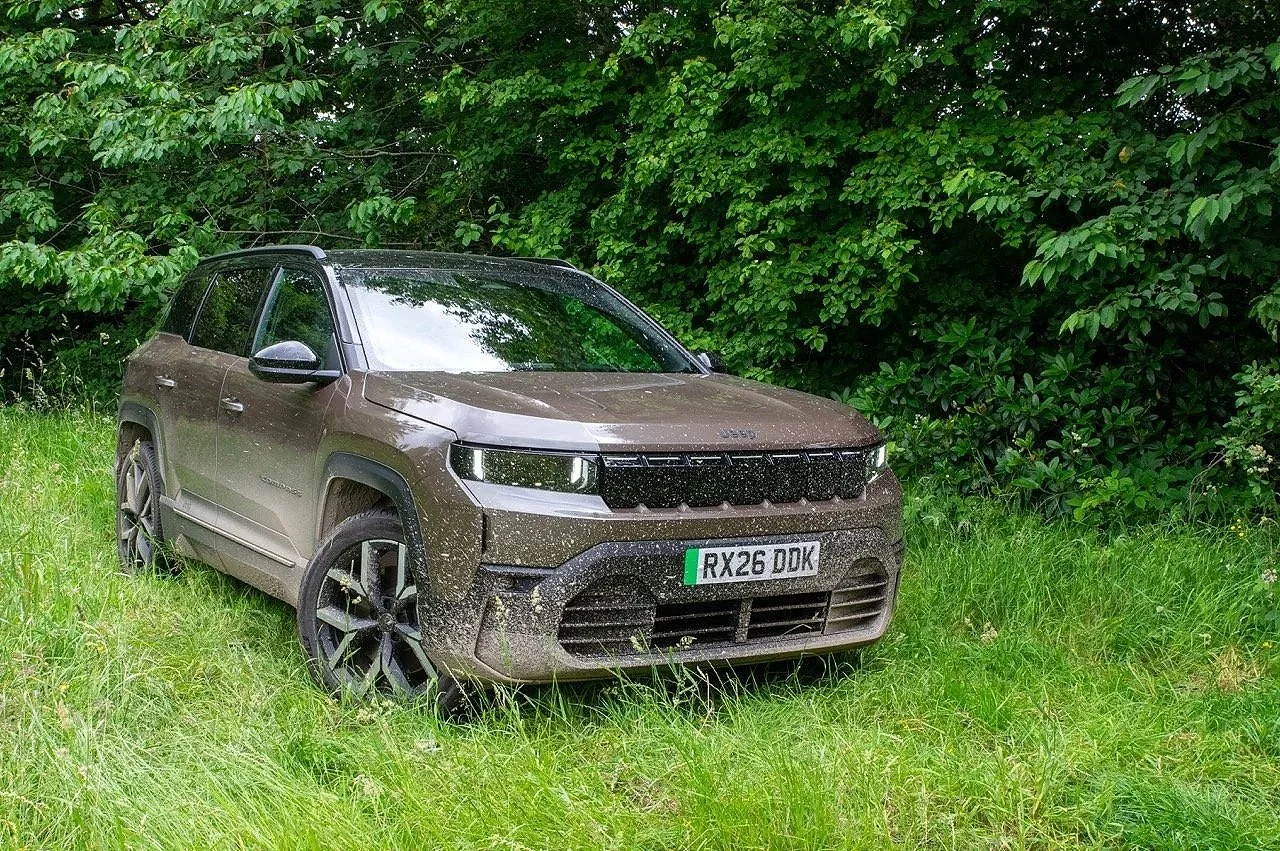
The ground clearance is useful, and the protective cladding should offer some reassurance when the track narrows and the brambles start reaching for the paintwork. However, the Compass isn't something we'd choose for serious green-laning, particularly in winter.
As for that wading figure, don't treat it as a challenge. Water depth, current, submerged obstacles and the condition of a crossing all matter. A quoted maximum isn't an invitation to charge into a flooded ford because somebody on Facebook reckons it'll be fine.
For the occasional rough approach to a campsite or a gentle gravel trail, the Compass should do the job. If your weekends involve axle-deep mud, steep ruts and recovery straps, you'll want the separate all-wheel-drive Compass Electric 4xe, or a more traditional 4x4.
There's nothing wrong with a vehicle being honest about its limitations. It would just be nice if the styling didn't suggest it was ready to conquer the Rubicon Trail before breakfast.
Inside: room for the family and their assorted rubbish
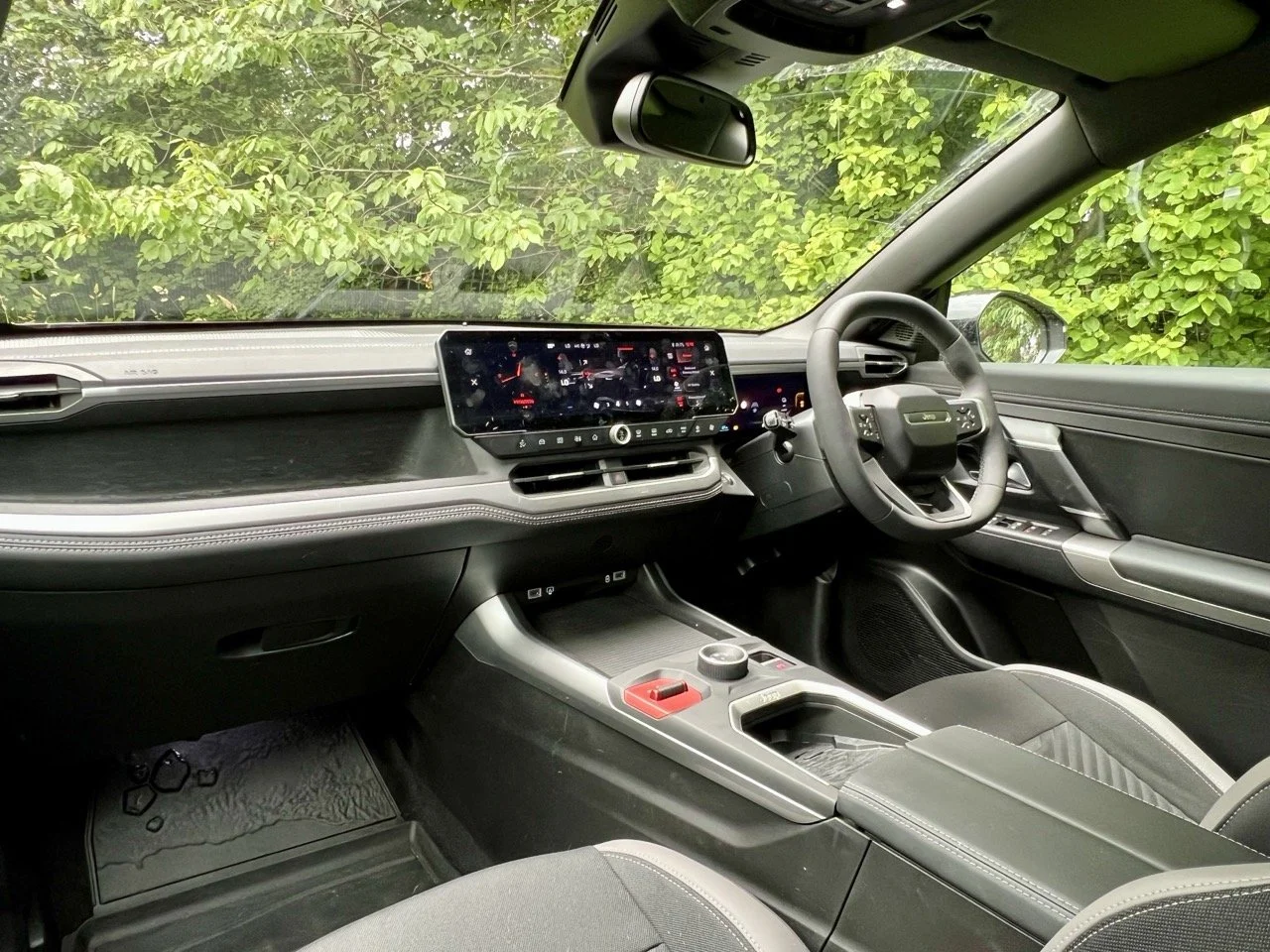
Climb aboard and the Compass feels modern without becoming completely alien. The driving position is good, the dashboard is sensibly arranged and the overall cabin has a sturdy, practical feel.
The First Edition comes generously equipped, including heated front seats, a heated steering wheel, Matrix LED headlights and a powered tailgate. The high driving position gives you a decent view of the road, while the front seats should keep most occupants comfortable on longer journeys.
There's useful room in the back for passengers, too. Adults should be reasonably comfortable, although, as with most cars of this size, three across the rear bench won't be anyone's idea of luxury.
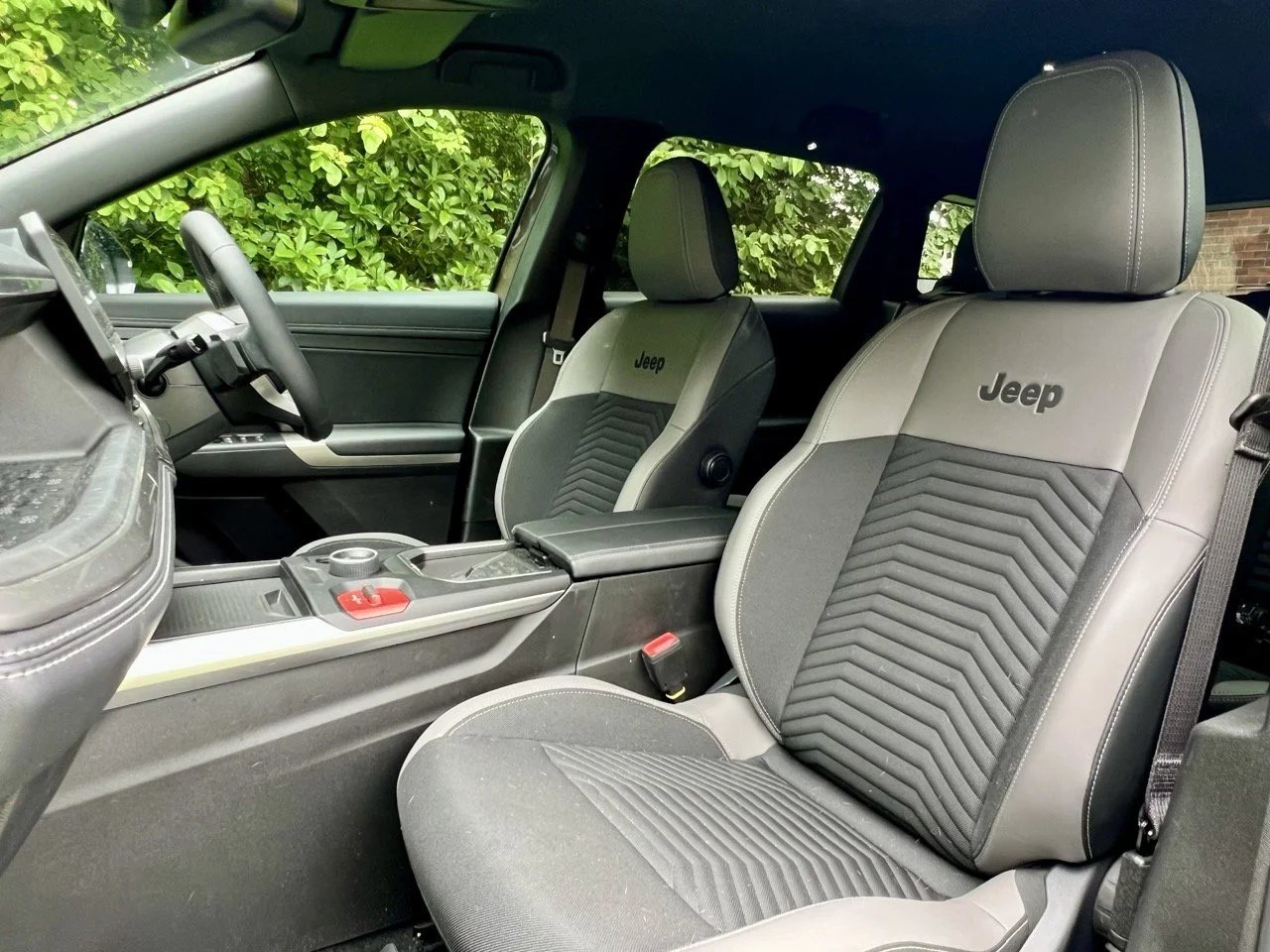
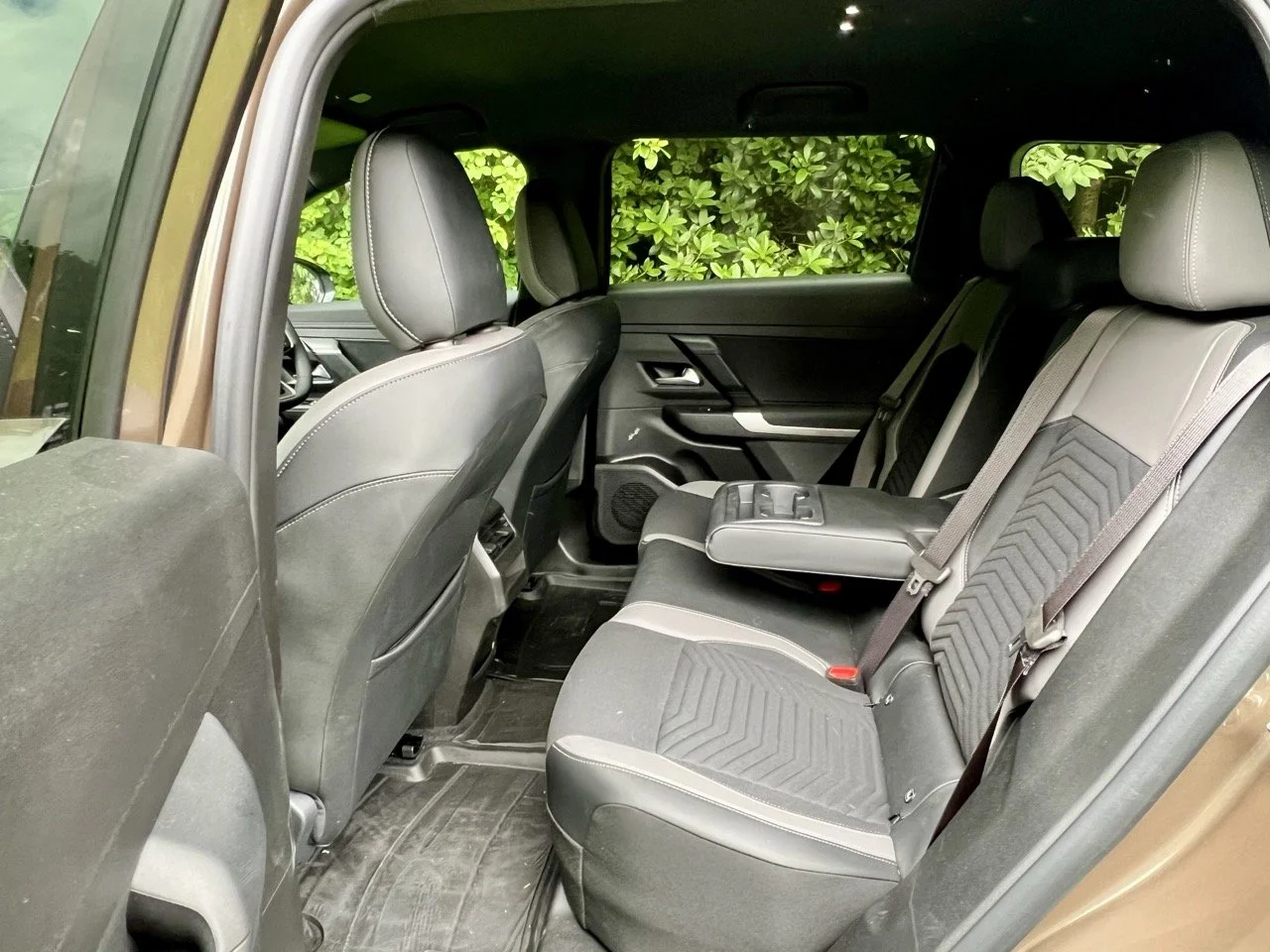
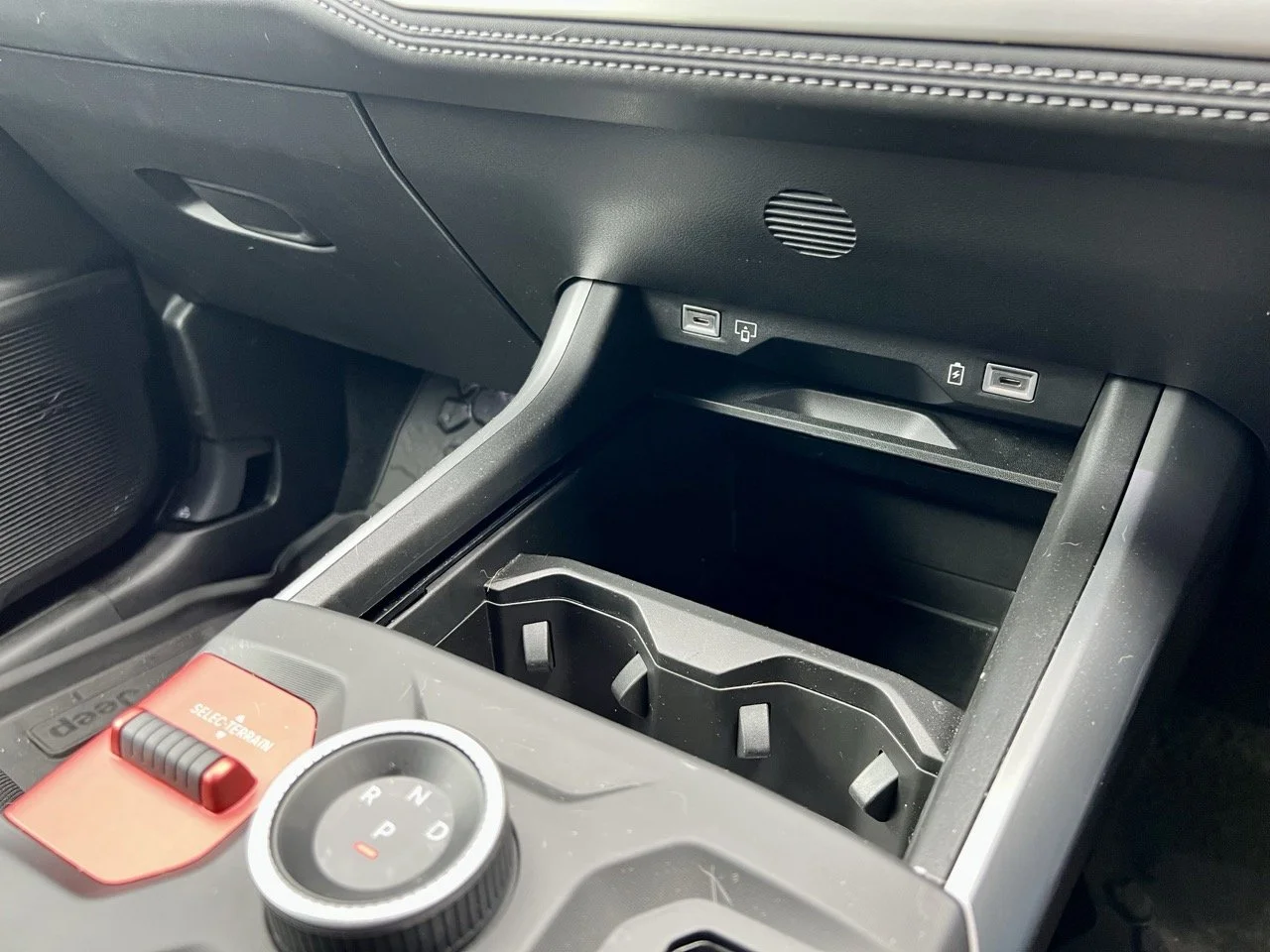
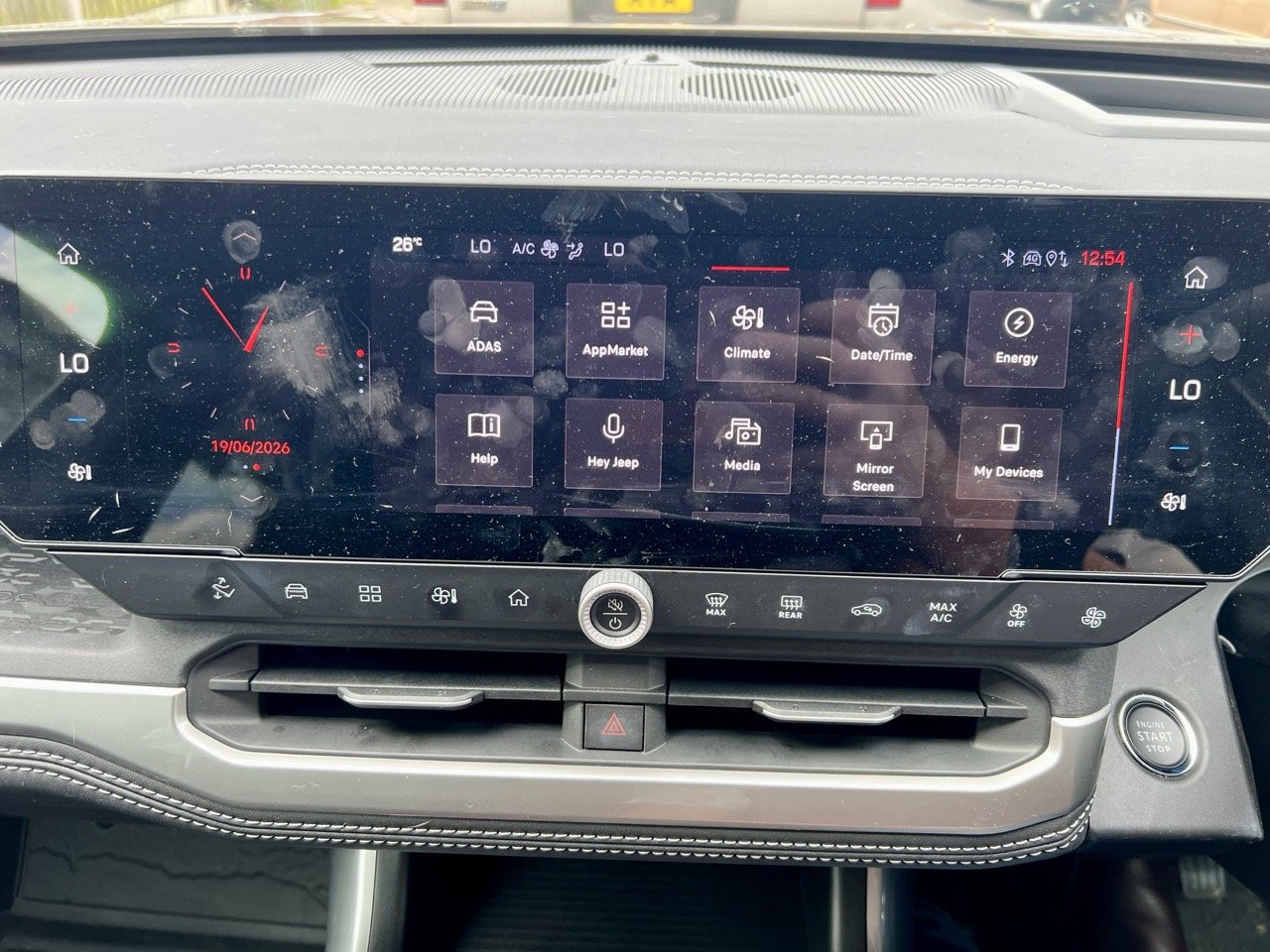
Storage is another plus. There are useful door bins, a practical centre console and plenty of places for the odds and ends that accumulate on a family trip. The digital instrument display sits in front of the driver, while a large 16” touchscreen handles infotainment duties.
Wireless Apple CarPlay and Android Auto are included, alongside navigation and wireless phone charging. The screen looks impressive, although the system can occasionally be a little slow to respond. Nothing quite tests a person's patience like waiting for a touchscreen to wake up while a passenger announces that you've missed the turning.
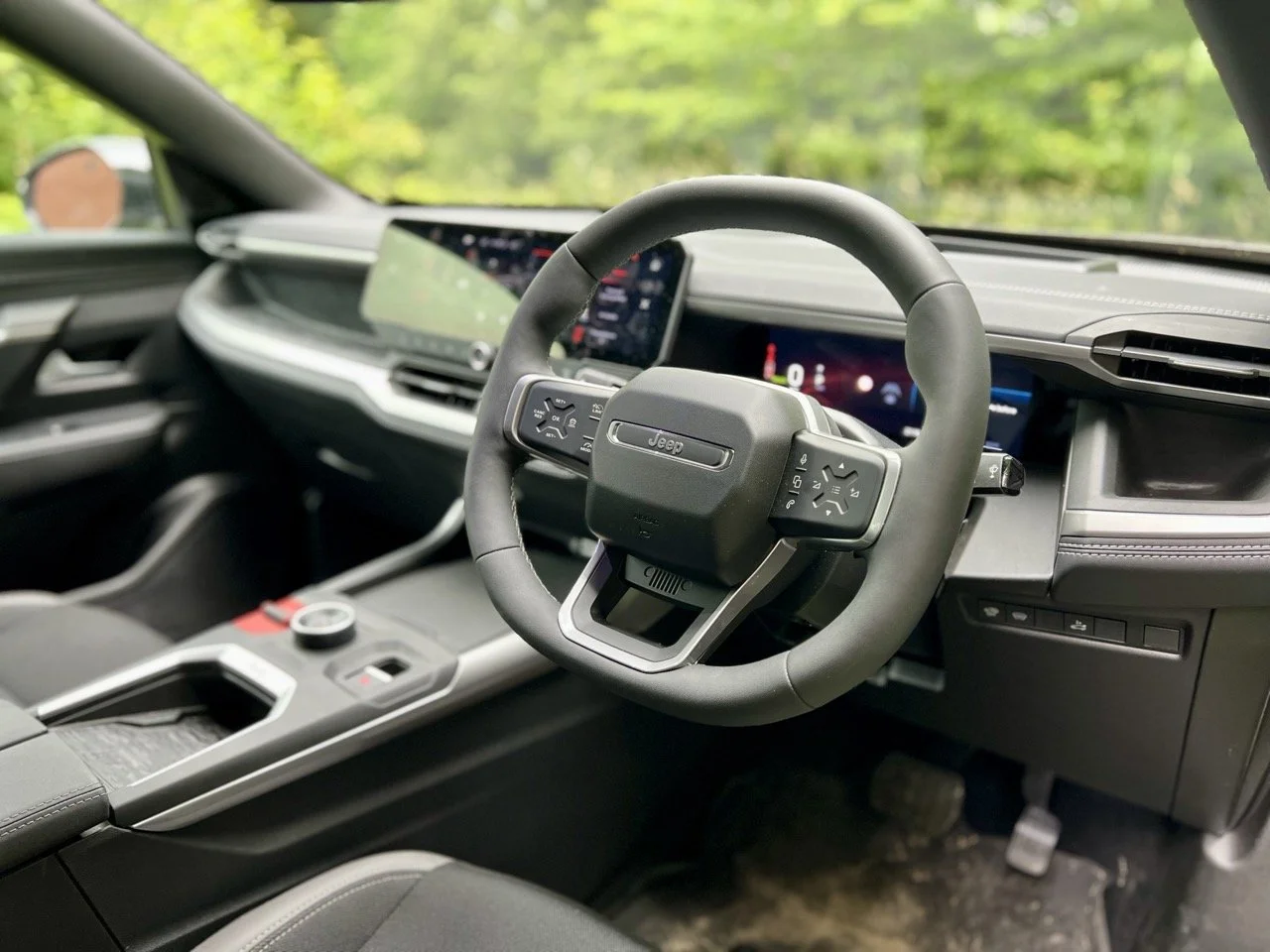
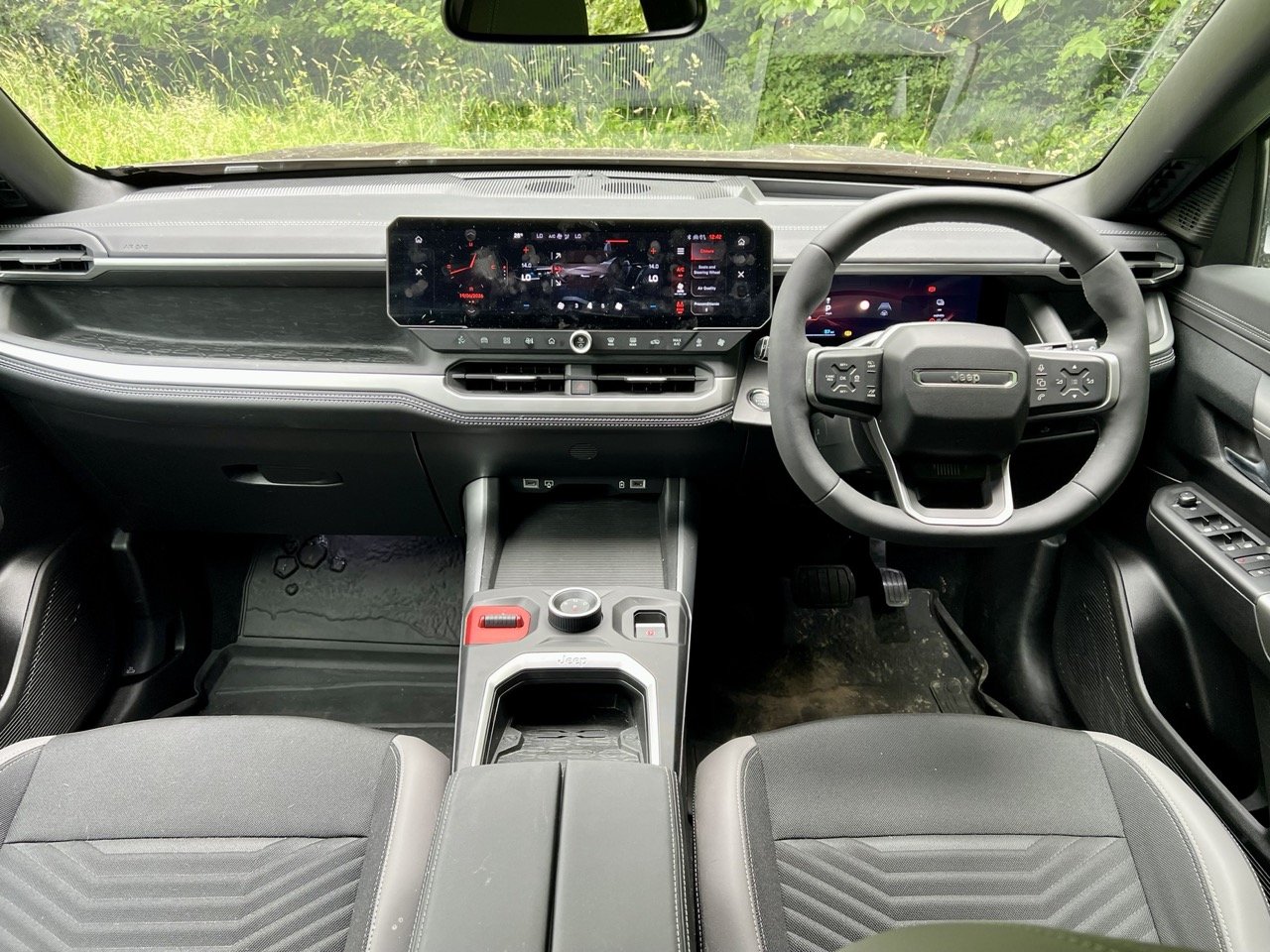
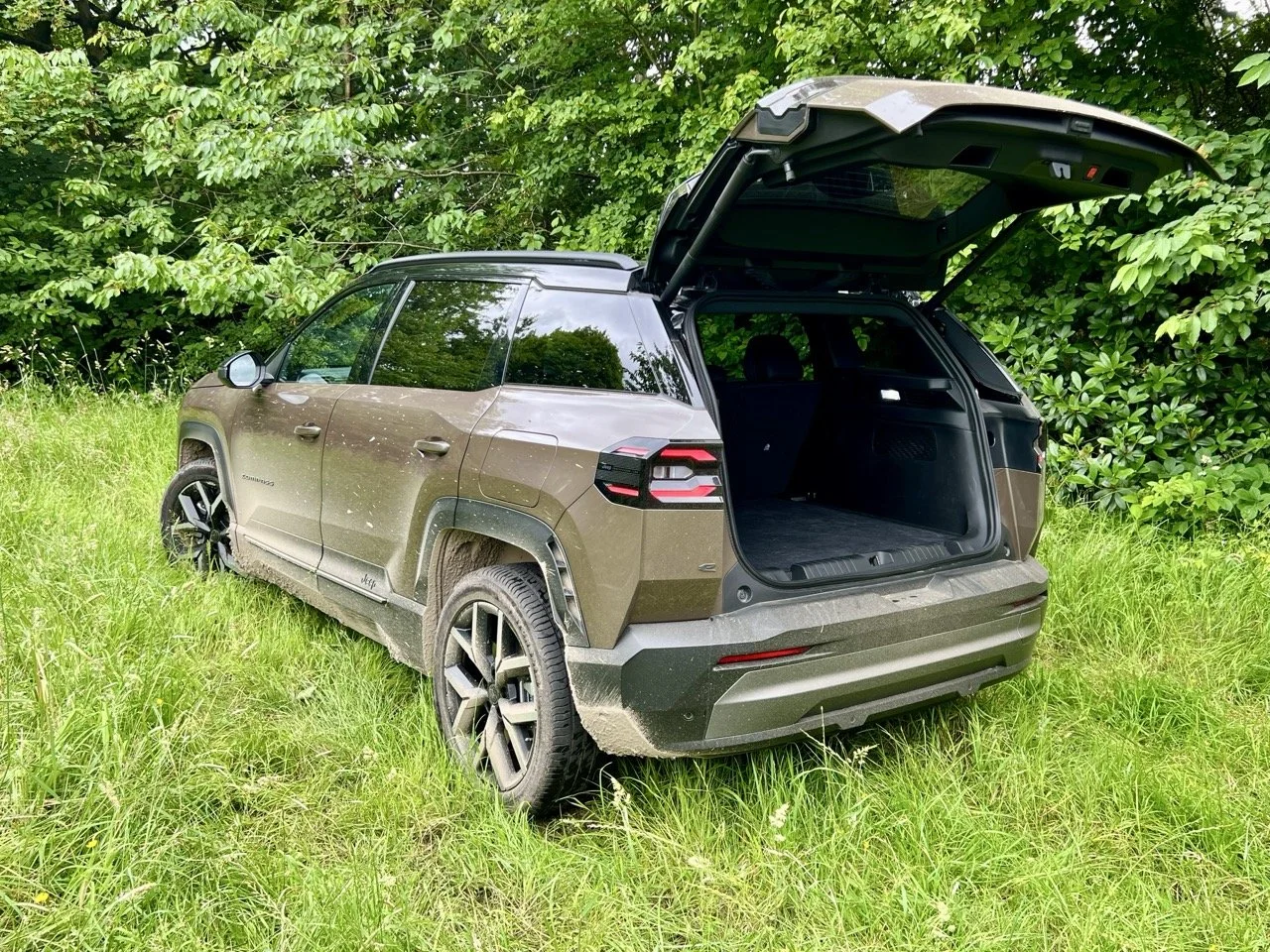
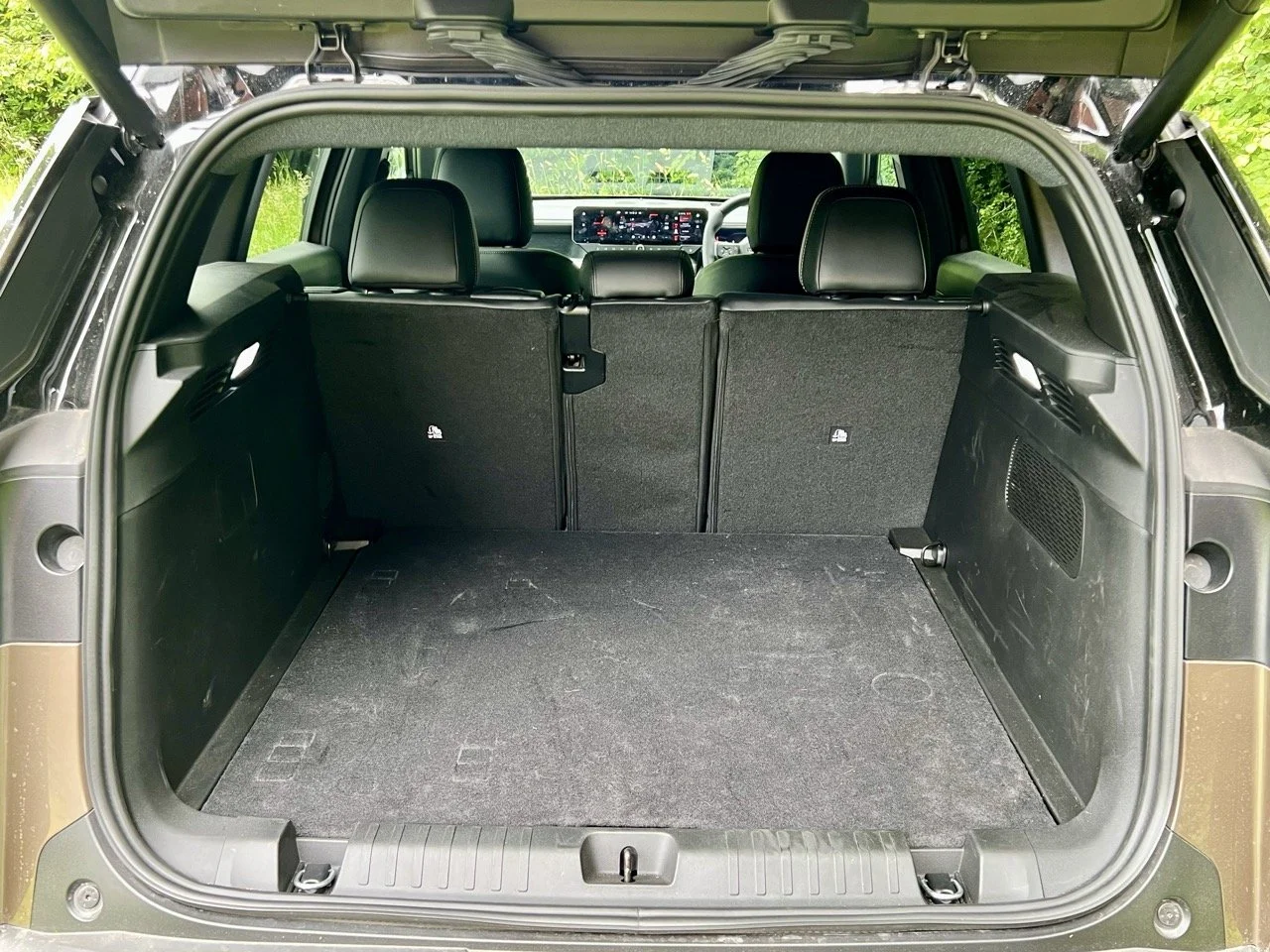
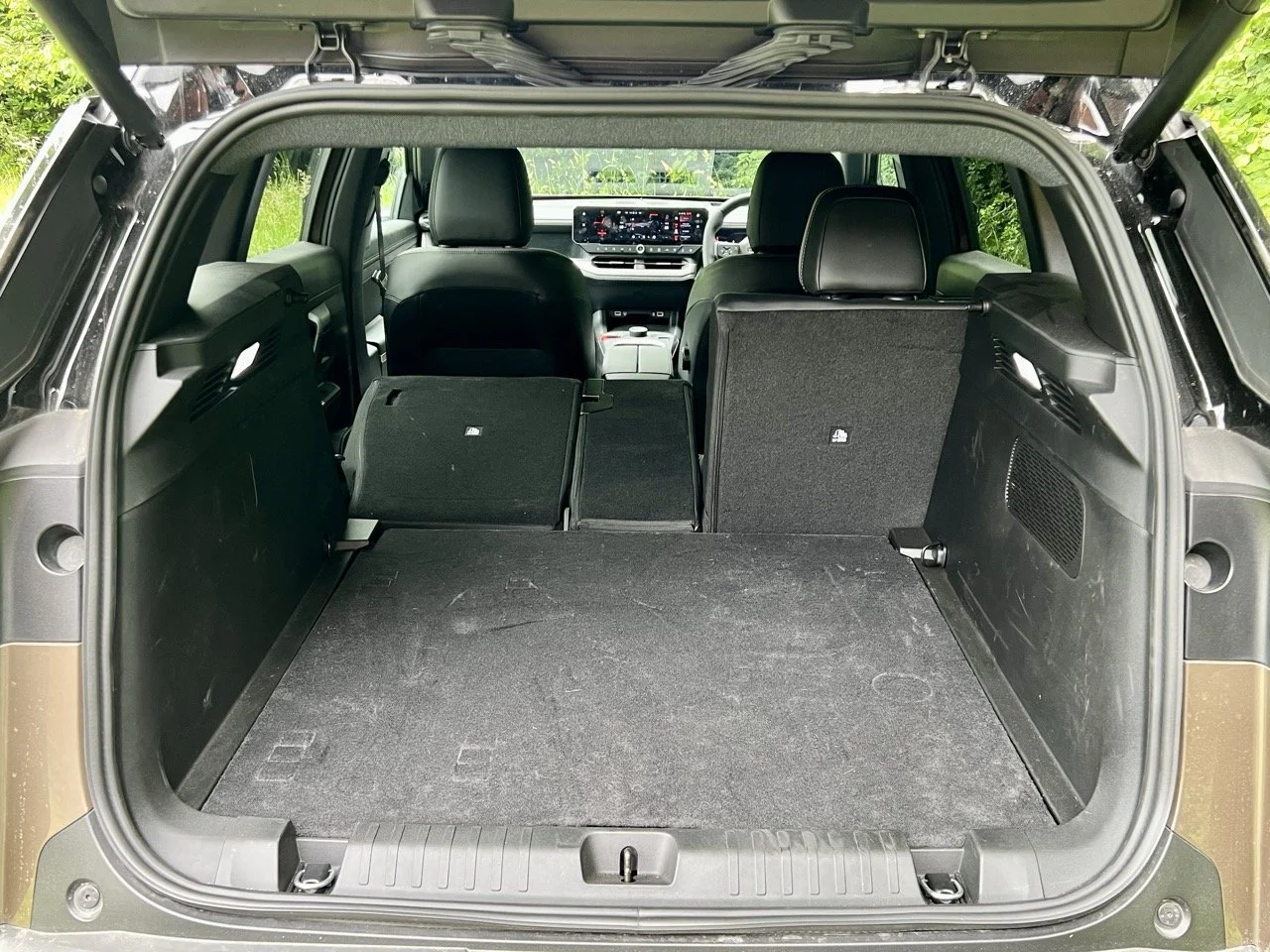
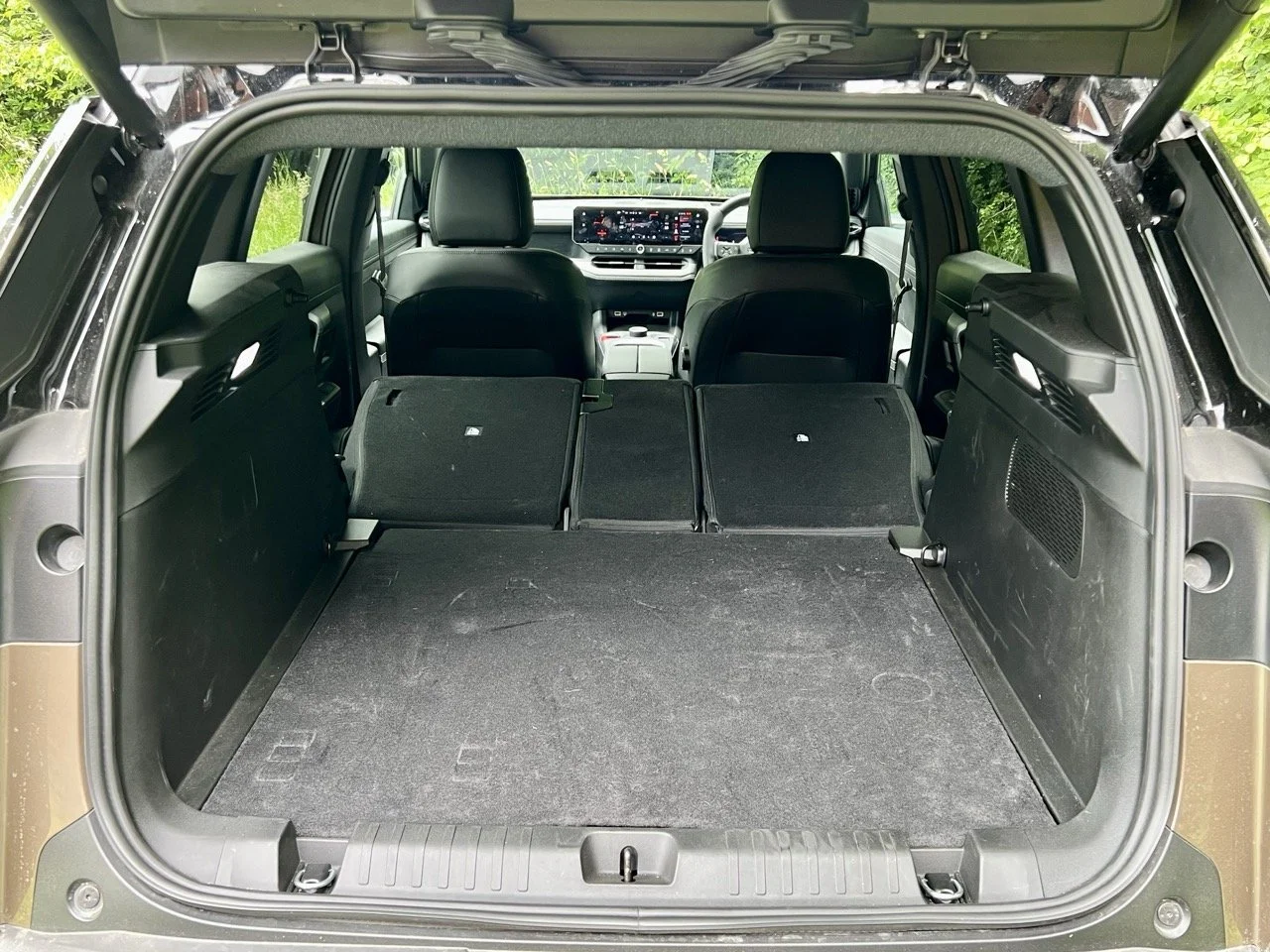
The boot is a healthy 550 litres, which should be more than adequate for most family adventures.
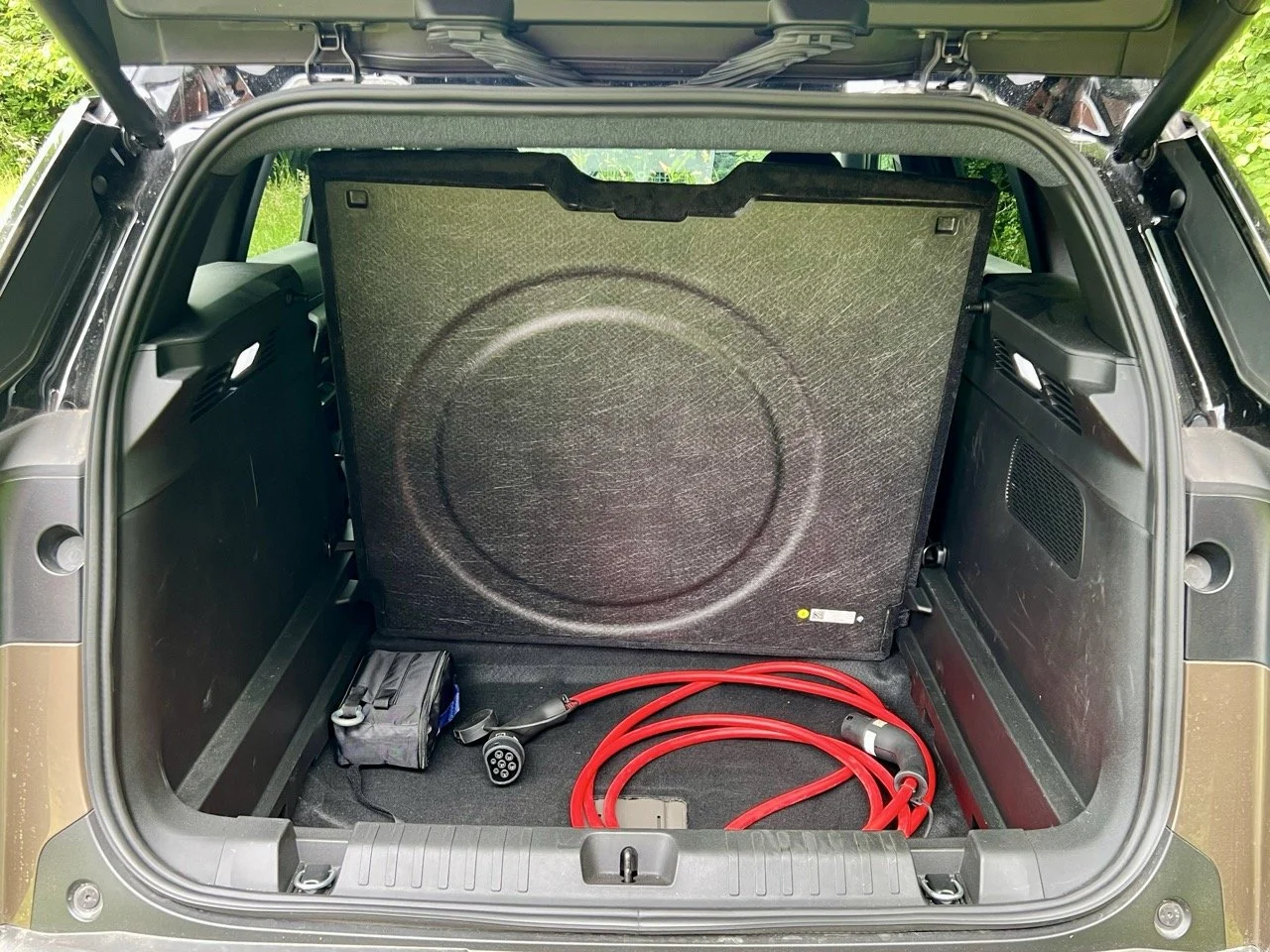
Camping bags, folding chairs, muddy boots, recovery kit and the inevitable collection of things you might need one day should all fit without too much swearing. The boot's shape is practical, and the underfloor area is handy for stowing charging cables and smaller items.
There's no front boot, so everything goes in the back. Still, there's enough space for a decent weekend away without having to strap half your belongings to the roof.
And what about the muddy dog?
With a decent boot liner, loading a wet Lurcher or a Labrador with a questionable relationship with puddles shouldn't be too much of a problem. The powered tailgate is handy when your hands are full, although larger dogs may appreciate a helping hand getting aboard.
One word of advice: protect the bumper. Dogs have a remarkable ability to scrape their way into a car while somehow leaving enough mud behind to qualify as a minor geological event.
Tech and pet peeves: give us our knobs back!
Most manufacturers these days seem determined to put absolutely everything behind a touchscreen. Heating, ventilation, driving settings, probably the kitchen sink if you look hard enough.
Annoyingly, the Compass is no exception. C’mon Jeep, be more like Skoda who give us proper rotary dials for temperature and fan speed. This alone is a reason why I couldn’t buy one.
When you're driving down a narrow country lane, bouncing over potholes with an oncoming tractor approaching, the last thing you want is to hunt for a tiny temperature icon.
Driver-assistance systems can be equally irritating. Lane-keeping assistance has its place, but narrow British roads, faded markings and overgrown hedges can make it feel as though the car is having an argument with you about where you should be driving.
The Compass provides access to driver-assistance settings through physical controls and touchscreen menus, but buyers should check exactly how the individual lane-warning and lane-positioning functions are switched off. They aren't necessarily the same thing.
That's worth testing before you buy. We want to know whether switching something off takes one press, three presses, nine presses or a degree in computer science.
The wider technology package is impressive enough, with adaptive cruise control, automatic emergency braking, parking sensors and a reversing camera. But technology should make driving easier, not turn simple tasks into a treasure hunt.
The good, the bad and the muddy
The Compass gets plenty right. It looks good, offers a spacious boot, has a decent equipment list and provides the smooth, quiet driving experience you'd expect from an electric SUV. Its ground clearance and protective bodywork also make it more convincing on rough tracks than some city-focused alternatives.
However, the ride can be unsettled on poor roads, the infotainment system isn't always the quickest, and those 20” wheels aren't ideal for rough surfaces. The range is useful rather than outstanding, and front-wheel drive is a significant limitation for anyone who takes green-laning seriously.
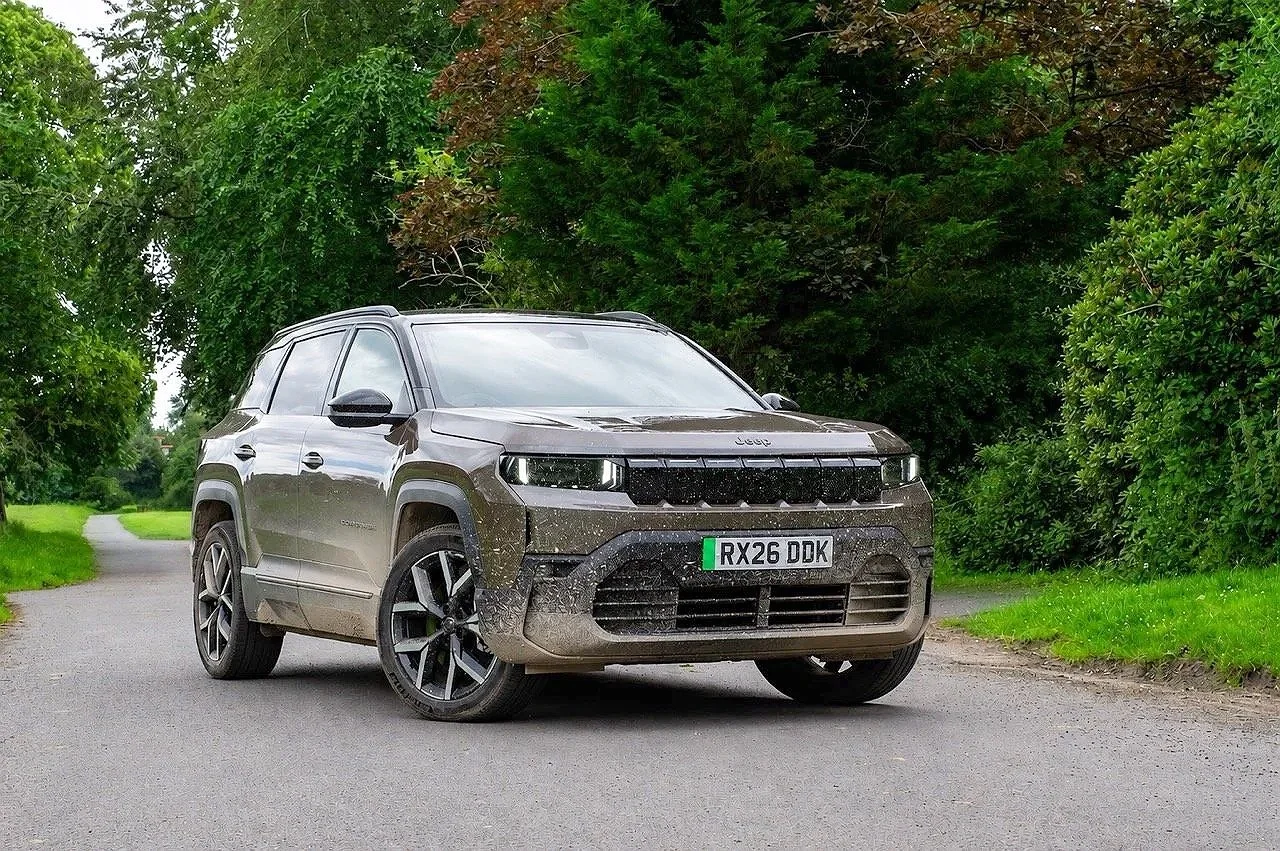
Verdict: a Jeep for the school run, with occasional muddy boots
The 2026 Jeep Compass Full-Electric First Edition is a practical, well-equipped family SUV that should suit everyday driving and weekend camping trips. It's quiet, spacious and comfortable enough, with a decent range and enough ground clearance for the occasional rough approach to a campsite.
But let's not get carried away. This isn't a replacement for a proper four-wheel-drive Jeep, and anyone regularly tackling muddy green lanes should look at the Electric 4xe or another genuine 4x4.
For families who spend most of their time on tarmac and fancy the odd adventure, the Compass makes sense. For those who regard a muddy track as an invitation rather than a warning, it's probably not the Jeep you're looking for.
The Mud Life verdict: A sensible electric family wagon with a rugged streak, but not quite the mud-plugging hero its styling promises.