
A tale of the humble folding blade and its many fettling duties.
There was a time, not too long ago, really, when most blokes, and quite a few women too, wouldn’t dream of leaving the house without a pocket knife. Not for self-defence, not for macho posturing, and certainly not for starting pub brawls, but for sorting out the endless little jobs that life throws at you.
Your grandad probably had one, your dad might’ve too, and if you’re of a certain vintage yourself, you’ve likely got fond memories of a trusty folder rattling around in your pocket, back when nobody batted an eyelid. The world’s moved on a bit now, sometimes in good ways, sometimes well, let’s just say common sense occasionally goes walkabout. But the idea of carrying a knife for purely practical purposes still holds water, even in our safety-scissored, shrink-wrapped age.
The Everyday Essential
Back in the day, a pocket knife was a tool, not a weapon. Farmers, postmen, engineers, truck drivers, and school kids alike all had one. Not because they fancied themselves as Rambo, but because the world demanded it. A splinter that needed digging out, an apple that needed halving, a bit of twine that needed snipping, or a job that required a gentle bit of persuasion. The pocket knife was the original multitool, before marketing folk decided to make multitools a thing. Not that there’s anything wrong with a multitool, of course.
For many, it was an heirloom or rite of passage. A lad’s first knife might’ve come from his dad or grandad, handed over with a few stern words about respect, responsibility, and not using it to sharpen sticks indoors. It wasn’t the blade’s size that mattered, but its dependability. The fact you could rely on it to do the job, and if you looked after it, keeping the edge sharp and the hinge oiled, it would last a lifetime.
So What Were People Actually Doing with Them?
Here’s the thing: a pocket knife earned its keep. It didn’t live in a drawer or on a shelf, it was used, regularly. We’re not talking bushcraft heroics here (though they’ve got their place). This was real-world fettling.
Everyday knife tasks fell into categories such as:
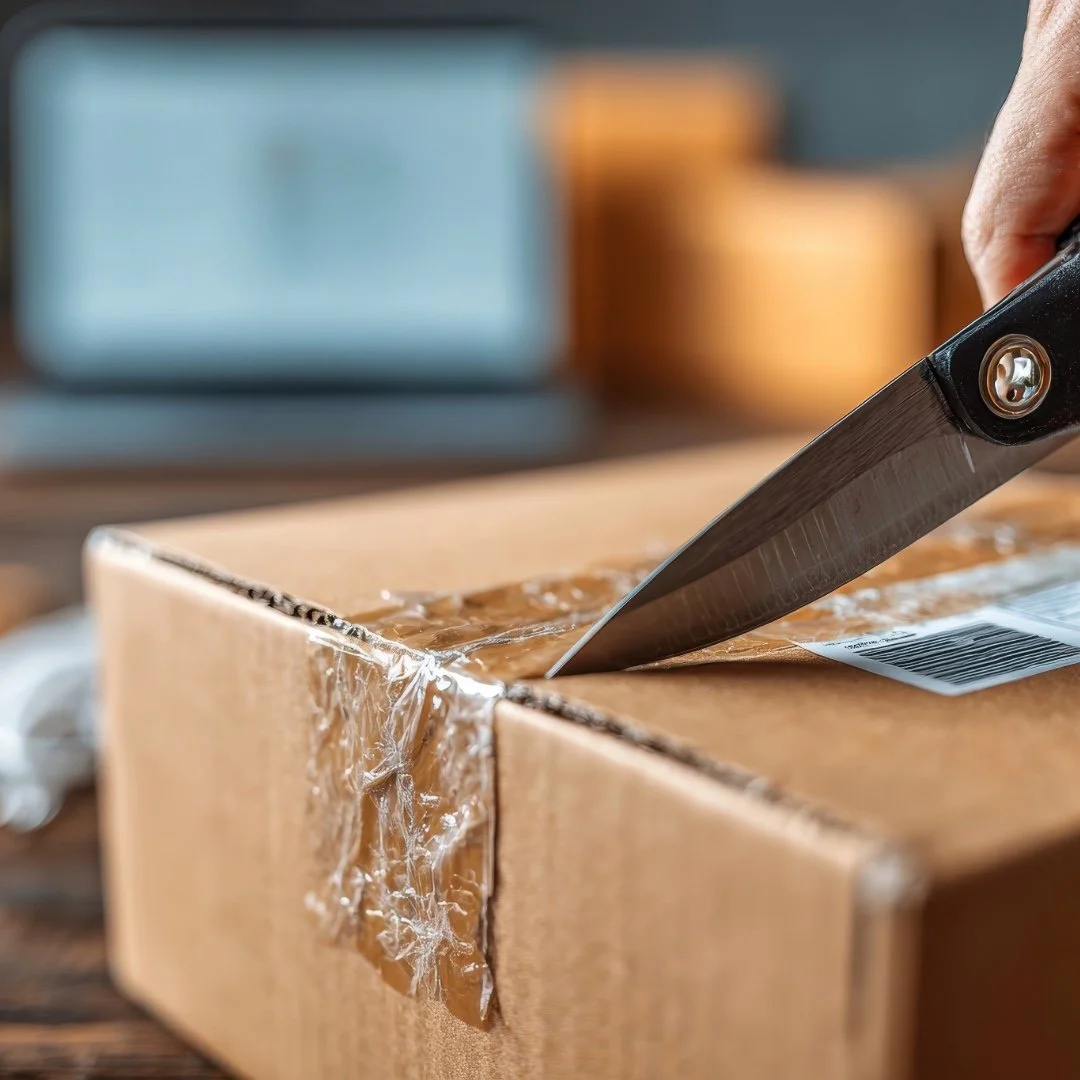
Opening packages and parcels (especially in the days before things came with tear strips and pre-perforated tabs).
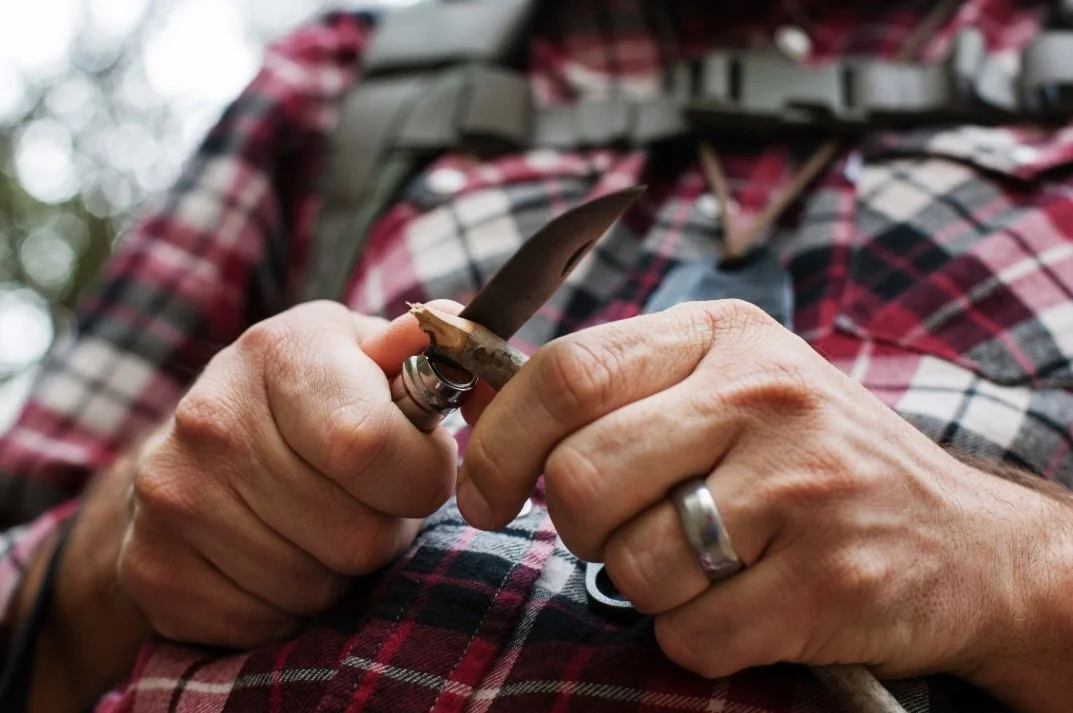
Whittling bits of stick, sometimes for fire-starting, sometimes out of boredom, sometimes to fix something.
Cutting string, rope, baler twine, or whatever else was binding something inconvenient together.
Trimming bits of rubber hose or pipe, especially when working on motors.
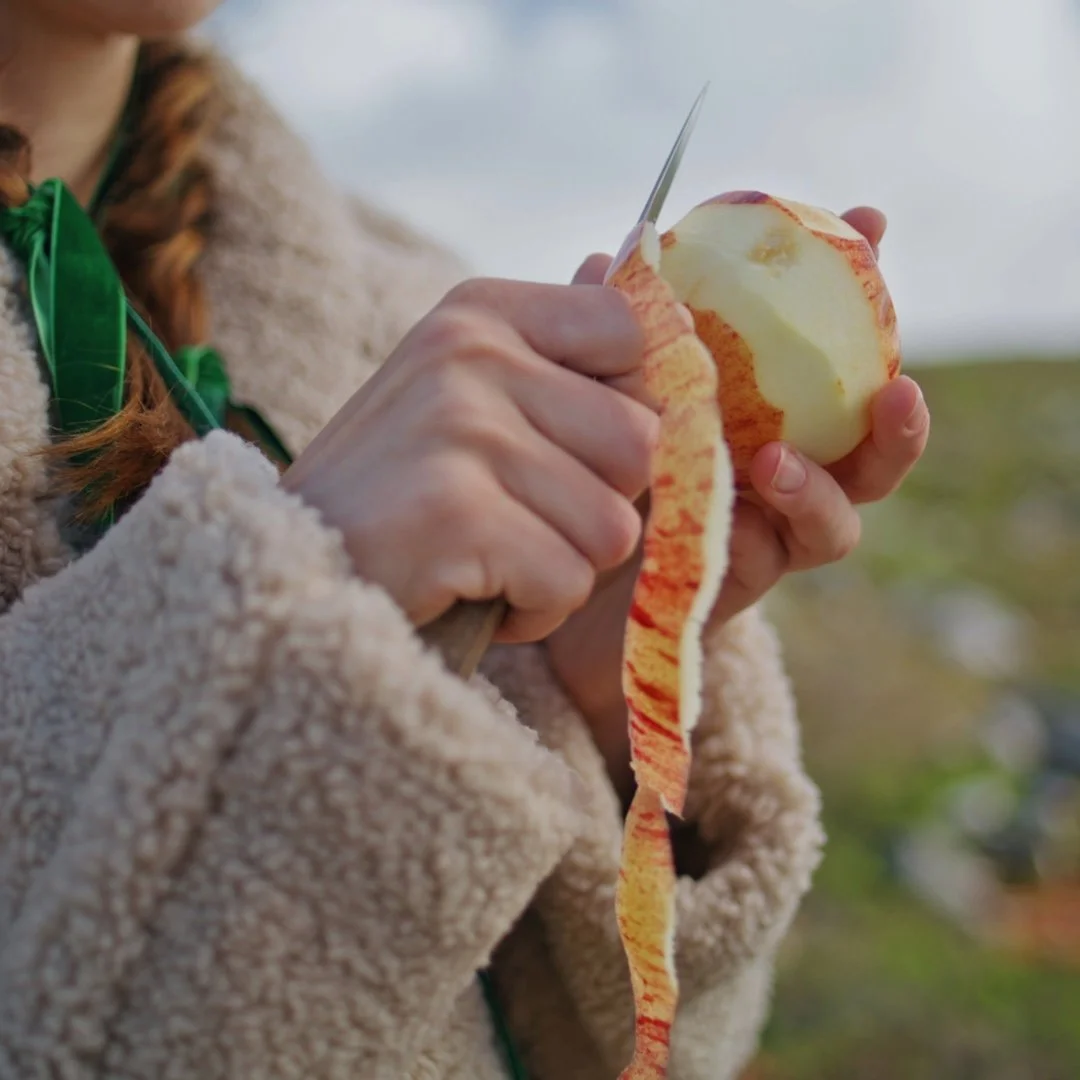
Peeling apples or carving up chunks of cheese or chorizo out on the trail. (Did we have chorizo back then?)
Scraping gunk or labels off things, sticker residue, glue, tree sap, you name it.
Getting under lids and prising stuff open, from old paint tins to jammed fuse boxes.
Removing splinters, which always feels medieval, but oddly satisfying.
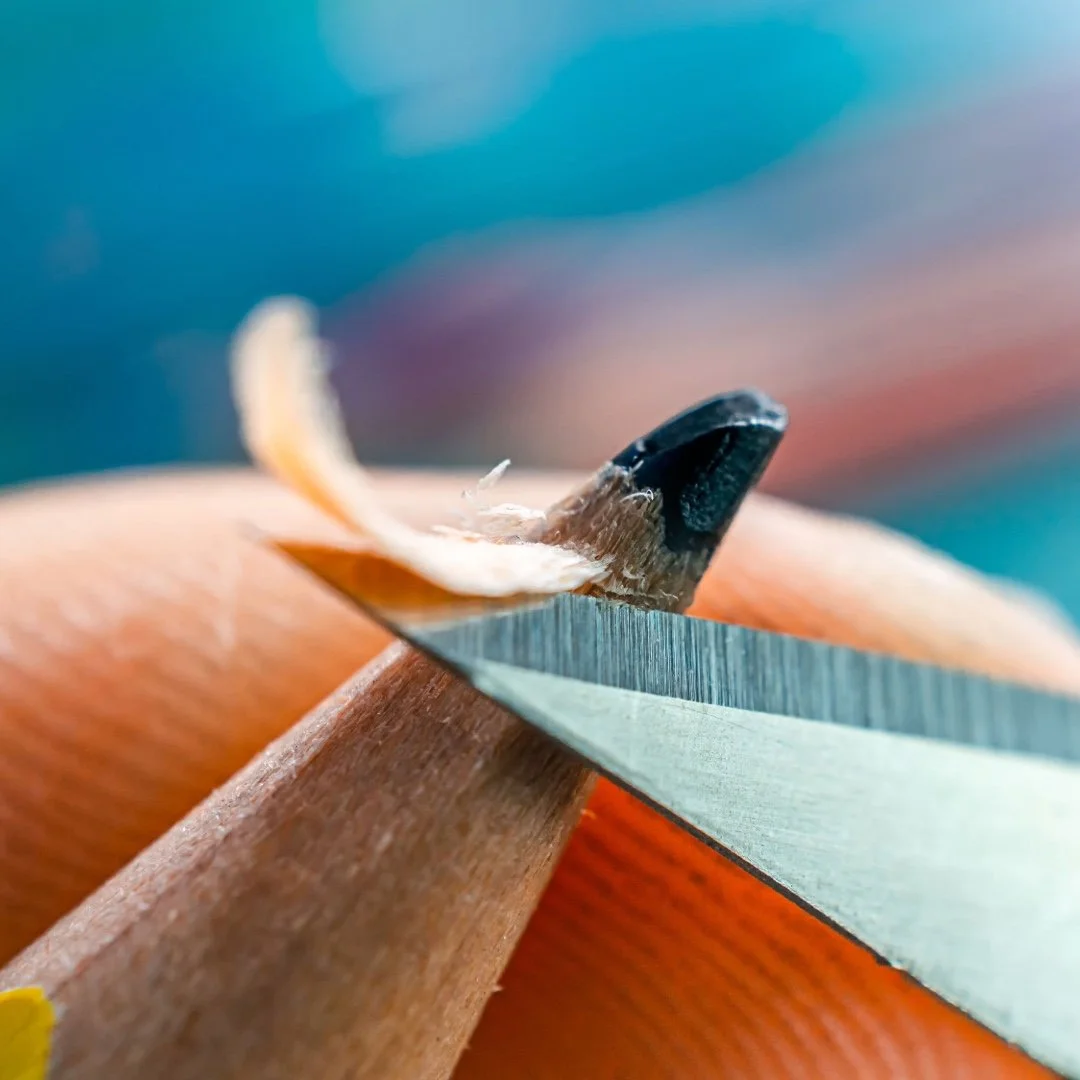
Sharpening pencils, properly, with a long curl, not chewed up by an electric whirring nightmare.
You get the idea. It wasn’t about being prepared for the apocalypse, it was about cracking on with life.

Types of Knives: One Size Doesn't Fit All
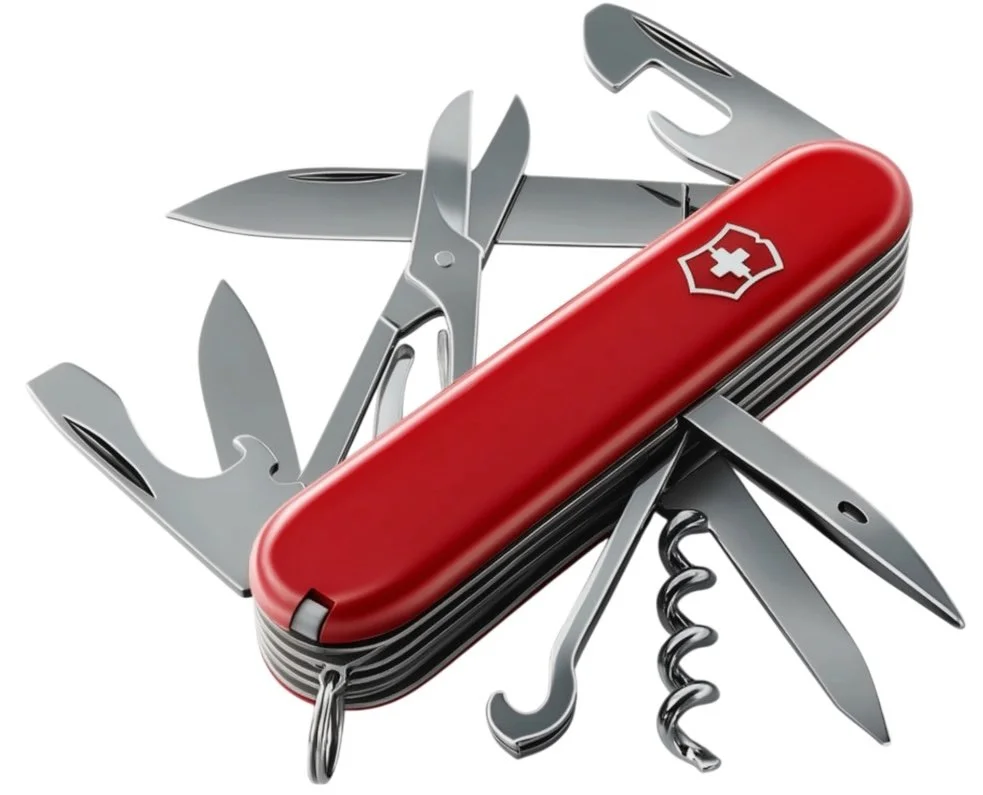
There’s a whole world of pocket knives out there, from the fancy ones with more gadgets than a Swiss banker, to the stripped-back classic folders that prioritise feel and function over bells and whistles. Both Muddy Madam and I carry a small Swiss Army Knife that’s permanently attached to our keyrings.
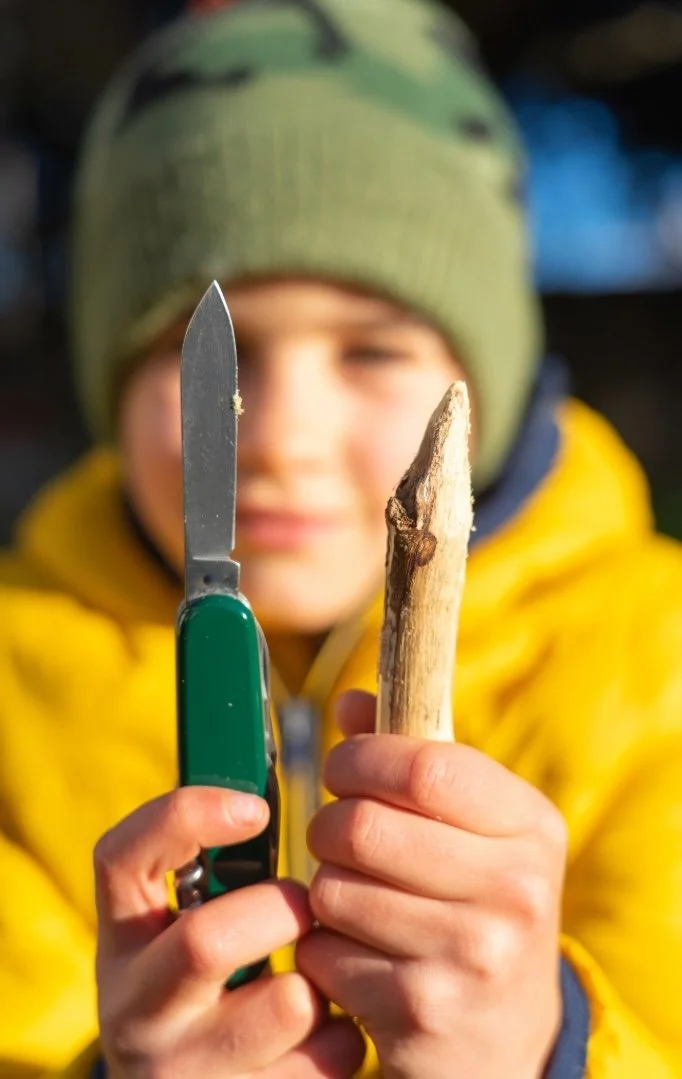
A good traditional folding knife usually has a single blade, a wooden or composite handle, and a sense of timeless simplicity. Some lock open, others rely on friction or a spring-back mechanism. The so-called ‘slipjoint’ design - like you’d see on old Sheffield-made knives or many European pocket folders, uses a backspring to keep the blade open under light pressure, but without locking it.
The advantage? Legal carry in the UK. As of now, you can still legally carry a non-locking folding knife with a blade under 3”, as long as you’ve got good reason and you're not up to no good. It’s a tool, not a weapon.
Why Carry One Now?
In a world of smartphones, disposable everything, and jobs that come with a manual and a hotline, there’s something grounding about carrying a simple tool like a pocket knife. It encourages problem-solving, slows you down just enough to think, and reminds you that not everything in life is push-button easy.
There’s also a real pleasure in having the right tool to hand. Not a biro used to stab open a cardboard box. Not a car key mashed into parcel tape. A proper blade. Clean cut. Job done.
Carrying a knife today might raise an eyebrow or two, depending on where you are, but context matters.
If you’re out in the countryside, working with your hands, camping, green-laning, fettling with motors, or just tackling life’s little annoyances head-on, a good pocket knife still makes perfect sense.
Final Thoughts
The world might’ve gone digital, but there's still a place for analogue thinking, and analogue tools. The pocket knife isn’t about nostalgia, not really. It’s about self-reliance, readiness, and being someone who sorts things out rather than waits for someone else to.
So here’s to the humble pocket knife that has earned its stripes many times over, and to the men and women who carry one.
In the meantime, maybe have a rummage in your drawers - your trusty old pocket knife might still be knocking about, waiting for its next adventure.