
OCTA Beaten Track in the Yorkshire Dales
Apologies for the title – that’s down to ChatGPT!
Earlier in the year, good friend of ours, Andy, who writes for the Yorkshire Times, was rather excited at the prospect of having Land Rover’s Defender OCTA on loan for a week.
Whether he invited me, or I invited myself is still up for debate. Either way, because I seem to be on the naughty list at JLR HQ and unable to get a response from them, never mind a car, I found myself heading for Yorkshire to get more acquainted with the aforementioned fire-breathing monster.
And when I say monster, I mean it.
So, what exactly is a Defender OCTA?
Well, if you’ve just returned from Mars, the Defender OCTA is what happens when JLR decides the standard Defender range simply isn’t quite bonkers enough.
Sitting at the very top of the Defender tree, the OCTA takes an already capable 4x4 and throws a fairly ridiculous amount of engineering, power and money at it.
The headline figure is the 4.4-litre twin-turbo mild-hybrid V8, producing a frankly unnecessary 626bhp and 553lb ft of torque. It’ll go from 0-60mph in around 3.8 seconds and, if you have somewhere sufficiently irresponsible to do it, eventually reach 155mph.
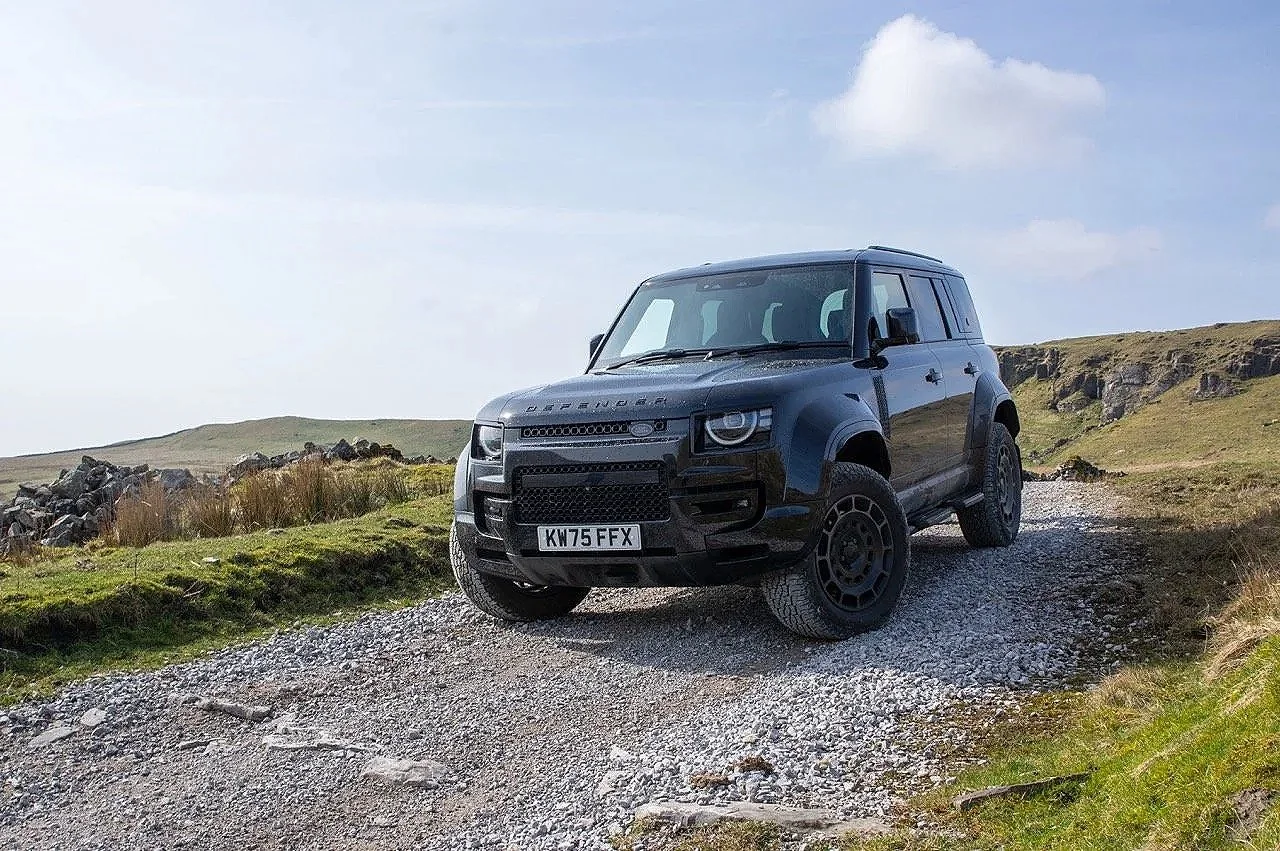
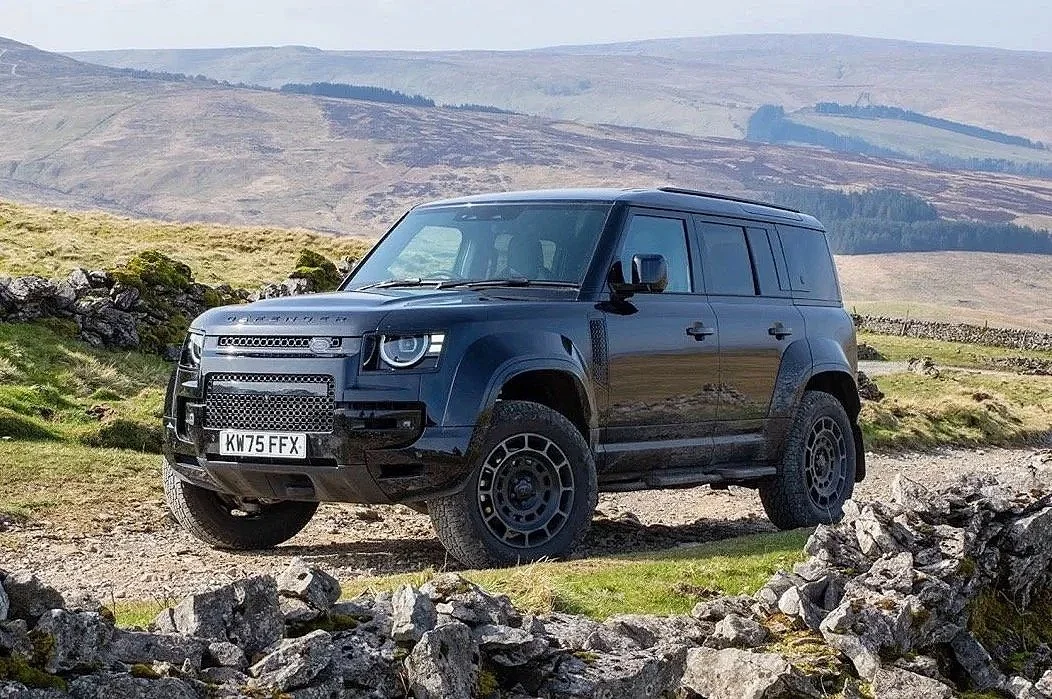
Off-road, it gets wider, taller and tougher, with increased ground clearance, 33” tyres, beefier suspension components, greater articulation and a claimed one-metre wading depth. The suspension is a particularly clever bit of kit, using Land Rover’s hydraulically cross-linked 6D Dynamics system to control body movement while allowing the wheels to do their thing off-road.
There’s also an OCTA mode, essentially giving the driver the keys to the naughty cupboard and allowing the Defender to behave rather more like a rally-raid car than a large luxury SUV.
It’s Land Rover’s answer to the sort of machines normally occupied by the Mercedes-AMG G 63 and similar high-performance SUVs, although the OCTA takes a slightly different approach.
Rather than simply making an enormous luxury SUV go very quickly on tarmac, Land Rover has actually designed the OCTA to go very quickly off tarmac too.
The amusing thing is that most owners will probably never get anywhere near discovering what it can actually do.
But that’s rather like buying a Porsche 911. You don't need to drive at 190mph to appreciate the engineering. Although, obviously, it would be rude not to have a go occasionally.
Heading for the Dales
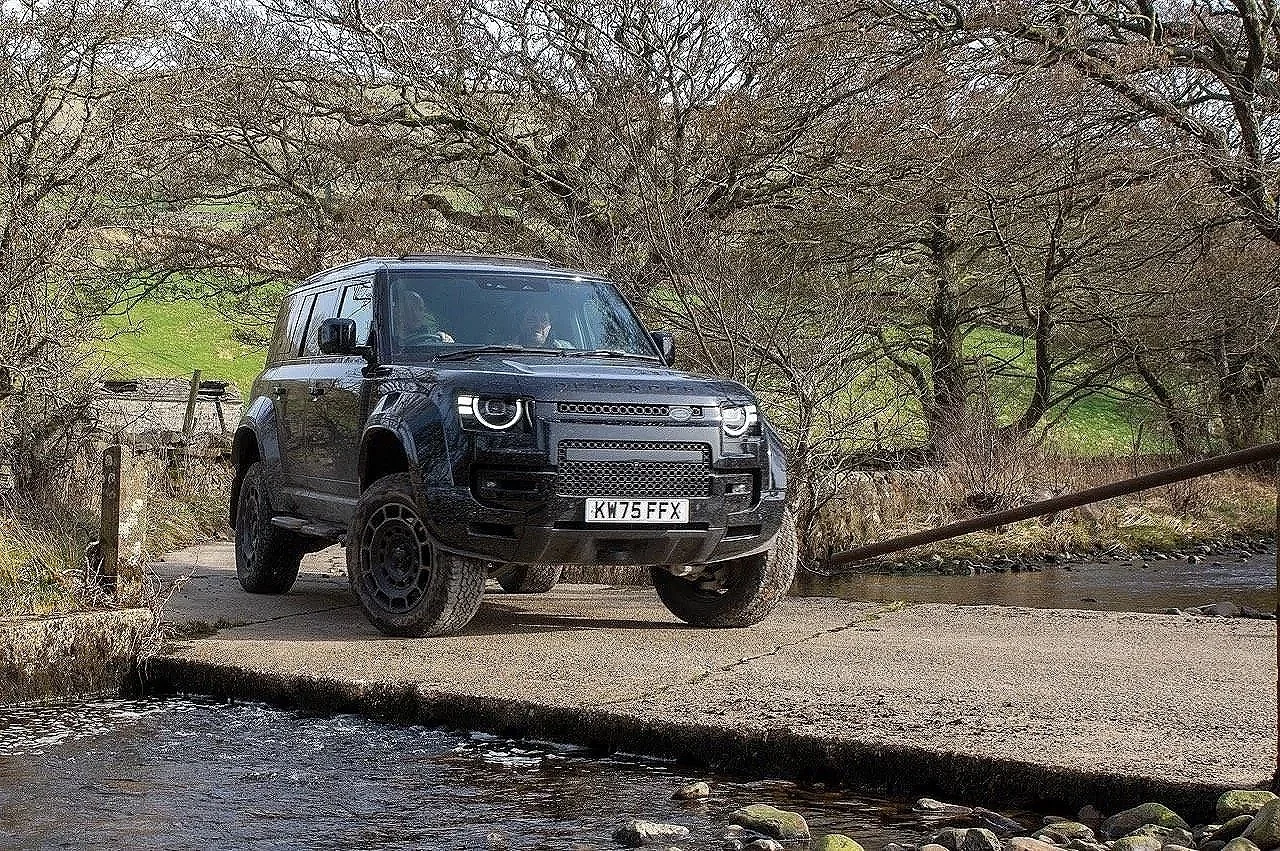
The plan was fairly simple: drive up to Settle and take the OCTA along some of the easier, but spectacularly picturesque, Yorkshire lanes, accompanied by Andy and his pal Luke.
And what a day we had.
The B6479 towards Ribblehead Viaduct and then the B6255 towards Hawes are cracking roads at the best of times. In the OCTA they became something of an event.
There was no opportunity – thankfully, perhaps – to explore the upper reaches of the OCTA’s performance, but that didn't stop us wondering what 626bhp would actually feel like if we pointed the thing down a suitable piece of empty tarmac.
The answer, based on the occasional enthusiastic prod of the accelerator, is probably quite lively. Very lively.
The OCTA doesn't feel like a 4x4 with a powerful engine bolted into it. The whole thing has been engineered around the idea that it should be able to deal with serious speed while remaining composed.
And that is one of the things that makes the OCTA so interesting. It isn't simply a Defender with a stupidly large engine. Land Rover has gone considerably further than that.
Of course, the temptation is always there to treat it like a giant hot hatch. The noise certainly encourages you, but we had a much more sensible agenda. Mostly.
Semerwater
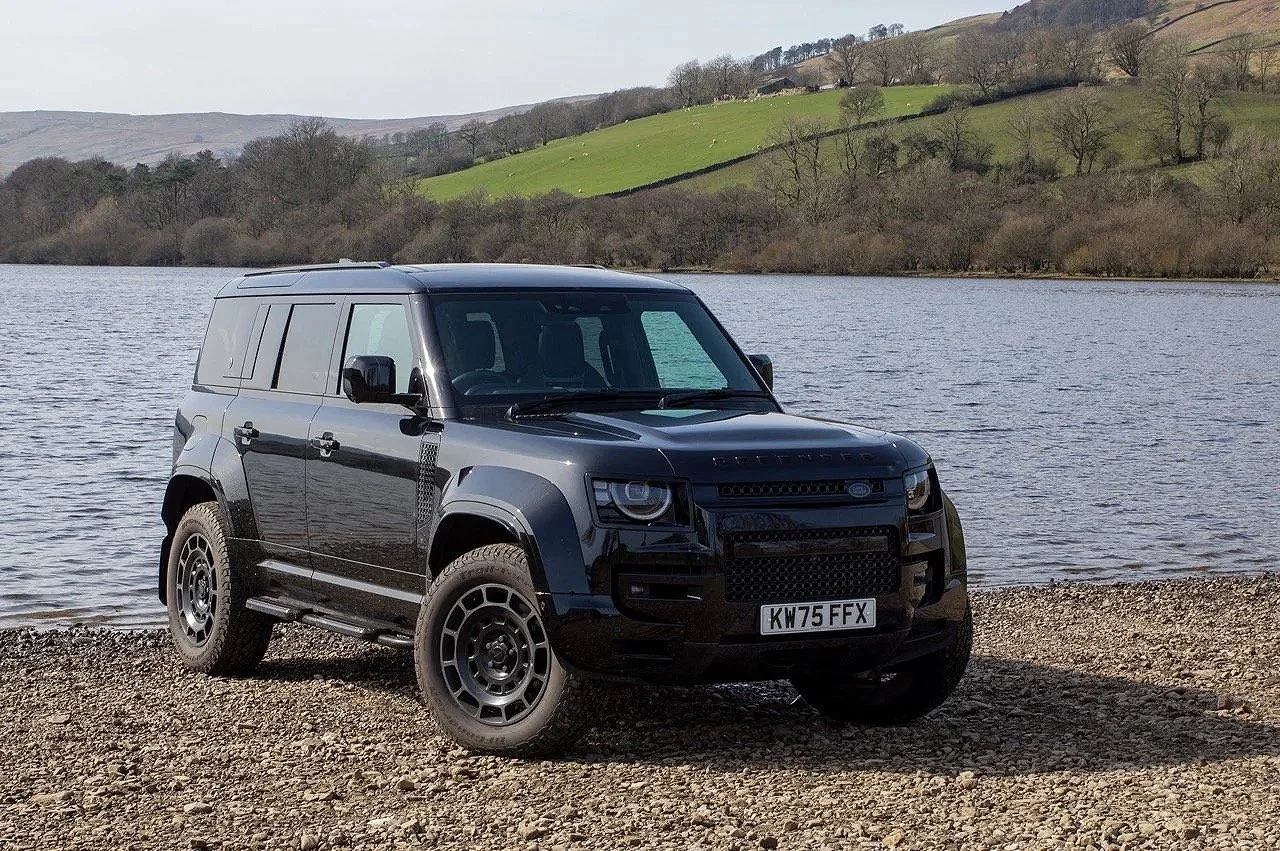
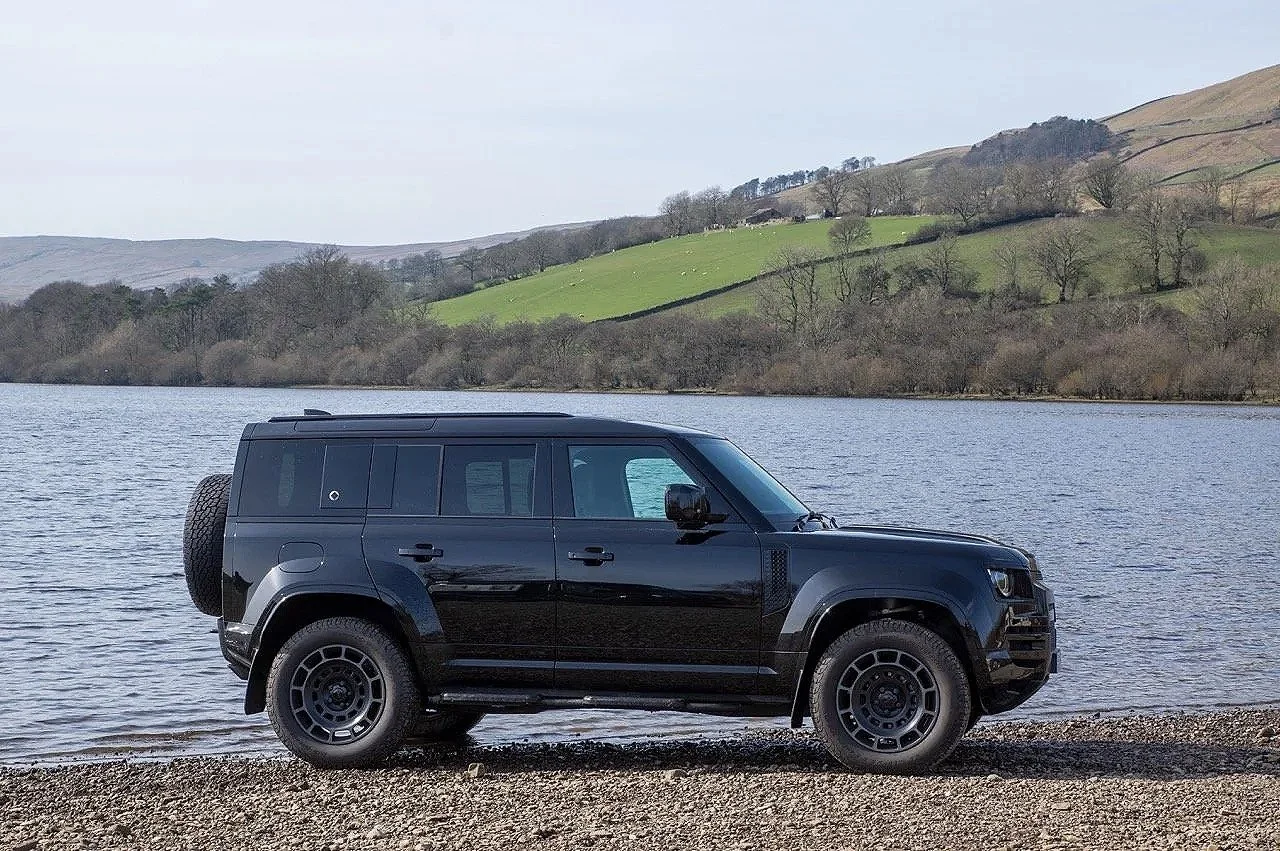
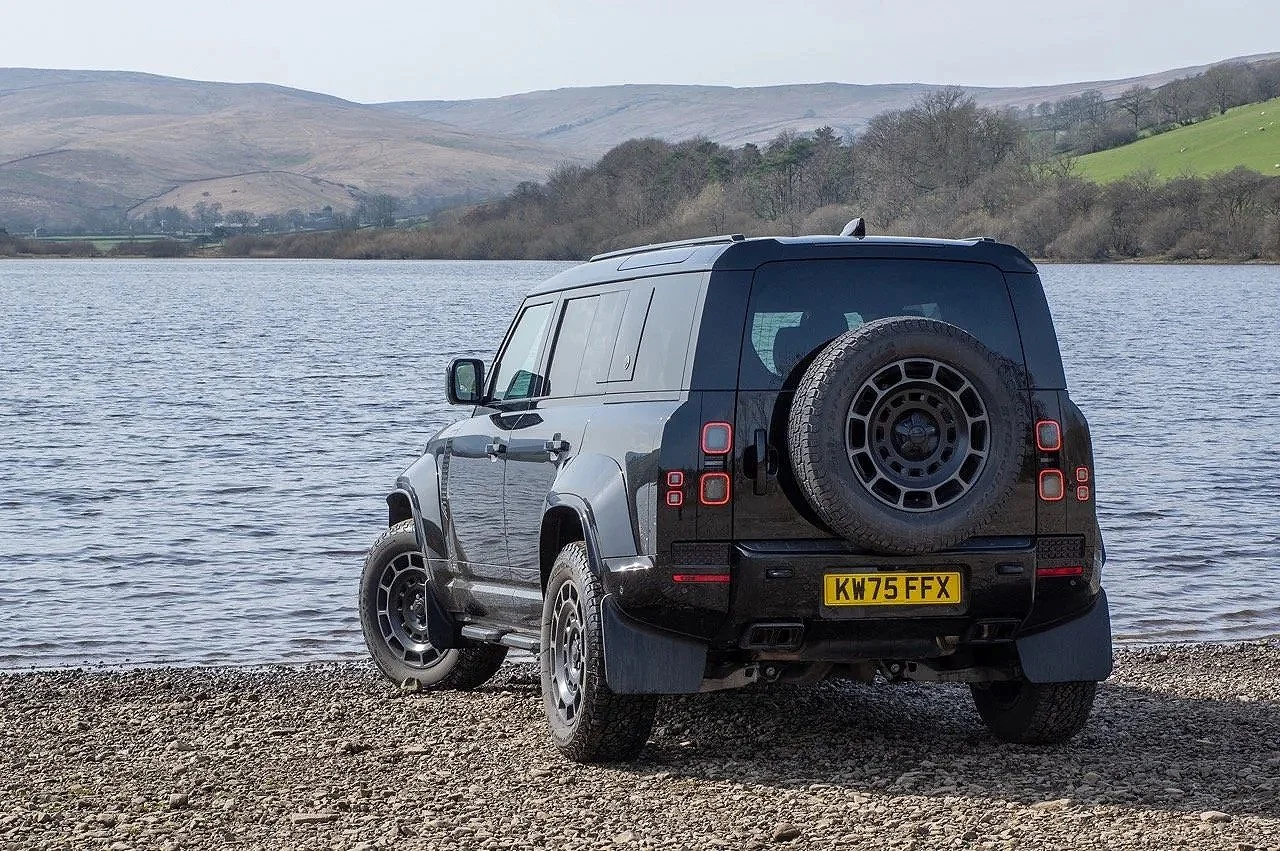
Our first proper stop was the shoreline of Semerwater, the largest natural glacial lake in the old North Riding of Yorkshire and the source of the River Bain, apparently the shortest river in the country.
It’s also very photogenic. In fact, I’m fairly certain there’s a Yorkshire bylaw stating that you can't pass Semerwater without taking at least three photographs of your vehicle parked somewhere near the shoreline.
Nobody has ever shown me the paperwork, but I'm prepared to accept that it's true.
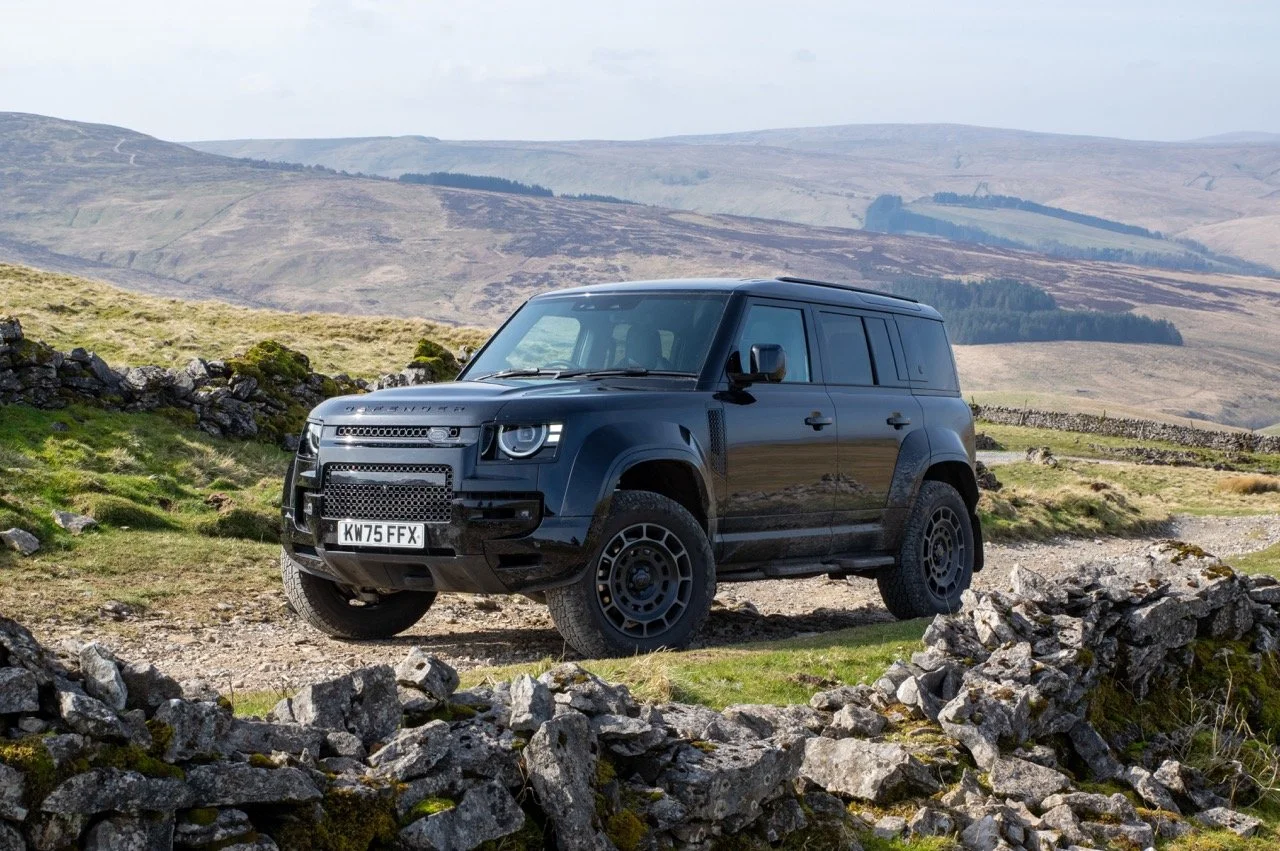
So, naturally, the OCTA was photographed. Several times. And despite the OCTA’s general air of menace, it actually looked surprisingly at home against the landscape.
Busk Lane
From Semerwater we headed towards Marsett and Busk Lane, or, if you're a GLASS member, SD9086-02.
Heading east, the first ford takes you through Raydale Beck.
I've driven this lane before and, depending on recent rainfall, this crossing can be considerably more exciting than it looks.
The first time I tackled it, the water was deep and moving with enough enthusiasm to push Deux Smurf and several other 4x4s sideways.
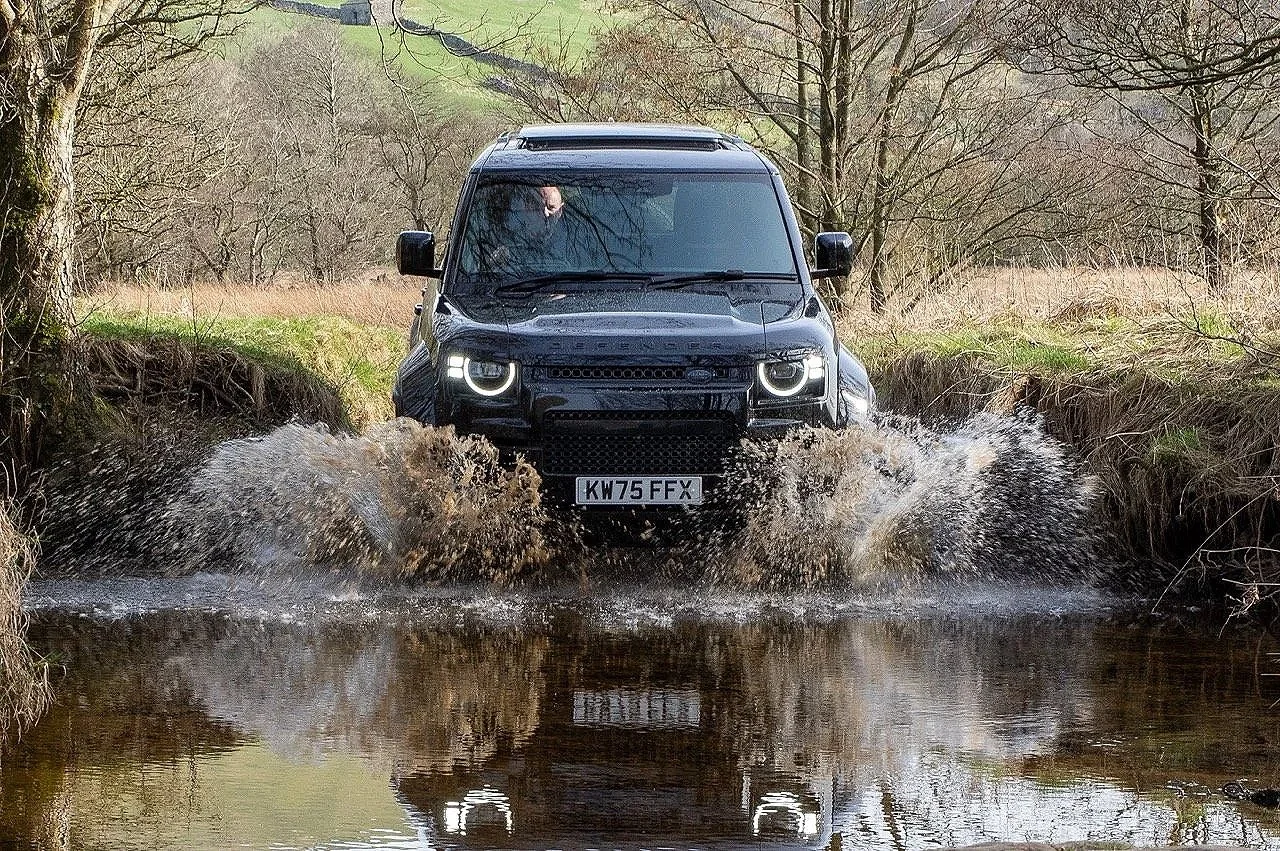
Today was rather different, the water level was barely bumper deep and, although the OCTA made a satisfying splash, it was hardly the sort of challenge that was going to trouble it.
In fact, I suspect the Defender was beginning to wonder when we were going to get serious.
The next section takes you into Cragdale Water for around 100 yards or so.
If you've never driven it, it’s worth remembering that direction and weather matter. Heading east to west after heavy rain isn't something I'd recommend simply because you're then driving against the flow, which can become surprisingly strong.
Today, however, we'd had a spell of relatively dry weather.
So instead of battling a raging torrent, we had a pleasant, meandering drive with a few opportunities for splashy photographs.
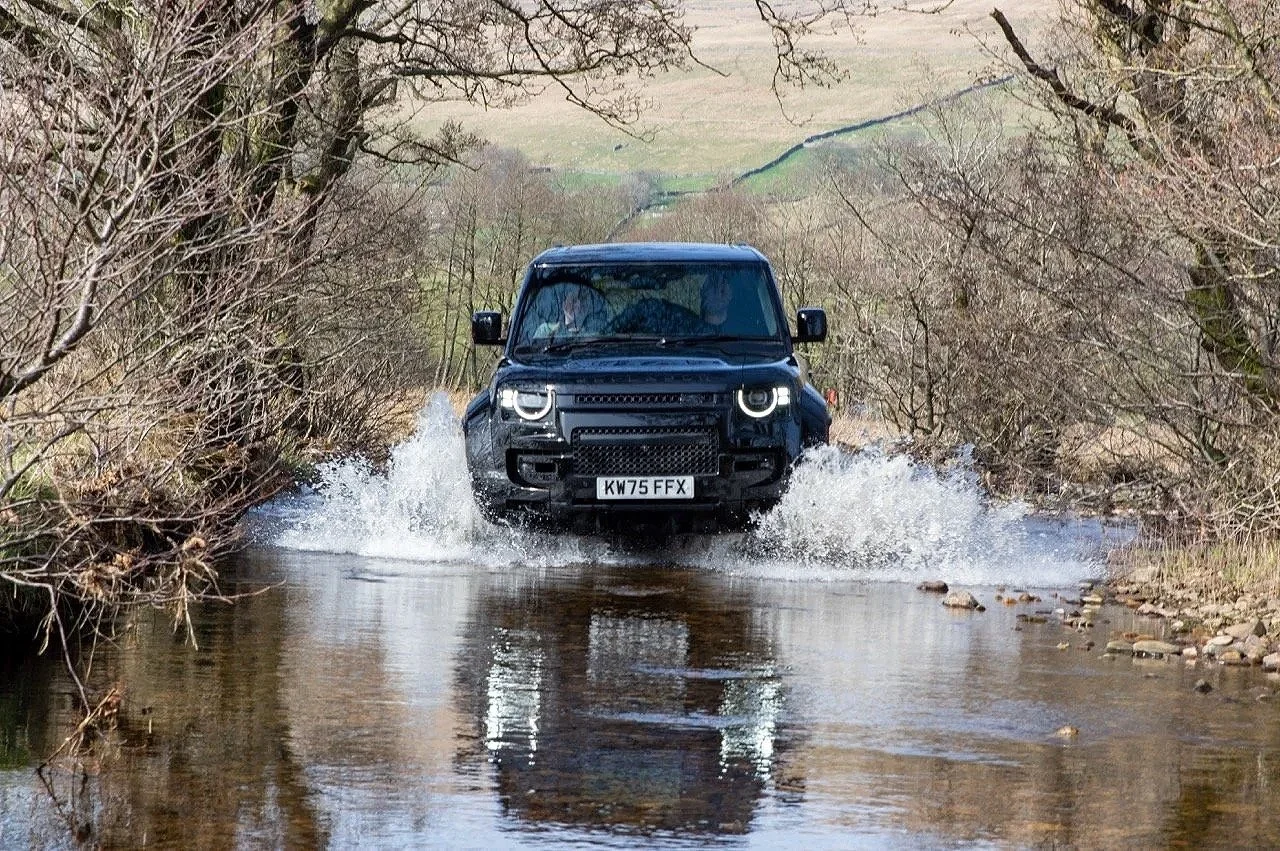
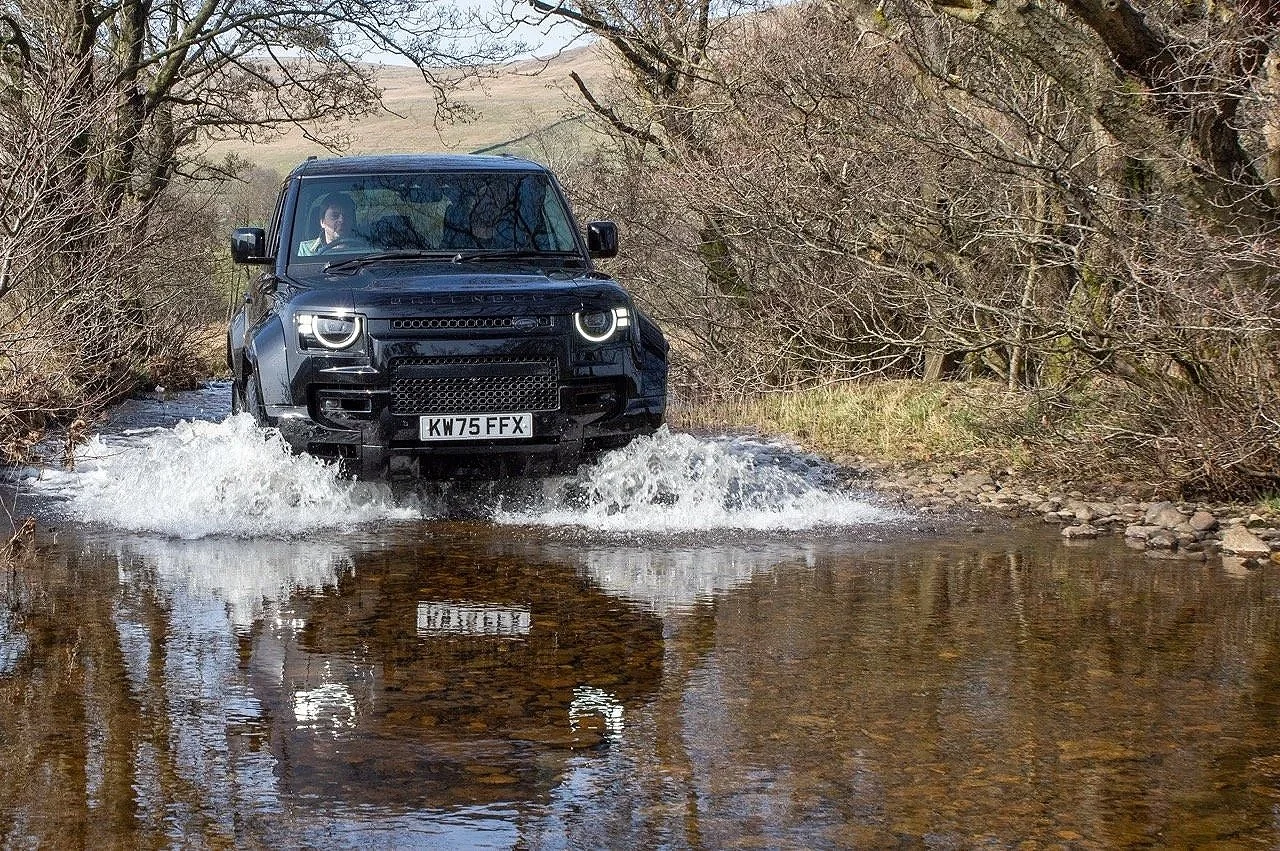
Not every day out in a 4x4 needs to involve winching something out of a bog while somebody shouts, "Give it some!"
More lanes, less drama
From Stalling Busk we made our way to High Lane (SD9383-03), which leads onto Gilbert Lane (SD9480-01).
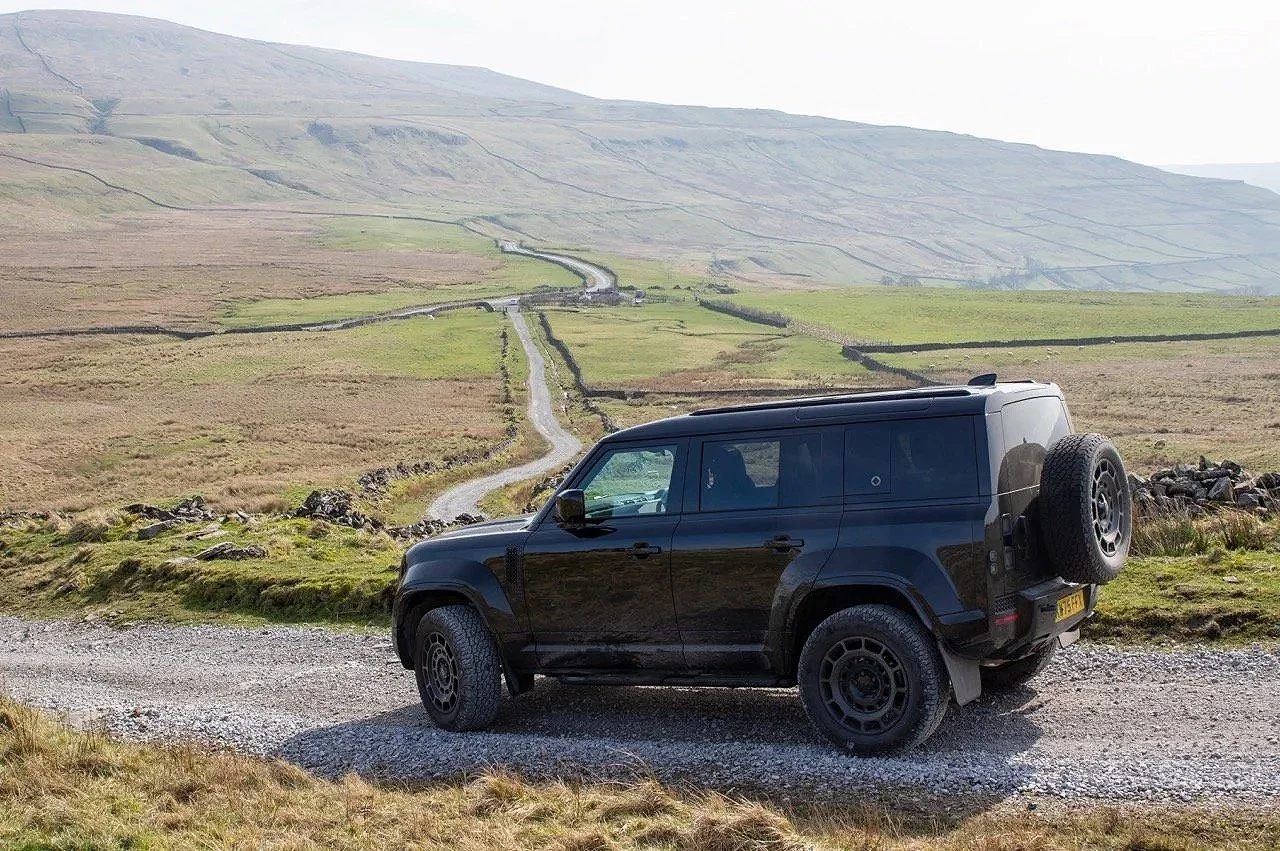
Again, these are considerably more scenic than challenging.
I've driven them in a Skoda Karoq and a Lexus UX, so the OCTA wasn't exactly being asked to demonstrate its full repertoire.
If anything, it must have been slightly embarrassing for it.
Imagine buying a 626bhp, £100,000-plus, hydraulically sophisticated, high-speed off-road monster and then asking it to potter along a relatively tame Yorkshire lane at walking pace. It's rather like taking a rally car to Tesco.
But that's not really what the day was about.
The OCTA was simply the vehicle we happened to be in, and we were there to enjoy the Dales, the lanes and some time with friends.
And, importantly, the banter was strong.
The Buck Inn
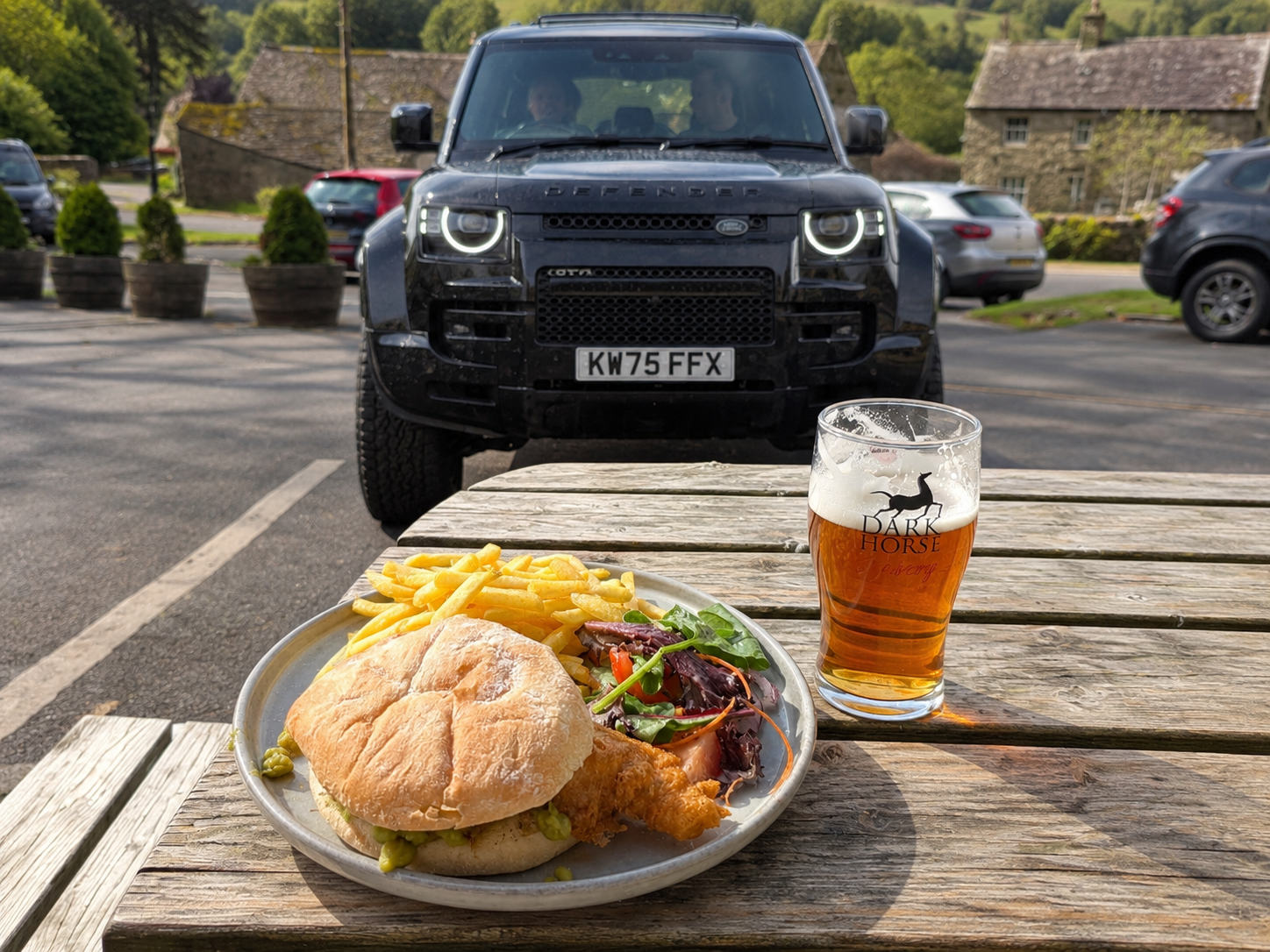
There is another unwritten Yorkshire law that must be obeyed. When you're near Buckden, you have to visit the Buck Inn for a fish butty and a pint.
Obviously, we did. It would have been irresponsible not to.
With lunch dealt with and the afternoon still stretching ahead of us, we had more than half a tank of petrol remaining in the OCTA, there was only one sensible thing to do, and that was to retrace our tyre tracks.
So back we went over Gilbert and High Lanes, through the water crossings on Busk Lane, before heading towards High Cam Road and our final lane of the day, West Cam Road (SD8283-03).
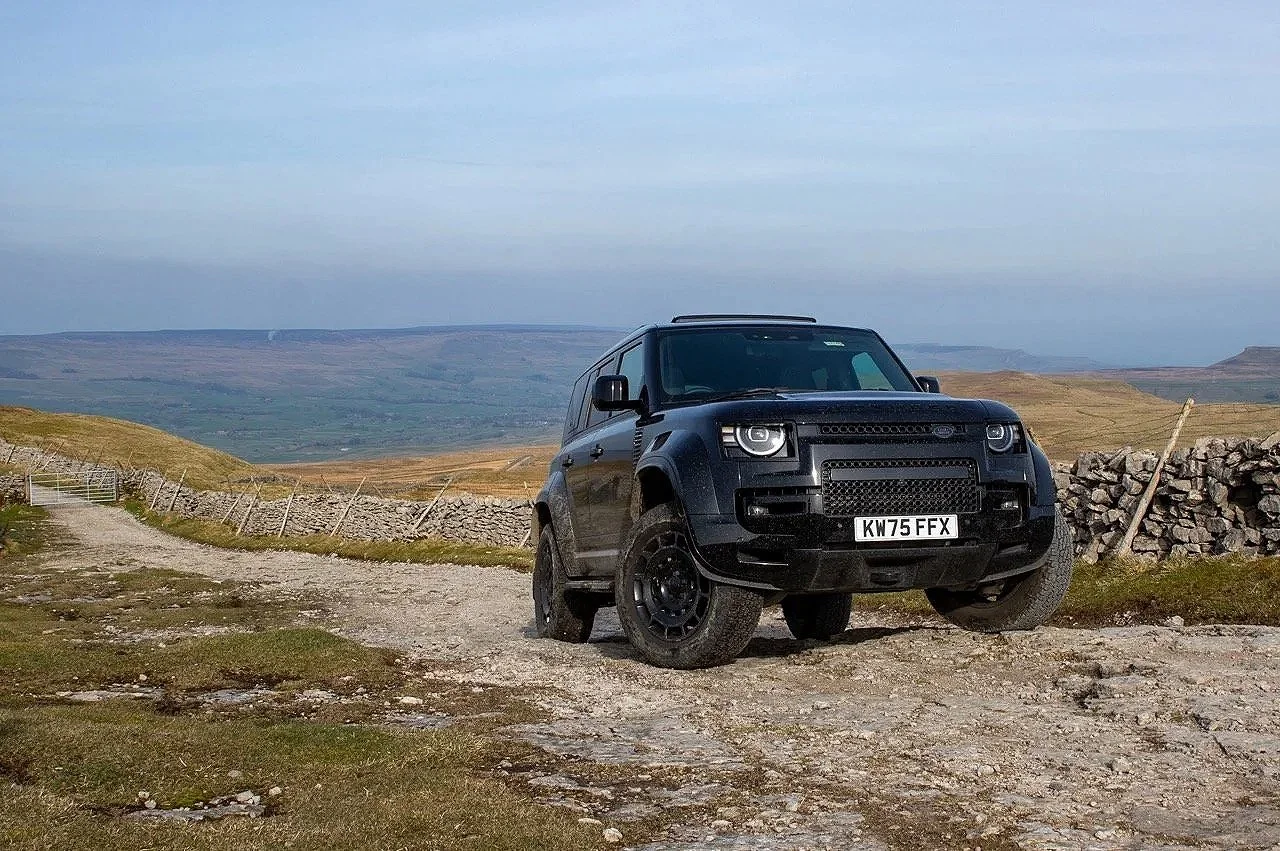
West Cam Road
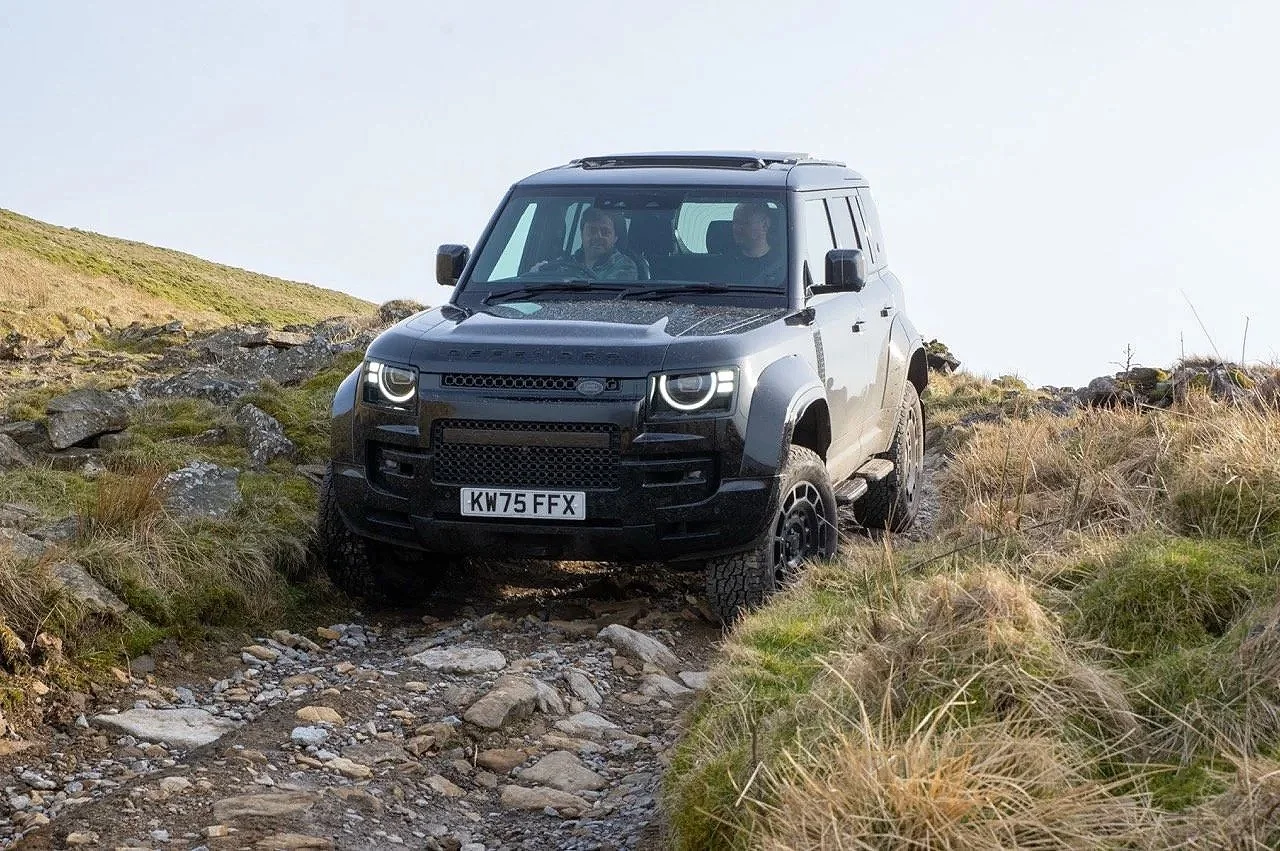
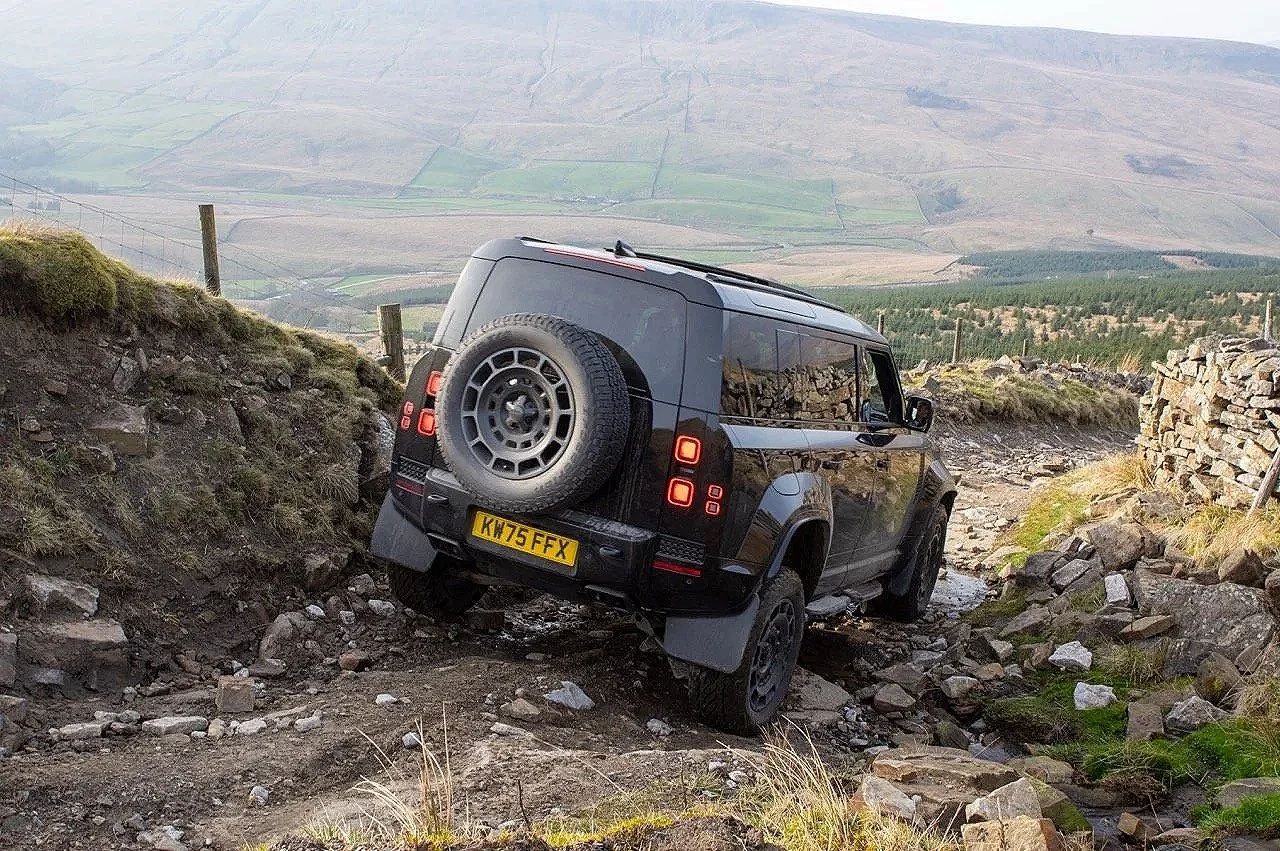
West Cam was once something of a formidable lane, but over the years it’s been graded within an inch of its life and can be driven by most 4x4s with decent ground clearance.
That doesn't mean you should treat it like a tarmac road, though. Come winter, things can change dramatically, and a lane that looks fairly harmless in summer can become considerably more interesting after a few weeks of Yorkshire weather.
Today, though, it was easy going.
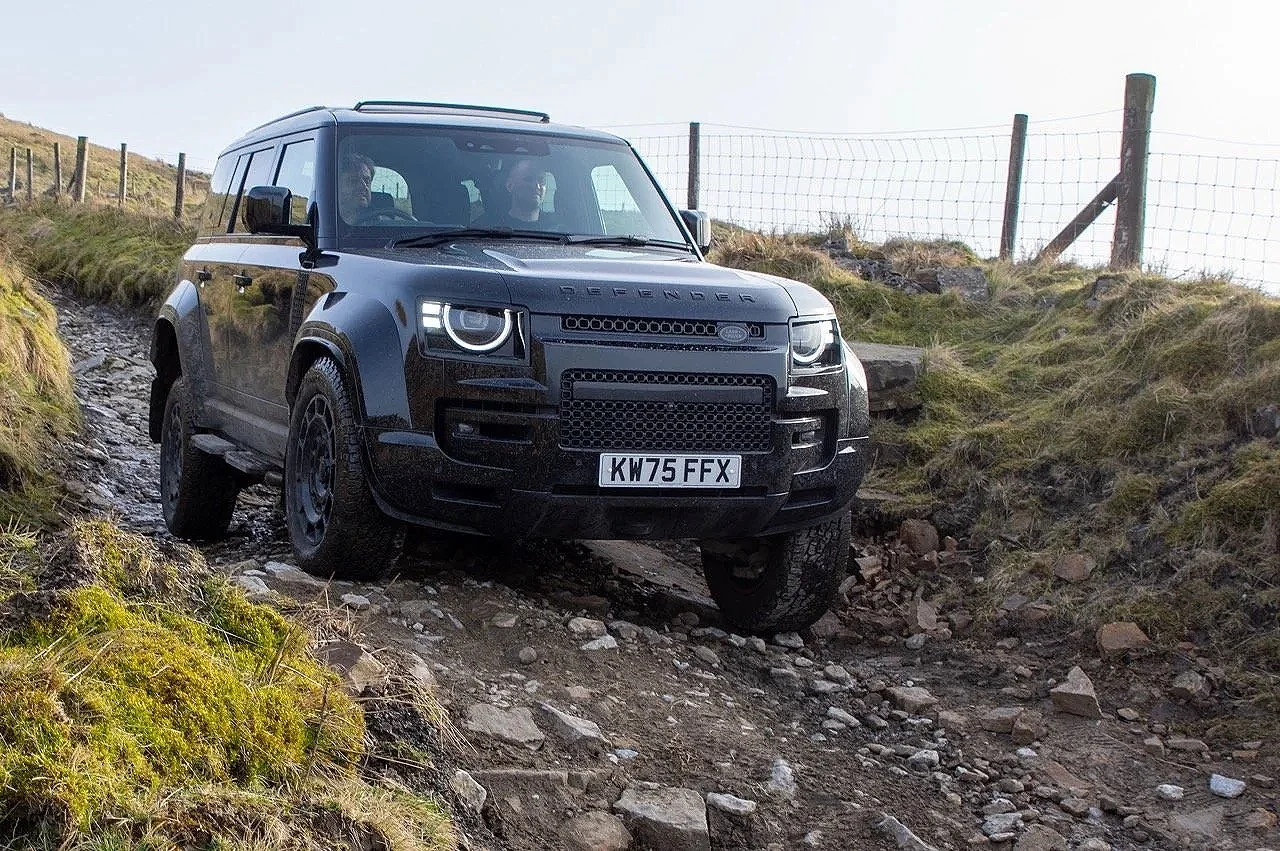
Which was just as well because, halfway down, I suddenly realised I'd lost my wallet. Now, there are several possible places you don't want to discover you've lost your wallet.
A busy shopping centre. An airport. A pub. And the middle of a Yorkshire green lane.
I had absolutely no idea where I'd dropped it.
After a brief period of panic, I retraced my steps – around ten minutes' worth of walking back up the lane – and, thankfully, found it. In fairness, if you're going to lose your wallet, doing it somewhere as scenic as West Cam Road with absolutely nobody around is probably preferable to losing it down the back of a pub sofa.
So, is the OCTA actually any good?
The simple answer is yes, but that's not particularly interesting, is it?
The more interesting question is whether you actually need one.
Obviously not.
Nobody needs a 626bhp Defender capable of travelling at 155mph and wading through a metre of water. Most of us don't need 300bhp, never mind 626.
And during our day in the Dales, we barely scratched the surface of what the OCTA is capable of. None of the lanes we travelled along bothered it in the slightest. The fords were easy. The gradients were easy. The terrain was easy. But that wasn't really the point.
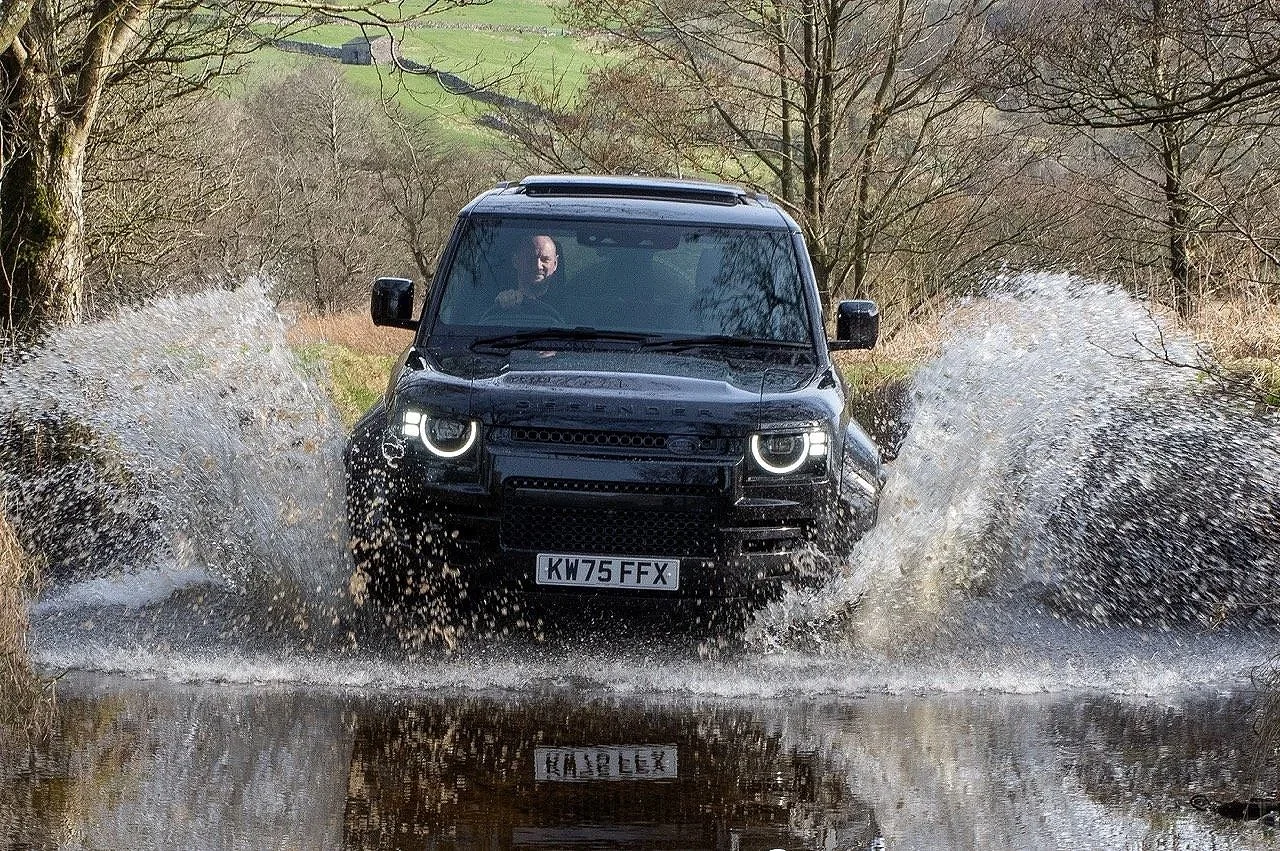
What impressed me was how utterly unfazed the OCTA seemed by everything we threw at it.
On the road, it's stupidly quick, yet refined and comfortable. On rough surfaces, the suspension gives it a remarkable ability to soak up bumps and undulations. Off-road, it has all the usual Defender cleverness, but with an additional layer of performance capability that simply isn't available in the standard range.
And that's the OCTA's party trick.
It isn't necessarily about being better at traditional off-roading than every other Defender.
It's about being able to combine proper off-road ability with enormous performance. You can drive it to the Alps, blast along a gravel track, cross a river, carry all your camping gear, arrive at a fancy hotel and probably annoy the concierge simply by parking outside.
It's an absurd combination. But a very entertaining one.
The irony is that our day in the Yorkshire Dales didn't come remotely close to testing the OCTA's limits. We didn't hammer it across a desert, launch it over jumps or attack a rally stage.
We drove some beautiful lanes, splashed through a few fords, ate a fish butty, drank a pint and nearly lost a wallet. And perhaps that's actually the best way to experience a Defender OCTA.
You don't always need to find its limits, sometimes it's enough to know they're there.
And, let's be honest, having 626bhp under your right foot while pottering around Yorkshire is a fairly entertaining way to spend a day.