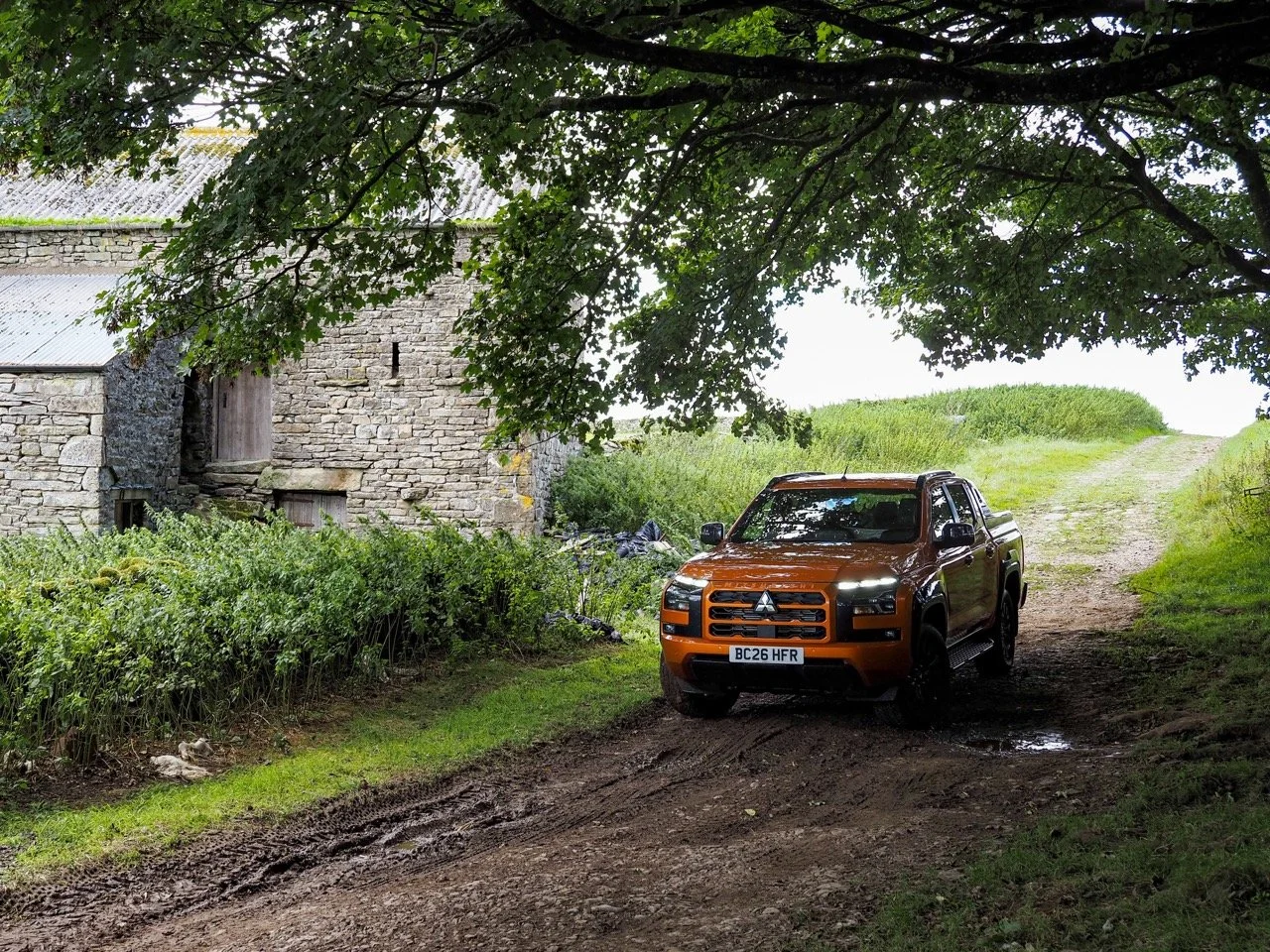
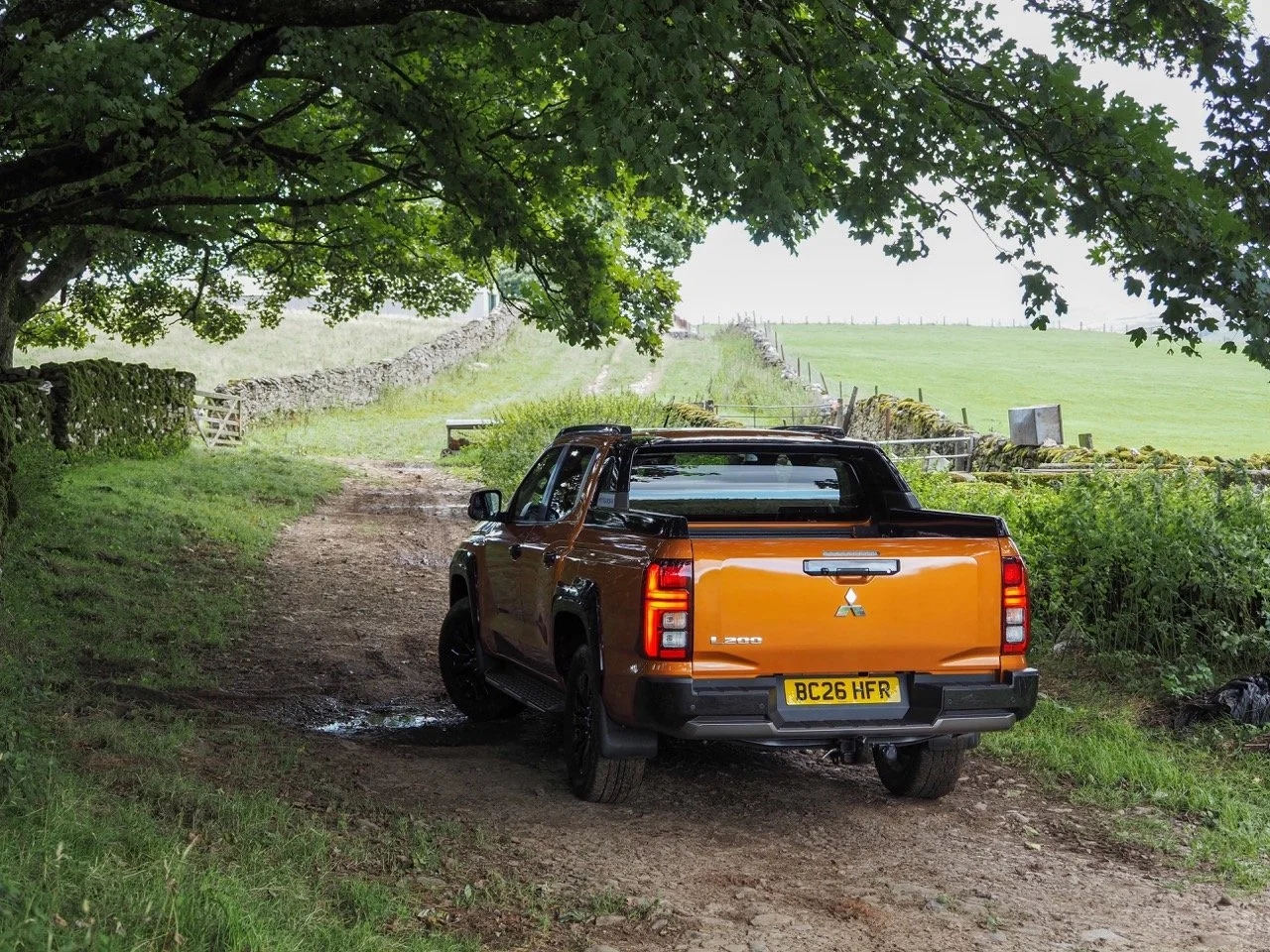
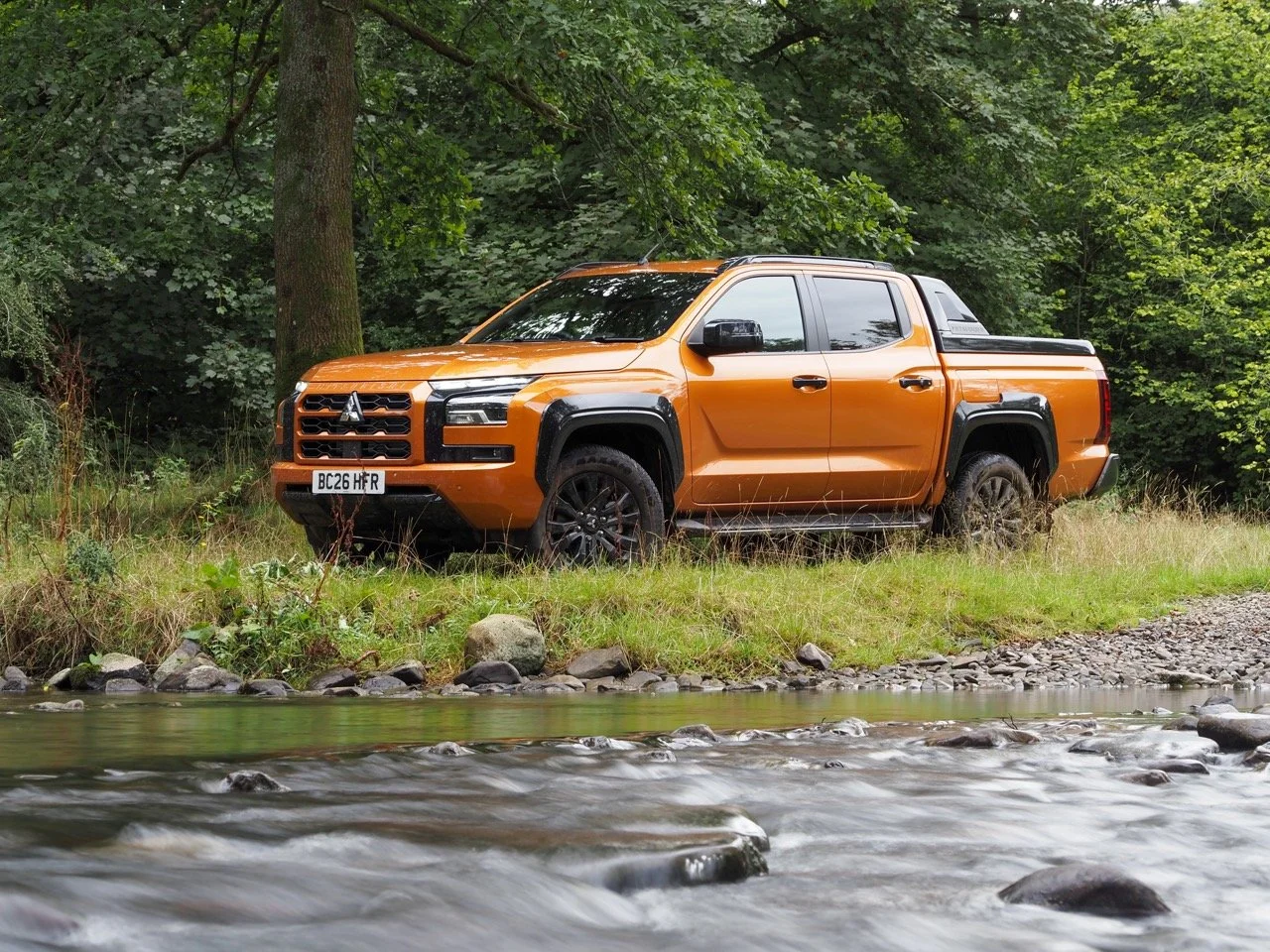
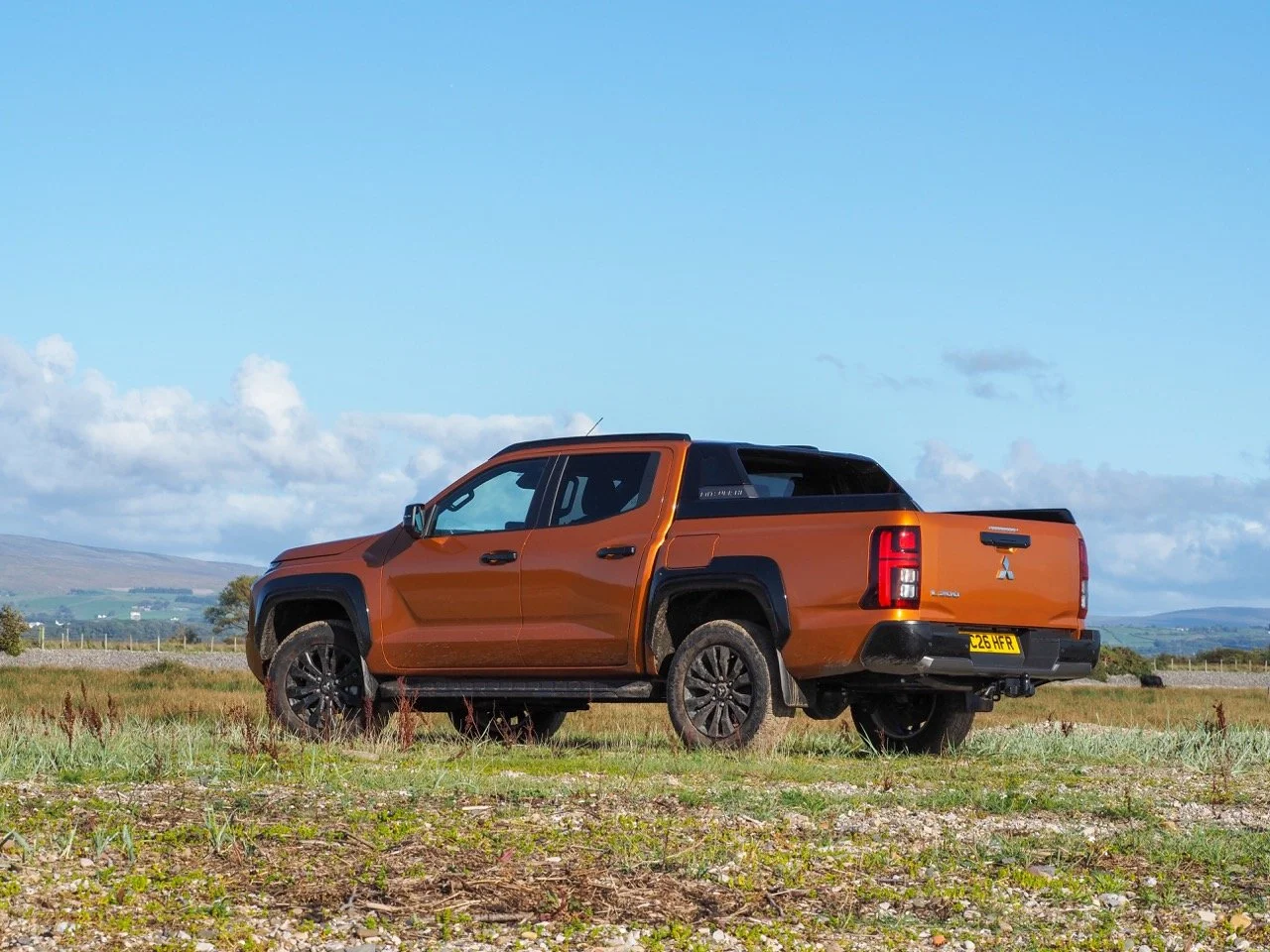
Review: 2026 Mitsubishi L200 Barbarian
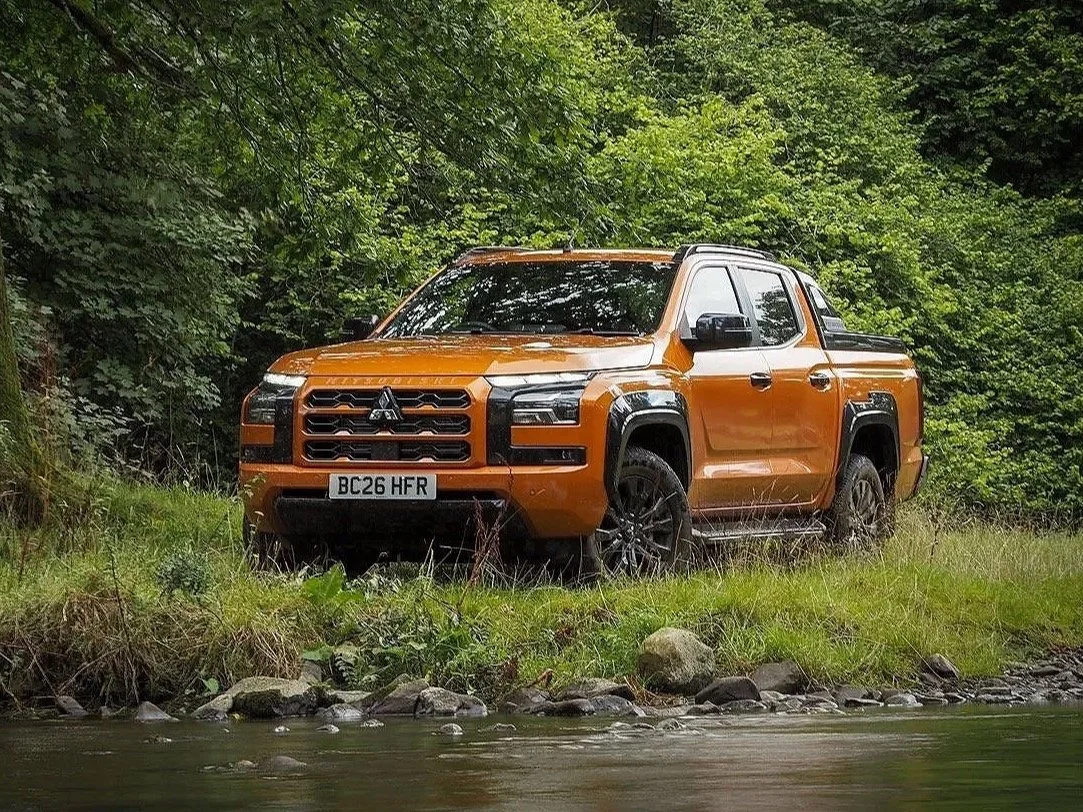
A week is usually about the point where the novelty of a new vehicle starts to wear off.
The press-car honeymoon is over, you've stopped marvelling at all the buttons and gadgets, and you start noticing the little things. The things that make you think "I really like that", alongside the things that make you mutter "why on earth did they do that?”
So, having now spent a week with the new Mitsubishi L200 Barbarian, I thought it was time to see what happens when you stop driving it like a press car and start treating it like something you actually have to live with.
And, as it turns out, the L200 is quite happy with that arrangement.
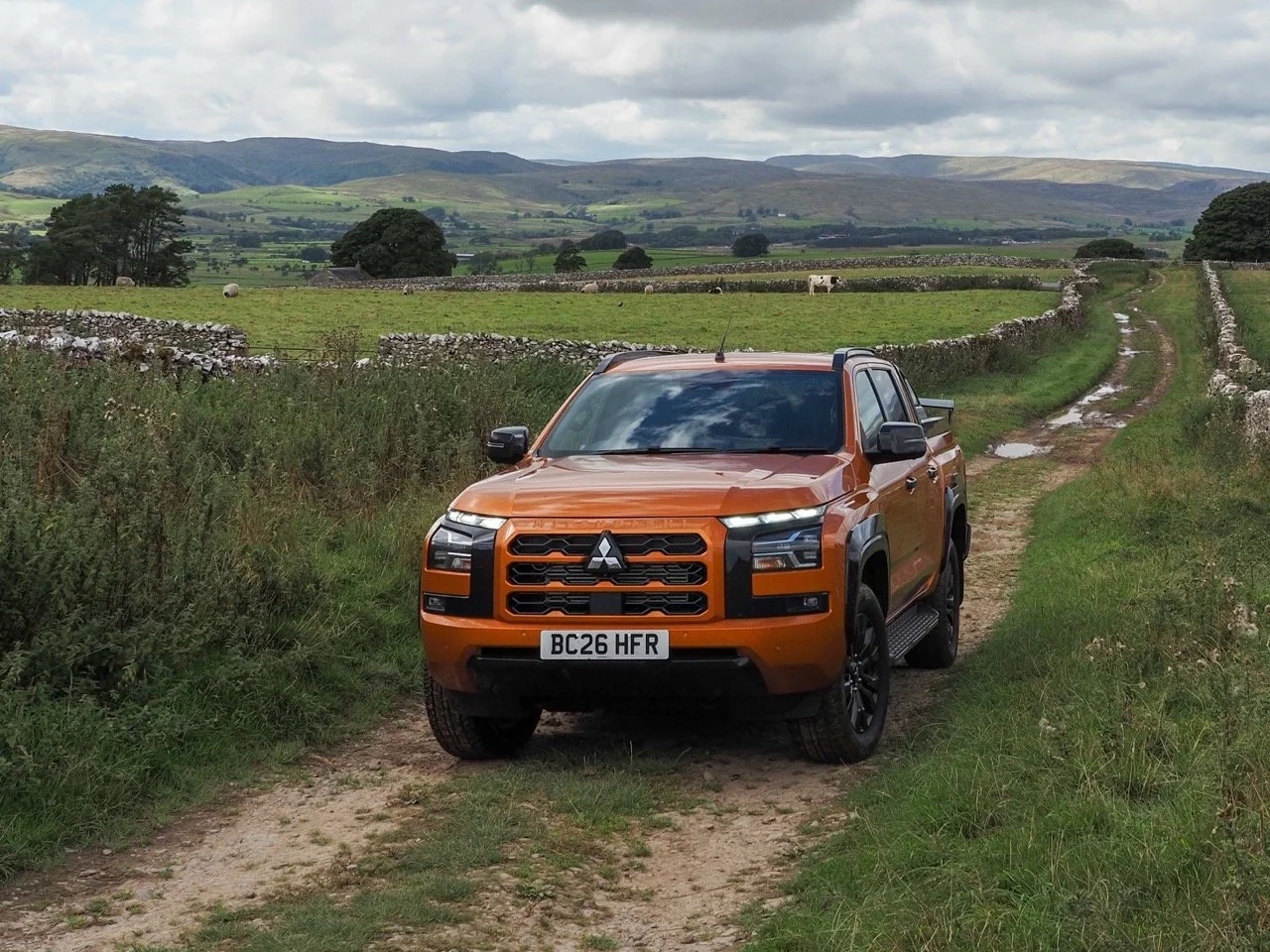
This isn't the basic L200
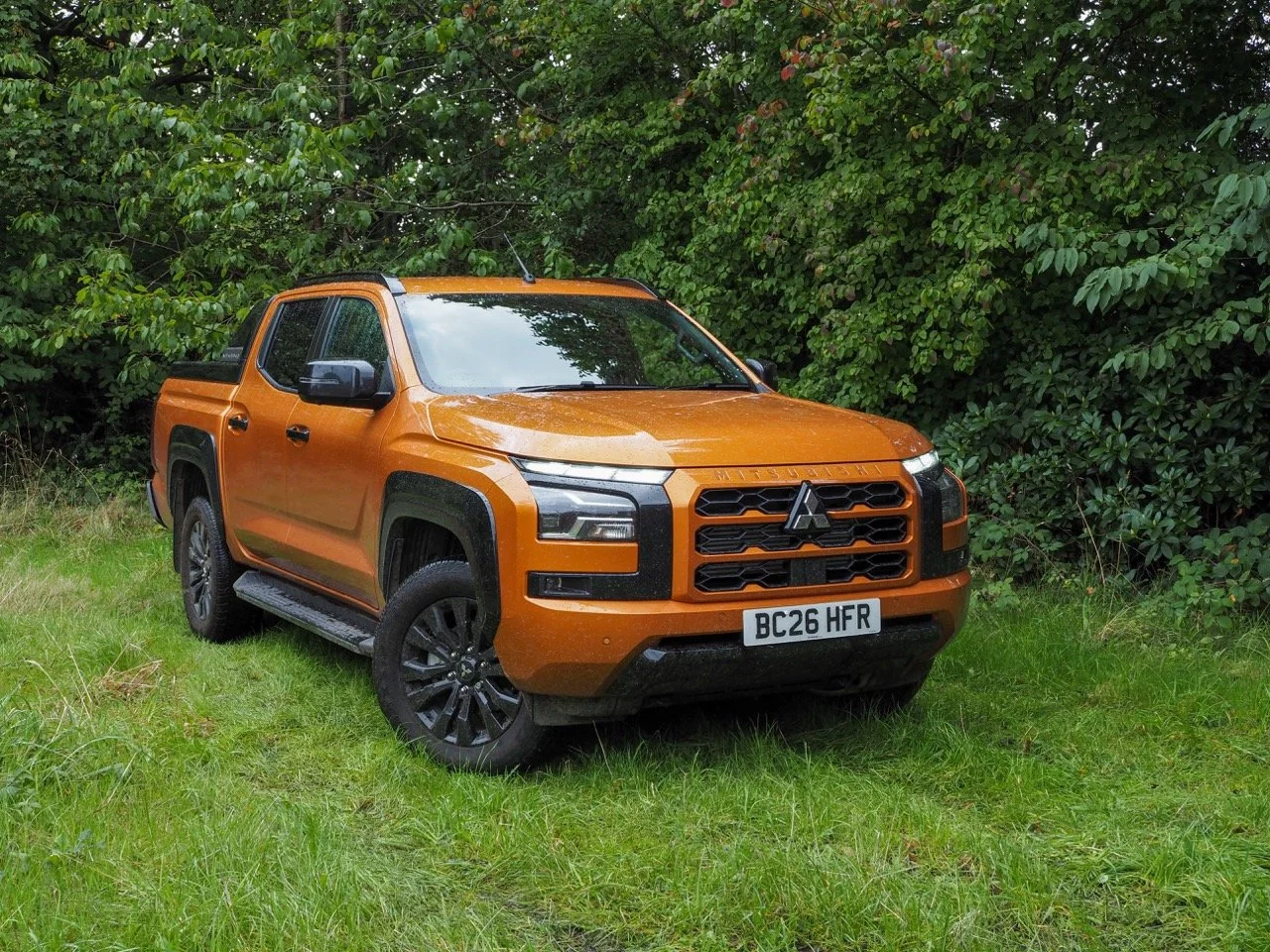
It's worth pointing out that the pickup I've been driving is the L200 Barbarian, rather than the entry-level Titan.
At £39,995 excluding VAT, it's the top of the current L200 range, sitting above the £36,295 Titan. Both use the same 2.4-litre bi-turbo diesel producing 201bhp and 470Nm, but the Barbarian gets Mitsubishi's more sophisticated Super Select 4WD-II system, rather than the Titan's Easy Select setup.
And it comes with a fairly serious amount of equipment, too.
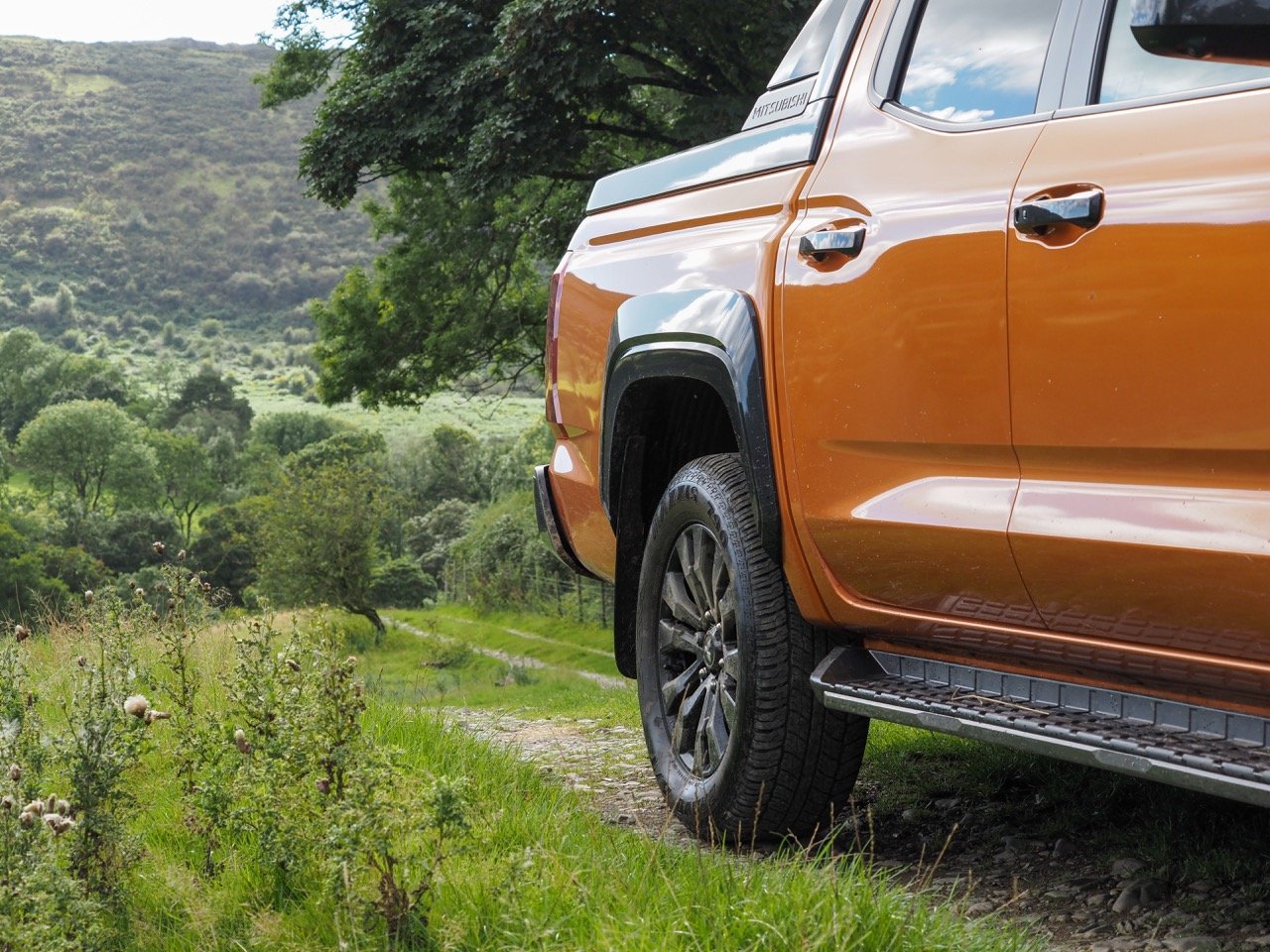
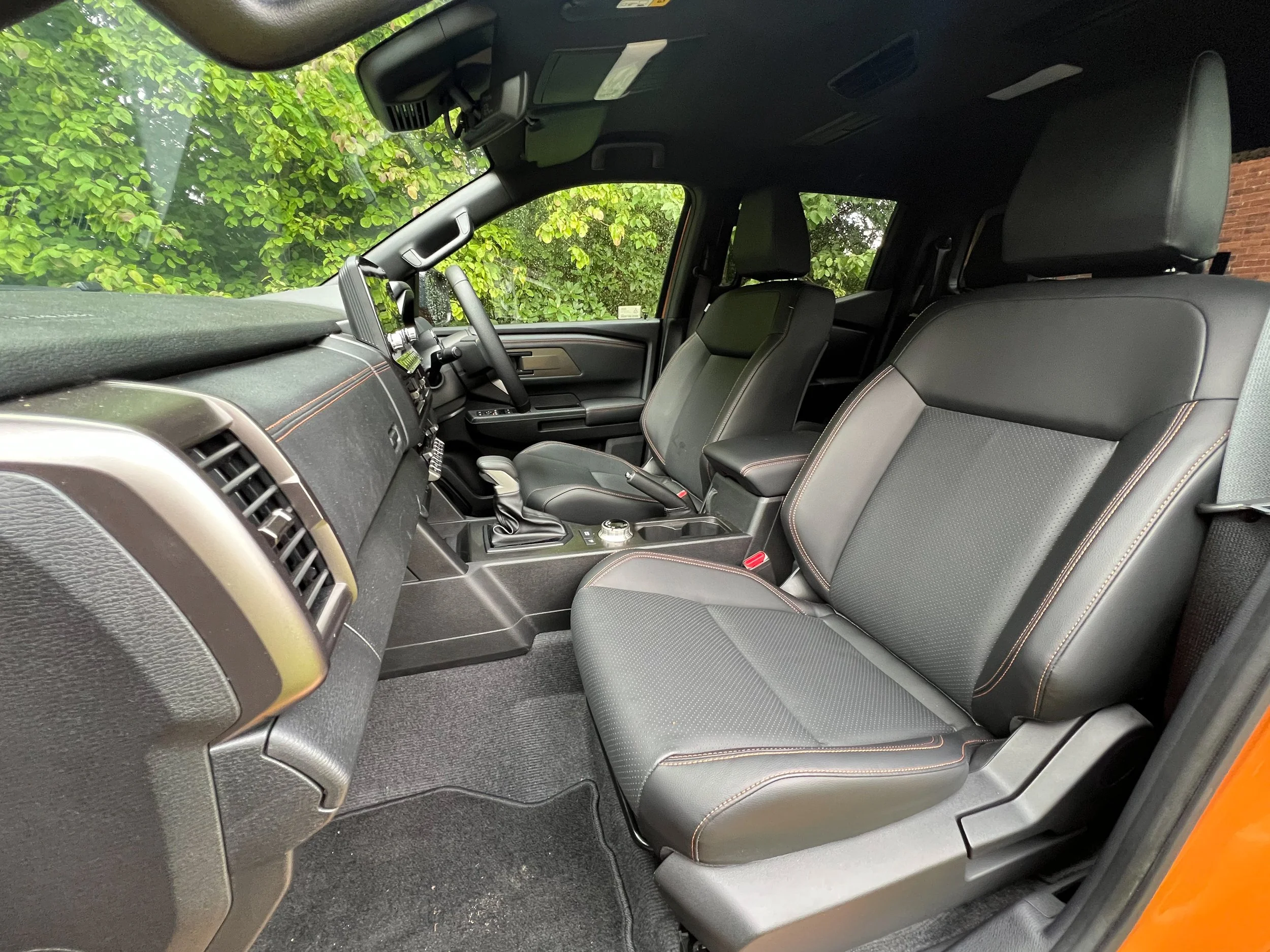
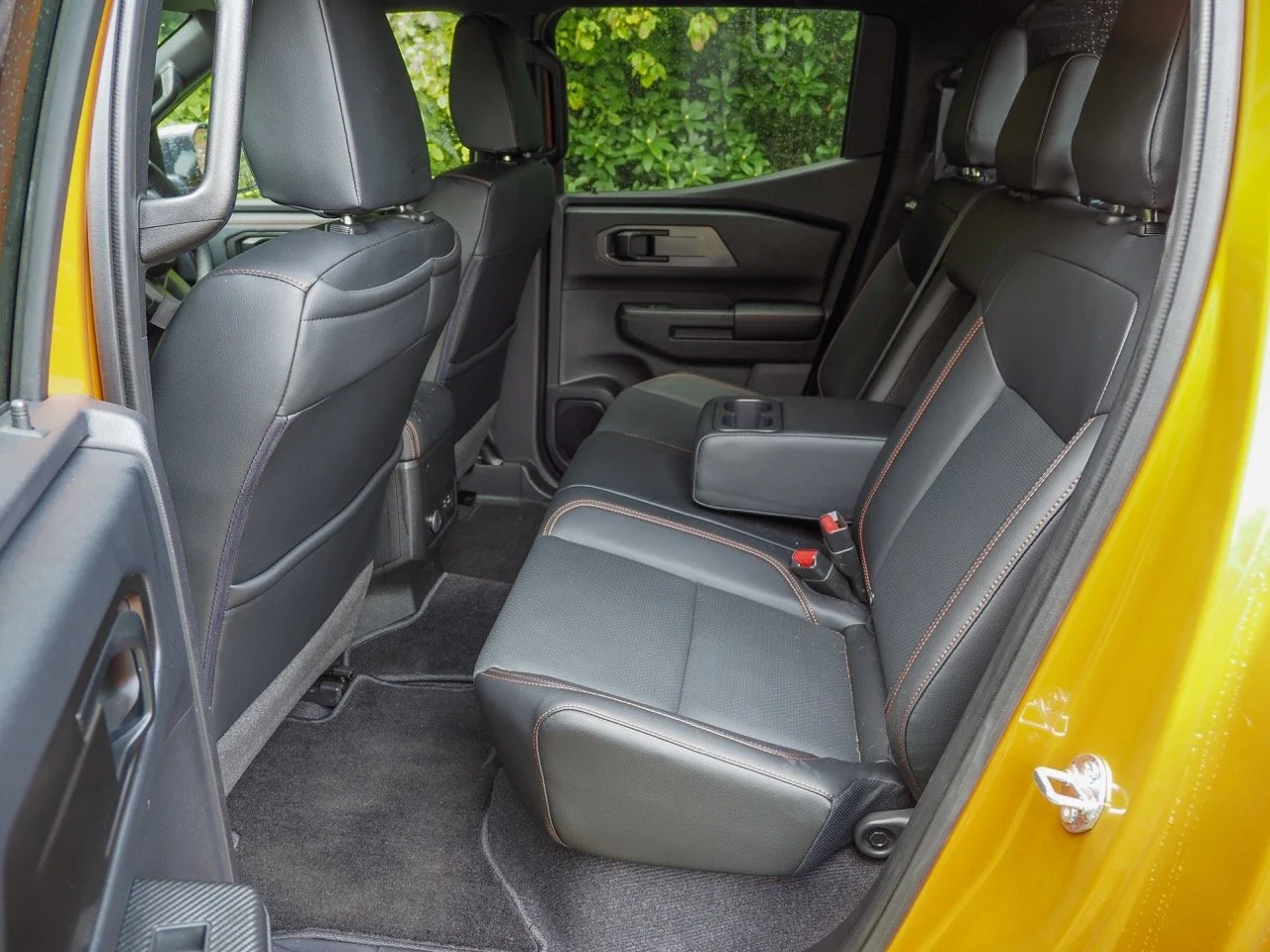
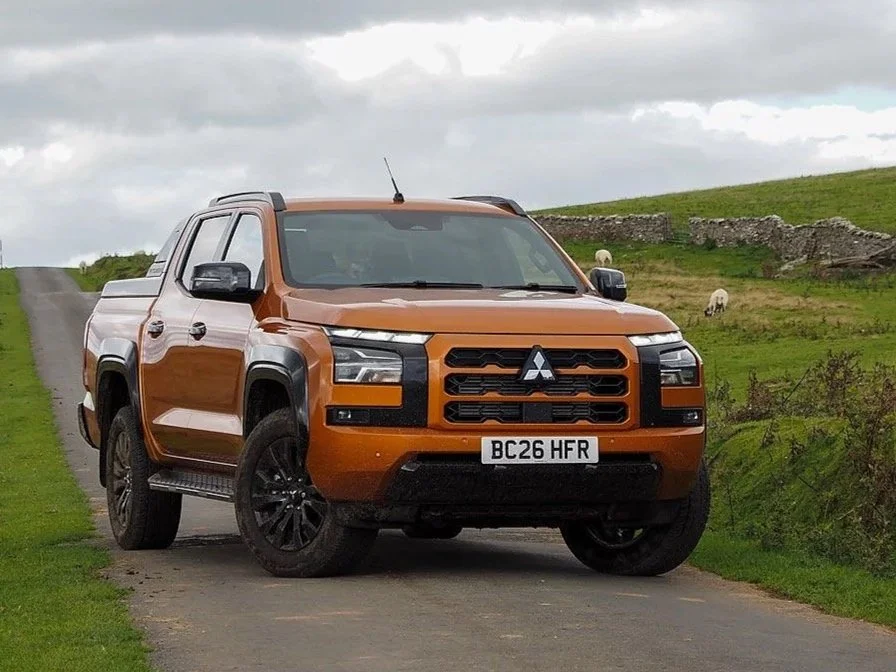
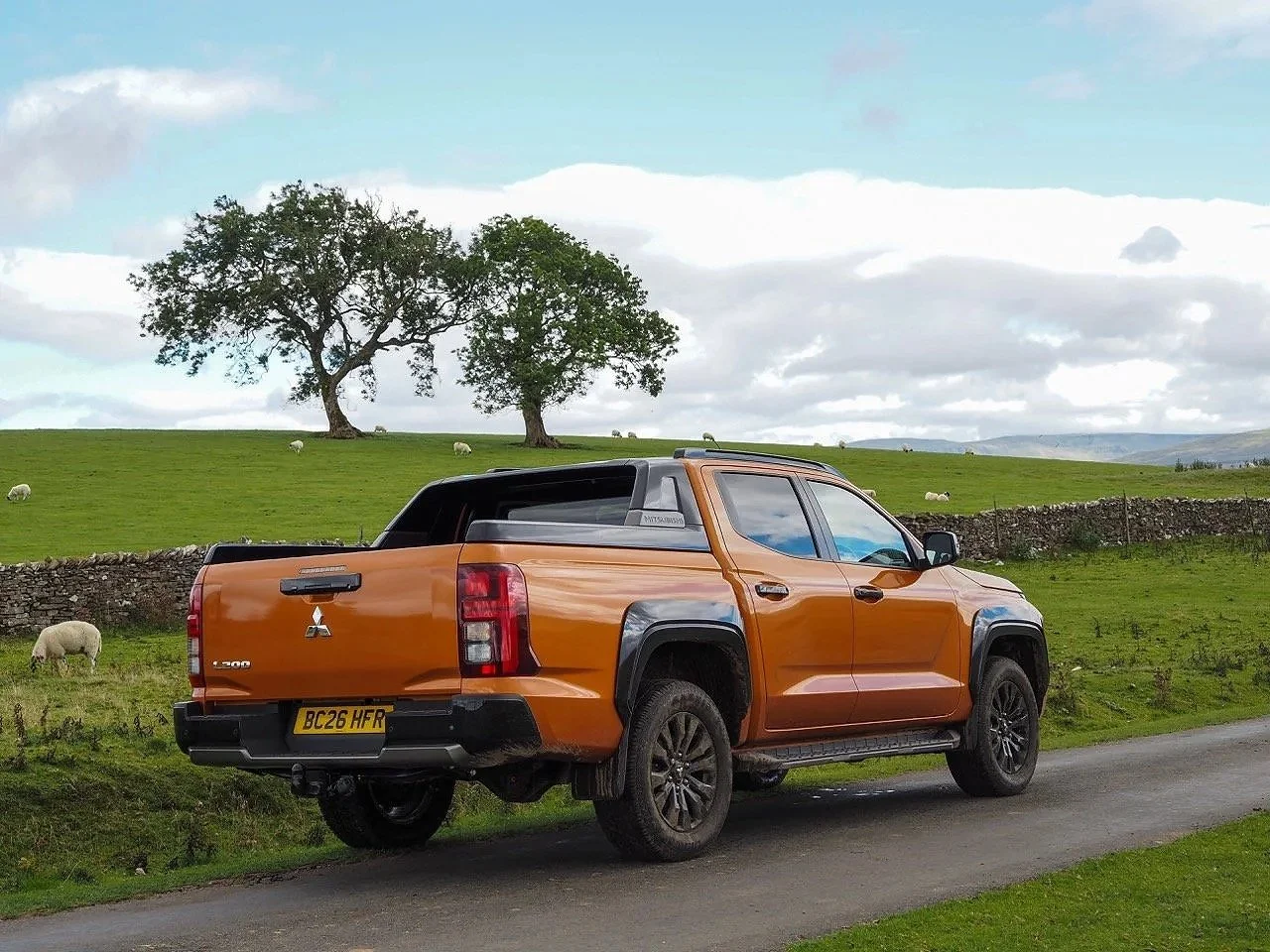
There's leather upholstery with orange stitching, heated front seats, an electrically adjustable driver's seat, two-zone climate control, heated steering wheel, keyless entry and start, wireless smartphone charging, a 9” touchscreen with wireless Apple CarPlay and Android Auto, six-speaker audio, LED headlights, black 18” alloys, roof rails, running boards and a sports bar. Phew.
There's also a 360º camera, front and rear parking sensors, blind-spot warning, rear cross-traffic alert, adaptive cruise control and a sizeable collection of other electronic safety systems.
In other words, this isn't really a bare-bones commercial vehicle with a load bed bolted onto the back. It's a rather well-equipped pickup that happens to still be capable of doing the dirty work.
And that's quite an important distinction - it’s still a pickup.
Let's get one thing out of the way first. The L200 is not a Ford Ranger. That might sound obvious, but the comparison is inevitable. The Ranger has become something of a benchmark for making a big pickup feel surprisingly car-like, and if your priority is a plush, sophisticated ride, the Ford still has the advantage.
The L200's ride, particularly when unladen, is still distinctly pickup-like. There's a degree of pitching and fidgeting over uneven roads that reminds you there's a pair of leaf-sprung rear wheels sitting underneath that large load bed.
It's not uncomfortable, but neither does it float along like a family SUV. It's a bit pitchy.
I've found myself noticing it particularly around town, where bumps, potholes and speed humps can make the L200 bob around more than I'd ideally like. That said, it’s considerably more settled at higher speeds.
But here's the thing: the Ranger isn't in the same price bracket. The Barbarian costs £39,995 excluding VAT, and Mitsubishi has deliberately positioned it below comparable versions of the Ranger and other premium pickups.
So while I'd happily give the Ranger the nod for outright road comfort, I'm not convinced the L200 is losing the battle that Mitsubishi is actually trying to fight. It is still a pickup, and that's important.
Give it some mud
Where the L200 starts to make considerably more sense is when the tarmac disappears.
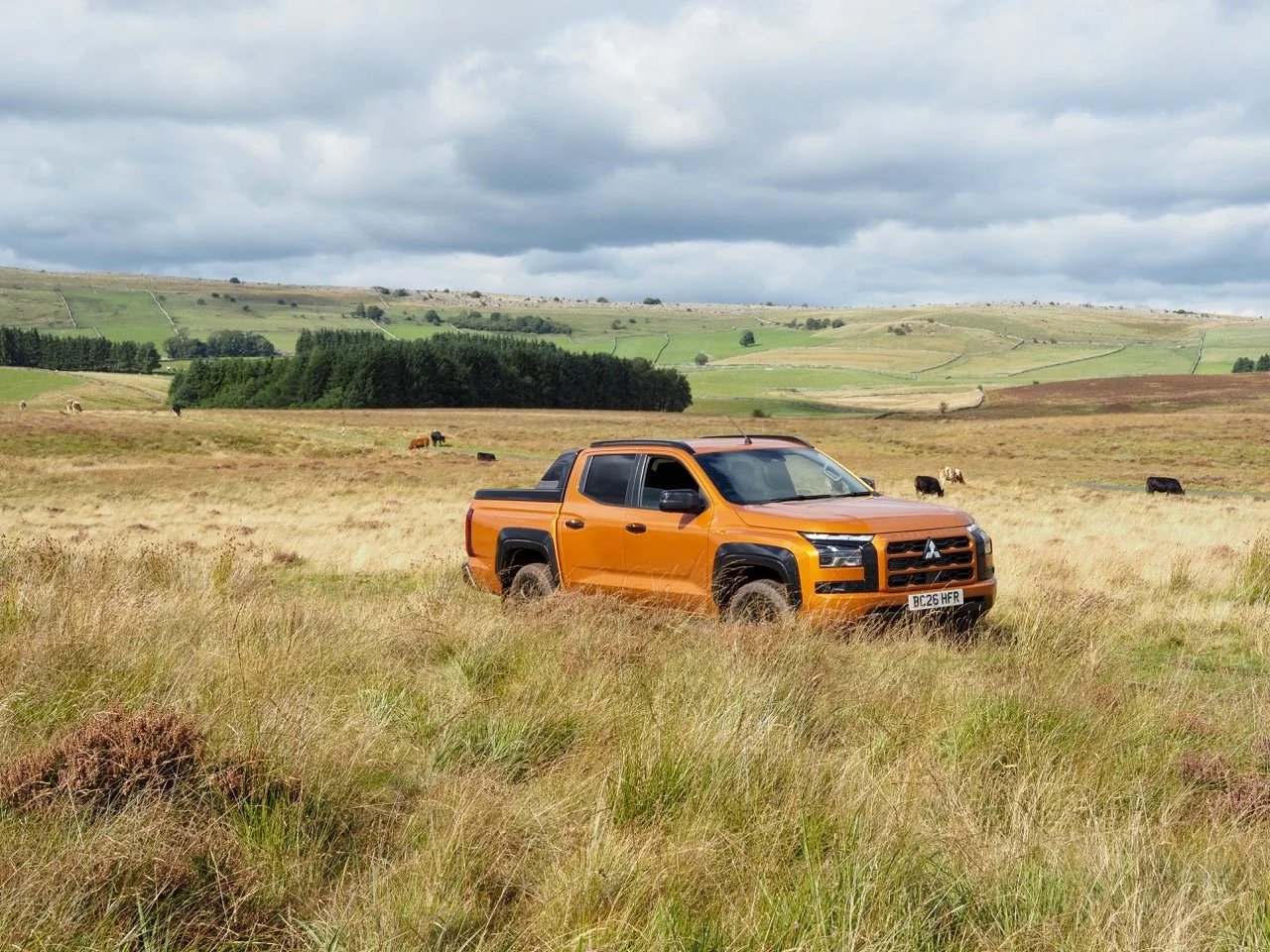
With all the dry weather we’ve had I can’t say I've had it axle-deep off road and, if there's one thing I really like about this truck, it's the way the four-wheel-drive system works. It doesn't faff about.
The Barbarian's Super Select 4WD-II system gives you two-wheel drive, four-wheel drive and low-range settings, along with a locked centre differential and selectable terrain modes. Oh, and it has a rear ‘locker! Crucially, unlike some systems, it can also be used in four-wheel drive on tarmac, giving you additional traction when conditions get properly miserable. And it works.
Select the appropriate setting, give it some throttle and the L200 simply gets on with it.
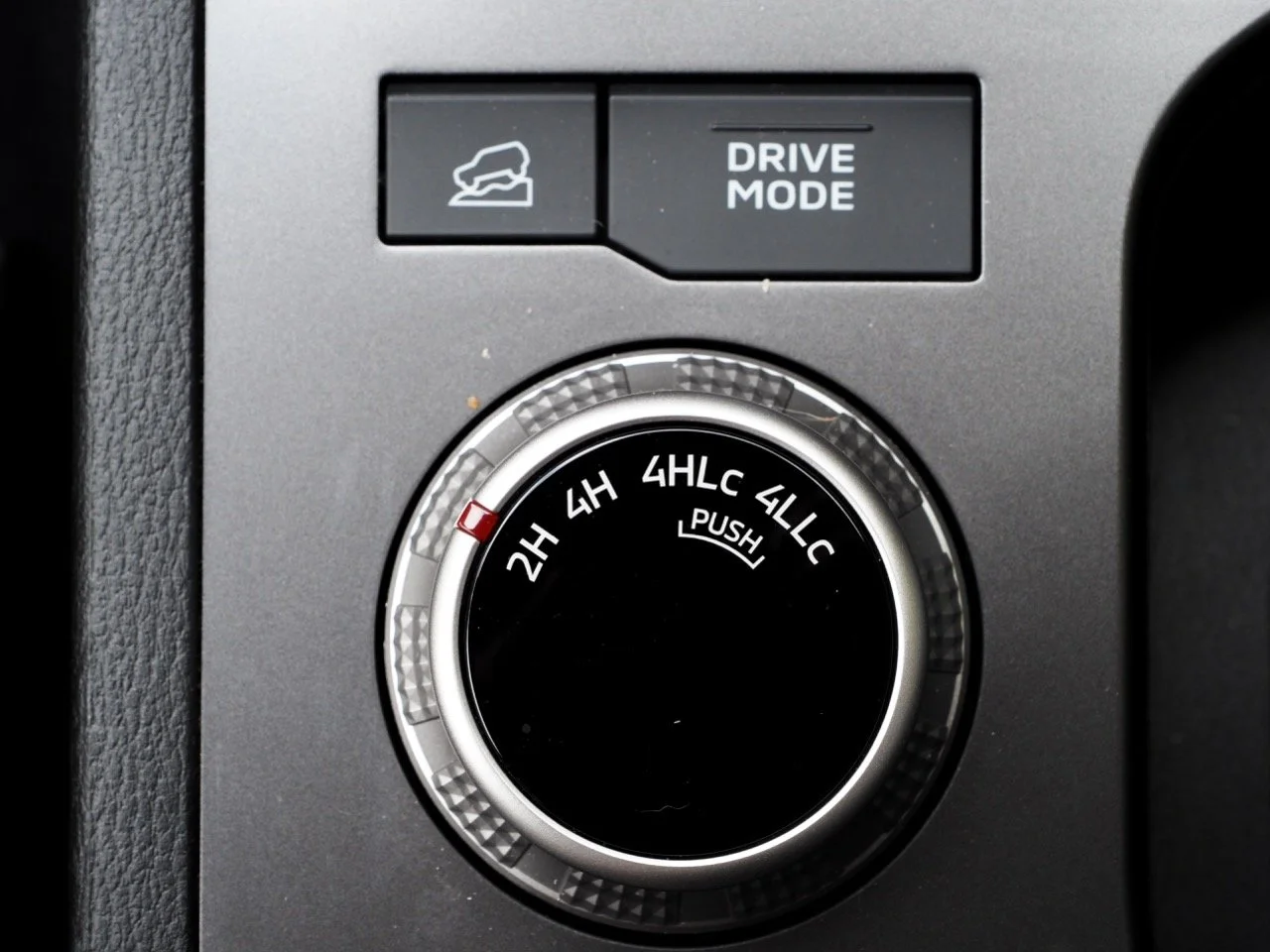
Switching between two- and four-wheel drive can even be done on the move, where appropriate, which is rather useful when you're travelling between different surfaces.
But the most impressive thing isn't the list of modes, it’s how quickly the system responds.
There was no great theatrical pause while the electronics decided what to do. On slippery ground, the L200 simply found traction and carried on.
That's exactly what you want from a 4x4. I've driven plenty of vehicles that are remarkably clever on paper but leave you wondering what the computer is actually doing when you point them at something muddy. The L200 inspires rather more confidence.
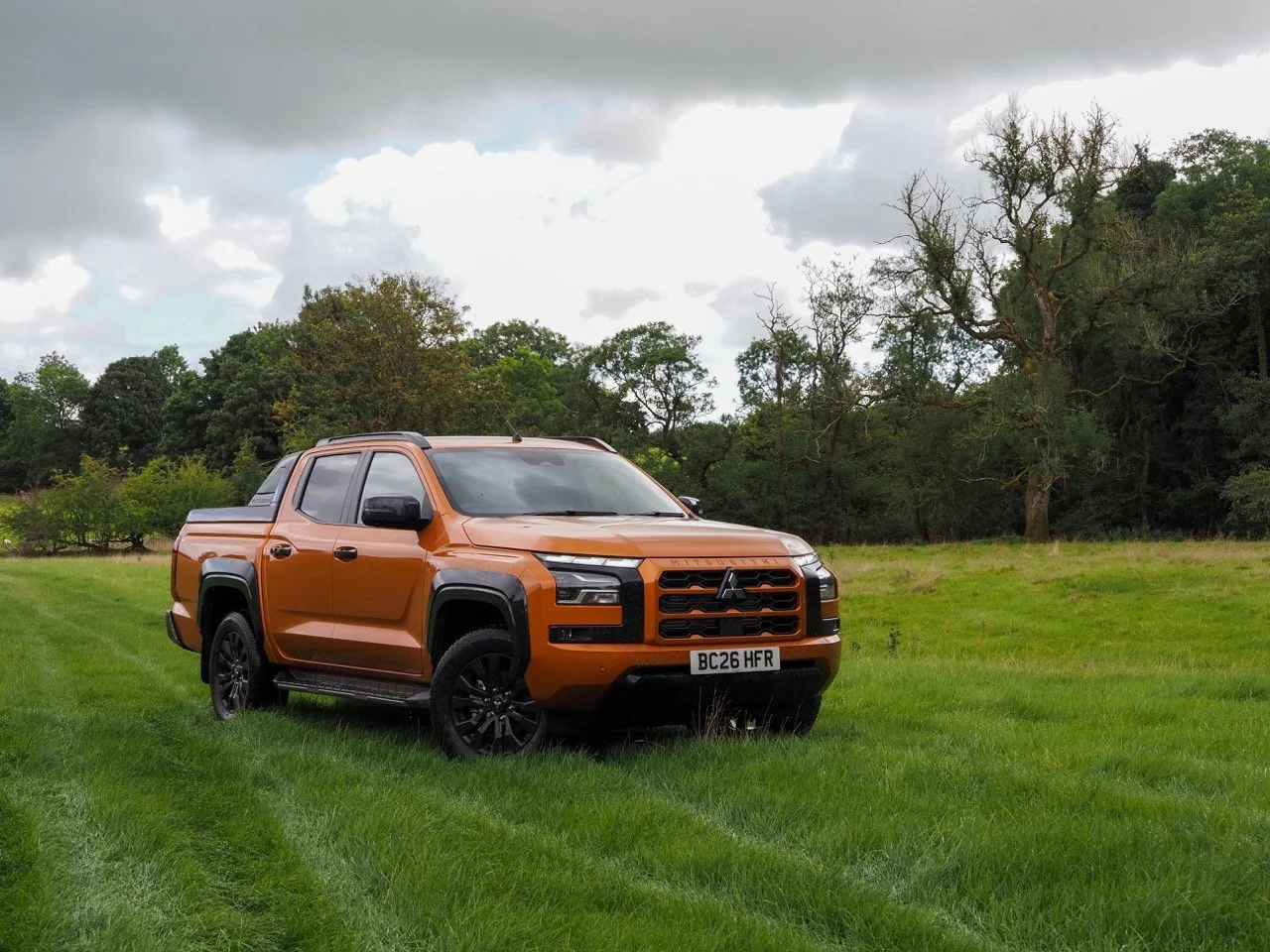
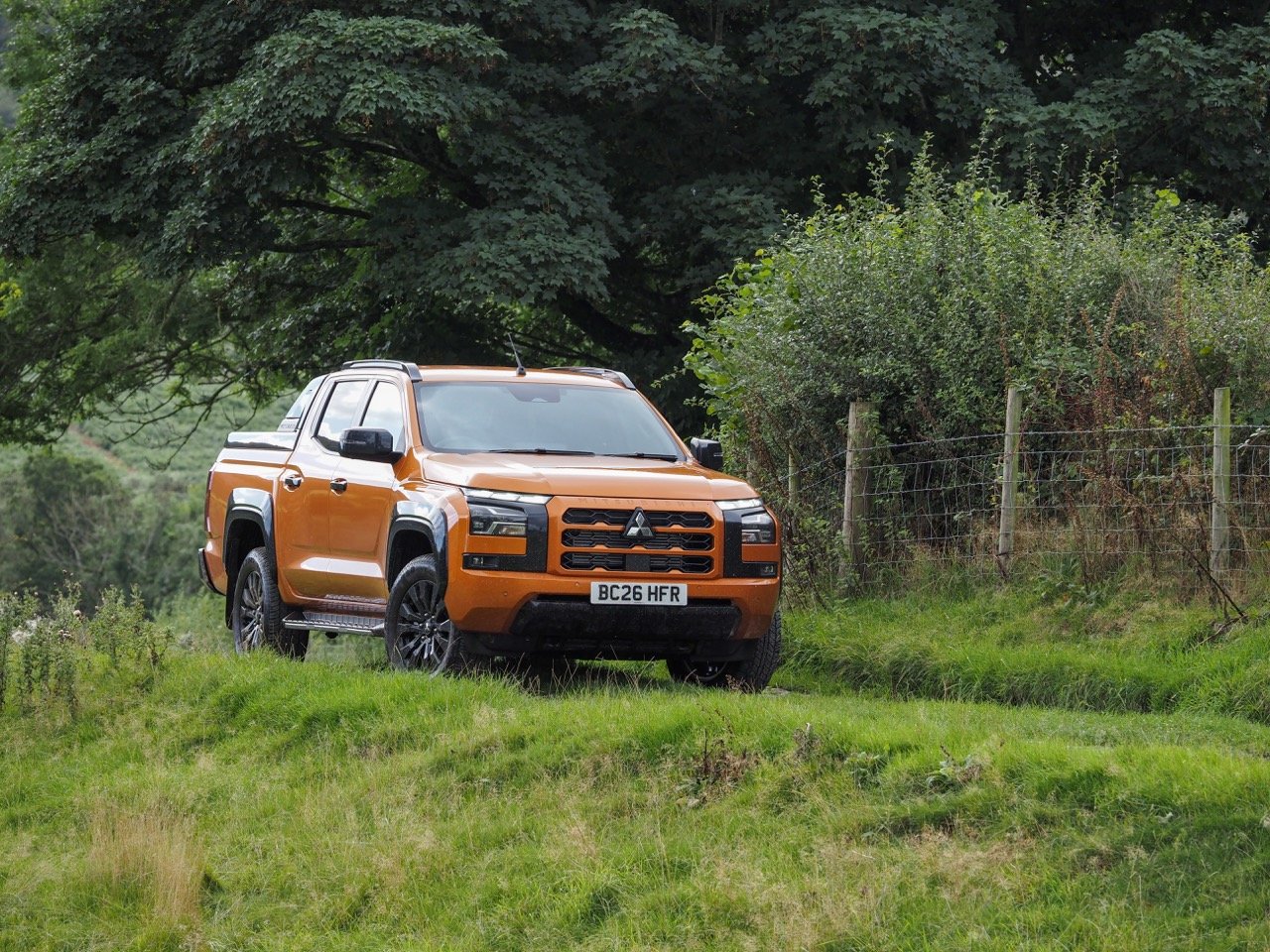
There is, however, one fairly significant caveat. Ground clearance.
Mitsubishi quotes 222mm, which sounds perfectly respectable. Unfortunately, spend some time driving through proper ruts and you soon discover that numbers on a specification sheet don't necessarily tell the whole story.
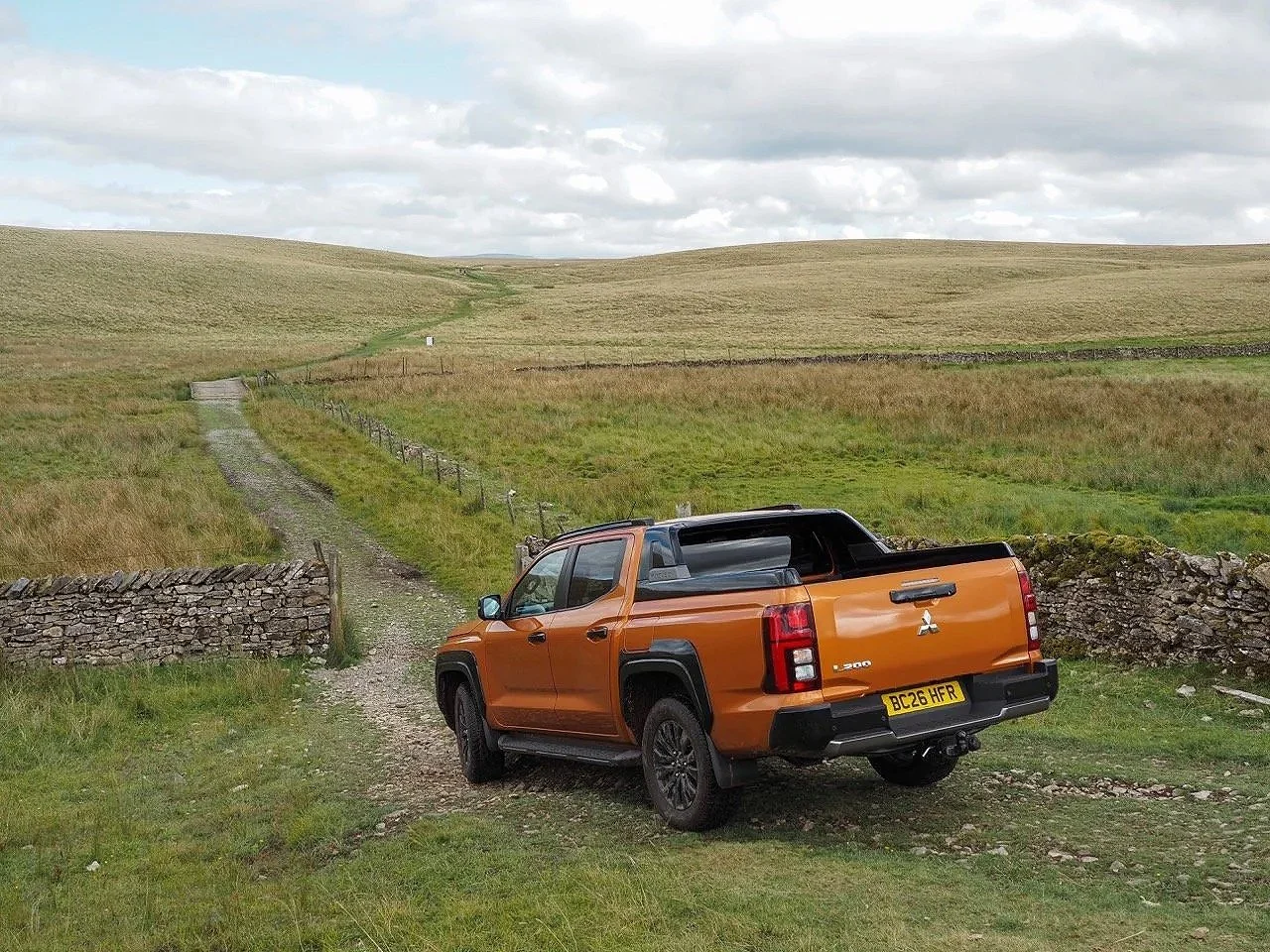
On several occasions whilst ‘laning in the Yorkshire moors I could hear the underside making contact with the scenery.
And by scenery, I mean mud, earth and whatever else happened to be lurking in the bottom of the rut. There were quite a few scrapes from the L200's nether regions.
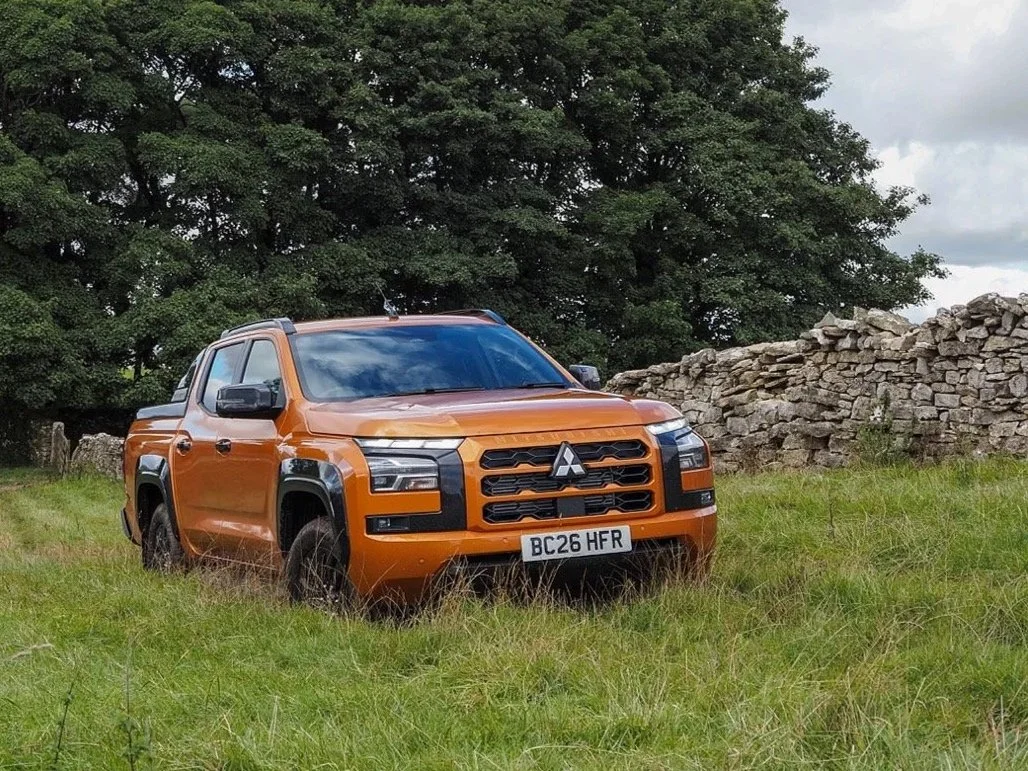
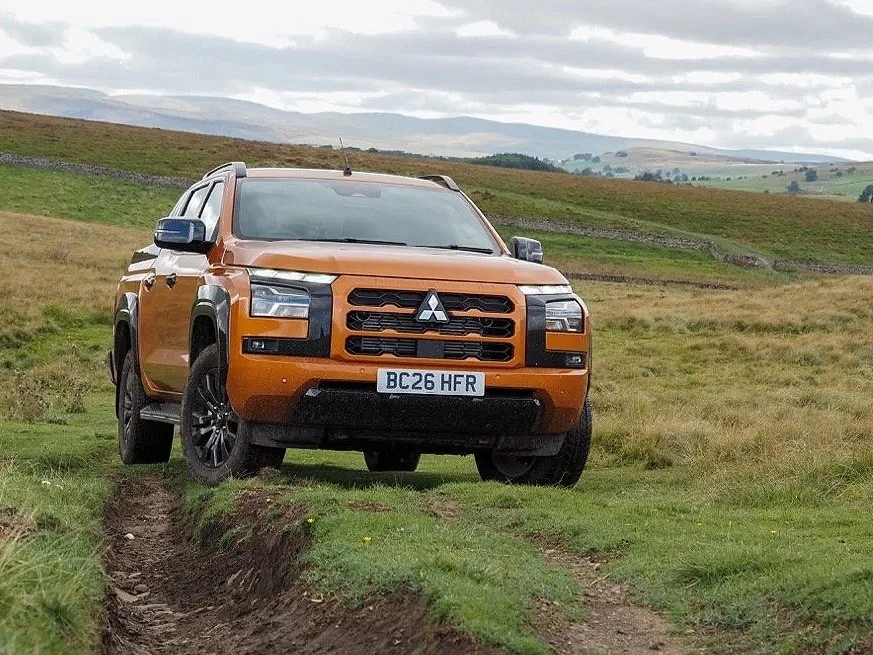
The long 3,130mm wheelbase doesn't help either, with the truck's breakover angle limiting it when things get properly lumpy. Other road testers have reached much the same conclusion, describing the L200 as very capable off road but less suited to extreme terrain.
For the sort of off-roading most owners will realistically encounter, it's more than capable.
But if your idea of a weekend green lane involves enormous axle-deep ruts and driving over things that would normally require a small bridge, you may want to budget for some underbody protection.
Thank goodness for buttons
One of my favourite things about the new L200 is something that shouldn't really be worthy of comment. Buttons.
Actual, physical buttons.
Mitsubishi is clearly rather proud of retaining proper physical controls in the L200, and quite right too.
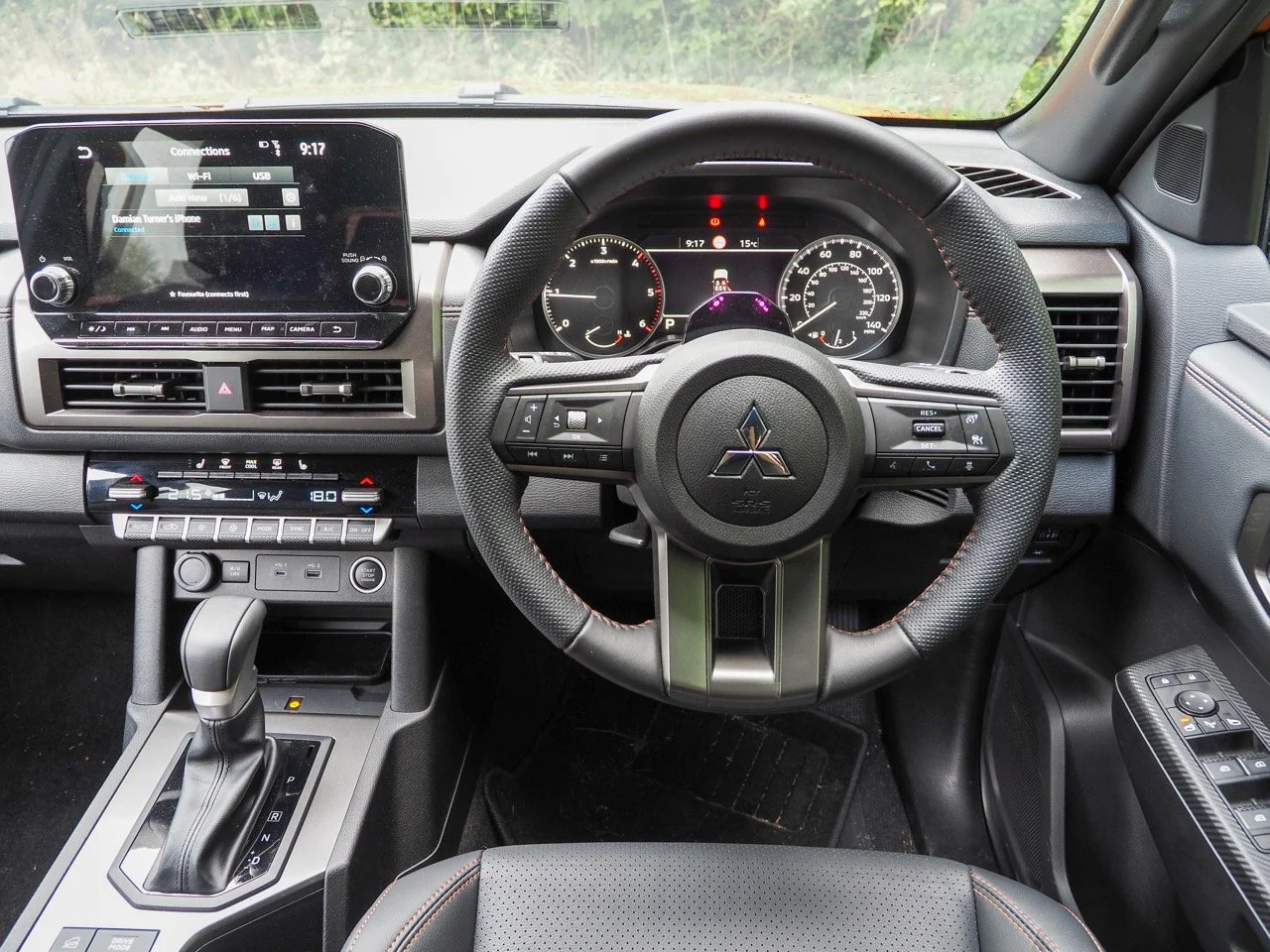
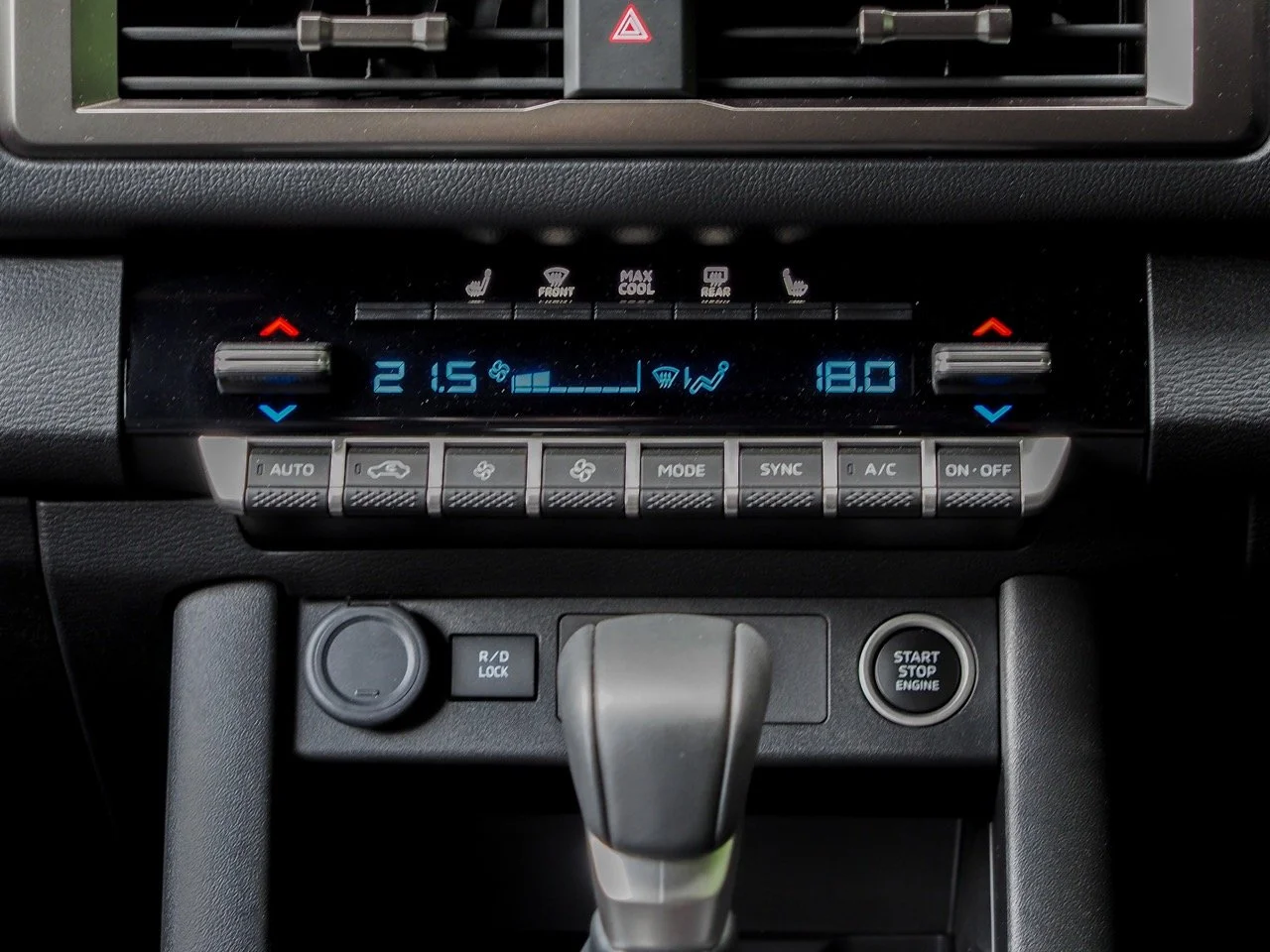
The climate control has proper physical controls. The four-wheel-drive system gets its own chunky rotary controller. The dashboard has traditional analogue dials rather than replacing everything with a huge digital screen. And this is exactly how it should be.
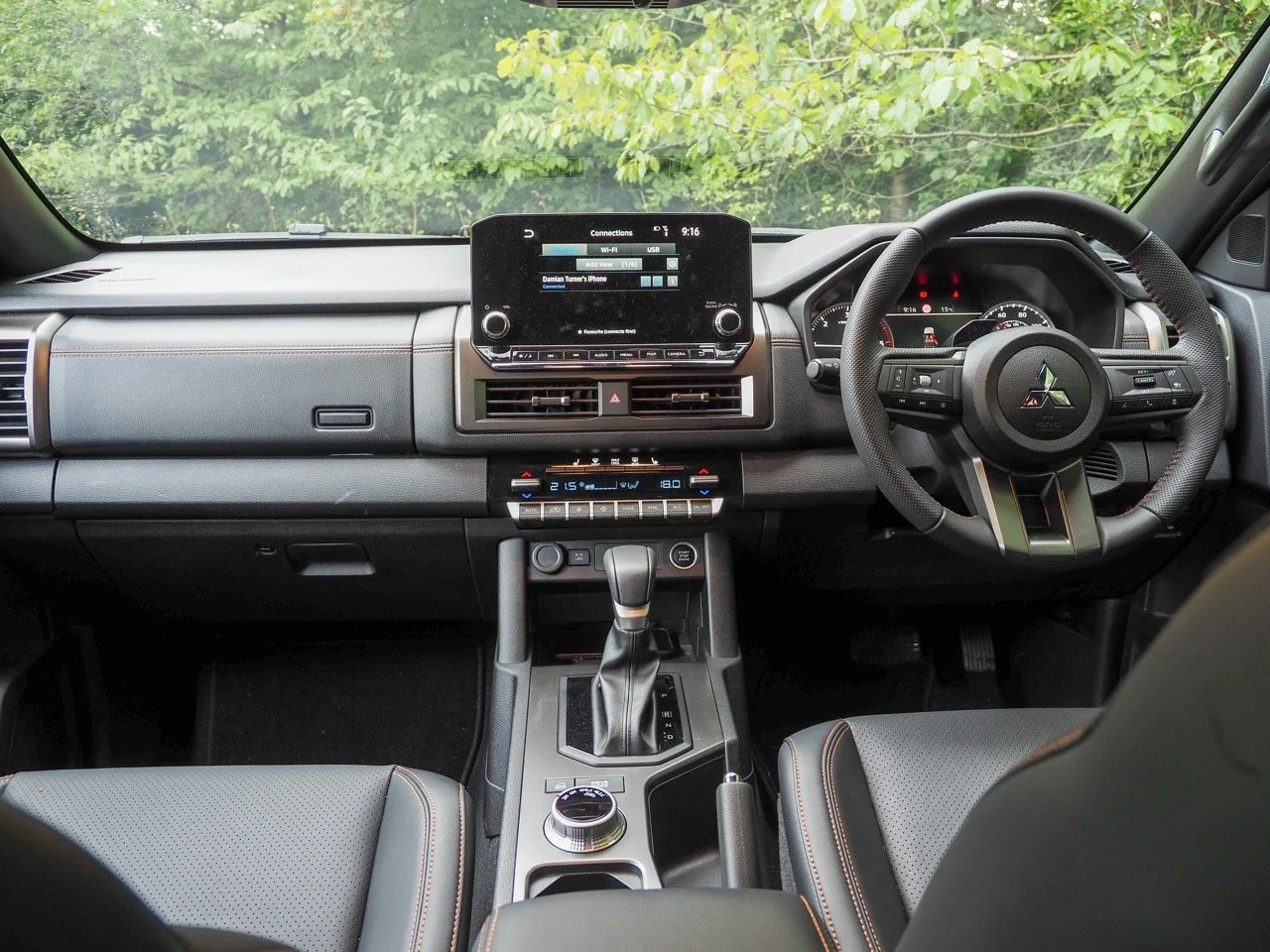
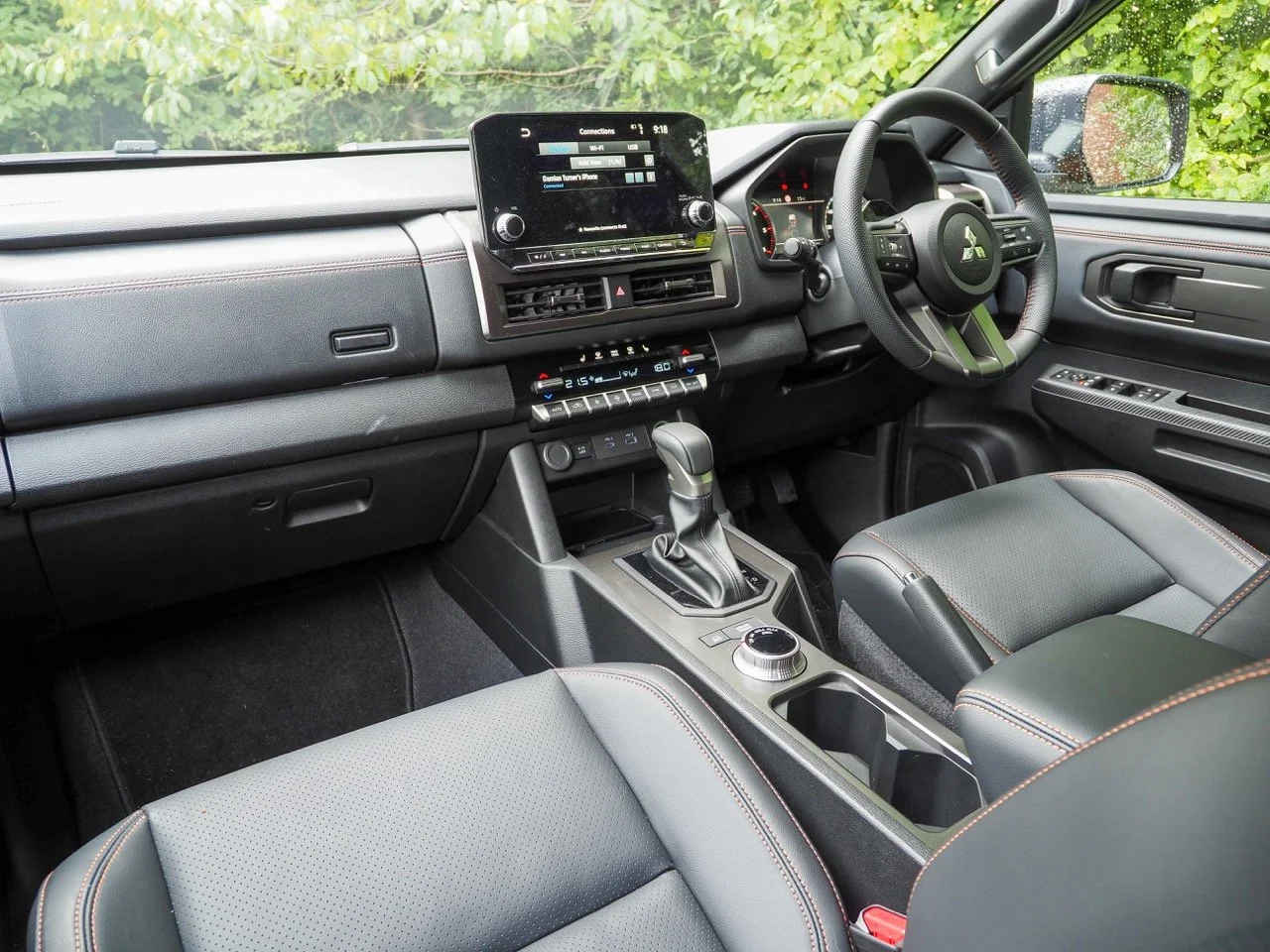
Mitsubishi describes the cabin as having key controls positioned where you need them, including the 4WD selector and even the DAB radio. It's wonderfully old fashioned, and I mean that as a compliment.
This is particularly welcome when you're wearing gloves, bouncing along a muddy track or simply trying to alter the temperature without taking your eyes off the road.
The 9” touchscreen is there, of course, but it doesn't try to control absolutely everything.
Thank goodness.
There's wireless Apple CarPlay and Android Auto, so you can simply plug your phone into the system without having to learn another manufacturer's idea of what a sat-nav interface should look like.
The Barbarian gets the good stuff
The extra equipment is what makes the Barbarian feel considerably more expensive than the basic L200.
The leather seats are comfortable, the front seats are heated and the driver's seat is electrically adjustable. There's a heated steering wheel for cold mornings, two-zone climate control and separate rear ventilation.
The 360º camera is particularly welcome given the size of the thing.
At 5.32 metres long, the L200 isn't exactly a small vehicle, and although you quickly get used to its dimensions, having cameras and parking sensors looking after you when manoeuvring is a very good thing.
Then there's the practical stuff.
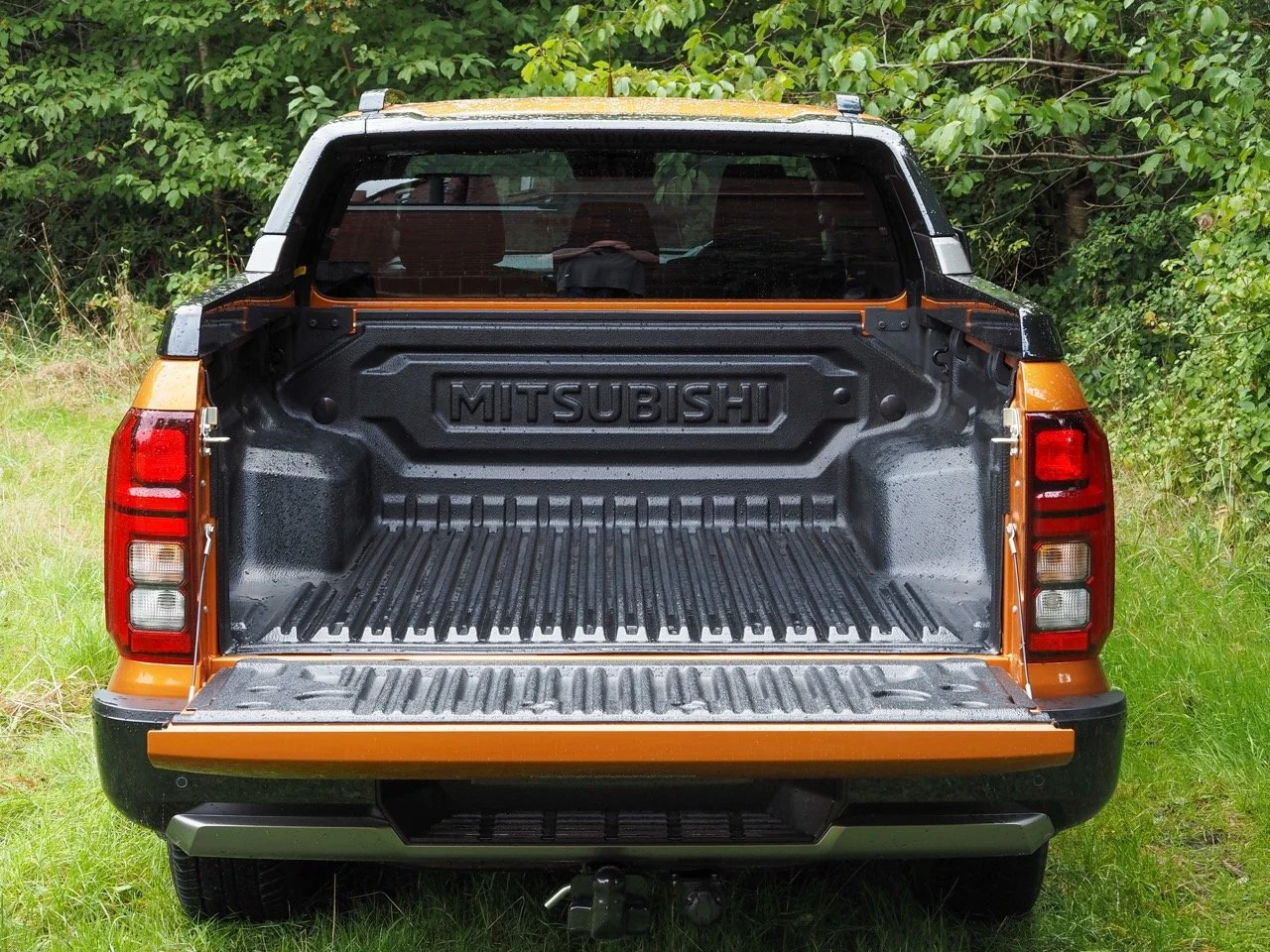
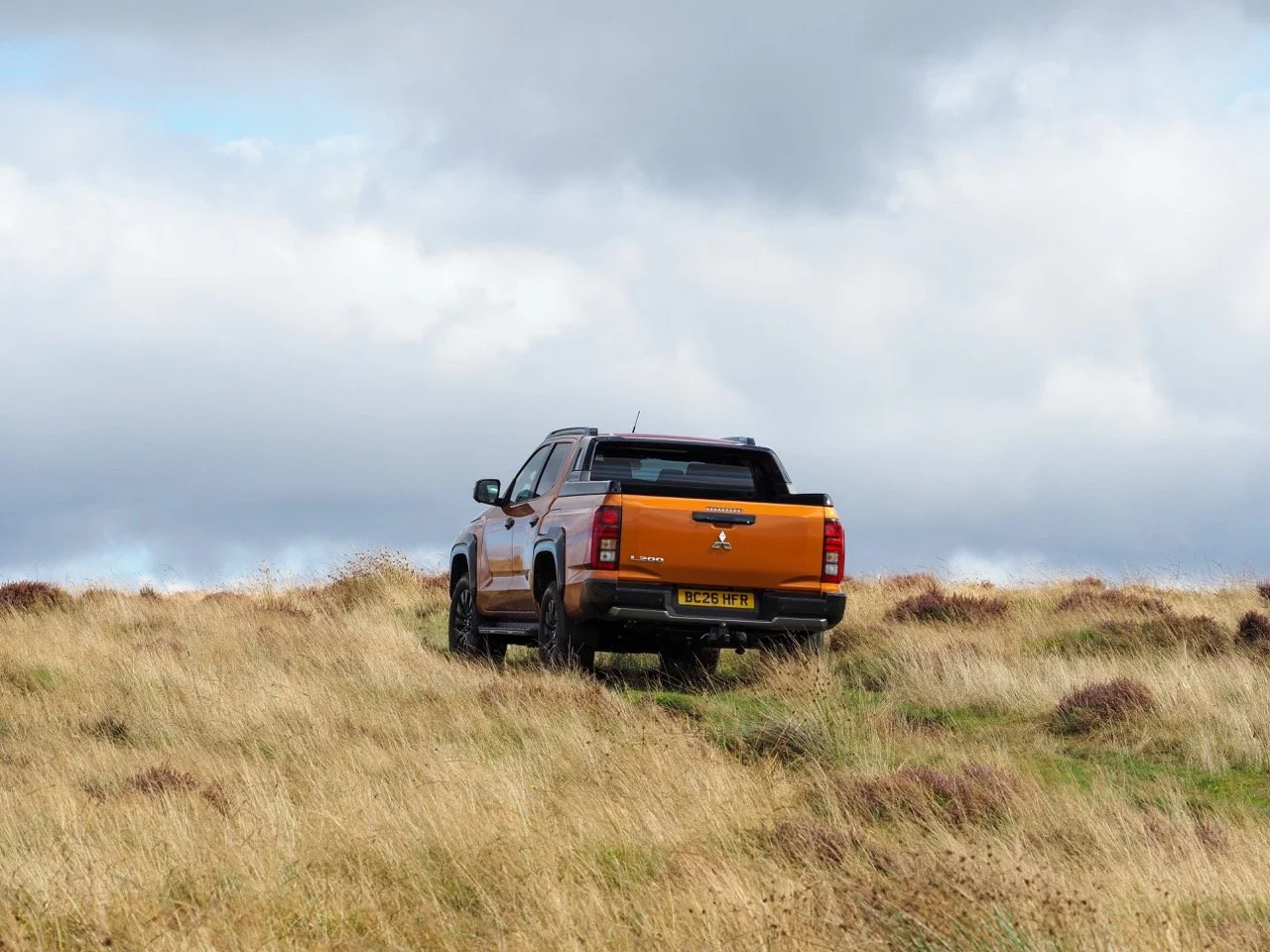
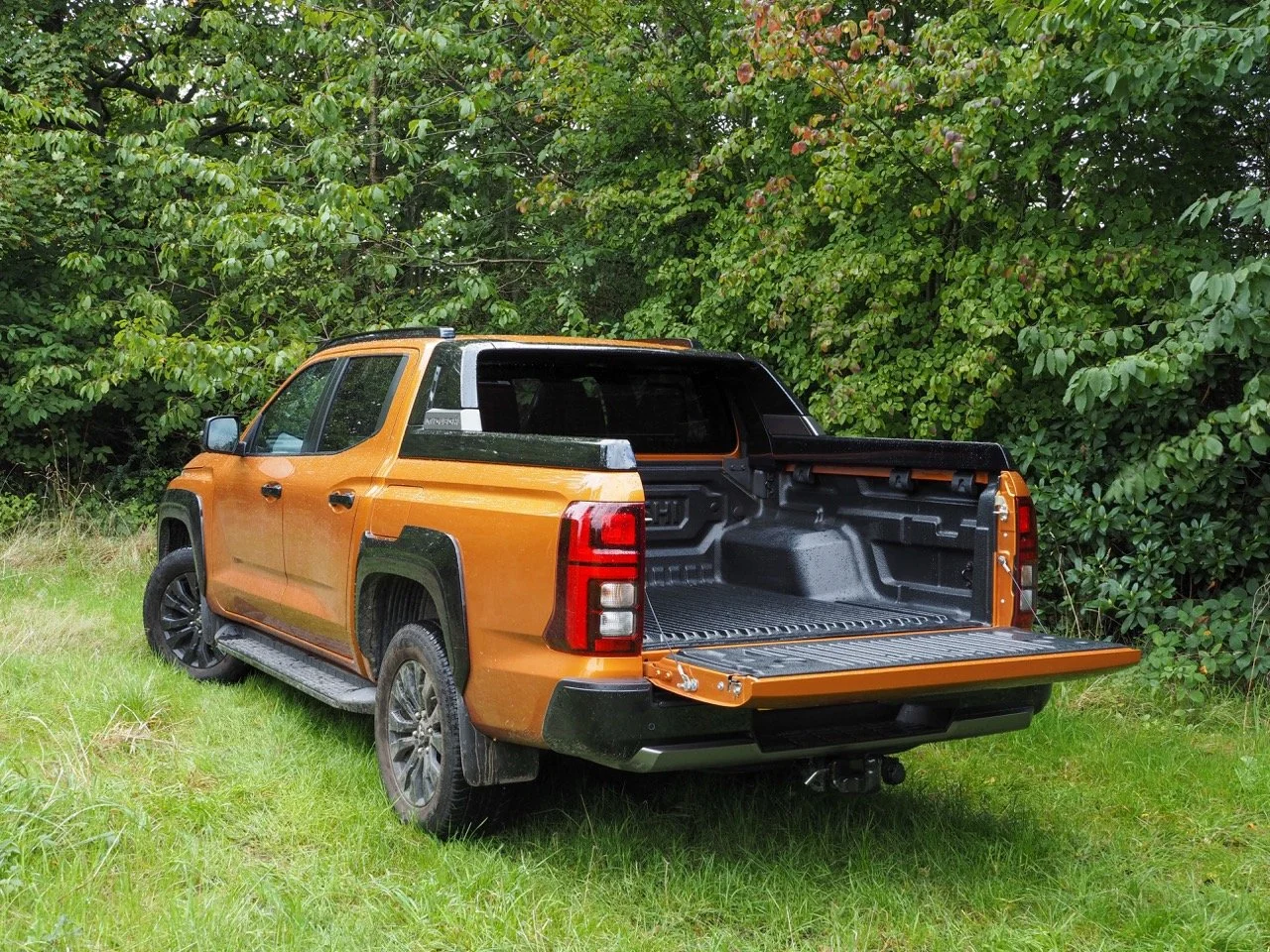
The Barbarian can carry more than a tonne and tow up to 3.5 tonnes, so despite all the leather, LED lighting and electronic wizardry, it hasn't forgotten what a pickup is supposed to do.
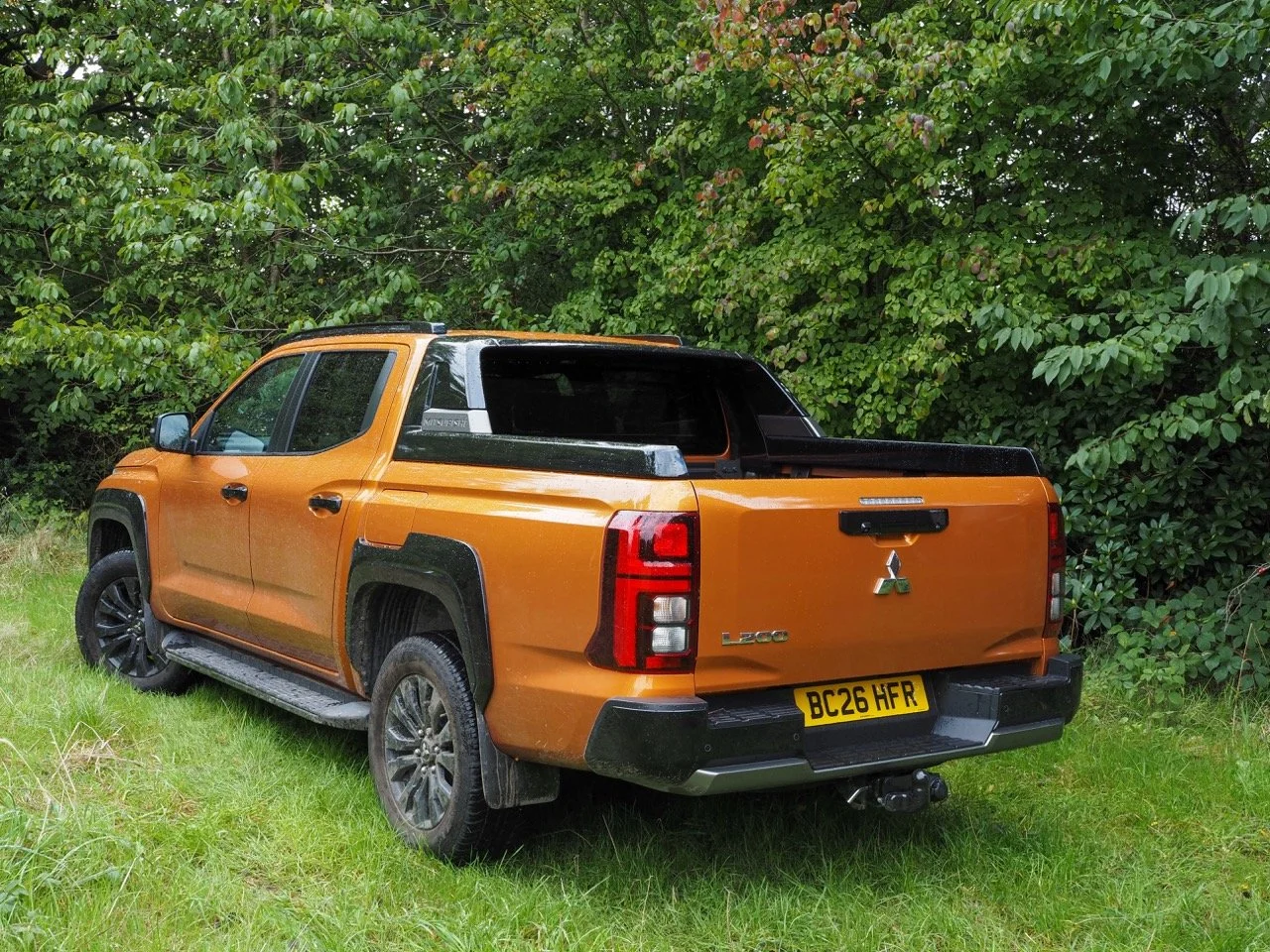
And that's perhaps the thing I like most about it.
It doesn't feel precious. You can put muddy boots in it. You can throw camping equipment into the load bed.
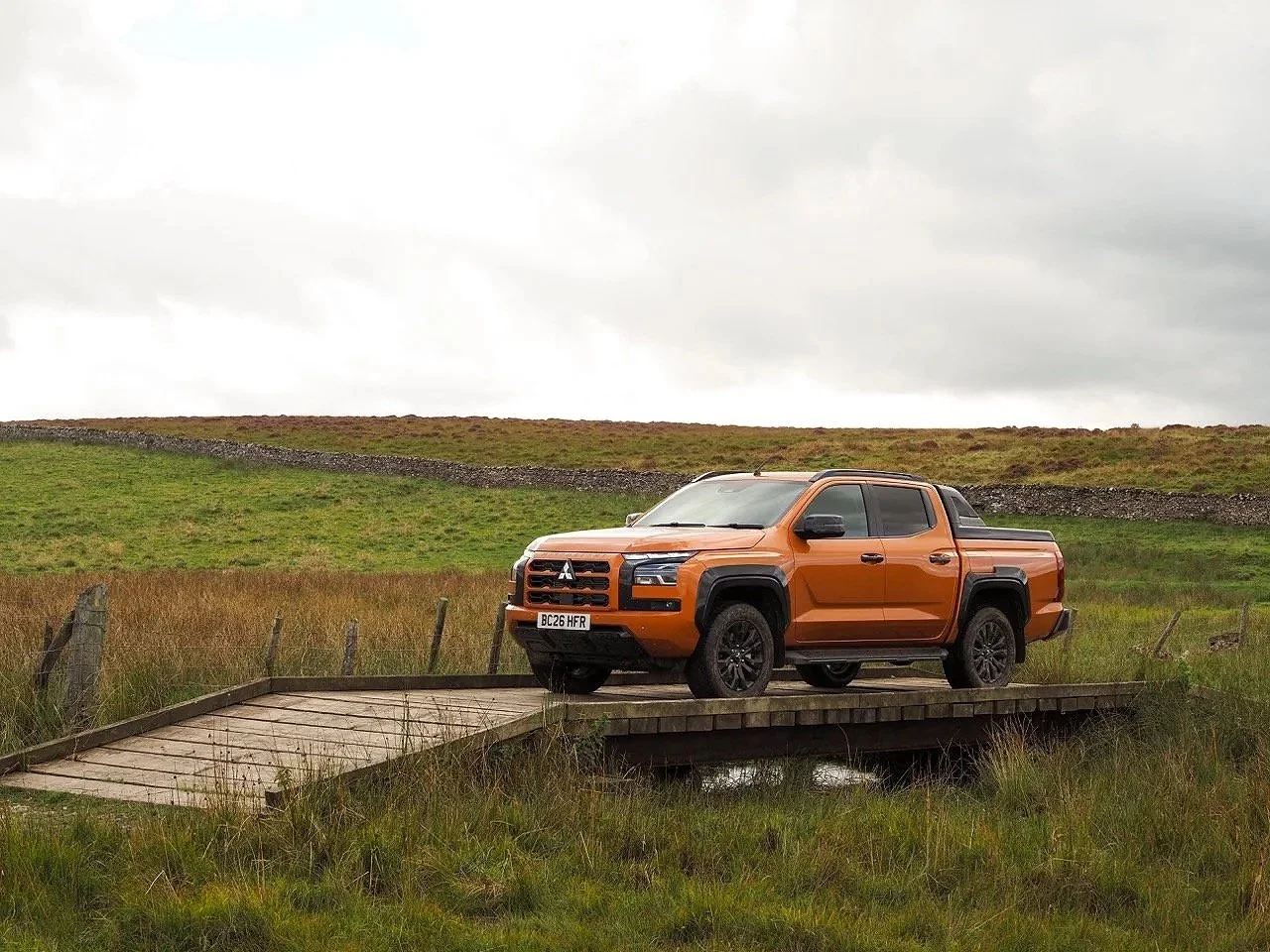
You can take it down a muddy track without worrying that you're going to upset some fragile lifestyle accessory. It's still a working vehicle rather than a rather nicely appointed one.
There is a tax and speed-limit catch
There's also something prospective L200 buyers need to understand, particularly if they're buying one for business use.
The old assumption that a double-cab pickup automatically provides the same tax advantages as a commercial van is no longer correct.
From April 2025, HMRC changed the way double-cab pickups are treated for Benefit-in-Kind purposes. New double-cab pickups are generally treated as cars for BIK taxation, based largely on their CO₂ emissions, rather than simply being treated as vans because they have a load bed.
That means a new Barbarian used as a company vehicle can attract a considerably higher tax bill than many people might expect. The current L200 produces 222g/km of CO₂, so it isn't exactly going to win an environmental tax competition.
There is a separate L200 Commercial, designed specifically for business users, which retains commercial-vehicle tax treatment.
Road tax is a slightly different matter. Double-cab pickups continue to be taxed at the commercial-vehicle rate, with the current rate being £360 from the second year.
Then there's the other little quirk of running a pickup in the UK - speed limits.
If your L200 is registered as a goods vehicle and falls into the relevant category, the national speed limits can be lower than those applying to a car.
For goods vehicles not exceeding 7.5 tonnes, the national limit is 50mph on a single carriageway and 60mph on a dual carriageway, while the motorway limit remains 70mph.
It's one of those things that doesn't feature heavily in the glossy brochures but becomes rather important when you're wondering why you're legally restricted to 50mph while the car behind you is happily doing 60.
Verdict
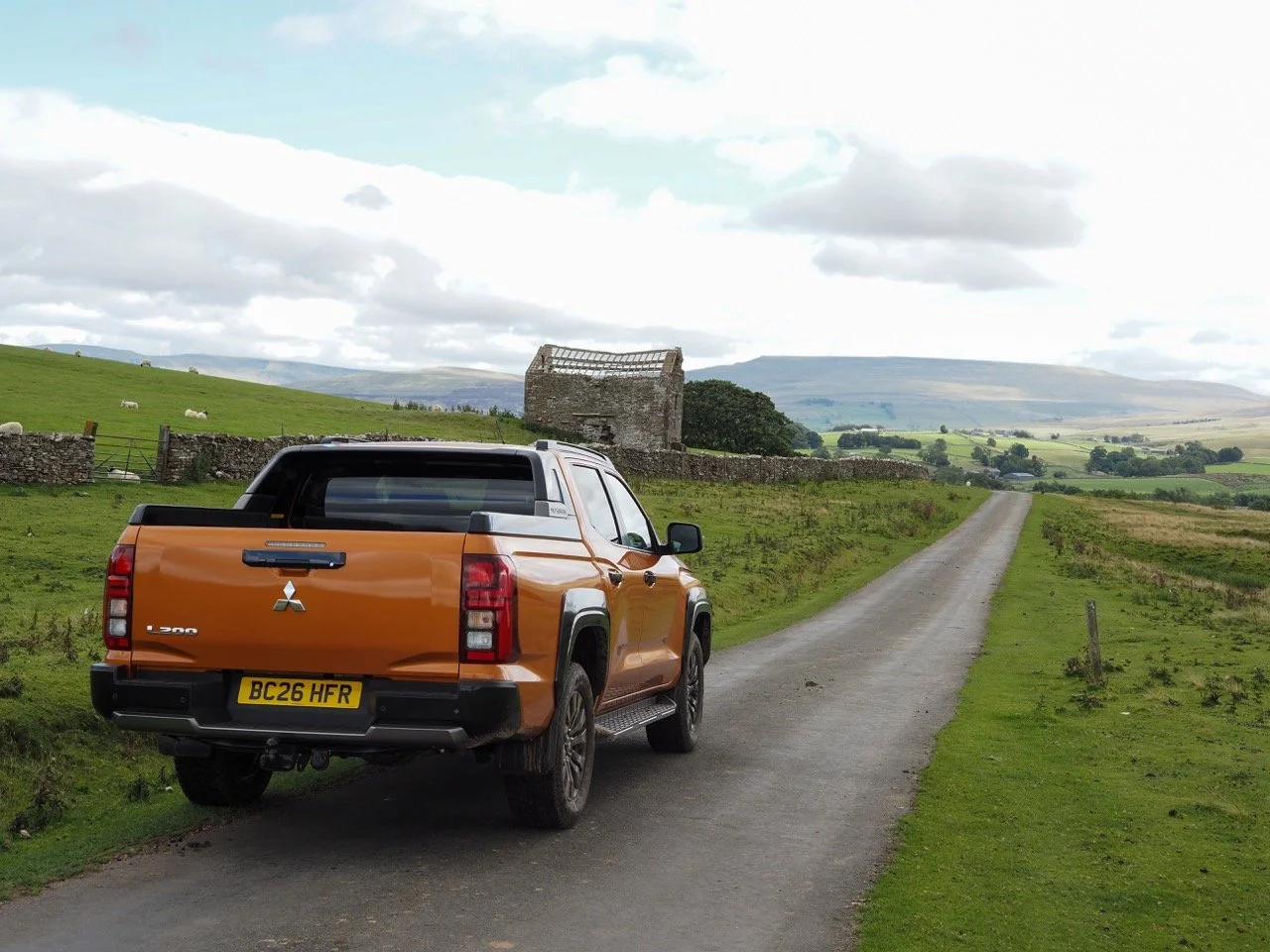
After a week, I'm actually more convinced by the L200 Barbarian than I was when I first drove it a few months ago.
It isn't perfect, the unladen ride is still a little too bouncy for my liking, particularly when compared with something like the Ranger, and the ground clearance can be an issue when you're following serious ruts whilst green-laning.
However, it’s a Mitsubishi, and it has proper buttons, proper dials and a proper four-wheel-drive system. And when the road turns into a muddy track, it doesn't spend ages asking me what I want it to do, it just does it.
The biggest compliment I can give the L200 after a week is that I'm now finding myself looking for excuses to take it somewhere muddy. Which, around here, is probably exactly what Mitsubishi intended.
For more details, visit: Mitsubishi UK