Speed Limits: Why Your Ford Ranger Might Be Slower Than You Think
There are few subjects guaranteed to start an argument at a green-lane meet, campsite or pub car park quite like speed limits for commercial vehicles.
Tell a Ford Ranger owner that their pick-up might not legally be allowed to do 70mph on a dual carriageway and you'll probably get the response: "Of course it can. I've been doing it for years."
And therein lies the problem.
UK speed-limit rules aren't based simply on how fast a vehicle can go, how much it weighs, or whether it looks like a car. They depend on what the vehicle is legally classified as.
Which means two vehicles that look almost identical can have completely different speed limits.
Welcome to another glorious example of British motoring legislation.
The Speed Limits We Think We Know
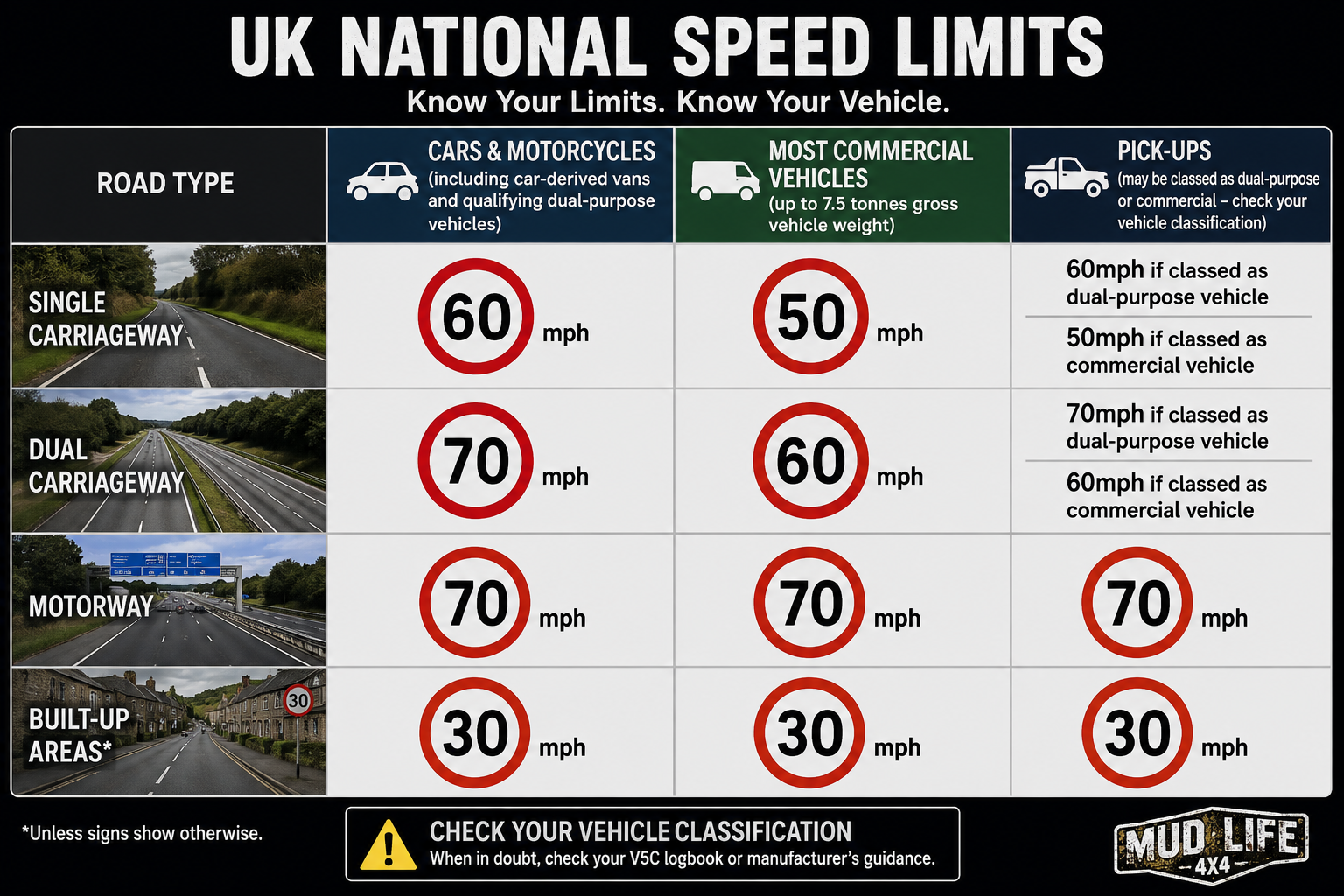
For an ordinary car, the national speed limits are straightforward:
Single carriageway: 60mph
Dual carriageway: 70mph
Motorway: 70mph
But certain commercial vehicles have lower limits:
Single carriageway: 50mph
Dual carriageway: 60mph
Motorway: 70mph
So, yes, you can have a van travelling at 60mph on a dual carriageway while the car overtaking it is legally doing 70mph.
And no, putting a "Baby on Board" sticker in the back window doesn't change the classification.
What About Small Vans?
This is where another common misconception comes in.
Not every small van gets commercial vehicle speed limits.
A genuine car-derived van can use the same speed limits as a car, provided it meets the relevant requirements, including having a maximum laden weight of no more than two tonnes.
Think Ford Fiesta Van, Vauxhall Corsa Van or similar.
They're essentially passenger cars with the rear seats removed and a load area installed.
So they can legally travel at 60mph on a single carriageway and 70mph on dual carriageways and motorways.
But a Ford Transit Connect isn't simply a "big car-derived van". It's a commercial vehicle designed as a van, so the lower commercial speed limits apply.
The same principle applies to vehicles such as the Transit Custom, Volkswagen Transporter, Mercedes-Benz Vito, Vauxhall Vivaro and Renault Trafic.
Then We Get To Pick-Ups
And this is where things get particularly interesting.
Many double-cab pick-ups have traditionally been treated as dual-purpose vehicles, meaning they can qualify for car speed limits.
But there are specific requirements, including limits concerning the vehicle's unladen weight.
The relevant threshold for a dual-purpose vehicle is generally 2,040kg unladen.
And modern pick-ups have a problem - they're getting bigger, heavier and more luxurious.
A modern pick-up isn't necessarily the agricultural workhorse it once was. You can now have heated leather seats, enormous infotainment screens, adaptive cruise control, sophisticated suspension and enough electronic assistance to make you wonder whether you've accidentally bought a luxury SUV with a load bed.
All that equipment adds weight.
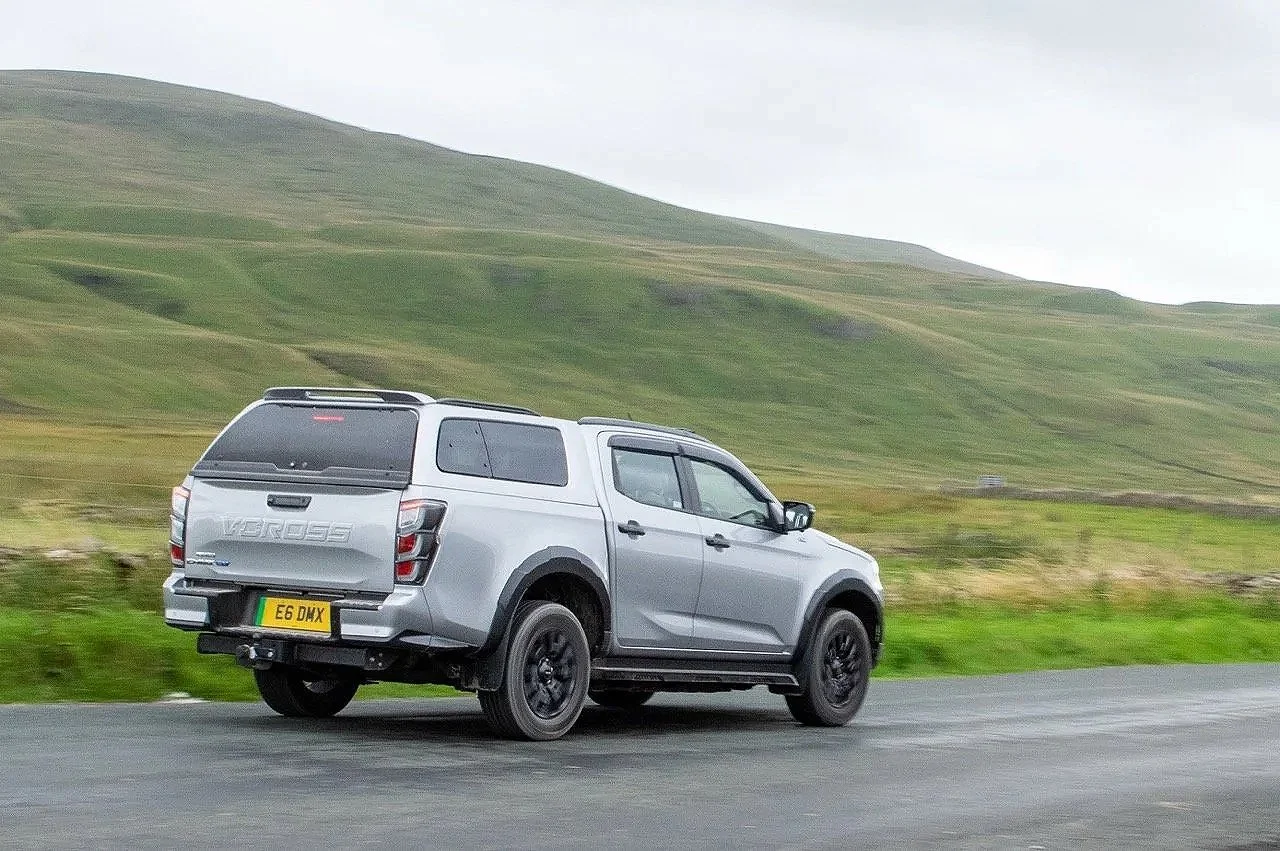
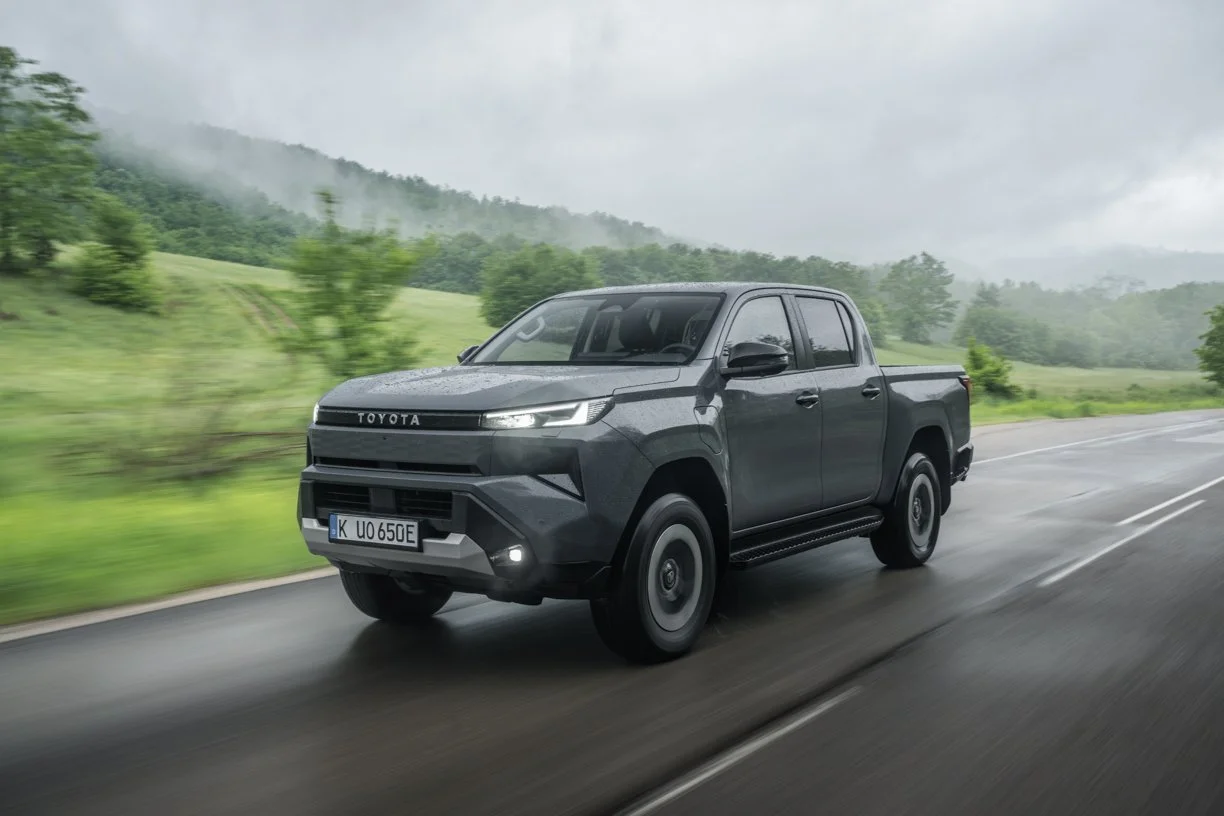
Ford Ranger vs Isuzu D-Max vs KGM Musso vs Toyota Hilux…
This is why you can't simply say, "It's a pick-up, so it can do 70."
Take the Ford Ranger. Depending on the exact model, specification and classification, it may fall outside the requirements for a dual-purpose vehicle and therefore be subject to the lower commercial vehicle speed limits.
That means:
50mph on a single carriageway, 60mph on a dual carriageway and 70mph on a motorway.
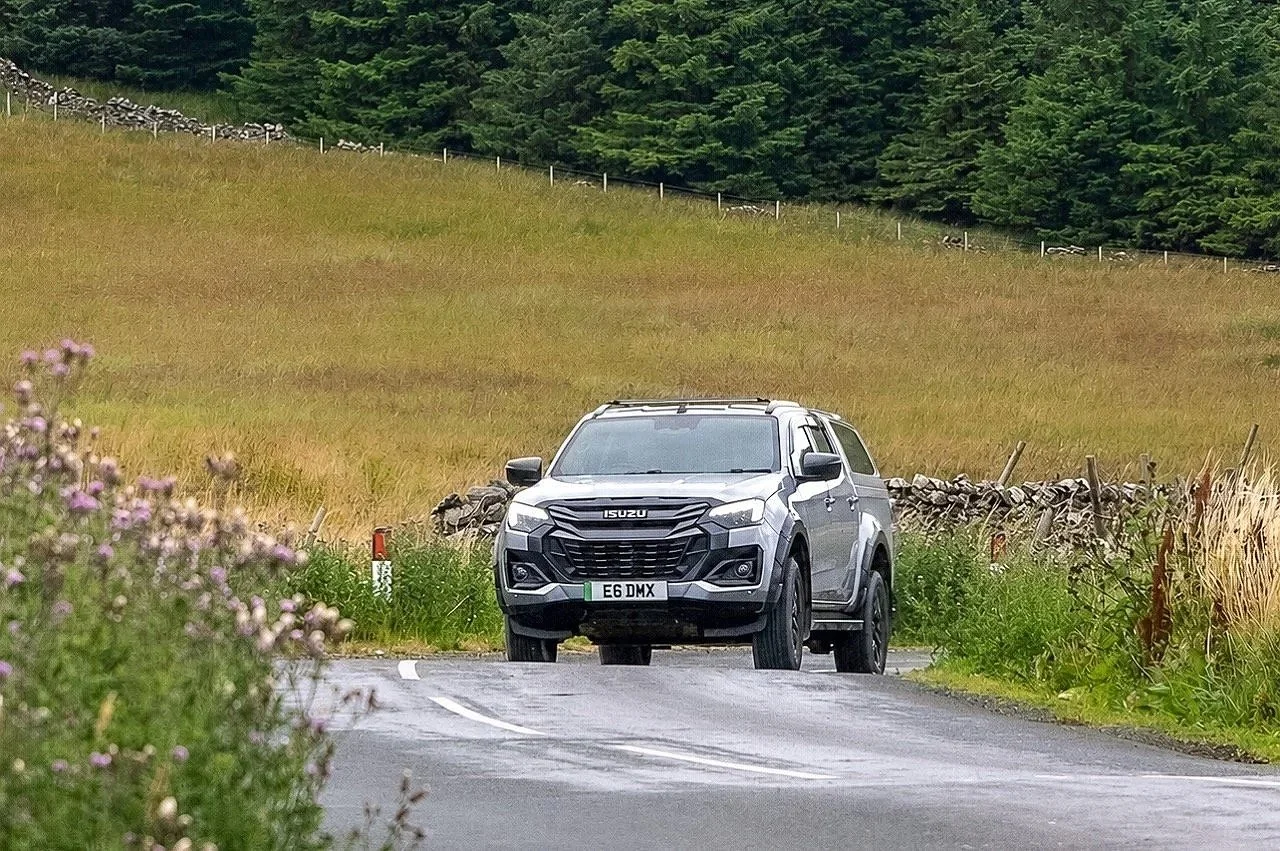
The Isuzu D-Max, meanwhile, has versions that can qualify for dual-purpose vehicle treatment and therefore use car speed limits.
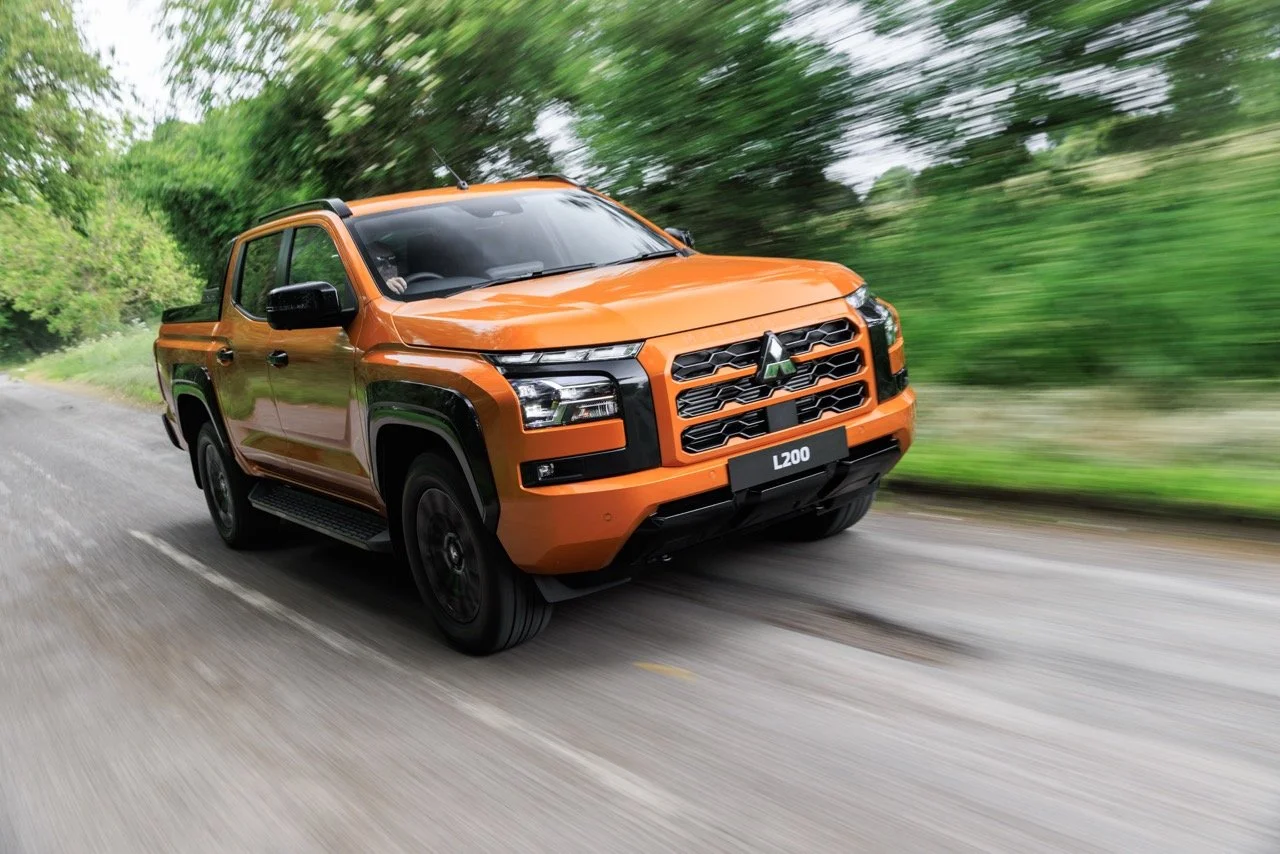
But here's the important bit: you cannot assume every D-Max, Ranger, Hilux, Amarok or L200 is automatically treated the same.
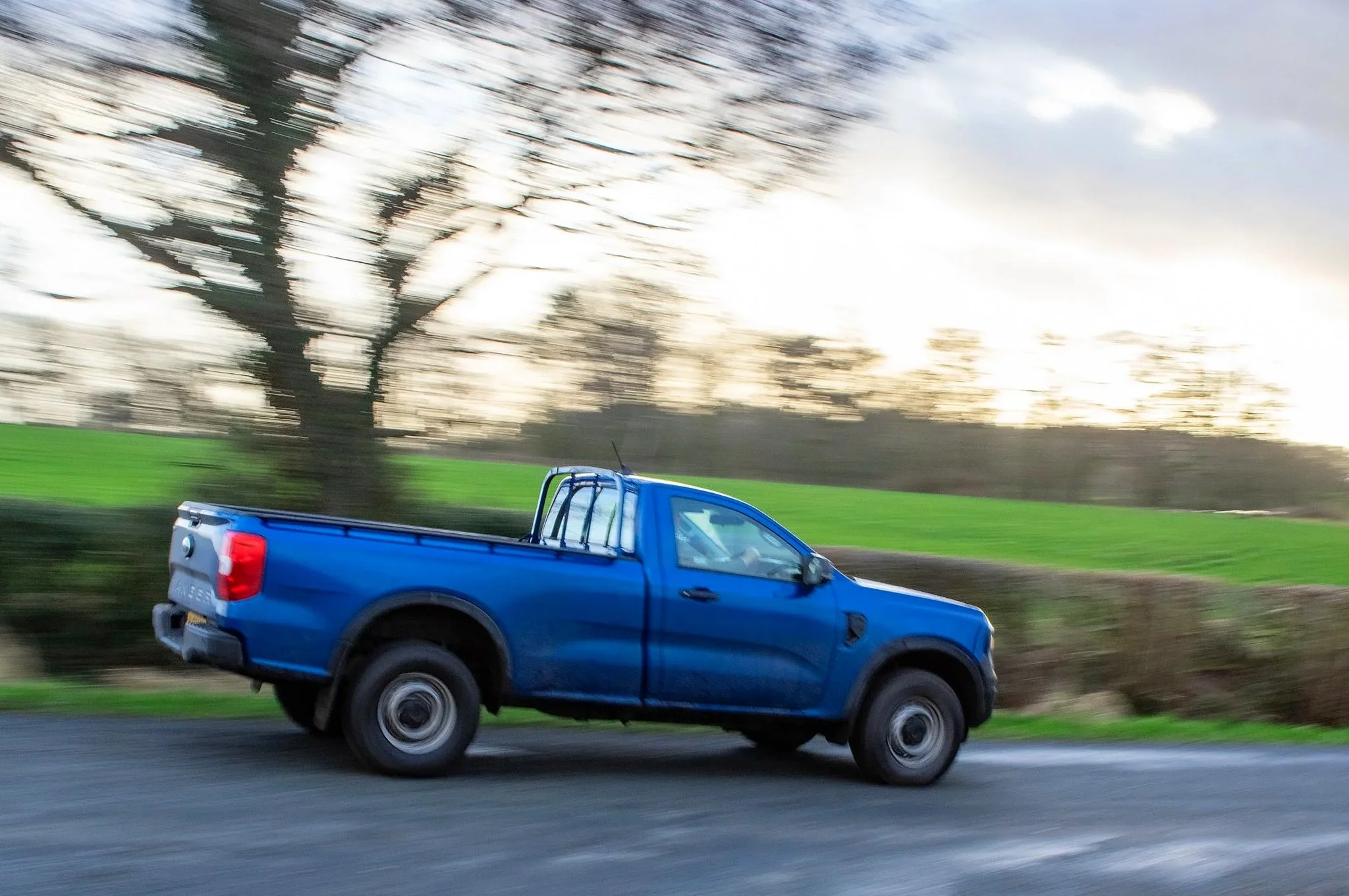
Model year, specification and weight matter.
Add a heavy canopy, accessories or other equipment and you're also entering territory where you need to understand exactly how the vehicle is classified rather than relying on what someone told you down the pub.
Why Can An Audi Q7 Do 70 But A Pick-Up Can't?
This is probably the bit that makes the least sense.
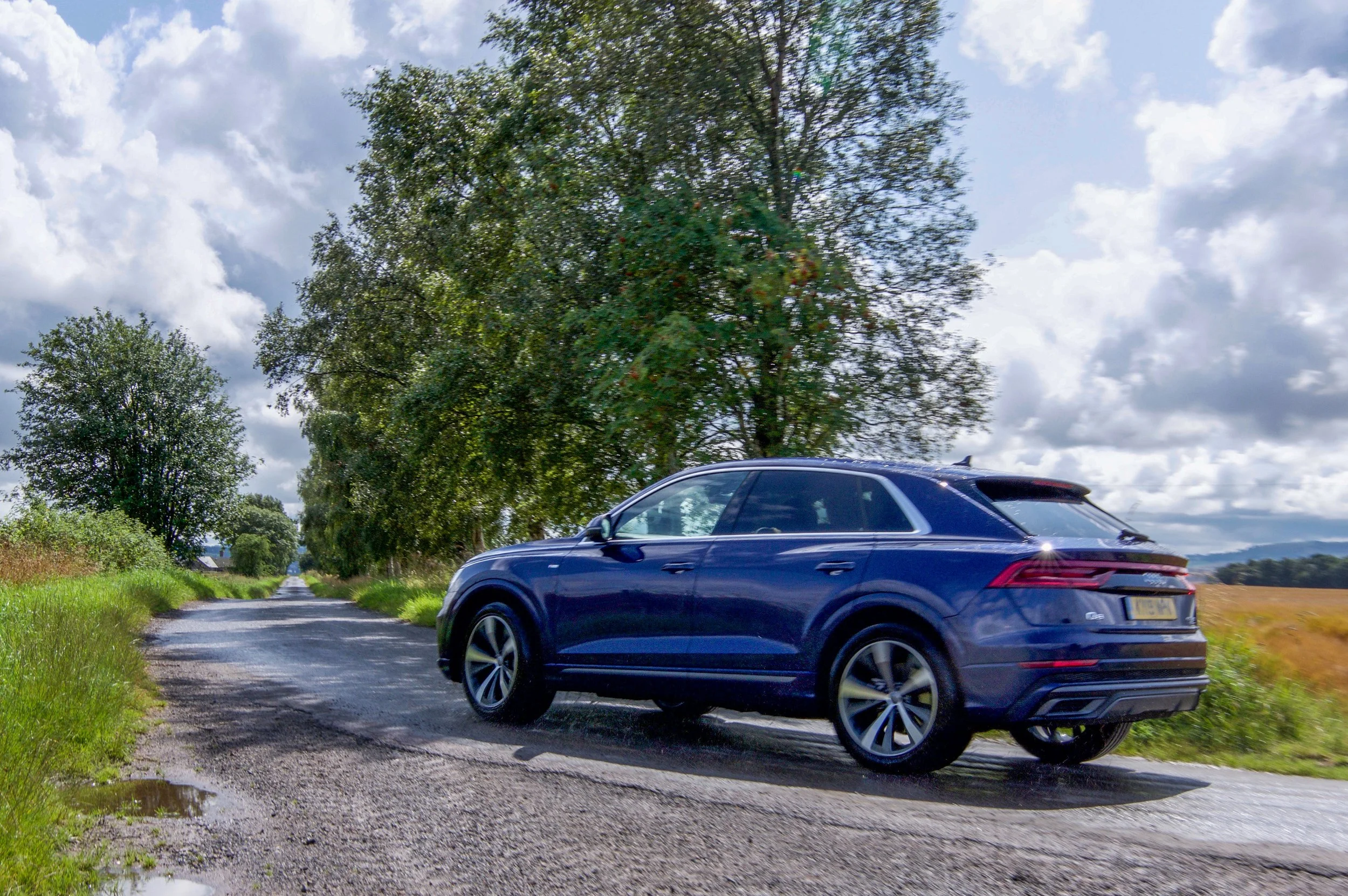
An Audi Q8, BMW X5, Land Rover Defender or Toyota Land Cruiser can weigh well over two tonnes and still legally travel at 70mph on a dual carriageway.
Yet a pick-up of similar size and weight may be restricted to 60mph.
Why?
Because the law isn't simply asking how heavy the vehicle is.
It's concerned with its legal classification and design.
So while your neighbour's enormous luxury SUV is happily doing 70mph, your equally enormous Ranger may legally need to sit at 60.
It's one of those wonderfully British situations where the answer isn't "because it makes sense".
It's "because that's how the regulations define the vehicle."
Can Speed Cameras Tell The Difference?
This is another area where there's plenty of pub wisdom.
You've probably heard that speed cameras can't tell the difference between a car and a van, and therefore can't know that a particular vehicle should have been doing 60 rather than 70mph.
That may have been more relevant with older enforcement systems.
Modern camera technology is considerably more sophisticated.
Many systems use Automatic Number Plate Recognition (ANPR) and can link registration numbers with vehicle information. Modern digital cameras can also capture considerably more information than the traditional "flash and photograph" systems many of us grew up with.
Some newer enforcement technology can identify multiple types of offences and use automated or AI-assisted systems to flag potential offences for further examination by enforcement staff.
However, it's important not to overstate this.
There isn't evidence that every new speed camera automatically looks at a vehicle, decides whether it's a van or pick-up, checks its legal classification and then sends anything questionable to a human for review.
Different camera systems have different capabilities.
The sensible assumption is simply that modern enforcement technology is becoming much better at identifying vehicles and offences than it once was.
So if your pick-up is legally restricted to 60mph on a dual carriageway, assuming that "the camera won't know it's a commercial vehicle" isn't a particularly clever strategy.
The V5C Is Your Friend
If you're unsure what speed limits apply to your vehicle, check the paperwork rather than relying on Facebook, your mate Dave or the bloke who services your Land Rover.
Your V5C registration document, vehicle classification and the manufacturer's specifications can all help establish what you're driving from a legal perspective.
And remember that accessories and modifications don't magically turn a commercial vehicle into a car.
If you're still uncertain, check the official guidance or get clarification before assuming you're entitled to use car speed limits.
So, Can Your Pick-Up Do 70?
The answer is frustratingly simple: It depends, so don’t assume.
And with modern pick-ups becoming heavier and more sophisticated, this is only going to become more relevant.
So the next time you're cruising along a dual carriageway at 70mph in your pick-up and a suspicious-looking camera appears on a bridge, you might want to know exactly what your truck is classified as.
Because, "I've been doing it for years." probably isn't going to be much help when the brown envelope arrives.
And if you're betting your driving licence on a speed camera not knowing what a Mitsubishi L200 is, you're probably playing a dangerous game.
Here’s an obligatory disclaimer stating that individual vehicle classifications vary by model year, trim level and specification, so you should verify the classification and weight of your specific vehicle yourself before it’s too late.