
Review: 2026 Hyundai KONA Advance Hybrid
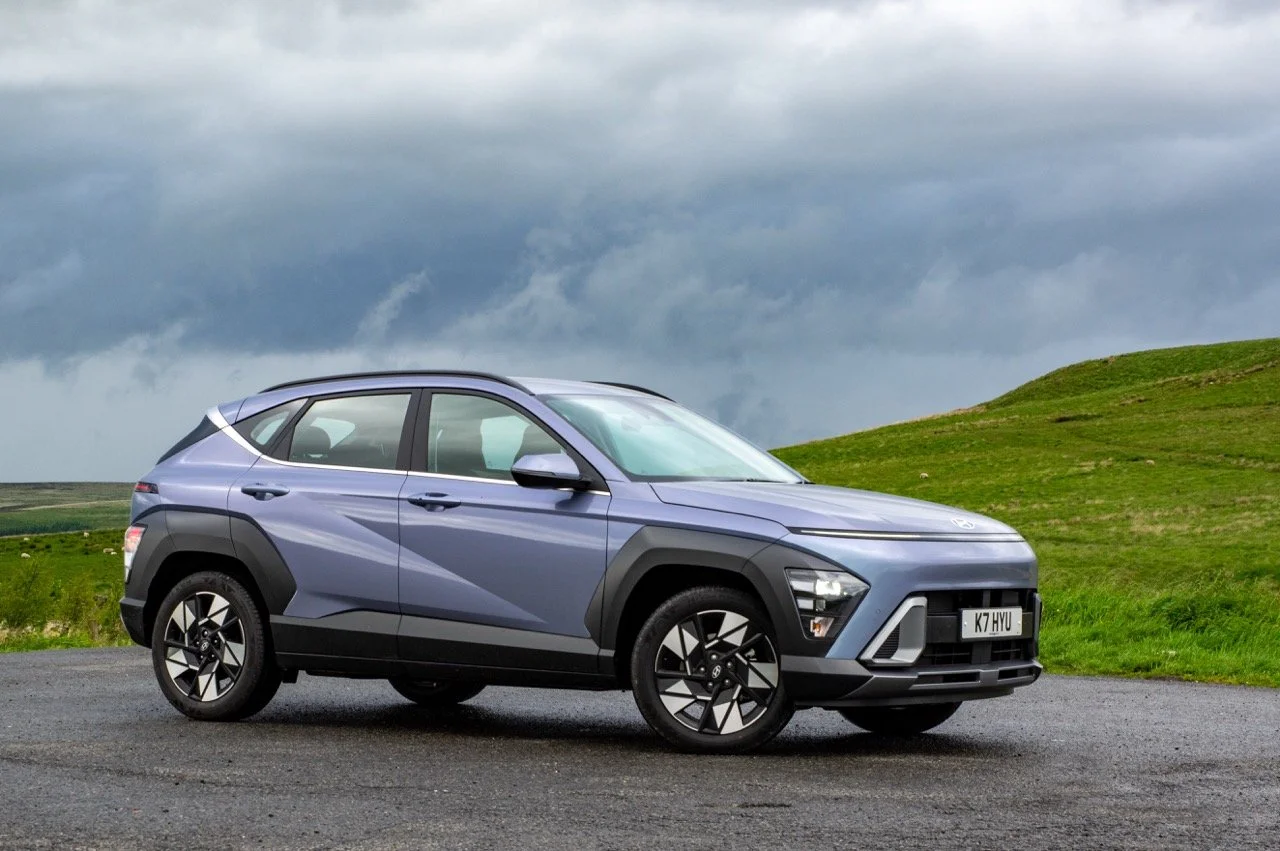
The sensible choice that keeps catching you smiling
There are some cars that make your heart beat a little faster before you've even turned the key. Then there are cars like the Hyundai KONA Hybrid.
It isn't trying to be exciting. It isn't pretending to be an off-roader because somebody in marketing sprinkled a few bits of black plastic around the wheelarches. It doesn't arrive with a soundtrack, fake exhaust tips or enough ambient lighting to guide aircraft into Manchester Airport.
Instead, it quietly gets on with being rather good.
And do you know what? There's something refreshing about that.
After spending a week with the car, and time reading owner experiences, talking with people who've lived with one and comparing it with rivals like the Toyota Yaris Cross, Nissan Juke Hybrid and Renault Captur E-Tech, I kept arriving at the same conclusion. The KONA isn't the car people get excited about in the showroom. It's the one they still seem pleased they bought a year later.
There's quite a difference.
The previous KONA always struck me as a slightly awkward thing. Not ugly exactly, just... confused. Like someone couldn't decide whether they were designing a hatchback or a miniature SUV.
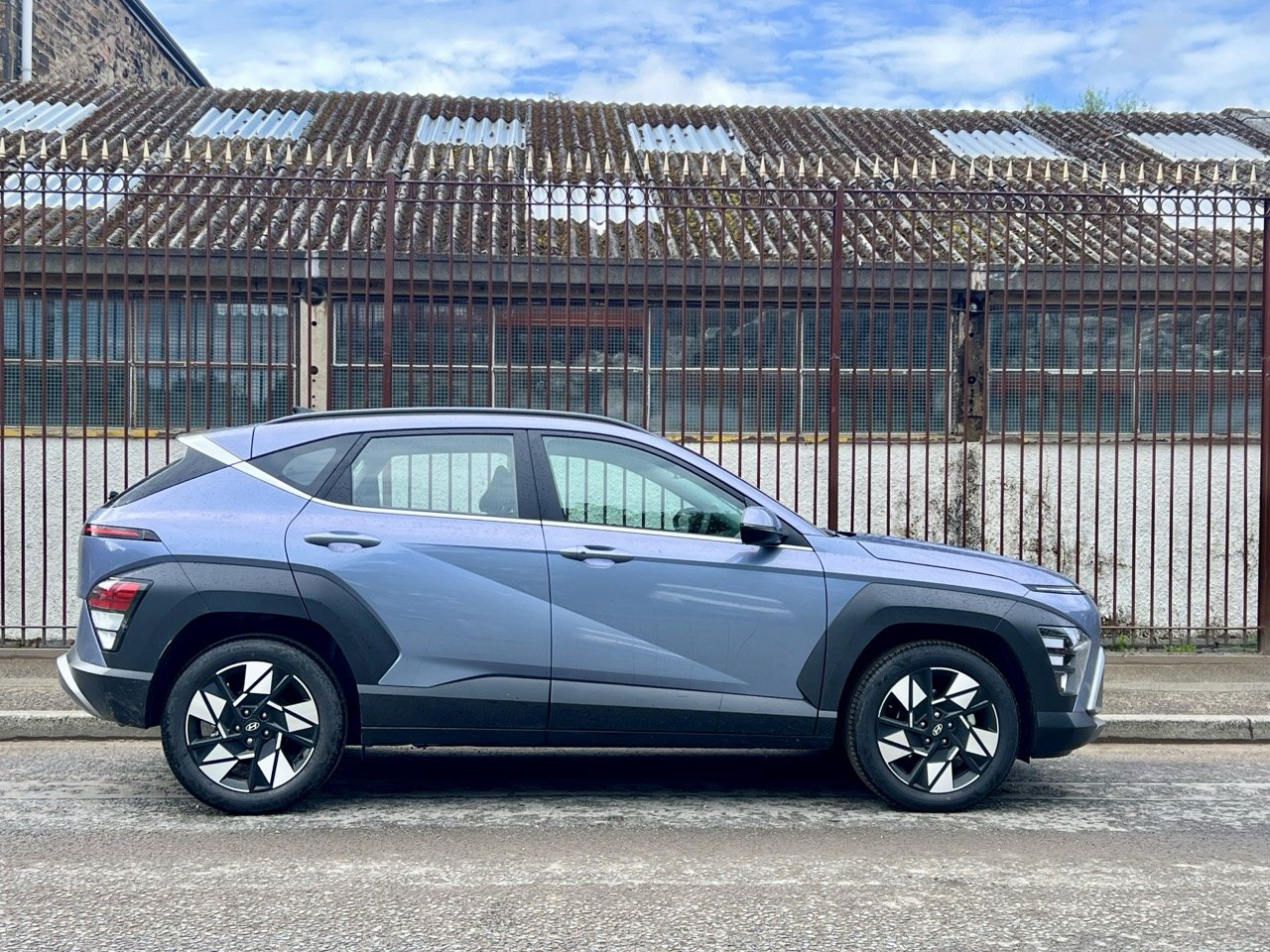
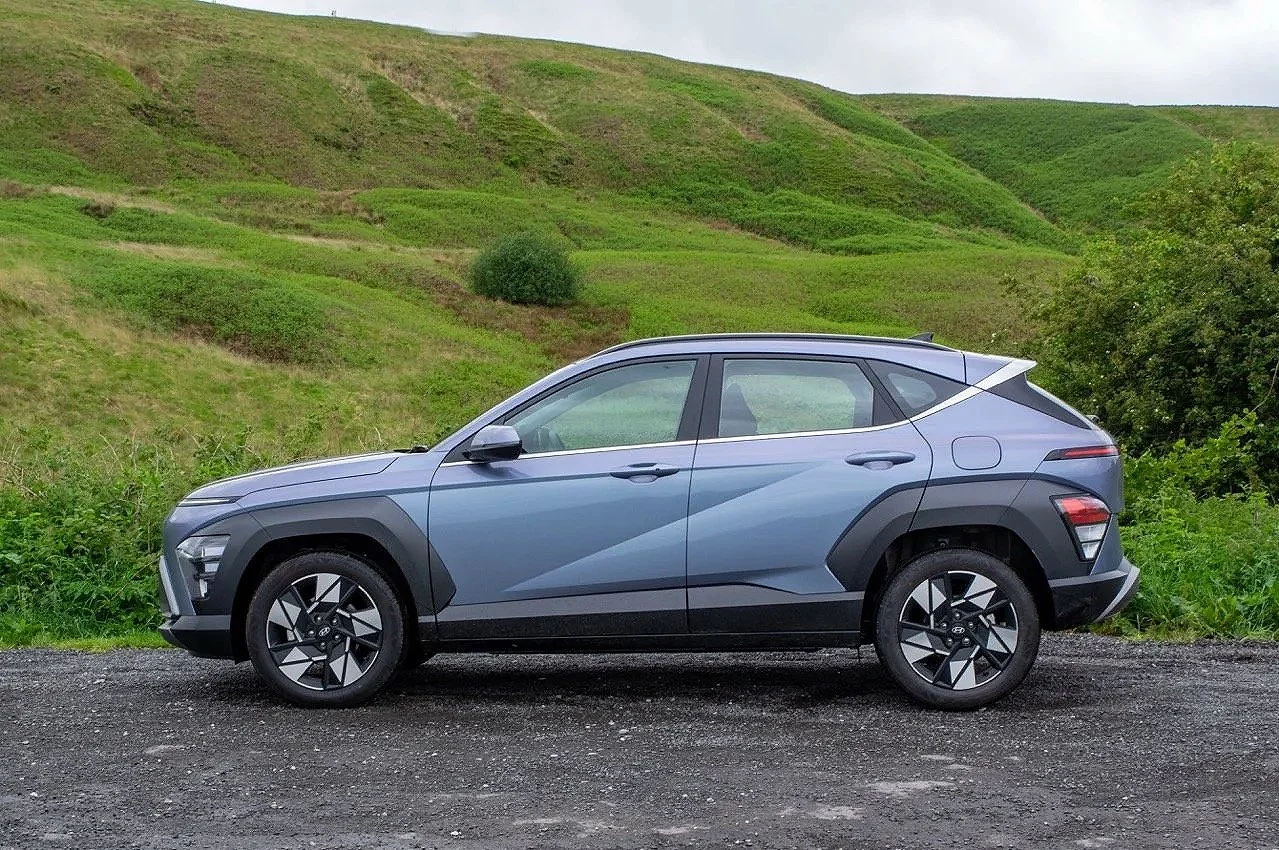
This latest version looks far more cohesive.
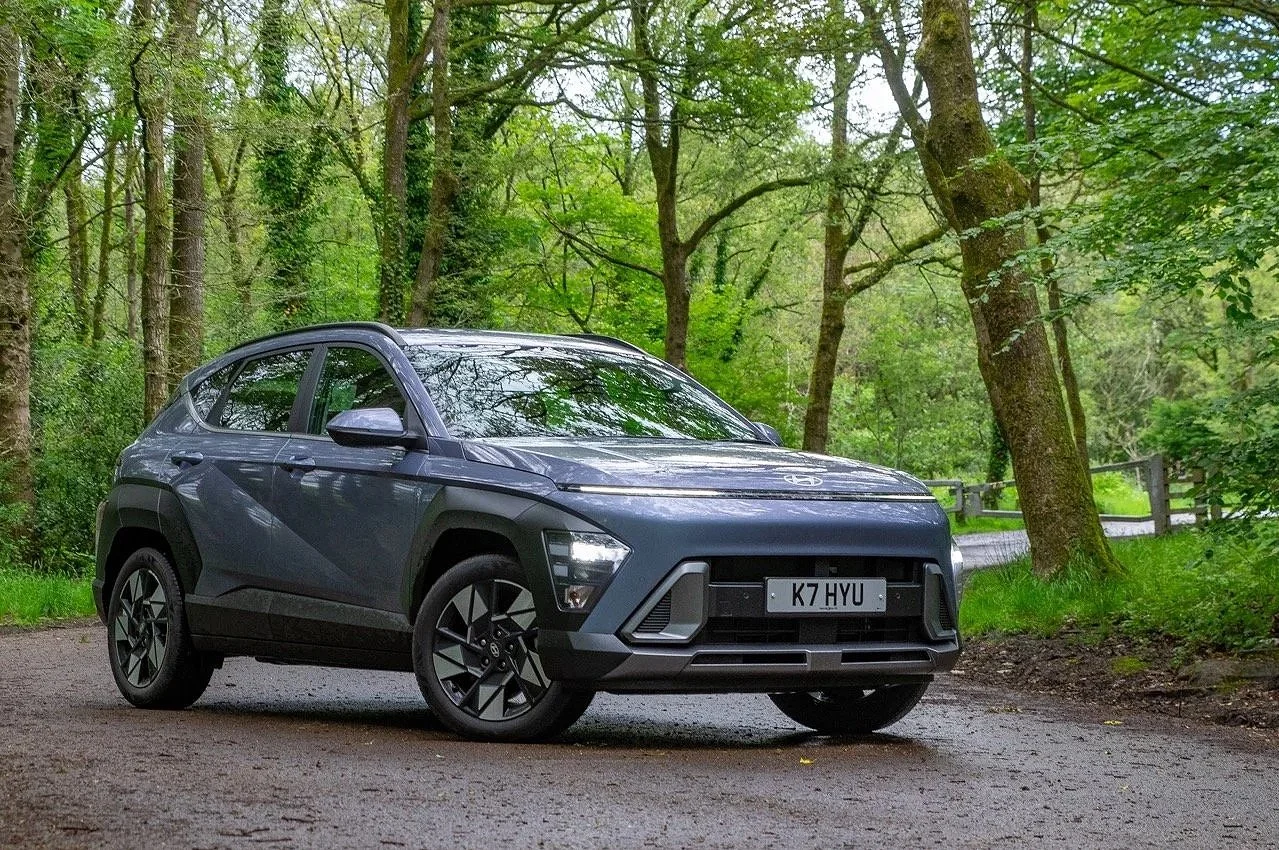
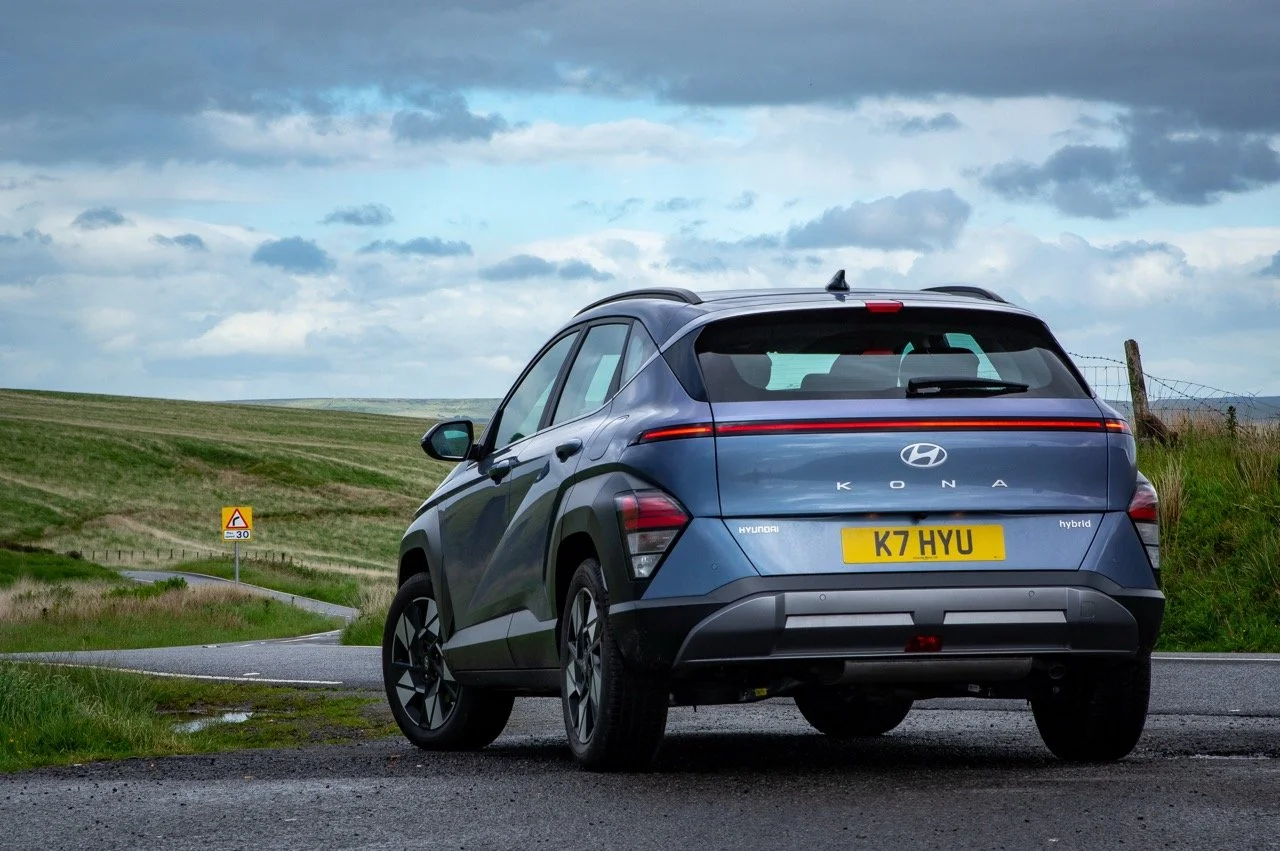
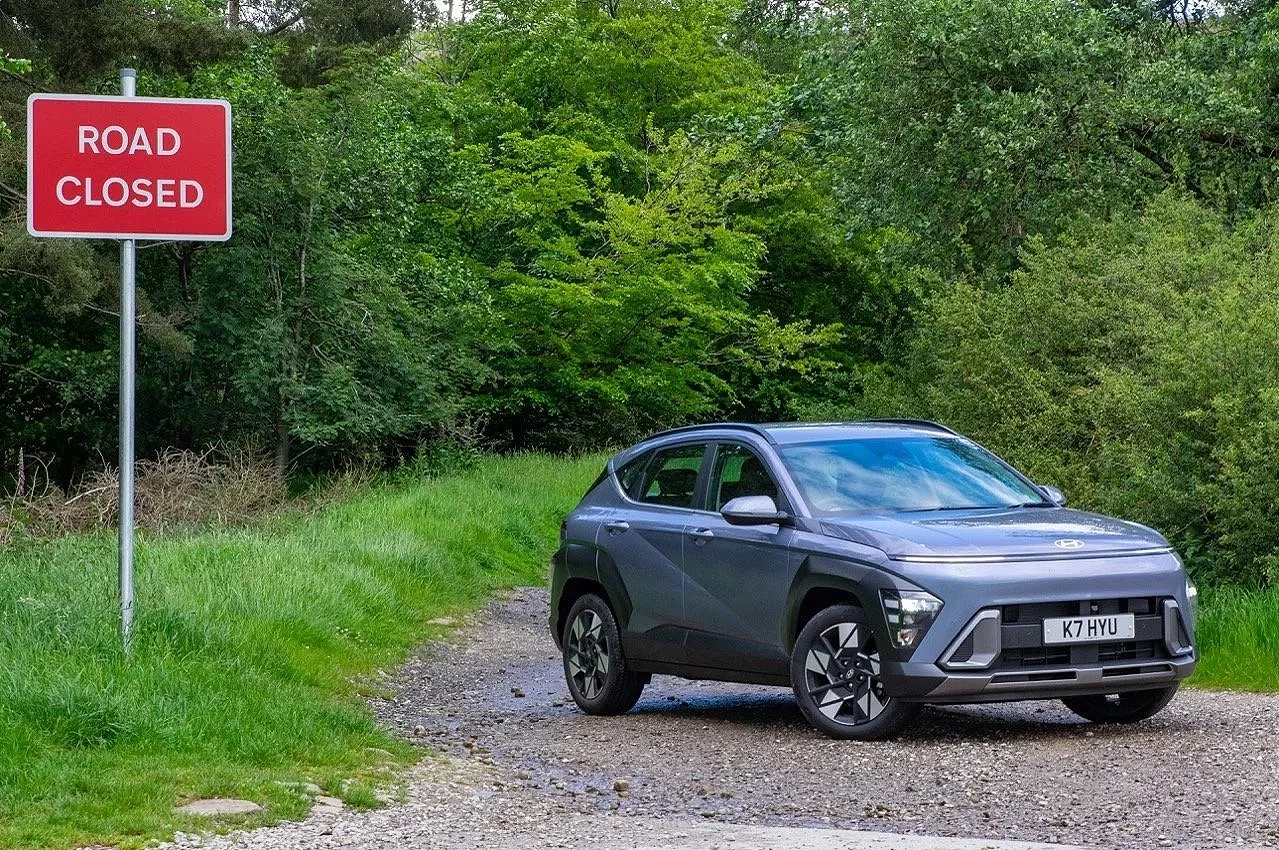
The full-width LED light bar gives it a distinctive face without looking like it's desperately chasing the latest trend. Walk around it and you'll notice plenty of sharp creases and geometric details. Usually I'd mutter something about designers getting carried away with rulers, but somehow it works… though the rear light clusters in the wheel arches are a tad questionable.
Oddly, it also looks more expensive than it actually is, and until you park it next to a proper family SUV then you realise it's still fairly compact.
For people who spend weekends wandering around the Yorkshire Dales, heading into the Lakes with a pair of muddy Labradors or squeezing into National Trust car parks designed when cars were the size of Morris Minors, those dimensions become a blessing rather than a compromise. You don't need a tape measure every time you meet a tractor.
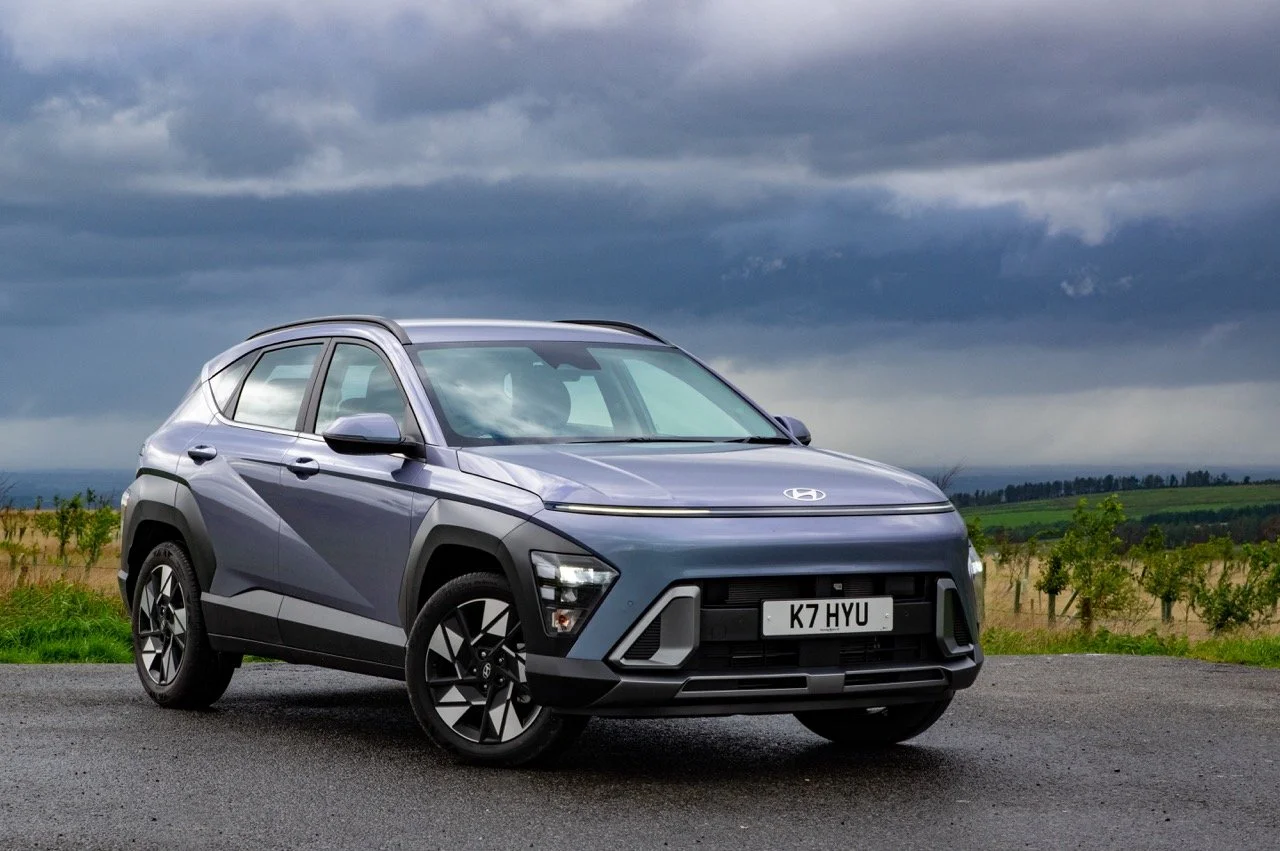
The 141PS hybrid combines a 1.6-litre petrol engine with an electric motor and a six-speed dual-clutch gearbox, and what you'll notice is how often you're creeping around on electric power without really thinking about it.
Leaving home early in the morning without waking the neighbours. Rolling through supermarket car parks. Crawling through town traffic where most cars become frustrating and this one simply shrugs its shoulders. It's an easy car to drive.
That's becoming quite a rare compliment these days.
Some hybrids seem permanently confused about who's doing the work. Engine... battery... engine... battery... accompanied by enough droning noise to make you wonder whether you've accidentally started a lawnmower.
The Hyundai feels more settled than that.
Push hard joining a motorway and yes, the petrol engine makes itself known. Quite loudly, actually. Not offensively so, but enough to remind you that 141PS isn't trying to rewrite the laws of physics. Once you're up to speed though, everything calms down again and motorway cruising becomes pleasantly relaxed.
Off the beaten track?
No.
Despite the Kona’s ground clearance and ‘off-road’ looks, this version is 2WD, and I was asked rather politely not to go green-laning, which is fair enough.
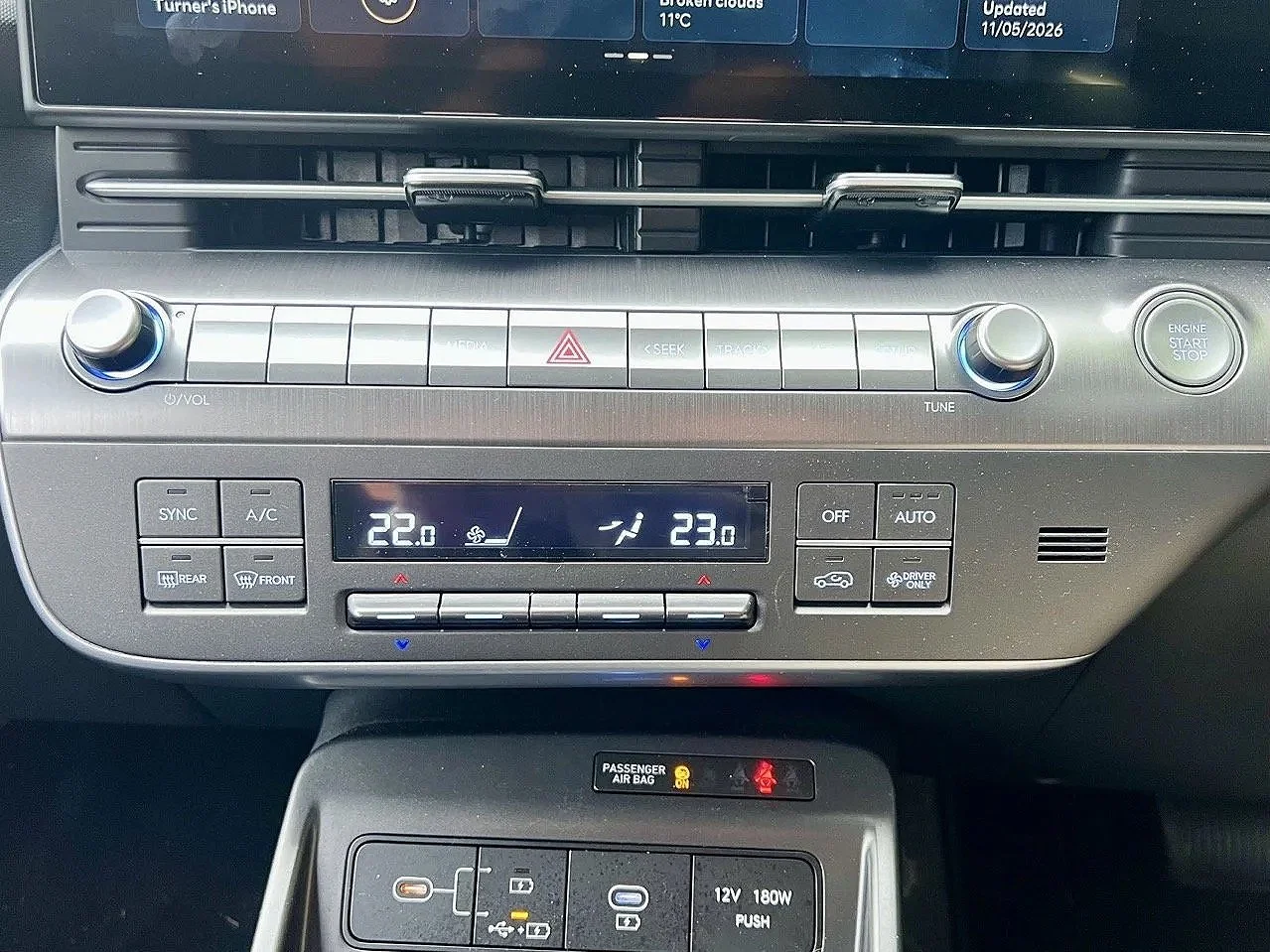
Inside, Hyundai has done something wonderfully unfashionable.
It's fitted buttons.
Real ones.
Imagine that.
The climate controls live beneath the touchscreen where human beings can actually find them while driving. Volume is controlled by a proper knob. You don't need to swipe through three menus simply because you'd like the cabin to be one degree warmer.
Some manufacturers could learn a thing or two.
The screens themselves are crisp, clear and easy enough to navigate, although like almost every new car they're carrying rather more information than anybody genuinely needs. I sometimes wonder if designers have ever driven along an unfamiliar country lane in pouring rain while trying to decipher seventeen different icons.
Probably not.
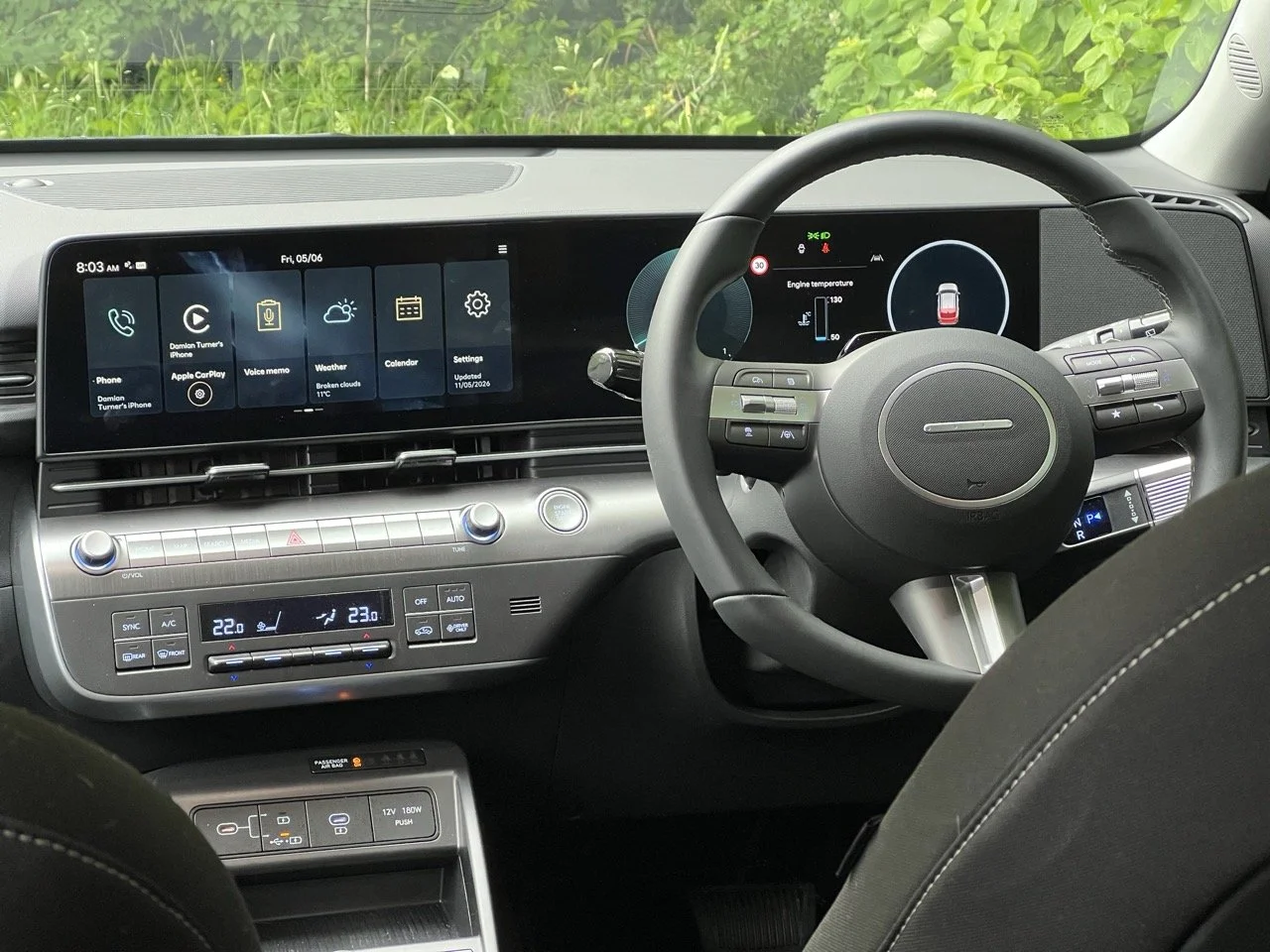
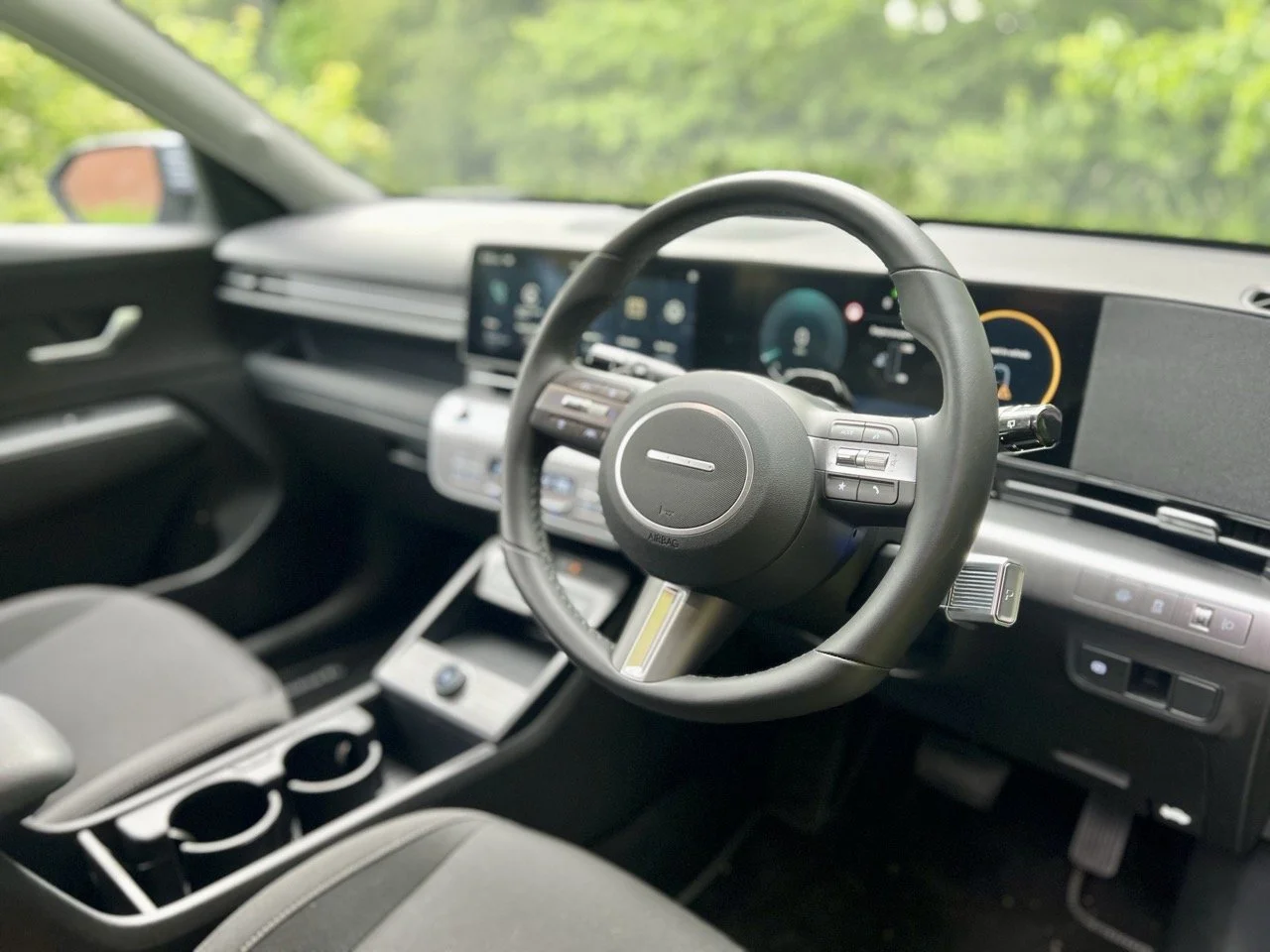
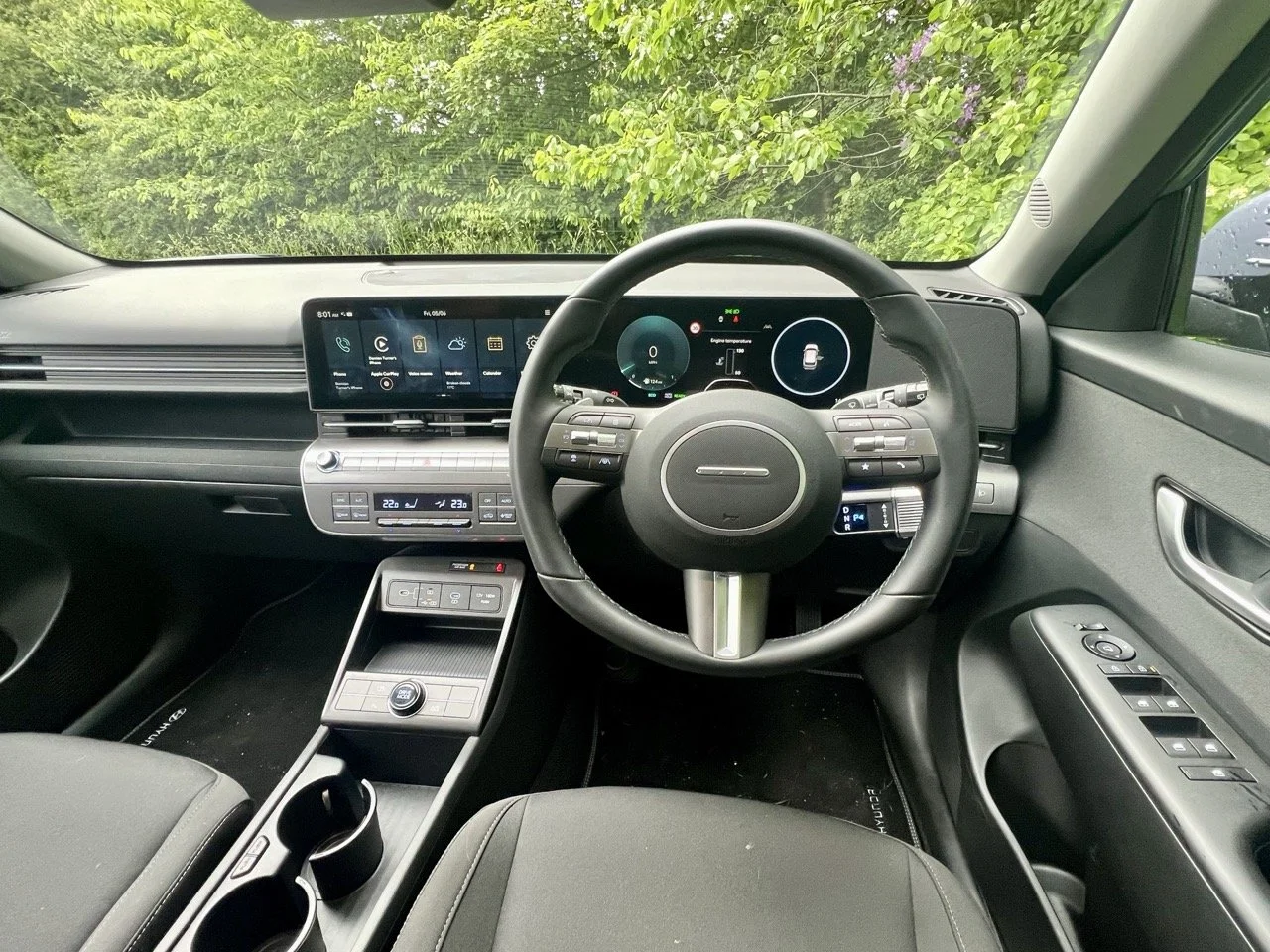
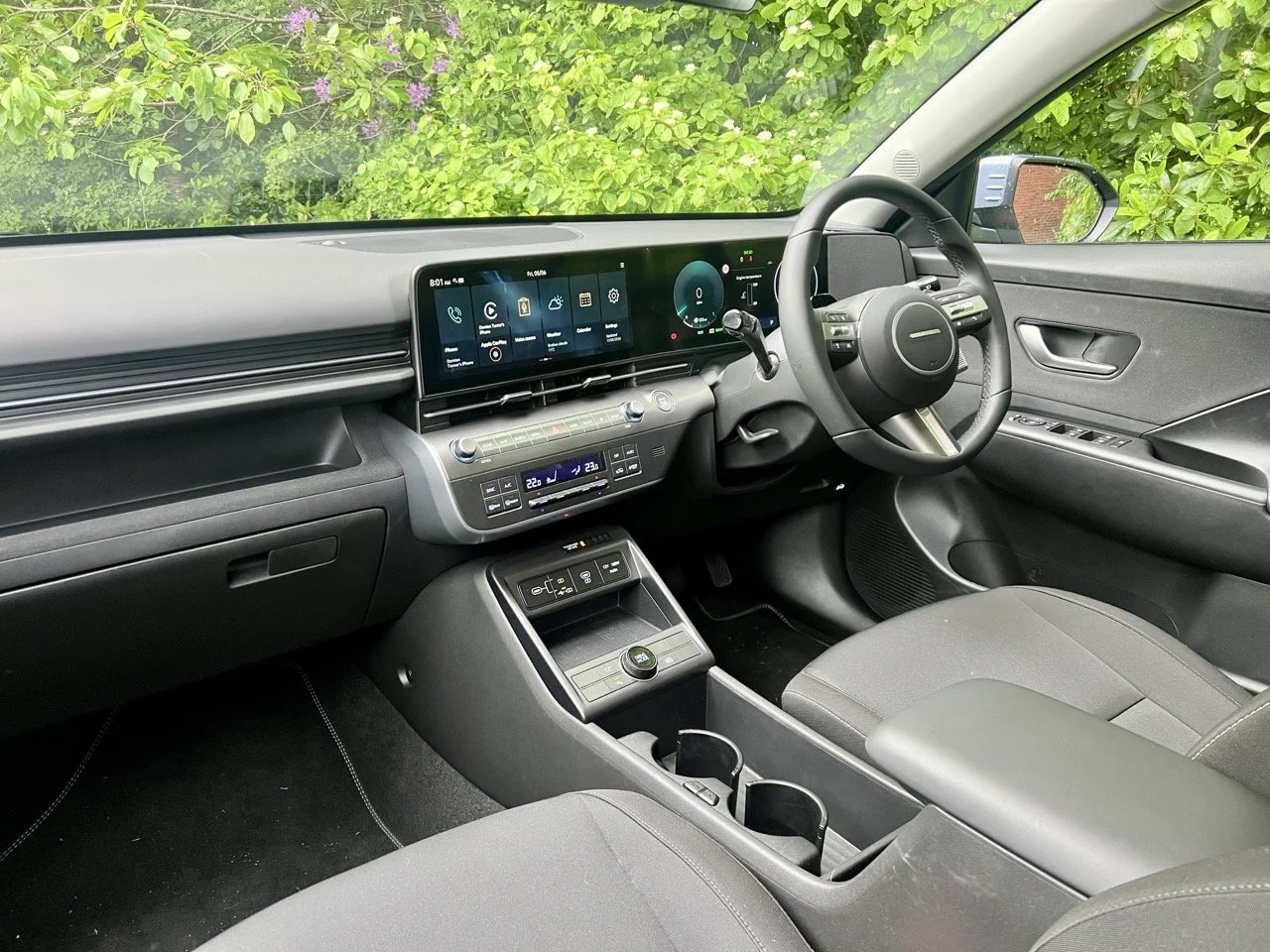
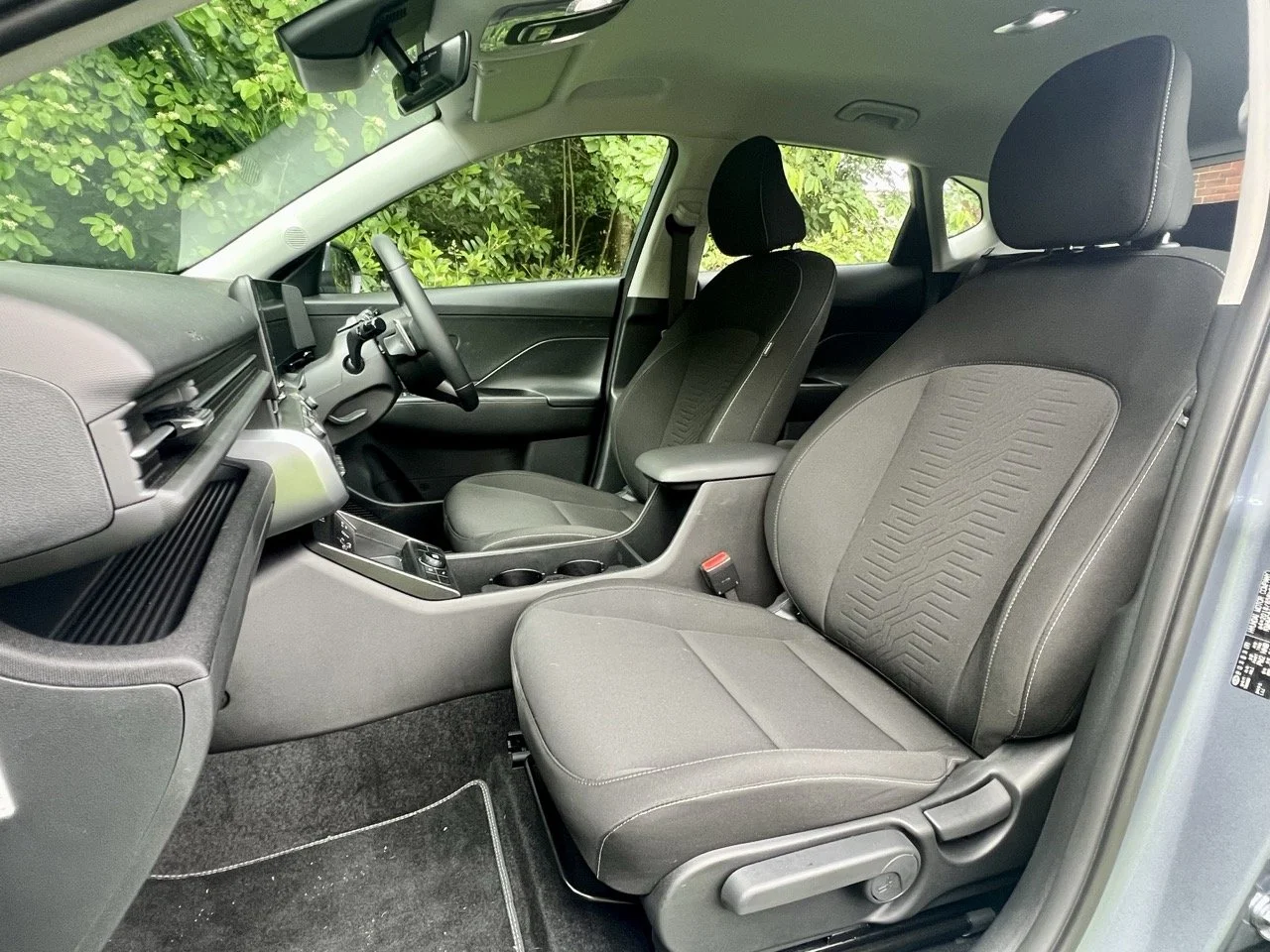
The seats are comfortable over longer journeys and visibility is generally excellent. The driving position is higher than a hatchback without making you feel like captain of a cross-Channel ferry.
After three days of reading owner reports, one comment cropped up again and again. People simply found the KONA relaxing. That's not the sort of sentence you'll ever find in a brochure, but it says far more than another paragraph about dashboard materials.
Of course, this is The Mud Life.
So let's talk muddy boots.
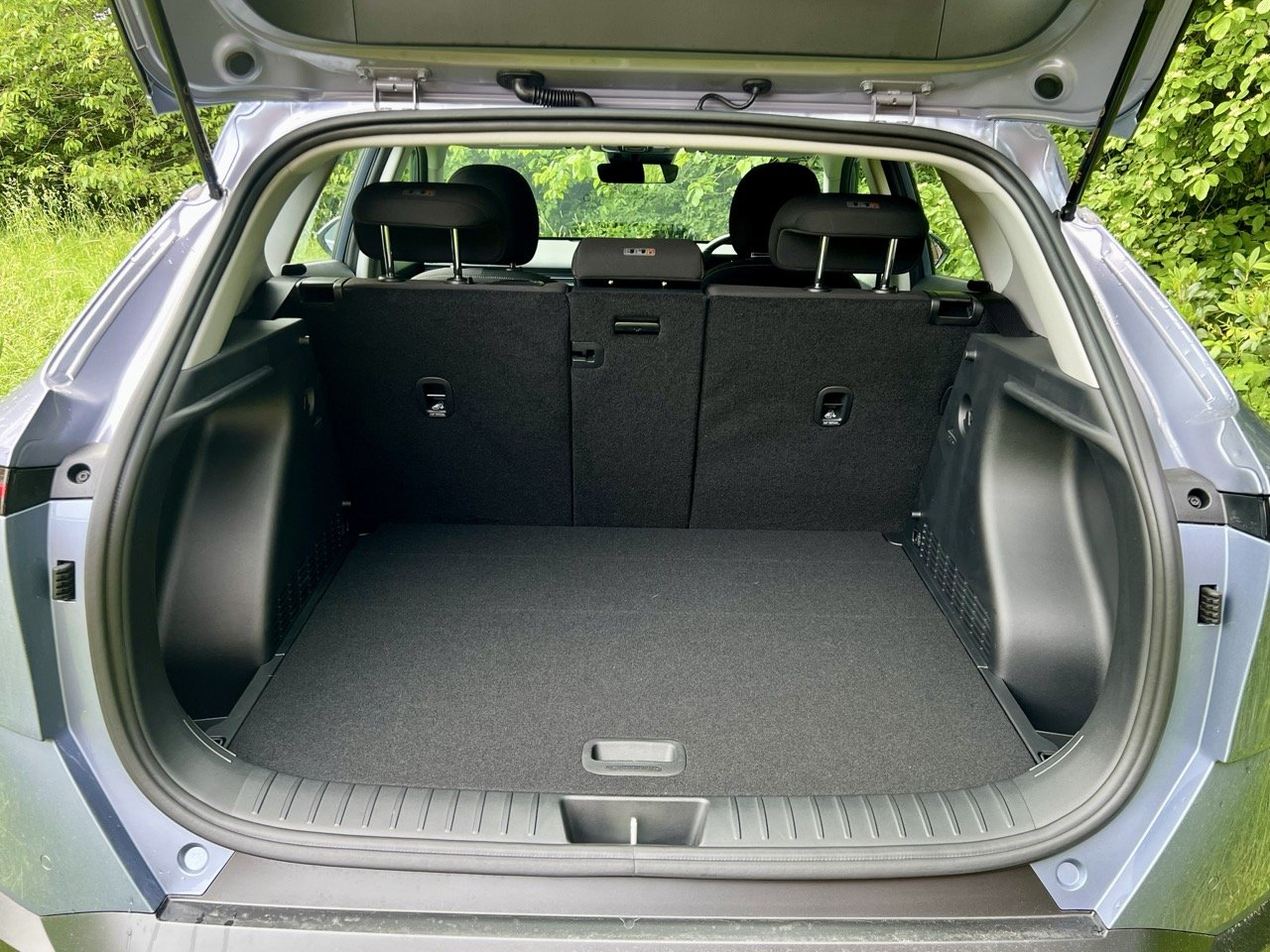
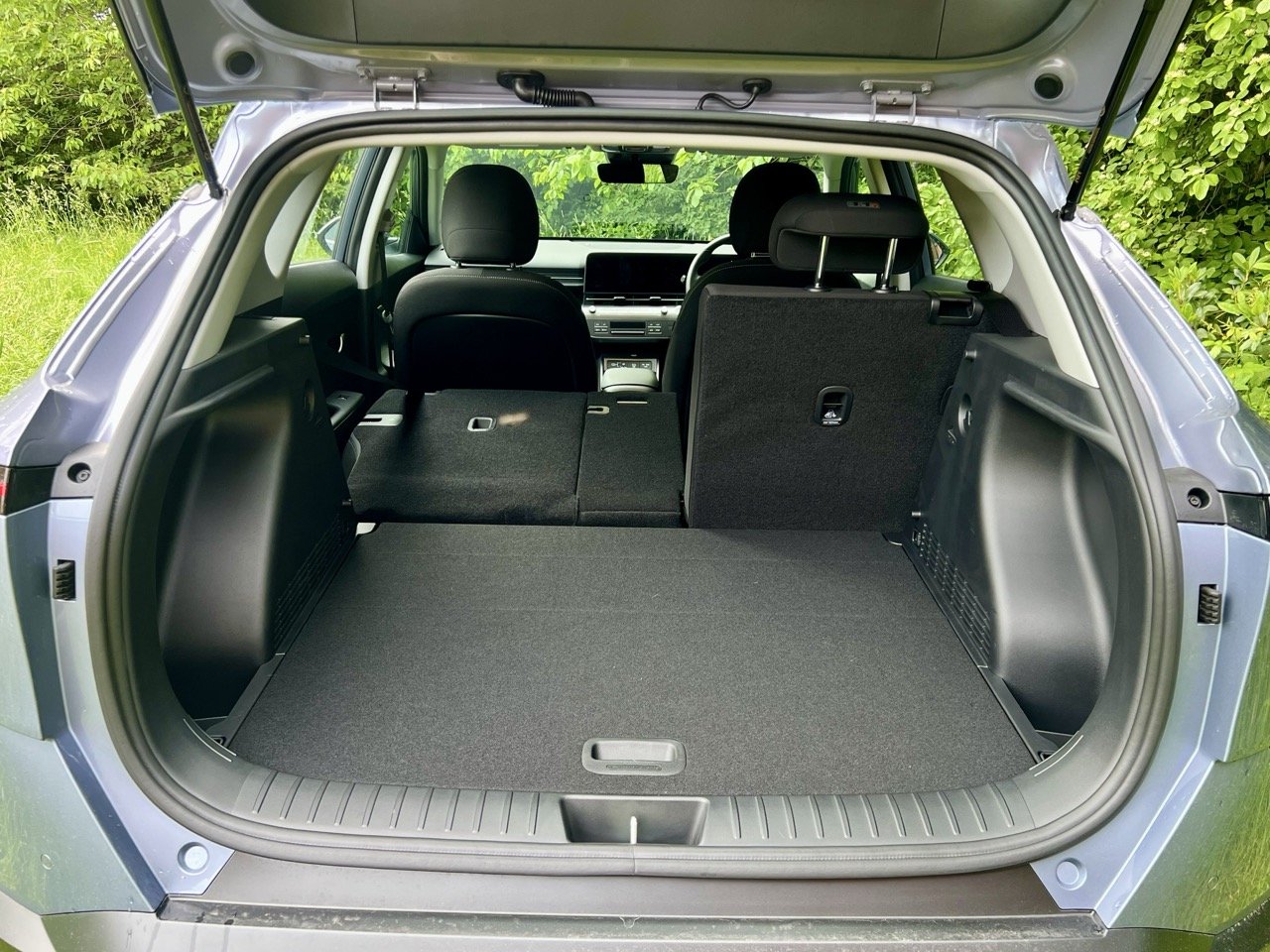
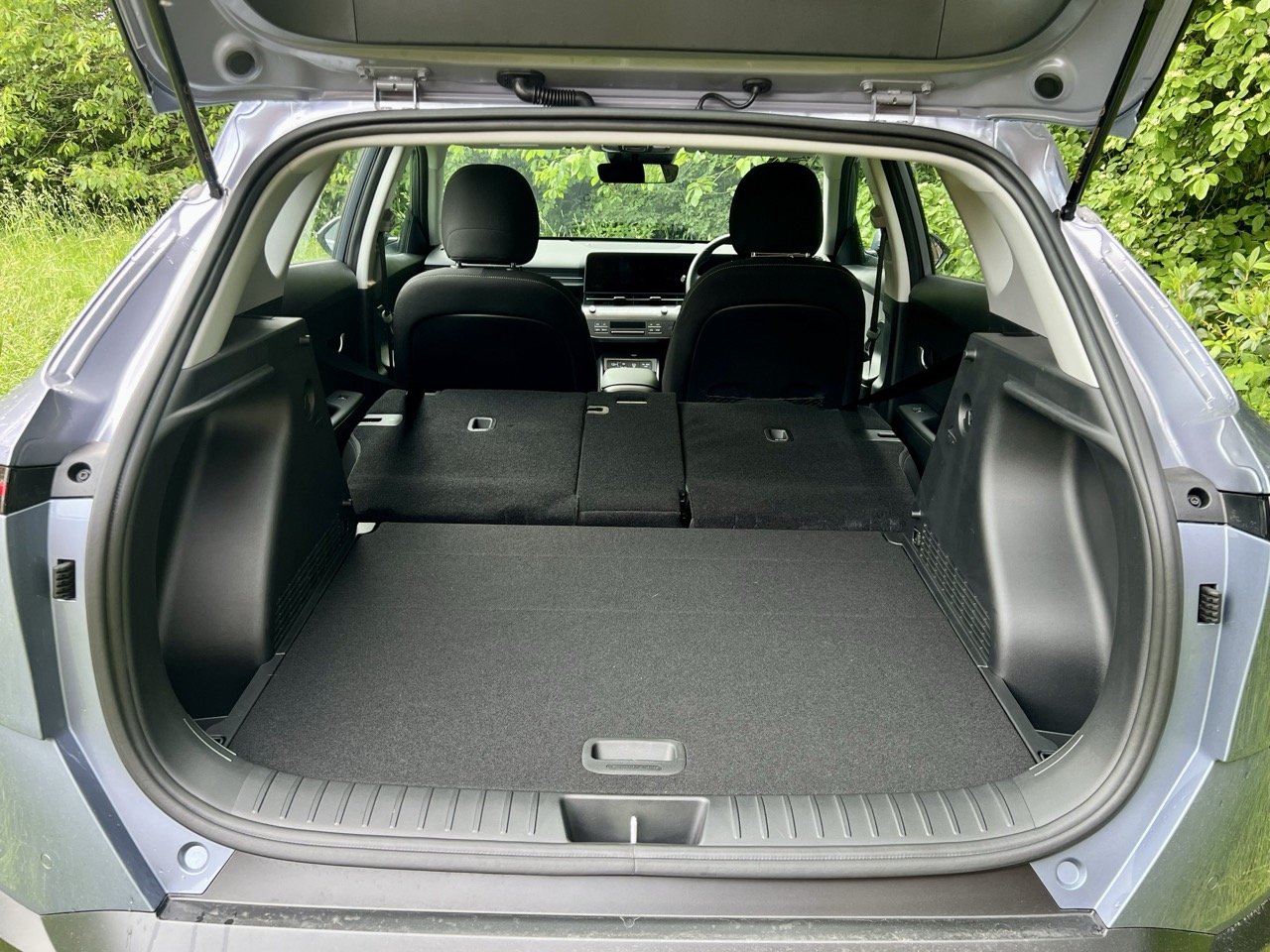
The boot itself is usefully square rather than oddly shaped, which means camera bags, walking gear, flasks, waterproofs and BBQ kit stack without too much creative language. There's enough room for a couple heading away for a weekend in the Lakes, although families packing camping furniture, inflatable paddleboards and half of Go Outdoors might soon reach the limits.
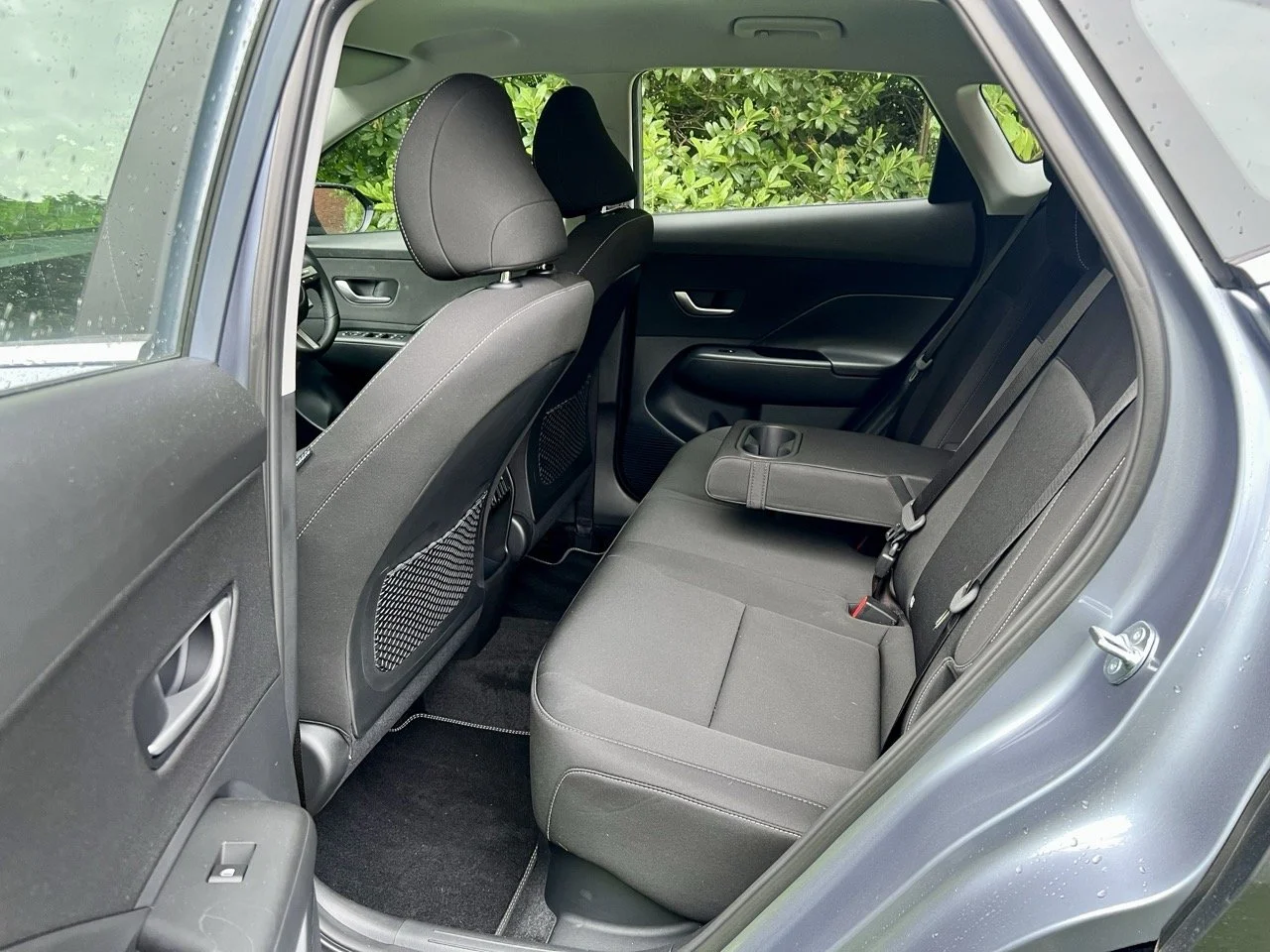
The rear seats fold easily enough if you need extra space.
I kept thinking it'd make an excellent photographer's car.
Not glamorous.
Just practical.
The sort of thing you leave loaded with wellies, tripods and waterproof jackets because you know you'll probably need them before the week's out.
Ride quality is another pleasant surprise.
In fact, if I were spending my own money I'd probably stick with the Advance specification rather than climbing further up the range.
Why?
Smaller wheels.
It sounds backwards because manufacturers love filling brochures with enormous alloys that resemble medieval torture devices. Bigger wheels generally mean thinner tyres. Thinner tyres generally mean less comfort.
The Advance rides with enough compliance that broken British roads don't constantly announce themselves through your spine. That's worth far more than another inch of alloy wheel you'll barely notice after the first fortnight.
Let's have a little grumble.
Hyundai's driver assistance systems remain a mixed bag.
The speed limit warning is determined to remind you it's alive every single journey. The lane keeping assistance can occasionally become rather overenthusiastic on narrower rural roads too.
Thankfully there are steering-wheel shortcuts and fairly quick ways to disable the more irritating systems, so owners soon develop a routine. Start car. Fasten seatbelt. Press favourite shortcut. Drive away.
You shouldn't have to, but here we are, the EU seems convinced we all require electronic parenting.
Another disappointment?
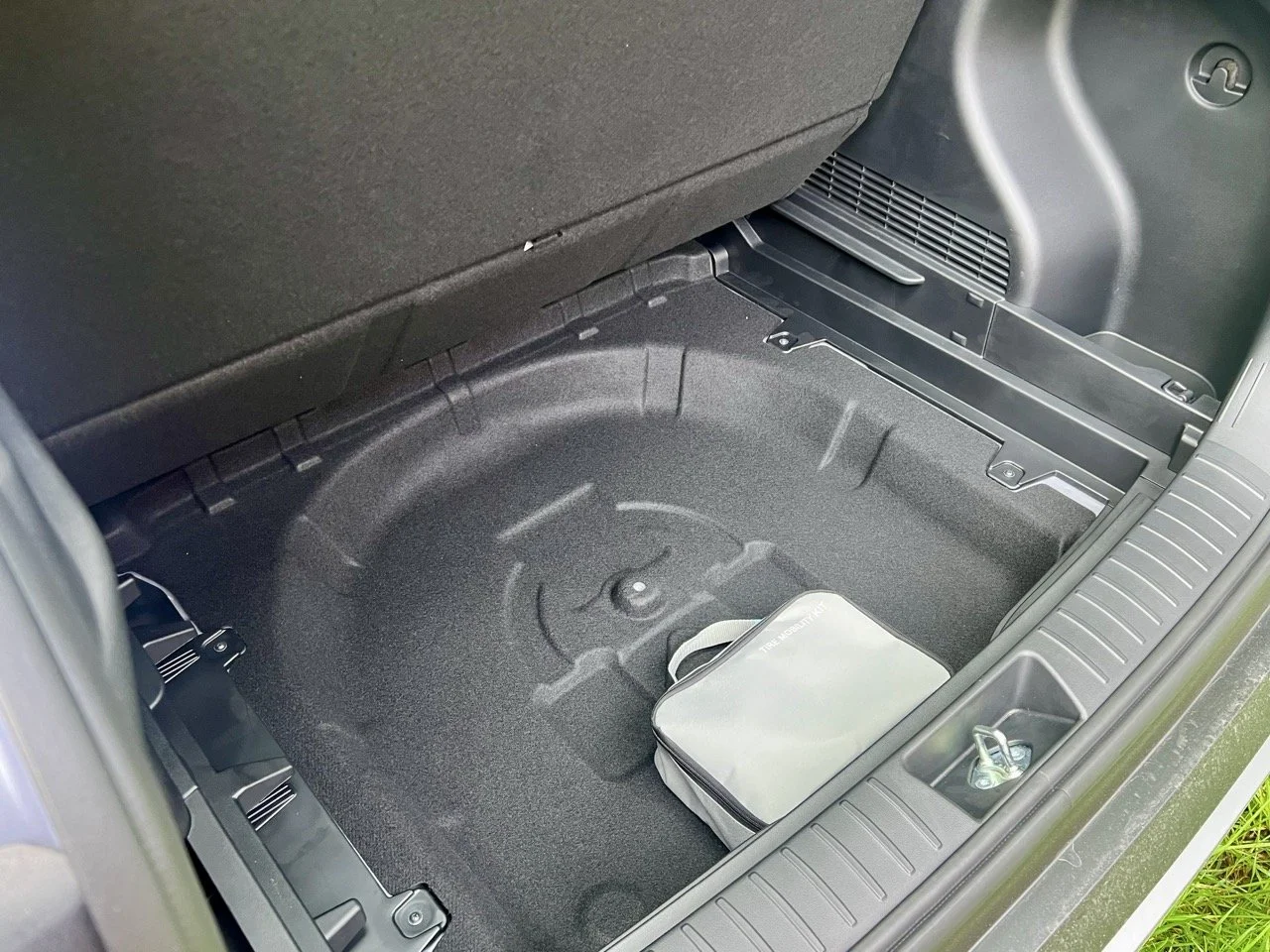
No spare wheel, not even a space saver, just a tyre repair kit.
For a publication whose readers disappear down forestry tracks, remote campsites and isolated lanes carrying fishing gear and recovery straps, that's difficult to applaud.
Tyre sealant is all well and good if you've collected a drawing pin outside Tesco.
Less useful if you've sliced a sidewall on a single track lane in Northumberland.
That said, looking at the images above, there’s definitely room for a space-saver, but whether or not Hyundai have one on their options list, I never checked. I know, lazy journalism!
Fuel economy is where the KONA quietly earns its keep.
Owners regularly report figures in the high fifties and even into the sixties if most journeys involve urban or mixed driving. You don't find yourself constantly watching the economy display either. It simply sips fuel while getting on with life.
Which brings me back to something I noticed.
Nobody seems emotionally attached to a KONA in the way someone might wax lyrical about an old Defender or Land Cruiser.
But plenty of owners say they'd buy another one, which is probably a stronger recommendation.
Cars that quietly become part of everyday life often end up being the best purchases.
You stop thinking about them, and strangely, that's a compliment.
Would I choose one over something like a Toyota Yaris Cross?
Actually...
Yes.
The Hyundai feels roomier, rides more comfortably and its interior makes rather more sense to me. The Toyota still edges it for ultimate hybrid efficiency and long-term reputation, but I'd rather spend six hours driving the Hyundai to Scotland.
Against a Nissan Juke Hybrid?
No contest.
The Hyundai simply feels like the more mature car, it doesn't spend all its time trying to convince you it's fashionable.
So where does that leave us?
The KONA Hybrid won't persuade hardened off-roaders to swap their Defenders, ‘cos it’s not a 4×4 and it isn't going green laning. It isn't towing horseboxes across muddy fields, either.
But for everyone who spends Monday to Friday commuting before escaping into the countryside at weekends, it's surprisingly easy to recommend. It'll swallow walking boots, camera bags, muddy waterproofs and enough camping gear for a couple without complaining, while returning the sort of fuel economy that makes you stop wincing every time you pass a filling station.
It's simply a sensible, comfortable, well-thought-out car that quietly gets on with making life easier.
And these days, that might just be the most rebellious thing on the road.