Review: 2026 Geely Starray EM-i PHEV
I'll admit it. I climbed into the Geely Starray EM-i expecting to spend a week trying to work out who it was copying. Chinese manufacturers have become incredibly good at building cars, but many still leave you thinking, "Well... it's a bit like a Kia. Or a Hyundai. Or perhaps a Volvo after a few pints.”
That isn't entirely surprising considering Geely owns, or holds stakes in Volvo, Polestar, Lotus, Smart, LEVC, and Aston Martin, to name a few, so they know a thing or two about making cars.
The question isn't whether the Starray is competent, which it is, but whether you'd actually enjoy living with one once the novelty wears off. After a week, I came away with a few strong opinions. Some very good. Some... less so.
First impressions
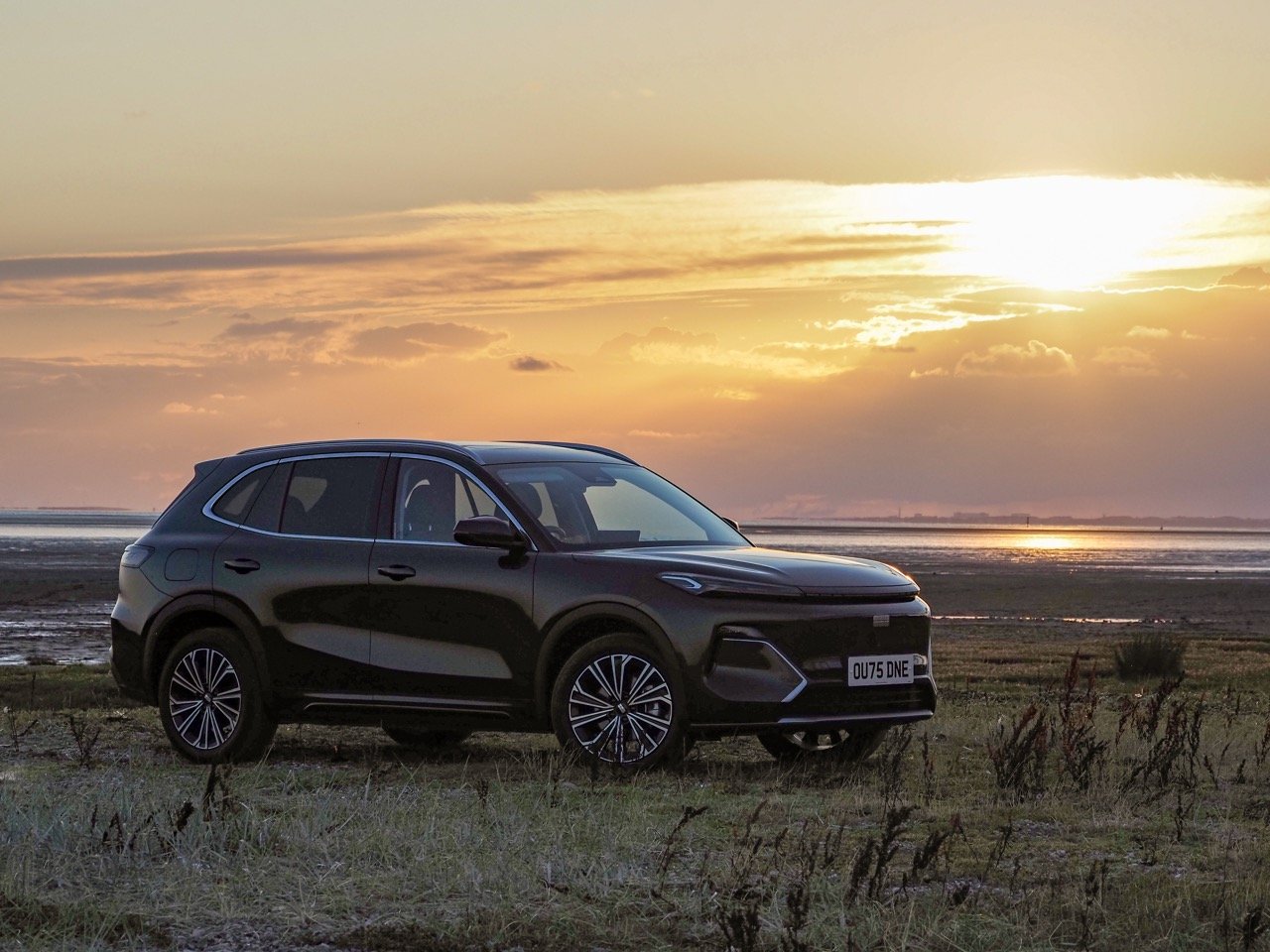
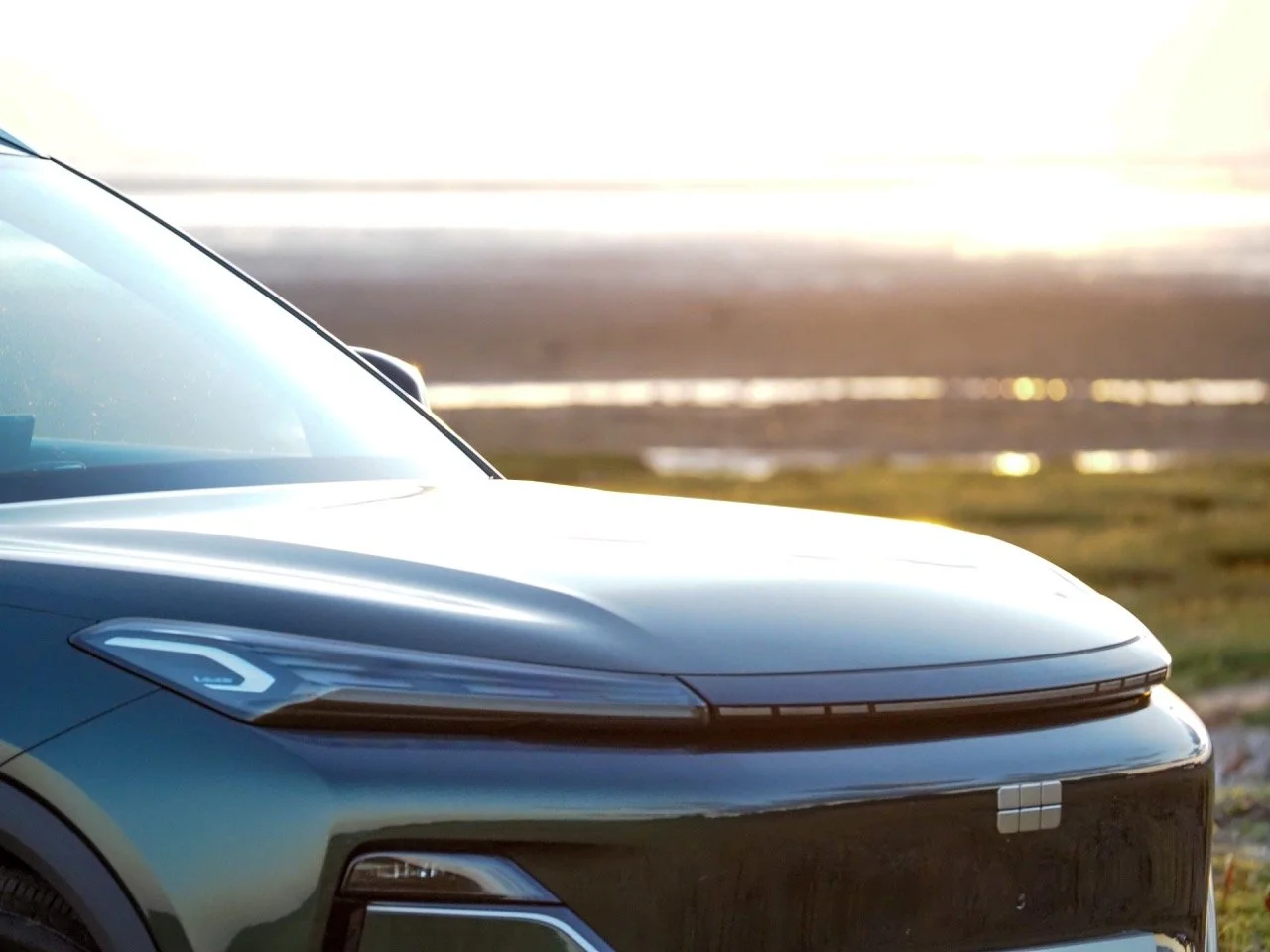
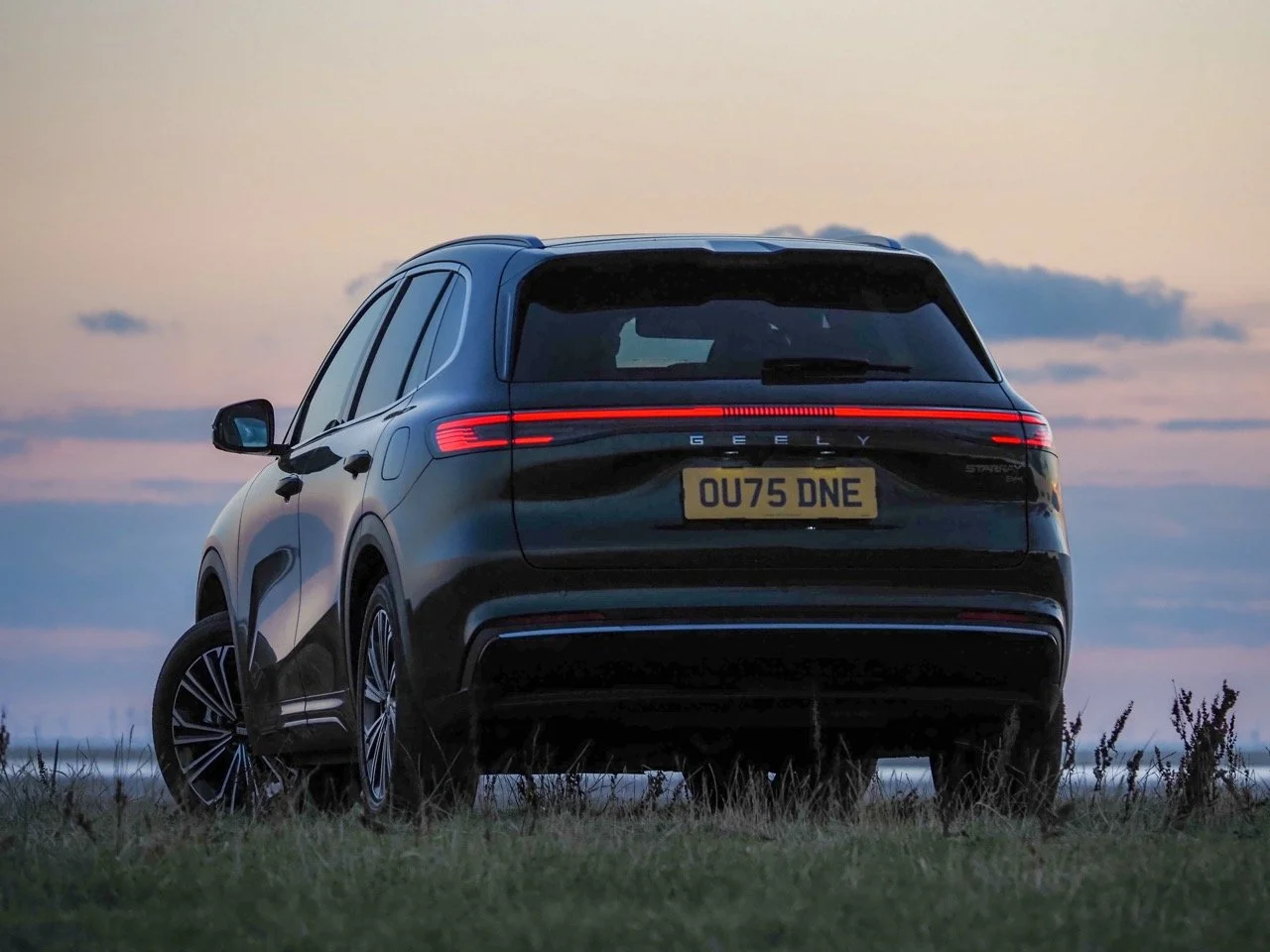
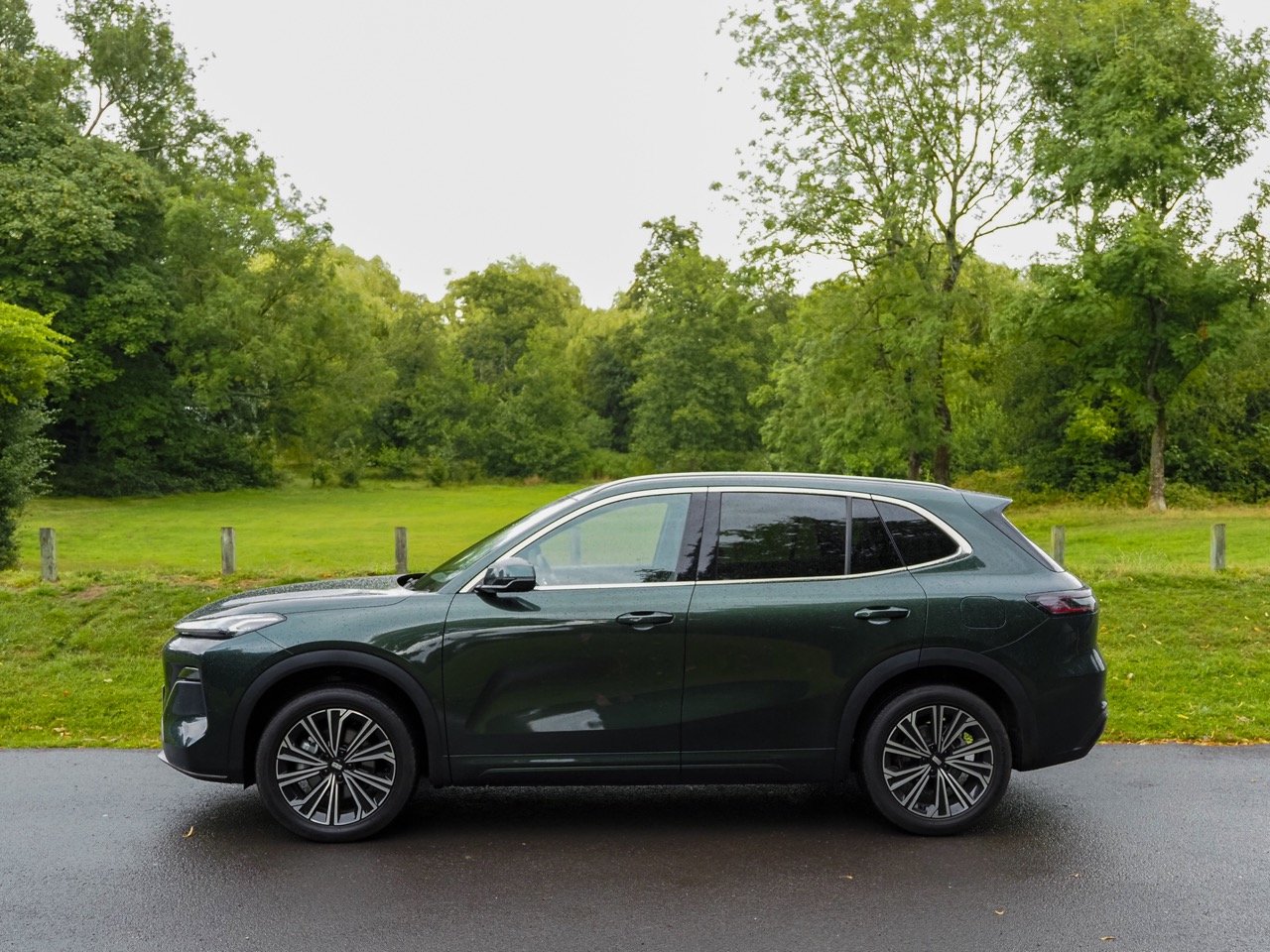
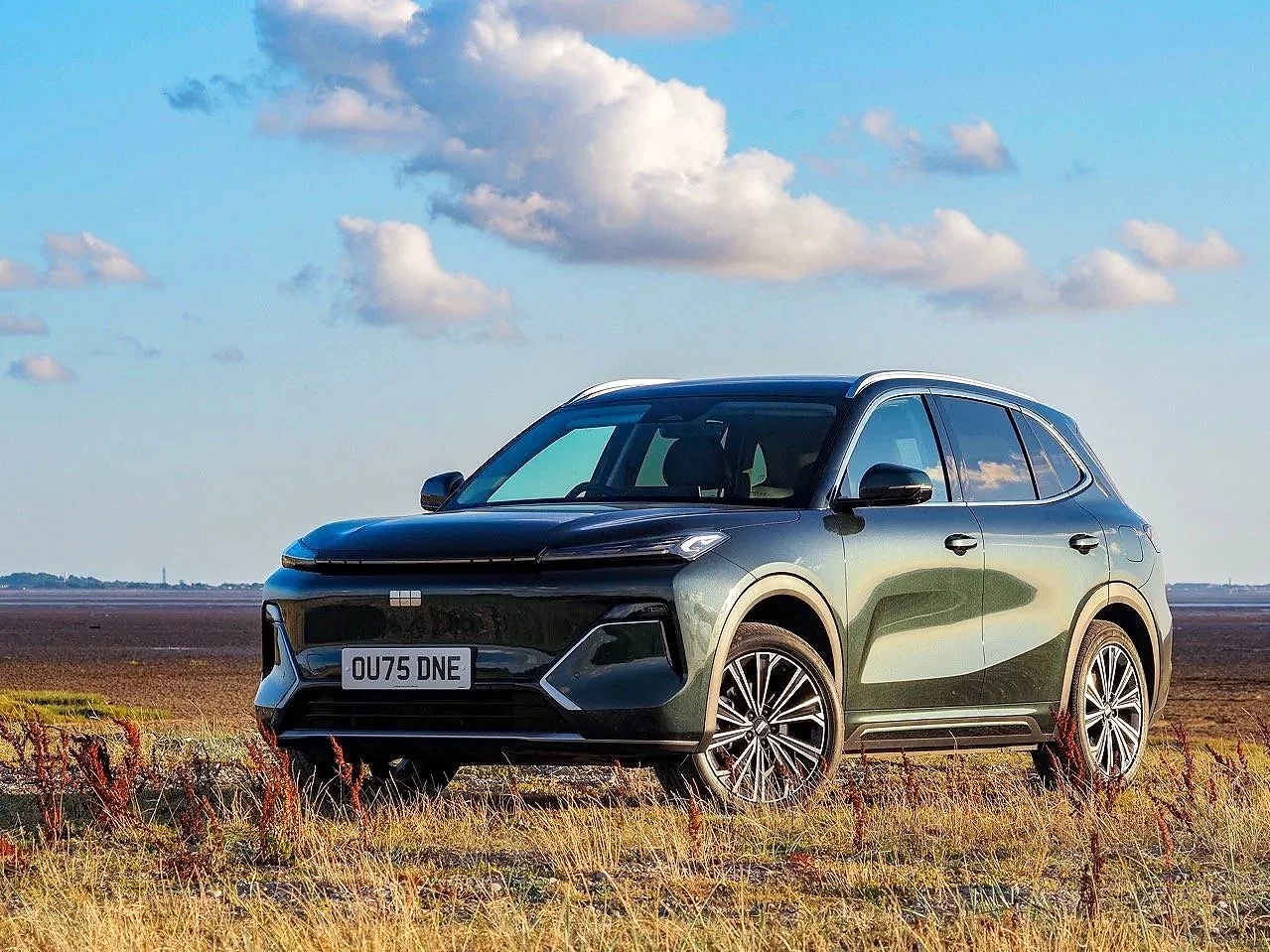
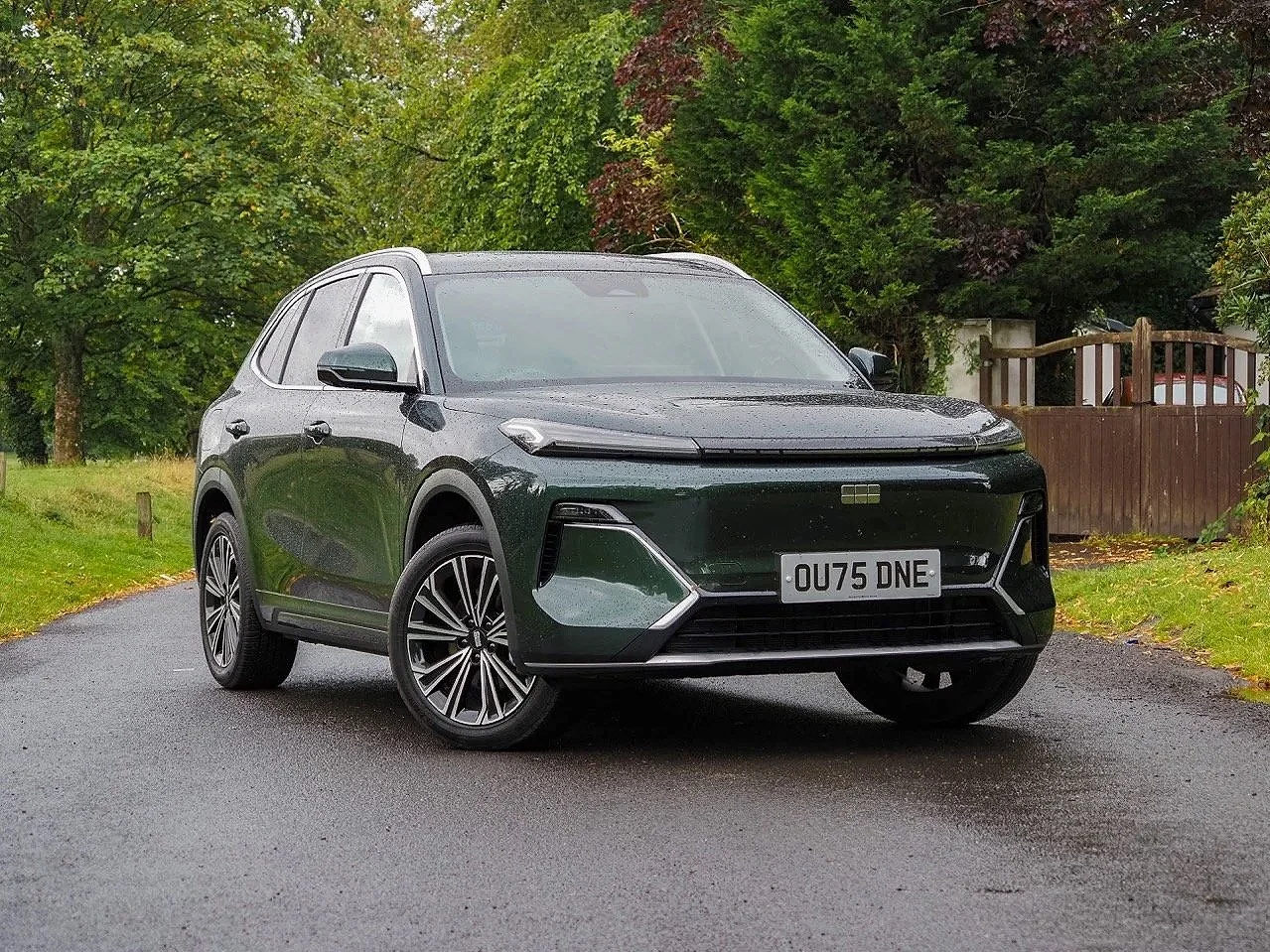
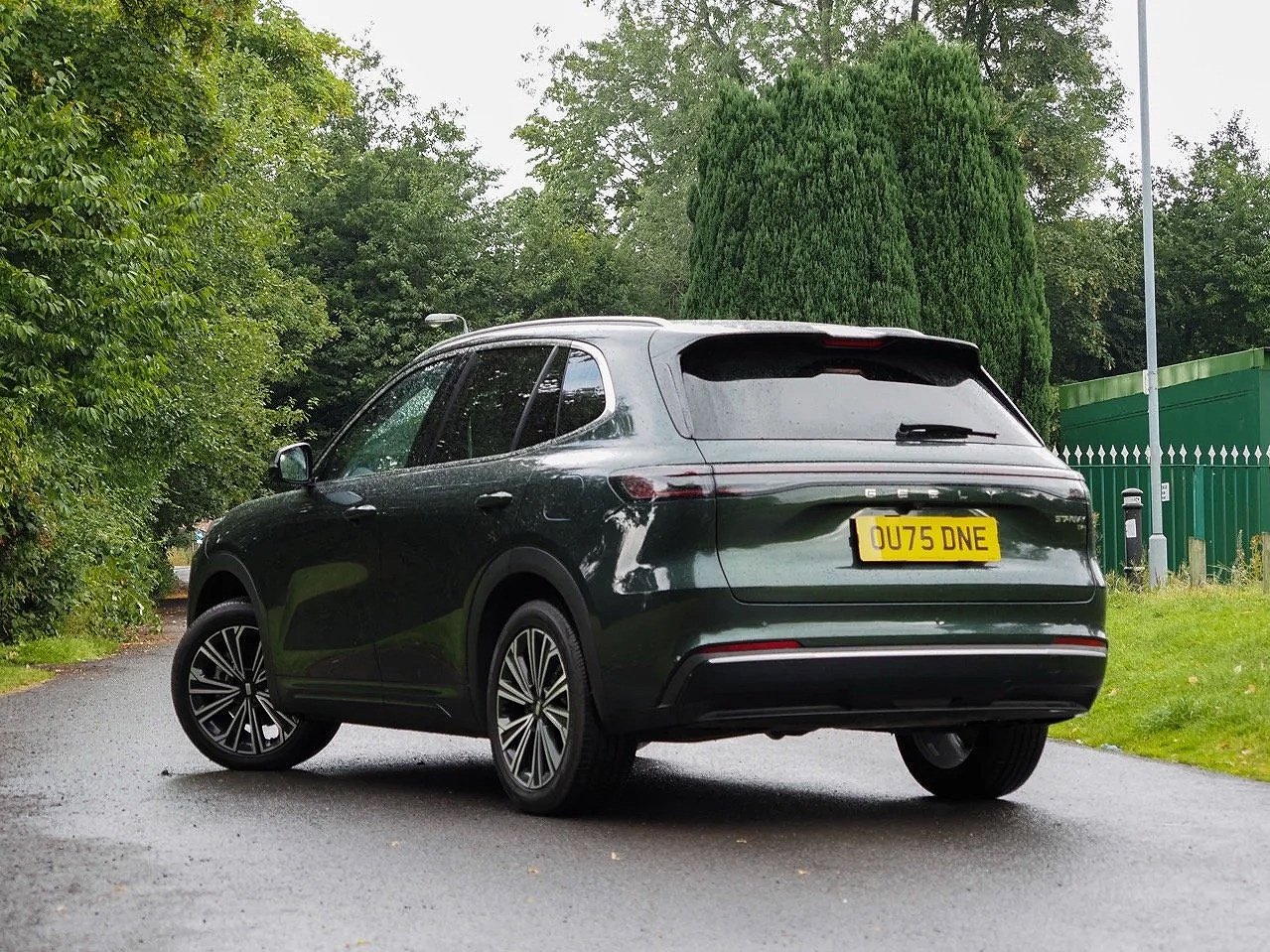
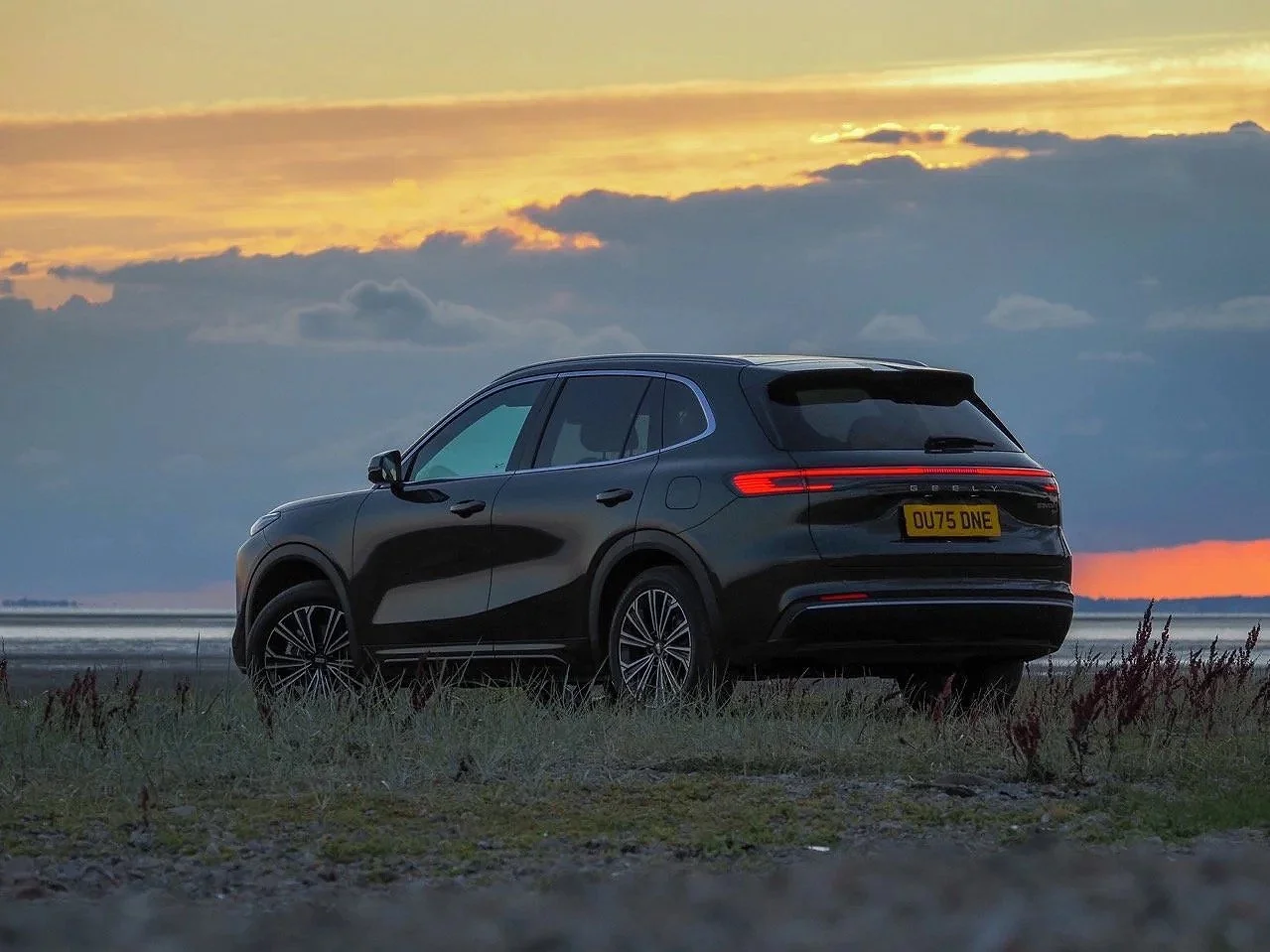
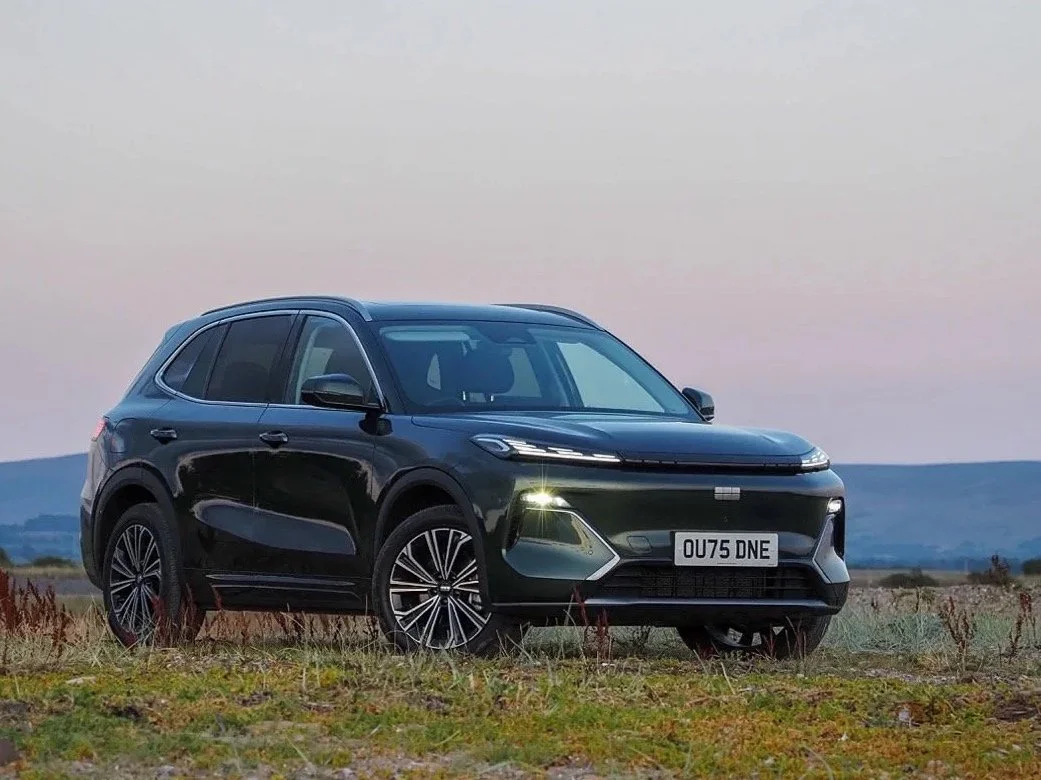
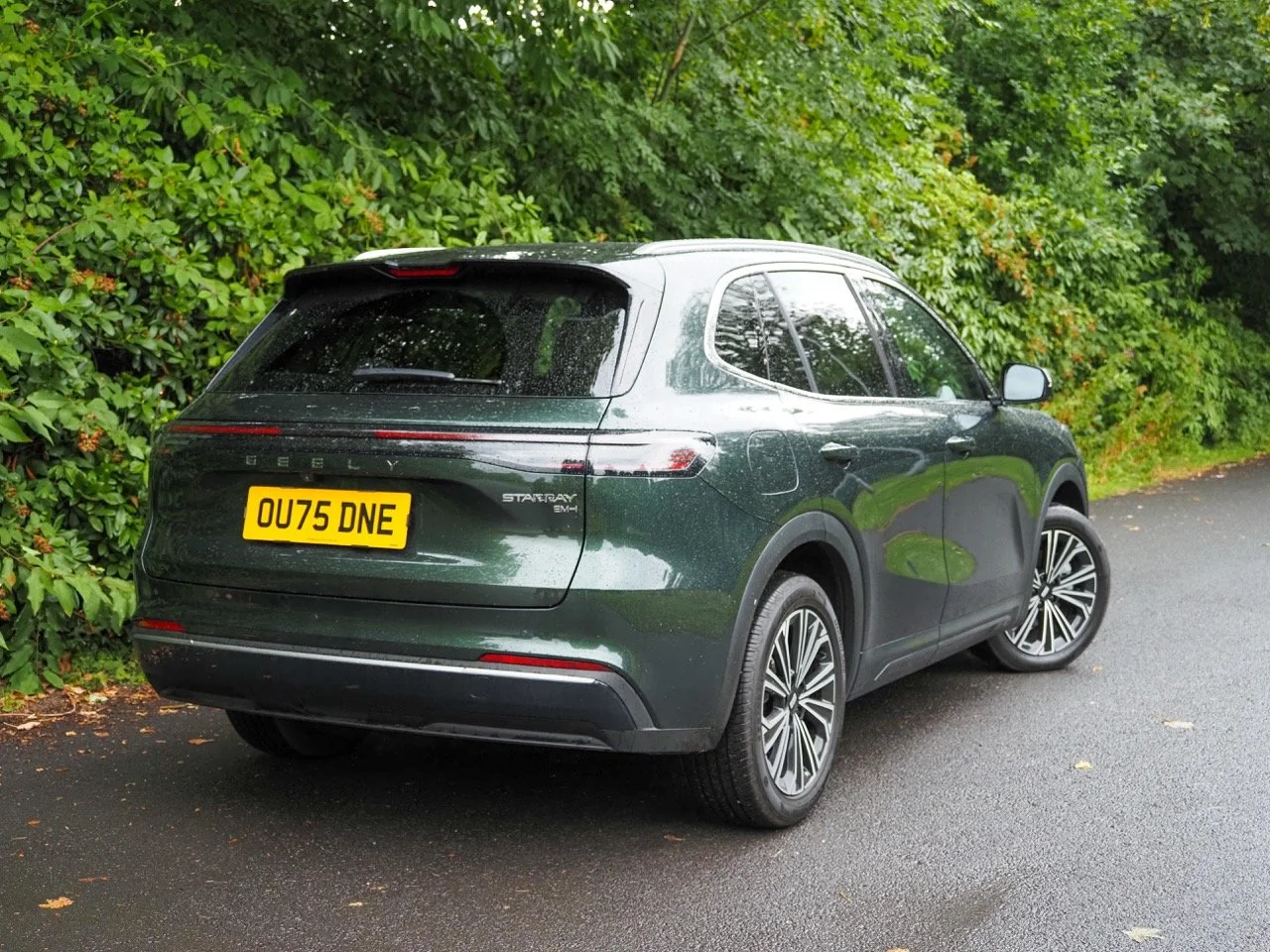
It's an SUV, and in 2026 that's about as surprising as rain in the Lake District. Thankfully it doesn't shout about itself. The styling is tidy without trying too hard. Park it alongside a Kia Sportage, Jaecoo 7 or MG HS and it doesn't look out of place. Equally, it doesn't make you glance back over your shoulder as you walk away either. Sometimes that's exactly what buyers want.
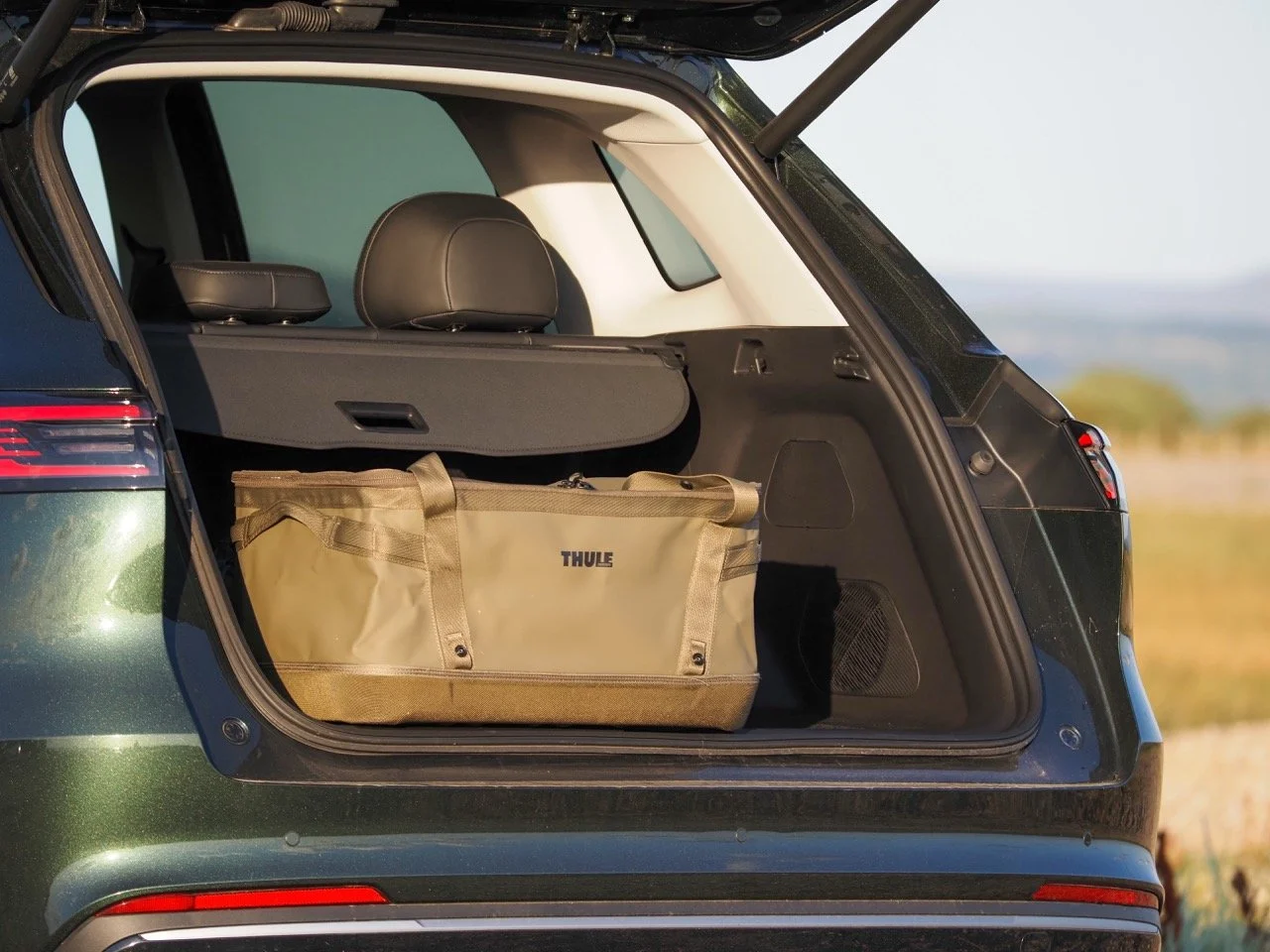
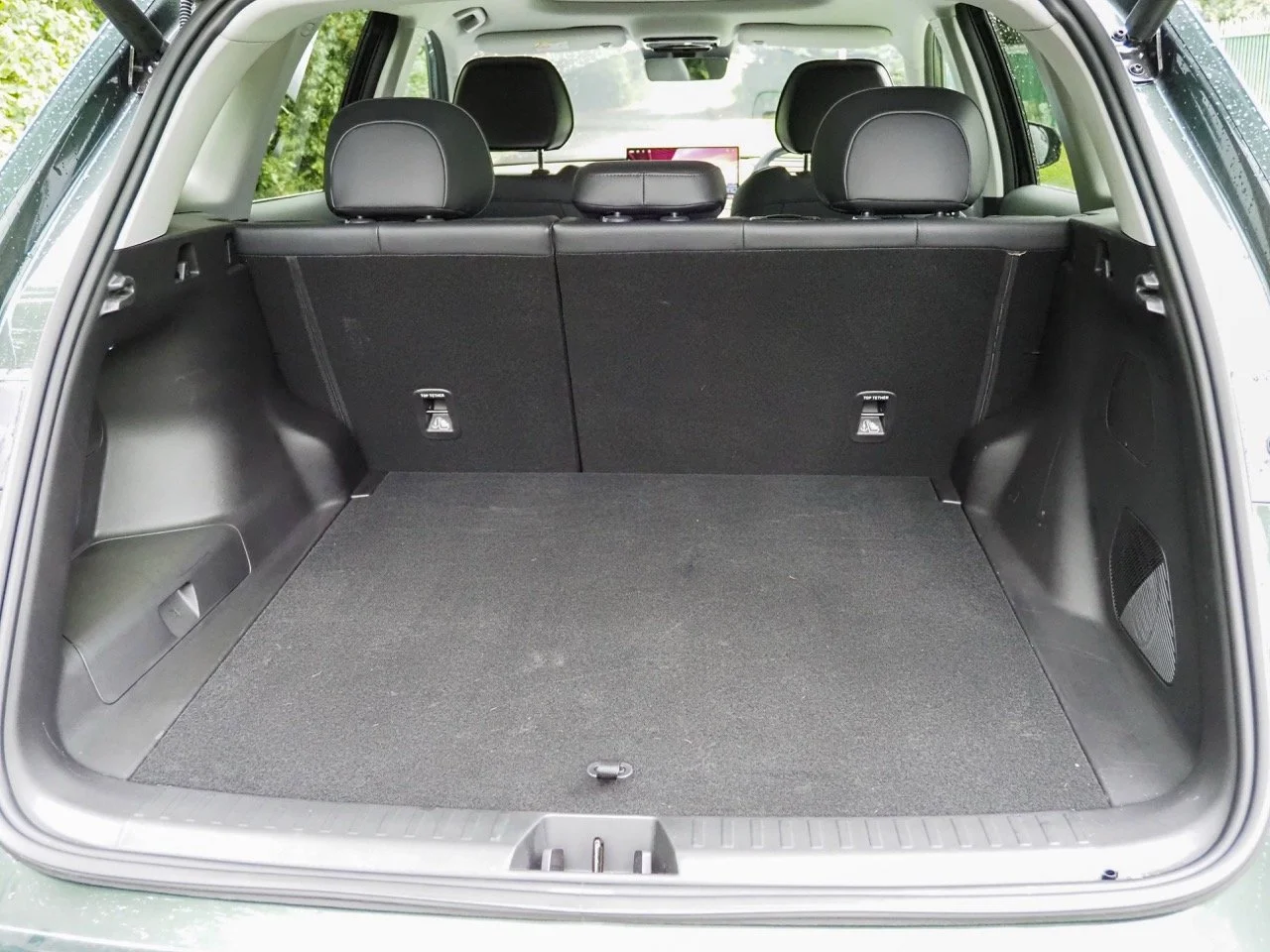
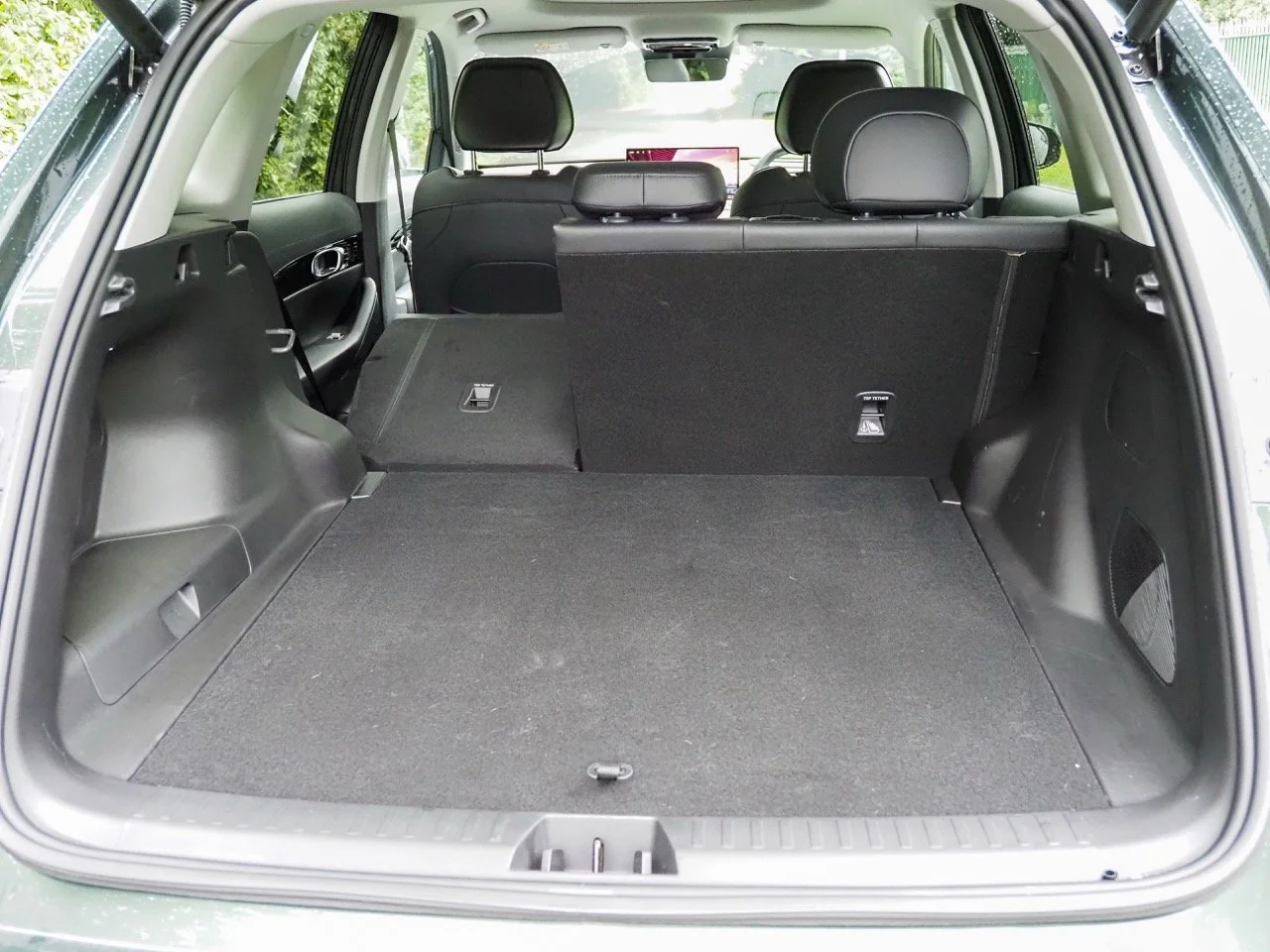
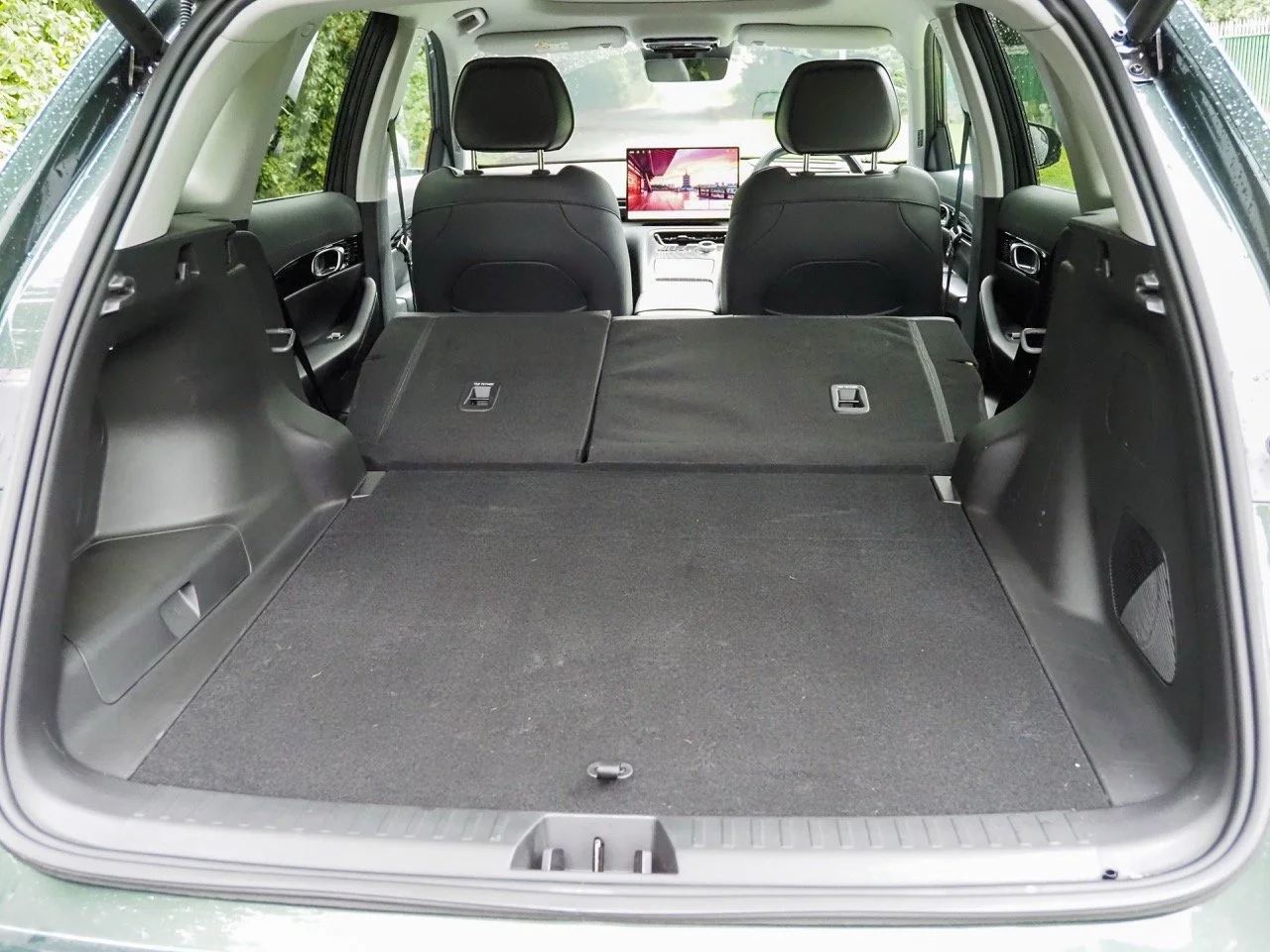
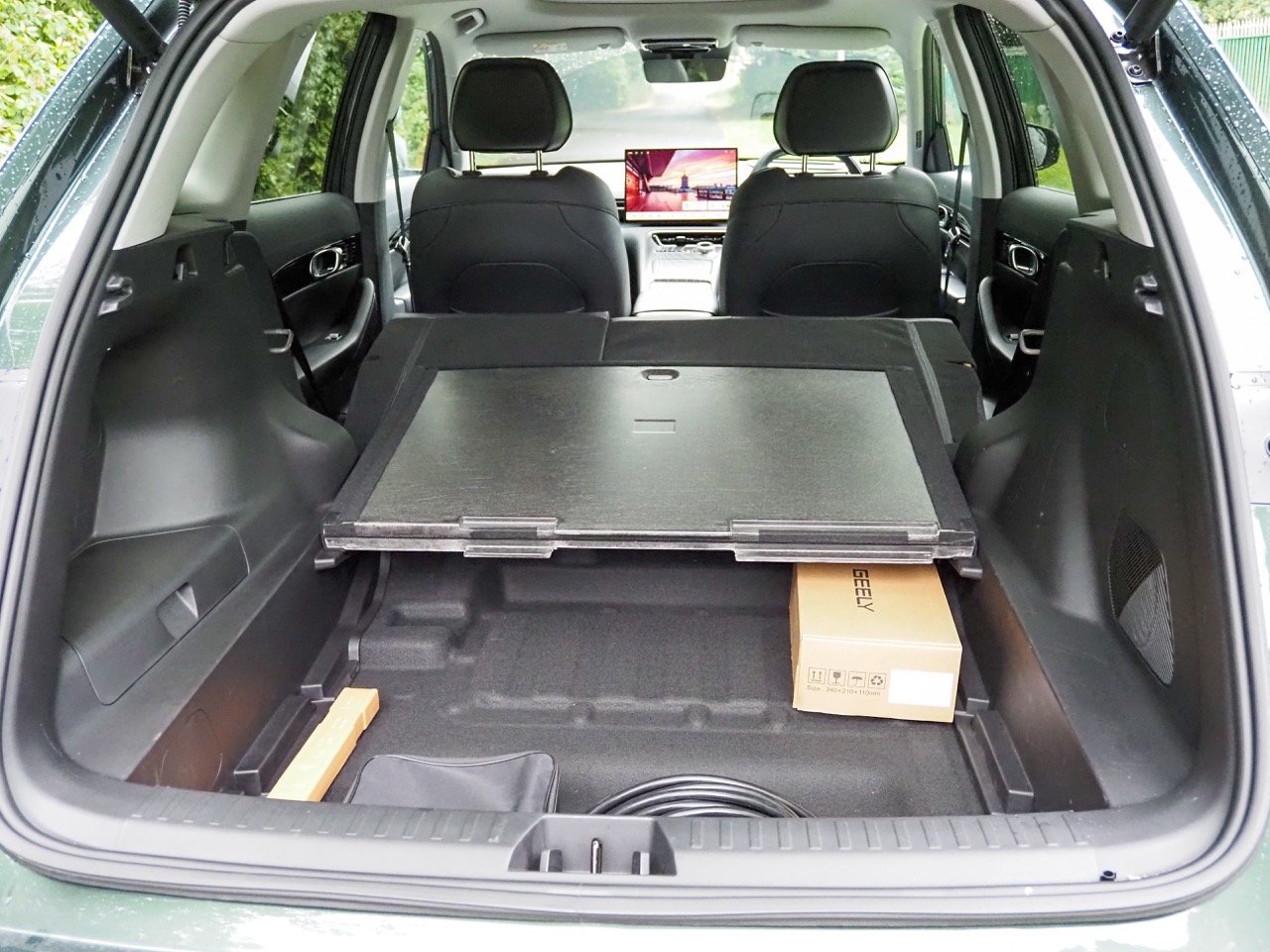
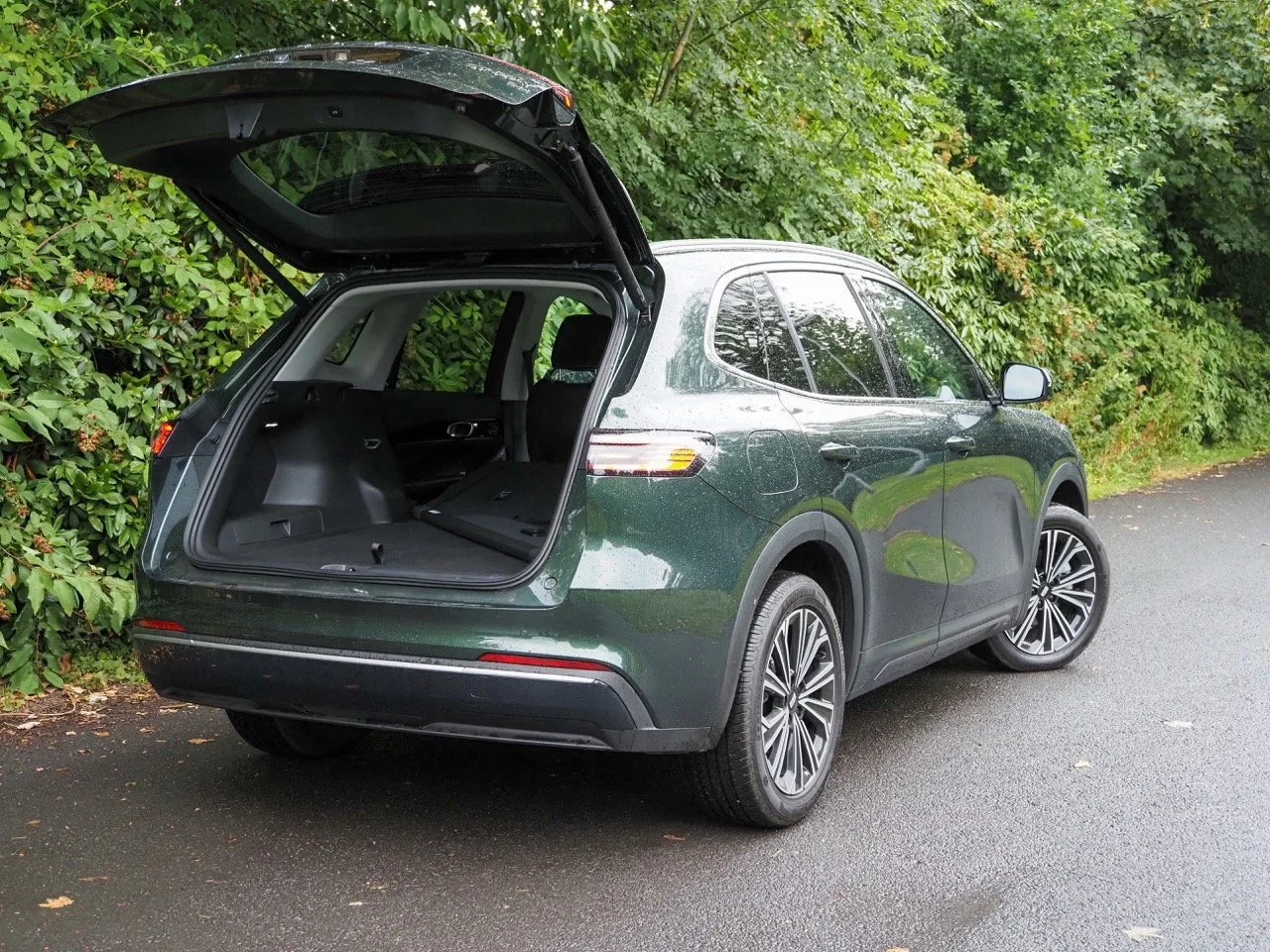
One thing I did notice is how grown-up it feels. Doors close with a reassuring thunk, the cabin is airy, visibility is decent and there's plenty of room for the sort of clutter outdoor folk inevitably accumulate. Camera bags, muddy boots, waterproofs, dog leads, flasks, half a packet of Hobnobs... it'll swallow the lot without complaint.
The boot is genuinely useful too, which echoes what many of my motoring colleagues have told me. It isn't just a big number on a specification sheet; it feels like a space you'll actually use.
Those seats...
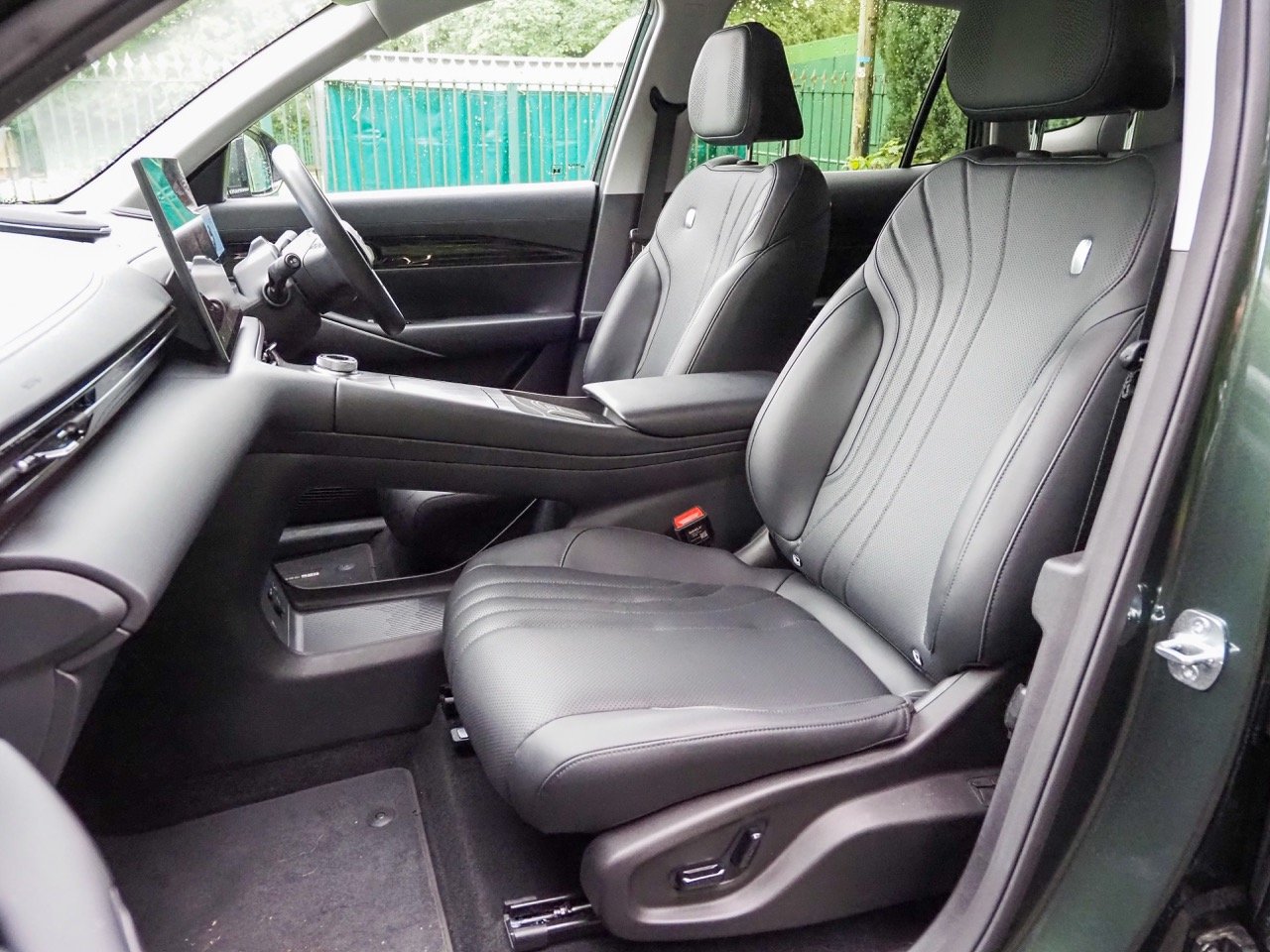
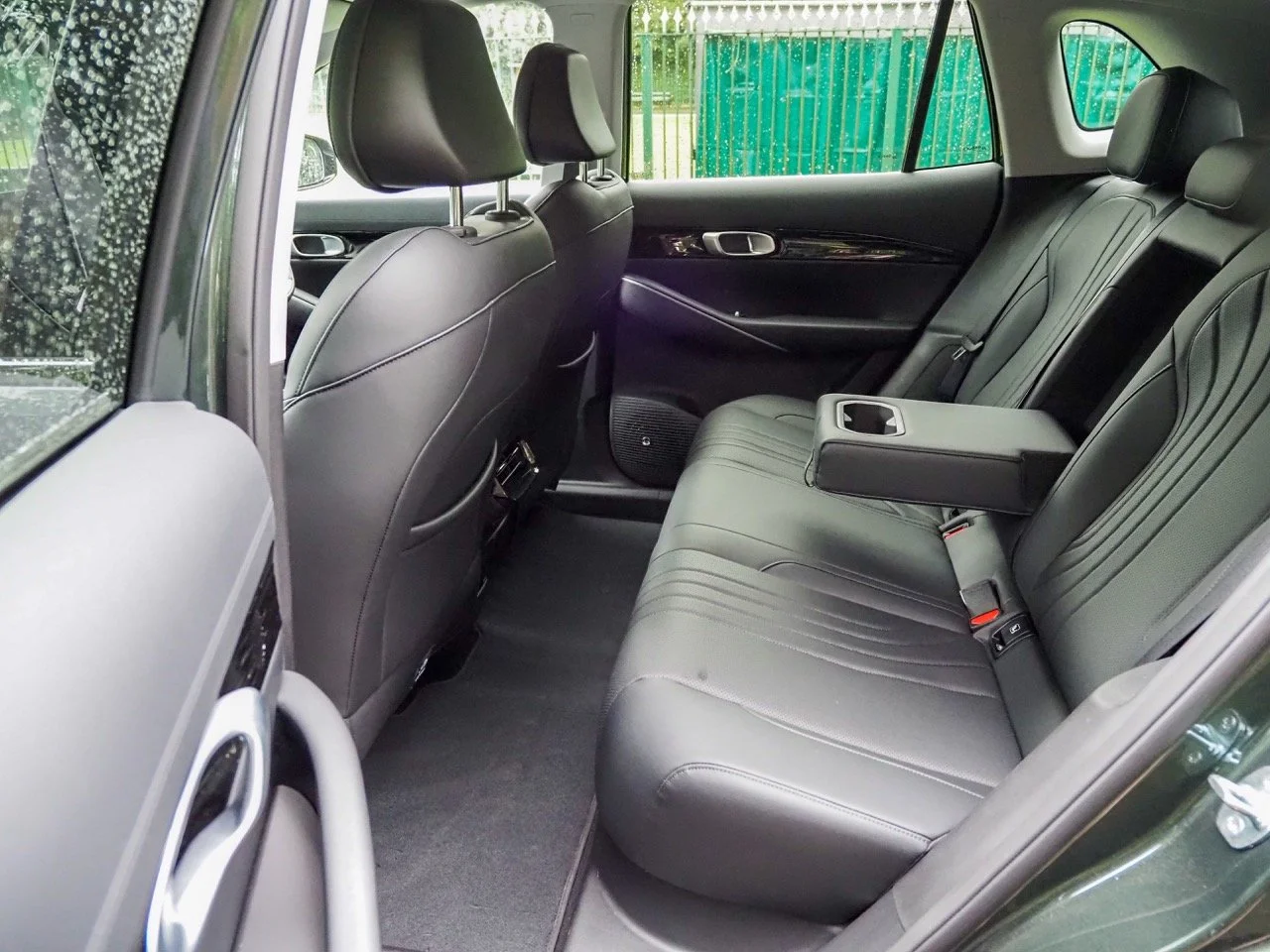
Let's start with the best bit. The seats are bloody wonderful. Honestly.
Manufacturers spend fortunes developing adaptive cruise control, ambient lighting with seventeen shades of lilac and dashboards that resemble an Apple Store. Perhaps they should spend more time making seats like these. They're soft, they’re squishy, and yet somehow they still support you properly.
It sounds like a contradiction, but after several hours behind the wheel I never once found myself wriggling around trying to get comfortable. They simply disappear beneath you, which is probably the biggest compliment you can pay any seat.
Oddly, that's the thing I kept remembering about it after it was collected. Not the screen, not even the hybrid system, but the seats.
And as for rear leg-room, it must be best in class.
On The Road
Britain's roads are awful, we all know that. They’re patched, re-patched and then someone digs another hole, and Geely seems to understand this.
Comfort is one of the Starray's strongest suits, though some of you might find it a little too soft at higher motorway speeds. Personally? I'd take comfort over pretending I'm qualifying for Silverstone every single day.
The best bit for me was how it glided over speed humps, very Subaru-like, but driving along old cobbled streets was almost dream-like. I found myself deliberately taking routes with rough surfaces simply because I wanted to see how it coped.
It soaked everything up, every cobble, every ridge, and every pothole repair. Instead of crashing over imperfections, it just quietly got on with it.
Overall it’s very comfortable.
Technology. Here we go...
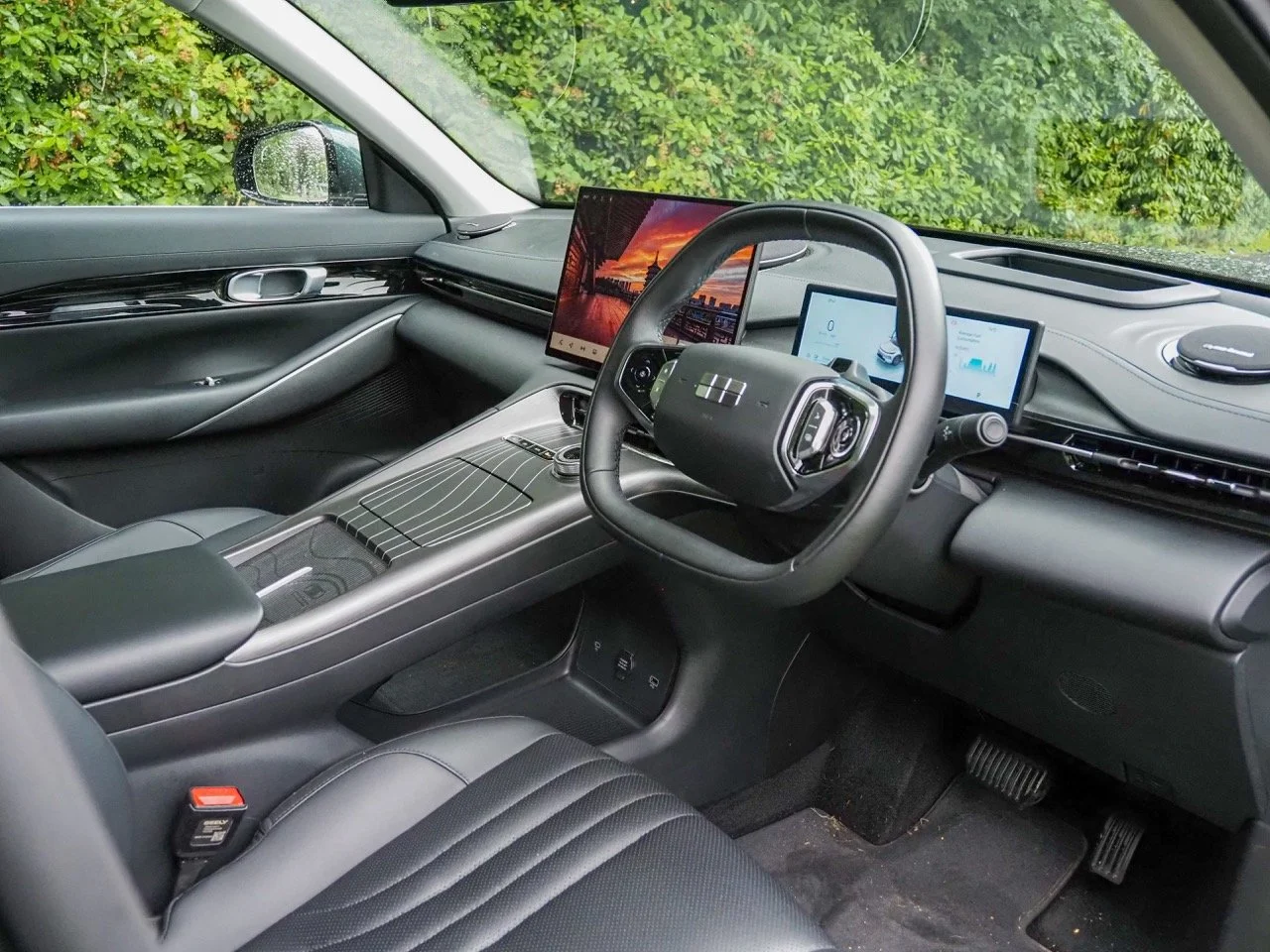
Can somebody explain why manufacturers have declared war on buttons? Seriously.
The Geely's centre screen is enormous, far too enormous, in my opinion.
Yes, it looks impressive when you're showing your neighbours, but no, I don't want to poke through menus simply because my feet are cold. Heating controls hidden inside a touchscreen continue to be one of modern motoring's daftest trends, and Geely has enthusiastically joined the club.
I found myself prodding away trying to alter the temperature while simultaneously keeping an eye on traffic. Not ideal.
That said, the voice assistant actually works, so ask it to turn the air-conditioning on and it does.
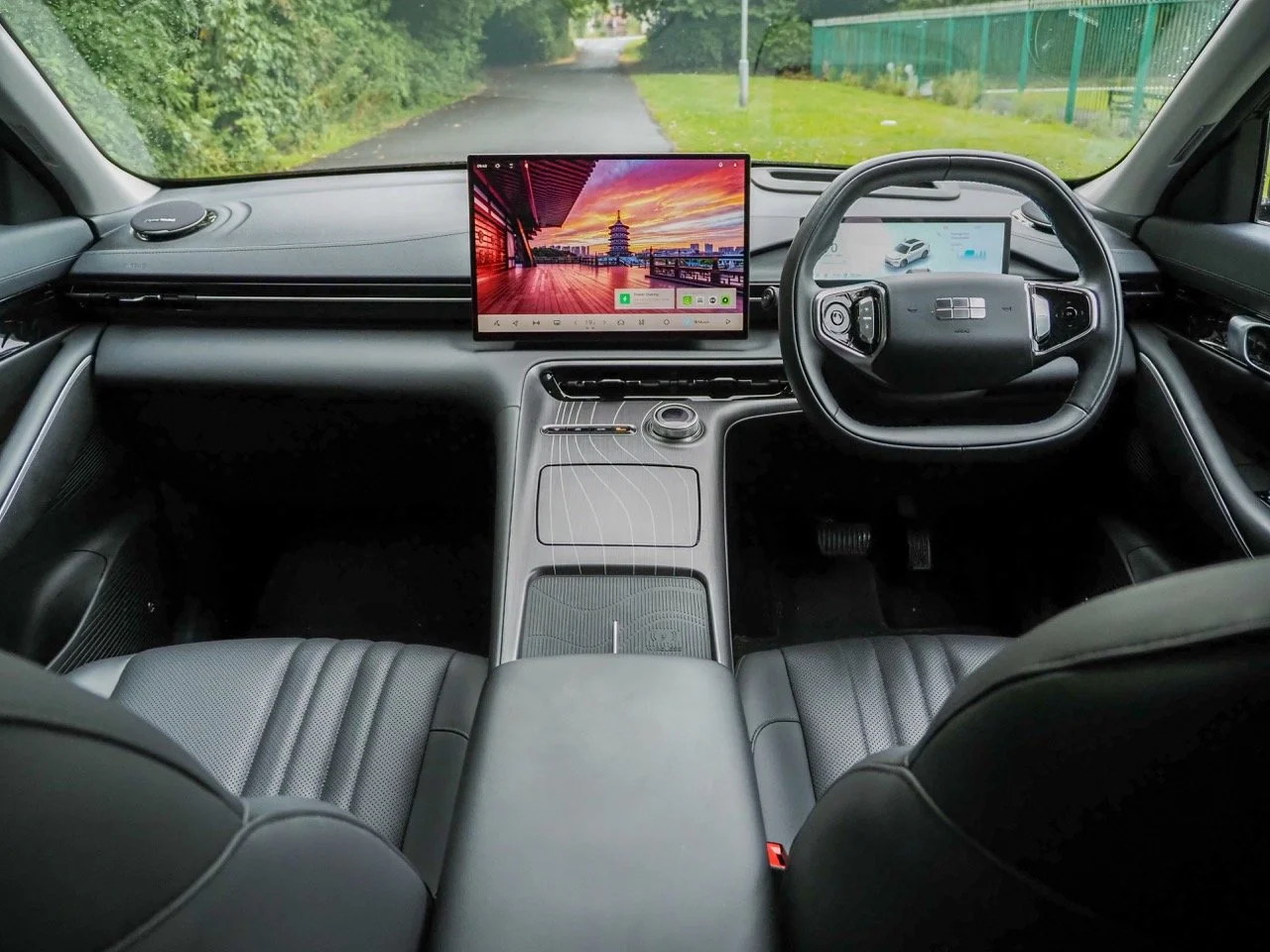
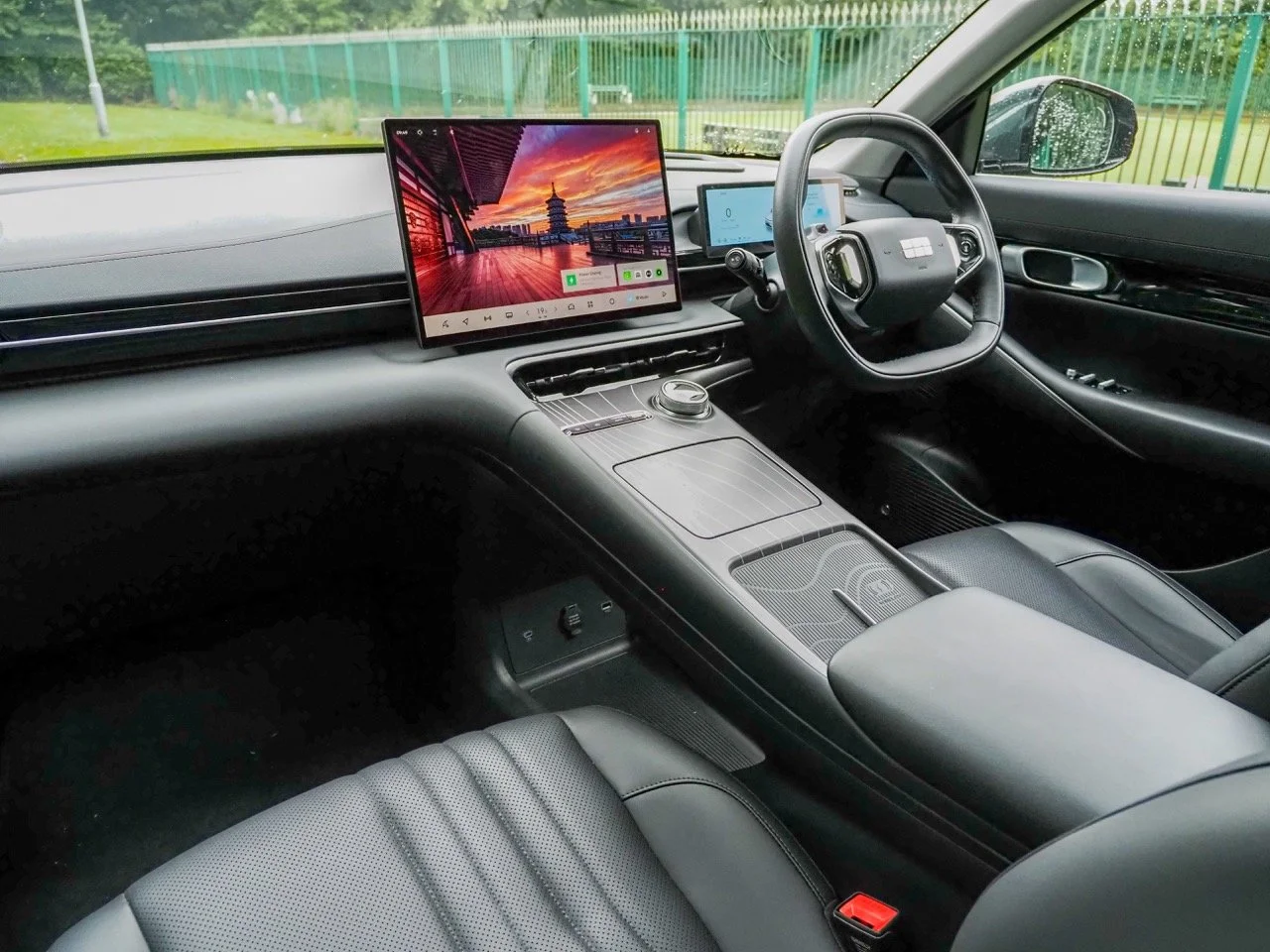
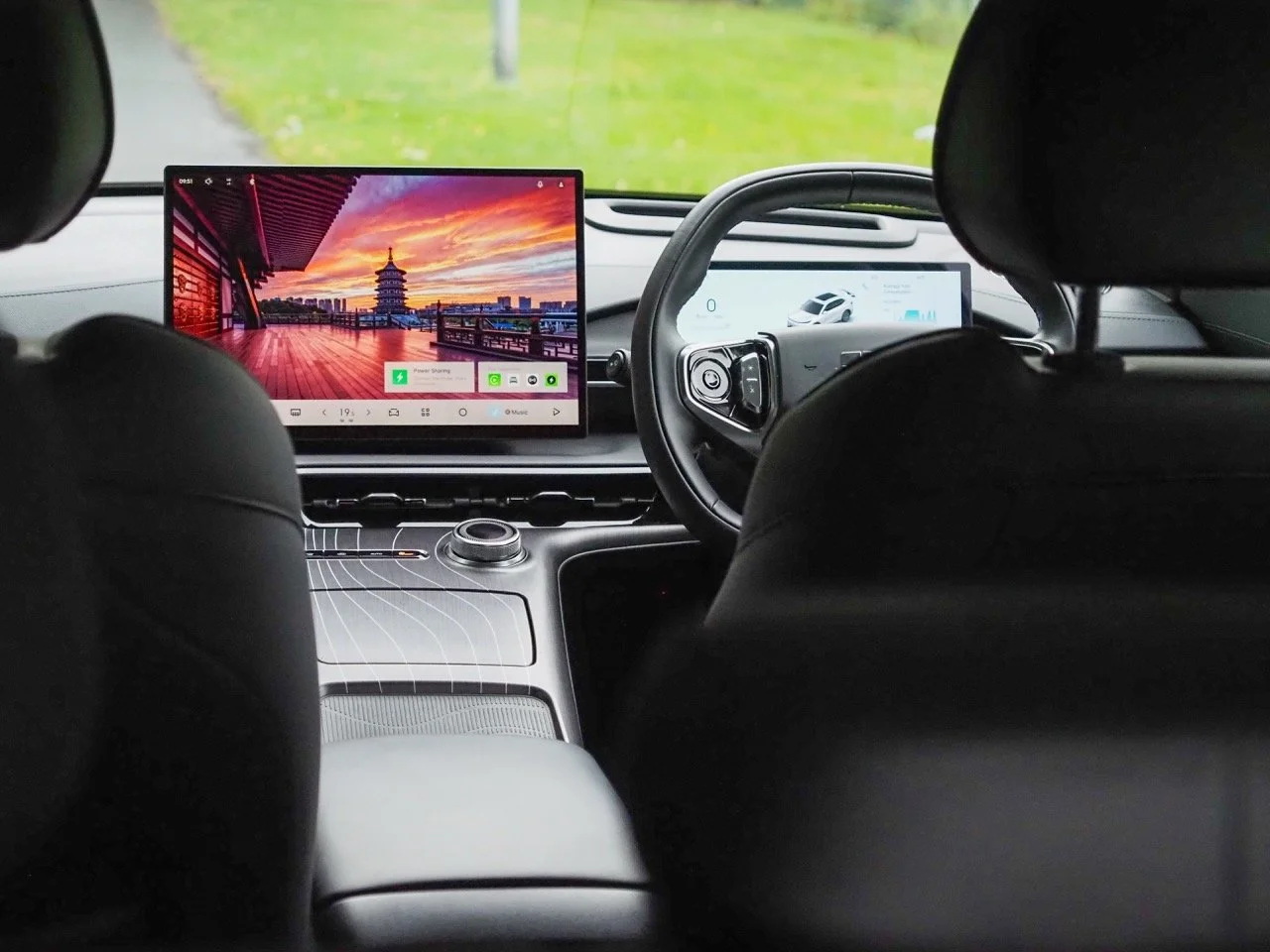
Speaking about the voice assistant, I couldn't find the sunroof control button, and after several minutes of hunting I jokingly said, "Hey Geely... how do I open the sunroof?"
Without hesitation… the roof opened. I wasn't expecting that.
Maybe talking to your car is easier than learning where engineers have hidden everything.
One feature I was looking forward to trying was Camping Mode.
Sounds ideal for The Mud Life as it keeps the climate control (air conditioning or heating) and USB charging ports active while you are parked and sleeping inside the car. It runs silently on the high-voltage hybrid battery without needing the petrol engine on, and automatically shuts off when the battery drops to 20%.
Except I couldn't use it as the Starray arrived with virtually no battery charge and Camping Mode requires at least 25% remaining before it'll activate.
Granted, that’s hardly the car's fault, but it does, however, reinforce something about plug-in hybrids. If you're going to own one, charge it, regularly, otherwise you're carrying around a battery you aren't making the most of, and that’s true of every PHEV, not just this one.
The electronic nanny
Now for my biggest irritation.
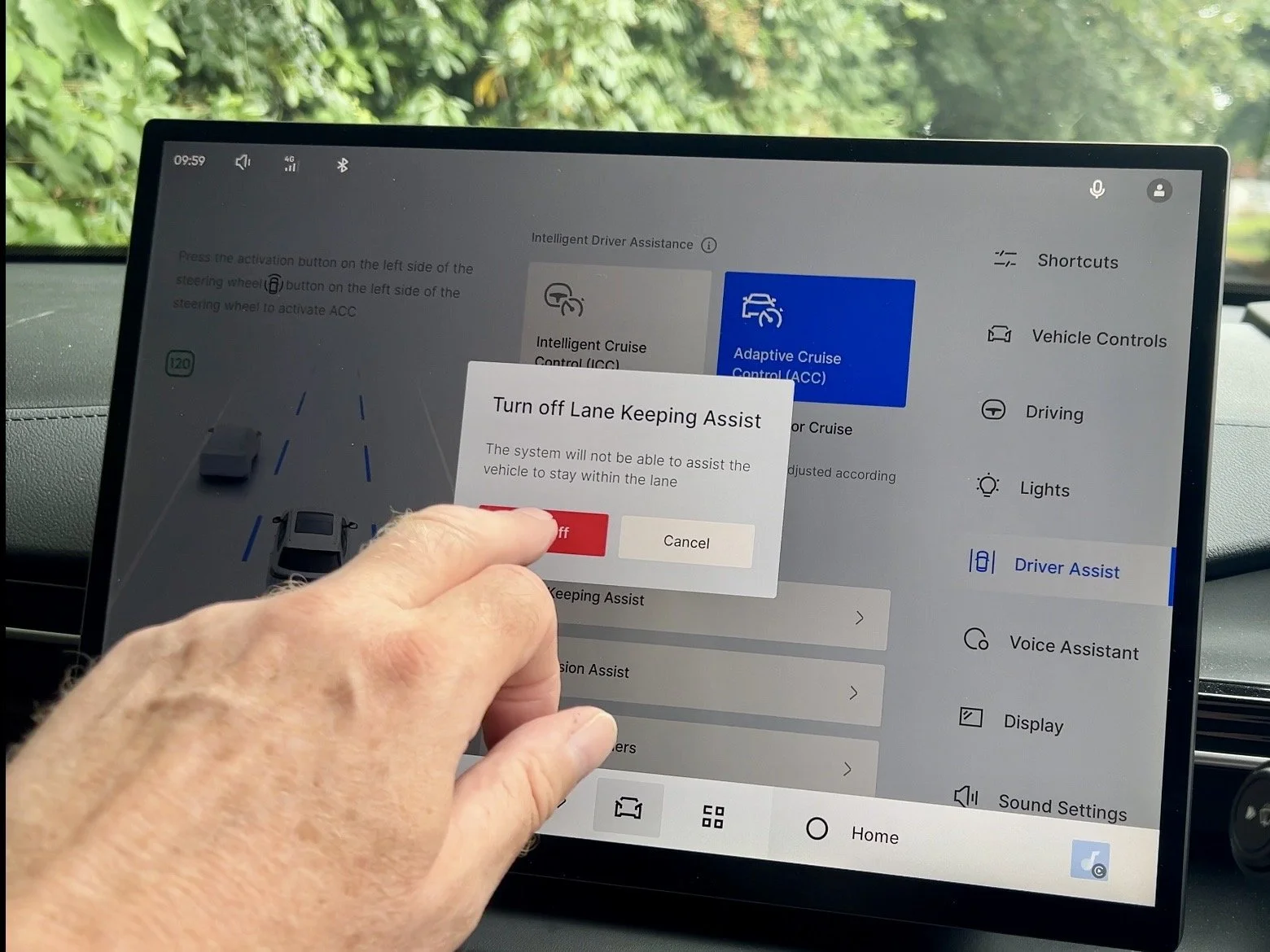
Lane assistance. Actually, not lane assistance itself, just the process of switching it off.
Like many modern cars, Geely insists on asking if you're really, really sure you want to switch it off.
Yes, I’m sure - that’s why I pressed the ‘off’ button.
Then comes the best bit. Pull into a lay-by and hop out for thirty seconds either to post a letter, answer nature's call… whatever, and when you get back in every setting has quietly reset itself, so you start again.
Prod the car icon on the screen
Prod ‘Driver Assist’.
Prod ‘Lane Departure Warning’, prod ‘off’, prod again to confirm.
And on the same page…
Prod ‘Lane Keeping Assist’, prod ‘off’, prod again to confirm.
Then prod the X to return to the previous page, navigate to ‘Intelligent Reminders’ and follow a similar procedure to switch off ‘Speed Limit Alert’. You want to do this because when driving in a 40mph zone, and the car’s camera catches a side road with a 20mph, it thinks you speeding a consequently bongs at you.
This isn't uniquely Geely of course as plenty of manufacturers are wrestling with European safety legislation that requires many assistance systems to default back on each journey. But the confirmation process feels unnecessarily clumsy.
I was going to tell you that after a week it became less of an annoyance and more of a ritual, but that wasn’t the case.
All that said, I learnt afterwards that you can save your preferred driver settings on the steering wheel, so one press of a button can switch it all off.
Living with the hybrid
I won't pretend to have carried out laboratory fuel tests, that’s not how people buy cars.
What matters is this, the Starray's plug-in hybrid system makes the most sense if you have somewhere to charge overnight. Used properly, owners should spend much of the working week driving on electricity before the petrol engine joins in for longer trips.
Go for the Pro and Max models and you get a 18.4kWh battery that has an 18.4 kWh battery offering up to 51 miles of official WLTP range (about 40 miles in real-world driving). Opt for the Ultra model with a larger 29.8 kWh battery and can you get up to 84 miles of official WLTP range.
Ignore the charging cable and you'll still have a perfectly usable hybrid, I achieved around 44mpg throughout the week with the 1.5ltr 4-cylinder petrol engine - and I don’t usually hang about!
A note on hybrid mode – keep it under 40mph, and for the majority of time, due to self charging it’ll coast along in electric.
The value question
Here's where Geely has everyone's attention.
For between £29,990 and £34,990 (OTR), you're getting a spacious family SUV with generous equipment, a long electric range and a comfortable ride, and that’s difficult to ignore.
But what about dealer networks, long-term confidence, servicing and resale values?
At the moment, Geely is still establishing itself in the UK, and I’m confident those will improve with time.
As I mentioned earlier, Geely aren’t exactly new to the automotive world, so I would expect the brand to grow quite quickly. Whether buyers are prepared to wait is another question entirely.
So... would I?
The Geely Starray EM-i surprised me. Not because it's revolutionary, it isn’t. Not because it reinvented the family SUV, it hasn’t. It surprised me because I found myself liking it more than I expected.
Some family SUVs desperately want you to believe they're Nürburgring refugees, the Geely doesn’t, it's at its happiest wafting with its light steering and relaxed ride.
I'd happily spend another week in those gloriously comfortable seats. I'd happily point it towards the Yorkshire Dales loaded with camera gear and walking boots.
I'd happily let it soak up Britain's cratered roads while everyone else crashes into potholes around me.
Would I happily spend every time I jumped into the drivers seat diving into touchscreen menus just to adjust the nanny modes? Absolutely not.
So if Geely's engineers are reading this, here's a free suggestion. Next facelift… fit some proper buttons. Sometimes progress isn't about adding another screen, sometimes it's just about giving us a button or two that we can find without asking the car where it's hidden.
Oh, I almost forgot, all Starray EM-i models come with a base warranty of eight years or 125,000 miles, and to demonstrate Geely’s commitment to safety, they come with seven airbags and a five-star Euro NCAP rating.
For more details, click here - Geely Auto UK