
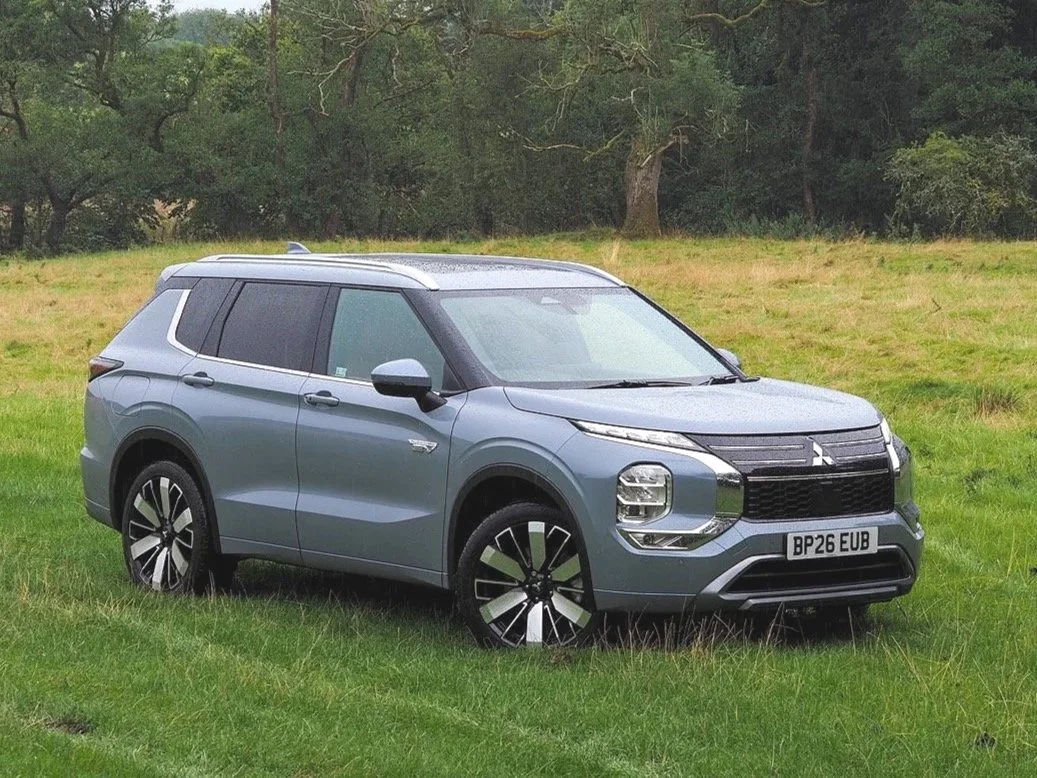
Right then. Cast your minds back to 2014. The plug-in hybrid landscape was largely populated by overly complex eco-hatches and half-baked promises. Then Mitsubishi turned up with the original Outlander PHEV, effectively writing the rulebook for how to sell a big, sensible, tax-friendly family 4x4 to the masses. It sold in absolute bucketloads. Fast forward through a brief hiatus from UK shores, and the diamond badge is back in business.
So, what exactly is the 2026 Mitsubishi Outlander PHEV, and where does it sit in the food chain?
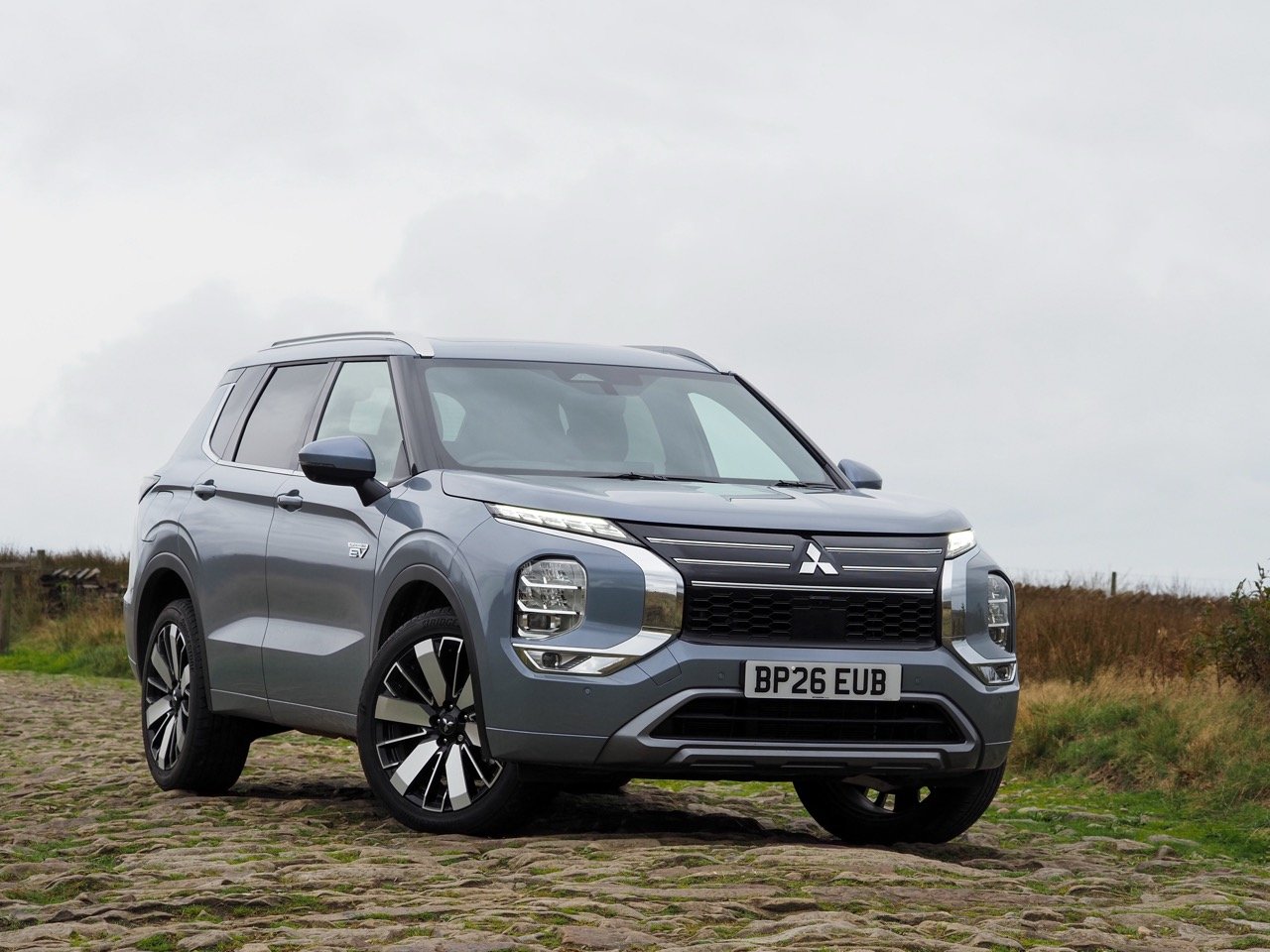
Sitting squarely at the top of Mitsubishi’s revived UK model lineup, this brand-new flagship is designed to take on the mid-to-large family crossover crowd. Our test model is the range-topping Diamond trim, which strips away the third-row pop-up seats found in lesser specs to deliver a full-focused, plush five-seater with a bit more breathing room.
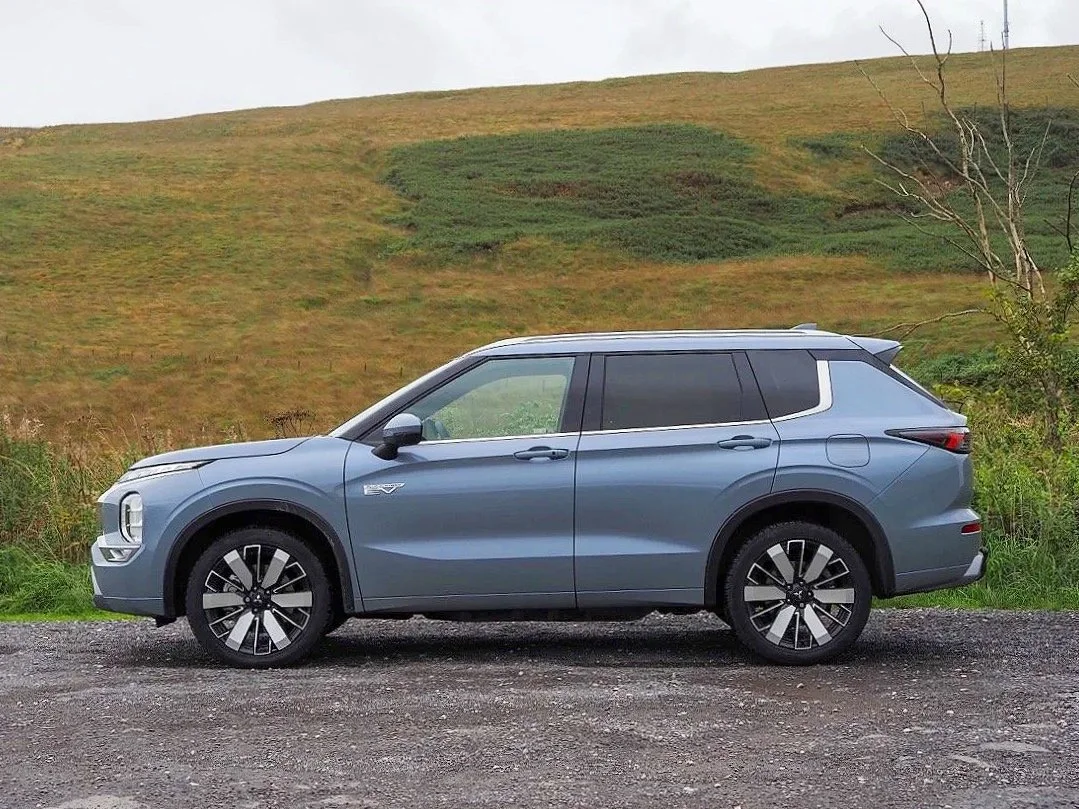
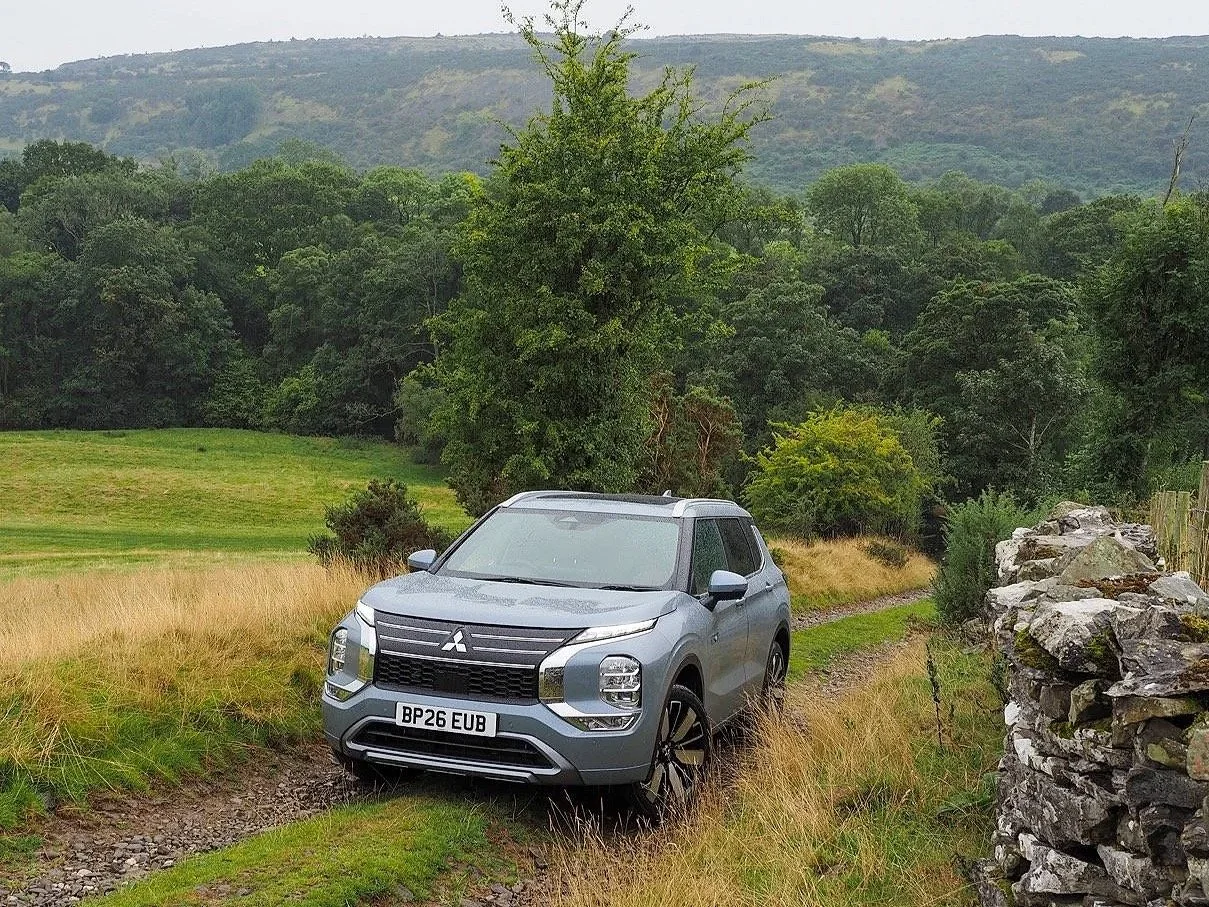
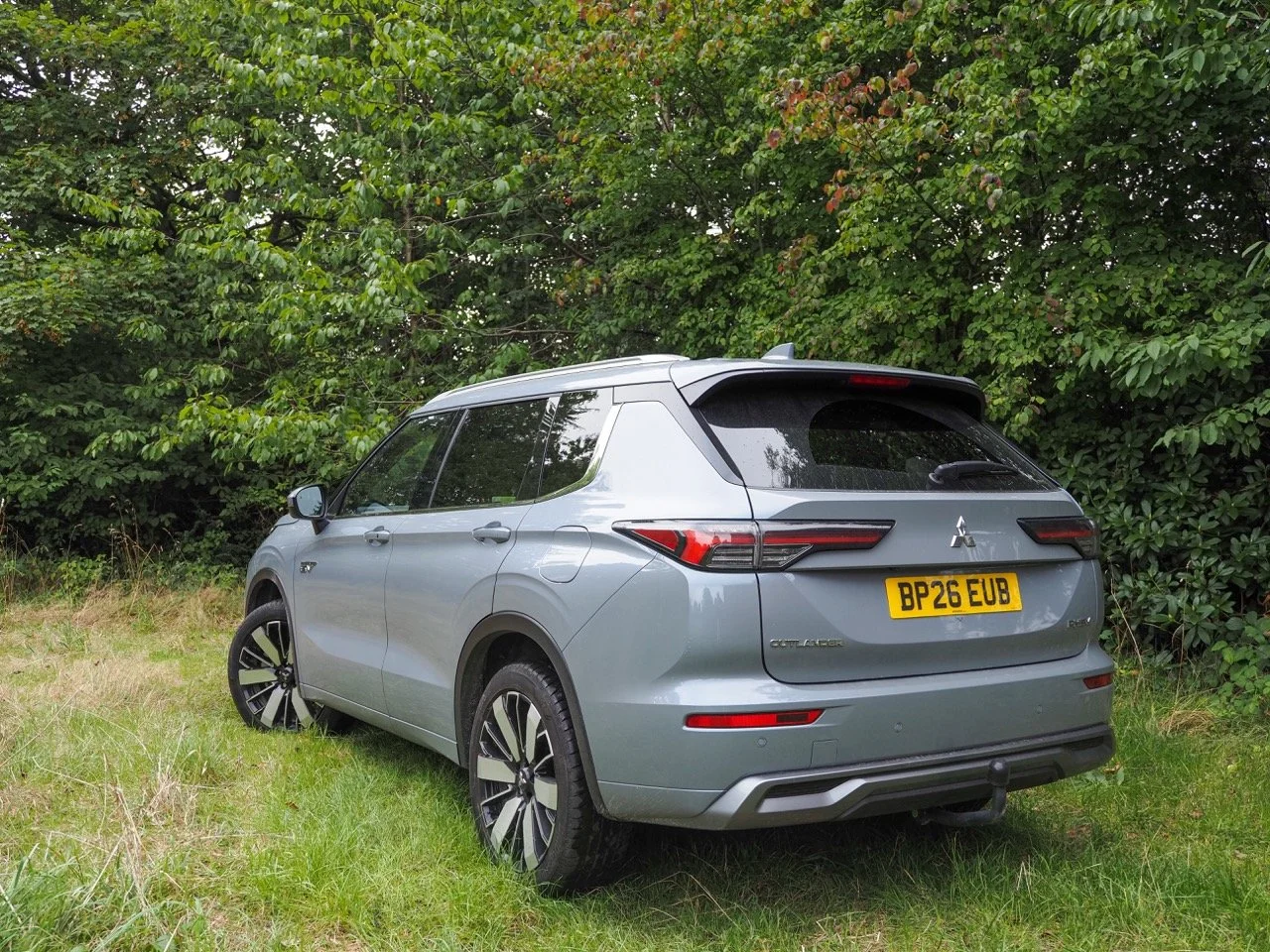
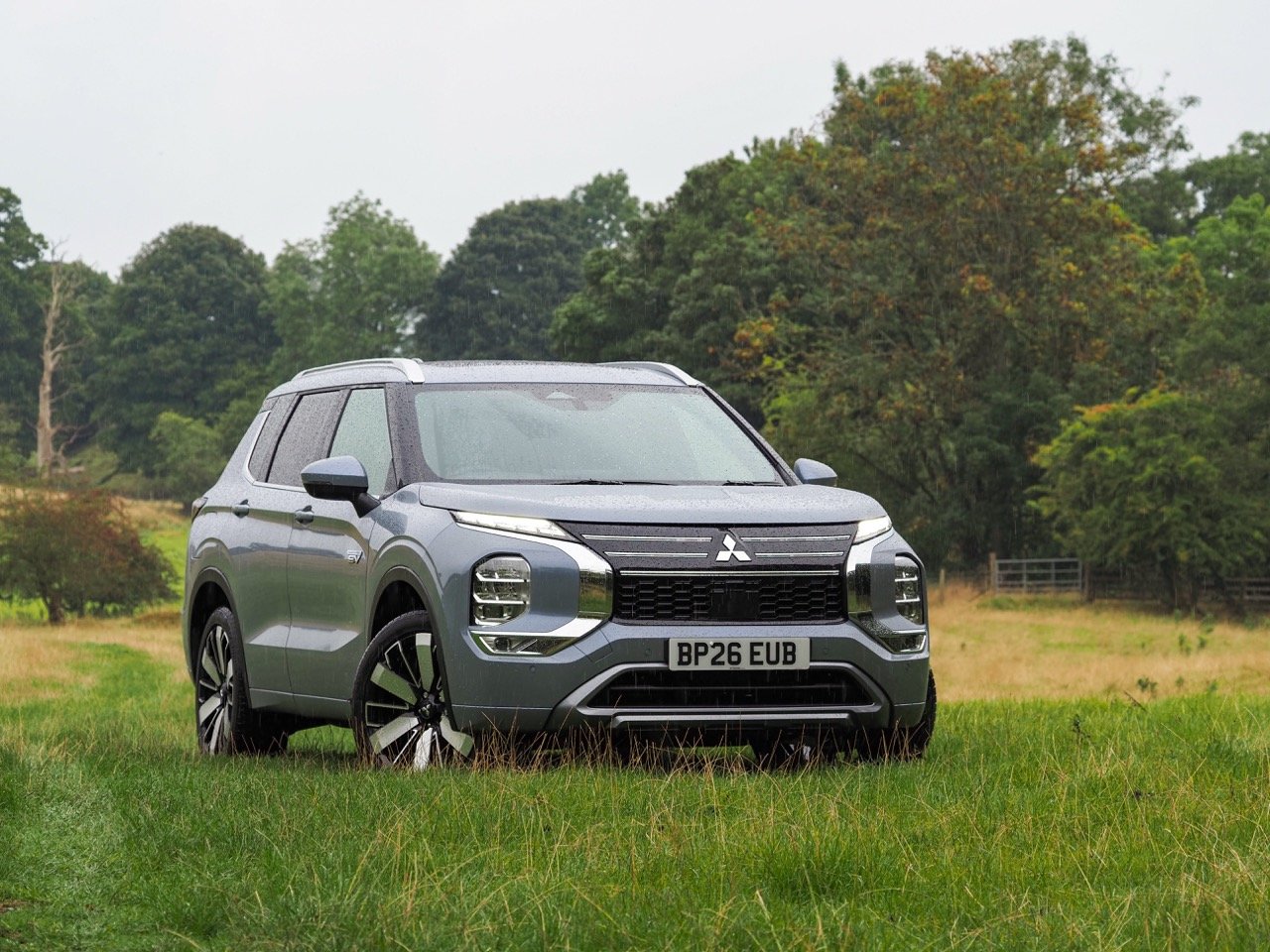
First impressions in the flesh? It’s proper blocky. Mitsubishi hasn't succumbed to the smooth, melted-soap-bar styling that plagues so many modern crossovers. It has a high bonnet, a square jaw, bold chrome accents, and an imposing stance riding on huge 20” alloy wheels. It looks like a proper 4x4 should—sturdy, confident, and ready for a spot of bad weather
On-Road Ride, Comfort & Power Delivery
Under the bonnet sits a 2.4-litre four-cylinder petrol engine paired with a pair of electric motors—one on each axle—fed by a sizeable 22.7 kWh battery pack. Total output sits at a very healthy 295 bhp. Out on the road, that translates to a brisk 0-62 mph time of 7.9 seconds. But more importantly than outright speed is how it delivers that power.
Unlike some hybrid systems that hesitate, cough, and try to figure out what gear they want to be in before lunging forward, the Outlander steps off the line instantly on pure electric power. It’s silky, quiet, and effortlessly smooth around town. When you press your right foot down on an open A-road, the petrol engine wakes up to act as a generator or drive the wheels directly. While the single-speed setup means engine revs can rise under heavy footwork, cabin sound-insulation keeps the noise distant and refined.
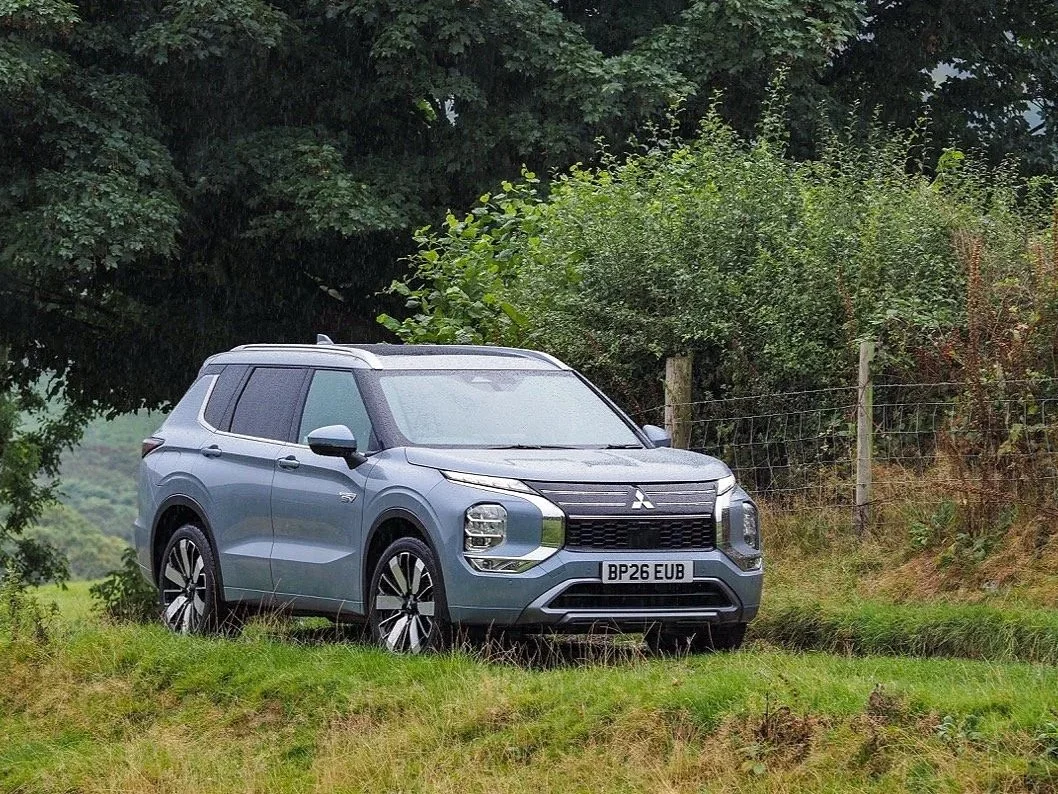
Ride comfort is genuinely impressive for something weighing in over two tonnes. The suspension takes the edge off potholed UK tarmac without feeling like a soggy jelly. Twistier back roads are handled with surprisingly flat body control, largely thanks to Mitsubishi’s trick Super All-Wheel Control (S-AWC) system—which actively vectors torque across the wheels to pull you cleanly through corners. It’s not a sports car, but it feels planted and planted is good when it’s tipping it down on a dark rainy evening.
As for fuel efficiency: Mitsubishi quotes a fantasy WLTP figure north of 300 mpg, but in the real world—once you've exhausted the solid 50-odd miles of pure EV range—you can expect around 38 to 42 mpg in hybrid mode. For a heavy 4x4, that’s perfectly respectable.
Off-Road Ability: Can It Handle the Slop?
Let’s be realistic: most Outlanders will spend 95% of their lives navigating supermarket car parks and school runs. But this is a 4x4 publication, so we took it off the beaten track to see if it’s got any proper mud-plugging pedigree.
Because there’s no mechanical prop shaft linking the front and rear axles, the S-AWC system uses dedicated electric motors at each end to split power instantly. You get a sturdy rotary selector on the centre console with specific drive modes for Gravel, Snow, and Mud, along with Hill Descent Control.
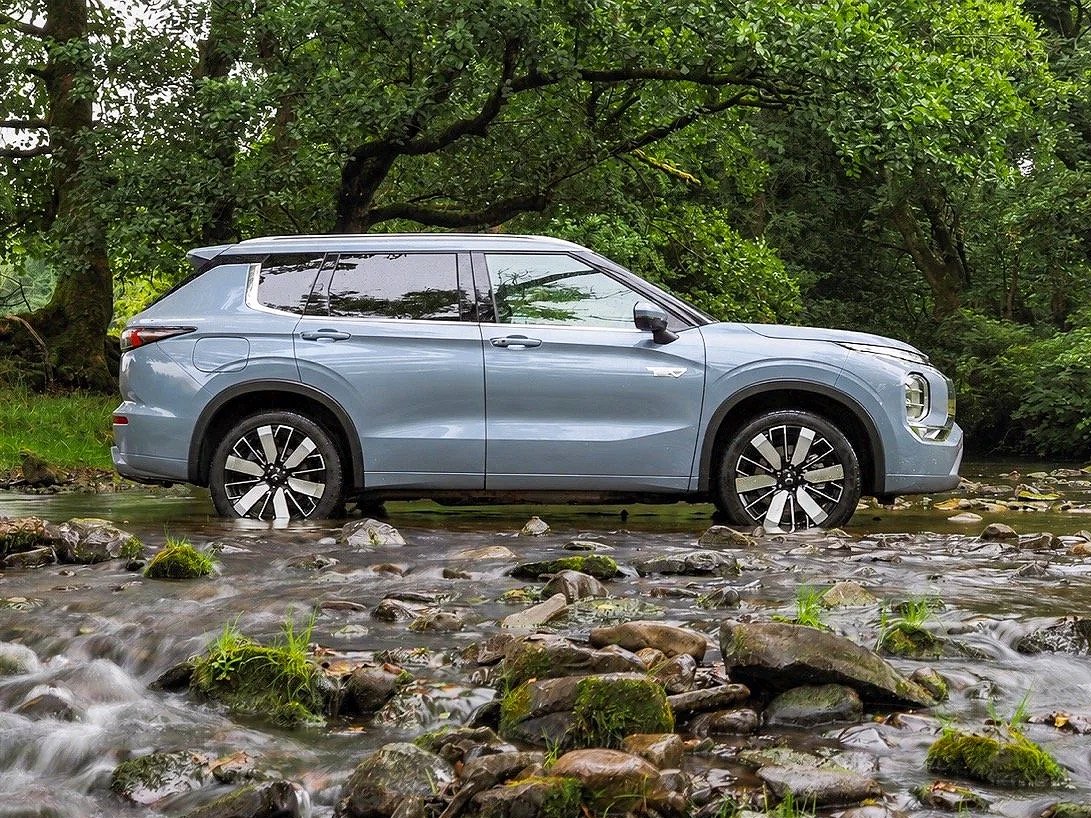
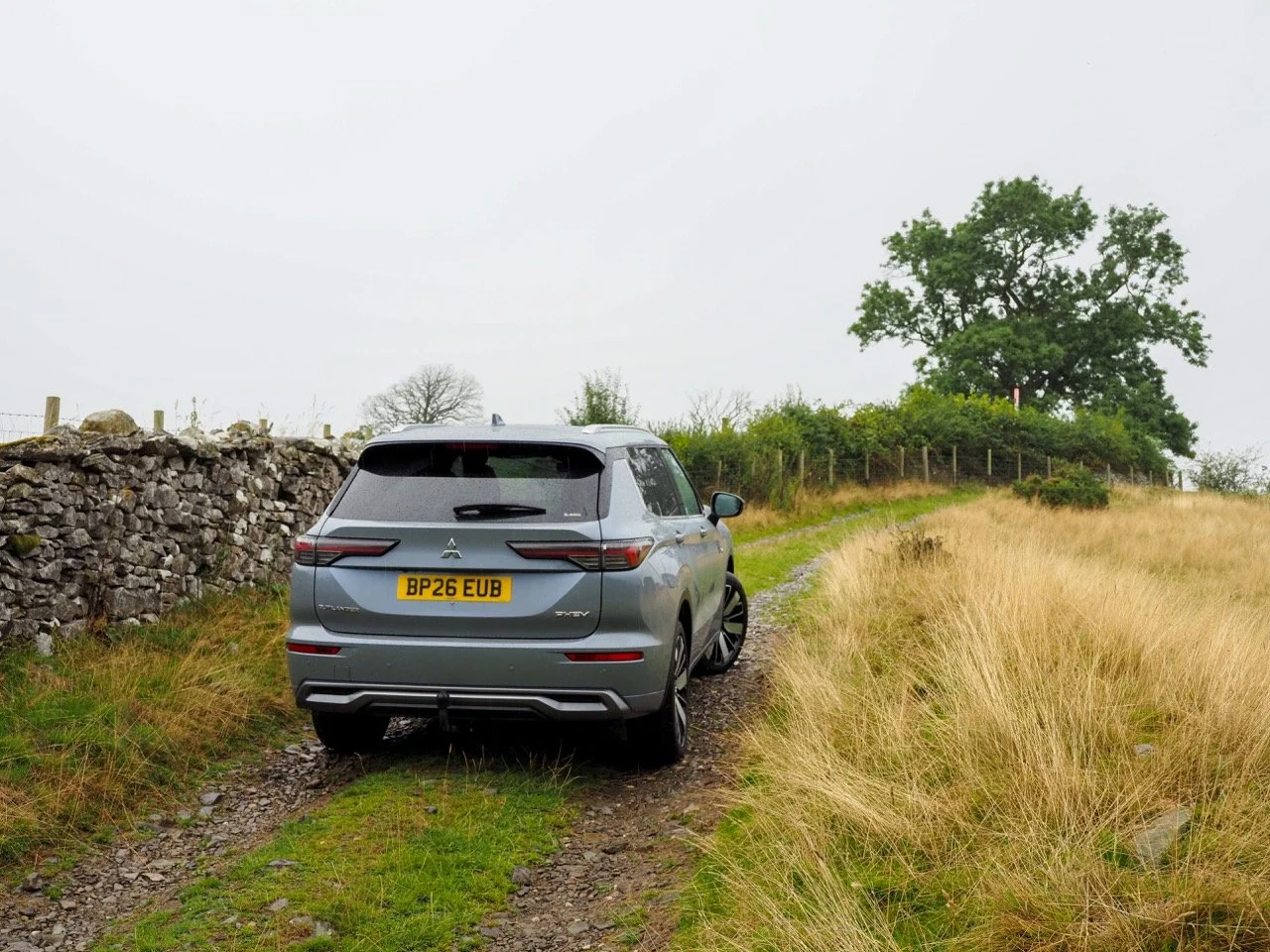
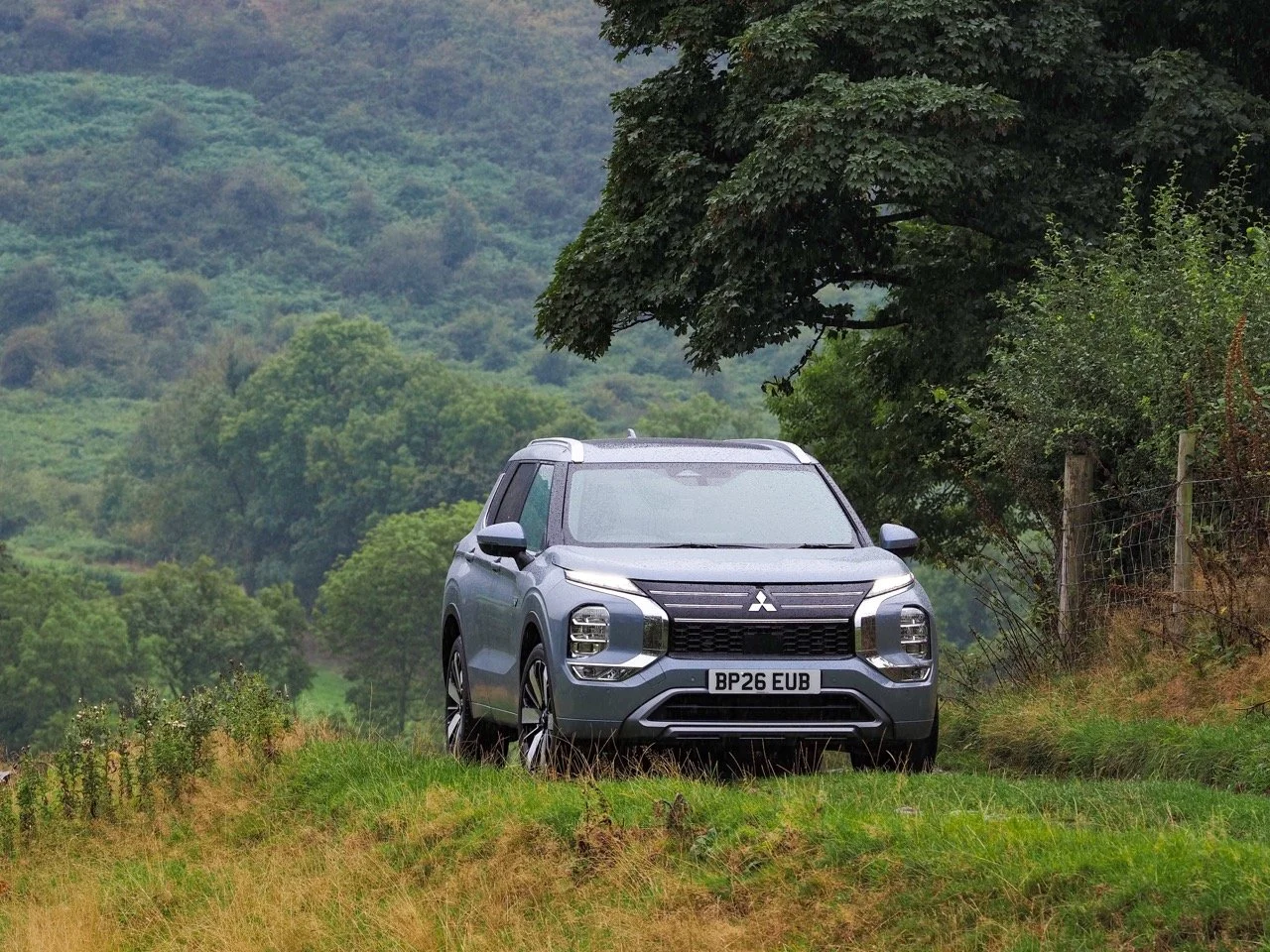
On wet grass, broken farm tracks, rutted gravel, and slippery green lanes, the Outlander performs admirably. Ground clearance is better than your typical soft-roader, and the electronic brain reacts in milliseconds to send traction to whichever wheel has grip. Twist the dial to 'Mud', and the system allows just enough wheelspin to clear the tyre treads while keeping you moving forward through soft ground.
It’s no low-range ladder-frame rock crawler, mind you—the low-slung bumpers and road-biased 20-inch rubber mean you won't be tackling hardcore winch-trials. But for muddy rally car parks, boat ramps, wet campsites, and rutted access tracks, it’s more than capable enough to get you out of trouble.
Interior Cabin & Passenger Space
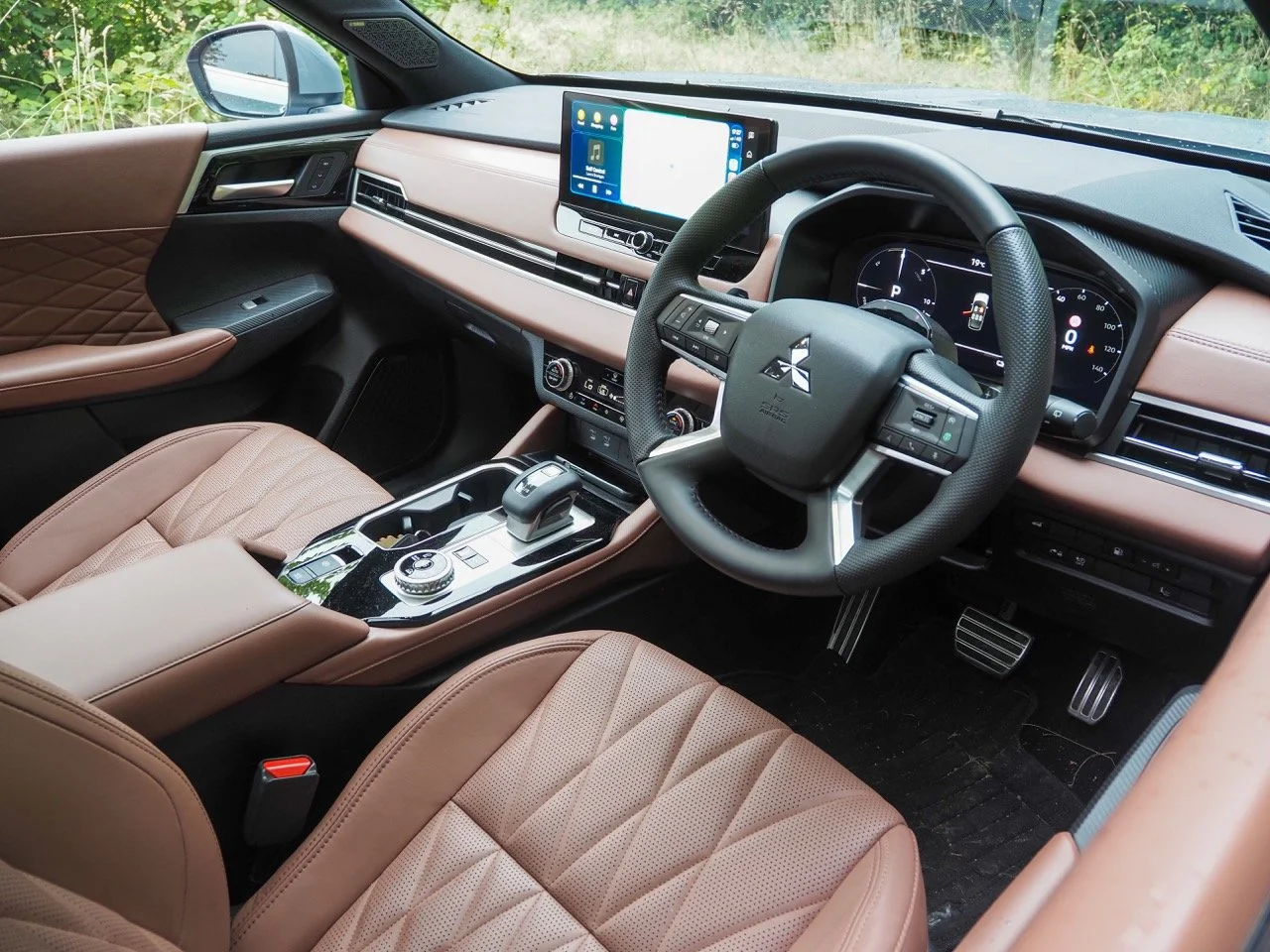
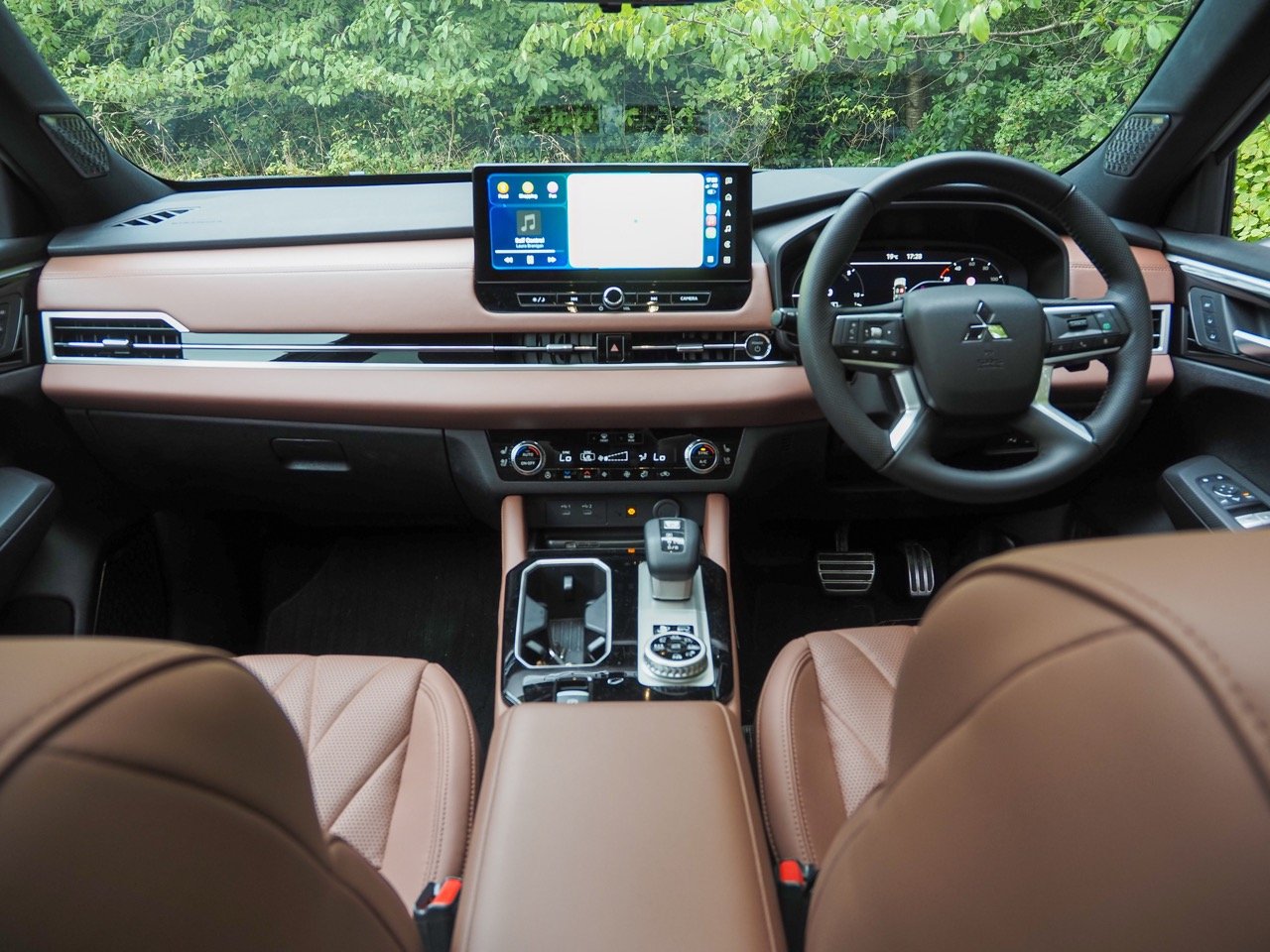
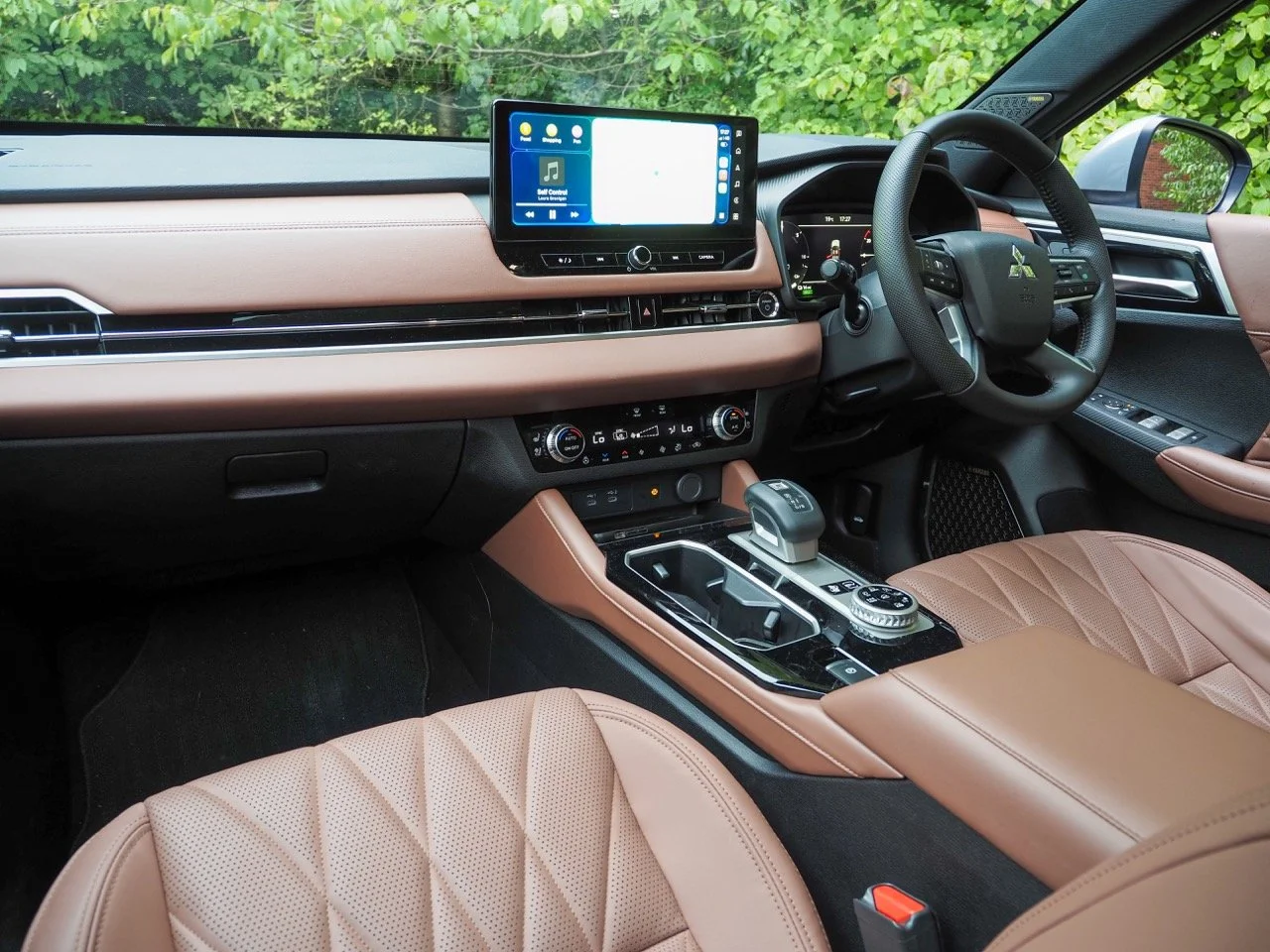
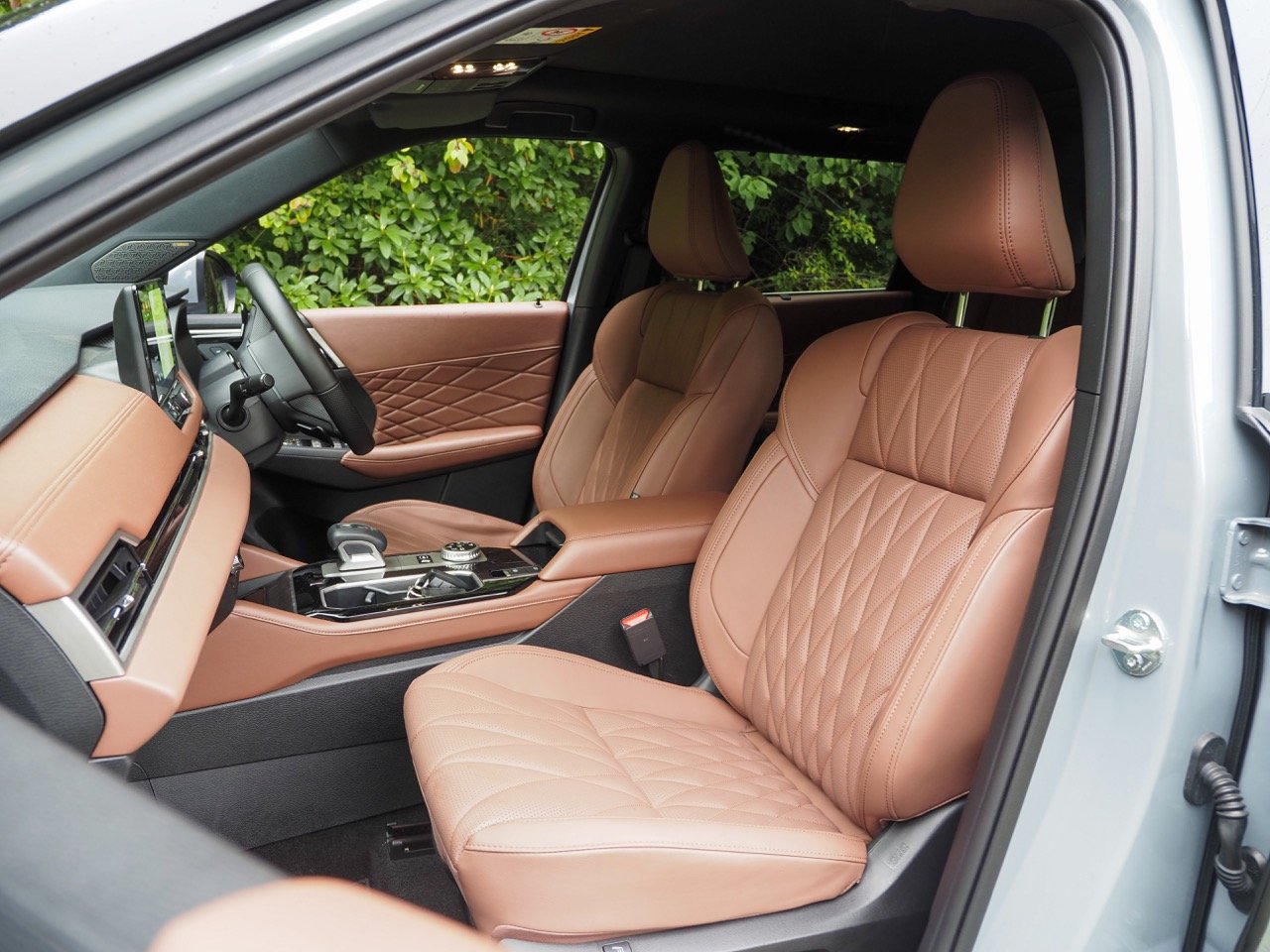
Step inside the top-tier Diamond trim, and you’re greeted by a cabin that feels properly upmarket. The doors shut with a reassuring thud, the leather seats are quilted and supportive, and the soft-touch materials on the dash feel built to last.
Front passengers get heated, ventilated, and massaging seats as standard on the Diamond trim, which is absolute bliss after a freezing morning spent out in the field. Up top, a massive panoramic sunroof floods the cabin with light.
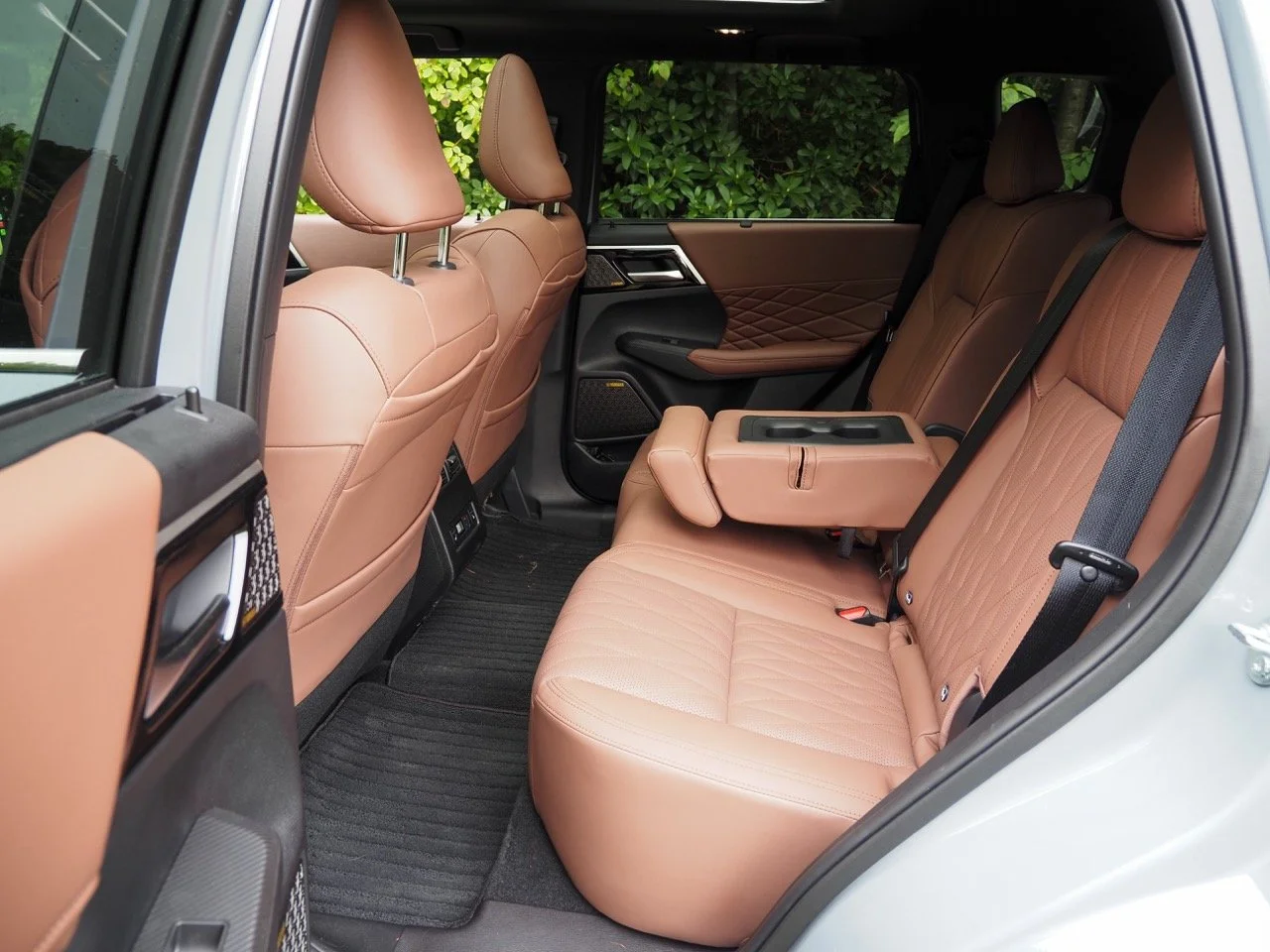
Rear passengers are equally well looked after. There’s generous legroom and headroom, separate rear climate controls,heated outer seats, and multiple USB-C ports to keep devices powered. Door pockets are spacious enough for large water bottles, though the beefy upgraded audio speakers take up a bit of storage real estate.
The Muddy Dog & Tat Test (Practicality)
Here at The Mud Life, a car isn't just judged on how soft its dashboard padding is; it’s judged on whether it can carry a wet Labrador, three bags of logs, camping chairs, and a pair of caked-in-mud walking boots without throw-it-up frustration.
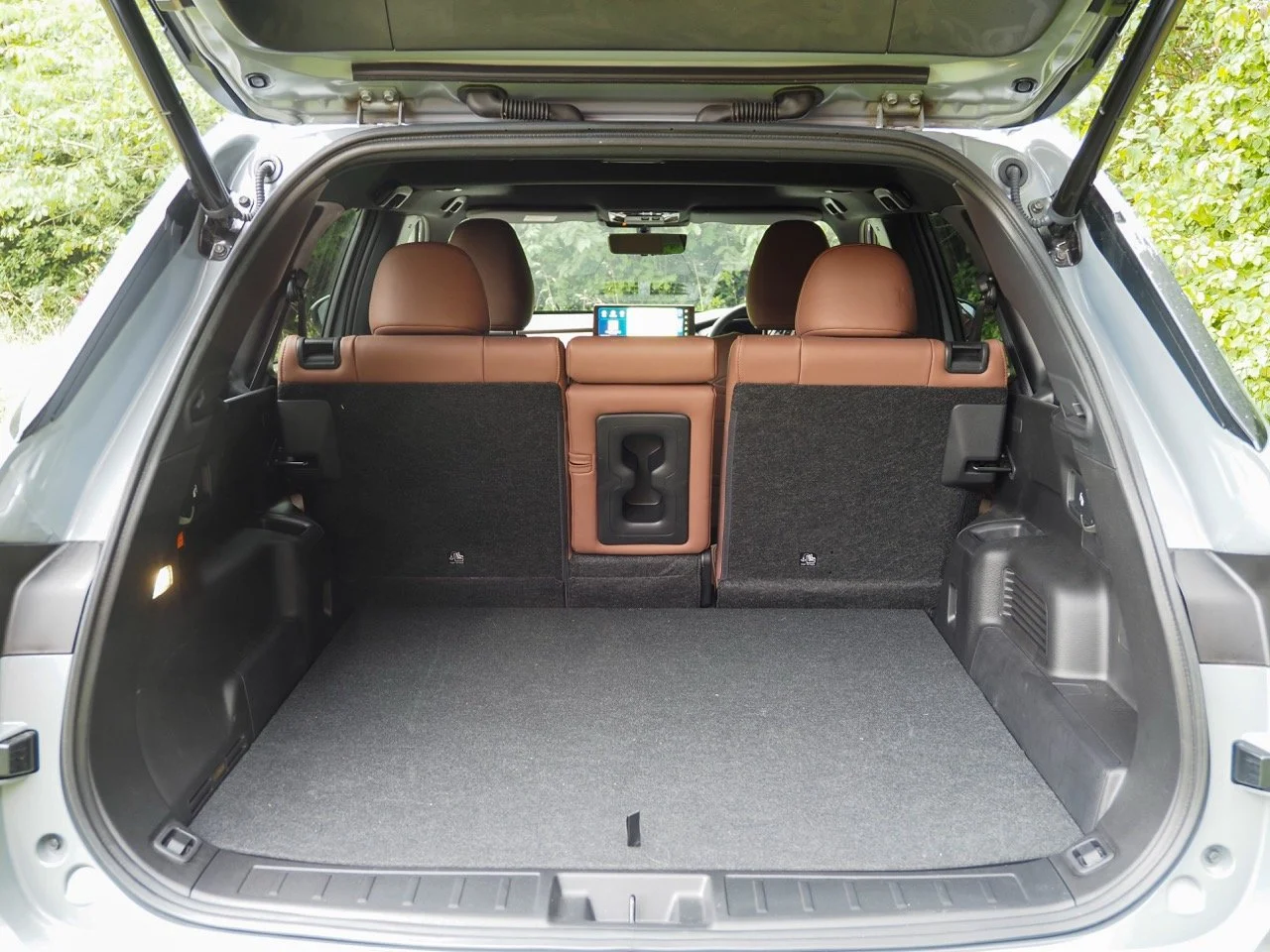
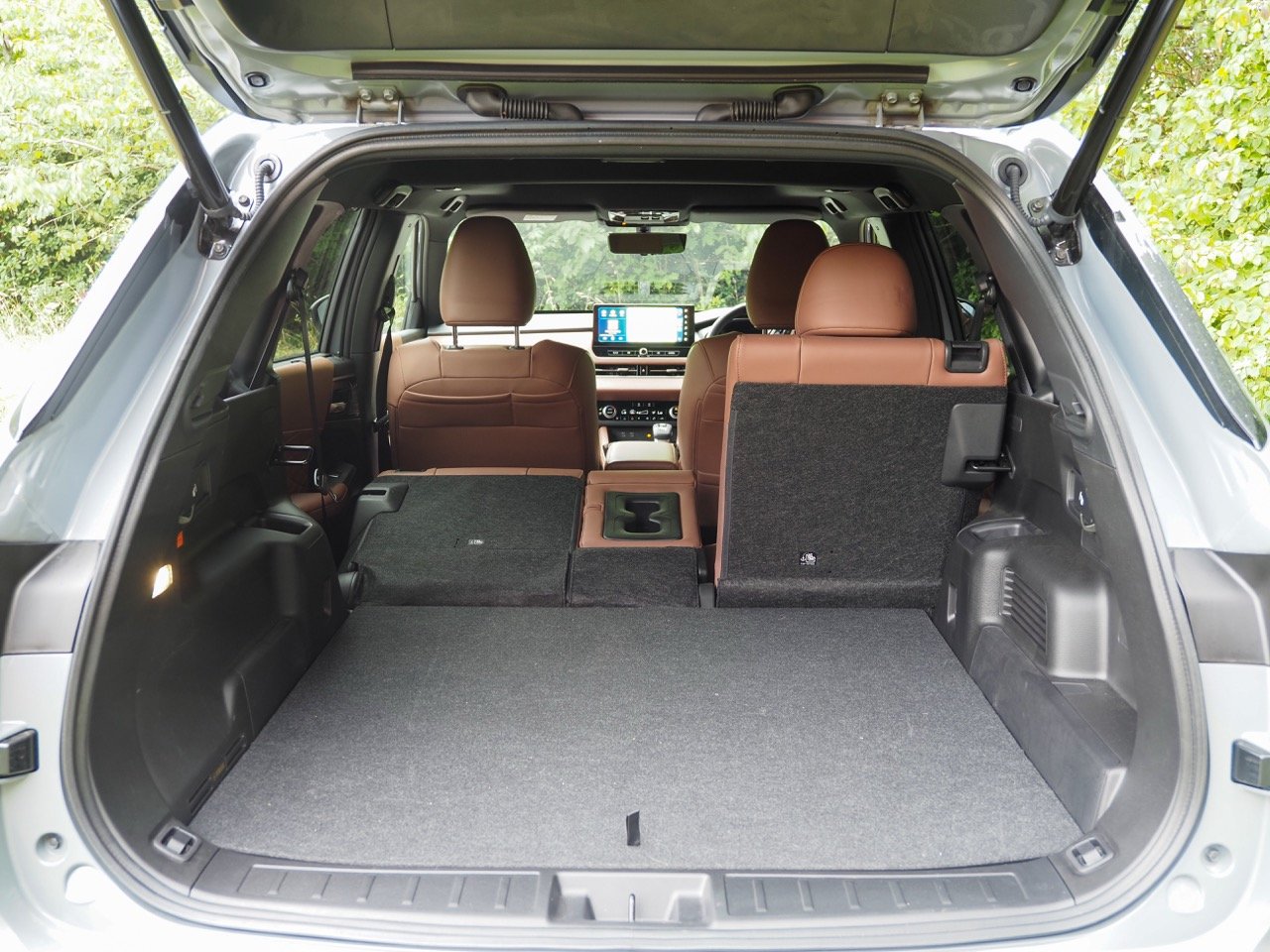
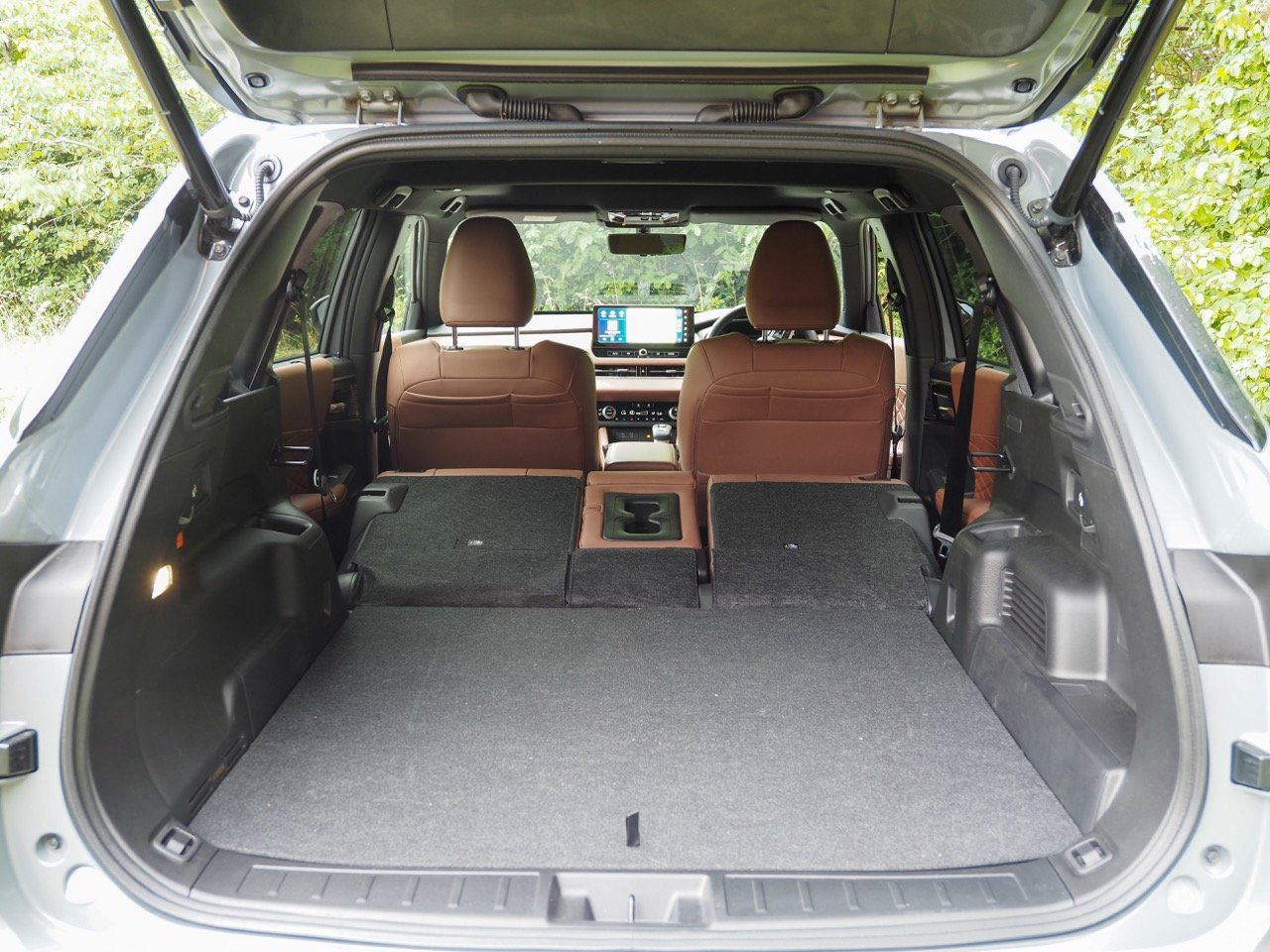
The Diamond trim drops the cramped third-row seats to give you a massive, flat boot floor. Opening the powered tailgate reveals a wide aperture and a completely flat load lip, making it dead easy for a tired, muddy dog to jump straight in without snagging their paws.
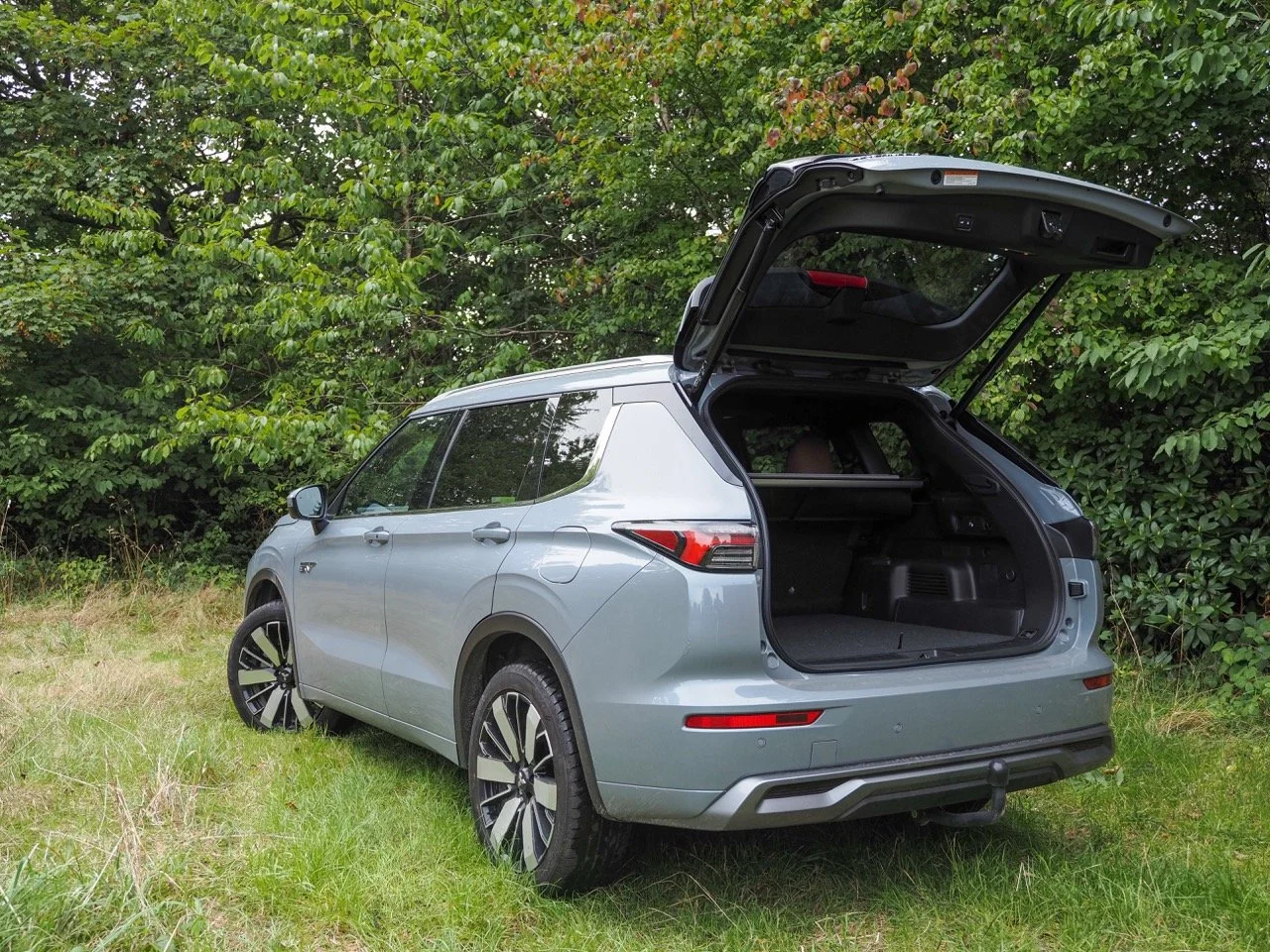
Fold the 40/20/40 split rear seats flat, and you’re rewarded with over 1,800 litres of cargo space—easily enough room for a full weekend’s camping kit, recovery ropes, and general outdoor tat. There are handy tie-down hooks and a 230V mains socket in the back, perfect for running a small portable fridge or blowing up an air mattress.
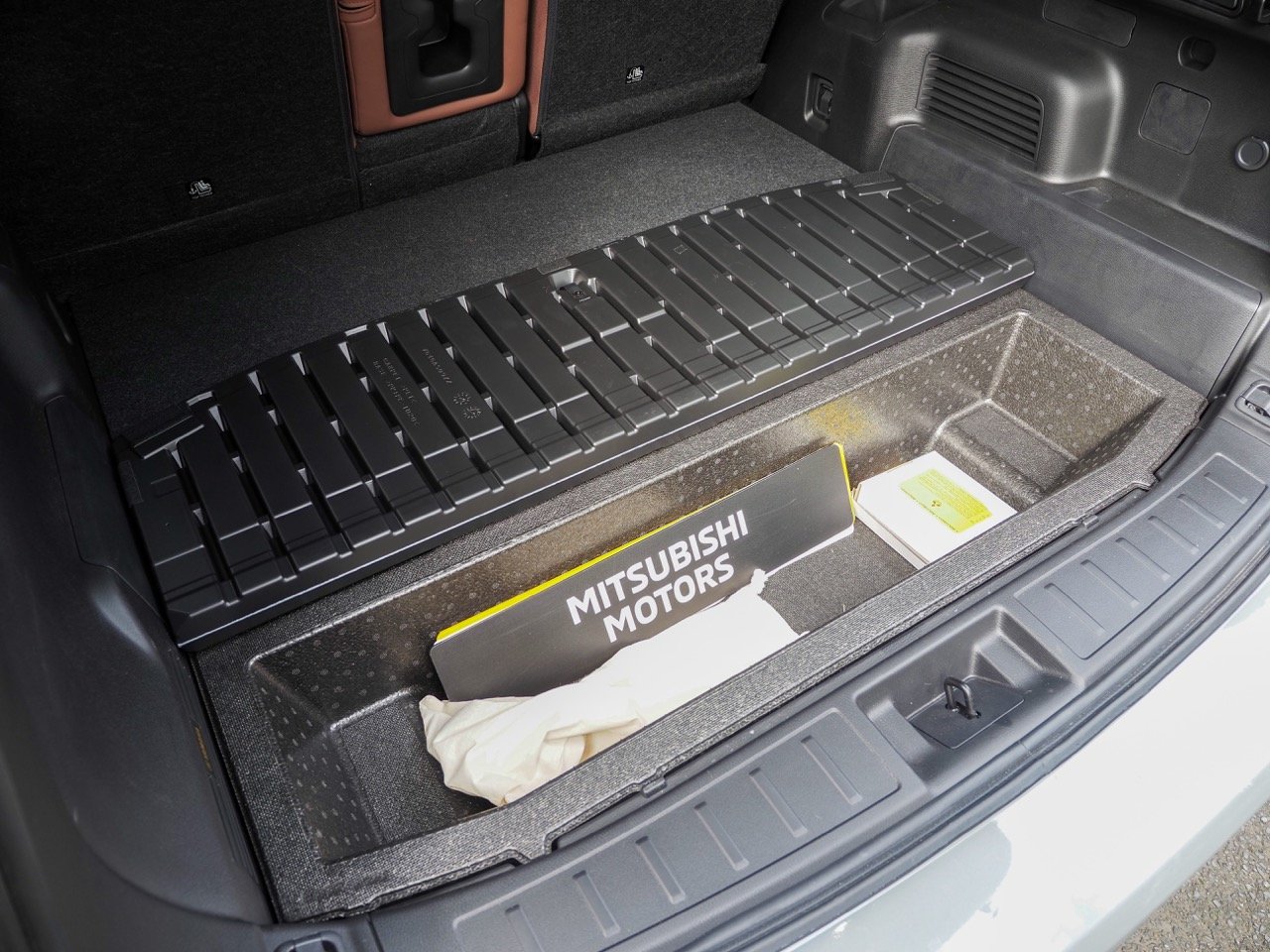
The Downside? Because that hybrid battery lives under the vehicle floor, underfloor boot storage is essentially non-existent. That means your heavy orange charging cables have to sit loose in a bag in the main boot area, taking up valuable corner space.
Tech, Ergonomics & Major Pet Peeves
Now, onto the ergonomic details that can make or break a motor during daily driving.
The Good: Proper Physical Buttons!
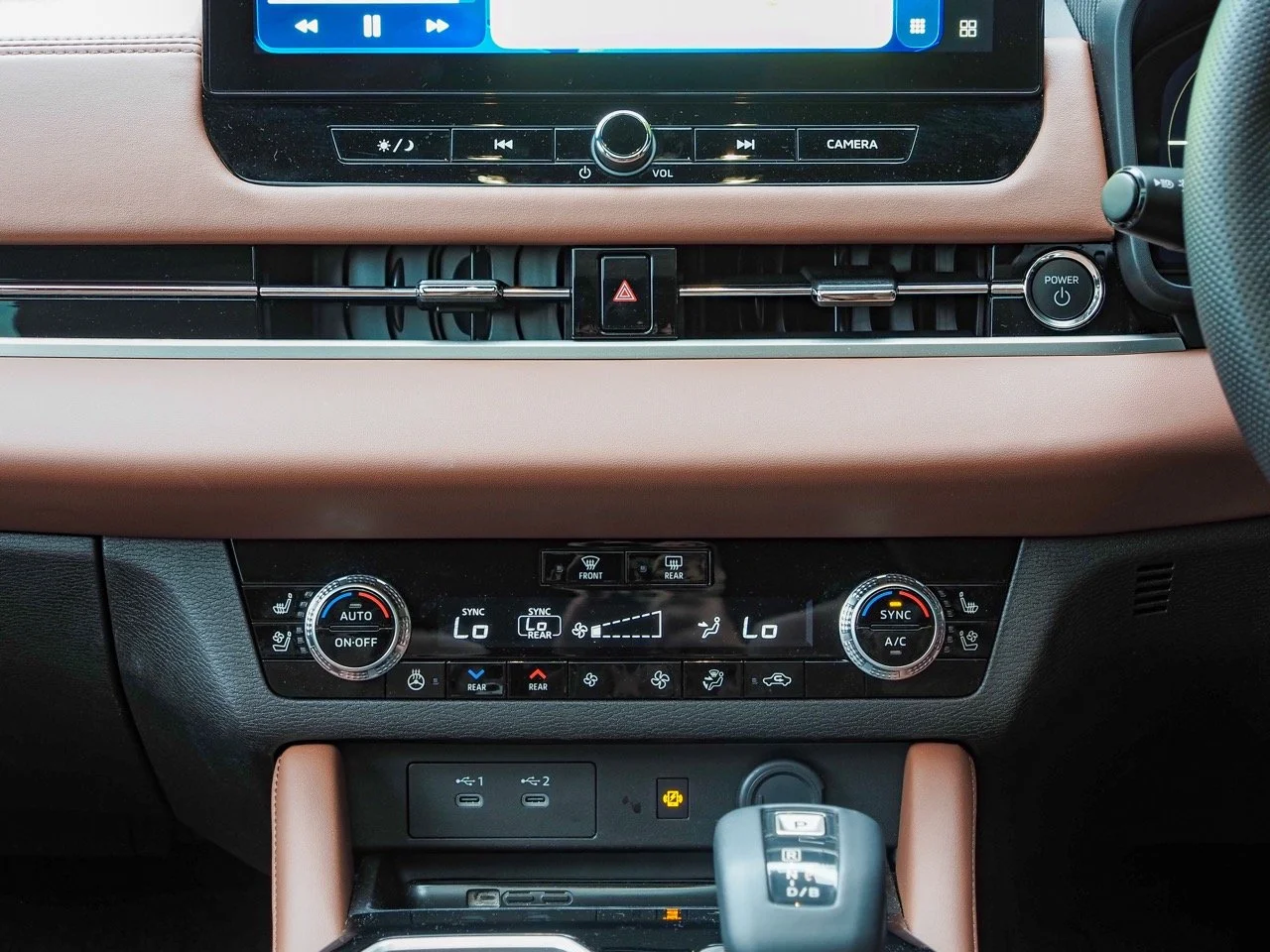
We have to give credit where it’s due: Mitsubishi has kept real, physical controls! In an era where rival manufacturers force you to dig through three sub-menus on a glitchy touchscreen just to adjust the fan speed by half a degree, the Outlander features chunky, knurled rotary dials for the climate control. You can adjust the temperature while wearing thick work gloves without taking your eyes off the track ahead. The drive modes and volume controls are also proper hardware switches.
Pet Peeve #1: The Safety Bong Brigade
Like almost every new vehicle, the Outlander is fitted with compulsory driver assist systems—most notably the active Lane Departure Warning and speed limit alerts. Drive down a narrow, twisty UK country lane where you naturally track close to the edge line, and the system will tug at the wheel and chime incessantly. The good news is that you don’t have to go digging into a dozen or so menus to switch them off.
Pet Peeve #2: Where’s the Spare Wheel?
Here’s where the Outlander loses serious brownie points in our books, Mitsubishi doesn’t offer the Outlander PHEV with a spare wheel, you only get a bottle of gooey tyre sealant and a 12V compressor.
If you slice a sidewall on a sharp flint while driving down a remote track, that squirt-and-pray foam kit isn't going to do a thing. For a vehicle marketed on all-weather, all-terrain capability, omitting even a space-saver spare on the hybrid model is a proper disappointment. Maybe buy a full-size spare if you plan to venture far off the tarmac?
The Verdict
The 2026 Mitsubishi Outlander PHEV Diamond is a triumphant return for a nameplate that defined the plug-in market. It’s comfortable, quiet, well-built, and loaded with high-end luxuries. Crucially, its Twin-Motor S-AWC system means it’s a genuine 4x4 rather than a front-wheel-drive hatchback wearing hiking boots.
Yes, the lack of a spare wheel and the nagging lane-assist bongs are proper annoyances, but its practical cabin, tactile buttons, and smooth performance make it one of the most complete all-rounders in its class.
The Mud Life Sign-Off:
If you want a comfy, high-spec SUV that’ll effortlessly swallow the dog, tow the trailer, and tackle a muddy lane without flinching—all while running your daily commute on pure electricity—the Outlander PHEV is a cracking bit of kit. Just do yourself a favour: buy a proper spare tyre to throw in the boot before you head off out into the wilds!