
The Case for E-Fuels: Cleaner Driving Without Scrapping Cars
Why E-Fuels Deserve Centre Stage in the EV Debate
For years now, every advert, billboard and government soundbite has pushed the same idea: internal combustion engines are the problem and electric vehicles are the future. Whether you like it or not, the message has been repeated so often it’s started to feel like fact rather than opinion. But there’s a much simpler question that rarely gets asked: Is it actually the engine that’s the issue, or is it the fuel we’re putting into it?
When you strip it right back, petrol and diesel engines aren’t inherently evil lumps of metal, they’re just machines that burn a particular type of fuel. Change the fuel, and suddenly the conversation looks very different. That’s where e-fuels come in, and why they deserve far more attention than they currently get.
What are e-fuels?
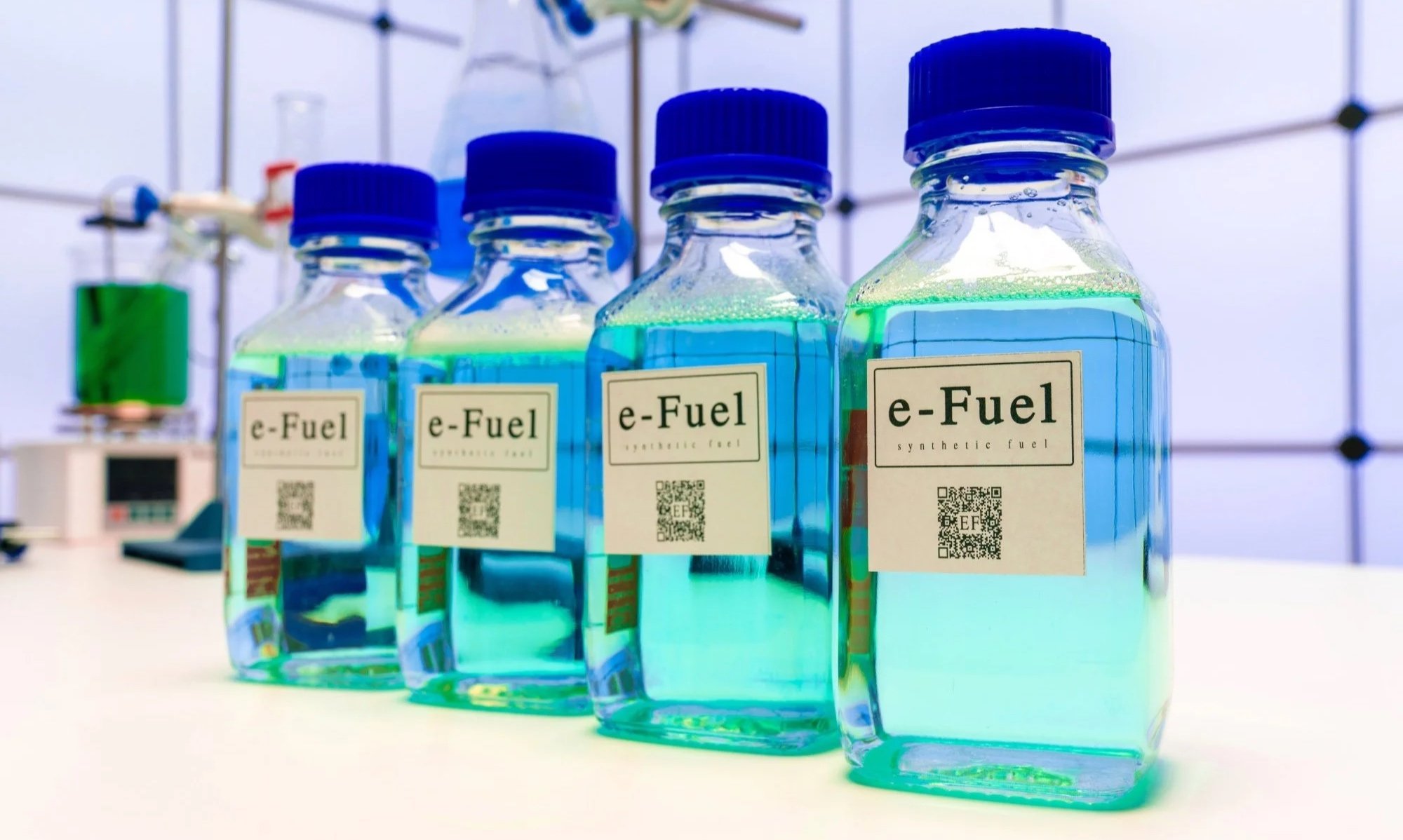
E-fuels, or synthetic fuels, are designed to work in existing petrol and diesel engines, but without relying on crude oil pulled out of the ground. Instead, they’re made using hydrogen and captured carbon dioxide.
The hydrogen is produced by splitting water using electricity, ideally generated from renewable sources such as wind or solar. The carbon dioxide is captured from the atmosphere or from industrial processes. These two elements are then combined to create a liquid fuel that behaves like petrol or diesel.
When an e-fuel is burned, it releases carbon dioxide, just like conventional fuel. The key difference is that the CO₂ released is roughly equal to the CO₂ captured during production, creating a closed loop rather than adding new carbon to the atmosphere. In theory, that makes e-fuels close to carbon neutral.
Crucially, e-fuels can be used in existing vehicles with little or no modification. That means your current car, van or 4x4 doesn’t suddenly become obsolete just because the fuel supply changes.
Why are manufacturers like Porsche backing e-fuels?
This isn’t some fringe idea dreamed up in a shed. Porsche, along with several other manufacturers and energy companies, has invested heavily in e-fuel production. Porsche is a major investor in HIF Global, the company behind one of the world’s first commercial e-fuel plants in Chile, chosen specifically for its access to strong, consistent wind power.
Porsche’s leadership has been very open about its thinking. The company sees electrification as essential for the future, but it also recognises that hundreds of millions of combustion-engined vehicles will still be on the road for decades to come. E-fuels offer a way to reduce the carbon footprint of those vehicles without scrapping them prematurely.
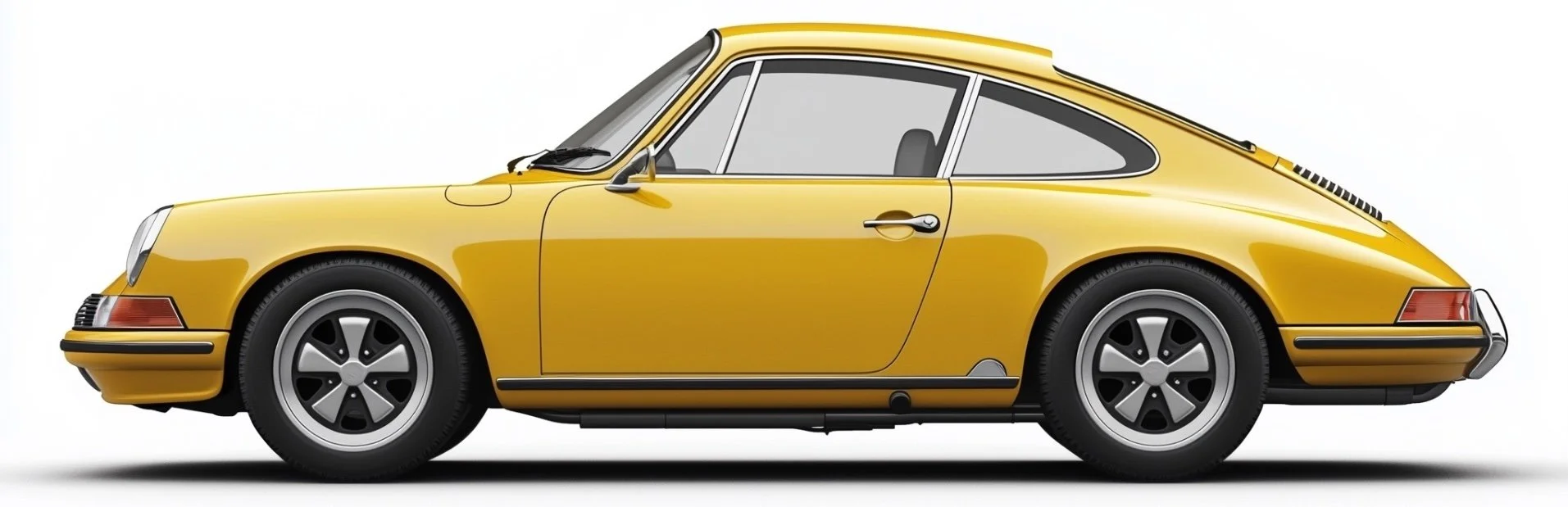
There’s also a practical and emotional angle. Porsche, like many performance brands, has a long history tied to combustion engines. From classic 911s to modern GT cars, the company understands that simply banning these vehicles doesn’t sit well with enthusiasts, or with the idea of sustainability through longevity.
To clear up one common rumour, the former boss of Porsche hasn’t jumped ship to run an e-fuel company. However, Porsche remains deeply involved in e-fuel development through partnerships, and senior figures at the company regularly advocate for e-fuels as part of a broader solution rather than a replacement for EVs.
Why aren’t governments shouting about e-fuels?
The short answer is efficiency; making e-fuels takes a lot of energy. You need electricity to produce hydrogen, more energy to capture carbon dioxide, and more again to synthesise the final fuel. By the time that fuel ends up in your tank and gets burned, a significant chunk of the original renewable energy has been lost along the way.
By comparison, using that same renewable electricity to charge an EV is far more efficient. More of the energy ends up turning the wheels rather than being lost in conversion processes. This is one of the main reasons policymakers favour EVs so strongly.
There’s also the issue of cost. At the moment, e-fuels are expensive to produce. They’re nowhere near price-competitive with fossil fuels or even electricity for EVs. Scaling up production could bring costs down, but that would require huge investment, and political will.
And then there’s local air quality. Even if e-fuels are carbon neutral overall, burning them still produces nitrogen oxides and other pollutants. In busy towns and cities, EVs have a clear advantage because they produce no tailpipe emissions at all.
Are EVs really as clean as we’re told?
This is where the debate often becomes overly simplistic. Electric vehicles don’t produce tailpipe emissions, which is a major benefit for urban air quality. But building them, particularly their batteries, involves mining materials such as lithium, nickel and cobalt. Mining has major environmental and social impacts, and those shouldn’t be ignored.
That said, multiple lifecycle studies show that EVs generally have a lower overall environmental impact than petrol or diesel cars, even when battery production is taken into account. As electricity grids become greener and battery recycling improves, that advantage is expected to increase. While EVs aren’t perfect, they’re not the environmental disaster some critics claim either.
Where e-fuels really make sense?
First, they offer a way to decarbonise the existing vehicle fleet. Scrapping millions of perfectly usable cars and vans comes with its own environmental cost. E-fuels could allow those vehicles to operate with a much lower carbon footprint while new technologies gradually take over.
Second, e-fuels are well suited to sectors that are difficult to electrify. Aviation, shipping and long-distance haulage all require energy-dense fuels. Batteries simply aren’t practical for many of these applications, at least not yet. Synthetic fuels could play a crucial role here.
Third, there’s the cultural and practical value of keeping older and specialist vehicles alive. From classic cars to emergency vehicles and working 4x4s in remote areas, not everything fits neatly into an all-electric future.
Is focusing only on EVs short-sighted?
Arguably, yes. Putting all our eggs in one basket rarely ends well. EVs are an important part of the solution, but they’re not the final solution. Treating them as the only acceptable path forward risks ignoring other technologies that could reduce emissions more quickly and with less disruption.
E-fuels won’t replace EVs, and they probably shouldn’t, but they could complement them, helping to reduce emissions from the vehicles and industries that can’t realistically go electric anytime soon.
What should governments actually be doing?
A more balanced approach would make sense. EVs should continue to be encouraged, particularly in urban environments where air quality is critical. At the same time, serious investment in e-fuels could help clean up existing vehicles and hard-to-electrify sectors.
Both approaches rely on one common factor: renewable energy. Without a massive expansion in clean electricity generation, neither EVs nor e-fuels can deliver on their promises.
The Bottom Line
The idea that combustion engines are automatically bad and EVs are automatically good is far too simplistic. E-fuels aren’t a magic fix, and they come with real challenges around efficiency, cost and scalability, but they also offer something EVs can’t: a way to significantly reduce the environmental impact of the vehicles we already own.
If the goal is genuinely to cut emissions, rather than just force change for change’s sake, then e-fuels deserve a seat at the table. Not as a replacement for electric vehicles, but as part of a wider, more realistic strategy that recognises the world as it is, not just as policymakers would like it to be.