
GWM POER300 vs Isuzu D-Max: The New Lad Takes on the Old Timer
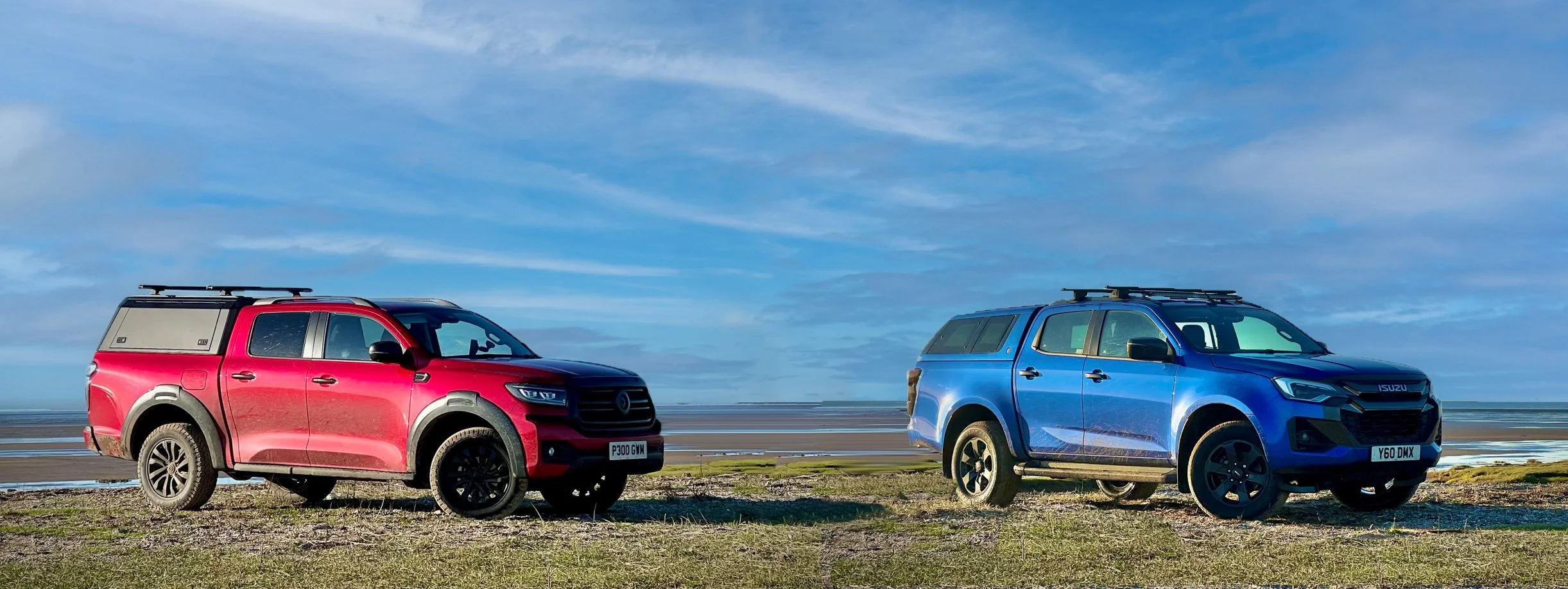
On paper, pitching the long-established Isuzu D-Max against the all-new GWM POER300 might seem a bit odd. One’s a proven workhorse with decades of hard graft behind it; the other’s a fresh-faced challenger trying to make a name for itself in the UK.
But dig a little deeper and the comparison actually makes perfect sense — because both trucks arrive here via the same people.
International Motors (IM Group) is the UK importer for both Isuzu and GWM, giving it a unique position in the pickup market. It’s a company with serious pedigree too, having been involved in the UK motor industry since 1976, launching Subaru UK, bringing Hyundai to Britain in 1981, Isuzu in 1987, and more recently adding GWM to its stable.
With that shared importer, similar target buyers, and overlapping price points, lining up the D-Max and POER300 side by side isn’t just fair — it’s inevitable.
For years, the Isuzu D-Max has been the go-to truck for farmers, builders and anyone who needs something that’ll tow a small house, carry a stack of fence posts and still have room in the back for a muddy Labrador or two. It’s dependable, unpretentious and as Northern as a brew in a chipped mug.
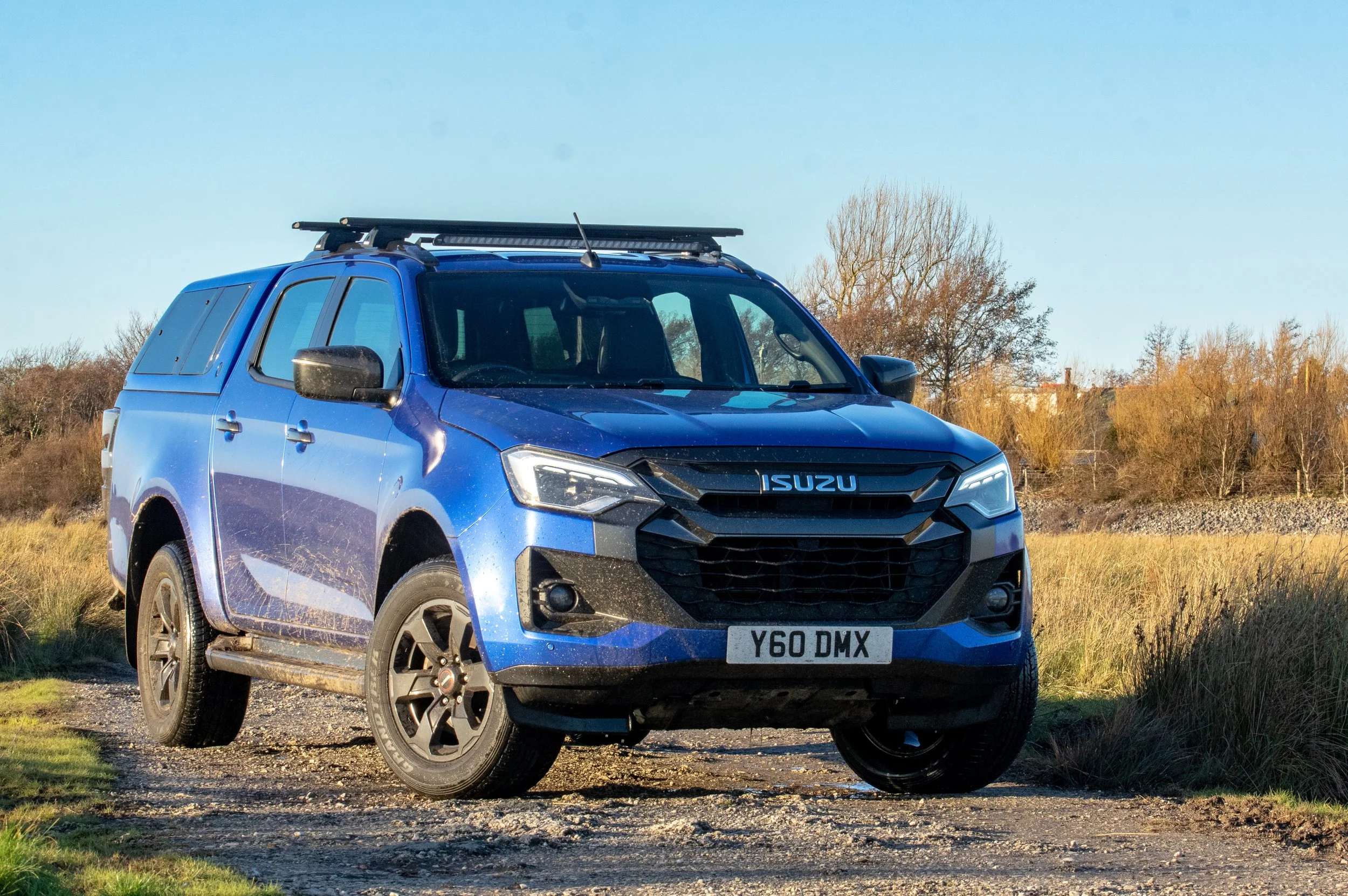
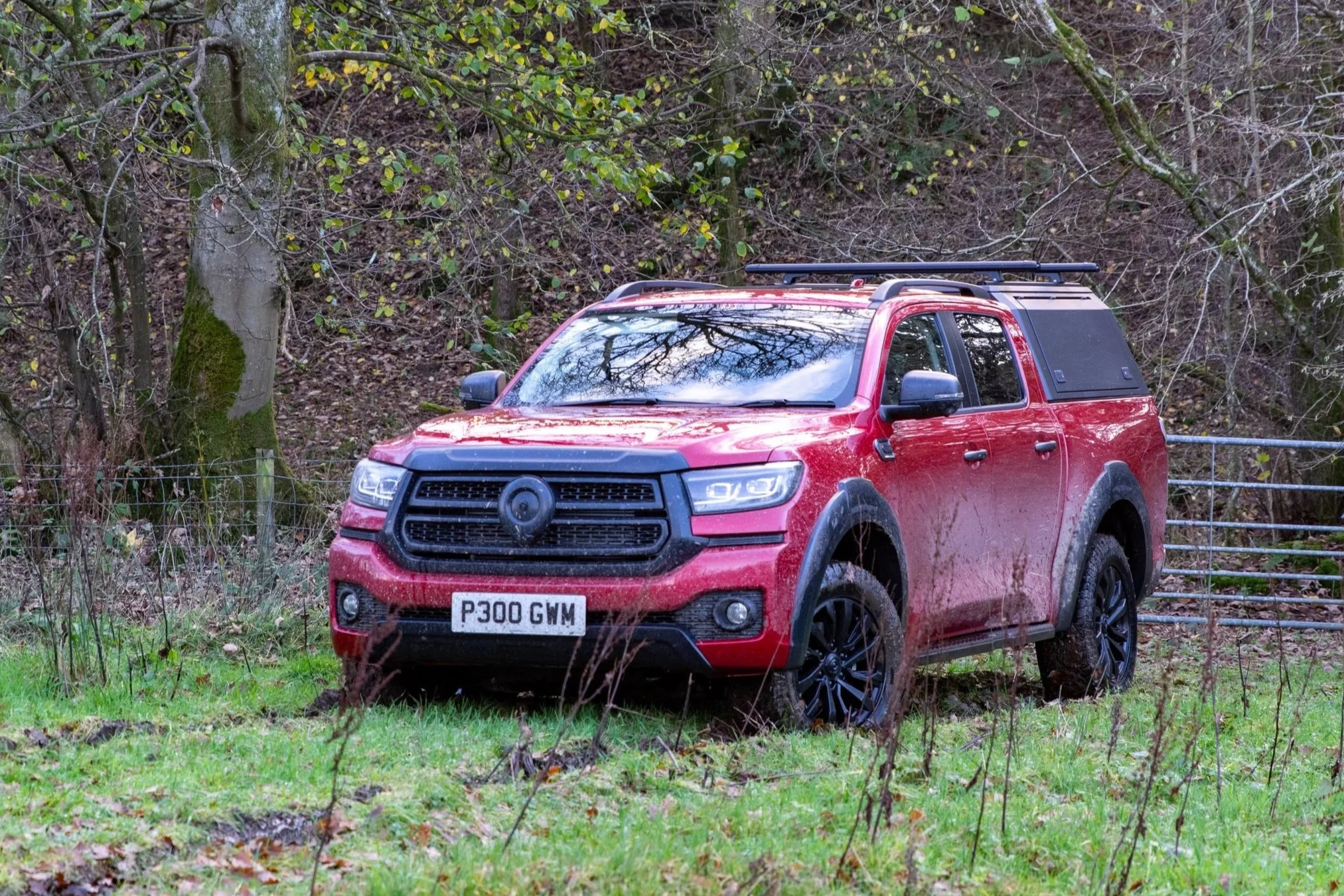
But now there’s a new lad in town – the GWM POER300 – swaggering in with shiny tech, modern styling and a spec sheet that makes even hardened D-Max loyalists raise an eyebrow. So, we’ve lined them up, pointed them at a muddy lane, and asked: can the new kid from China really take on one of the pickup world’s toughest old-timers?
Engines: Torque vs Tradition
Let’s start with what’s under the bonnet – because that’s where these two really part ways.
The GWM POER300 packs a 2.4-litre turbo-diesel with a healthy 183PS (around 180bhp) and 480Nm of torque, sent through a slick nine-speed automatic and a full-time 4WD system with low range. Those numbers are bang on the money for a modern pickup and comfortably ahead of what the D-Max offers here in Blighty.
Speaking of which, the UK-spec D-Max soldiers on with its trusty 1.9-litre turbodiesel, making 164PS and 360Nm. It’s a smaller, more conservative engine that focuses on reliability and efficiency over fireworks. It’s available with either a six-speed manual or automatic, depending on trim, and a selectable 4WD system that’s about as tough as they come.
But here’s the interesting bit – in other markets, the D-Max gets a bit more poke. Australia, Thailand and South Africa all get a 3.0-litre turbodiesel option with 190PS and 450Nm, which gives the truck noticeably more grunt for towing and long-distance cruising. Sadly, UK buyers miss out on that, which is a shame because it would put the Isuzu on far more equal footing with the POER300 in terms of power and torque.
So, on British roads, the GWM simply feels stronger. It accelerates more easily, cruises more quietly, and has that extra torque for lugging heavy loads or overtaking tractors. The D-Max still gets the job done – it just takes its time doing it.
Off-Road Capability: Both Up for It
If there’s one thing both trucks have in common, it’s their willingness to get dirty.
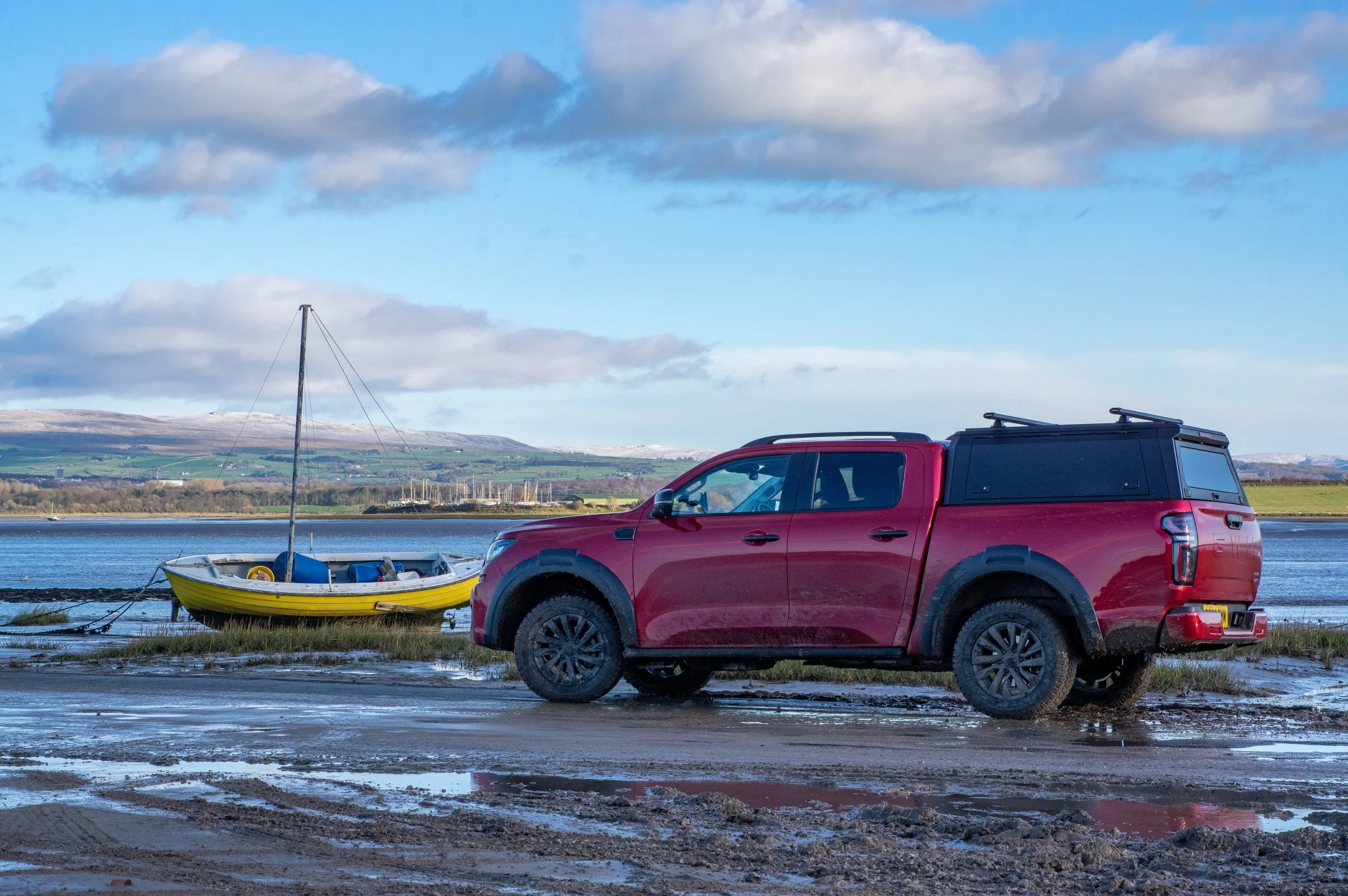
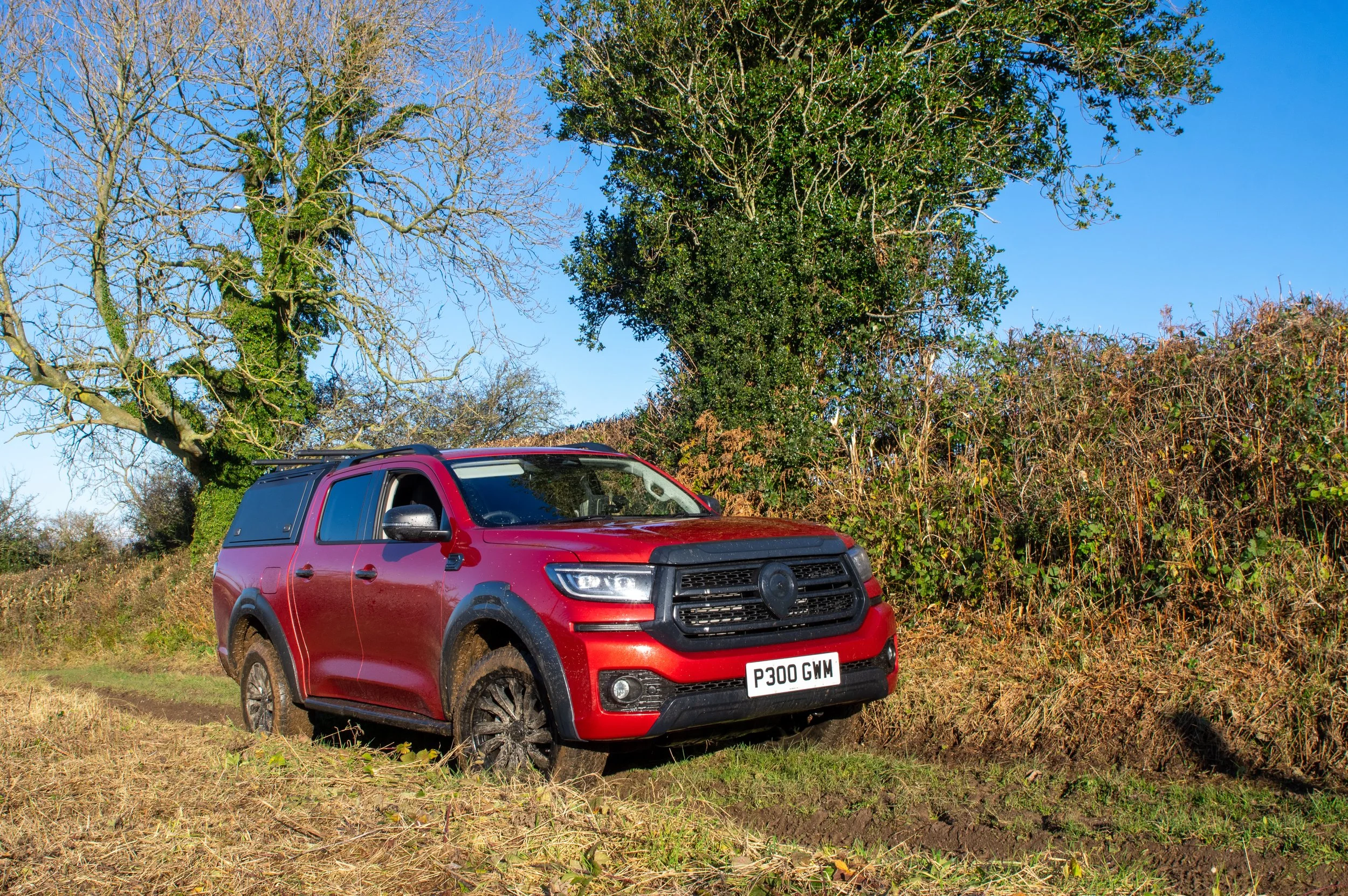
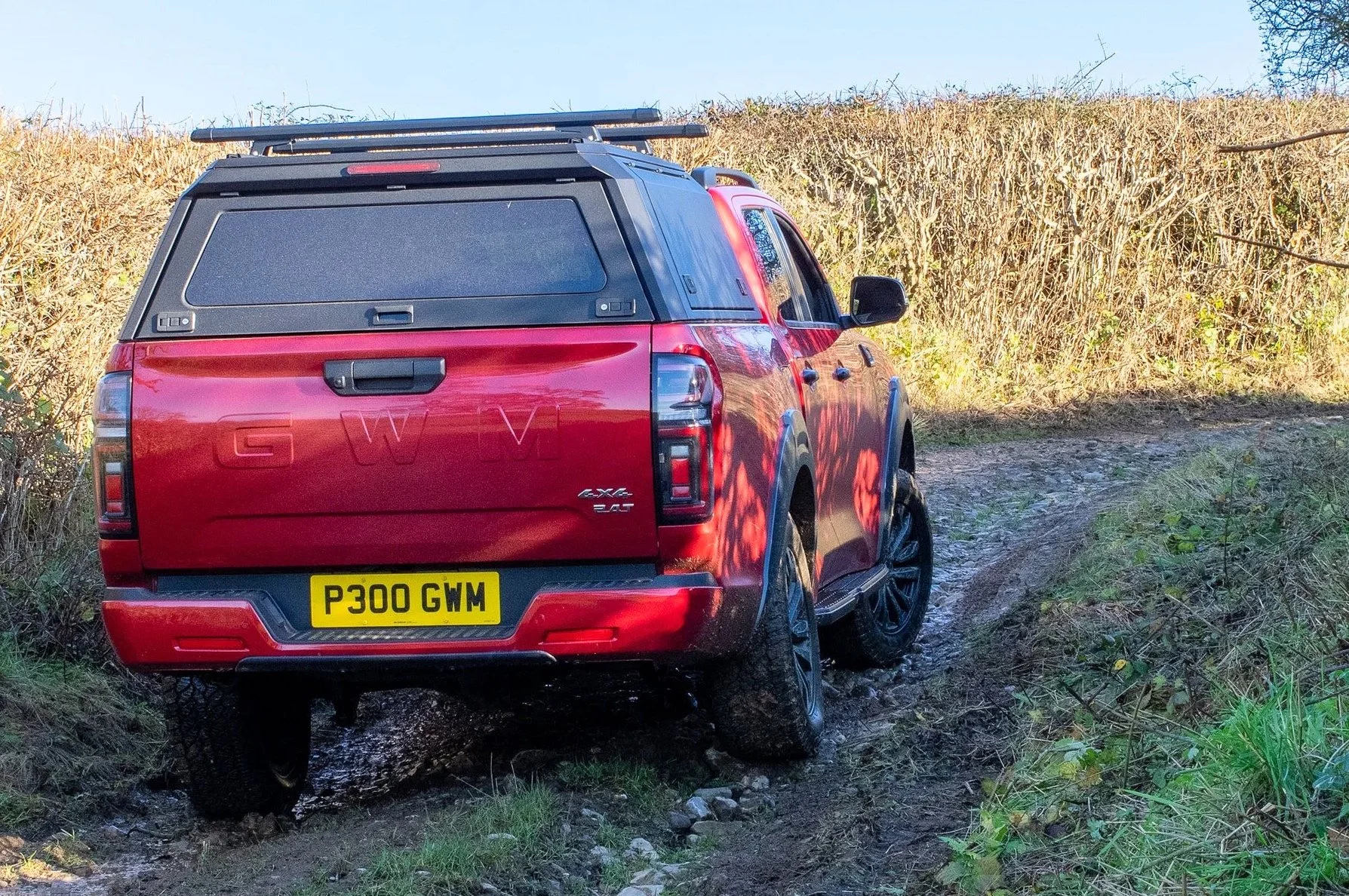
The POER300 comes armed with multiple terrain modes – Normal, Eco, Sport, Snow, Mud and Sand – plus an electronically controlled rear diff lock. Ground clearance sits at a respectable 230mm, and approach and departure angles are 27° and 25° respectively. That’s more than enough for green lanes, forestry tracks, or pulling the caravan out of a soggy festival field.
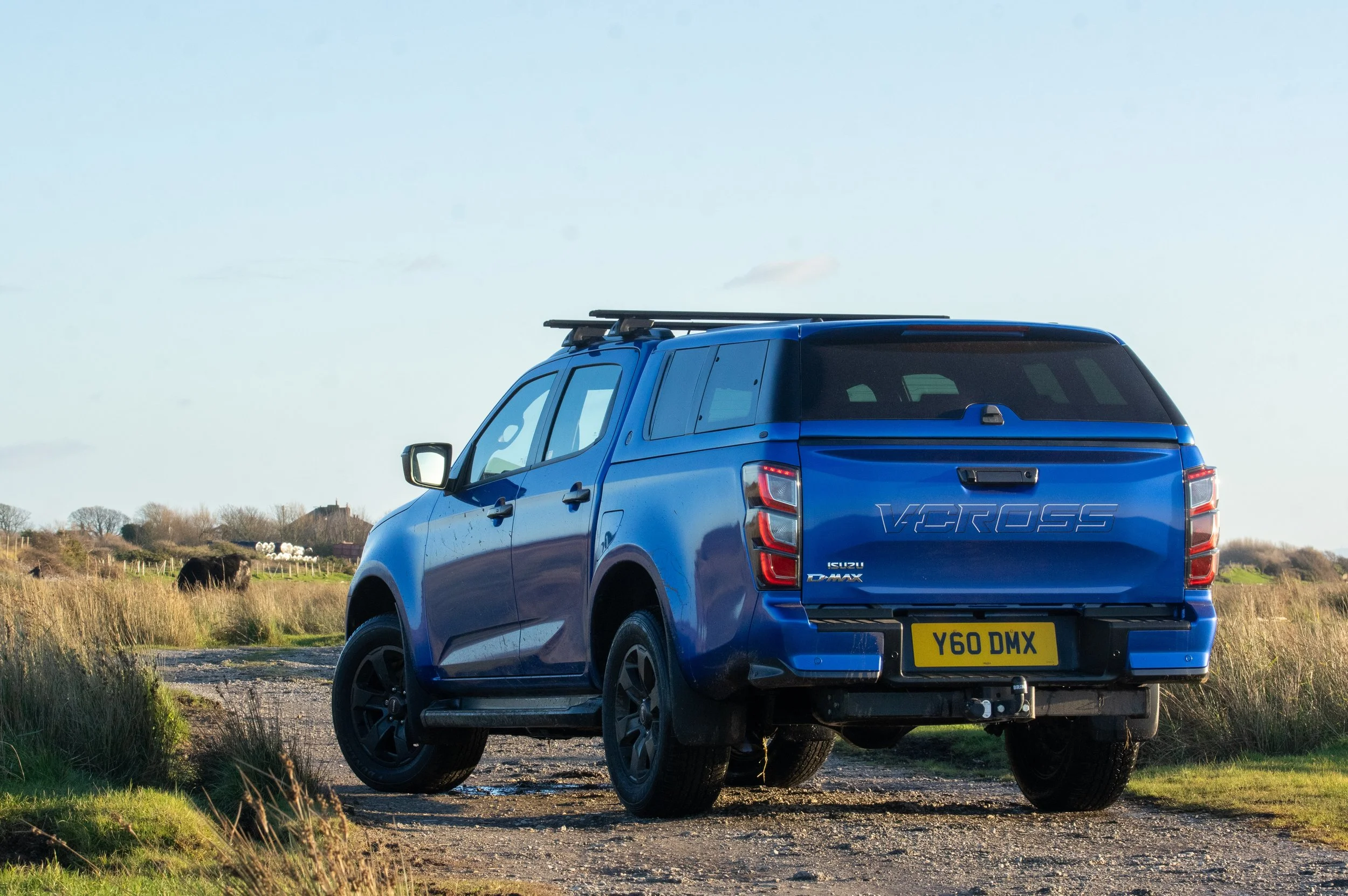
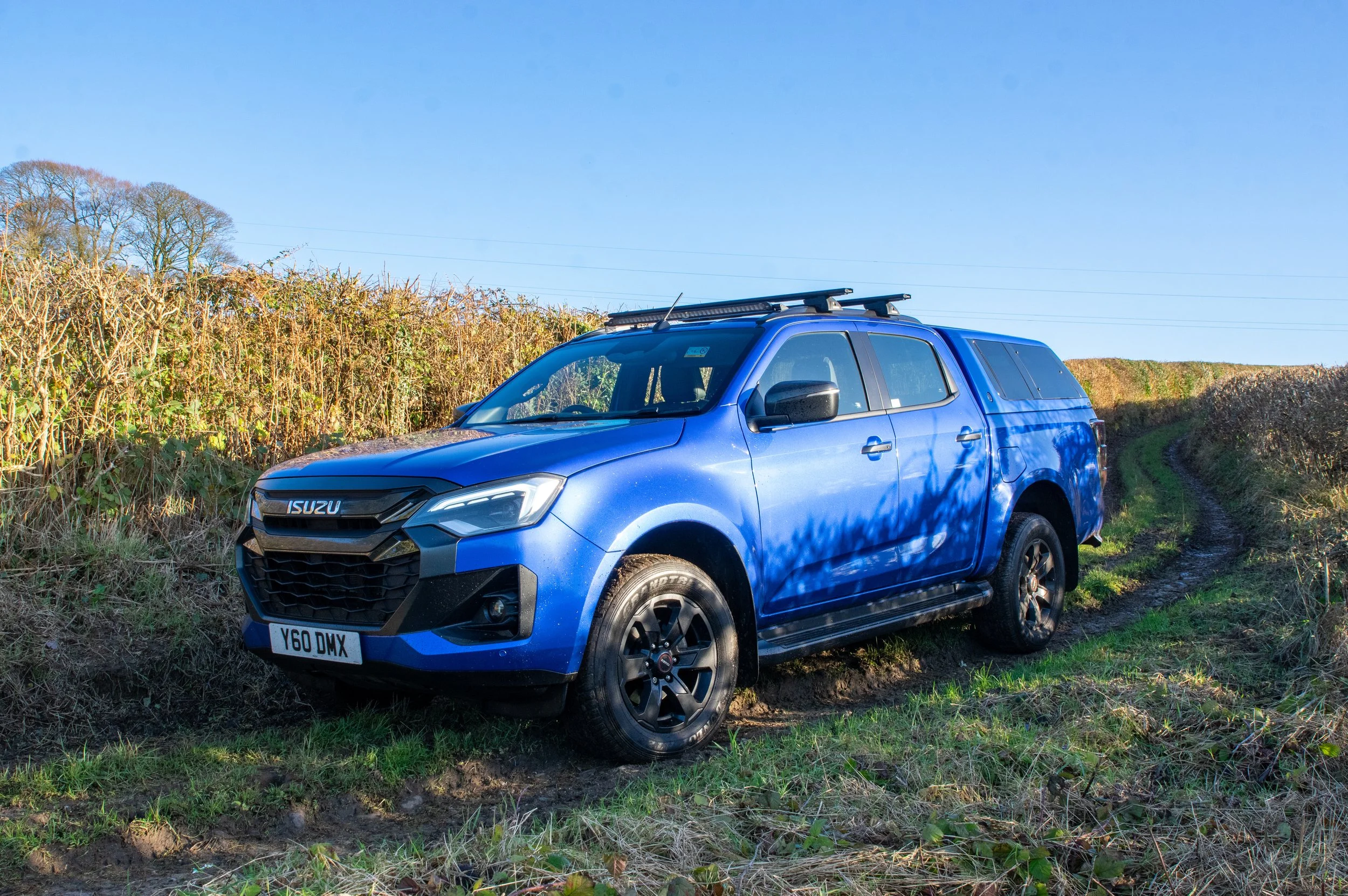
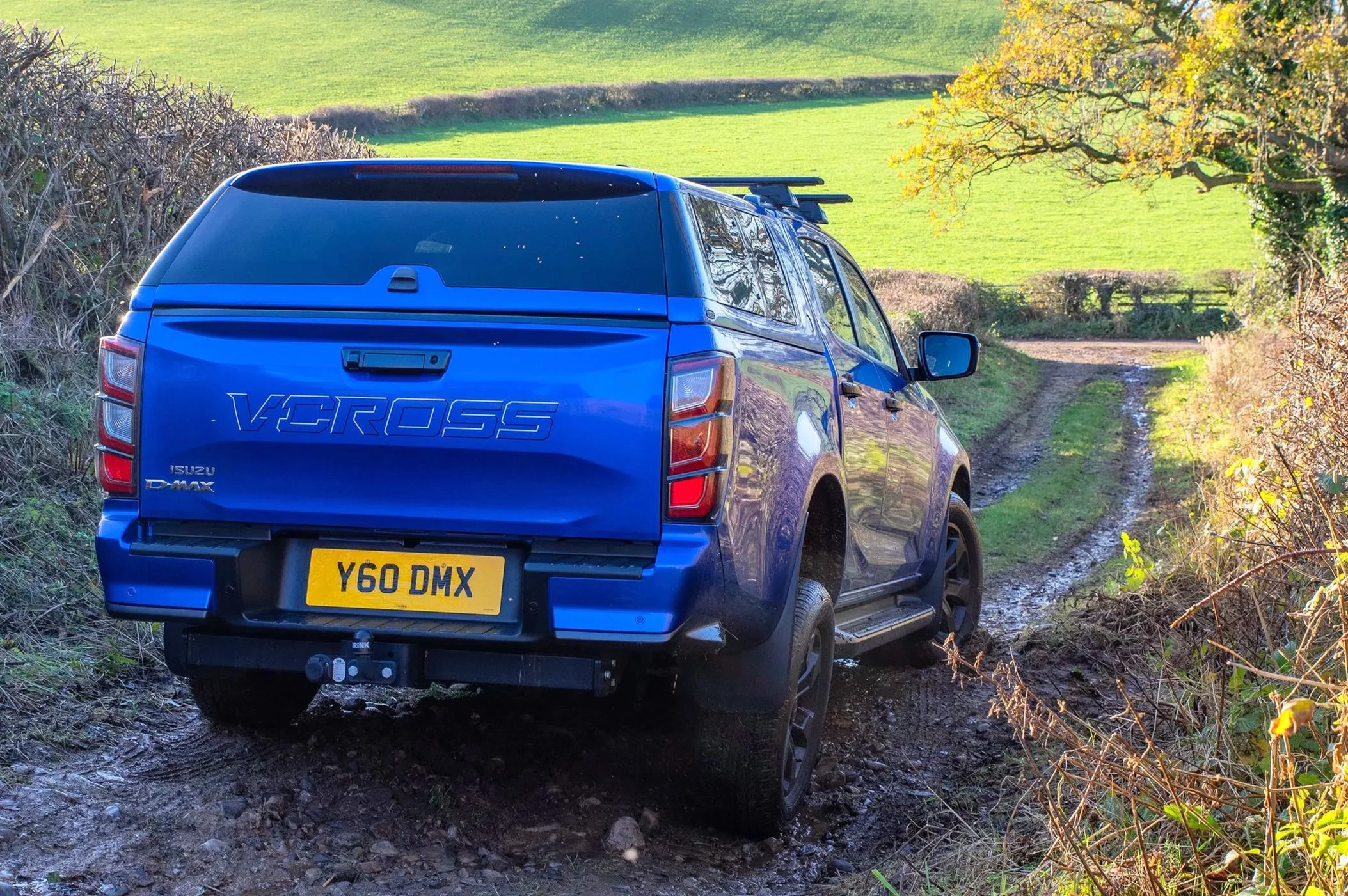
The D-Max, meanwhile, has built its reputation on being almost unkillable off-road. Whether it’s crossing the Outback, hauling boats up beaches or living on a farm in Yorkshire, it just gets on with it. The selectable 4WD system and low-range box are proven tech, and its off-road traction control is properly clever – keeping you moving where lesser trucks would just spin and sulk.
On the rough stuff, both are capable, but they feel different. The D-Max is the rough-and-ready one – solid, mechanical, with a bit of old-school charm. The POER300 feels more refined, with smoother power delivery and suspension that’s been tuned with tarmac manners in mind.
If you’re after a truck that’ll tackle muddy ruts in comfort, the POER’s your lad. If you want something that’ll shrug off years of abuse without a single squeak or rattle, the D-Max still takes some beating.
On-Road Ride & Refinement
Back on the road, the differences become even clearer.
The POER300 feels positively civilised. The nine-speed auto shifts smoothly, the engine is quiet at motorway speeds, and there’s less of that “bobble-head” bounce you often get from empty pickups. It genuinely feels more SUV-like, and for daily commuting or long road trips, it’s the more relaxing drive.
The D-Max, on the other hand, still feels like it’s built for hard graft first and comfort second. The ride can be firm when unladen – especially on the rear leaf springs – and while the cabin has improved massively in recent years, there’s no hiding that it’s designed with durability in mind.
For the type of person who loves a pickup but secretly misses a comfy car, the GWM has the advantage. For those who prefer a truck that still feels like, well, a truck – the D-Max remains satisfyingly honest.
Payload & Towing: No Winners, No Losers
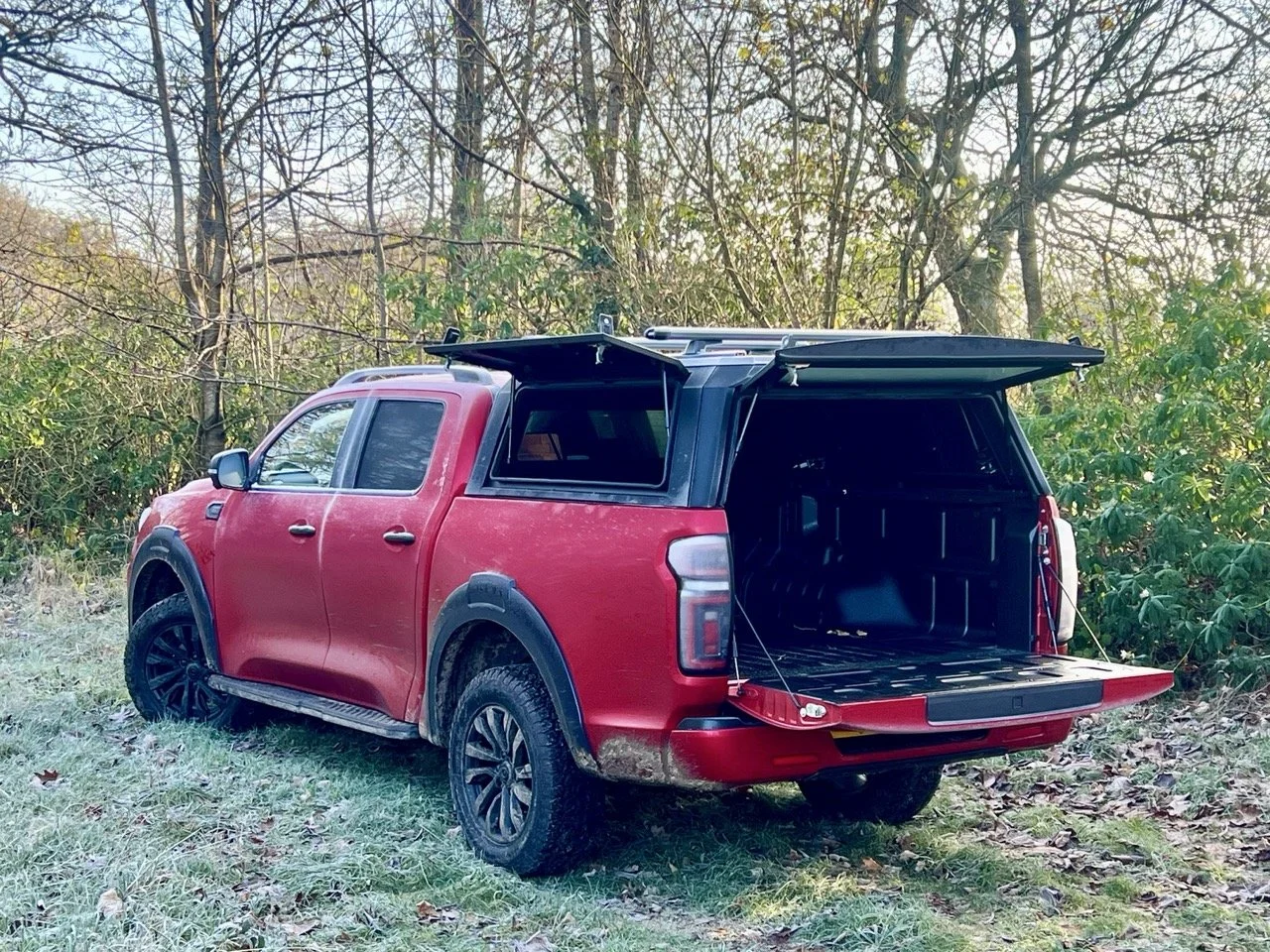
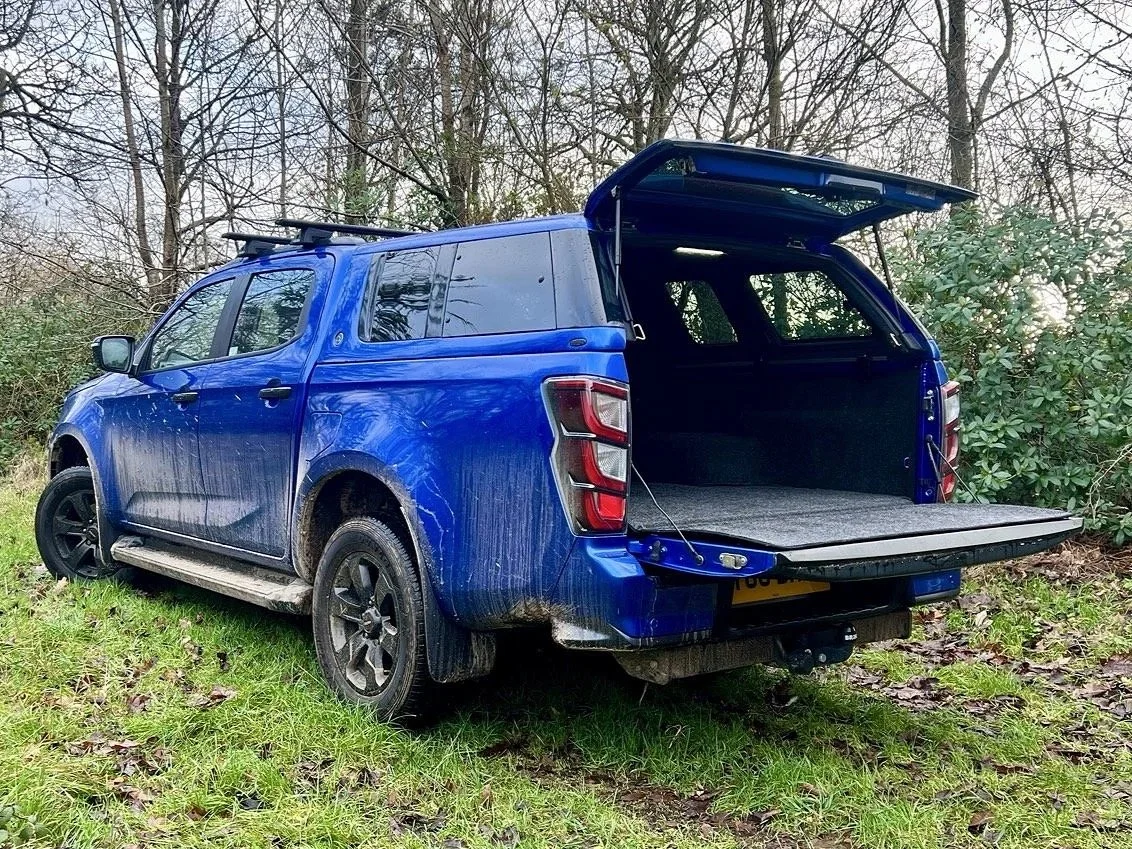
Both of these brutes will tow a 3.5-tonne trailer and carry roughly a tonne in the bed – 1,000kg for the POER and up to 1,110kg for certain D-Max models. The load beds are almost identical in size, both around 1.52 metres long and wide enough for a Euro pallet.
Where the POER edges ahead is usability. There’s an optional tailgate step and assisted tailgate lowering, which makes life easier when you’re hauling gear or camping kit.
Still, the D-Max’s slightly higher payload could make a difference if you’re always maxed out with heavy loads. It’s the workhorse you can flog for years without it complaining.
Fuel Economy & Running Costs
Neither truck will sip fuel like a supermini, but both return around 32 mpg combined, give or take. The POER300 is officially rated at 32.7 mpg, the D-Max 32.5 mpg – so you’ll be filling up about as often in either. CO₂ emissions are broadly similar too, hovering around the 220 g/km mark.
Pricing is where it gets spicy. The POER300 starts at £31,495 (CVOTR), while the D-Max’s basic double cab is £31,855. Not much in it, but the GWM gives you more standard equipment for your money, things like the digital driver’s display, 12.3” infotainment, permanent 4WD and terrain modes come on every trim.
Isuzu’s trump card is resale value. A few years down the line, you can bet the D-Max will still fetch decent money because people know and trust it. The GWM is still an unknown quantity in the UK, so used prices may take a while to settle.
Interior & Tech: Old School vs New School
Here’s where they feel worlds apart.
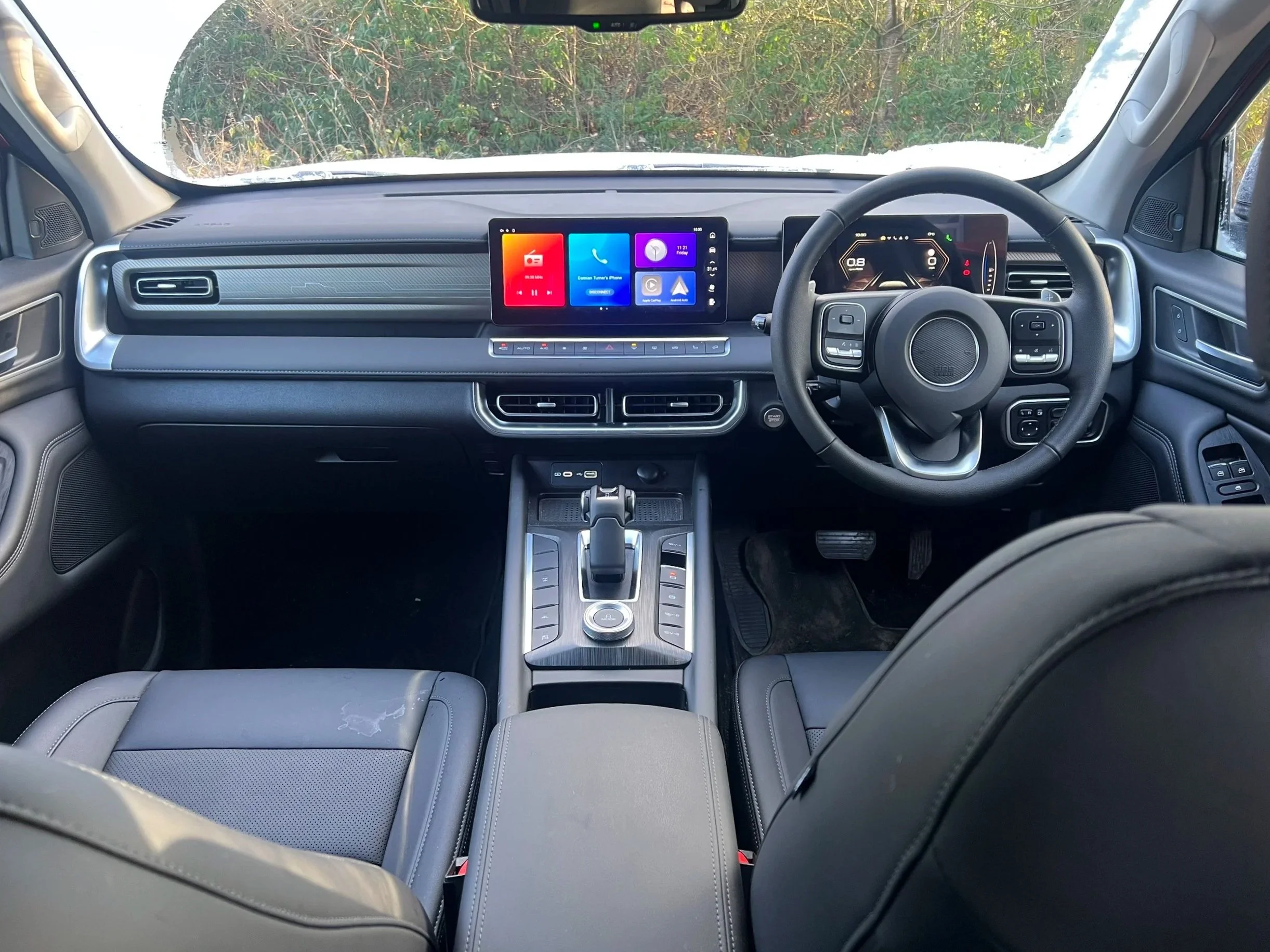
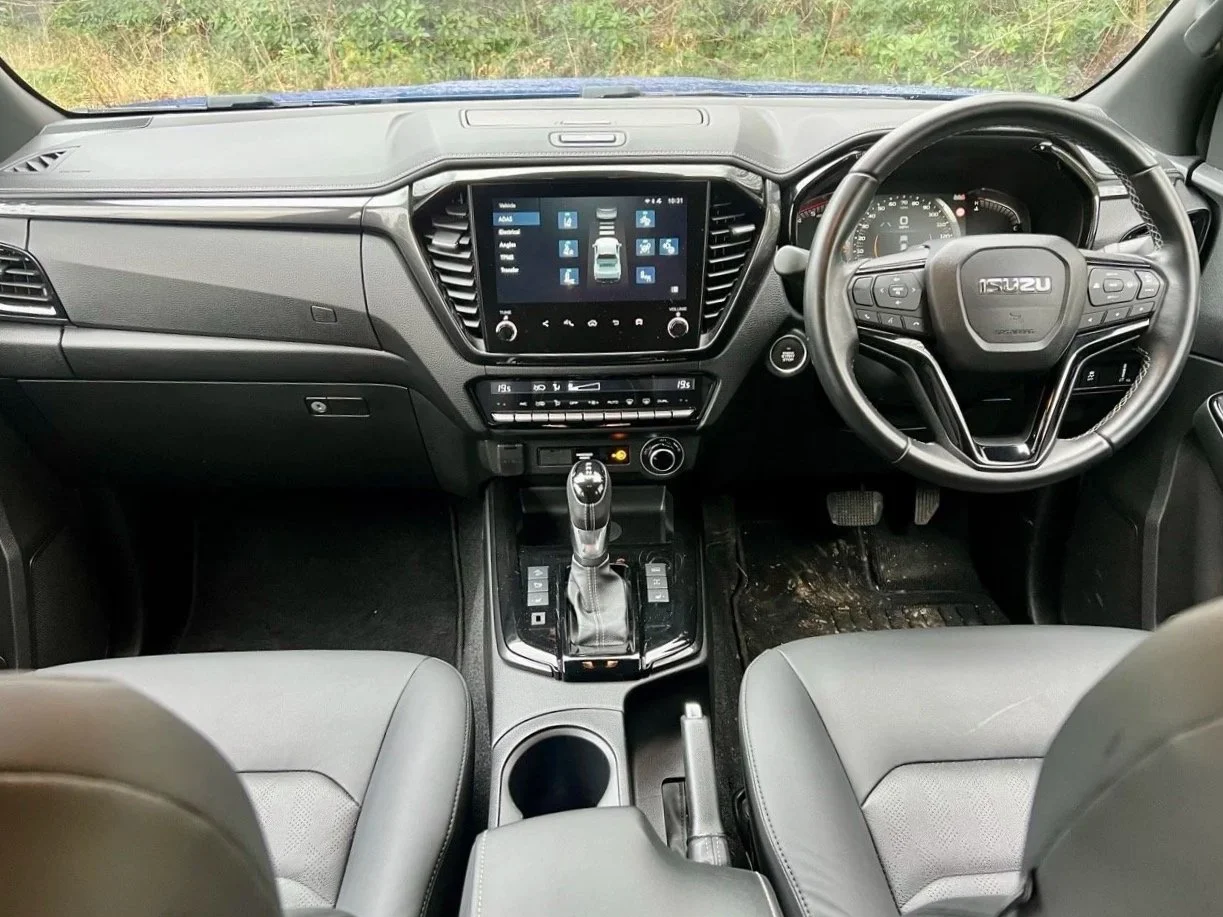
The POER300’s interior looks like it’s been pinched from a posh SUV. The big central screen is crisp and responsive, there’s a digital instrument cluster, and everything feels solidly built. Wireless Apple CarPlay, Android Auto, wireless charging, and even heated and ventilated seats are all available. Top-spec “Ultra” and “Vanta” versions add a sunroof, 360° camera and smart blacked-out trim. It’s properly plush for a pickup.
Jump into the D-Max, and it’s more of a hose-it-out affair. The materials are tougher, the buttons chunkier, and while the latest model has a much-improved infotainment system, it’s not quite as slick or luxurious. Still, for someone hopping in and out all day with muddy boots, it’s spot on.
If you want comfort, toys and refinement, the POER wins hands down. If you want simplicity and durability, stick with the D-Max.
Reliability, Warranty & Reputation
Now, this is where things get interesting – and a little bit global.
The Isuzu D-Max has a reputation that borders on legendary in some parts of the world. In Australia, it’s one of the best-selling pickups full stop – second only to the Toyota Hilux in most years. Farmers, tradies and miners love them because they just don’t quit.
The Aussie-spec D-Max (with that 3.0-litre engine) has proven itself in blistering heat, deep sand, and floods that would have most vehicles crying for mercy.
Across Asia, Africa and South America, it’s a similar story. You’ll find D-Maxes doing everything from taxi duty to rescue work, often long after they should’ve rusted away.
In the UK, it’s the choice of sensible operators who want reliability and warranty support over fancy gadgets. You don’t hear of many D-Max breakdowns – and that reputation translates directly to strong resale values.
The GWM POER300, meanwhile, comes from a brand with a slightly different backstory. Great Wall Motors has been building pickups for decades and has carved out a strong following in Australia, New Zealand, and parts of Asia where their Cannon (as it’s known there) has earned respect for its capability and value for money. Early Great Wall vehicles weren’t exactly polished, but in recent years they’ve massively upped their game.
In Australia, the Cannon and its newer siblings have proven tough enough for the Outback, and reviews Down Under have praised their reliability and comfort. That bodes well for the POER300’s long-term prospects here. Add in a five-year / 125,000-mile warranty, and GWM clearly means business in winning UK trust.
Looks & Street Cred
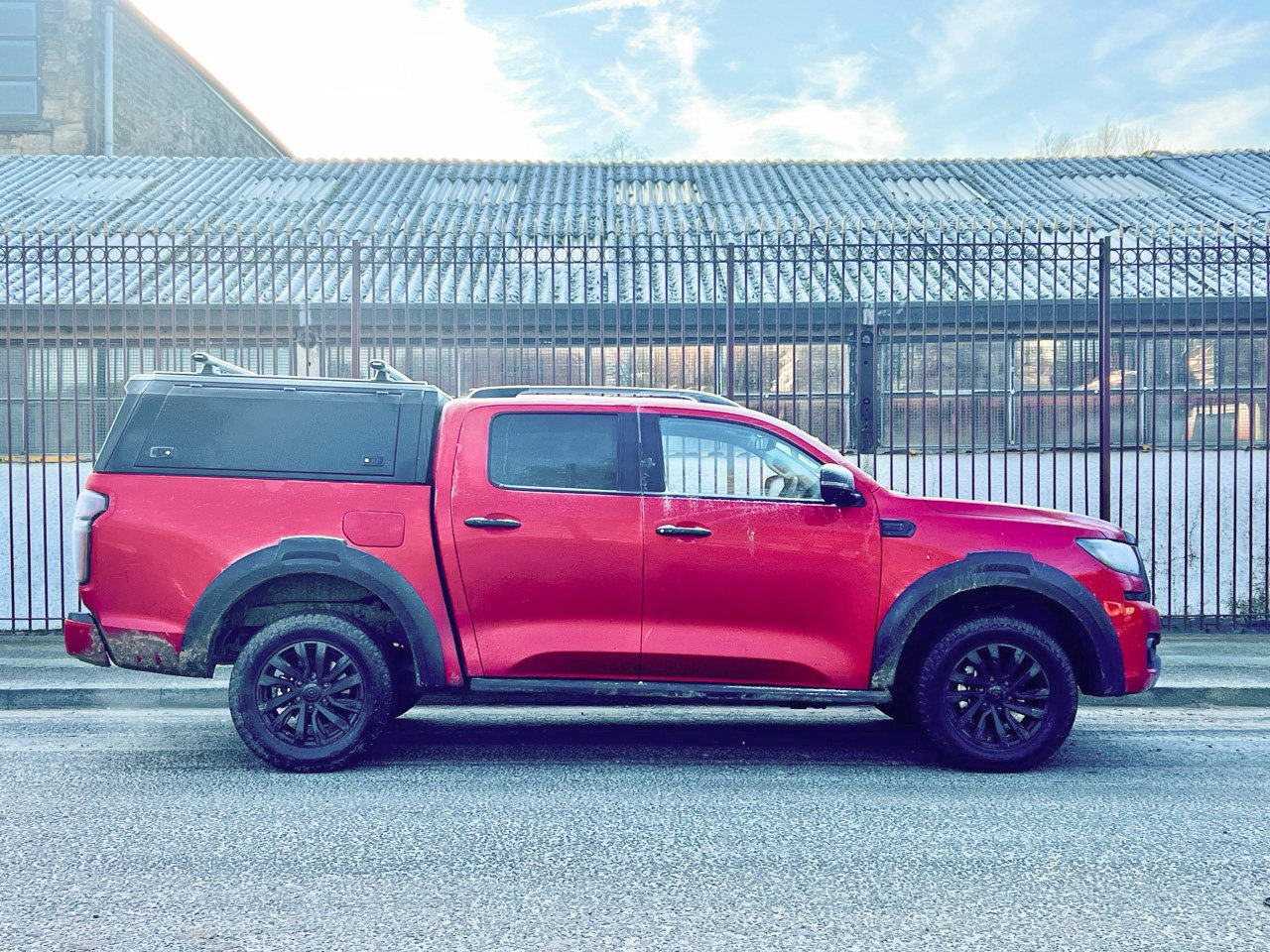
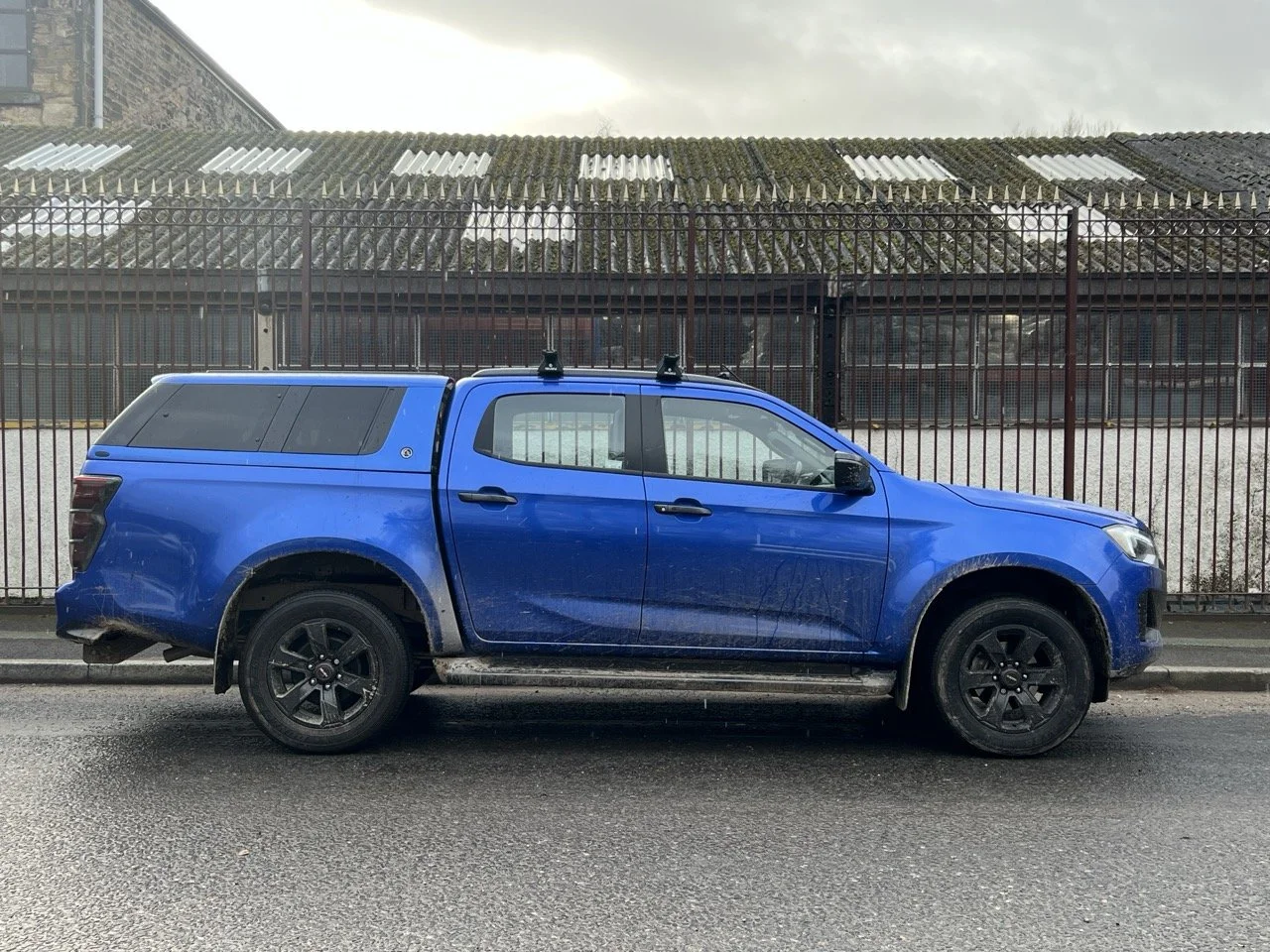
The POER300 is all about bold styling – big grille, LED headlights, and flared arches that give it presence. It looks expensive and has that lifestyle appeal that’ll turn heads outside a coffee shop or campsite.
The D-Max, by contrast, looks like a truck that’s ready to graft. It’s more squared-off, more industrial, and somehow that makes it more honest. You don’t need to wash it before parking outside Screwfix.
If you want flash, go GWM. If you want credibility on a building site, go Isuzu.
Verdict: New Blood vs Proven Grit
This isn’t a straightforward win for either.
The Isuzu D-Max is a known quantity. It’s tough, dependable, and built for serious work. It might be down on power, but it’s the sort of truck you can hammer for years without a single complaint. It’s backed by a trusted dealer network and a reputation that stretches around the world.
The GWM POER300, meanwhile, is the upstart – newer, shinier, and more sophisticated. It’s got the power, the refinement, and the features to tempt both private buyers and small business owners who want something that can tow, work, and still feel special.
So:
For work first, lifestyle second – stick with the D-Max.
For lifestyle first, work second – the POER300 is hard to ignore.
Either way, both are proper pickups that can haul, climb, and survive the British weather without fuss. One’s the dependable old-timer with proven muscle; the other’s the keen new lad, showing up to the jobsite with better tools and a flashier jacket.
Time will tell which one the UK warms to more, but one thing’s certain, the pickup market’s just got a whole lot more interesting.