
Car Insurance Gotchas – Things That’ll Leave You High, Dry, and Uninsured
The other day I went on t’internet to ask if driving Deux Smurf to a job interview would invalidate my insurance as I wasn’t driving to my usual place of work. To my surprise the answer was ‘probably not.’ So that got me thinking about other potential gotchas, and I did what any other responsible motoring writer, with no time to even make a brew would do, I asked AI to create me a list.
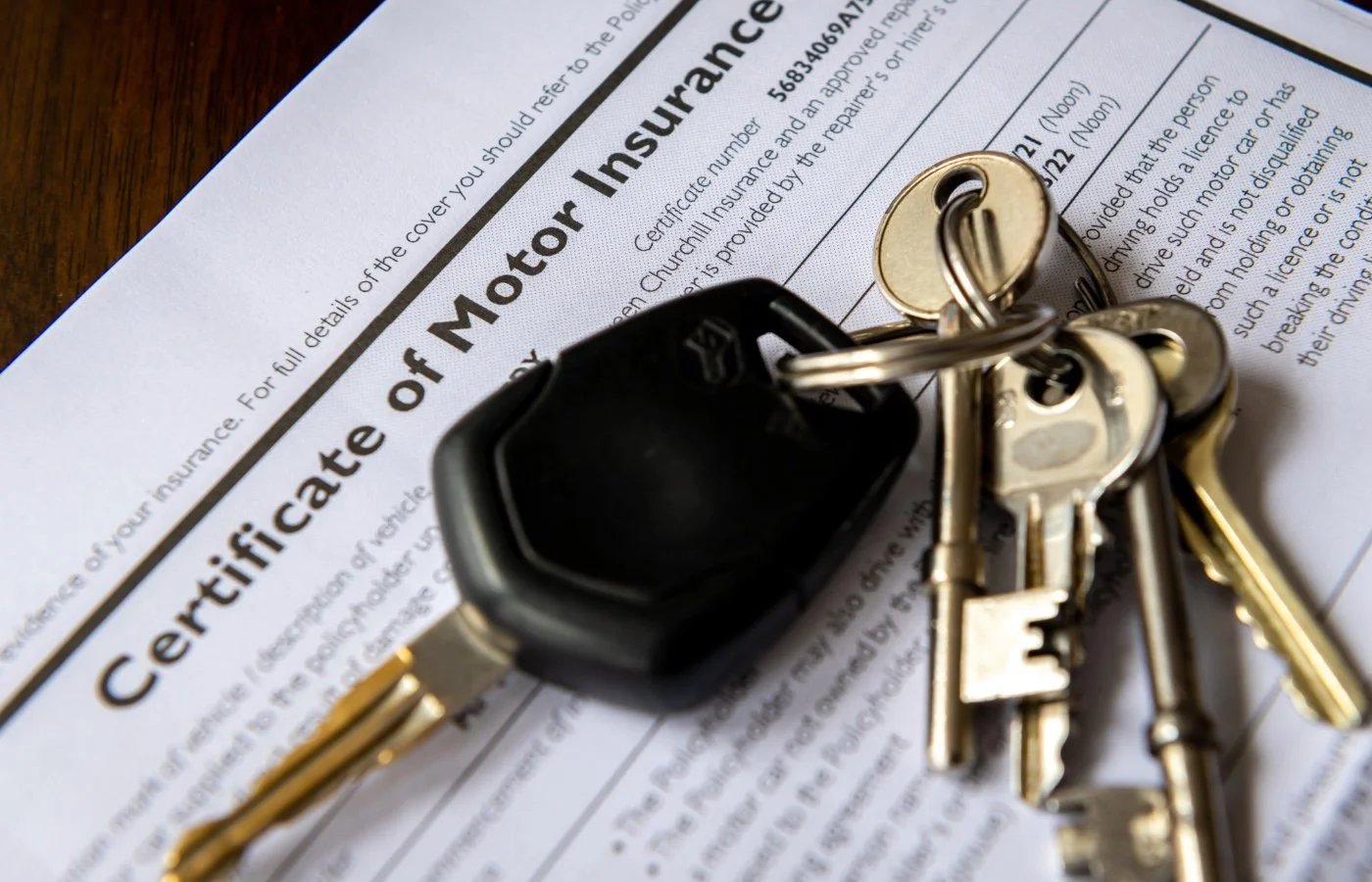
Car insurance: it’s one of those things we all have, grumble about paying, and hope never to use. But if you’ve ever actually read your policy (and let’s be honest, few of us have), you’ll know that insurers have a knack for hiding little surprises in the fine print.
And by “surprises”, I mean loopholes big enough to drive a Lamborghini LM002 through.
We’re talking about the everyday situations that could leave you completely uninsured without even realising it - things like towing a trailer, or sleeping in your own car. So grab a brew, and let’s take a slightly alarming wander through some of the most common car insurance gotchas.
“Commuting” Isn’t What You Think It Is
You ticked “social, domestic and pleasure” when you bought your policy, right? That’ll cover you for the school run, tip trips, and Sunday jaunts to B&Q. But if you drive to work -or even just to a job interview - you’re technically not covered unless your policy includes “commuting” or “business use.”
Yes, that’s right. If you crash on the way to an interview, your insurer could shrug and say, “Sorry, not our problem.”
The logic? You weren’t driving for pleasure, you were driving for work purposes. So, your “social and domestic” policy doesn’t apply. It’s a tiny technicality, but an expensive one if you end up in a bump.
Heading to a Car Boot Sale or Camp Site - Still Not ‘Pleasure’

Let’s say you’re off to a car boot sale to flog your old camping gear, and that old gimp mask that you still claim to have found in the attic. Innocent enough, right? Well, to some insurers, that’s “business use” - not “social.”
Even popping over to help a mate with a paid gig could count. If you crash, you might find your policy invalid because you were technically working.
Madness? Absolutely. But it’s how some insurers draw the line between “fun” and “profit.” Apparently, if there’s even a whiff of income involved, it’s business.
Towing Trouble
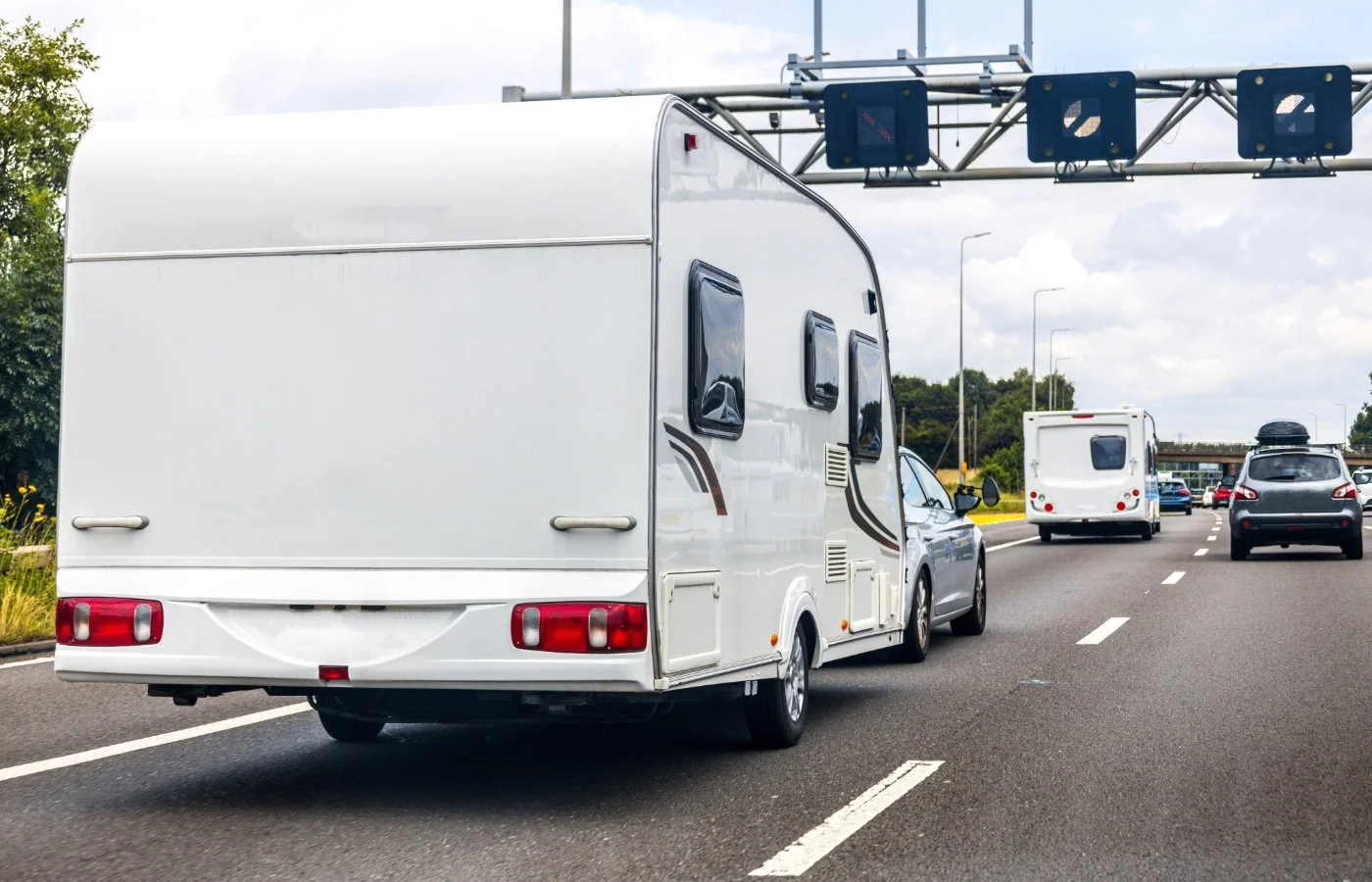
You’d think that a 4x4 with a towbar and a “comprehensive” policy would automatically cover whatever you hitch to it. Wrong again.
Some insurers only cover the car itself - the trailer, caravan, or off-road pod is your responsibility. Others only offer third-party cover while towing, meaning if your trailer gets damaged, that’s on you.
Therefore, if you’re reversing into a tight spot and the trailer kisses a stone wall, the insurer will fix the wall - but not your trailer. Apparently, the trailer was just ‘there’, not part of the insured vehicle.
Always worth double-checking if your trailer or caravan needs its own policy.
The Dog Did It
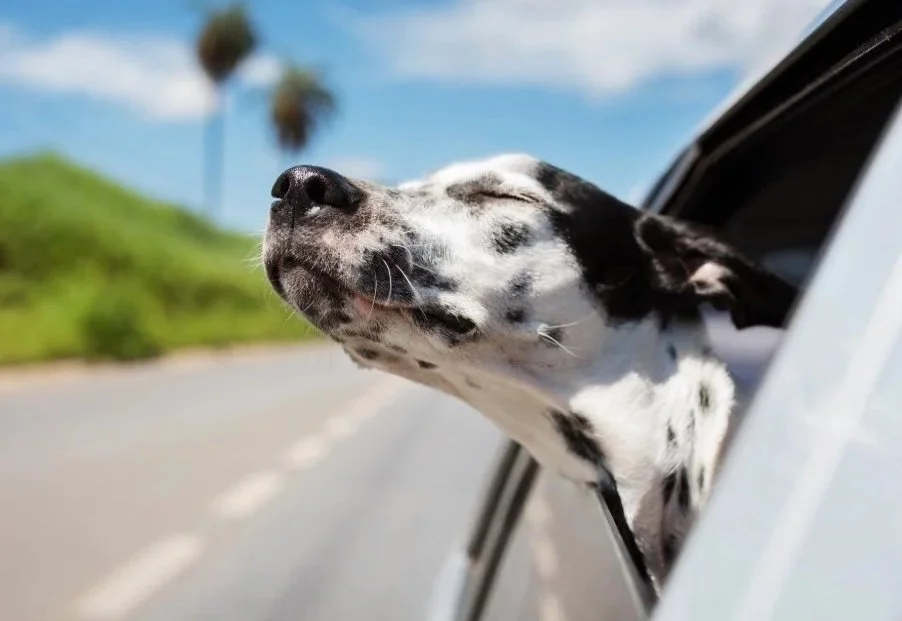
If you travel with your dog in the back (and let’s face it, we all do), you might assume that any damage caused by your furry mate is covered. Sadly, not always.
If your dog isn’t properly restrained and causes an accident - say, by jumping into the front seat mid-roundabout - your insurer might refuse to pay out entirely. Even muddy pawprints or chewed seat belts aren’t necessarily covered under “accidental damage.”
So, next time you buckle yourself in, remember: Fido needs a harness too. And it’s not just good practice - it’s potential claim-saving common sense.
‘Off-Road’ Doesn’t Always Mean Off-Road
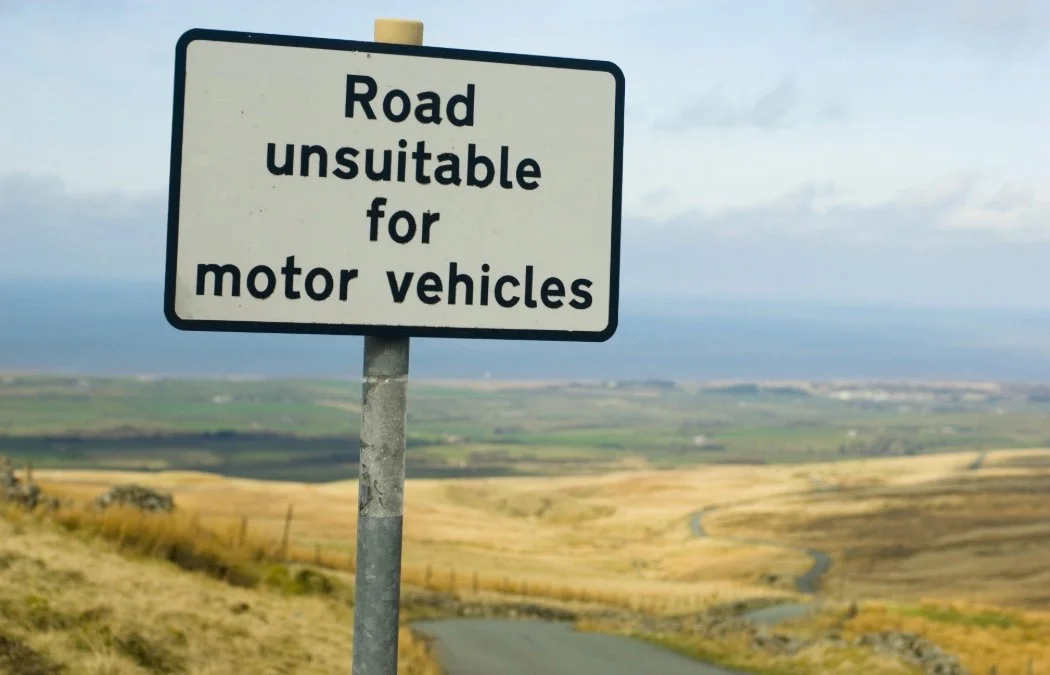
Here’s one that hits close to home for a lot of Mud Life readers. You’ve got your lifted 4x4, chunky tyres, winch, snorkel — the works. You head down a green lane or across a farmer’s track and something goes wrong. Easy claim, right?
Not necessarily. Some policies only cover you on ‘public highways’ or ‘made-up roads.’. A green lane, even if technically legal, might not count.
Pay and play off-road sites? Usually excluded altogether.
If your insurer’s small print doesn’t specifically mention off-road use, you might find you’ve been adventuring uninsured all along. Best to check before your next muddy weekend.
The Great Water Debate
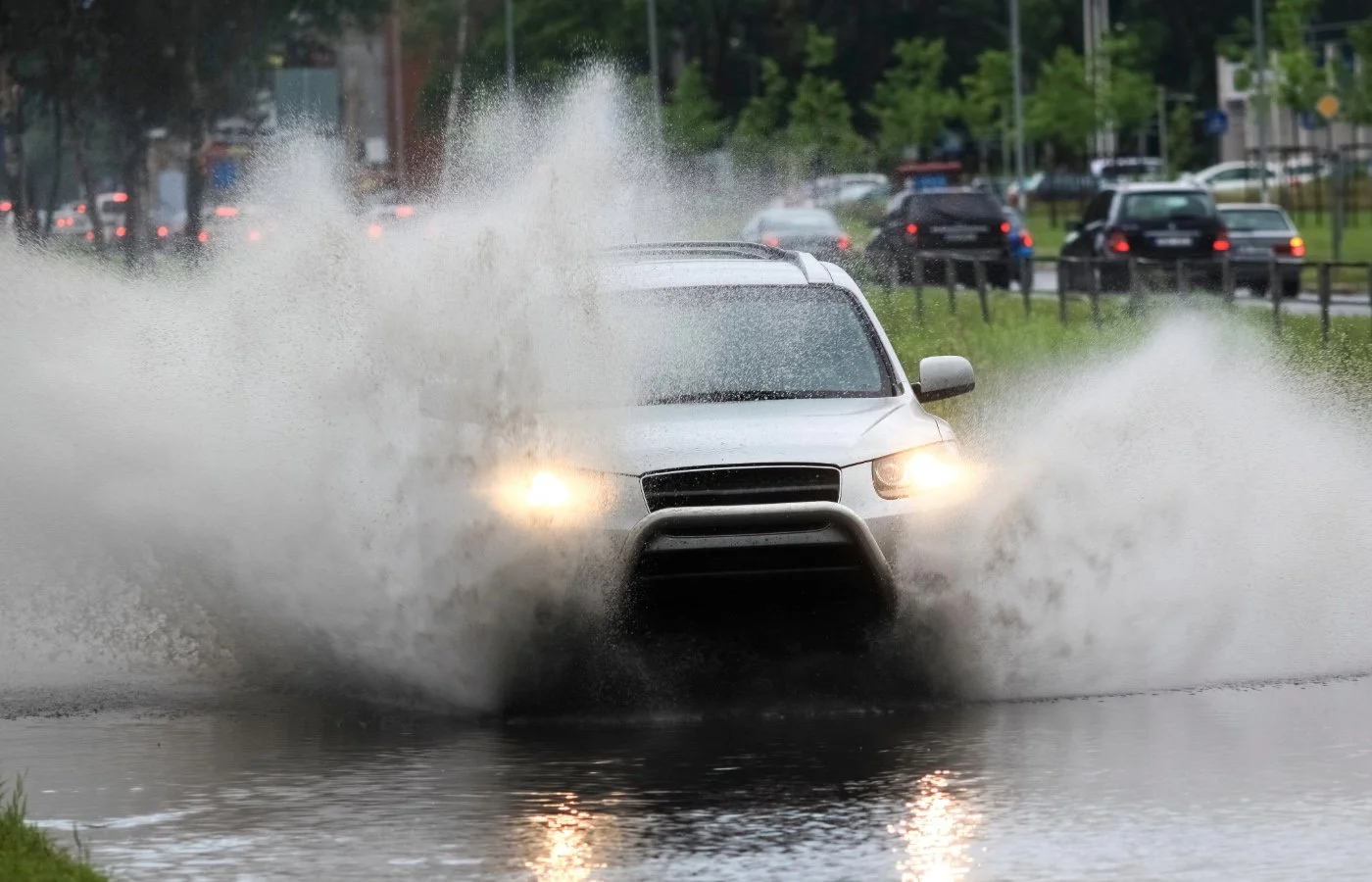
Driving through floods or deep puddles can be tempting, especially when you’ve got a snorkel and a can-do attitude. But if water gets into your engine, many insurers will call that ‘driver negligence.’
In their eyes, you should have known better than to drive through.
You’ll argue your truck’s built for it. They’ll argue it wasn’t meant for that much. The result? No payout and a soggy repair bill.
Modifications: Even the Small Ones Matter
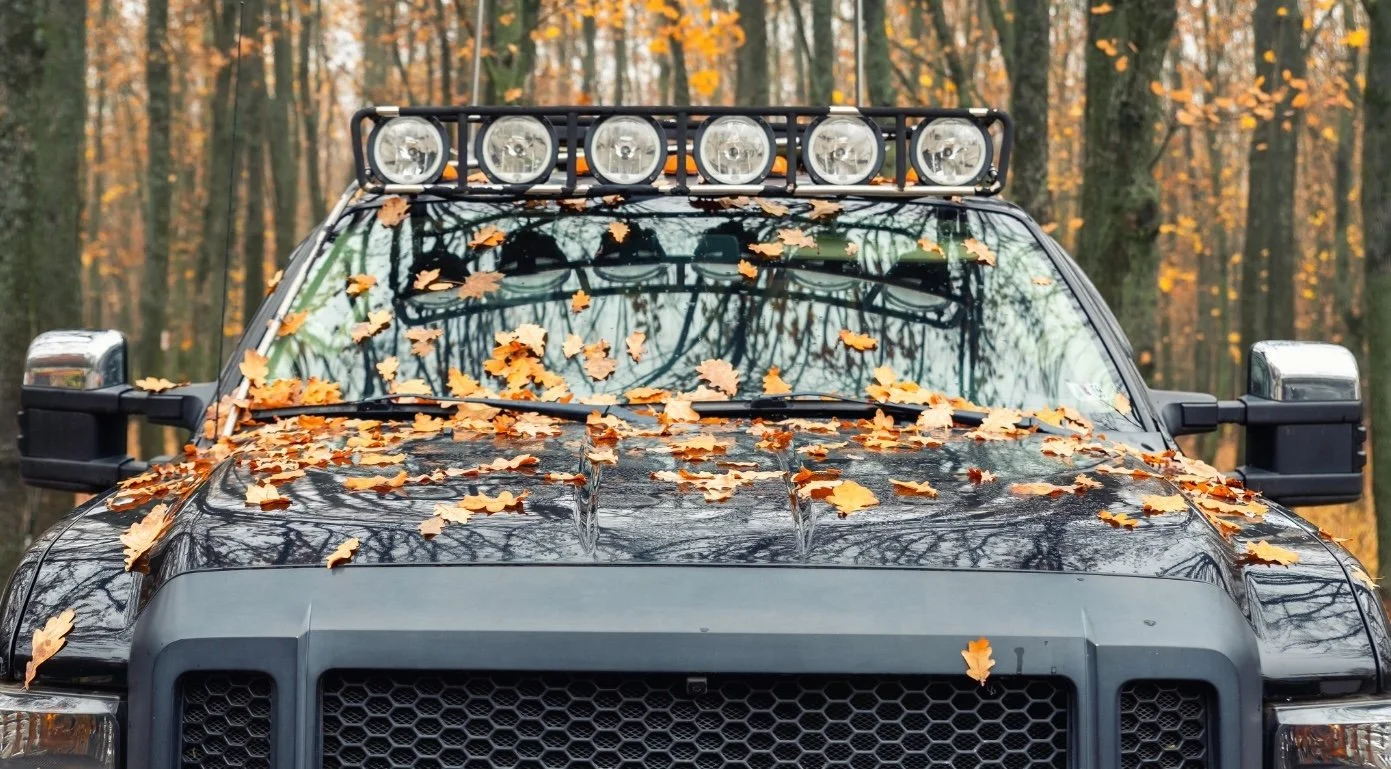
“Modifications” isn’t just about neon lights or massive spoilers - insurers count almost anything that changes the car from factory spec. Roof racks, LED light bars, upgraded suspension, tow hooks, even a dashcam - if it wasn’t there when the car rolled out of the showroom, it’s technically a modification.
If you don’t declare them, insurers can (and sometimes will) refuse to pay out.
So, before you bolt on that shiny new winch, make sure your insurer knows. Otherwise, your “improvement” might be your undoing.
The Sticker Situation - Yes, Really
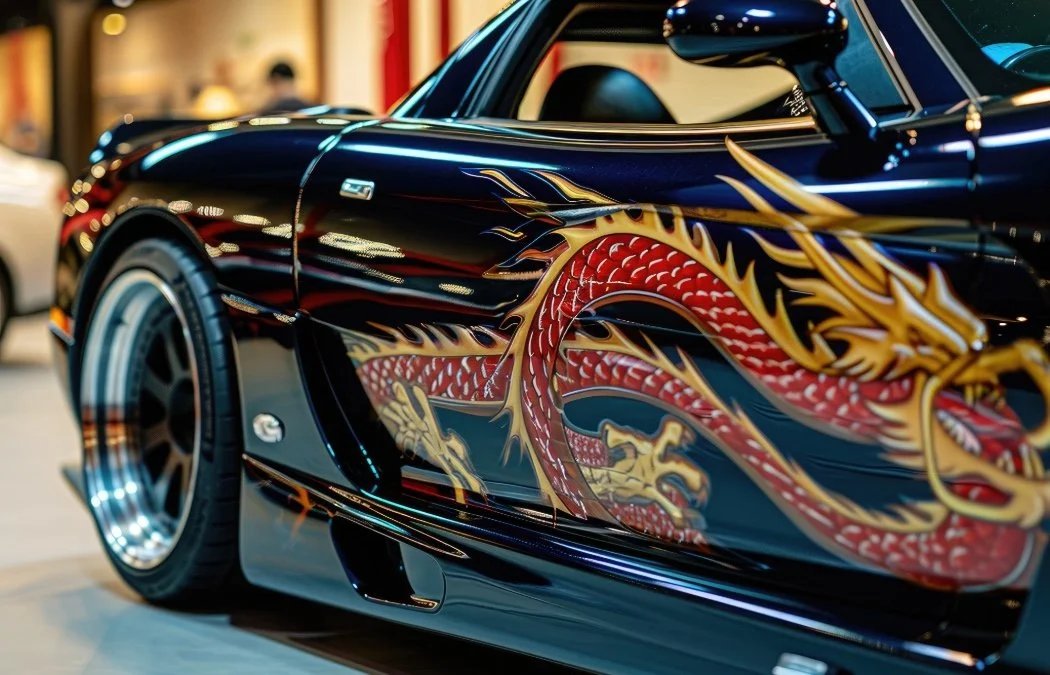
Believe it or not, some insurers class stickers or decals as modifications. That includes everything from go-faster stripes and rally numbers to a cheeky “One Life, Live It” on your rear window.
The logic? Anything that changes your vehicle’s appearance from its factory condition — even something cosmetic — technically alters its “risk profile.”
They argue that a vehicle with large decals or branding might be more noticeable (and therefore more likely to be stolen), or that stickers suggest the driver is an “enthusiast,” which in insurance-speak can sometimes translate to “drives enthusiastically.”
It’s nonsense, obviously - but it has happened. A few drivers have had claims queried because of undeclared vinyl wraps or even small decals.
So while you’re unlikely to get caught out for a single The Mud Life sticker on your tailgate (available here), a full set of sponsor-style decals, camo wrap, or branded graphics might technically count as a modification.
Travelling Abroad? You Might Not Be Fully Covered
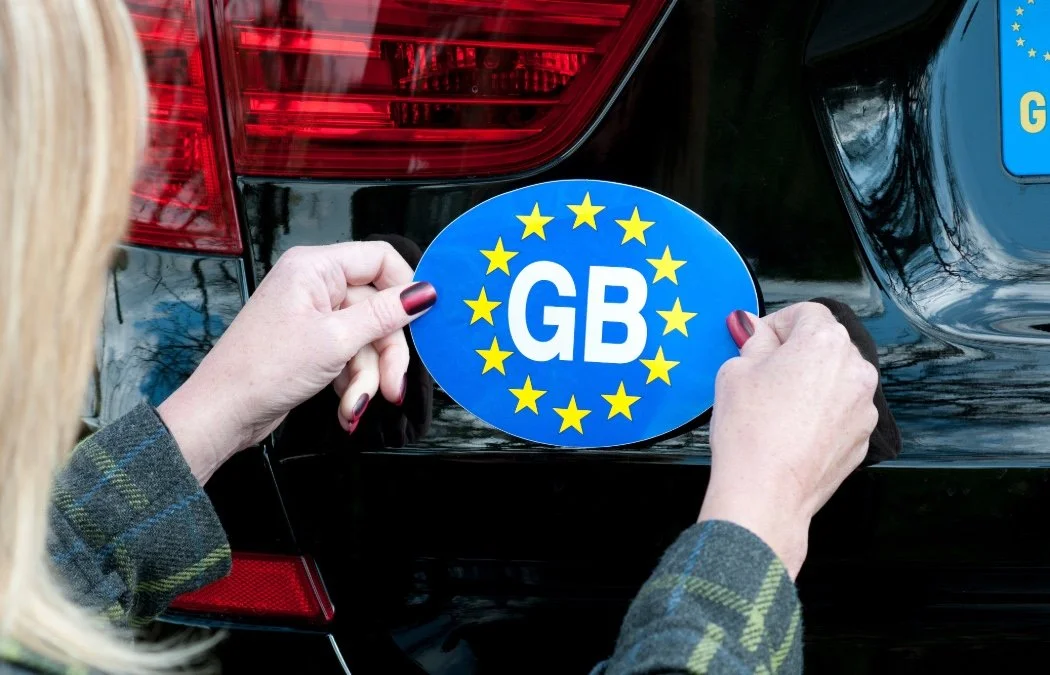
Heading to France or Spain for an off-road adventure? Some policies limit European cover to 30 days, and even then, only offer third-party protection.
That means if you damage your own vehicle, you’re out of luck — even if the accident wasn’t your fault.
It’s worth asking your insurer for a “Green Card” or written confirmation before heading across the Channel. It might save you a fortune in the long run.
Courtesy Cars Aren’t A Given
The comforting thought that you’ll automatically get a courtesy car after a bump is… optimistic.
Some insurers only provide one if the accident wasn’t your fault, or if you use their ‘approved’ repair centre.
Pick your own garage? Tough luck.
And don’t assume you’ll get something similar to your own car either - if you drive a Hilux, expect a Micra, a bright blue one.
Driving Other People’s Cars – That Old Chestnut
That handy “driving other cars” clause used to be a real perk. These days, it’s a minefield.
Most insurers now only allow it for drivers over 25, it’s nearly always third-party only, and it only applies if the car you’re borrowing is already insured in its own right.
So if you borrow your mate’s pickup to grab some logs and clip a gatepost, you’re paying for that damage yourself.
It’s a perk that sounds better than it works.
Windscreens and Windows
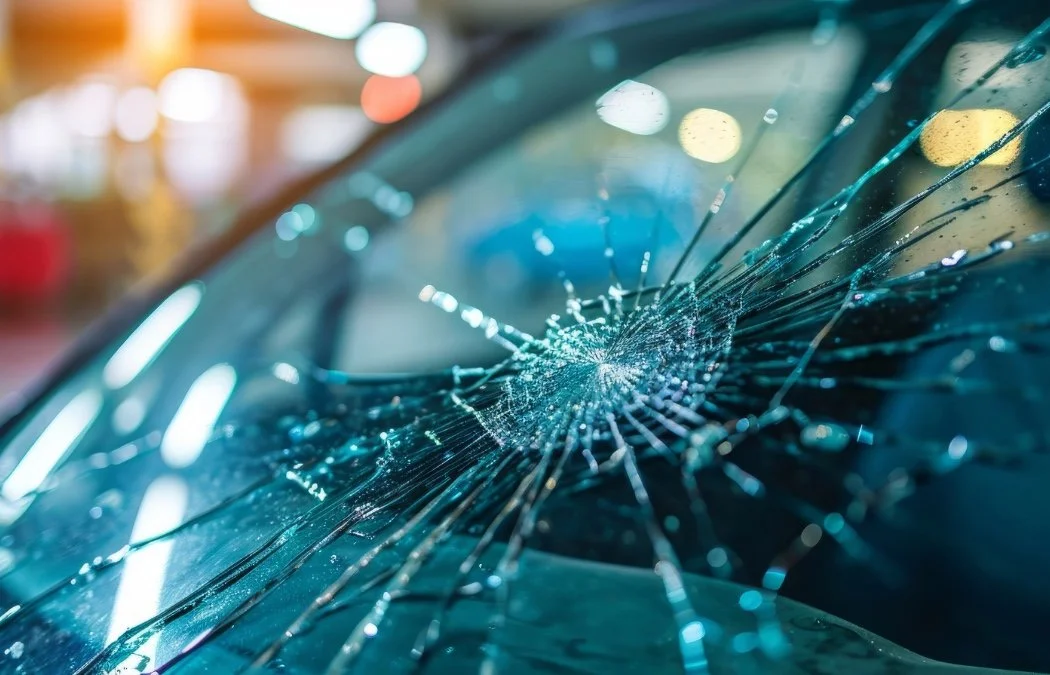
“Comprehensive” used to mean “everything’s covered.” Not anymore. Some policies exclude windscreen repair altogether, or set weirdly strict limits on what counts as a “chip.”
In other words: that crack you thought would cost £10 to fix might actually cost you your excess and a whole new policy. Always worth checking before it gets worse.
Theft from Vehicles – The Overnight Clause
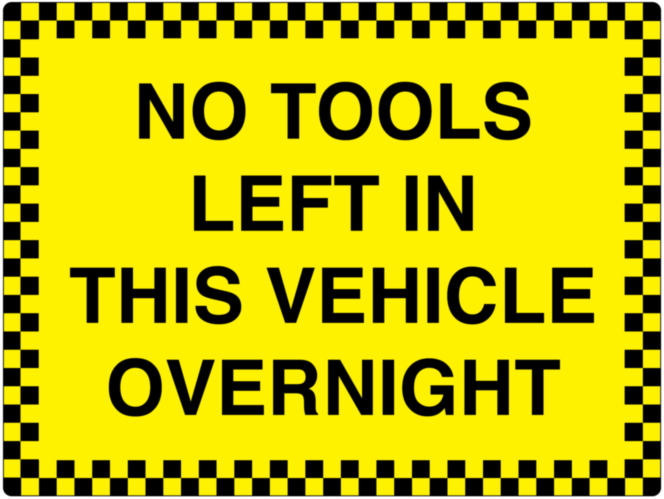
Leaving tools or camping kit in your car overnight? Most insurers won’t cover theft if it happens between certain hours - usually 10pm and 6am - unless the car’s parked in a locked garage.
That means if your £500 tent or power pack gets nicked from your boot, your insurer might shrug and say, “should’ve brought it inside.”
A pain, especially if you live in a terrace house with 37 stairs. But them’s the rules.
Dashcams and Black Boxes Can Backfire
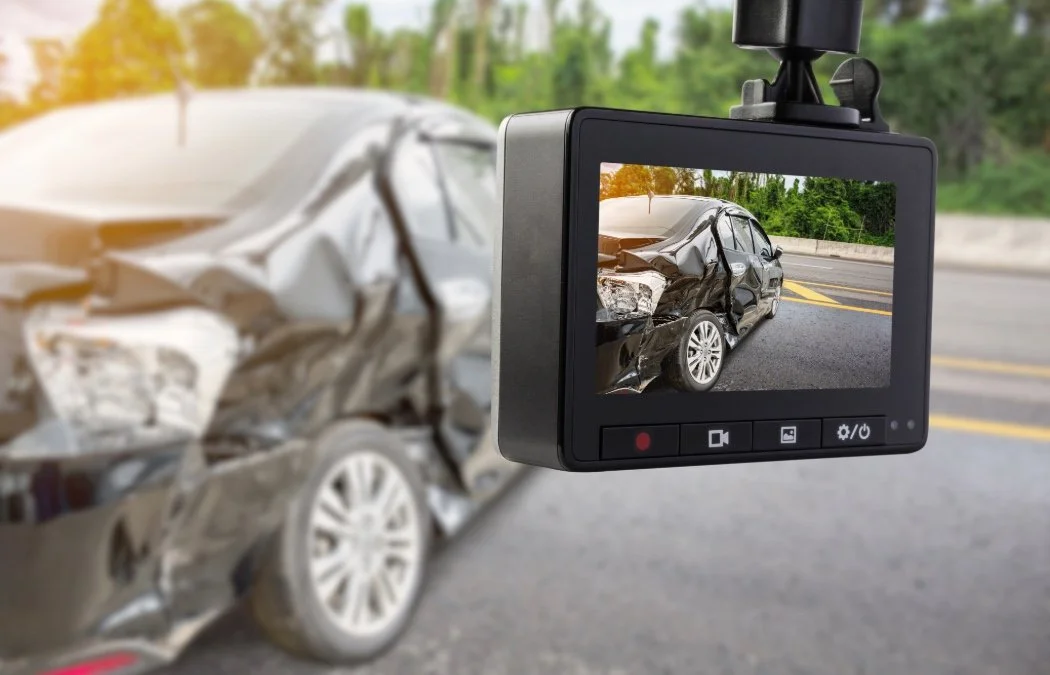
A dashcam’s a great bit of kit - until it isn’t. If your policy requires you to upload footage after an incident and you don’t, they could reject your claim.
Same goes for telematics “black box” insurance. Miss a data upload, or brake a bit too harshly, and you could be penalised or even voided.
It’s technology that’s supposed to help… until it helps them instead.
Sleeping in Your Car - the Highway Code vs. Insurance Small Print
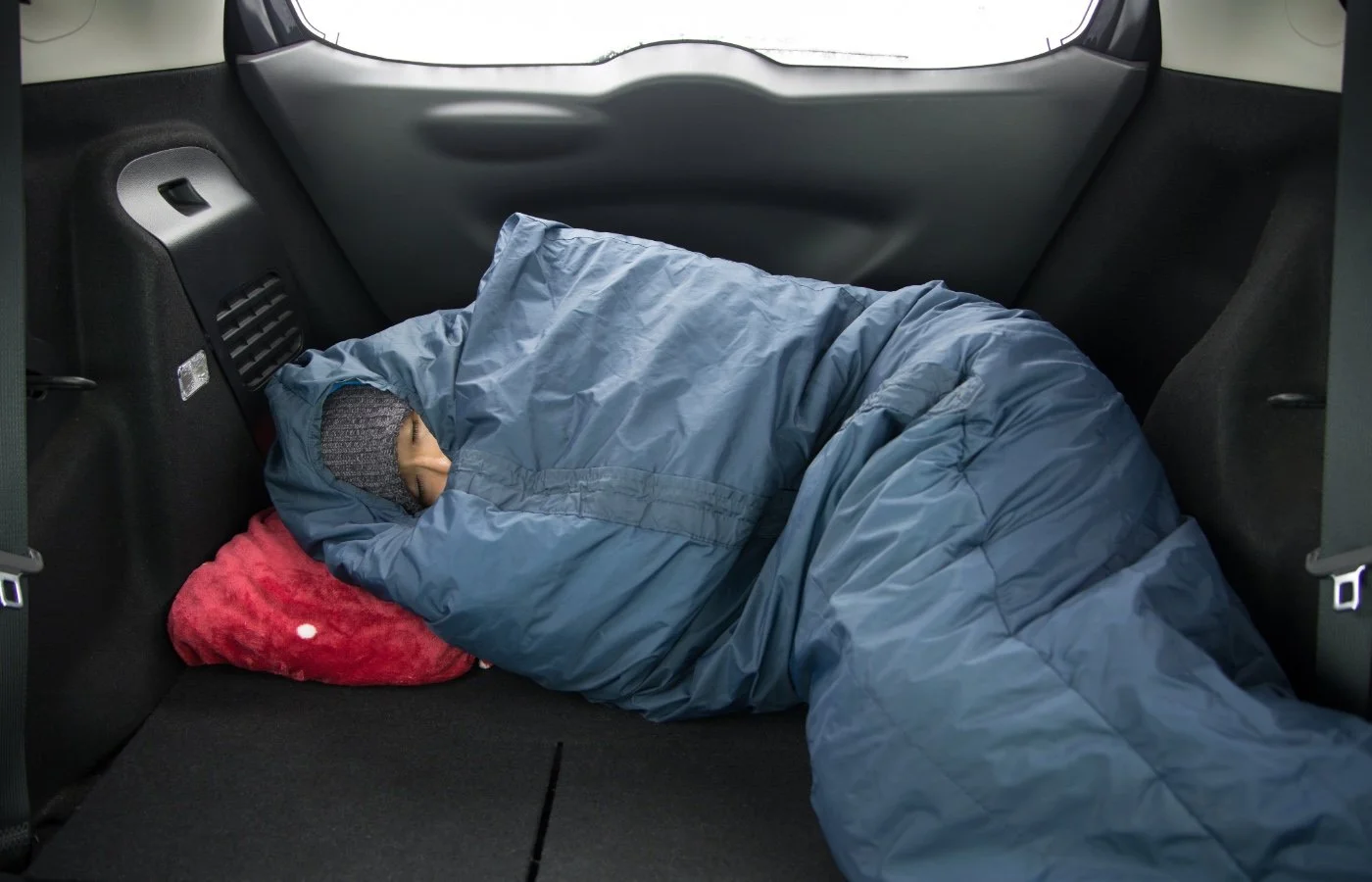
The Highway Code wants you to stop if you’re tired - and you absolutely should. But some insurers don’t like it if you turn a quick nap into an overnight stay.
If you’re just resting at a service station for safety reasons, you’re fine. But if you’re parked up overnight in a layby, sleeping bag out, curtains drawn - that’s when the lines blur.
Basically: rest if you’re tired, but don’t turn your 4x4 into a Travelodge unless your policy allows “overnight occupancy.”
Named Drivers and “Just Popping to the Shops”

Finally, the classic: “Oh, I’ll just borrow your car for a quick run to the shops.”
If they’re not a named driver, they’re not insured. End of.
If they crash, you lose your no-claims bonus, they get a bill, and everyone gets a letter from the insurer that starts with “We regret to inform you…”
It’s one of the oldest traps in the book.
The Bottom Line
Insurance companies love their definitions - Commuting, Pleasure, Off-road, Overnight. The trouble is, most of us don’t read the fine print, and that’s where they get you.
Read your policy booklet (yes, all 47 pages), declare everything you do with your car, and if in doubt, ask before assuming, because in the world of car insurance, assumptions are expensive, and apparently, ‘Comprehensive’ does not mean ‘everything’ - it means ‘Whatever the insurance company decides it is this week’.